
1. Alice
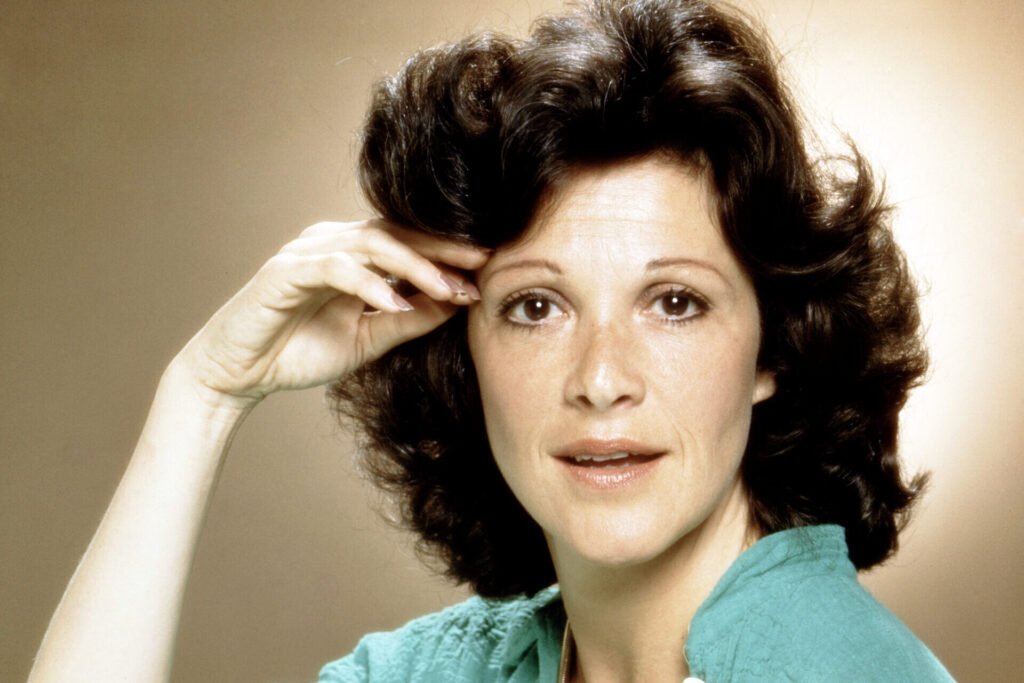
For a few solid years in the late ’70s and early ’80s, Alice felt like it was everywhere, anchored by Linda Lavin’s sharp, funny performance as a single mom working in a roadside diner. The show’s mix of working-class humor, Southern charm, and blunt one-liners made it an easy weekly habit for families. Characters like Flo and her famous “Kiss my grits” catchphrase became genuine pop-culture shorthand. At its peak, it routinely ranked high in the Nielsen ratings and ran for nine seasons, which is no small feat for a sitcom.
Yet today, Alice rarely comes up in casual nostalgia conversations compared with flashier contemporaries. It pops up on streaming or retro channels from time to time, but it does not generate the same meme culture or revival chatter. Part of that may be its very grounded simplicity, which lacks the big hook that keeps newer audiences curious. For those who watched it originally, though, it still feels like a warm snapshot of everyday humor from that era.
2. Maude
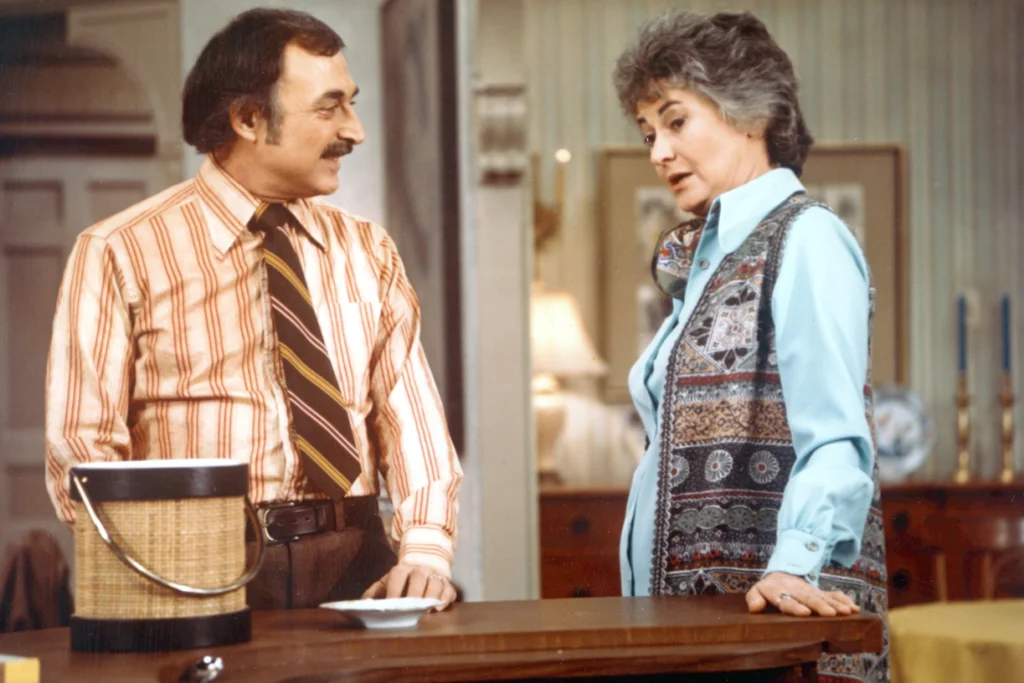
Maude was fearless for its time, tackling hot-button social issues head-on through the blunt, outspoken Maude Findlay, played by Bea Arthur. The show addressed topics like women’s rights, politics, and aging in ways that network sitcoms rarely dared in the early ’70s. It was both funny and confrontational, often sparking real conversations at the dinner table after episodes aired. Ratings were strong, and Arthur became a recognizable television presence.
Despite its cultural impact, Maude tends to get overshadowed today by Arthur’s later work on The Golden Girls. Many viewers forget how groundbreaking the series actually was within the sitcom format. Its topical humor can feel dated without historical context, which may keep it from being rediscovered by younger audiences. Still, it remains an important stepping stone in TV comedy’s evolution.
3. What’s Happening!!
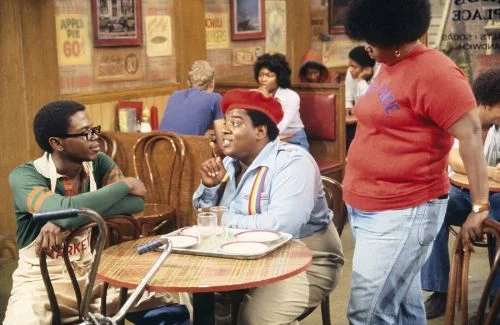
What’s Happening!! captured teenage life in a way that felt playful, goofy, and very much of its moment. The chemistry between Raj, Rerun, and Dwayne gave the show an easygoing charm that made it a favorite with younger viewers. It leaned into music culture, friendships, and school antics without taking itself too seriously. For many families, it became an easy weeknight comfort watch.
Over time, the show slipped out of the mainstream nostalgia cycle. It does not rerun as frequently as other teen-focused sitcoms, which makes it harder for new audiences to stumble across. Its humor remains sweet, but it lacks the ongoing cultural footprint of some of its peers. Fans who remember it fondly often feel like they are part of a small, quiet club.
4. Soap
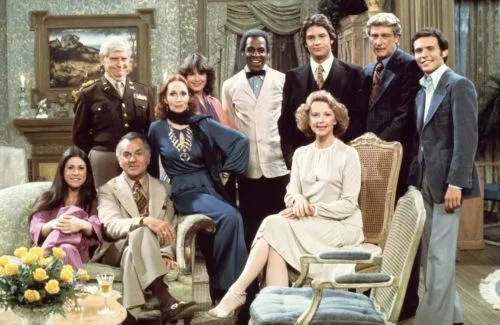
When Soap debuted, it felt wildly unconventional, blending sitcom comedy with outrageous soap-opera parody and cliffhanger storytelling. The ensemble cast delivered absurd storylines that pushed boundaries and kept viewers hooked week after week. It became a conversation starter, with audiences eager to see just how far the show would go next. Ratings and buzz made it one of the boldest comedies of the late ’70s.
Today, Soap is more of a cult favorite than a commonly referenced classic. Its serialized structure and edgy humor can feel unusual compared with modern sitcom rhythms. Without frequent syndication or mainstream streaming promotion, it stays somewhat hidden. Those who revisit it often appreciate how inventive it was for its time.
5. Barney Miller
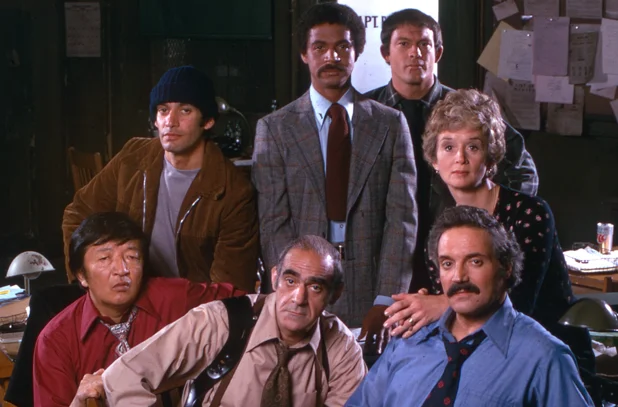
Barney Miller turned a police precinct into a surprisingly warm and character-driven workplace comedy. Instead of action, the humor came from dry dialogue, eccentric personalities, and clever writing. The ensemble cast built a consistent rhythm that made each episode feel like spending time with familiar coworkers. It earned critical respect and loyal viewers throughout its run.
Despite its quality, the series does not always come up in casual sitcom rankings today. Its understated tone can feel subtle compared with louder, faster modern comedies. It also lacks a single breakout pop-culture moment that keeps it constantly referenced. Still, many critics and longtime fans consider it one of the smartest comedies of its era.
6. The Odd Couple
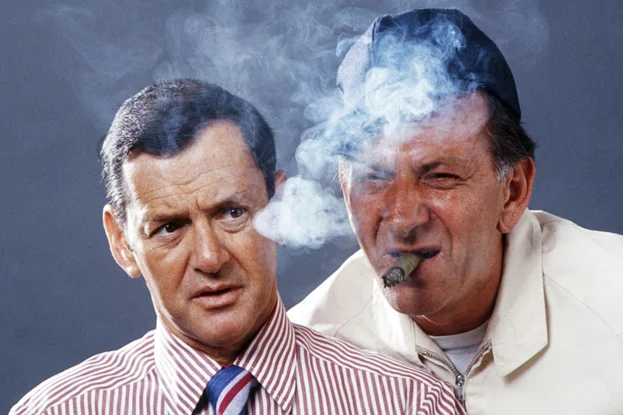
The television version of The Odd Couple brought Neil Simon’s mismatched roommates to weekly TV audiences with Jack Klugman and Tony Randall at the center. Their opposites-attract chemistry carried the show, creating endless comic tension between sloppy and neat living styles. It became a dependable ratings performer and a familiar presence in many homes. Viewers quickly latched onto the simple but effective premise.
These days, the series is often remembered more vaguely than its stage or film counterparts. It tends to blend into the broader legacy of the franchise rather than standing on its own. Reruns still surface, but the show rarely dominates nostalgia conversations. For those who revisit it, the performances remain charming and timeless.
7. Welcome Back, Kotter
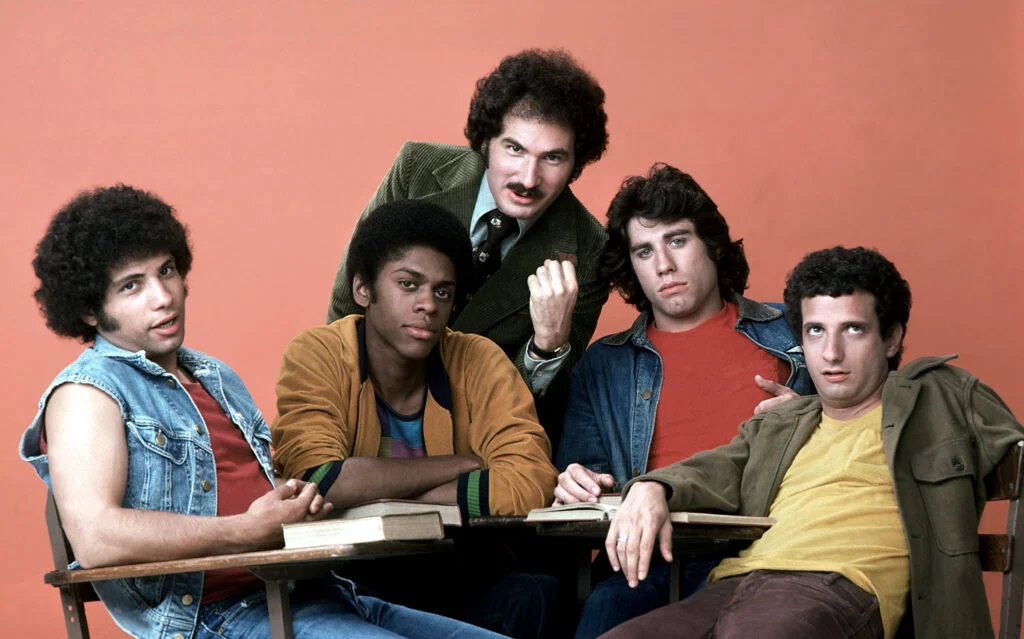
Welcome Back, Kotter exploded in popularity thanks to its high-energy classroom humor and breakout star John Travolta. The Sweathogs’ wisecracking antics made the show feel youthful and unpredictable. It connected with teens and adults alike, capturing a loose, playful spirit of the decade. For a time, it felt impossible to avoid references to it.
Today, the show’s footprint feels smaller than its former cultural dominance. Much of its fame is now tied to Travolta’s later movie career rather than the sitcom itself. The humor still lands for fans, but it does not circulate widely on streaming platforms. It exists more as a fond memory than an active pop reference.
8. Rhoda
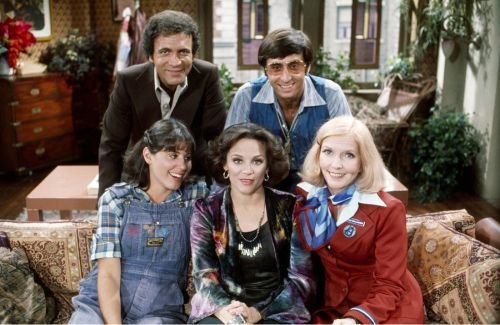
As a spin-off from The Mary Tyler Moore Show, Rhoda gave Valerie Harper a well-deserved spotlight. The series explored independence, dating, and self-confidence with warmth and humor. Early seasons performed extremely well and made Rhoda Morgenstern a relatable heroine for many viewers. The New York setting added a slightly sharper edge compared with its parent show.
Over time, Rhoda faded into the shadow of the larger franchise. It is less commonly discussed when people revisit classic sitcom lineups. Without consistent reruns, newer audiences rarely encounter it organically. Fans who remember it often recall how refreshing its perspective felt during its original run.
9. Phyllis
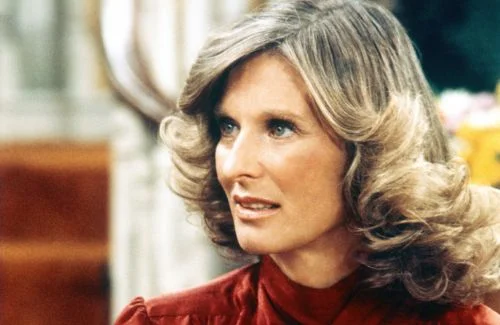
Phyllis centered on the quirky, opinionated character originally introduced on The Mary Tyler Moore Show. Cloris Leachman leaned fully into Phyllis Lindstrom’s eccentric personality, delivering big laughs and unexpected vulnerability. The show maintained solid ratings and a dedicated following during its short run. It offered a different comedic flavor than its parent series.
Despite Leachman’s legendary status, Phyllis itself is rarely highlighted today. It tends to get lost among the many successful sitcoms connected to the MTM universe. Shorter runs often struggle to stay culturally visible over decades. Still, it remains a fascinating snapshot of character-driven comedy experimentation.
10. Fish
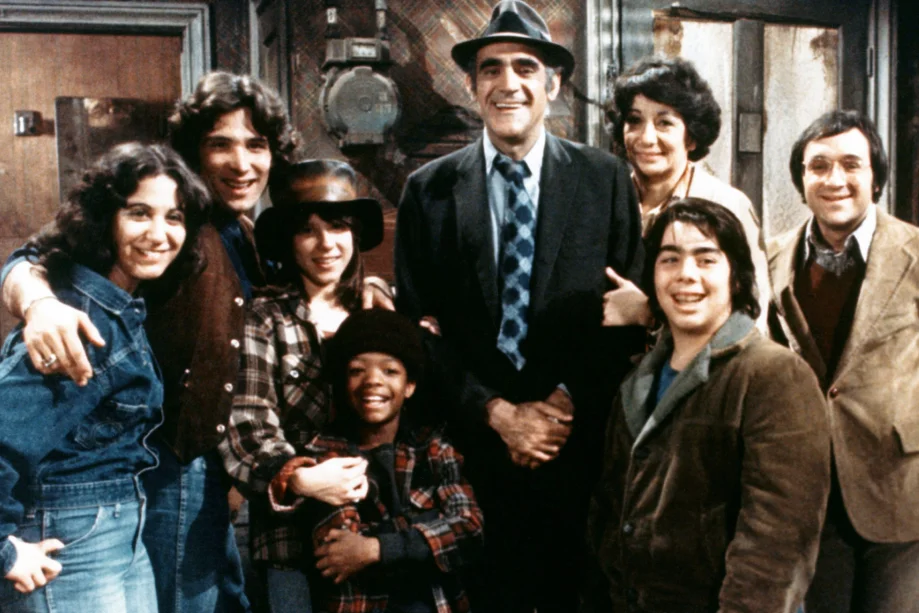
A spin-off from Barney Miller, Fish focused on Abe Vigoda’s gruff but oddly lovable detective raising a foster family. The concept blended workplace humor with family dynamics in a way that felt slightly unconventional. Audiences who loved the character were curious to see him front his own series. It delivered gentle comedy with a surprising amount of heart.
However, Fish did not leave a long-lasting imprint on pop culture. Its brief run makes it harder for modern viewers to encounter or remember. Even dedicated sitcom fans sometimes forget it existed at all. It stands as a reminder of how many spin-offs quietly came and went during the era.
11. Archie Bunker’s Place
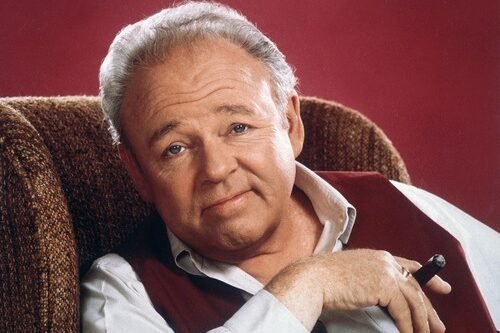
After the massive success of All in the Family, Archie Bunker’s Place continued Archie’s story in a new setting. The tone softened slightly, shifting more toward character growth while maintaining the familiar humor. Fans who stayed with the character appreciated seeing Archie evolve over time. It performed respectably in ratings during its run.
Despite that, the show rarely gets discussed independently today. Most nostalgia centers on the original series rather than its continuation. Without constant syndication, it gradually slipped from public memory. It remains an interesting epilogue for one of television’s most iconic characters.
12. Benson
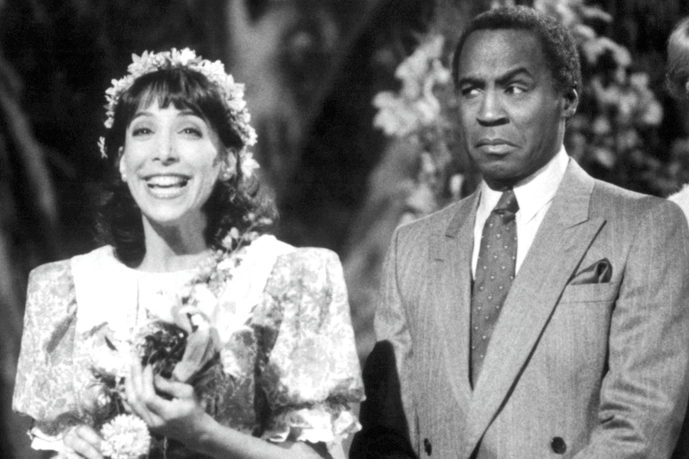
Benson began as a spin-off from Soap and quickly developed its own identity with Robert Guillaume leading the cast. The political workplace setting added a clever twist to traditional sitcom structure. Guillaume’s sharp delivery and comedic timing carried much of the show’s appeal. It maintained steady popularity into the early ’80s.
Yet it rarely appears in modern sitcom retrospectives. Its crossover origins sometimes make it feel disconnected from standalone classics. Streaming availability has been limited compared with more heavily promoted shows. For viewers who watched it originally, the humor still holds up remarkably well.
13. WKRP in Cincinnati
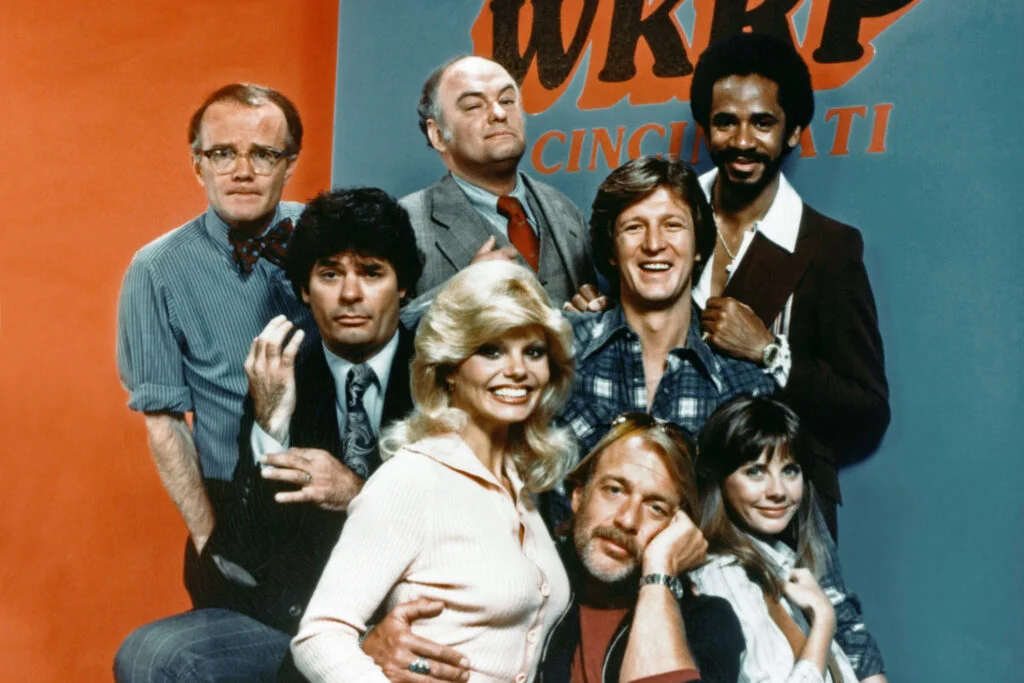
WKRP in Cincinnati captured the chaos and charm of a struggling radio station with an ensemble cast full of memorable personalities. The show blended workplace comedy with music culture, which gave it a unique identity. Episodes often felt lively, unpredictable, and surprisingly heartfelt. Many fans still remember specific scenes and catchphrases fondly.
Even so, it does not always get the spotlight it deserves today. Music licensing issues have complicated its availability, limiting widespread rediscovery. Without easy access, newer audiences rarely stumble upon it. Those who do often realize how sharp and influential it really was.
14. Taxi
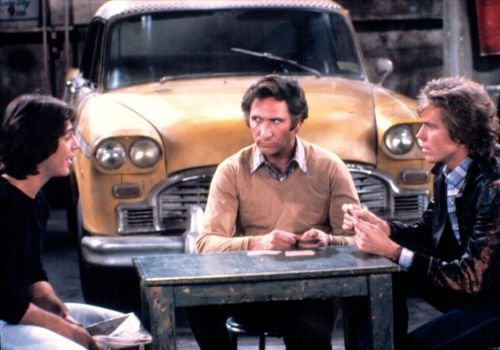
Taxi introduced audiences to a group of New York cab drivers chasing dreams and dealing with everyday frustrations. The cast included future stars whose early performances added depth and warmth to the series. Its humor balanced absurdity with quiet emotional moments. Critics praised it heavily during its original run.
Despite its acclaim, it is not as frequently mentioned in casual nostalgia lists. It sometimes gets overshadowed by flashier ensemble comedies from later decades. Reruns appear less often than they once did. For viewers who revisit it, the writing still feels remarkably sophisticated.
15. Mork & Mindy
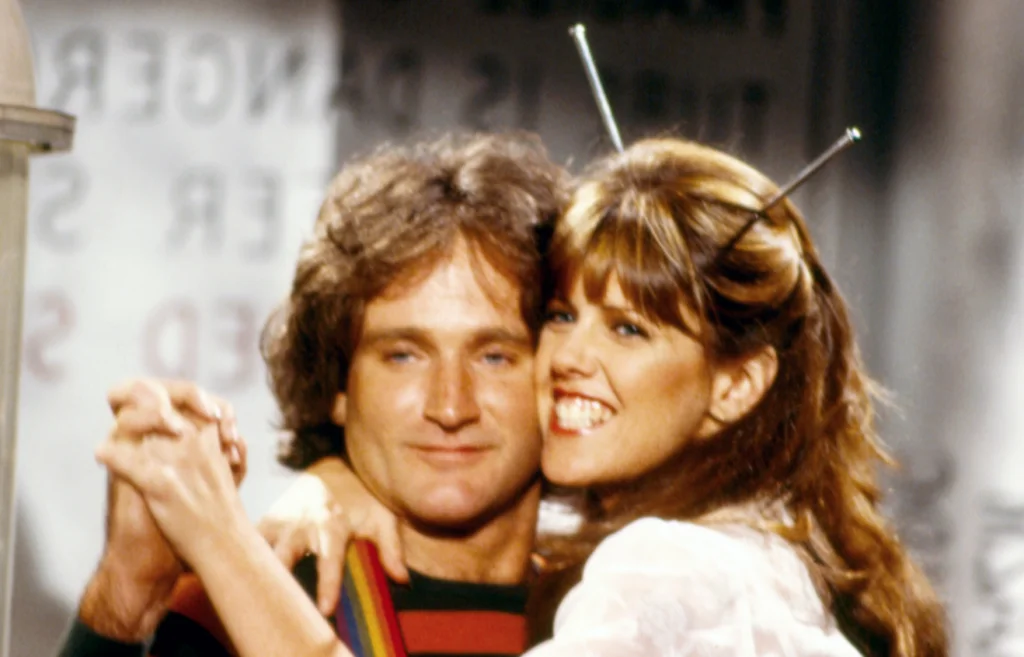
Mork & Mindy exploded thanks to Robin Williams’ rapid-fire improvisation and otherworldly charm. The fish-out-of-water premise allowed for nonstop physical comedy and inventive jokes. For a brief period, it felt like a genuine cultural phenomenon. Williams became an instant household name.
Over time, the show itself faded behind Williams’ legendary film career. Many people remember the performer more than the series. The style of humor feels very tied to its moment, which can limit broader rediscovery. Still, it remains an important chapter in television comedy history.
16. The Bob Newhart Show
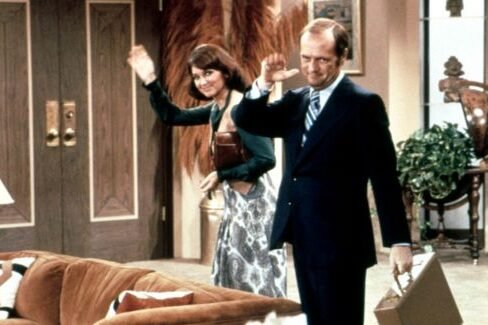
The Bob Newhart Show leaned into dry, understated humor built around Newhart’s calm, deadpan delivery. The therapy-office setting allowed for clever conversational comedy rather than big slapstick moments. Audiences appreciated its smart writing and relaxed pacing. It maintained strong popularity throughout its run.
Today, it often gets eclipsed by Newhart’s later series, Newhart. The earlier show’s subtler tone makes it less meme-friendly and less frequently referenced online. Without heavy syndication exposure, it quietly slipped from everyday conversation. For fans of intelligent sitcom writing, it remains a rewarding rediscovery.