1. Lindsay Wagner
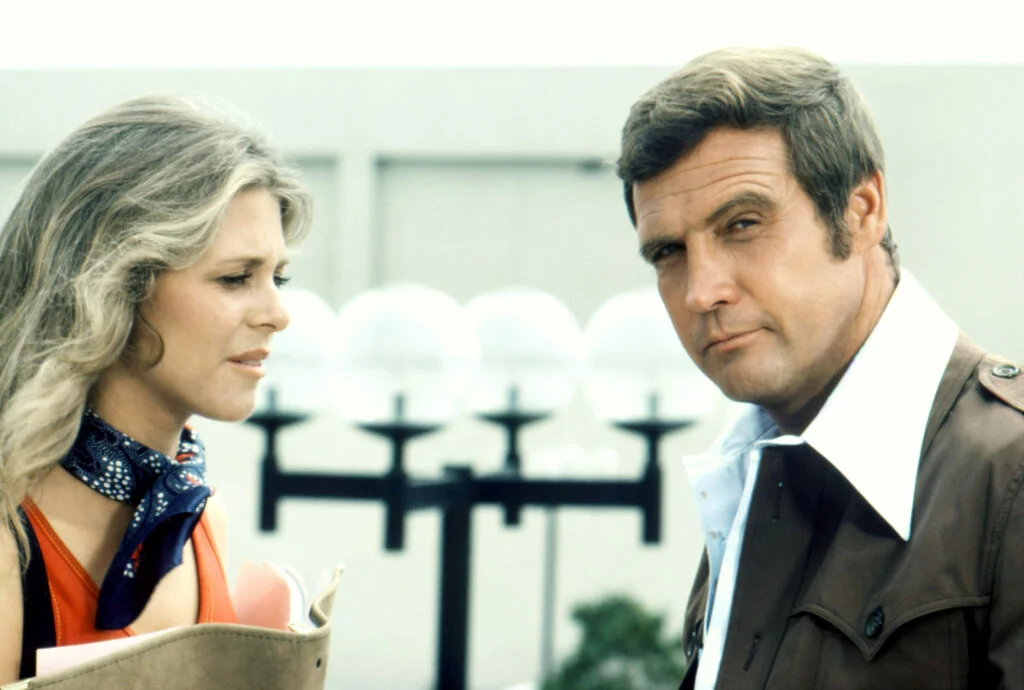
For a stretch in the mid to late ’70s, it felt like Lindsay Wagner was on television constantly thanks to The Bionic Woman. The role made her a pop culture fixture, complete with action figures, lunchboxes and endless magazine covers. Wagner brought warmth and intelligence to Jaime Sommers, which helped the show appeal beyond just sci-fi fans. She also popped up on variety shows and TV movies, keeping her face familiar week after week. When the series ended in 1978, the visibility faded faster than many expected. Wagner chose to step back from the grind of weekly television rather than chase another long-running series.
She continued acting in TV movies and guest roles, but nothing ever matched the saturation of her Bionic Woman years. Over time, she shifted her focus toward wellness, writing and holistic health work. Fans still associate her strongly with that one iconic character, which can make later projects easy to overlook. It is one of those careers where the peak was so dominant that everything afterward feels quieter by comparison.
2. Erik Estrada
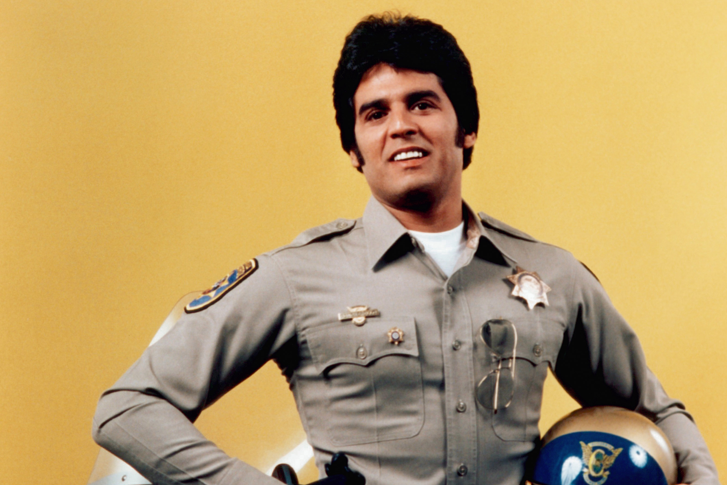
Erik Estrada became a household name as Officer Frank Poncherello on CHiPs, a show that seemed to run nonstop in reruns even while it was still airing new episodes. His smile, swagger and motorcycle chases made him an instant teen idol and a staple of late ’70s television culture. Estrada was everywhere, from talk shows to magazine pinups to guest appearances on other series. When CHiPs wrapped in 1983, the constant exposure dropped off sharply.
He continued working steadily, especially in Spanish-language television and reality projects, but the mainstream spotlight never quite returned to the same level. Many viewers still freeze him in that California Highway Patrol era, even though his career kept evolving. It is a classic case of a role becoming so dominant that it defines public memory long after the cameras stop rolling.
3. Kate Jackson
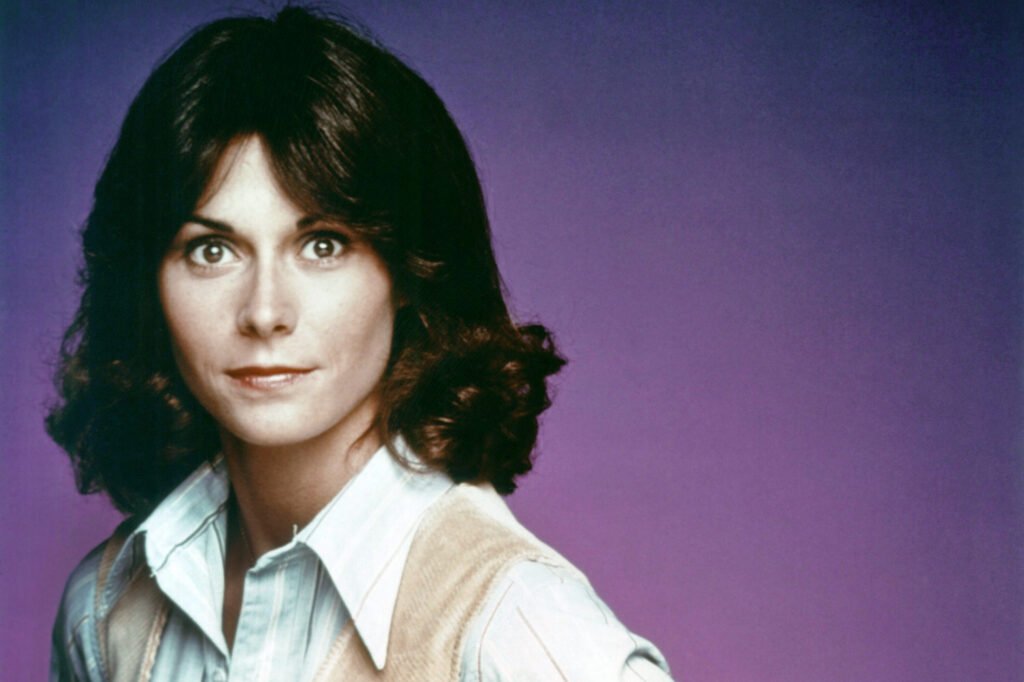
Kate Jackson ruled network television in the ’70s thanks to Charlie’s Angels, where she played the smart and grounded Sabrina Duncan. Before that, she had already built visibility on The Rookies, making her one of the most familiar faces on prime time. Jackson had a sharp, confident screen presence that stood out in an era packed with glamorous leads. For several years, it felt like you could not flip channels without running into her.
After leaving Charlie’s Angels, she continued acting in TV movies and short-lived series, but the nonstop exposure slowed down. Health challenges and changing industry priorities also shaped her later career choices. Fans still associate her most strongly with the Angels era, even though she built a solid body of work before and after. Her story reflects how quickly television fame can shift once a flagship series ends.
4. Richard Hatch
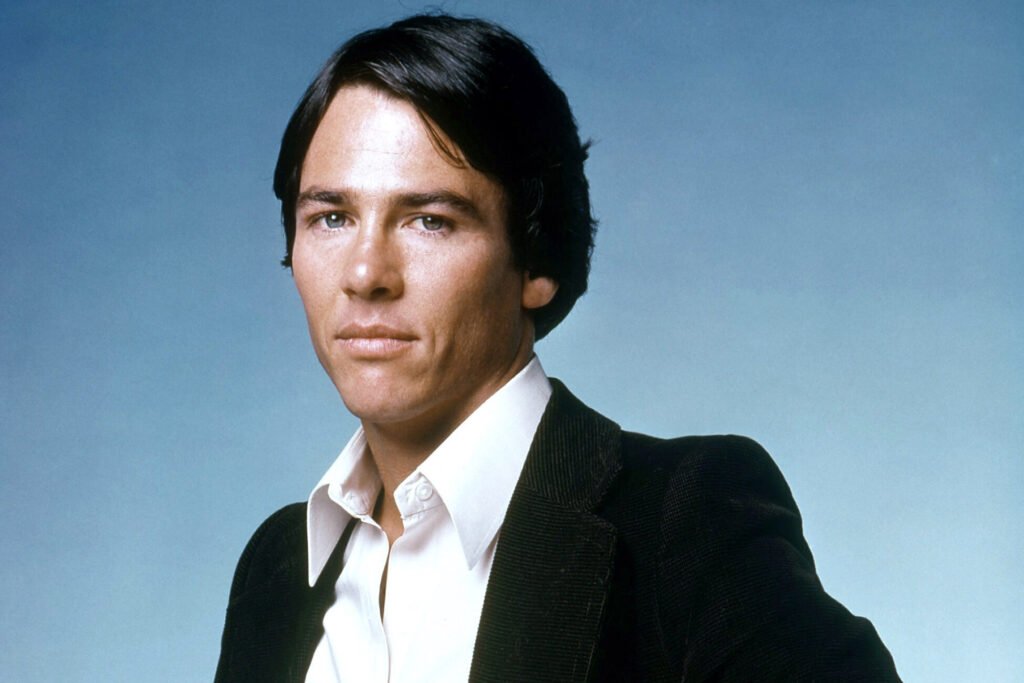
Richard Hatch became a cult favorite almost overnight when he starred as Apollo on Battlestar Galactica in 1978. The show may not have run long, but it aired constantly in reruns and became a staple for sci-fi fans. Hatch suddenly found himself part of conventions, fan magazines and genre television conversations everywhere. For a brief moment, he felt unavoidable within that fandom bubble.
When the series ended, mainstream television roles became harder to land. Hatch stayed active in theater, fan events and later returned to the franchise in a different role during the 2000s reboot. Still, his visibility never again matched the late ’70s saturation. His career is a reminder that cult fame can be intense but fleeting.
5. Dirk Benedict
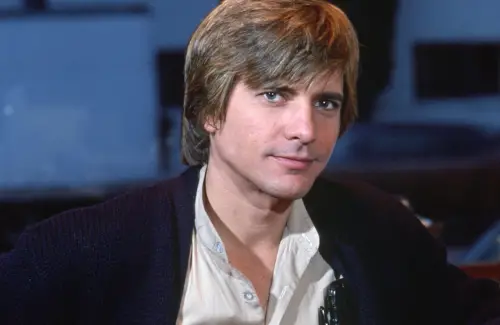
Dirk Benedict rode the wave of action television fame with Battlestar Galactica and later The A-Team. In the late ’70s, his face became familiar to anyone watching adventure and sci-fi programming. He had a playful, confident energy that made him stand out in ensemble casts. Benedict seemed to pop up constantly in genre TV conversations and fan circles.
As the television landscape shifted in the ’80s and ’90s, his presence on mainstream series slowed. He remained active in writing, theater and fan appearances, but regular TV roles became rarer. Many viewers still remember him vividly from those two signature shows, even if they have not seen him onscreen in years.
6. Barry Williams
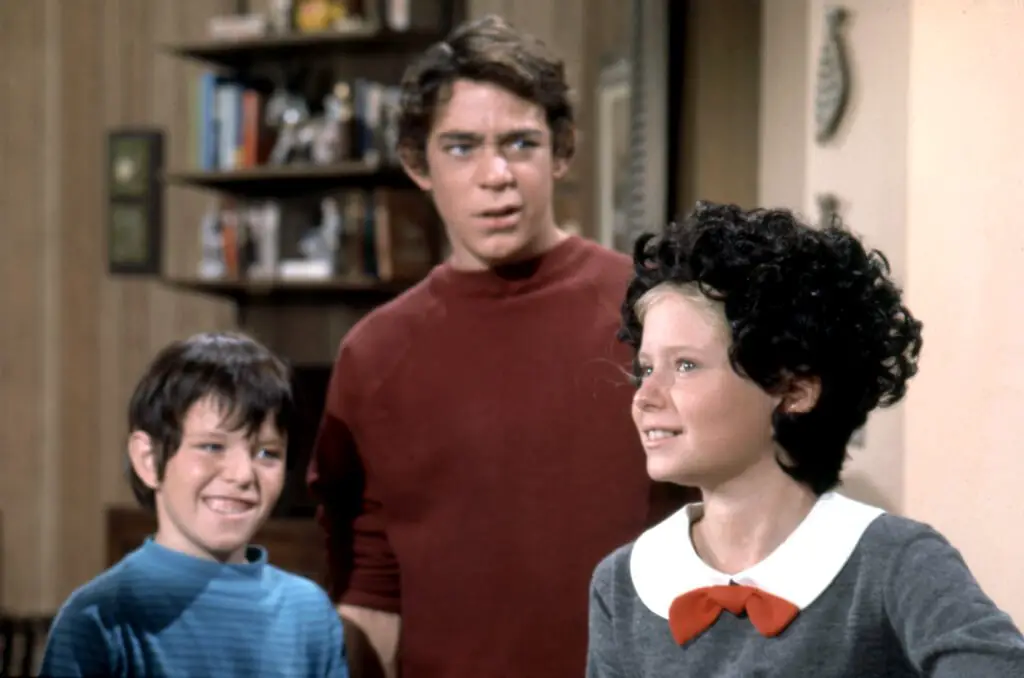
Barry Williams grew up on television as Greg Brady on The Brady Bunch, which flooded the airwaves with reruns throughout the ’70s. Even after the original series ended, spin-offs and specials kept Williams constantly visible. He became one of the most recognizable teen faces on TV for an entire decade. For many households, the Brady family practically lived in the living room.
As Williams transitioned into adulthood, steady television roles became harder to secure. He continued working in theater, touring productions and occasional guest appearances. The Brady image remained so strong that it often overshadowed his later work. His career illustrates how early fame can be both a blessing and a creative challenge.
7. Donny Most
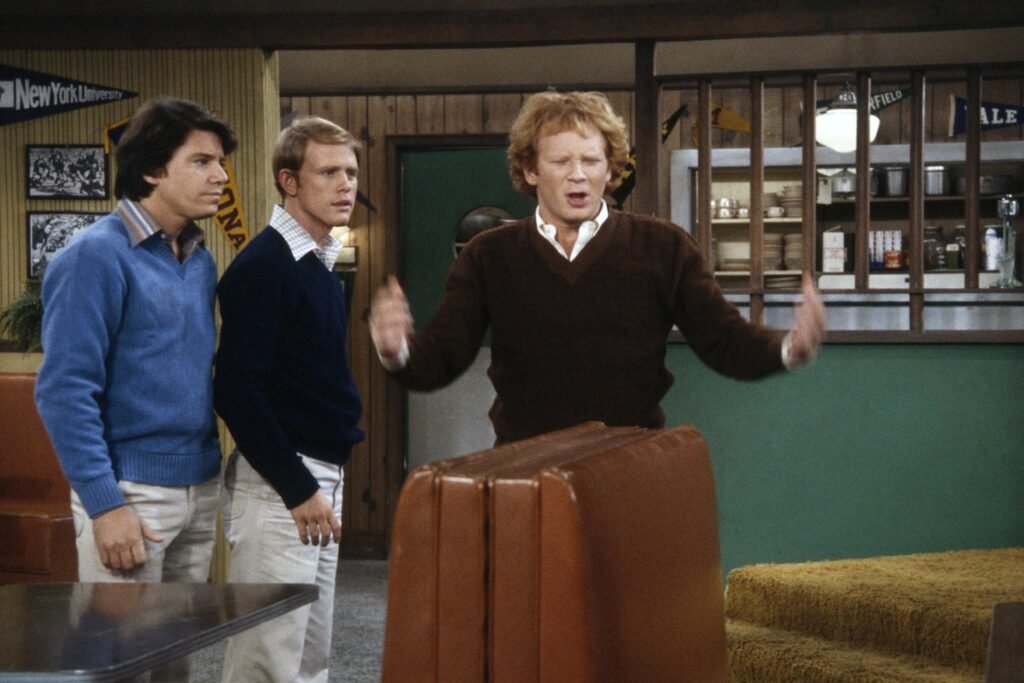
Donny Most was unforgettable as Ralph Malph on Happy Days, a show that dominated ratings and reruns throughout the late ’70s. His comic timing and lovable awkwardness made him a fan favorite. Like many cast members, he benefited from the show’s constant syndication exposure. It often felt like Ralph was always on somewhere, even years after new episodes aired.
After leaving the series, Most explored theater, voice work and music rather than chasing another long-running sitcom. He continued acting steadily but quietly. For many viewers, his Happy Days persona remains the primary association. It is another example of how a massively popular ensemble show can define an actor’s public image for decades.
8. Lynda Day George
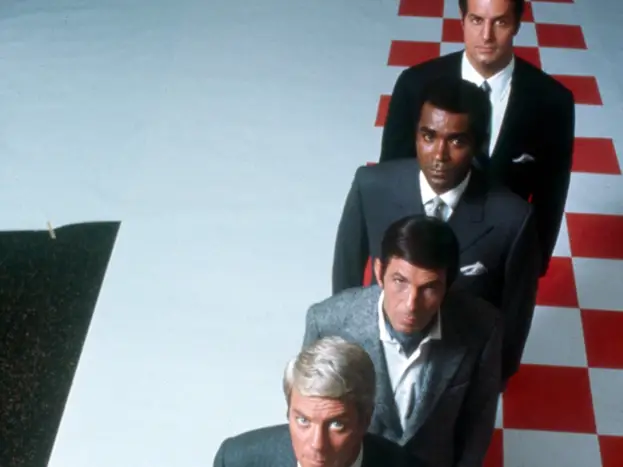
Lynda Day George became a familiar face through Mission: Impossible and later The Love Boat, both of which were staples of ’70s television schedules. She embodied the glamorous, capable leading woman that the era loved. With frequent guest roles and ensemble appearances, her visibility stayed high for years. Viewers could reliably expect to see her pop up across multiple networks.
As the industry shifted toward younger casts and different programming styles, her TV appearances became less frequent. She continued working in film and occasional television roles. Today, her name often triggers nostalgia for classic network television rather than current projects. Her career reflects how strongly the ’70s shaped long-term viewer memory.
9. Michael Ontkean
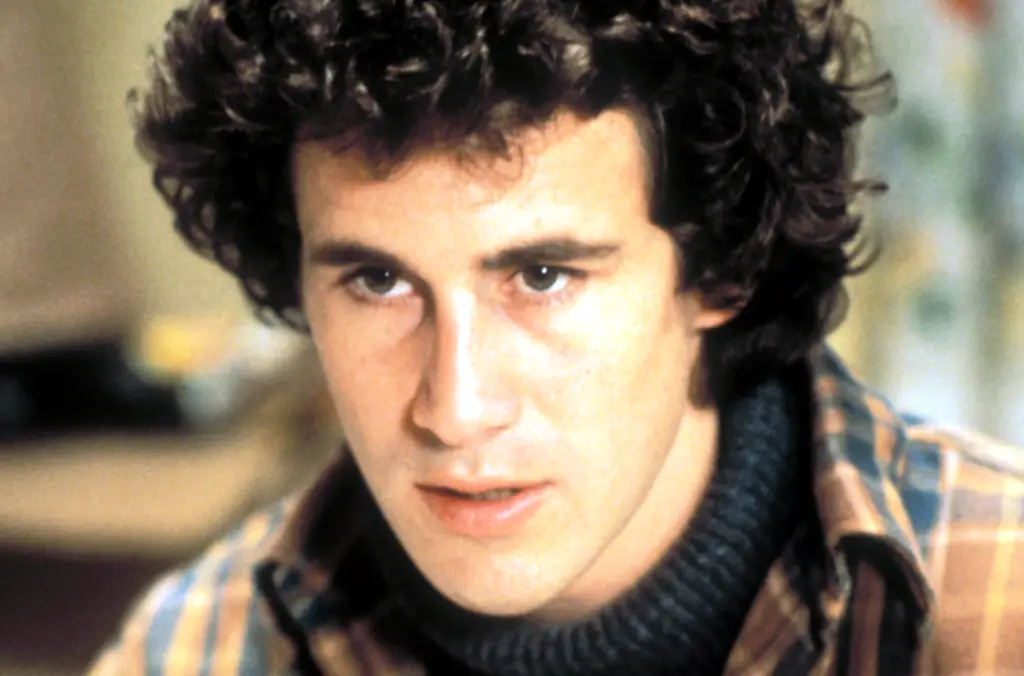
Michael Ontkean was everywhere in the late ’70s thanks to roles in TV movies and series like The Rookies. He had an earnest leading-man presence that fit the era perfectly. Ontkean also crossed into film, which kept his profile high for a time. For a stretch, he felt like one of those dependable faces networks leaned on repeatedly.
He later gained renewed recognition with Twin Peaks in the early ’90s, then gradually stepped away from acting altogether. Ontkean chose a quieter life in Hawaii, largely outside the entertainment spotlight. Fans often rediscover his earlier work and are surprised how often he appeared during that late ’70s period.
10. Jan-Michael Vincent
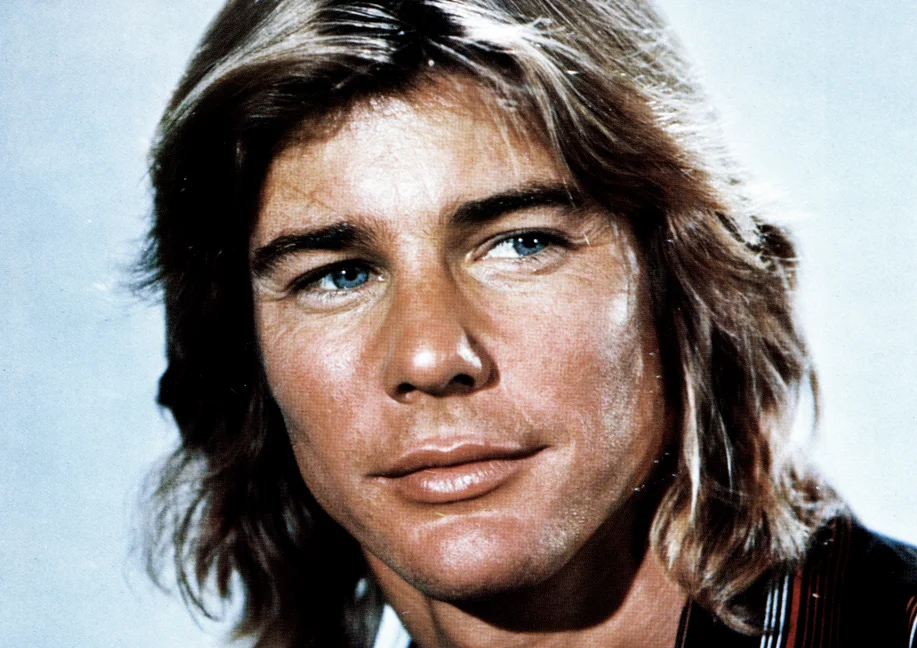
Jan-Michael Vincent became a major TV star with Airwolf, but even before that, he was heavily visible in late ’70s television films and dramas. Networks leaned into his rugged leading-man appeal, casting him frequently. For several years, his face was a familiar presence in prime-time promos and TV listings.
Personal struggles eventually disrupted his career and reduced his on-screen appearances. By the time Airwolf ended, the momentum had slowed significantly. Vincent’s story is often cited as a cautionary tale about the pressures of fame and the toll it can take over time.
11. James Darren
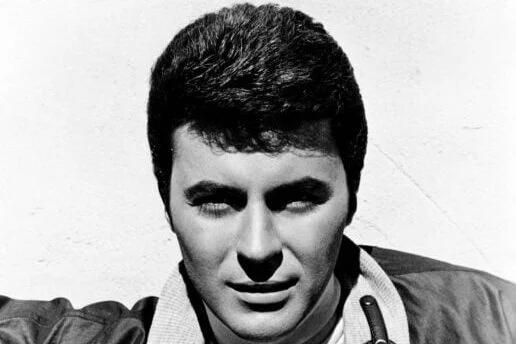
James Darren had already been a teen idol in the early ’60s, but the ’70s brought him renewed television visibility through shows like T.J. Hooker and frequent guest roles. His smooth charm translated well to television audiences. Darren also maintained a music career, keeping his name circulating across entertainment circles.
As the decade closed, his television appearances became more selective. He later transitioned into directing television, working behind the camera rather than in front of it. Many fans are surprised to learn how active he remained in the industry even after his acting visibility declined.
12. Karen Valentine
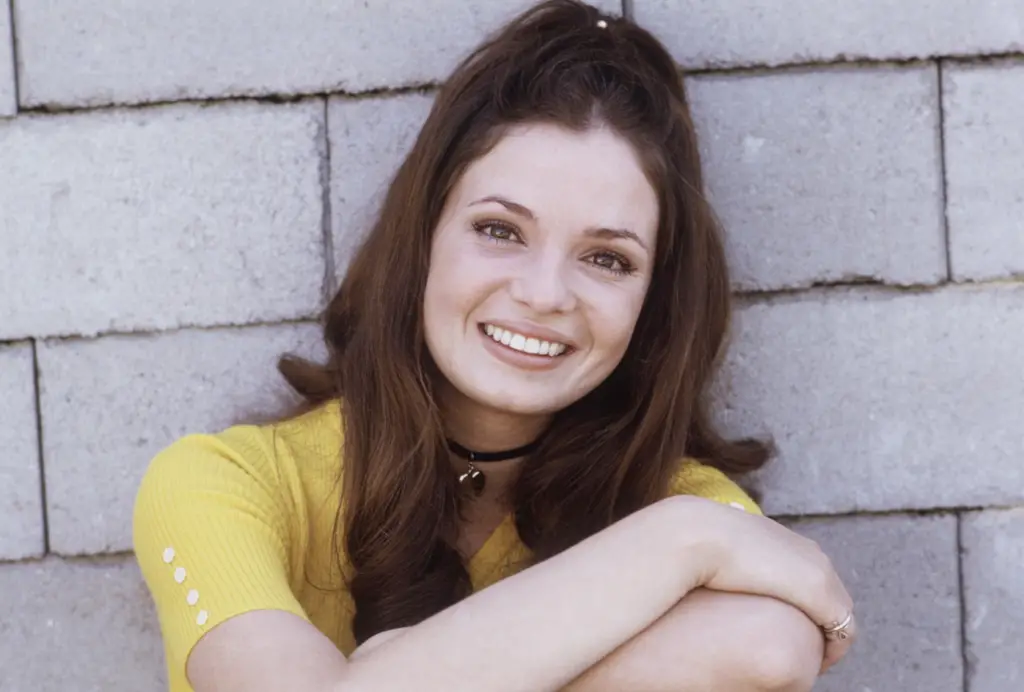
Karen Valentine broke out on Room 222, which stayed heavily syndicated through the ’70s and made her a familiar daytime and after-school presence. Her wholesome, approachable image resonated strongly with audiences. She appeared frequently in TV movies and guest roles throughout the decade. For many viewers, she became one of those comforting, recognizable faces.
As television trends shifted, her on-screen roles became less frequent. Valentine continued acting and later worked as an acting teacher. Her name still carries nostalgic weight for fans of classic network television. It is a quieter career arc that nevertheless left a lasting impression.
13. Kristy McNichol
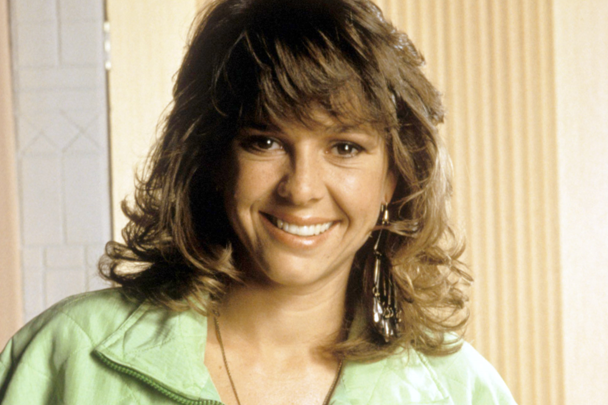
Kristy McNichol exploded onto television with Family in the late ’70s, becoming one of the decade’s most visible young stars. She also crossed into film, which amplified her popularity even further. McNichol’s emotional range and natural presence made her a critical and audience favorite. For a few years, she truly seemed to be everywhere.
Health challenges and personal priorities led her to step away from acting relatively early. She eventually retired from the industry and shifted into teaching and private life. Fans often remember her as frozen in that late ’70s moment of peak fame. Her career highlights how stepping away can preserve a powerful legacy.
14. Robert Hays
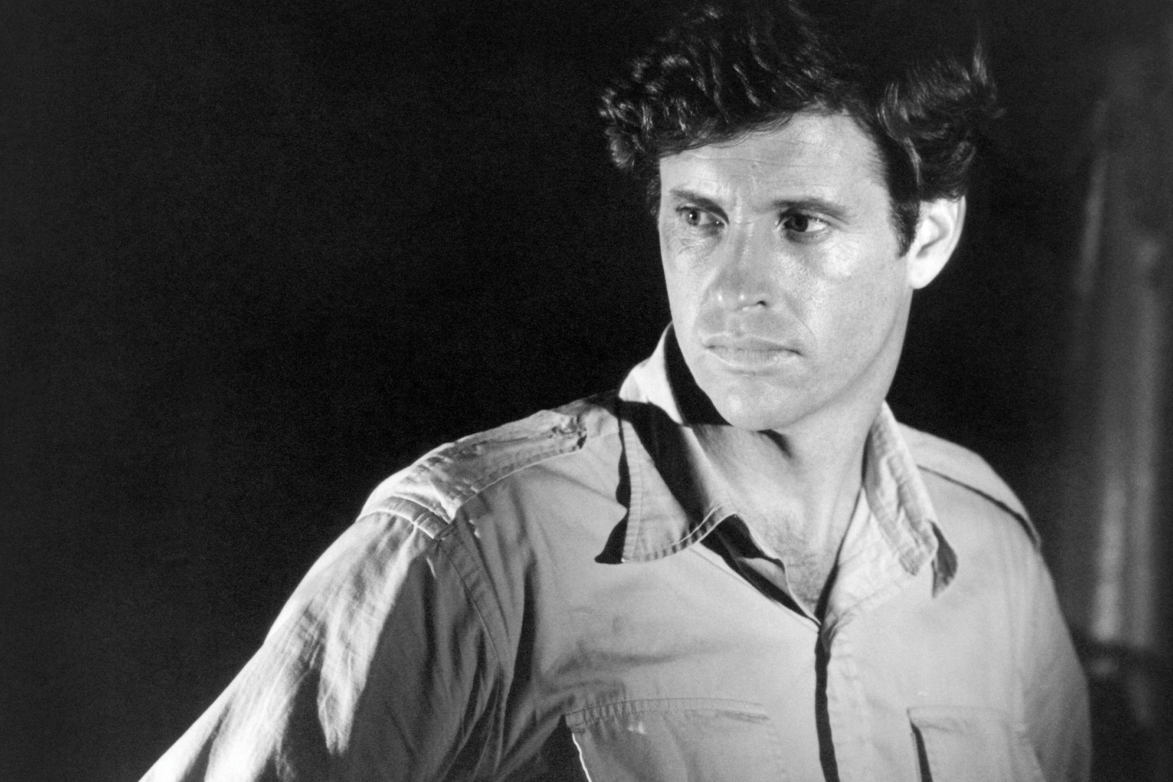
Robert Hays appeared frequently on television in the ’70s through guest roles and TV movies before becoming widely known for Airplane! in 1980. In the years leading up to that breakout film, he was a familiar network face. Hays had the kind of approachable everyman energy that casting directors loved.
After his big film success, he continued working steadily but never quite returned to the constant television presence of his earlier years. He later found a new generation of fans through voice work and series like Wings. His career shows how visibility can ebb and flow even when an actor keeps working consistently.