
1. Badfinger
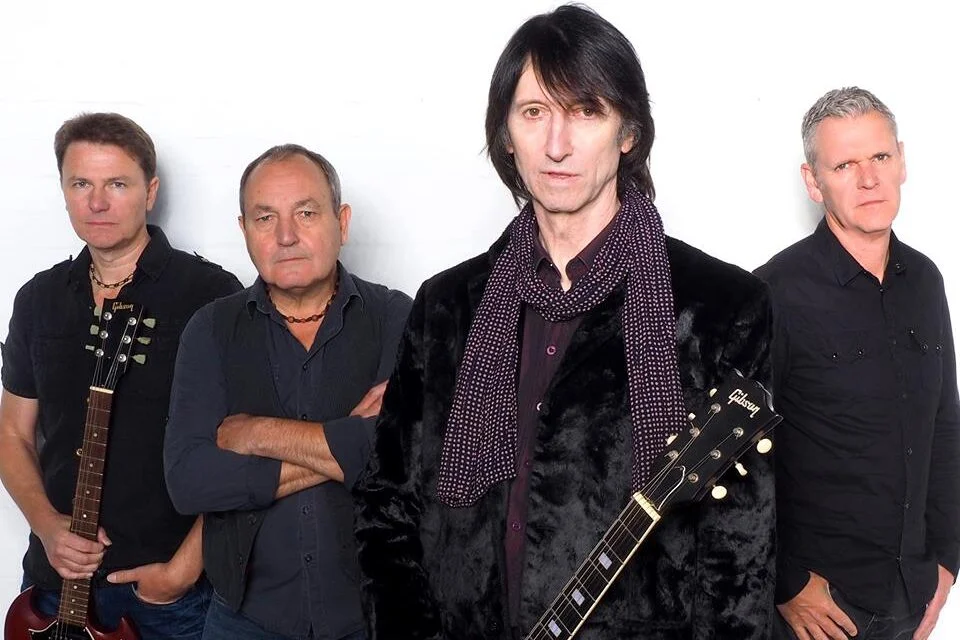
For a stretch in the early ’70s, Badfinger genuinely felt like the next great British band, especially with their Beatles-adjacent sound and melodic songwriting. Hits like “No Matter What,” “Day After Day,” and “Baby Blue” were radio staples that made the group seem permanently embedded in pop culture. Being signed to Apple Records and supported by George Harrison gave them instant credibility and enormous expectations. At the time, it felt almost inevitable that they would evolve into a long-running arena act.
Behind the scenes, however, disastrous financial mismanagement and endless legal battles slowly drained the band’s stability. Royalty disputes left members broke despite hit records, creating emotional and professional strain. Tragedy struck when Pete Ham died by suicide in 1975, followed by further instability in the years after. Although their music has been rediscovered by new generations through film and streaming, Badfinger’s original run ended far sooner than anyone imagined. Their story remains one of rock’s most sobering cautionary tales.
2. T. Rex
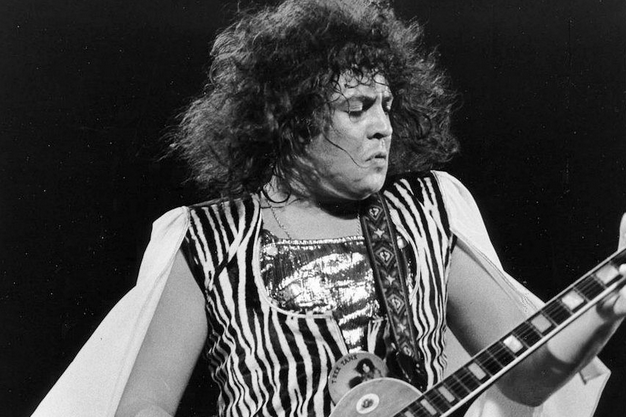
T. Rex dominated the glam rock explosion of the early ’70s with hits like “Bang a Gong (Get It On),” “20th Century Boy,” and “Telegram Sam.” Marc Bolan’s glittery swagger and infectious hooks made the band feel culturally unstoppable for several years. They weren’t just popular, they shaped fashion, attitude, and the sound of the decade. For fans at the time, T. Rex felt like a permanent fixture of the rock landscape.
That sense of permanence vanished suddenly when Bolan died in a car accident in 1977. Without their charismatic leader, the band could not continue in any meaningful way. While T. Rex’s music remains hugely influential and frequently licensed for films and commercials, their active career ended abruptly. The disappearance wasn’t gradual, but it left a lasting sense of unfinished potential. Their legacy continues to grow even as the band itself remains frozen in time.
3. Bread
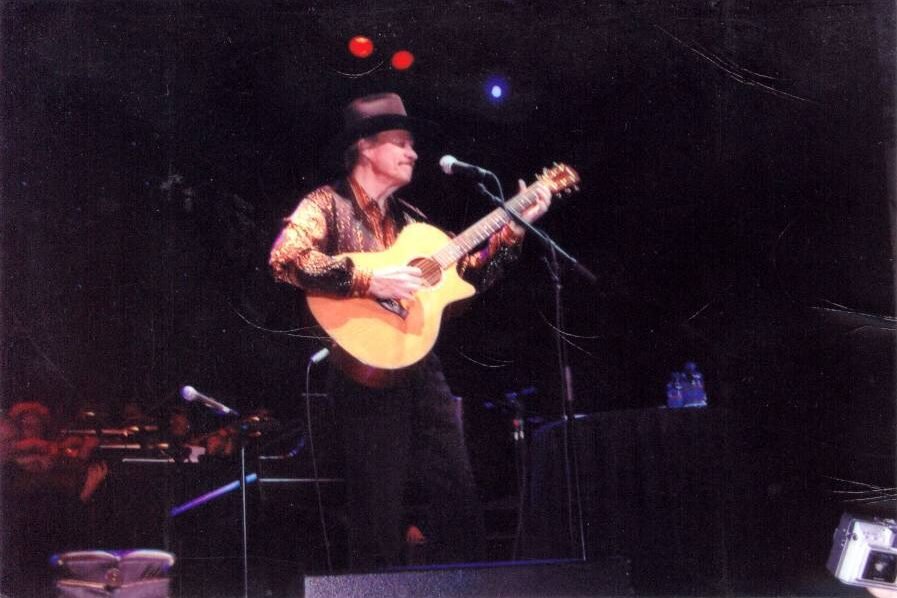
Bread owned early ’70s radio with soft rock classics like “Make It with You,” “If,” and “Everything I Own.” Their gentle melodies and romantic lyrics made them a soundtrack for slow dances, weddings, and late-night radio. For several years, it felt impossible to escape their songs, which made the band seem permanently embedded in everyday life. They appeared to have a formula that could last indefinitely.
Creative tensions eventually pulled the group apart, leading to their breakup in the mid-’70s. Brief reunions followed, but the original momentum was never fully recaptured. While Bread’s songs remain extremely familiar, the band itself quietly faded from active relevance. Many listeners recognize the music instantly without thinking much about the group behind it. Their disappearance happened softly rather than dramatically.
4. The Doobie Brothers
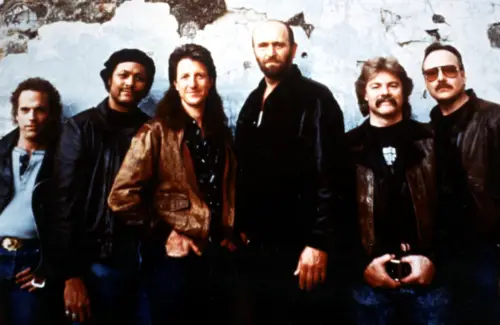
The Doobie Brothers were everywhere in the ’70s, scoring hit after hit with songs like “Listen to the Music,” “China Grove,” and “Black Water.” Their blend of rock, country, and soulful harmonies made them one of the most reliable hitmakers of the decade. For a while, it seemed like they would simply keep evolving and dominating radio indefinitely. They felt like a permanent part of the American rock soundtrack.
Major lineup shifts, including the departure of Tom Johnston and the later exit of Michael McDonald, dramatically changed the band’s identity. Although the group continued in different forms, their peak dominance gradually slipped away. The Doobie Brothers never truly vanished, but their cultural dominance quietly receded. Today, their classic hits remain beloved even as their chart-topping era feels firmly locked in the past. Their long-term presence exists more in nostalgia than in mainstream relevance.
5. Grand Funk Railroad
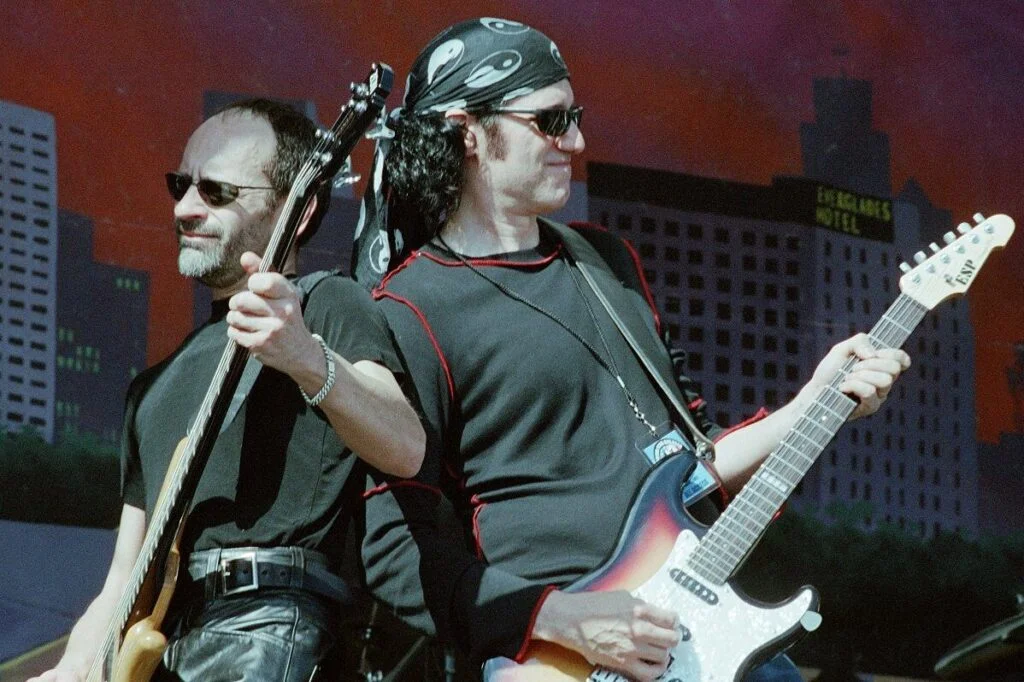
Grand Funk Railroad ruled early ’70s arenas with thunderous hits like “We’re an American Band” and “The Loco-Motion.” They were among the biggest-selling rock acts of their time, regularly packing massive venues. At their commercial peak, it felt like they would remain rock royalty for decades. Their blue-collar swagger resonated strongly with American audiences.
Internal conflicts and changing musical trends gradually eroded their dominance. By the late ’70s, the band had fractured and lost much of its mainstream visibility. While reunion tours kept their name alive, their hit-making days were clearly over. Many casual fans still associate them strongly with a specific era rather than an ongoing presence. Their fade happened slowly but decisively.
6. Three Dog Night
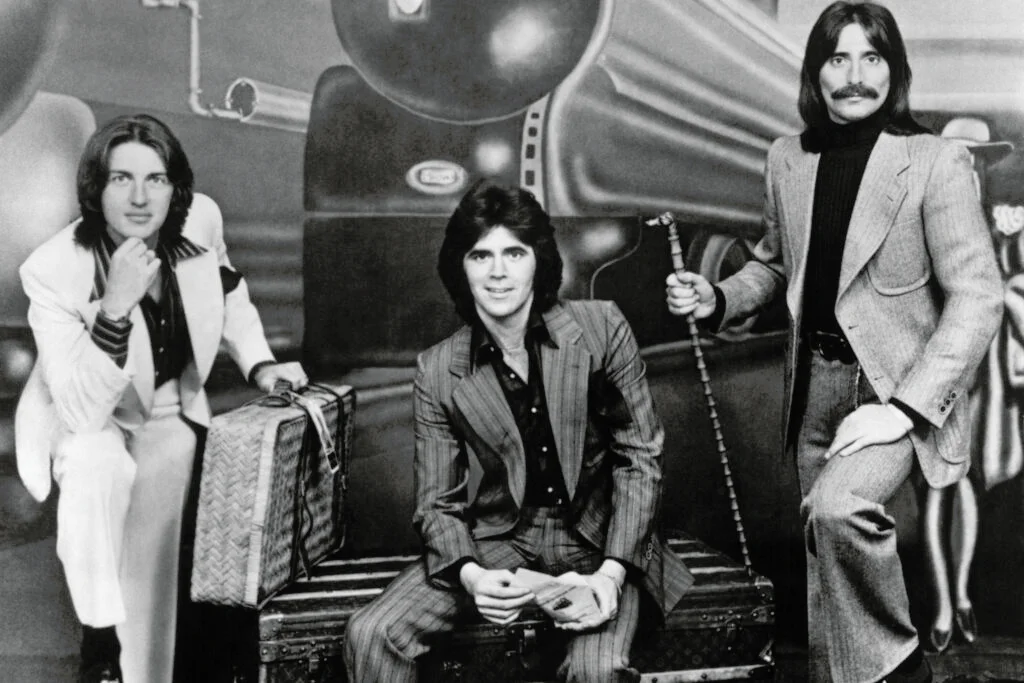
Three Dog Night stacked the charts with an incredible run of hits throughout the early ’70s, including “Joy to the World,” “Mama Told Me (Not to Come),” and “Black and White.” They seemed like hit-making machines, constantly rotating new singles onto the radio. Their triple-lead-vocal setup gave them a unique versatility that kept their sound fresh. At the time, few bands felt more reliable.
Exhausting touring schedules and internal tensions eventually took a toll. By the mid-’70s, the group disbanded as members pursued solo careers and personal recovery. Although the band later reunited for touring, their chart dominance never returned. Their songs remain embedded in classic rock culture, even as their peak years feel distant. The shift from ubiquity to quiet nostalgia happened quickly.
7. America
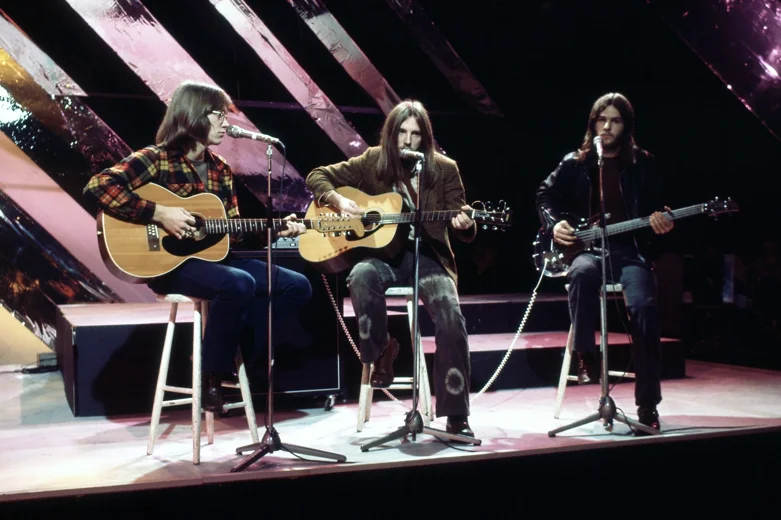
America captured the early ’70s mood perfectly with breezy folk-rock hits like “A Horse with No Name,” “Ventura Highway,” and “Sister Golden Hair.” Their harmonies and acoustic textures made them sound timeless and comforting. For a while, they felt like a band that would always be on the radio in some form. Their sound became synonymous with laid-back California cool.
As the decade progressed, shifting trends pushed their style out of the spotlight. Lineup changes further diluted their commercial momentum. Although America has continued touring and releasing music, their chart presence faded quietly. Many listeners still enjoy the songs without actively following the band. Their disappearance from the mainstream happened gradually rather than suddenly.
8. The Guess Who
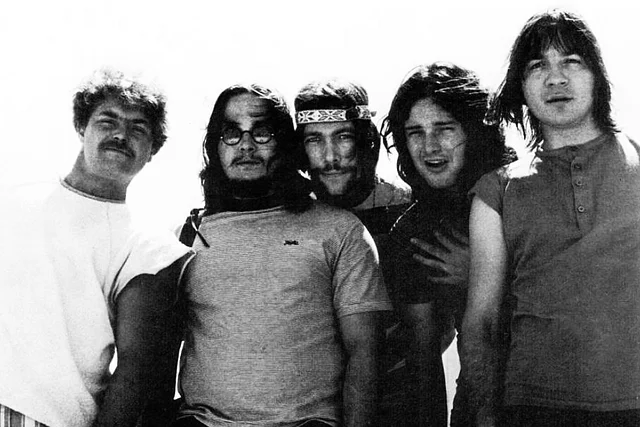
The Guess Who were already established going into the ’70s, riding momentum from hits like “American Woman” and “These Eyes.” Their blend of hard rock and pop sensibility kept them competitive as musical tastes shifted. For fans, it felt like the band had staying power well beyond their initial peak. They seemed positioned for a long evolutionary run.
Key lineup departures, especially the exit of Burton Cummings and Randy Bachman, fractured the group’s identity. Later versions of the band struggled to maintain the same creative spark and commercial success. While the songs remain iconic, the band itself quietly faded from mainstream relevance. Their name still carries recognition, even if their later years are rarely discussed. The decline unfolded slowly and without much fanfare.
9. Steppenwolf
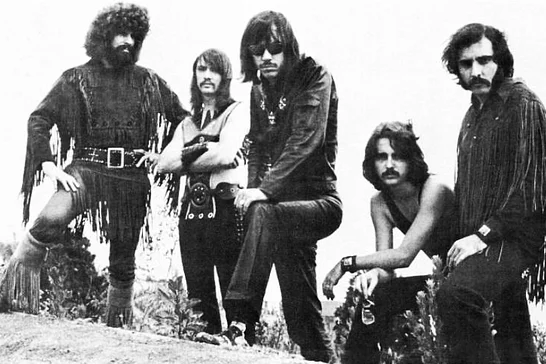
Steppenwolf entered the ’70s with massive credibility thanks to “Born to Be Wild” and “Magic Carpet Ride.” Their gritty hard rock sound felt perfectly aligned with the era’s rebellious energy. At their peak, they seemed like permanent fixtures of classic rock culture. Their songs became shorthand for biker imagery and countercultural freedom.
Internal conflicts and frequent lineup changes destabilized the group. By the mid-’70s, Steppenwolf had largely dissolved as a consistent recording force. While reunion versions emerged later, their cultural dominance had already passed. The songs remain instantly recognizable, even as the band’s active years feel distant. Their disappearance unfolded quietly rather than explosively.
10. Foreigner
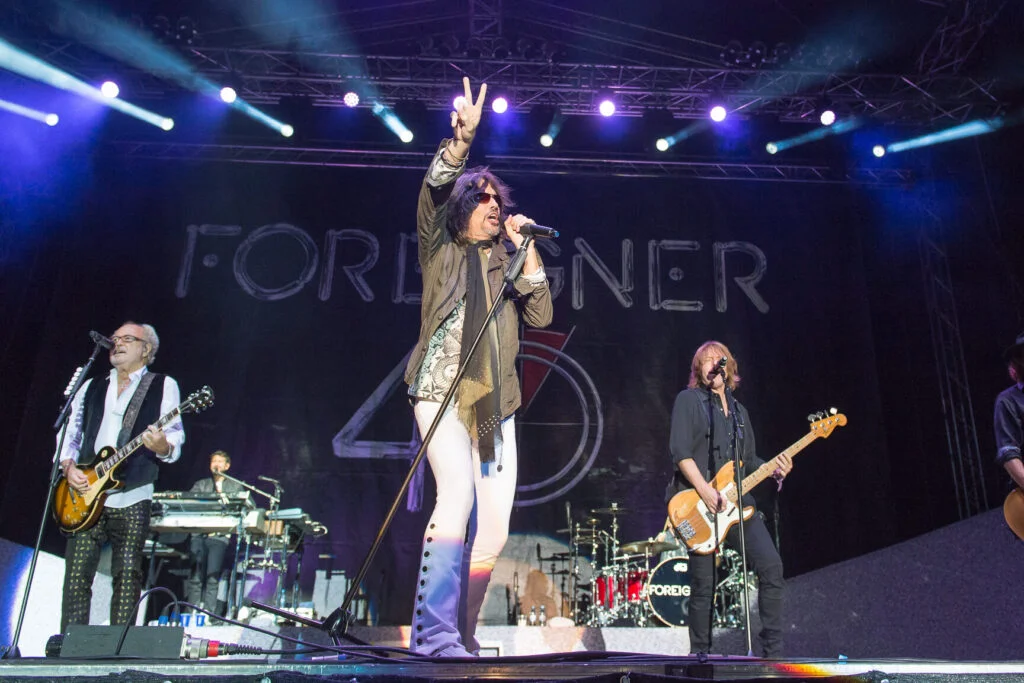
Foreigner exploded onto the scene in the late ’70s with sleek arena rock hits like “Feels Like the First Time” and “Cold as Ice.” Their polished sound made them feel like a band built for long-term chart dominance. For a while, they were among the most reliable hitmakers on rock radio. Their rise felt unstoppable.
Over time, internal disputes and lineup turnover weakened the band’s creative momentum. Although the Foreigner name still tours successfully, the classic-era lineup is long gone. New releases stopped carrying the same cultural weight. Their dominance quietly shifted into legacy status rather than ongoing innovation. The band remains visible, but not in the way they once were.
11. Kansas
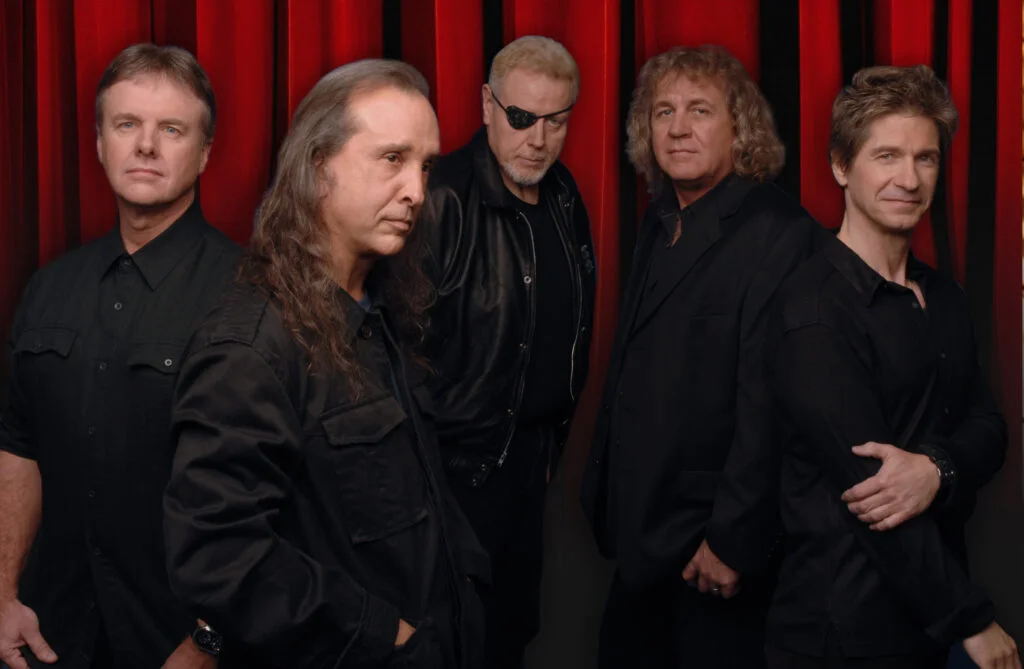
Kansas achieved massive success in the late ’70s with progressive rock hits like “Carry On Wayward Son” and “Dust in the Wind.” Their musicianship and complex arrangements set them apart from many radio bands of the era. At their peak, they felt like a group capable of evolving endlessly while staying commercially viable. Fans expected a long creative arc.
Internal tensions and changing musical tastes gradually slowed their momentum. Lineup changes fractured the original chemistry that fueled their biggest successes. While Kansas continues touring, their chart-dominating era quietly closed. Their songs remain staples of classic rock radio, even as new material rarely breaks through. The shift from innovators to legacy act happened gently.
12. Styx
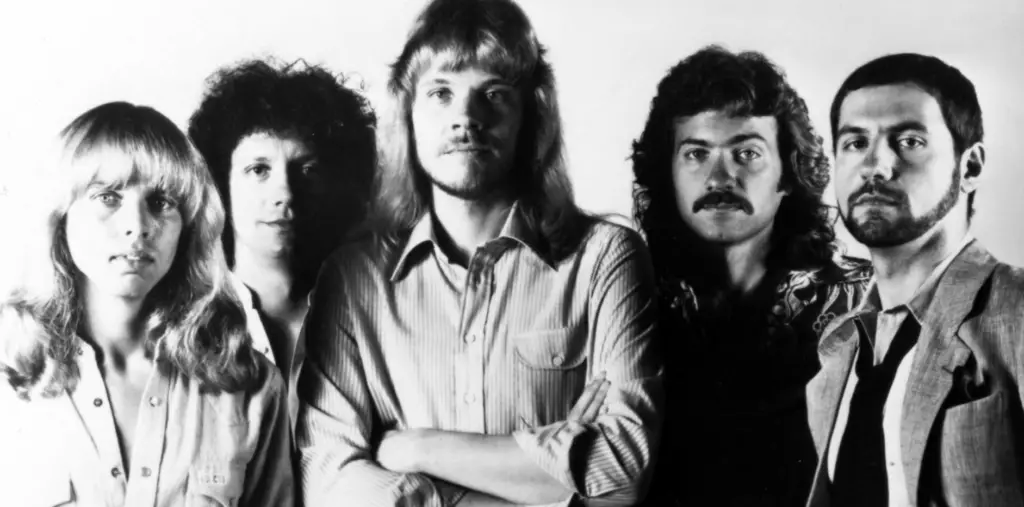
Styx blended theatrical rock and arena-sized hooks into a string of late ’70s hits like “Come Sail Away” and “Renegade.” They felt like a band designed for longevity, with strong visuals, ambitious concepts, and massive fan support. At their peak, it seemed like they could dominate well into the next decade. Their sound filled arenas and airwaves simultaneously.
Creative disputes and shifting trends eventually splintered the band. Breakups and reunions followed, but the original momentum never fully returned. Styx continues touring successfully, yet their cultural dominance lives mostly in the past. Their disappearance from the center of pop culture happened quietly rather than abruptly. Nostalgia now carries much of their visibility.
13. REO Speedwagon
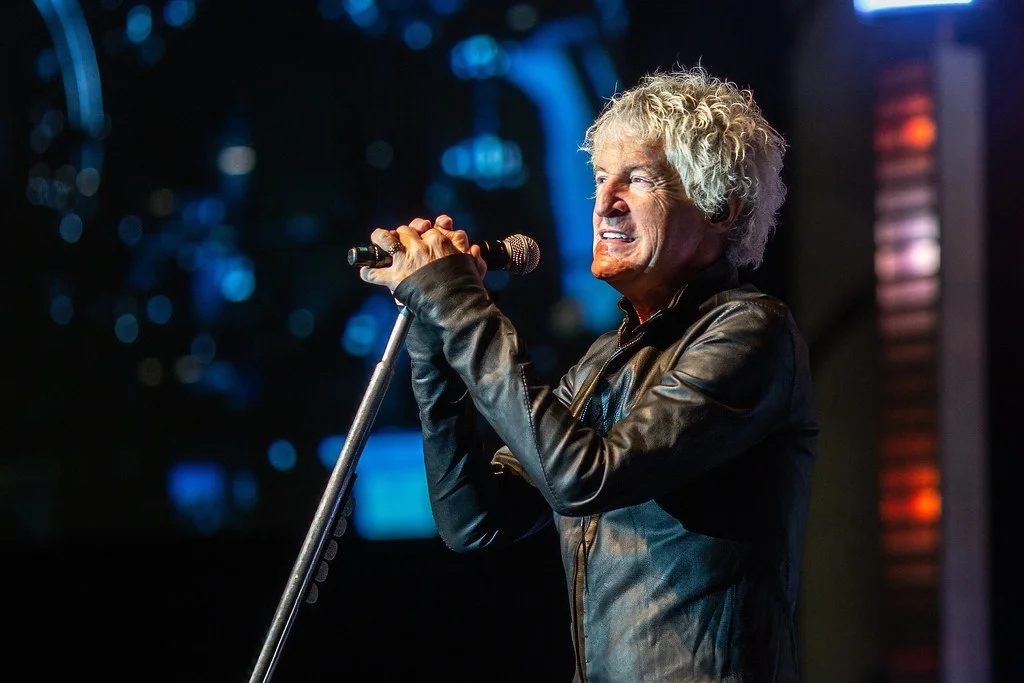
REO Speedwagon built steady momentum through the ’70s before reaching massive success in the early ’80s. Their touring grind and evolving sound made them feel like a band with long-term durability. Songs like “Roll with the Changes” helped establish their arena-rock credibility. By the end of the decade, they seemed positioned for permanent mainstream relevance.
Internal shifts and the changing music industry gradually slowed their chart presence. While REO Speedwagon remains active on the touring circuit, new hits became rare. Their name still draws crowds based on nostalgia rather than fresh releases. The transition from contemporary hitmakers to legacy act happened almost unnoticed. Their permanence quietly transformed into memory.
14. Journey
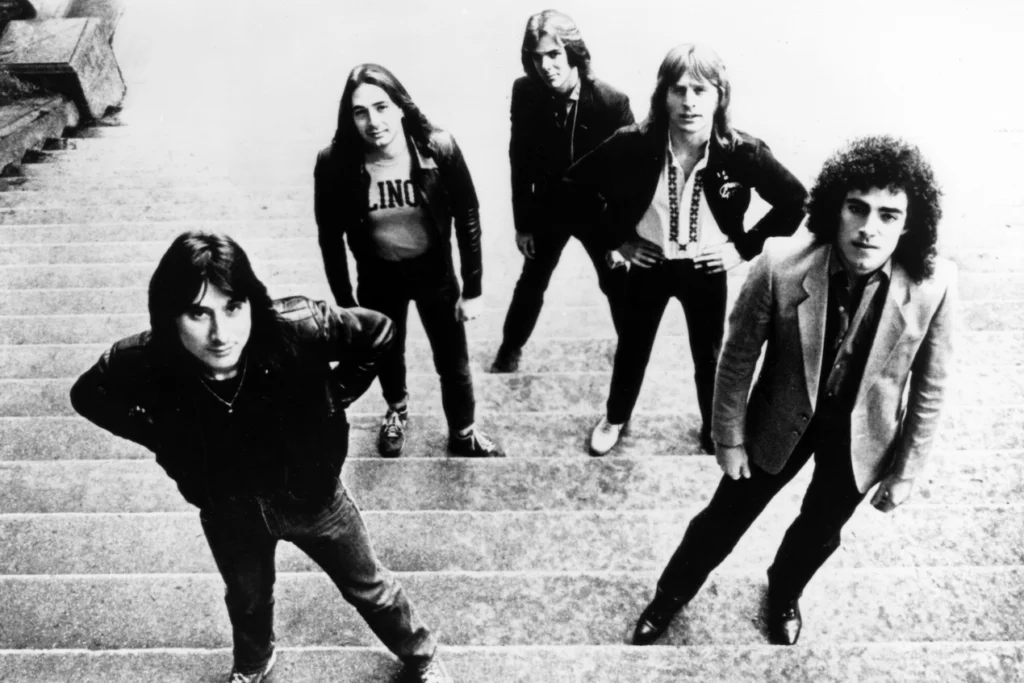
Journey emerged in the late ’70s as a rising powerhouse, especially after Steve Perry joined the lineup. Songs like “Wheel in the Sky” and “Lights” began setting the stage for their massive early ’80s dominance. At the time, it felt like they were building something that could last indefinitely. Their trajectory pointed sharply upward.
Personnel changes and evolving audience tastes eventually altered the band’s creative identity. While Journey remains visible through touring and catalog sales, the classic chemistry has shifted. New material no longer commands the same cultural attention. Their dominance transitioned into legacy status rather than ongoing innovation. The change unfolded gradually rather than dramatically.
15. Cheap Trick
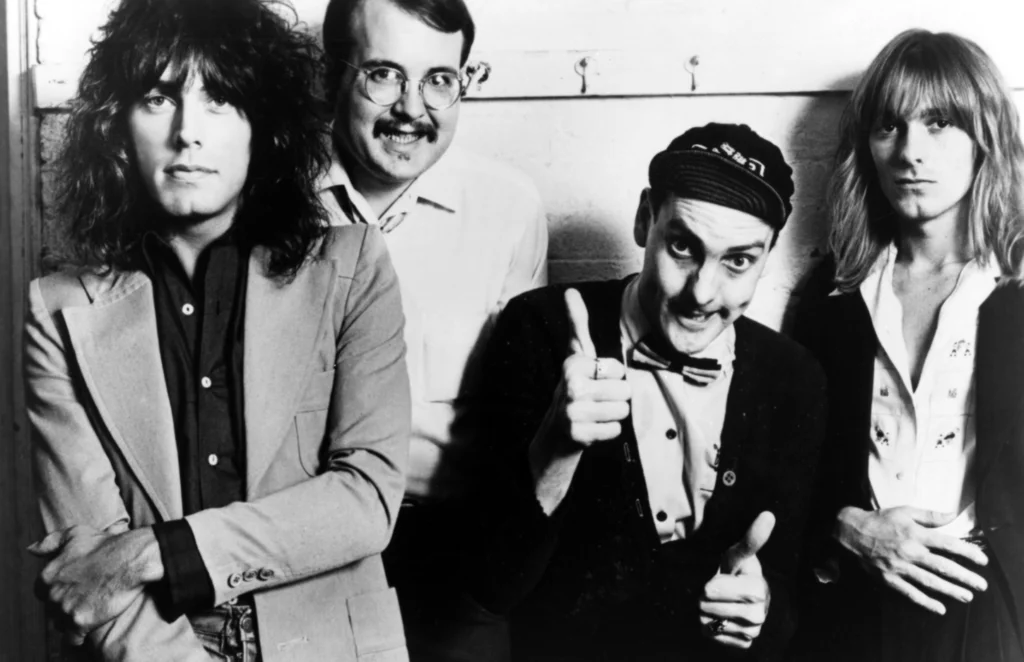
Cheap Trick blended power pop hooks with hard rock energy, breaking through in the late ’70s with “I Want You to Want Me” and “Surrender.” Their quirky image and infectious melodies made them feel refreshingly durable. Fans assumed they would remain mainstream fixtures for decades. Their live energy translated well across generations.
Shifting radio formats and industry changes slowly narrowed their exposure. While Cheap Trick continues touring actively and recording, their chart dominance faded quietly. The band remains respected and beloved, but no longer central to pop culture conversations. Their longevity exists more in touring success than in hit-making visibility. The shift happened subtly.
16. Boston
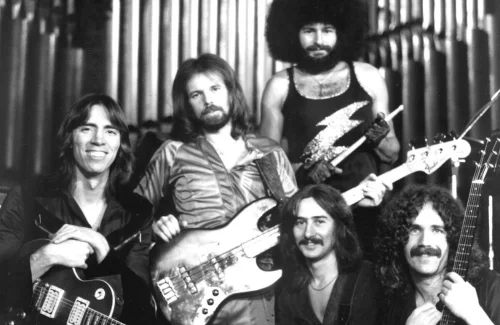
Boston made one of the biggest debuts in rock history with their self-titled album in 1976. Songs like “More Than a Feeling” instantly defined arena rock for a generation. The band felt engineered for long-term superstardom with their pristine production and massive hooks. Expectations were sky-high.
Long gaps between albums and internal conflicts slowed their momentum. While Boston remained enormously popular as a legacy act, their active creative output dwindled. New releases failed to match the cultural impact of their debut. Their presence shifted from dominant force to nostalgic powerhouse. The disappearance from contemporary relevance happened quietly.
17. Fleetwood Mac
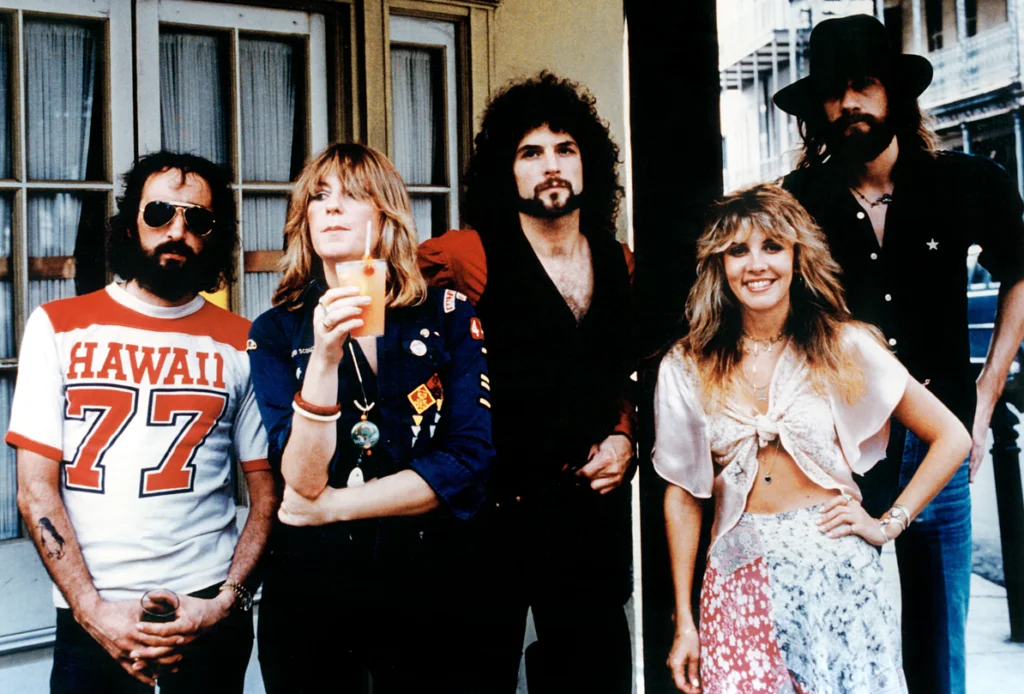
Fleetwood Mac reached staggering heights in the late ’70s with albums like Rumours and a string of chart-dominating singles. They felt culturally unavoidable, blending personal drama with timeless songwriting. For a moment, it seemed like their reign might never end. Their influence stretched across radio, fashion, and pop culture.
Internal tensions, lineup shifts, and changing musical landscapes eventually slowed their momentum. While the band continued releasing music and touring, their peak dominance gradually receded. Fleetwood Mac remains iconic, but no longer commands the same cultural center stage. Their transformation into a legacy act happened gently over time. The sense of permanence evolved into history rather than disappearance.