
1. Ram by Paul McCartney (1971)
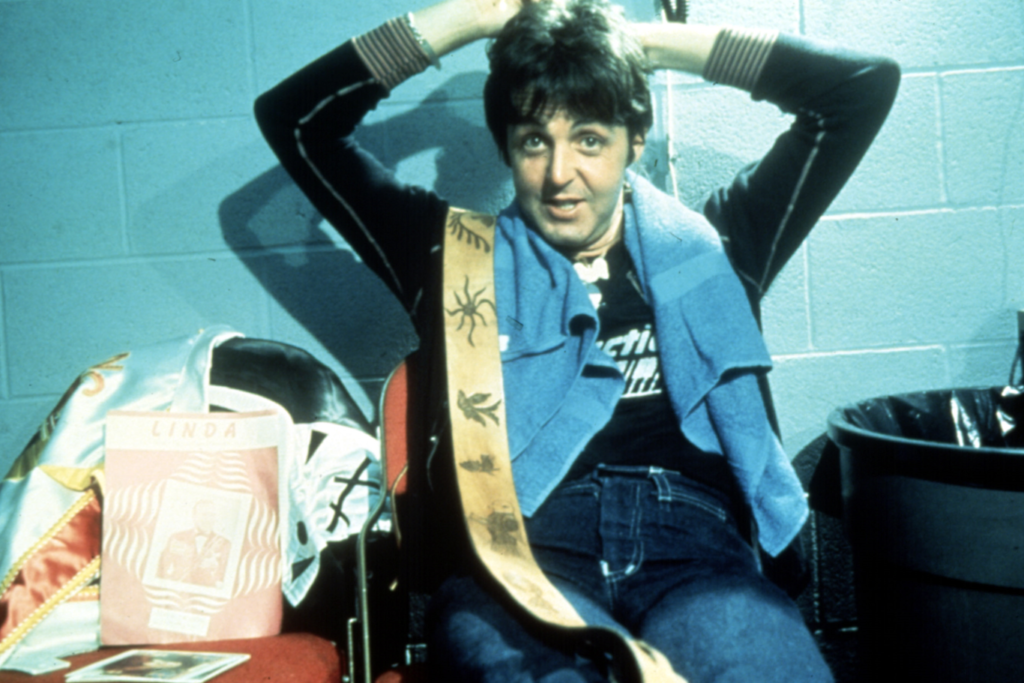
When Paul McCartney released Ram, critics were still emotionally tangled up in the Beatles’ breakup and took a lot of that frustration out on him. The album was dismissed as lightweight and self-indulgent at the time, which feels almost comical now. Songs like “Uncle Albert/Admiral Halsey” and “Too Many People” showed McCartney experimenting with layered production and quirky structures. It sounded playful, but there was real craft and emotional bite underneath.
Over the years, fans and musicians began to realize how inventive the album actually was. It quietly influenced indie pop and lo-fi aesthetics long before those labels existed. McCartney was clearly having fun, but he was also rebuilding his creative identity after the world’s most famous breakup. Today, Ram is often cited as one of his strongest solo statements, proving how badly early reviews missed the point.
2. Radio City by Big Star (1974)
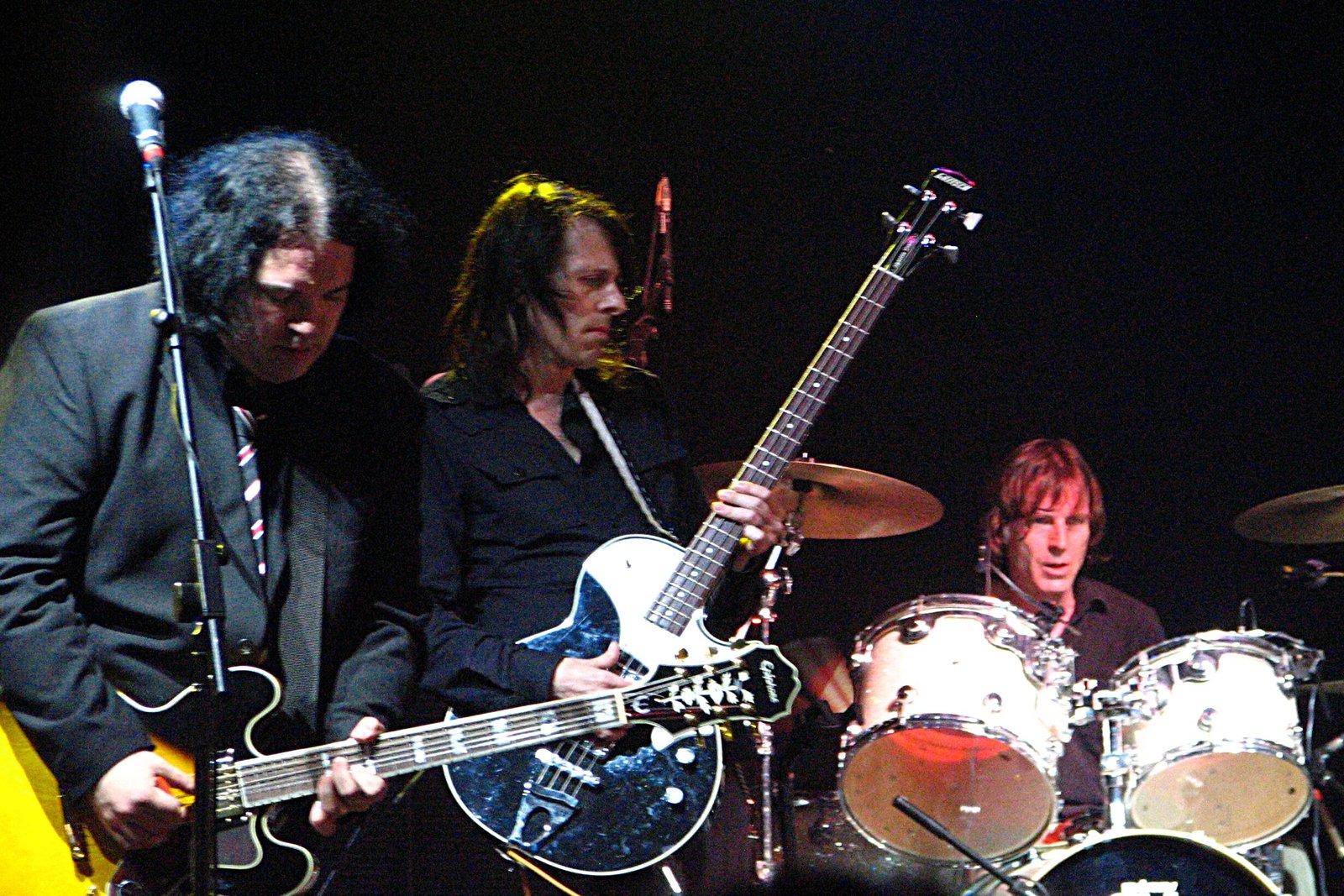
Big Star’s Radio City arrived with almost no marketing support and barely any radio airplay, which is painfully ironic given the title. The album was packed with sharp hooks, emotional lyrics, and chiming guitars that sounded tailor-made for mainstream success. Songs like “September Gurls” felt instantly familiar, even on first listen. The band simply never had the industry machinery behind them to push it properly.
Decades later, Radio City became a blueprint for power pop and alternative rock. Artists from R.E.M. to The Replacements openly praised its influence. It’s one of those records people discover and instantly wonder how it ever slipped through the cracks. The respect eventually came, but far too late for the band to benefit from it in real time.
3. Pink Moon by Nick Drake (1972)
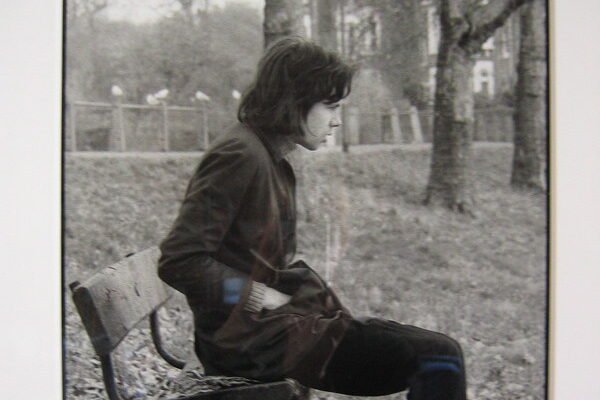
When Nick Drake released Pink Moon, almost nobody noticed. The album was quiet, intimate, and emotionally raw in a way that didn’t fit neatly into early ’70s radio culture. Drake barely promoted it and struggled with depression, which made visibility even harder. The songs felt like private diary entries rather than commercial singles.
Years after his death, the album slowly found an audience and became deeply beloved. Its spare production and haunting melodies suddenly felt timeless instead of obscure. Listeners connected with the vulnerability in a way that simply wasn’t happening when it first appeared. Pink Moon now stands as one of the most respected folk records of its era, even though Drake never lived to see it.
4. Here, My Dear by Marvin Gaye (1978)

Marvin Gaye made Here, My Dear as part of a divorce settlement, which already gave it a strange backstory. At the time, critics and fans were confused by how brutally personal and unfiltered the album was. It didn’t deliver the smooth romance many people expected from Gaye. Instead, it exposed heartbreak, resentment, and self-reflection in uncomfortable detail.
With distance, the album has been reappraised as one of his bravest works. The emotional honesty now feels ahead of its time, closer to modern confessional songwriting than disco-era soul. Gaye wasn’t trying to make listeners comfortable, he was telling the truth. That kind of artistic risk deserves far more credit than it originally received.
5. Tusk by Fleetwood Mac (1979)
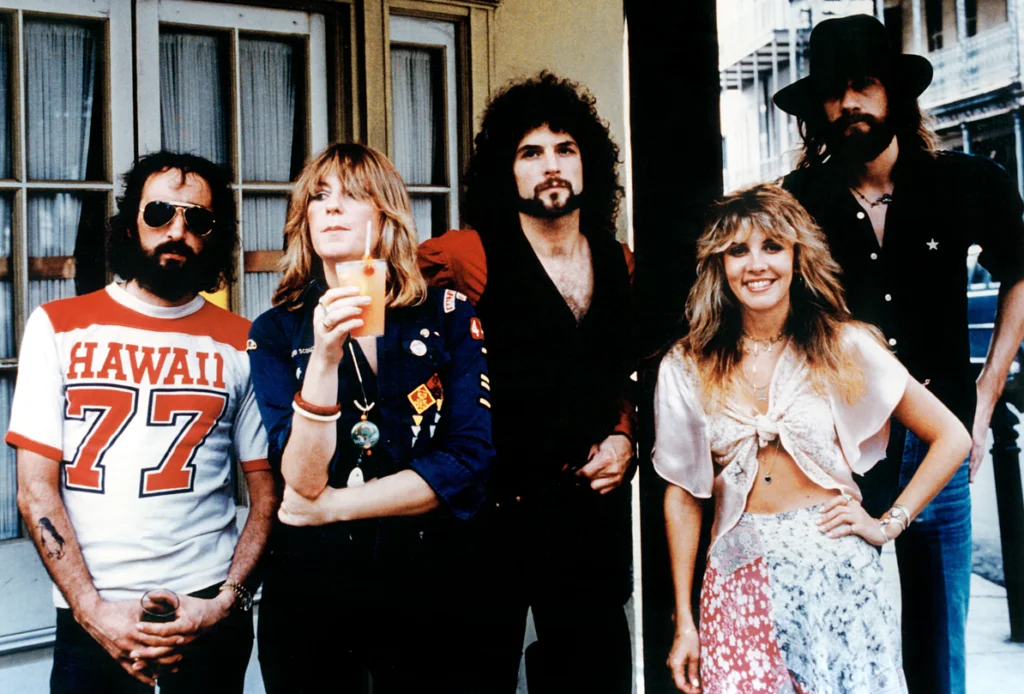
Following the massive success of Rumours, expectations for Fleetwood Mac were almost impossibly high. Tusk deliberately swerved away from polished pop toward stranger, more experimental territory. Some fans felt confused or even disappointed by its raw textures and odd arrangements. It sounded messy compared to its ultra-slick predecessor.
Over time, that messiness became part of its charm. The album captured a band pushing itself creatively instead of playing it safe. Lindsey Buckingham’s restless experimentation gave the record a nervous energy that still feels modern. Tusk now earns respect as a daring artistic gamble rather than a commercial misstep.
6. Muswell Hillbillies by The Kinks (1971)
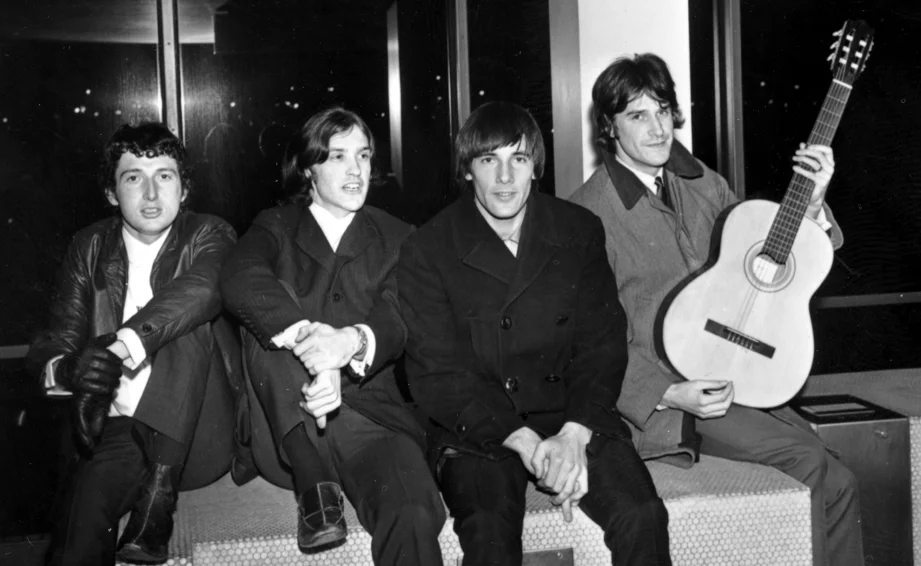
The Kinks leaned heavily into storytelling and social observation on Muswell Hillbillies. At the time, its rootsy sound and British working-class themes didn’t align with prevailing rock trends. It didn’t produce massive hit singles, which limited its visibility. Many listeners simply overlooked it.
Today, the album feels rich, funny, and sharply observed. Ray Davies’ songwriting paints vivid portraits of everyday life with warmth and wit. The music blends rock, folk, and Americana in a way that feels effortlessly natural. It’s one of the band’s most human albums, even if it took decades for that to be widely recognized.
7. The Hissing of Summer Lawns by Joni Mitchell (1975)

Joni Mitchell shocked some fans when she moved toward jazz-influenced arrangements and complex rhythms on this album. Listeners expecting straightforward folk melodies found it challenging and unfamiliar. The themes explored suburban dissatisfaction, gender roles, and emotional isolation with striking honesty. It wasn’t easy listening in the best way.
Over time, the sophistication of the songwriting became its greatest strength. The layered musicianship rewards repeated listening and deeper attention. Mitchell was pushing herself artistically instead of repeating earlier successes. The album now feels bold and fearless, even though it confused plenty of people upon release.
8. A Wizard, a True Star by Todd Rundgren (1973)
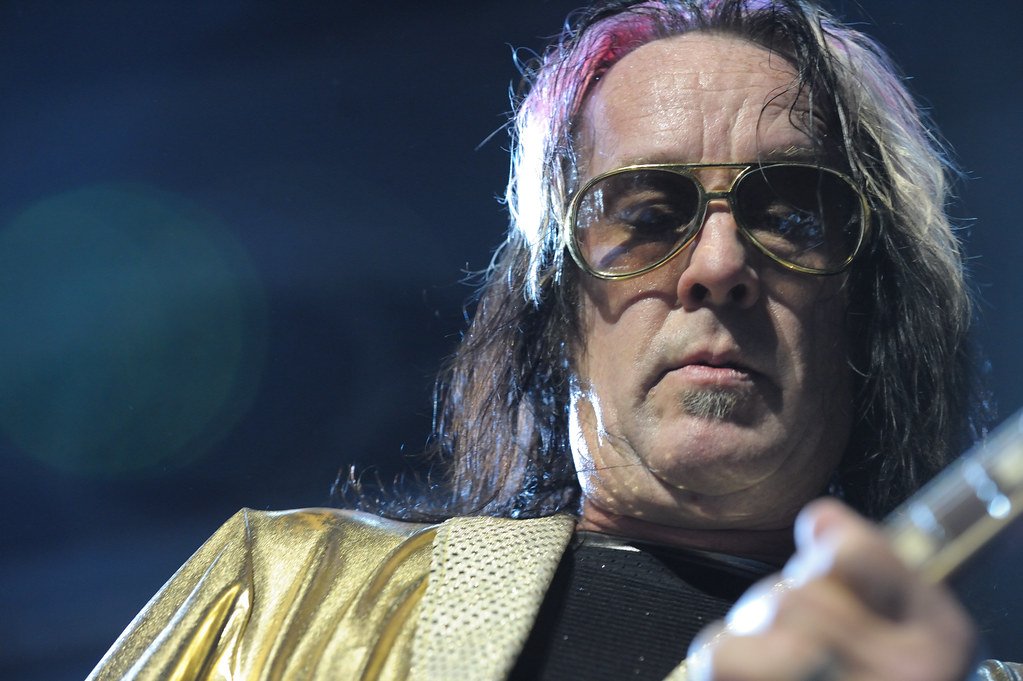
Todd Rundgren went full experimental on A Wizard, a True Star, abandoning traditional song structures in favor of collage-like transitions. The album jumps wildly between styles, moods, and textures. For many listeners in the ’70s, it felt chaotic and difficult to digest. Radio wasn’t exactly ready for something this eccentric.
In retrospect, the record feels incredibly forward-thinking. Its playful genre-hopping anticipated later electronic and alternative experimentation. Rundgren treated the studio like an instrument rather than a simple recording space. What once sounded confusing now feels daring and inventive.
9. GP by Gram Parsons (1973)
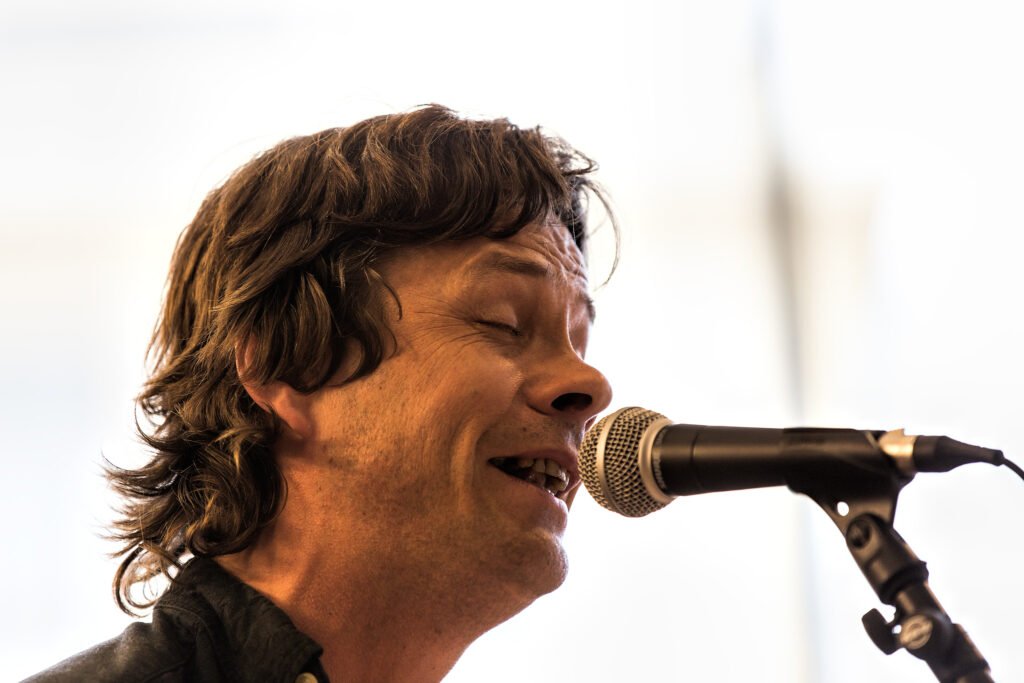
Gram Parsons blended country, rock, soul, and gospel into what he called “cosmic American music.” GP didn’t make a huge commercial splash when it was released. Parsons’ personal struggles and short career limited how widely the album circulated. Many casual listeners simply missed it.
Over time, musicians recognized how influential the record was on country-rock and Americana. Emmylou Harris’ harmonies added emotional depth and warmth. The songs feel both rooted in tradition and emotionally modern. Parsons’ legacy grew long after the album’s initial quiet reception.
10. On the Beach by Neil Young (1974)
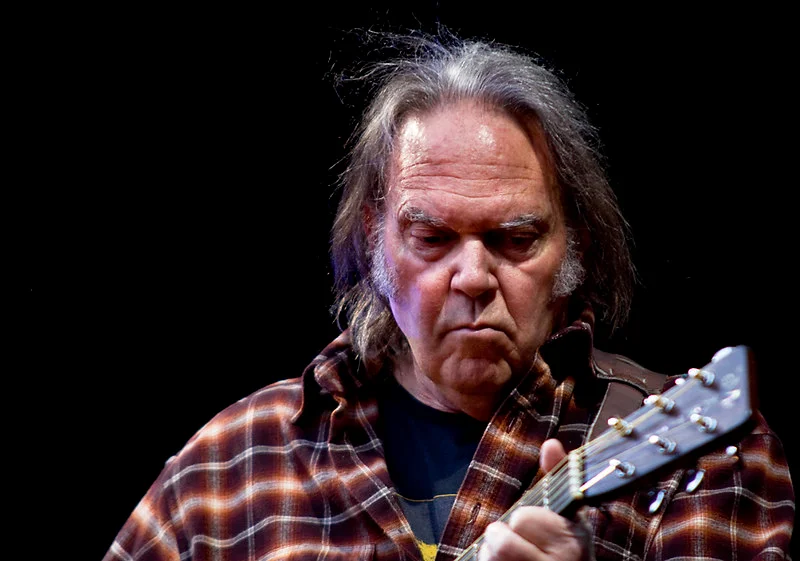
Neil Young released On the Beach during a difficult personal period, and the album reflected that heaviness. Critics initially found it bleak and uneven compared to his more accessible work. It didn’t deliver obvious radio singles or uplifting hooks. The mood was introspective and often uncomfortable.
Later listeners embraced that honesty and emotional depth. The album captures burnout, disillusionment, and quiet reflection with striking clarity. Young wasn’t chasing hits, he was documenting a state of mind. That vulnerability has aged far better than many trend-driven records of the era.
11. In Color by Cheap Trick (1977)
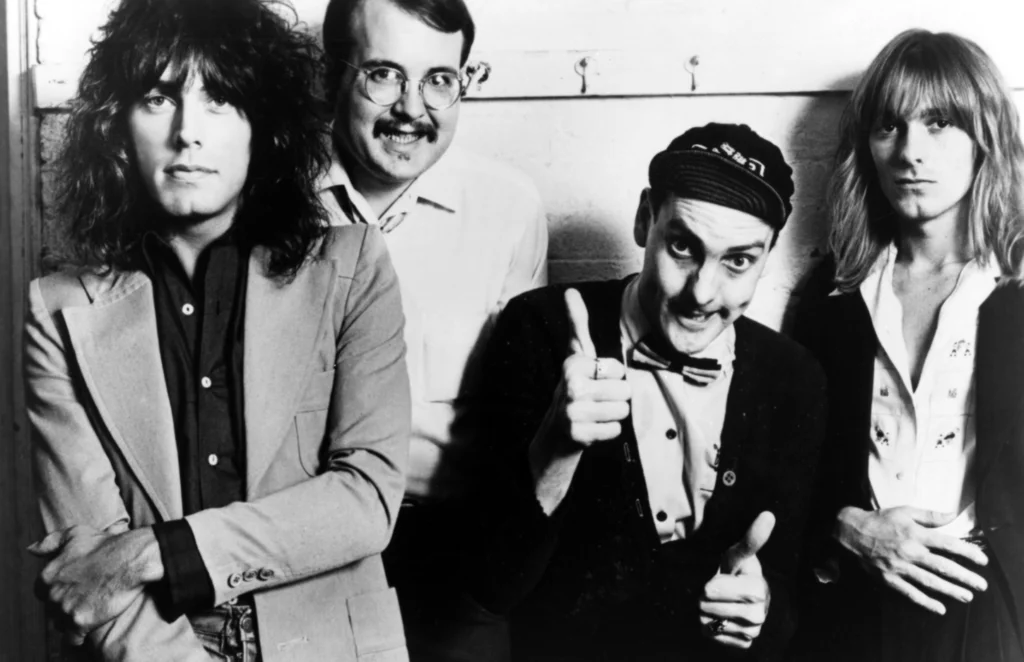
Cheap Trick struggled to gain traction in the U.S. when In Color first came out. The band’s glam-tinged power pop didn’t fit neatly into mainstream rock radio at the time. Songs like “I Want You to Want Me” existed in early versions that didn’t immediately explode. The album quietly simmered rather than ignited.
Once the band broke through later, fans revisited the record and recognized its sharp songwriting. The hooks were always there, waiting for the right audience. In Color now feels like a foundational statement rather than a forgotten stepping stone. Sometimes timing, not quality, decides an album’s fate.
12. Radio Ethiopia by Patti Smith (1976)

Patti Smith followed her acclaimed debut with a darker, more abrasive album. Radio Ethiopia leaned heavily into raw energy, fractured structures, and confrontational sound. Some critics and fans struggled with its intensity and lack of polish. It felt deliberately uncompromising.
Over time, its fearless spirit earned greater admiration. The album captured punk’s emotional volatility rather than its commercial potential. Smith wasn’t interested in smoothing rough edges for broader appeal. That refusal to soften her vision now reads as artistic integrity.
13. Queen II by Queen (1974)
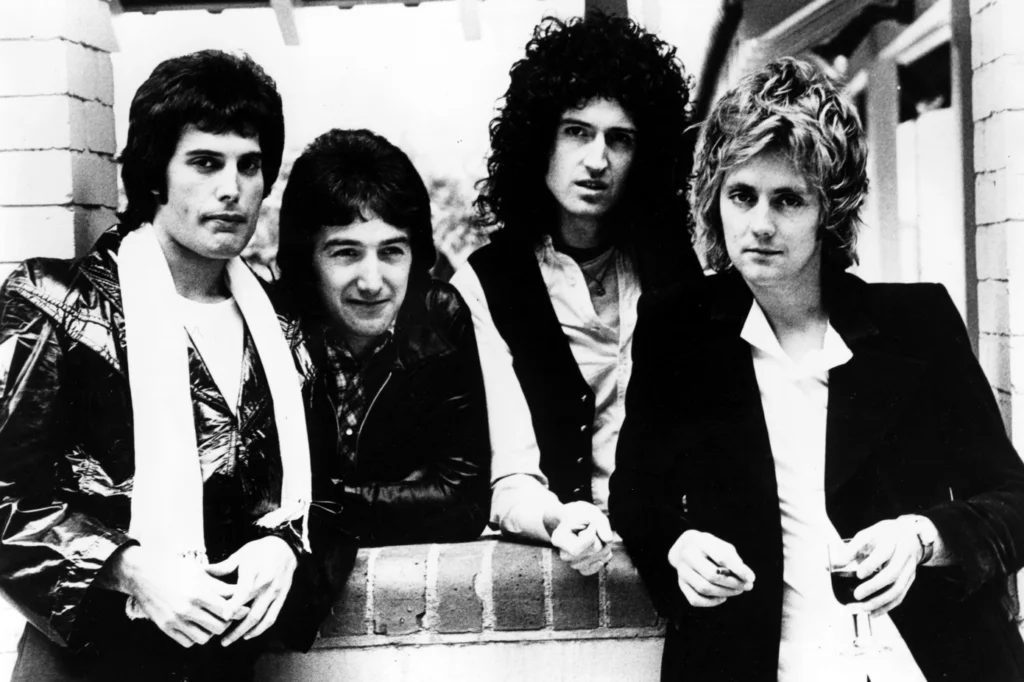
Queen II showcased the band’s love of theatrical arrangements and layered harmonies. At the time, some listeners found it overly elaborate and confusing. It didn’t have immediate chart-dominating singles to anchor it commercially. The album felt more like a fantasy epic than a typical rock release.
Later fans appreciated how ambitious and cohesive it was. The band’s technical skill and imaginative scope became easier to admire with hindsight. It laid groundwork for Queen’s later stadium-sized sound. The respect eventually arrived, even if mainstream recognition lagged behind.
14. Music by Carole King (1971)
Following the enormous success of Tapestry, anything Carole King released was destined to be unfairly compared. Music contained strong songwriting but lacked the cultural lightning bolt of its predecessor. Some critics treated it as a lesser sequel rather than its own statement. That comparison overshadowed its quieter strengths.
In hindsight, the album reveals warmth, emotional clarity, and melodic confidence. King continued writing deeply personal songs without chasing trends. The record holds up beautifully as a snapshot of her creative voice in full bloom. It deserved to stand on its own merits instead of living in another album’s shadow.