1. Brigitte Bardot
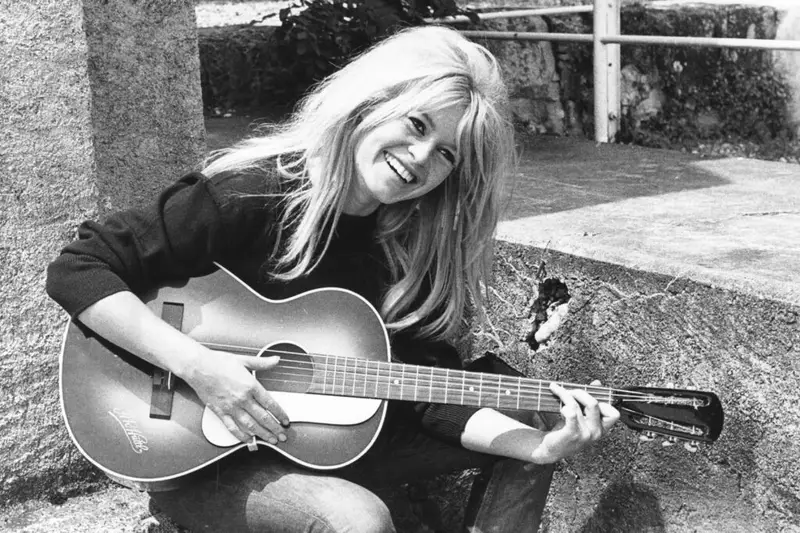
In the early ’60s, Brigitte Bardot was everywhere, a global symbol of French cool who turned films like And God Created Woman into cultural moments. Photographers followed her relentlessly, and her image defined an entire era of fashion and celebrity. By the early ’70s, though, Bardot had grown exhausted by the constant scrutiny and the expectations placed on her. She officially retired from acting in 1973, while still a major international name.
Instead of chasing another comeback, Bardot redirected her life almost completely. She devoted herself to animal rights activism and founded the Brigitte Bardot Foundation, which became her primary public focus. Over time, she largely withdrew from red carpets, interviews, and celebrity culture. When she does appear in the news now, it is usually connected to advocacy rather than entertainment. Her retreat feels deliberate and lasting, not nostalgic or halfhearted.
2. Doris Day
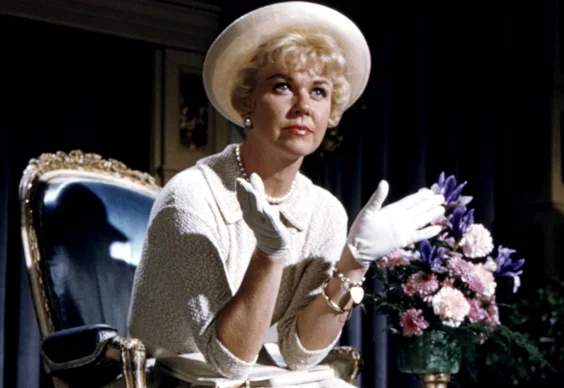
Doris Day entered the ’60s as one of Hollywood’s most bankable stars, headlining romantic comedies like Pillow Talk and That Touch of Mink. Her sunny screen persona made her feel permanently woven into American pop culture. After the sudden death of her husband and manager in 1968, her career path shifted dramatically. She completed a television run with The Doris Day Show but stepped away from feature films entirely.
As the years passed, Day became increasingly private and selective about public appearances. She focused on animal welfare causes and preferred a quiet life away from Hollywood. Interviews became rare, and she avoided the celebrity circuit almost completely. Fans continued to adore her, but she clearly chose peace over publicity. Her withdrawal always felt intentional rather than forced.
3. Bobby Sherman
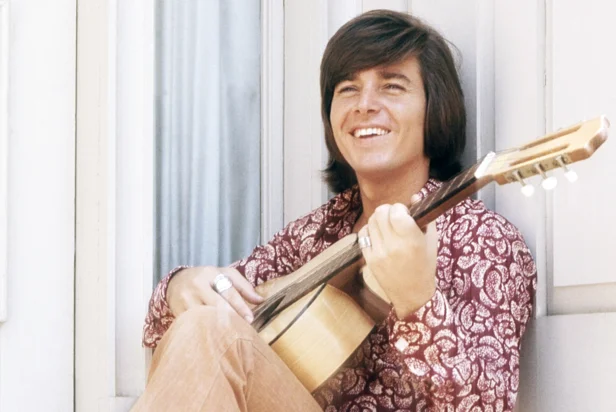
Bobby Sherman became a teen idol in the late ’60s thanks to Here Come the Brides and a string of hit singles that made him a bedroom wall staple. For a few years, his fame rivaled the biggest pop stars of the era. By the mid ’70s, the intensity of that spotlight had begun to fade, and Sherman made a surprising decision. He stepped away from full-time entertainment rather than chasing diminishing returns.
Sherman trained as an emergency medical technician and later worked as a police technical reserve officer. He spoke openly about finding fulfillment in helping people rather than performing for crowds. While he occasionally appeared at nostalgia events, his day-to-day life centered on public service. It was a genuine pivot, not a publicity stunt. Many fans still admire how cleanly and calmly he exited fame.
4. Peggy Lipton
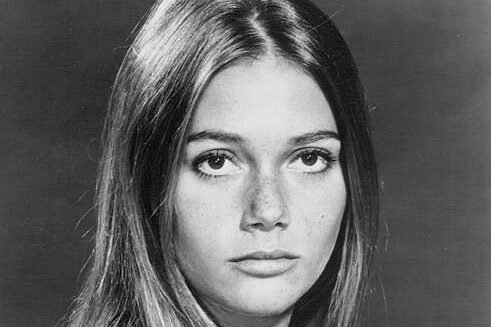
Peggy Lipton became a youth culture icon on The Mod Squad, embodying the laid-back, counterculture energy of the late ’60s. Her face appeared on countless magazine covers, and her career seemed poised for long-term stardom. In the early ’70s, Lipton chose to step back from acting after marrying Quincy Jones and starting a family. The decision was personal rather than career-driven.
For many years, she focused on raising her daughters and living a more private life. When she eventually returned to television decades later with Twin Peaks, it felt like a gentle reintroduction rather than a full comeback. She remained selective about projects and media exposure. Lipton’s long hiatus gave her story a sense of quiet intentionality. It showed that stepping away did not mean abandoning creativity entirely.
5. Gene Hackman
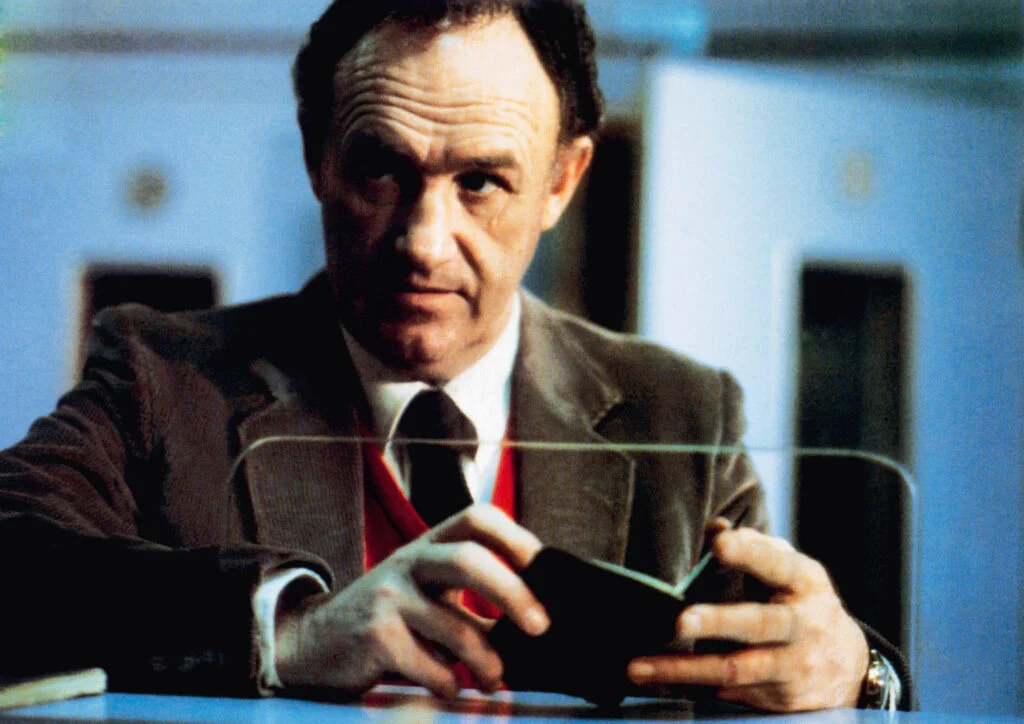
Gene Hackman rose to prominence in the late ’60s with films like Bonnie and Clyde, quickly becoming known for his grounded, intense performances. Over the next few decades, he built one of the most respected film careers of his generation. In the mid 2000s, Hackman quietly retired from acting without fanfare or farewell tours. There was no dramatic announcement, just a gradual absence from new roles.
He relocated to a quieter life in New Mexico and focused on writing novels and personal interests. Hackman rarely grants interviews and avoids Hollywood events. His retirement feels firm and unambiguous, which is unusual for a star of his stature. Fans still revisit his films, but he has shown no interest in returning to the spotlight. The calmness of his exit mirrors the steady professionalism of his career.
6. Julie Christie
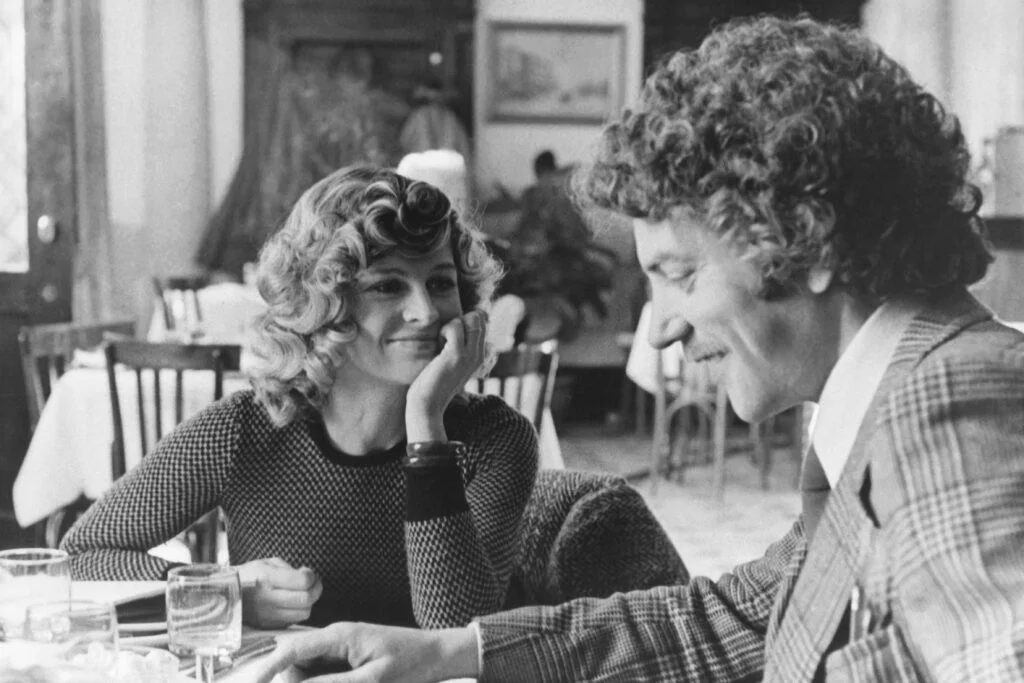
Julie Christie became a defining face of ’60s cinema with performances in Darling and Doctor Zhivago. She represented a new kind of modern, intelligent leading lady. As the decades passed, Christie became increasingly selective about the roles she accepted. Long stretches went by without any new projects, which fueled the perception that she had stepped away.
Christie also chose a more private lifestyle, splitting time between rural England and small creative circles. She has spoken about valuing simplicity and personal freedom over constant work. When she does appear in a film, it feels like a rare event rather than a career reboot. Her relationship with fame has always been cautious and deliberate. The result is a career that quietly faded rather than loudly concluded.
7. Ali MacGraw
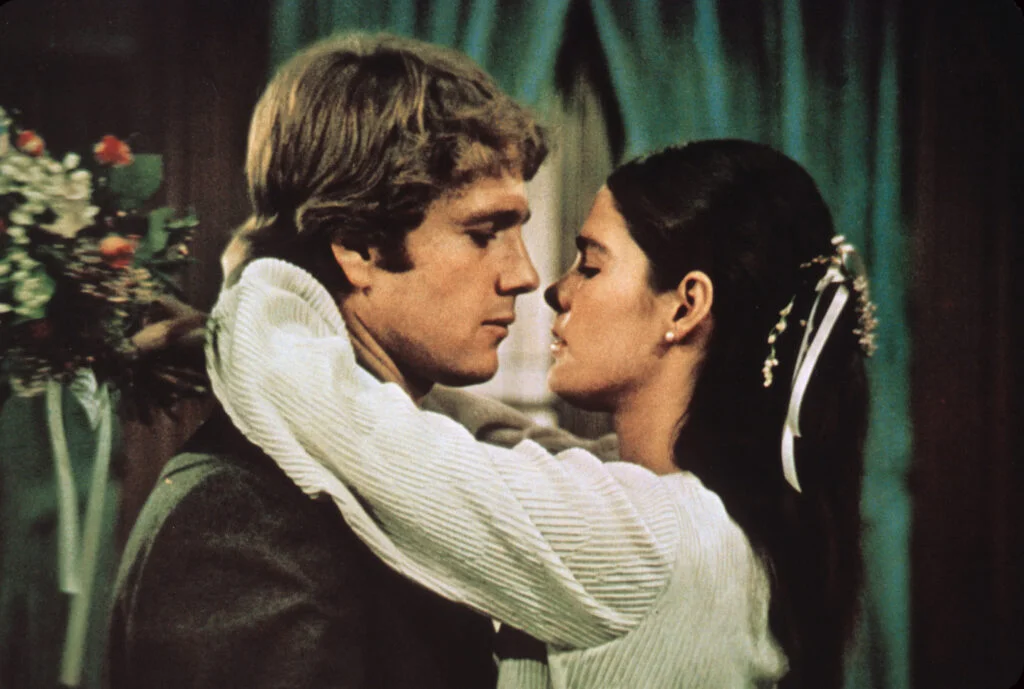
Ali MacGraw became an overnight sensation at the end of the ’60s with Love Story, a film that made her one of the most recognizable faces in America. Fame arrived fast and intensely, reshaping her personal life almost overnight. After a handful of major projects, MacGraw gradually reduced her acting workload. By the late ’80s and early ’90s, she was largely absent from major studio films.
MacGraw later spoke candidly about burnout and the emotional toll of sudden celebrity. She gravitated toward wellness, interior design, and quieter personal pursuits. While she occasionally appeared in interviews or stage projects, Hollywood was no longer her center of gravity. Her step back felt reflective rather than reactive. It allowed her to redefine success on her own terms.
8. Jean Simmons
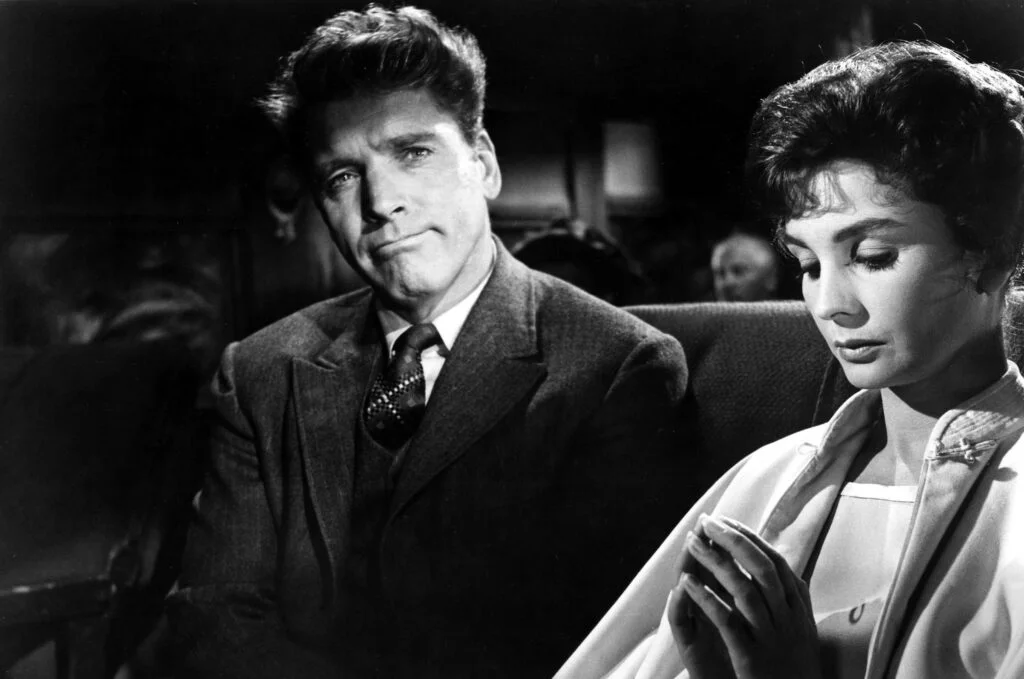
Jean Simmons was already an established star before the ’60s, but she remained a familiar face in films and television throughout the decade. Known for elegance and emotional depth, she carried a classic Hollywood presence. As she aged, Simmons became more selective and gradually withdrew from frequent screen work. By the 1990s, her appearances were sporadic rather than routine.
She preferred a low-key personal life and avoided heavy publicity. Simmons rarely chased modern celebrity culture or nostalgia circuits. When she did return for special roles, it was clearly by choice rather than obligation. Her quiet retreat reflected a graceful transition rather than a sudden exit. Many fans remember her as a symbol of old-school restraint.
9. Peter Tork
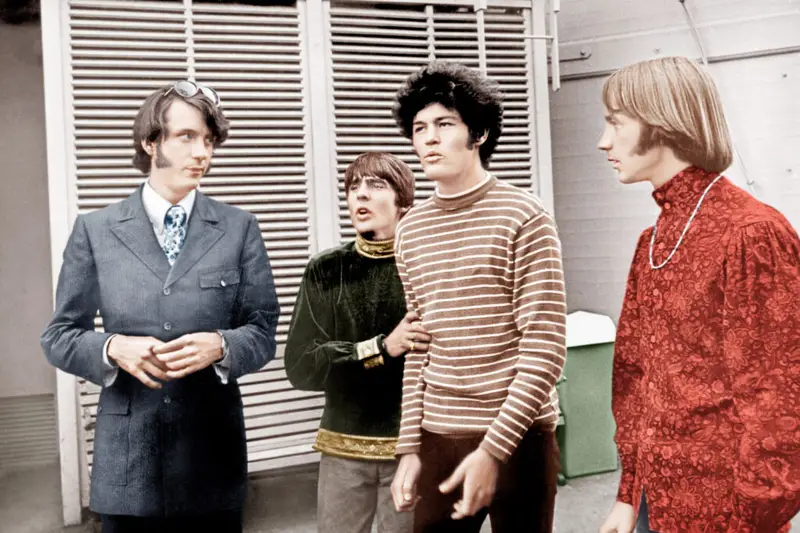
Peter Tork became a household name in the ’60s as a member of The Monkees and a star of the television series The Monkees. At the height of the band’s popularity, fame was constant and overwhelming. After leaving the group in the late ’60s, Tork deliberately stepped back from mainstream celebrity. He explored smaller musical projects and personal interests instead.
For many years, Tork lived outside the intense spotlight that had defined his early fame. He occasionally reunited with former bandmates but avoided full-scale celebrity life. His focus shifted toward musicianship rather than fame itself. Fans often described him as grounded and content with simplicity. His quieter path contrasted sharply with the frenzy of Monkees mania.
10. Doris Roberts
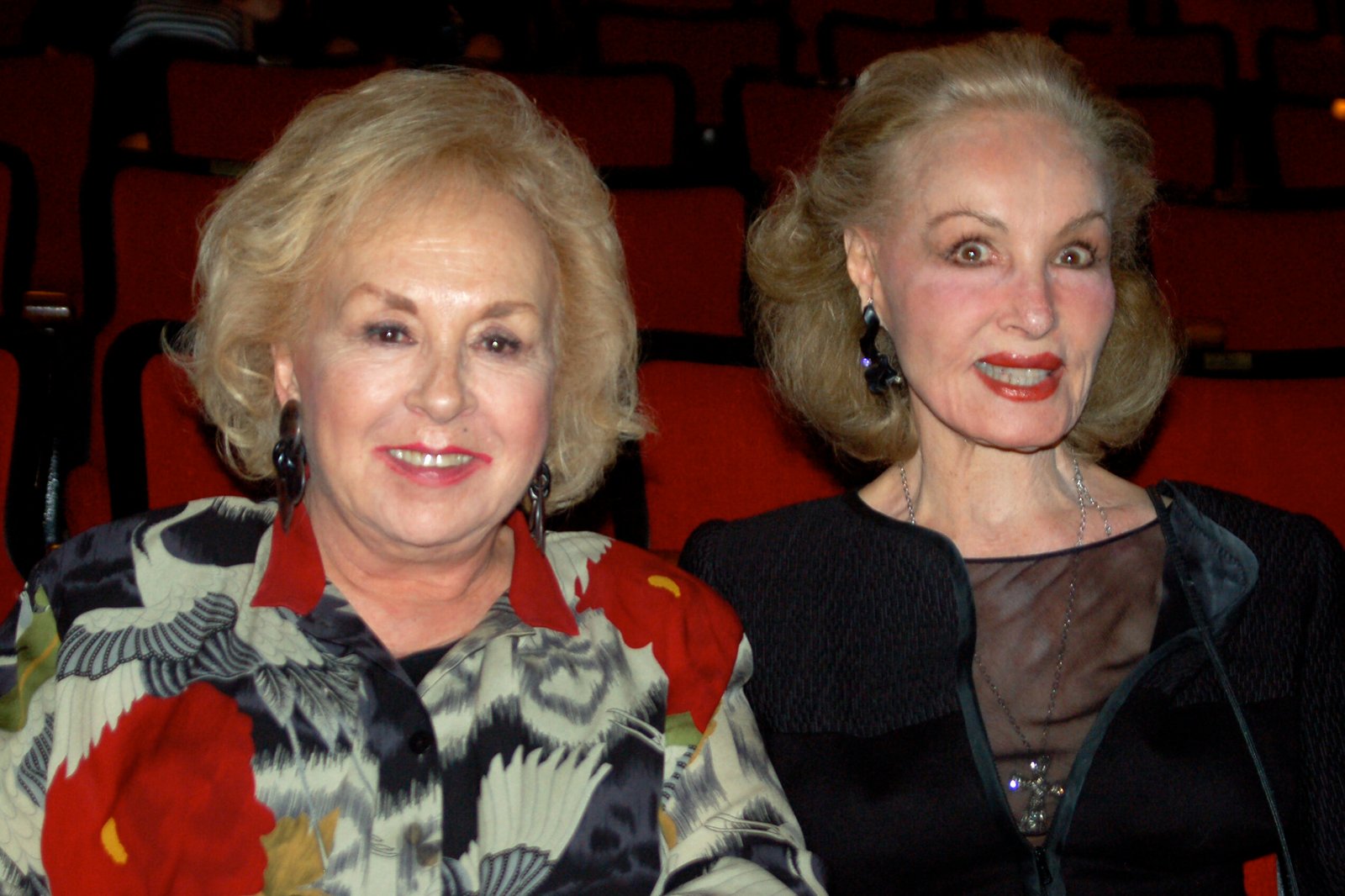
Doris Roberts worked steadily through the ’60s in film, television, and Broadway, building a respected character acting career long before mass fame arrived. After achieving enormous popularity later with Everybody Loves Raymond, she gradually reduced her public appearances as she aged. Roberts preferred privacy and selective engagement rather than constant publicity. Even during award seasons, she maintained a grounded presence.
In her later years, she focused on family, philanthropy, and personal projects. She rarely pursued high-profile roles or media tours. Her step back felt natural rather than abrupt. Fans still associated her with warmth and reliability rather than celebrity spectacle. It was a quiet easing away from the spotlight.
11. Mary Hopkin
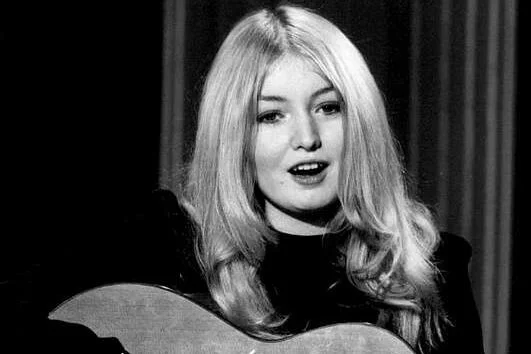
Mary Hopkin became a late ’60s music sensation with hits like “Those Were the Days,” which dominated charts internationally. Her clear voice and folk-pop image made her feel like a permanent fixture of the era. After a few albums, Hopkin chose to step away from major label pressure and touring. Family life and personal priorities took precedence.
She continued to make music on a smaller, independent scale but avoided mainstream promotion. Public appearances became infrequent, and her career unfolded quietly rather than commercially. Fans often rediscover her work through nostalgia rather than current headlines. Hopkin’s retreat preserved her artistic independence. It also protected her from the burnout that often followed sudden fame.
12. Eva Marie Saint
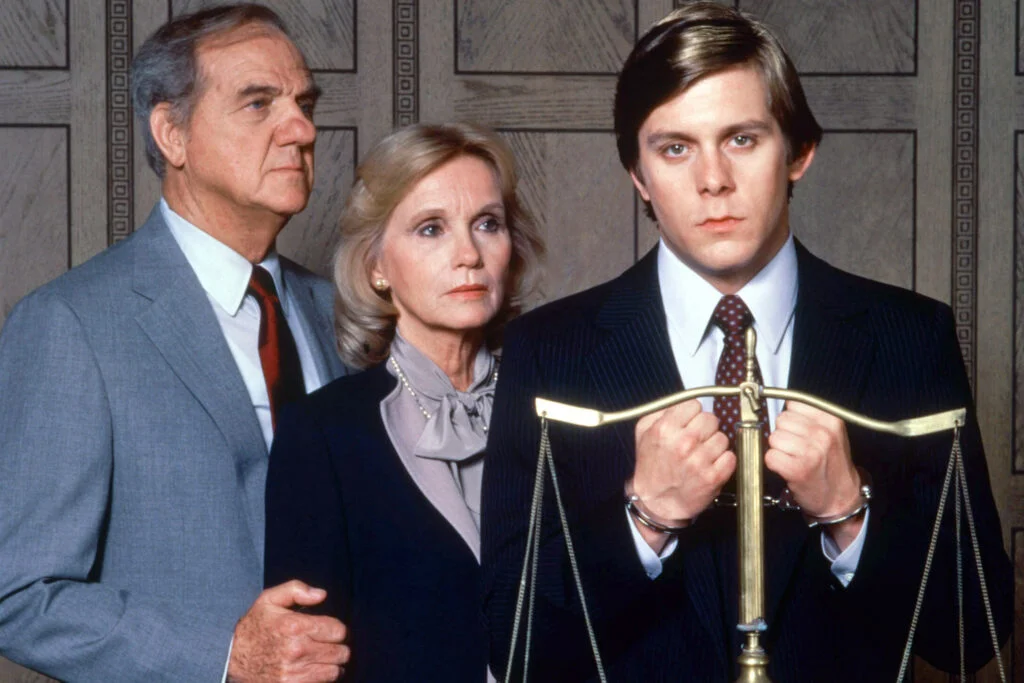
Eva Marie Saint entered the ’60s already celebrated for roles in films like North by Northwest and Exodus. Her performances carried a calm authority that aged gracefully. Over time, Saint became increasingly selective, taking fewer projects as the decades passed. She never formally announced retirement, but her presence became rare.
Saint preferred a quiet personal life and avoided heavy publicity. She occasionally appeared at special events or anniversaries but did not pursue ongoing visibility. Her gradual withdrawal felt dignified rather than dramatic. Fans continue to admire her legacy without expecting new roles. It stands as an example of aging gracefully outside the celebrity machine.