
1. “Winchester Cathedral” by The New Vaudeville Band
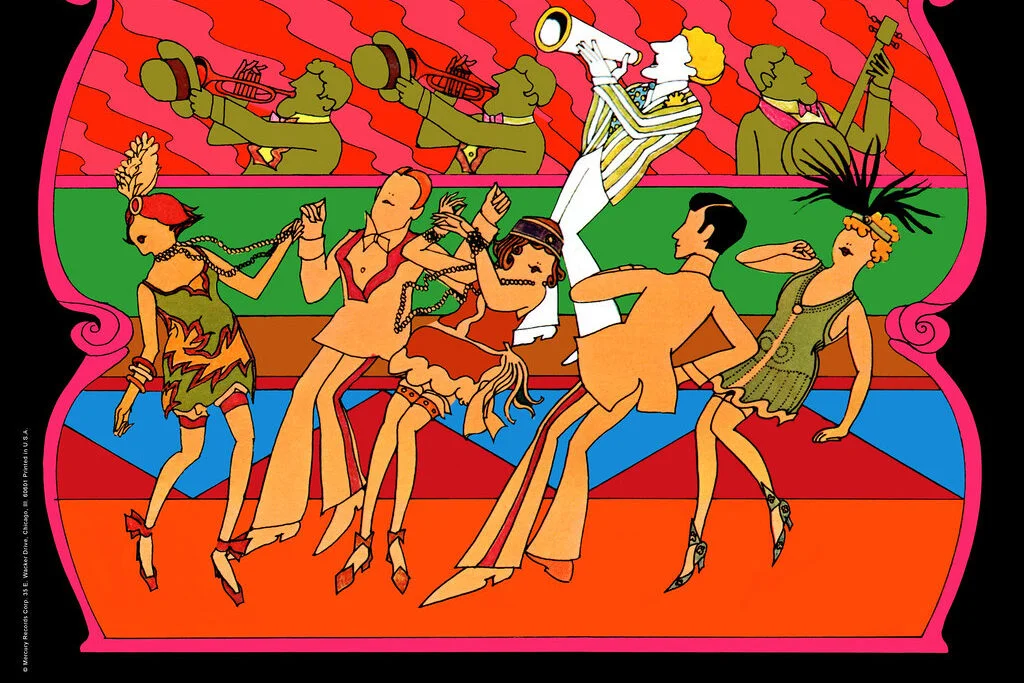
For a brief moment in 1966, this singalong novelty tune felt absolutely unavoidable on AM radio. Its faux 1920s megaphone vocal style made it sound like something drifting in from another era, even when it was brand new. Stations played it constantly because it was catchy, quirky, and instantly recognizable within the first few notes. It climbed all the way to No. 1 in the U.S., which still surprises people when they hear that fact today. At the time, everyone seemed to know the lyrics whether they wanted to or not. It even won a Grammy, giving it an extra air of legitimacy beyond novelty status.
Then the radio landscape shifted quickly toward heavier rock and more serious songwriting. That whimsical old-time sound suddenly felt out of step with the late ’60s mood. Programmers quietly dropped it from rotation as tastes moved on. Today, it tends to pop up more in trivia questions than on oldies playlists. Many people recognize the melody but struggle to place the title or artist. It’s a perfect example of how something can dominate airwaves and then almost disappear from everyday listening.
2. “Green Tambourine” by The Lemon Pipers
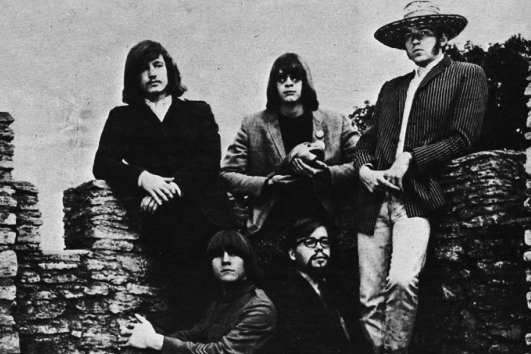
This bright slice of bubblegum psychedelia was everywhere in early 1968. The chiming organ line and playful rhythm made it feel tailor-made for transistor radios and teenage bedrooms. It hit No. 1 and turned The Lemon Pipers into overnight stars, at least briefly. You could hear it blasting from car windows, jukeboxes, and record players across the country. The song captured that strange moment when psychedelic textures crossed into pure pop. It sounded colorful, breezy, and oddly innocent at the same time.
But bubblegum pop moved fast, and audiences chased the next shiny sound. The band struggled to follow it up with anything that stuck. Radio stations gradually replaced it with heavier rock and more sophisticated pop. Today, the song often feels like a forgotten artifact of a very specific cultural moment. Many listeners remember the melody but not the name. It’s one of those tracks that once felt inescapable and now feels like a pleasant surprise when it surfaces.
3. “This Diamond Ring” by Gary Lewis and the Playboys
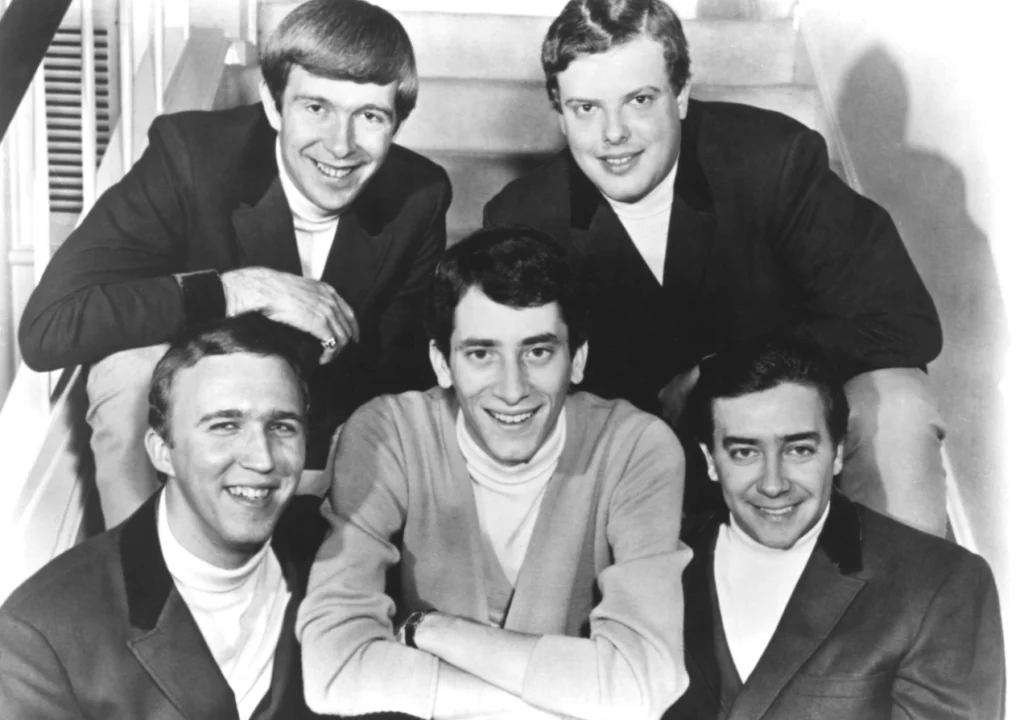
In 1965, Gary Lewis was one of the most reliable hitmakers on pop radio. “This Diamond Ring” helped cement that status with its dramatic build and emotional teenage heartbreak. The song fit perfectly alongside other mid-’60s radio staples that balanced innocence with yearning. It climbed to No. 1 and received heavy airplay across multiple formats. For a while, it felt like Gary Lewis could do no wrong on the charts. Fans connected to the romantic tension in the lyrics and the polished production.
As the decade progressed, the British Invasion and counterculture sounds pushed this style out of favor. Lewis’s clean-cut pop began to feel dated almost overnight. Radio programmers gradually phased these tracks out in favor of edgier material. Today, the song is mostly remembered by dedicated oldies fans. It rarely gets the same nostalgic replay as some of its peers. Its disappearance shows how quickly pop tastes can pivot.
4. “Dizzy” by Tommy Roe

“Dizzy” ruled the spring of 1969 with its swirling organ riff and endlessly chantable chorus. It spent weeks at No. 1 and became one of the biggest hits of Roe’s career. The track was designed for instant impact, and radio embraced it with nonstop spins. Its upbeat energy made it perfect for daytime listening and teen-oriented countdown shows. People couldn’t escape it during its peak months. It felt like the kind of song that would live forever on oldies stations.
Instead, it slowly slipped out of regular rotation. Roe’s sound became associated with a lighter pop era just as rock radio grew more serious. Newer generations didn’t latch onto it the same way they did other late ’60s hits. These days, it often turns up in retro playlists rather than mainstream nostalgia programming. Many listeners recognize the chorus but can’t immediately name it. Its fade-out feels quieter than its explosive chart run.
5. “Honey” by Bobby Goldsboro
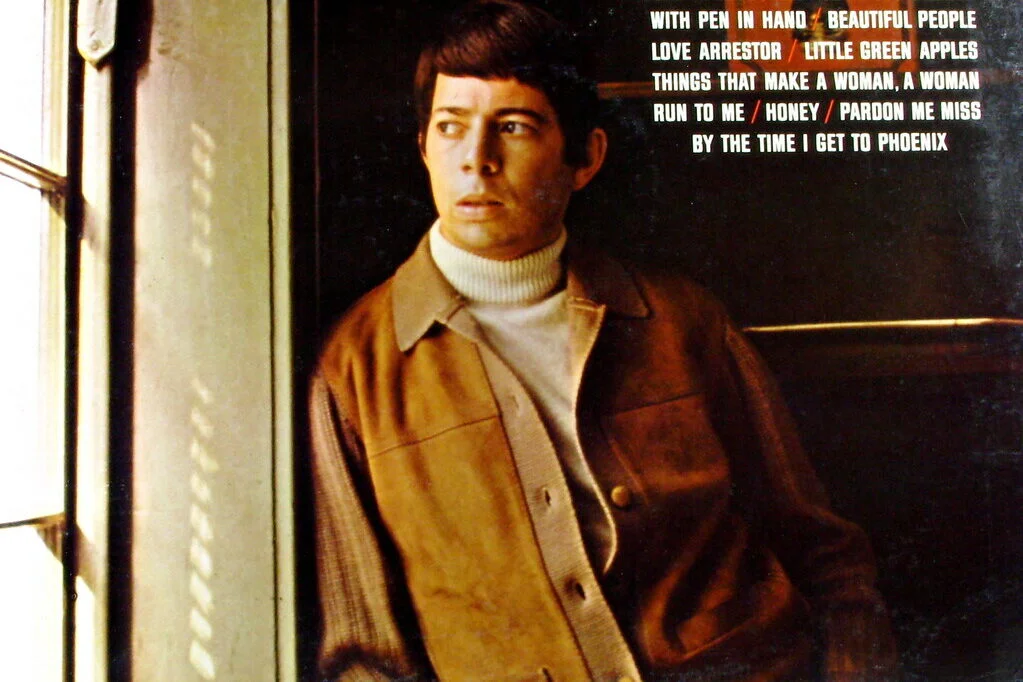
Few songs were as emotionally dominant on radio in 1968 as “Honey.” The sentimental ballad about love and loss was played constantly, especially on adult-oriented stations. It topped the charts and sold millions of copies. Some listeners found it deeply moving, while others thought it leaned too far into melodrama. Either way, it was impossible to avoid during its peak. It became one of those songs everyone had an opinion about.
Over time, its ultra-sentimental tone began to feel dated. Radio programmers gradually pulled it from heavy rotation as tastes shifted toward subtler storytelling. Modern audiences often encounter it as a curiosity rather than a staple. It rarely appears on mainstream oldies playlists anymore. When it does surface, it often sparks surprised reactions. Its disappearance reflects how emotional styles in pop music evolve.
6. “Yummy Yummy Yummy” by Ohio Express
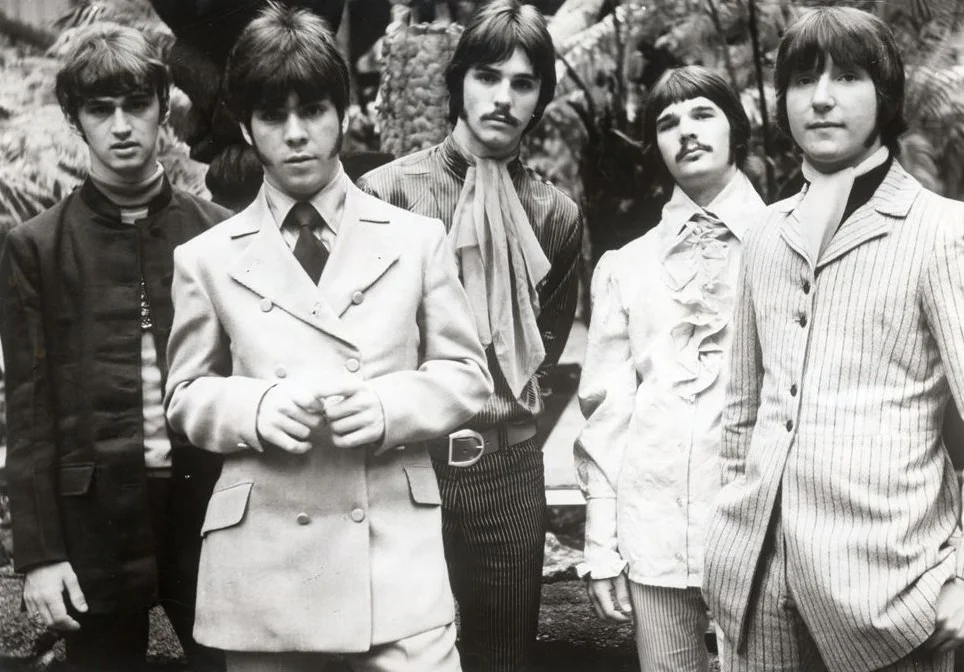
This sugar-rush pop hit exploded in 1968 with its playful lyrics and infectious hook. It was designed to be fun, loud, and impossible to ignore. Radio embraced it instantly, spinning it constantly across pop stations. Kids loved its silliness, and adults couldn’t escape it even if they tried. It became a defining bubblegum hit of the era. The chorus embedded itself into pop culture almost overnight.
But novelty-driven pop often burns fast. As musical trends matured, the song started to feel overly lightweight. Stations quietly phased it out in favor of more enduring hits from the same period. Today, it pops up occasionally in commercials or throwback mixes. Many people remember the phrase but not the artist. Its disappearance mirrors the short shelf life of many novelty hits.
7. “Incense and Peppermints” by Strawberry Alarm Clock
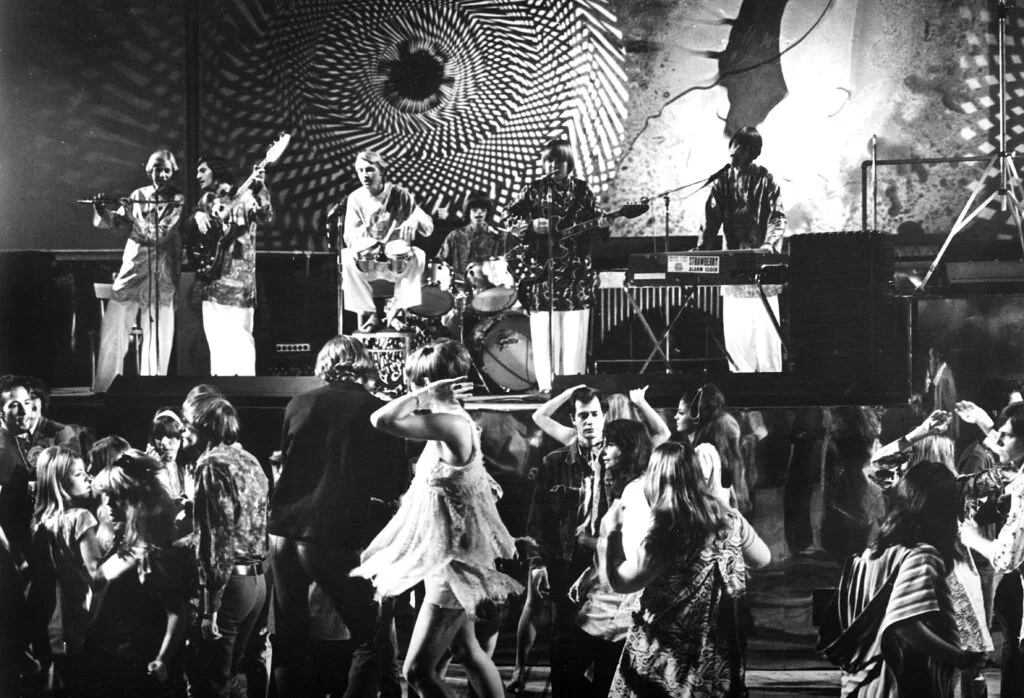
This psychedelic anthem captured the strange, dreamy side of 1967 radio. Its swirling sound and abstract lyrics made it stand out among more straightforward pop hits. It shot to No. 1 and became a defining moment for the band. At the time, it felt like a bold step into a more experimental mainstream sound. Radio played it relentlessly as audiences embraced the psychedelic wave. The song perfectly matched the era’s shifting cultural mood.
As psychedelic pop gave way to harder rock and singer-songwriter material, its sound became less fashionable. Stations slowly rotated it out of heavy airplay. Today, it tends to appear more in specialty programs than everyday playlists. Many listeners recognize it but rarely hear it casually anymore. Its fading presence reflects how specific sonic trends age. What once felt groundbreaking can become niche surprisingly fast.
8. “MacArthur Park” by Richard Harris
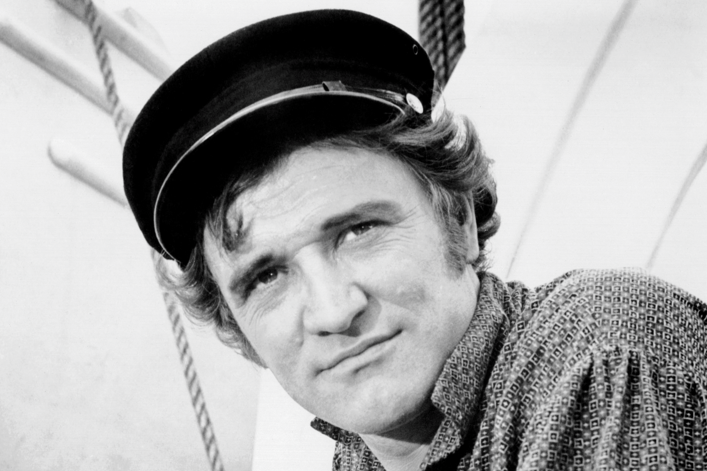
When this dramatic epic hit radio in 1968, it felt wildly unconventional for a pop single. The sweeping orchestration and surreal lyrics grabbed attention immediately. Despite its length and complexity, stations played it constantly. It climbed the charts and became a cultural talking point. Listeners debated whether it was brilliant or baffling, which only fueled its notoriety. The song’s ambition made it feel larger than life.
Over time, its theatrical style fell out of favor on mainstream radio. Programmers leaned toward shorter, tighter songs that fit changing formats. Today, it’s more likely to be discussed as a pop oddity than heard casually on the dial. Many people remember the infamous “cake in the rain” lyric more than the full song. Its disappearance shows how radio tastes can swing sharply away from excess. What once felt daring can quickly feel dated.
9. “Crimson and Clover” by Tommy James and the Shondells
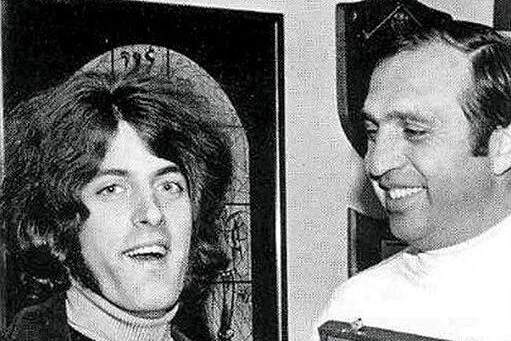
When this swirling psychedelic love song hit radio in late 1968, it felt like it was coming from everywhere at once. The tremolo-heavy vocals and pulsing rhythm sounded hypnotic compared to most straight-ahead pop of the time. Stations played it relentlessly as it climbed to No. 1 in early 1969. It marked a major stylistic shift for Tommy James and the Shondells, surprising longtime fans. The song’s dreamy repetition made it instantly recognizable within seconds. For a while, it felt like one of those tracks you could not avoid no matter what station you landed on.
Over time, the band’s catalog became overshadowed by a handful of bigger singalong hits. Radio programmers leaned more heavily on tracks like “Mony Mony” and “I Think We’re Alone Now” instead. As a result, “Crimson and Clover” slowly slipped out of heavy rotation. Today, it pops up more in curated ’60s playlists than on everyday oldies stations. Many listeners still love its atmosphere when they hear it unexpectedly. Its quiet fade shows how even No. 1 hits can gradually vanish from regular airplay.
10. “Windy” by The Association
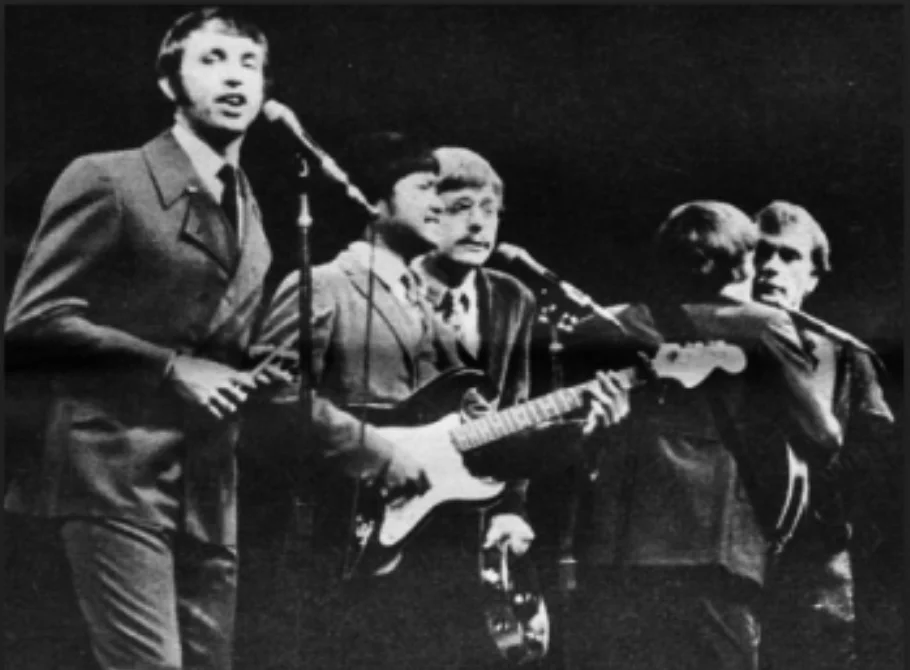
In 1967, “Windy” was pure sunshine coming through the radio speaker. Its breezy harmonies and upbeat melody made it an instant mood-lifter. It raced to No. 1 and stayed there long enough to feel completely unavoidable. Stations leaned heavily on it during the summer months when light pop ruled the airwaves. The song felt like the musical embodiment of carefree optimism. It perfectly fit the polished pop sound of the era.
As radio formats evolved, that ultra-clean pop production became less fashionable. The Association’s sound gradually slipped behind louder and more experimental artists. Today, “Windy” is often overshadowed by other sunshine pop hits from the decade. It still appears occasionally but not with the same frequency it once enjoyed. Many listeners recognize it instantly when it plays but rarely seek it out. Its quiet fade mirrors the shifting tastes of radio programmers.
11. “Time of the Season” by The Zombies
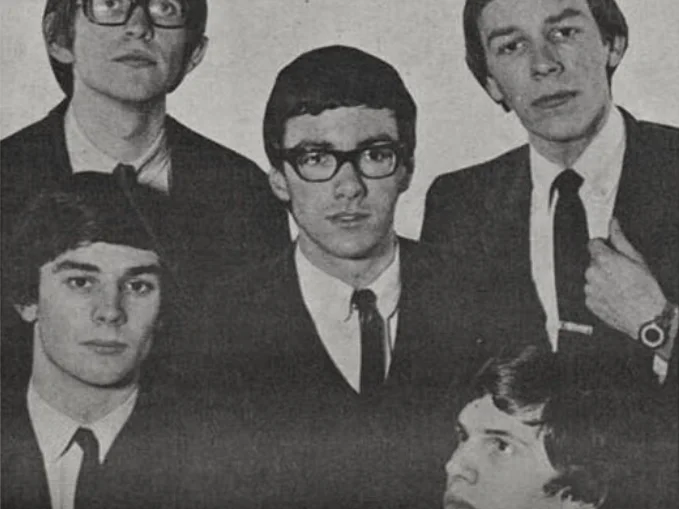
This hypnotic late-’60s hit seemed to float out of radios everywhere in 1969. Its whispered vocals and pulsing keyboard line made it feel mysterious and modern. The song climbed the charts long after the band had actually recorded it, which added to its unusual legacy. Radio embraced its cool, slightly eerie atmosphere. It stood out among brighter pop hits of the same period. For a while, it felt like the ultimate late-night radio staple.
Over time, it became more associated with film soundtracks and nostalgia playlists than daily radio rotation. Some stations still play it, but far less often than its chart success might suggest. Younger listeners sometimes discover it through movies rather than radio. Its moody tone doesn’t always fit modern programming formats. As a result, it feels more like a hidden gem than a former smash. Its vanishing act has been subtle but real.
12. “Sugar Sugar” by The Archies
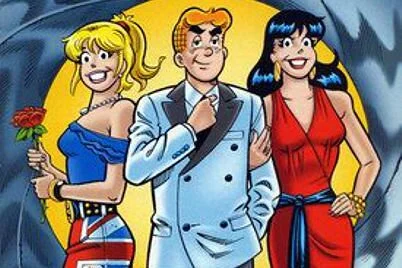
When this cartoon band smash hit radio in 1969, it felt absolutely unavoidable. The bubbly melody and endlessly catchy chorus made it impossible not to sing along, whether you wanted to or not. Stations played it nonstop because it appealed to kids, teens, and adults all at once. It raced to No. 1 and became one of the best-selling singles of the year. The song’s cheerful simplicity made it perfect for short radio rotations. For a while, it felt like every car radio and kitchen transistor was tuned into the same chorus.
As pop music shifted toward more serious rock in the early ’70s, bubblegum hits like this started to feel disposable. Many oldies stations gradually reduced how often they played it. Today, it tends to appear more in commercials, movies, and novelty throwback playlists than in daily radio rotation. Younger listeners often recognize it without realizing how massive it once was. Its bright innocence can feel almost surreal compared to modern pop trends. Even a song that once ruled the airwaves can quietly fade into nostalgia.