
1. The Last Emperor
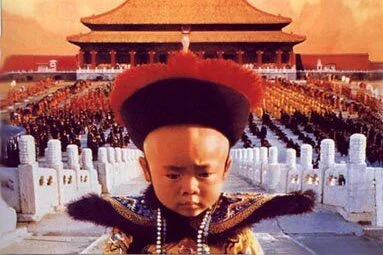
When Bernardo Bertolucci’s The Last Emperor arrived in 1987, it felt like a genuine event movie, the kind people dressed up for and talked about for weeks. It swept the Academy Awards with nine wins, including Best Picture and Best Director, which only amplified the sense that audiences were witnessing something historic. The lavish production, filmed partly inside Beijing’s Forbidden City, gave it an almost mythic scale that few Western films had achieved in China at the time. It was the kind of prestige epic that made moviegoing feel ceremonial.
Over the years, though, it quietly slipped out of everyday conversation. Younger audiences rarely stumble across it on streaming menus, and its long runtime can make it feel intimidating compared to modern pacing. Even with its awards pedigree, it no longer pops up as a casual recommendation the way many other Best Picture winners do. It remains admired by cinephiles, but it has faded from the mainstream memory in a way that feels surprising given how enormous it once felt.
2. Reds
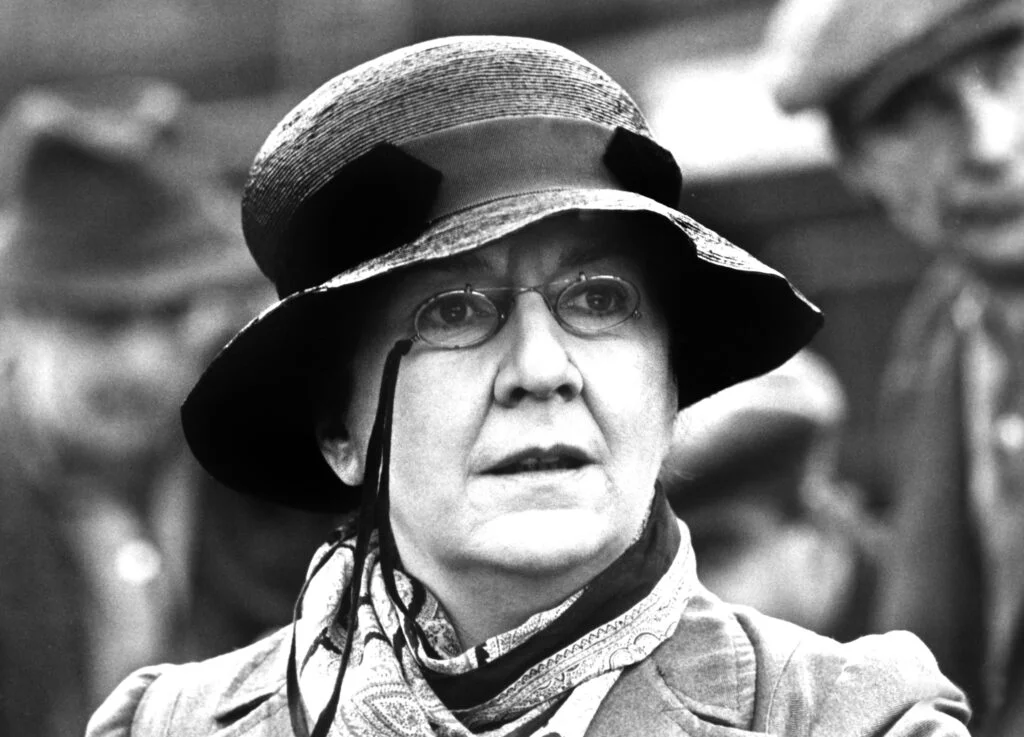
Warren Beatty’s Reds arrived in 1981 with massive ambition, telling a sweeping political and romantic story set against the Russian Revolution. The film earned strong box office returns and picked up multiple Academy Award nominations, with Beatty winning Best Director. Audiences treated it as a serious, grown-up event, the kind of prestige drama that dominated awards chatter and dinner table debates. Its epic length and earnest tone made it feel important in a very early ’80s way.
Today, it rarely comes up unless someone is doing a deep dive into Beatty’s career or classic political cinema. It is not commonly streamed, quoted, or revisited in pop culture conversations. Many younger viewers are only vaguely aware it exists, even though it once dominated awards season. It still holds artistic value, but its cultural footprint has grown faint.
3. The Accidental Tourist
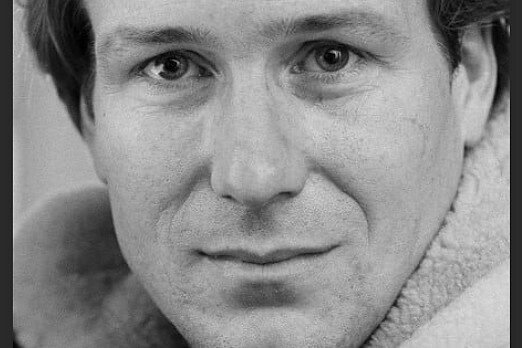
Released in 1988, The Accidental Tourist was a quiet but powerful hit that drew audiences in with its emotional storytelling and strong performances. Geena Davis won an Academy Award for her role, and the film was widely discussed for its tender look at grief, healing, and unexpected love. It was the kind of adult drama that people recommended to friends as a meaningful night at the movies. Its success felt steady and substantial rather than flashy.
Despite that warm reception, it has slowly drifted out of the spotlight. It is not a film people casually revisit or quote, and it rarely appears in modern nostalgia lists. Many viewers remember liking it, but struggle to recall specific moments. It remains a solid piece of late ’80s cinema, just one that has gently faded from collective memory.
4. The River
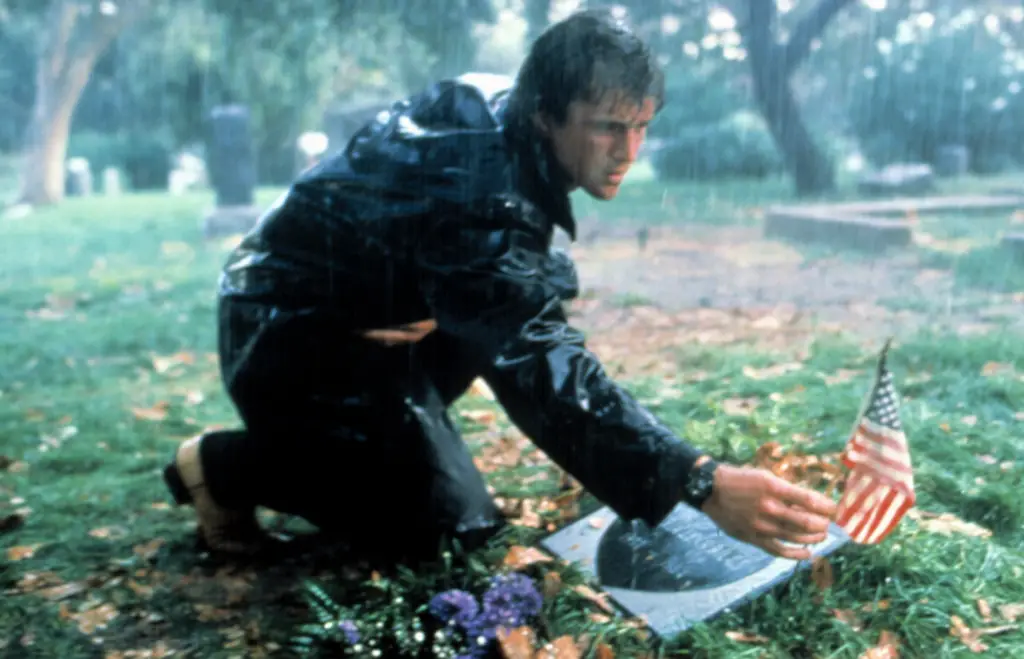
The River hit theaters in 1984 with strong star power from Mel Gibson and Sissy Spacek, and a story rooted in American resilience and rural hardship. It was marketed as a sweeping, emotional drama about family, land, and survival, which resonated strongly with audiences at the time. The flood sequences were impressive for their era and gave the movie a sense of scale that felt genuinely cinematic. It earned solid box office and awards attention.
Over time, however, it became one of those films people vaguely remember seeing but rarely seek out again. It does not circulate heavily on television or streaming services, which has limited rediscovery. Its themes remain relevant, but the title itself does not spark immediate recognition anymore. For a movie that once felt so weighty and important, it has quietly slipped into the background.
5. Witness

When Witness premiered in 1985, it blended thriller tension with a deeply human story set within Amish culture, which felt fresh and unexpected. Harrison Ford received an Academy Award nomination, and the film earned strong critical praise and box office success. Audiences were drawn to its mix of suspense, romance, and cultural contrast. It felt like a smart, grown-up hit that crossed genres effortlessly.
While still respected, it is not discussed nearly as often as many other Ford films from the era. It rarely shows up in pop culture references or casual movie recommendations. Younger viewers may recognize the title but not the story or its impact. Its legacy remains intact, but its visibility has quietly dimmed.
6. Moonstruck
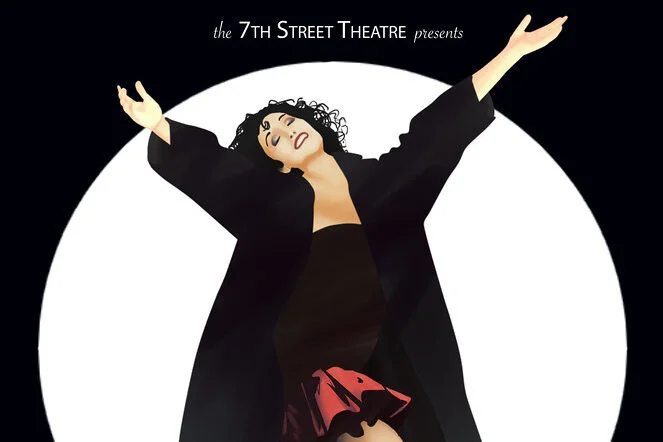
Moonstruck arrived in 1987 as a romantic comedy that quickly became a cultural sensation. Cher’s performance earned her an Academy Award, and the film itself won multiple Oscars while charming audiences with its humor and warmth. It was quoted endlessly and became a favorite date-night recommendation for years. At the time, it felt like one of those rare romantic comedies that truly crossed into prestige territory.
Even though it still has fans, it does not dominate nostalgic conversations the way many other ’80s hits do. It tends to surface during award retrospectives rather than everyday viewing habits. Some younger audiences know Cher more for her music than for this film. Its reputation remains strong, but its cultural volume has softened.
7. The Natural
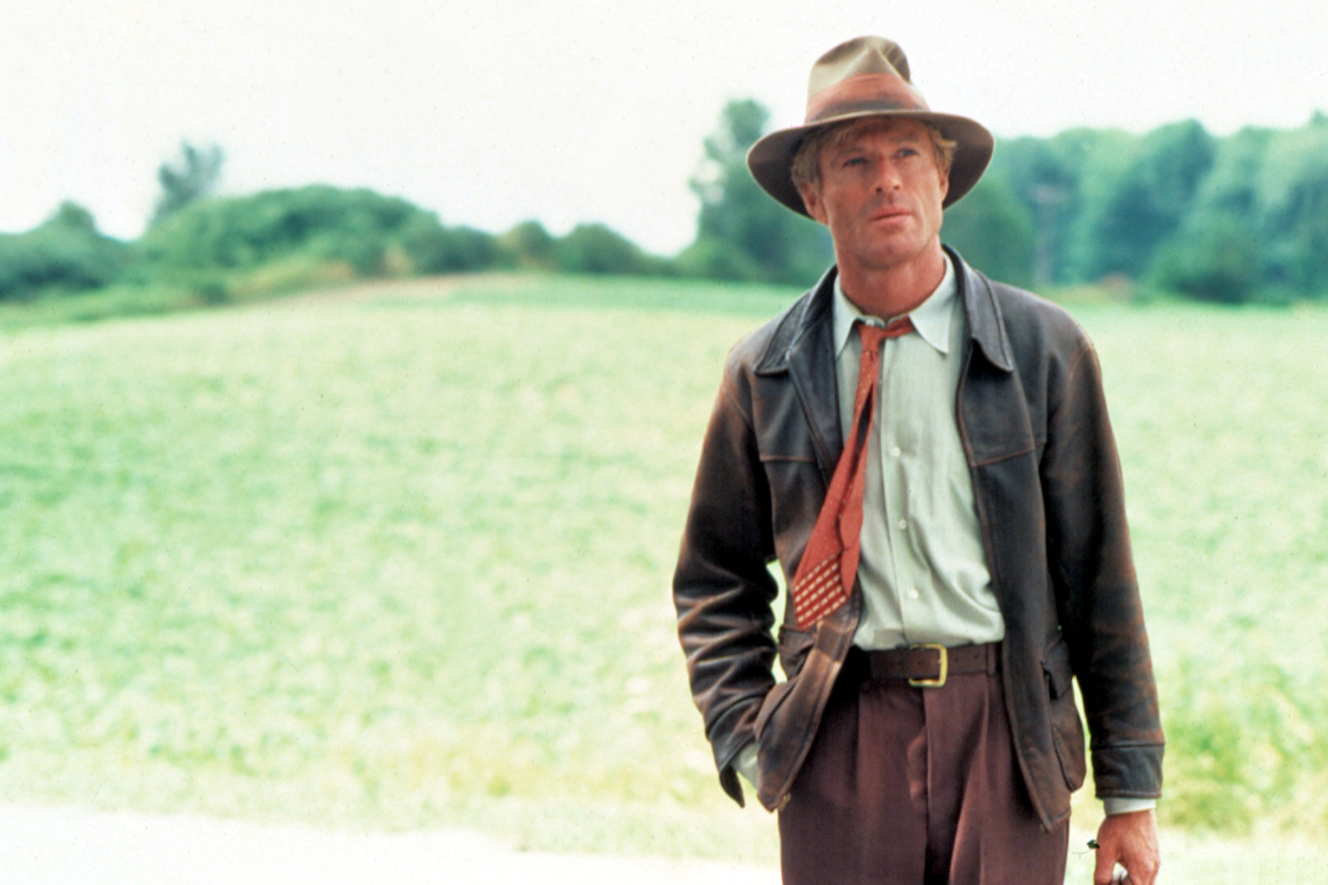
Released in 1984, The Natural was treated as a grand, almost mythic baseball movie that captured the imagination of sports fans and casual viewers alike. Robert Redford’s performance and the soaring score made it feel inspirational and timeless. The film performed well at the box office and became a staple for sports-loving households. It carried a sense of Americana that felt especially powerful in the ’80s.
Today, it still exists in the background of sports film conversations, but it does not dominate them. It is less frequently revisited than many modern baseball movies, and its cultural presence has gradually quieted. People remember the glow of its ending more than the details of the story. It remains respected, but less actively celebrated.
8. The Jewel of the Nile
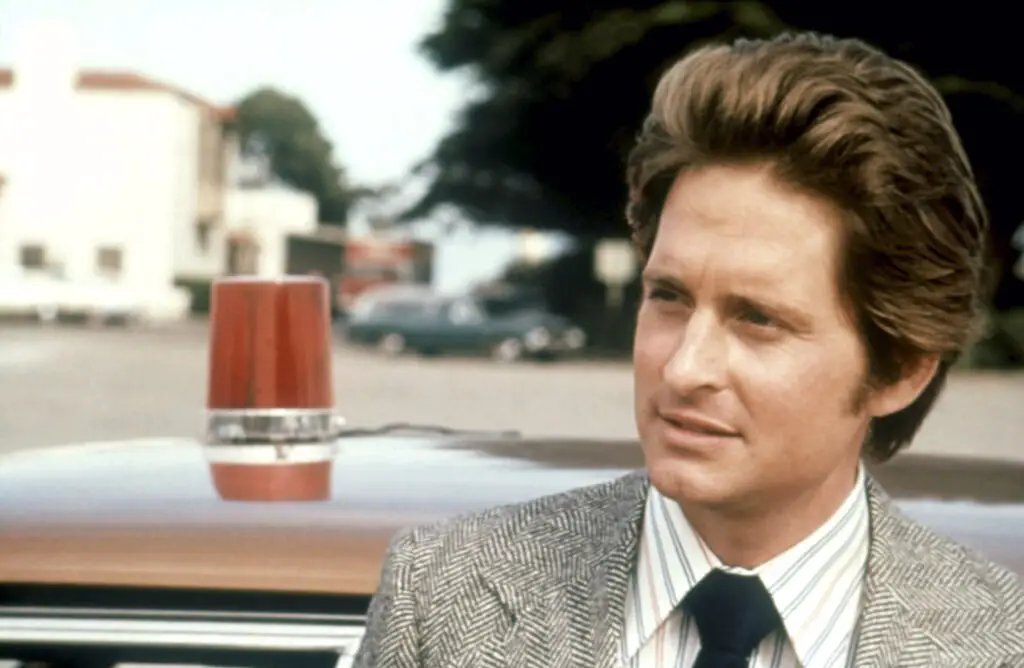
As the sequel to Romancing the Stone, The Jewel of the Nile opened in 1985 with huge expectations and strong audience turnout. Viewers were eager to reunite with the chemistry of Michael Douglas and Kathleen Turner in another globe-trotting adventure. The marketing promised bigger action, more humor, and an even grander sense of spectacle. For a moment, it felt like a guaranteed franchise success.
Unlike its predecessor, though, it did not maintain the same long-term affection. It is often remembered as the lesser sequel rather than as its own standout movie. Television reruns and streaming exposure have been limited, which has reduced its cultural visibility. What once felt like a blockbuster event has gradually become a footnote.
9. Willow

Willow debuted in 1988 as a fantasy epic backed by George Lucas, which instantly gave it credibility and excitement. Audiences embraced its adventurous spirit, imaginative creatures, and sweeping musical score. It performed solidly at the box office and built a devoted fan base that treated it like a gateway fantasy film. At the time, it felt positioned to become a lasting franchise.
While it has maintained a cult following, it never fully cemented itself in mainstream nostalgia. Many casual viewers remember the name but struggle to recall the plot or characters. It tends to resurface in waves rather than staying consistently visible. Its initial sense of scale has softened into quieter affection.
10. The Abyss
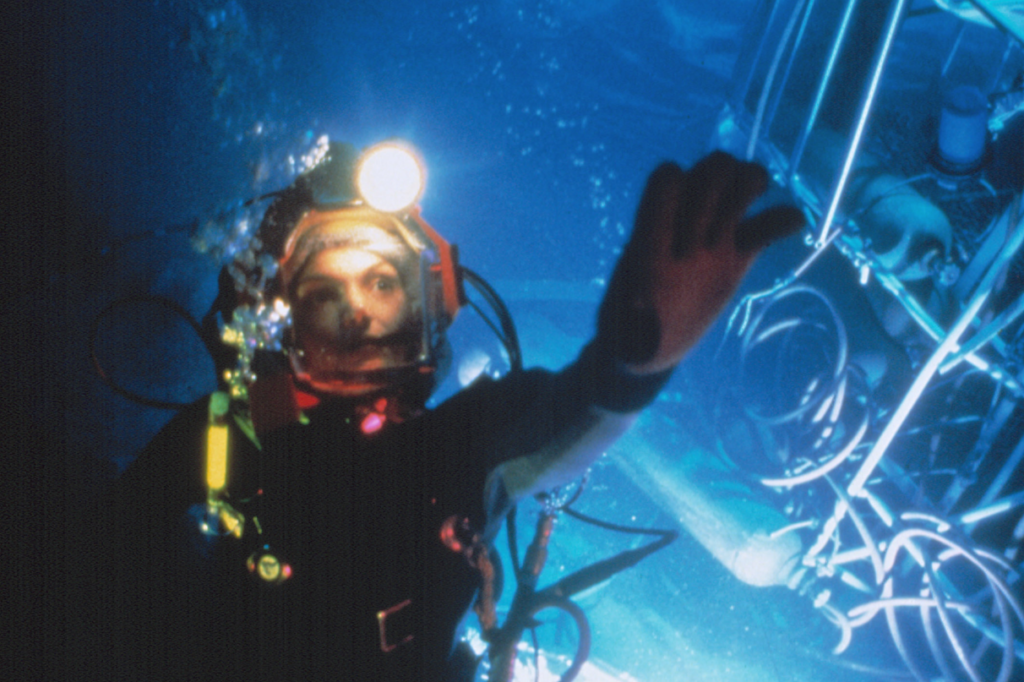
James Cameron’s The Abyss arrived in 1989 as a technological marvel, especially praised for its groundbreaking underwater visual effects. Audiences were fascinated by the ambitious production and the film’s blend of science fiction and emotional storytelling. It felt like a technical leap forward for blockbuster filmmaking. The theatrical experience was part of its appeal.
Over time, it became harder to find in widely accessible formats, which limited casual rediscovery. It is respected among film enthusiasts but less commonly revisited by general audiences. Its reputation now leans more toward technical achievement than cultural presence. The sense of event surrounding its release has faded.
11. The Color Purple
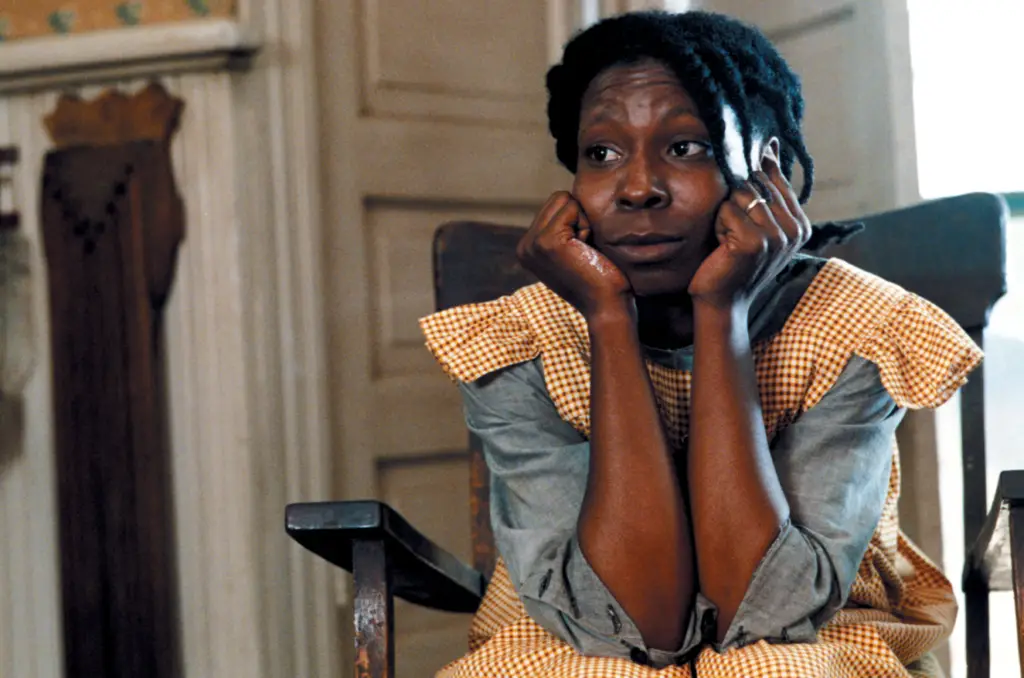
When The Color Purple premiered in 1985, it was treated as a major cultural moment, adapting a beloved novel into a powerful cinematic experience. The performances, especially by Whoopi Goldberg and Oprah Winfrey, drew widespread attention and awards buzz. Audiences discussed its emotional weight and social themes extensively. It felt like an important film people believed everyone should see.
While it remains respected and studied, it does not circulate as heavily in everyday viewing habits. It is more often referenced in academic or historical contexts than casual movie nights. Many people remember its impact rather than revisiting it frequently. Its legacy is secure, but its presence has grown quieter.
12. Out of Africa
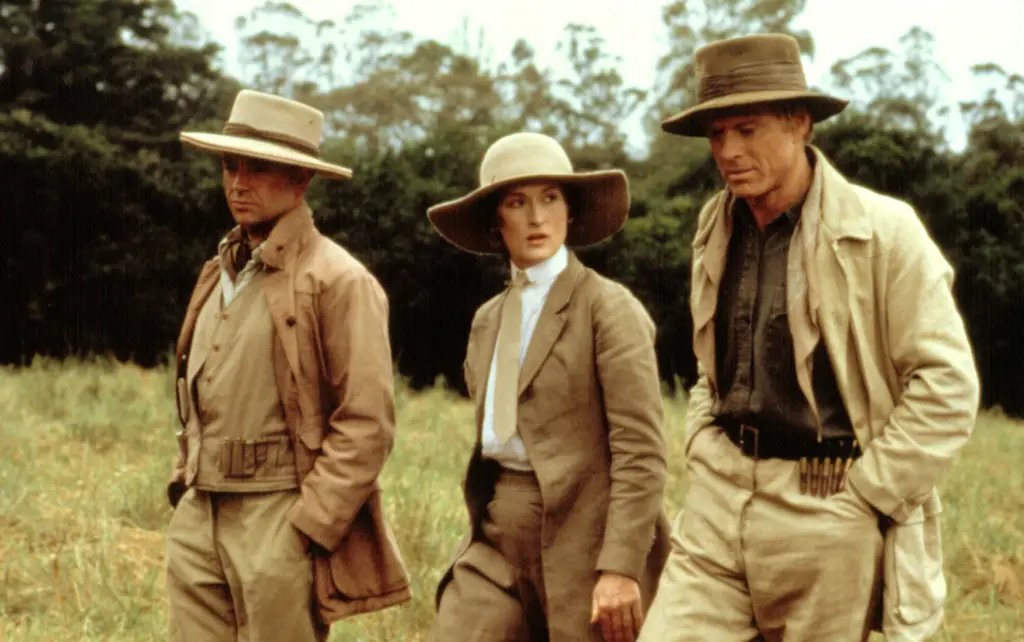
Out of Africa arrived in 1985 as a sweeping romantic epic with stunning landscapes and star power from Meryl Streep and Robert Redford. It dominated awards season, winning Best Picture and capturing audiences with its grandeur. The cinematography and score made it feel like a true theatrical experience. For a time, it symbolized the height of prestige filmmaking.
Today, it is rarely part of mainstream movie conversations. Its long runtime and slower pacing can make it less appealing to modern viewers. Many people remember its awards more than its story details. It remains admired, but it no longer feels culturally central.
13. Driving Miss Daisy
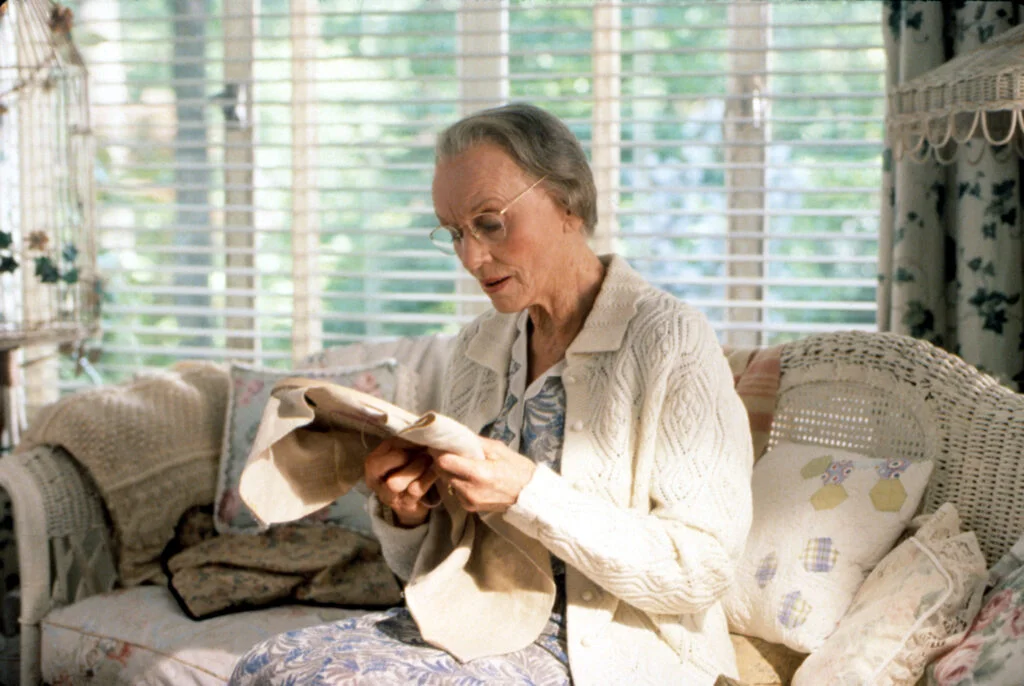
Released in 1989, Driving Miss Daisy became a quiet box office success and a major awards contender. It won Best Picture and was praised for its gentle humor, strong performances, and heartfelt themes. Audiences embraced its warmth and accessibility, making it feel like a crowd-pleasing prestige hit. It was widely discussed during awards season and beyond.
In later years, it has become less visible in everyday movie culture. It tends to appear mainly in award retrospectives rather than casual recommendations. Shifts in cultural conversation have also reframed how people view its themes. Its influence remains acknowledged, but its presence has softened.
14. An Officer and a Gentleman
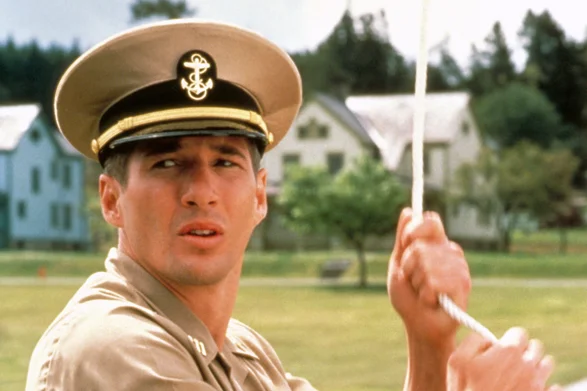
When An Officer and a Gentleman hit theaters in 1982, it quickly became a massive hit and a cultural touchstone. The romance, the dramatic training sequences, and the memorable ending made it endlessly discussed and quoted. It launched Richard Gere into a new level of stardom and earned awards attention. At the time, it felt like one of the defining films of the early ’80s.
Despite its former popularity, it is not revisited as often today. Younger audiences may recognize the famous final scene without having seen the full film. It appears less frequently in modern streaming recommendations and nostalgia lists. What once felt unavoidable has quietly slipped into the background of movie memory.