
1. Dick Van Dyke
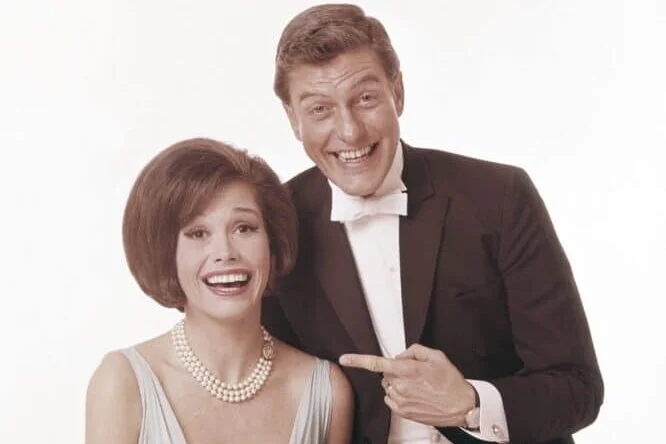
Dick Van Dyke became a household name in the early ’60s thanks to his warm, elastic performance as Rob Petrie on The Dick Van Dyke Show. The series balanced sharp workplace comedy with affectionate family humor, and audiences felt like they were watching a slightly idealized version of real life. Van Dyke’s physical comedy, from pratfalls to double takes, gave the show a timeless energy. He also brought a surprising emotional sincerity that grounded the jokes and made the characters feel real.
After the show ended in 1966, Van Dyke carried that momentum into major film roles like Mary Poppins and Chitty Chitty Bang Bang. Even decades later, reruns kept him visible to new generations who discovered his charm long after the original broadcast. His blend of warmth, athletic comedy, and musical talent made him one of the most versatile performers of the era. Few actors from the ’60s managed to stay both beloved and relevant for so long.
2. Mary Tyler Moore

Mary Tyler Moore redefined the TV leading lady when she played Laura Petrie on The Dick Van Dyke Show. Her role balanced elegance with approachable humor, showing that sitcom wives could be smart, funny, and emotionally complex. Viewers loved her chemistry with Van Dyke and her natural comic timing. She quickly became one of television’s most admired faces of the decade.
Moore later expanded that image with The Mary Tyler Moore Show, which debuted in 1970 and carried her stardom into a new era. During the ’60s, however, she was already shaping how women were portrayed on television. Moore’s confidence and relatability helped push sitcom storytelling forward. Her influence still echoes in modern workplace and family comedies.
3. Andy Griffith
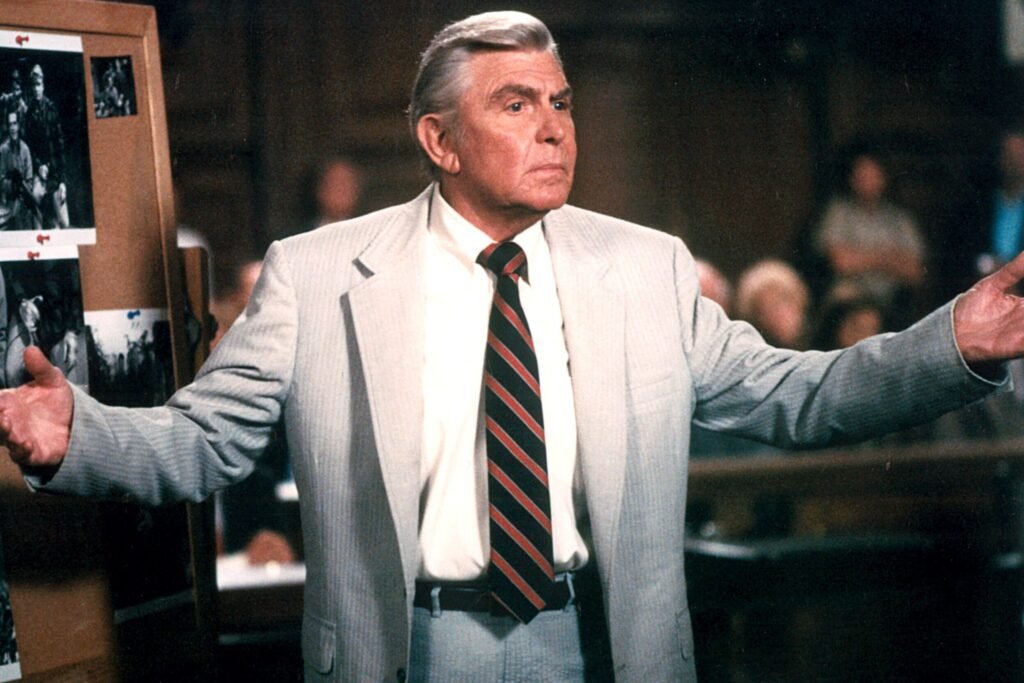
Andy Griffith anchored American living rooms as the steady, gentle Sheriff Andy Taylor on The Andy Griffith Show. The series offered small-town comfort, moral lessons, and warm humor that appealed across generations. Griffith’s relaxed delivery and genuine kindness made the character feel like someone viewers trusted completely. The show dominated ratings for much of the early and mid-’60s.
Even as television became more fast-paced and edgy later on, Griffith’s calm storytelling style remained deeply nostalgic for many viewers. He demonstrated that a quiet, character-driven comedy could thrive without flashy gimmicks. Reruns continued to reinforce his cultural presence for decades. Griffith’s performance remains a benchmark for wholesome television storytelling.
4. Don Knotts
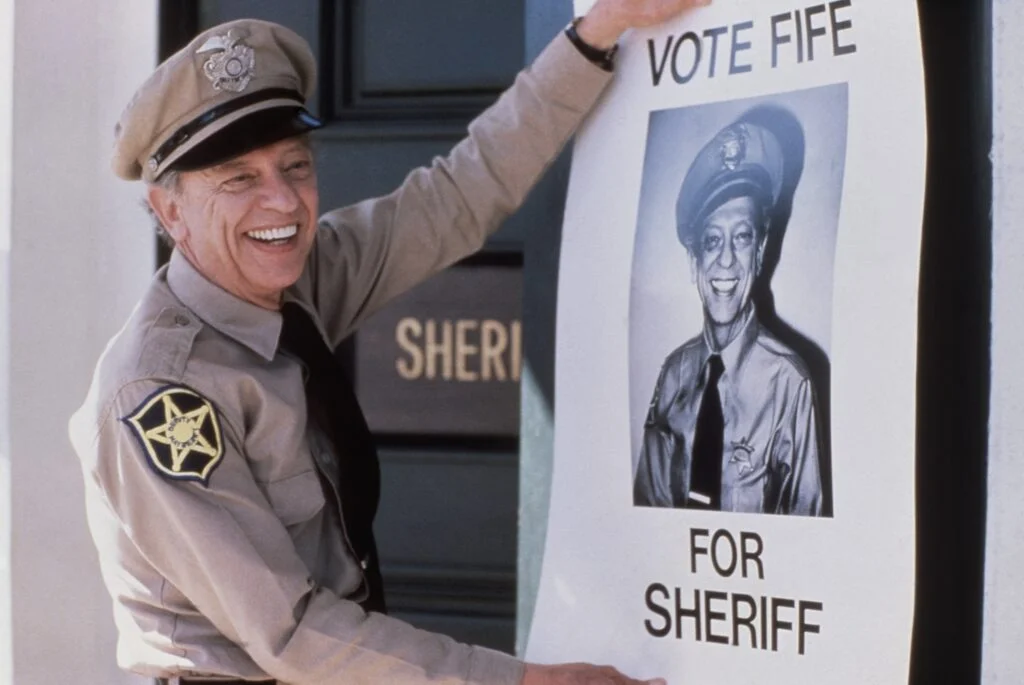
Don Knotts became a comedy legend as the anxious, well-meaning Deputy Barney Fife on The Andy Griffith Show. His exaggerated facial expressions, nervous energy, and perfectly timed panic attacks made him instantly recognizable. Knotts brought a physical comedy style that felt both classic and modern for the era. Audiences often tuned in just to see what Barney would unravel next.
Knotts left the series in 1965 but remained enormously popular through film comedies and guest appearances. His influence on sitcom sidekicks is hard to overstate, as countless characters followed the lovable-neurotic blueprint he perfected. Even today, his catchphrases and mannerisms are widely remembered. Knotts proved that supporting characters could sometimes steal the entire show.
5. Elizabeth Montgomery
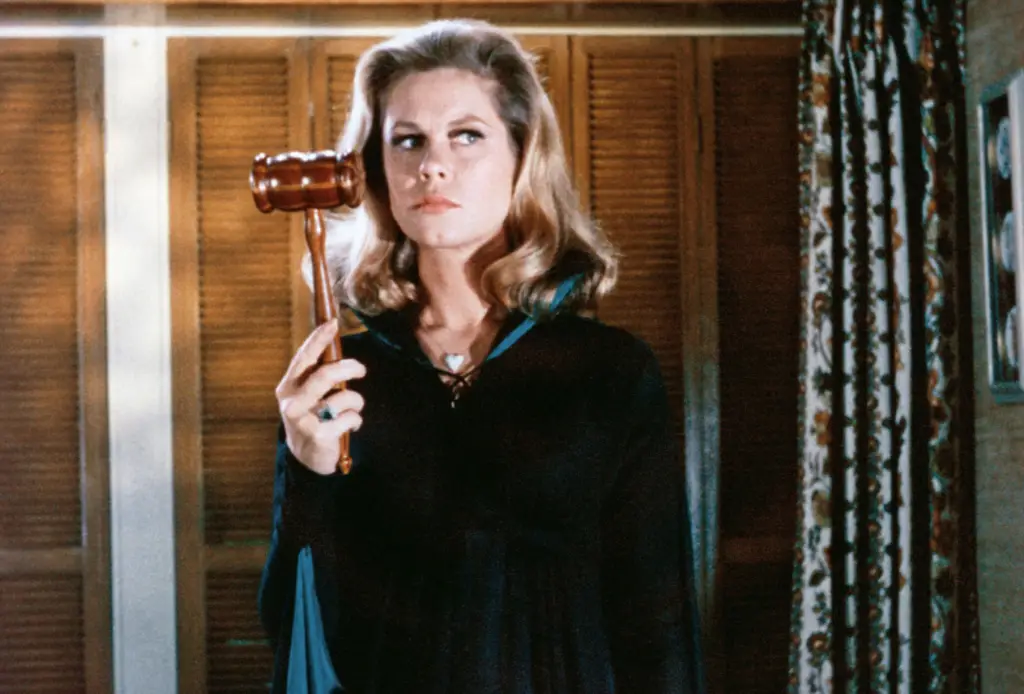
Elizabeth Montgomery became an icon as Samantha Stephens on Bewitched, blending sitcom humor with fantasy charm. Her effortless mix of glamour and relatability made viewers instantly connect with her magical housewife. The show’s clever special effects and playful scripts kept it feeling fresh throughout the decade. Montgomery’s expressive acting helped sell even the most whimsical storylines.
She also gave Samantha a quiet independence that felt subtly progressive for the time. Audiences appreciated that the character balanced domestic life with personal power. Montgomery later earned respect for dramatic roles, but her television fame was firmly rooted in the ’60s. For many viewers, she remains synonymous with classic fantasy sitcoms.
6. William Shatner
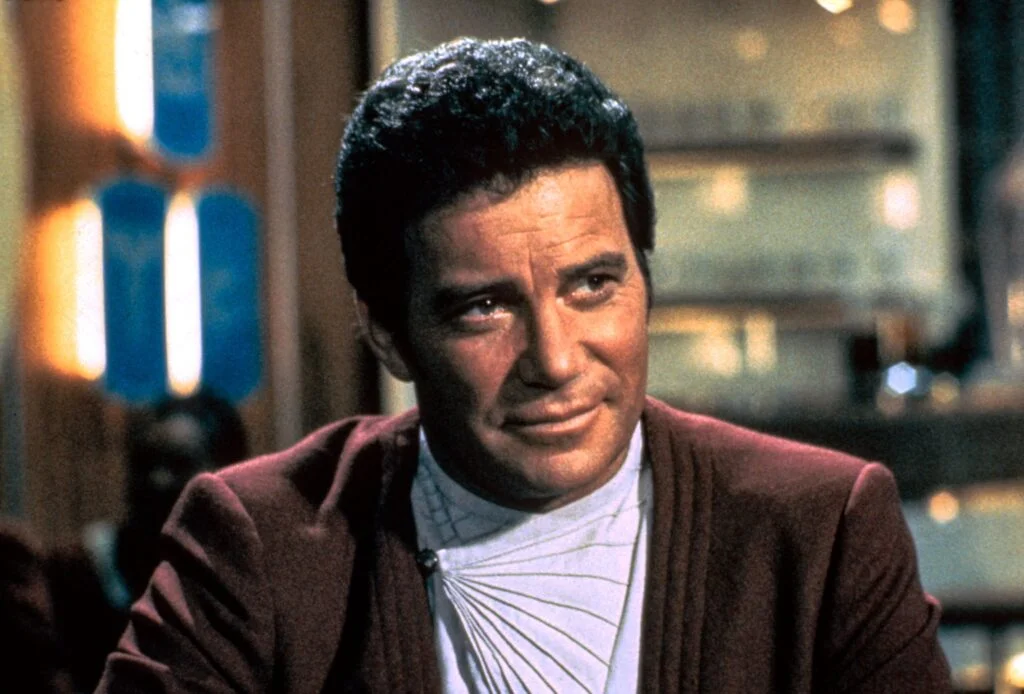
William Shatner became one of television’s most recognizable faces as Captain James T. Kirk on Star Trek. His intense delivery and commanding presence helped define early science fiction television. The show initially struggled in ratings but built a devoted fan base that grew rapidly through reruns. Shatner’s performance gave the series a bold, adventurous tone.
Kirk’s leadership style and moral dilemmas resonated strongly with audiences during a time of rapid social change. Shatner later leaned into the cultural legacy of the role, embracing conventions and fan engagement. Few television characters from the ’60s achieved such long-lasting pop culture status. His influence continues across film, television, and fandom culture.
7. Leonard Nimoy
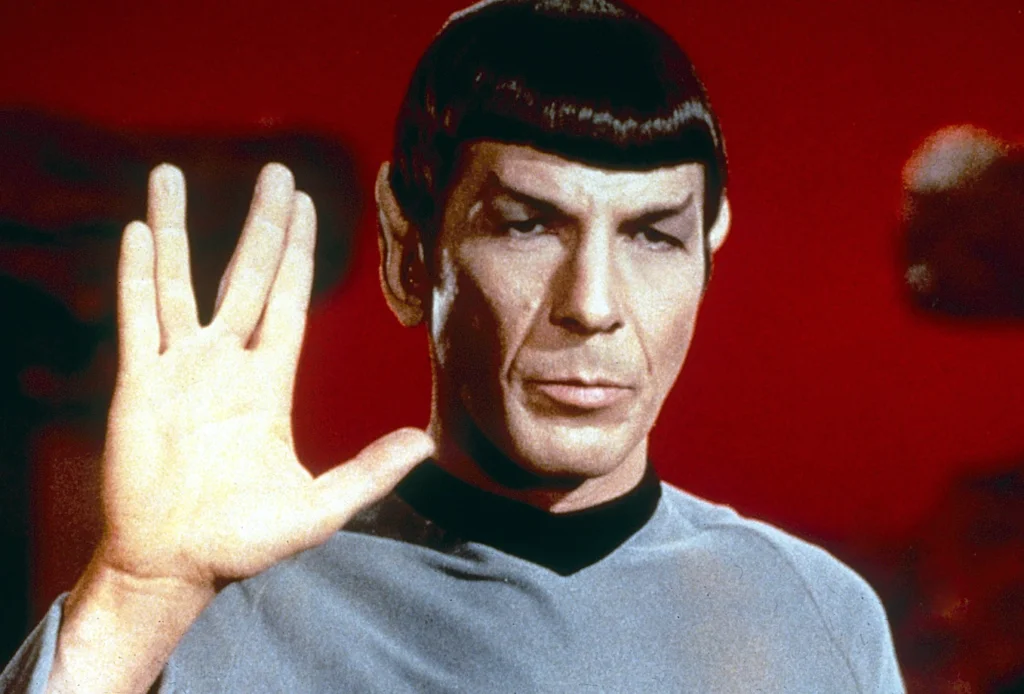
Leonard Nimoy’s portrayal of Spock on Star Trek became one of the most iconic performances in television history. His calm logic, emotional restraint, and distinctive look set the character apart immediately. Viewers were fascinated by Spock’s internal conflict between reason and feeling. Nimoy brought depth and subtle humor to what could have been a purely cold character.
The role elevated Nimoy into enduring cultural recognition that lasted well beyond the original series. Spock became a symbol of intelligence, curiosity, and quiet strength. Nimoy later embraced the character’s legacy while continuing to act, write, and direct. Few performers have become so closely associated with a single role in such a positive way.
8. Adam West
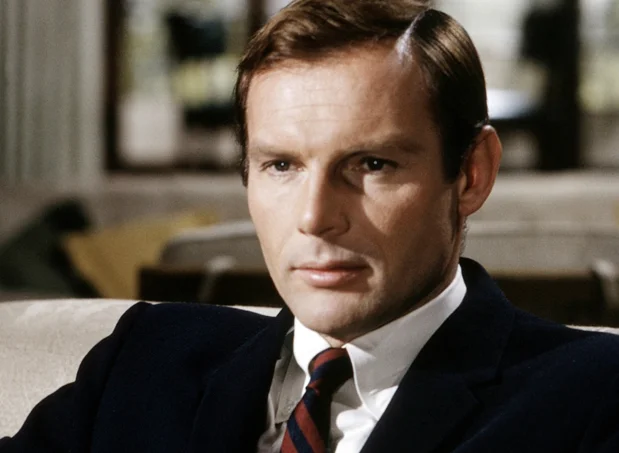
Adam West ruled pop culture as the straight-faced superhero in Batman. The series leaned into colorful camp, playful absurdity, and high-energy action that captured massive weekly audiences. West’s serious delivery made the outrageous tone even funnier. The show became a merchandising powerhouse almost overnight.
Although the series only ran for a few seasons, its cultural impact was enormous. West spent much of his later career embracing the role with humor and self-awareness. The performance helped define how comic book adaptations could succeed on television. His version of Batman remains instantly recognizable.
9. Carol Burnett
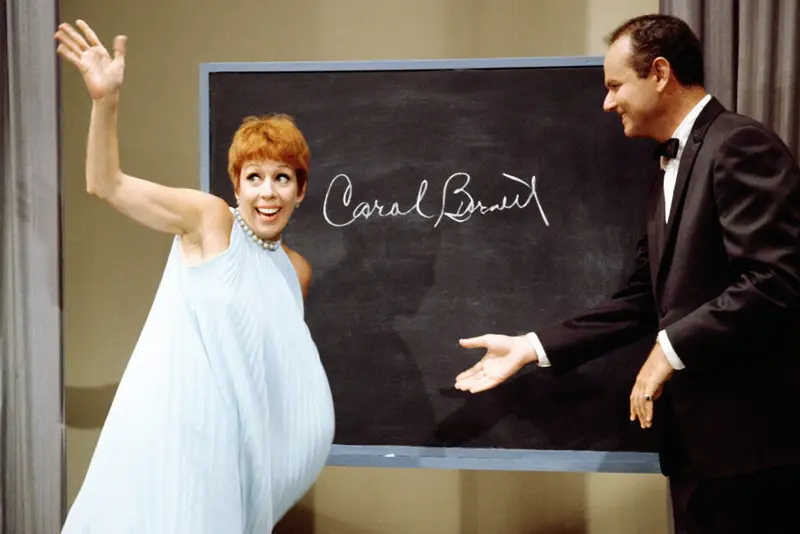
Carol Burnett became a variety-show powerhouse when The Carol Burnett Show debuted in 1967. Her fearless physical comedy and emotional range made the program an immediate hit. Audiences loved watching her break into laughter during sketches, which made the humor feel spontaneous and genuine. The show attracted top guest stars and strong weekly ratings.
Burnett’s ability to shift between broad comedy and heartfelt moments made her stand out in a crowded entertainment landscape. She built a loyal following that continued into the ’70s and beyond. Her influence on sketch comedy and ensemble television remains significant. Burnett proved that variety television could still thrive in a changing media environment.
10. Bob Denver
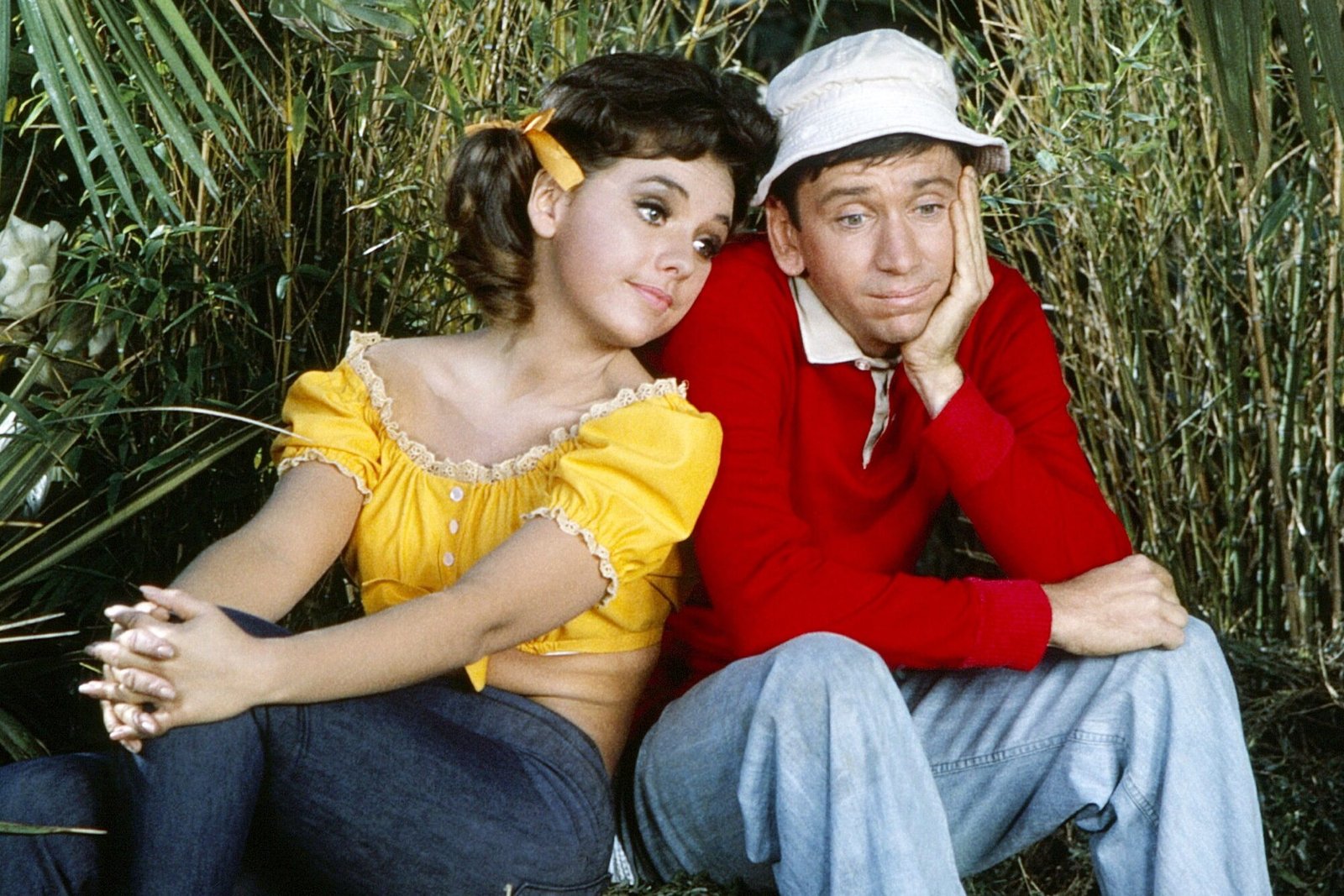
Bob Denver became beloved as the endlessly optimistic Gilligan on Gilligan’s Island. His wide-eyed innocence and physical comedy made him a favorite with families and younger viewers. The show’s simple premise allowed Denver’s playful personality to shine in every episode. Gilligan quickly became one of television’s most recognizable characters of the decade.
Although the series ended in the late ’60s, reruns cemented Denver’s fame for generations. The character’s loyalty and earnestness created a timeless appeal. Denver continued acting, but Gilligan remained his defining role. Few sitcom characters achieved such enduring recognition through syndication alone.
11. Diahann Carroll
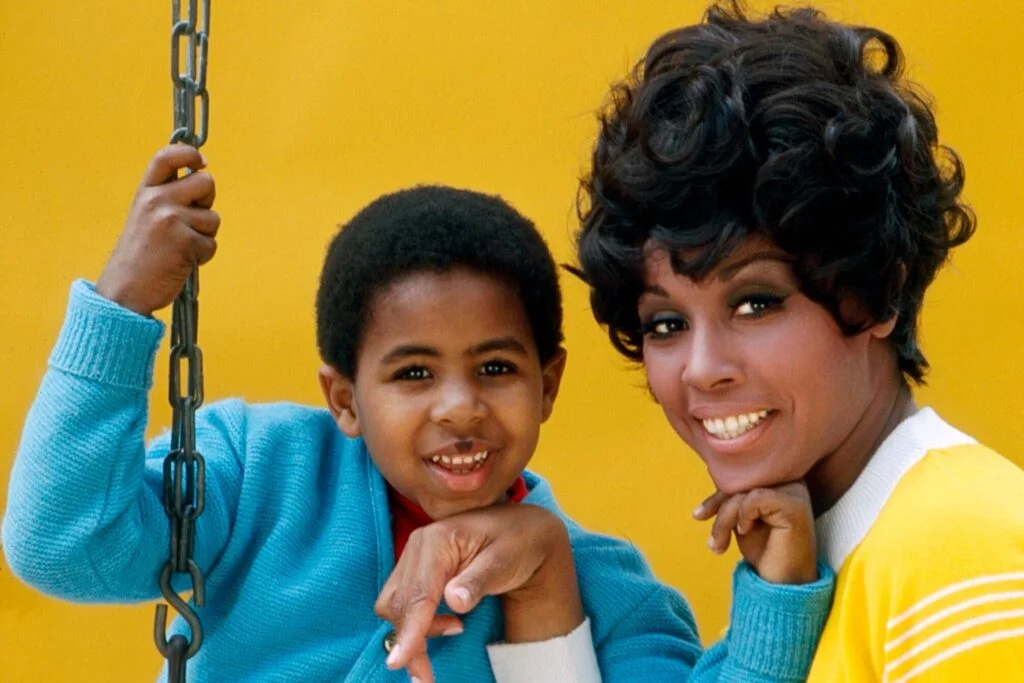
Diahann Carroll made television history as the star of Julia, one of the first series to feature a Black woman in a non-stereotypical lead role. Her performance portrayed a confident, professional single mother, which challenged long-standing television norms. Carroll brought warmth, elegance, and emotional depth to the character. The series attracted strong ratings and cultural attention.
Her visibility opened doors for more diverse representation on television in later decades. Carroll’s success also extended into film, stage, and music, reinforcing her versatility. She remained a respected figure in entertainment throughout her career. Her impact on television representation remains historically significant.
12. Nichelle Nichols
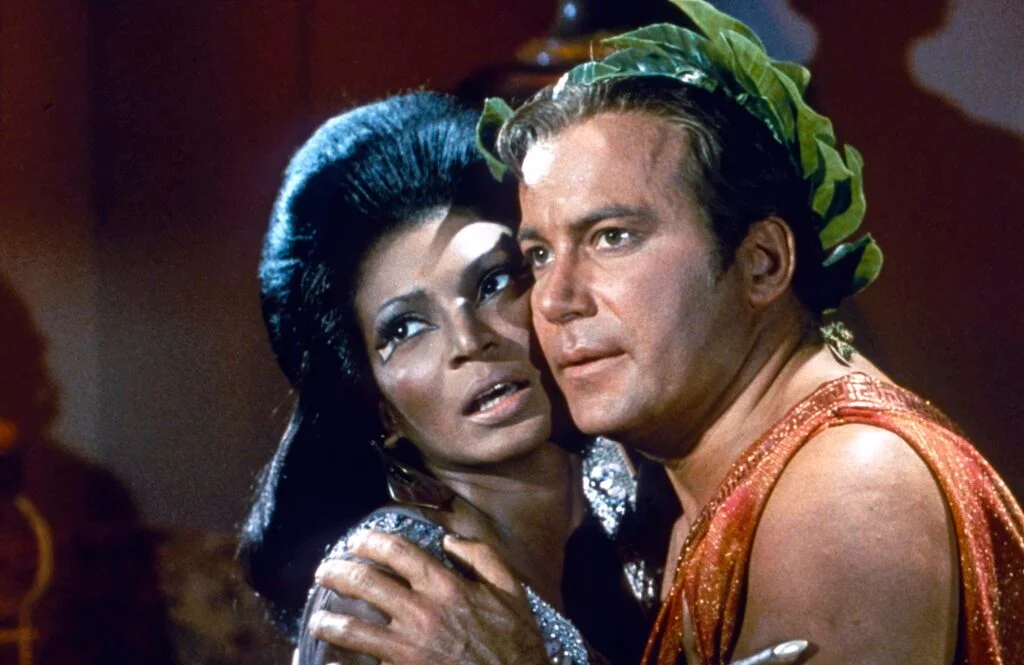
Nichelle Nichols broke new ground as Lieutenant Uhura on Star Trek. Her role placed a Black woman in a position of authority and technical expertise during a time when such representation was rare. Nichols brought poise, intelligence, and quiet strength to the character. Audiences connected with her calm confidence and professionalism.
Her presence on the show inspired many future scientists, engineers, and performers. Nichols later worked with NASA to help recruit diverse candidates for space programs. The cultural ripple effects of her visibility extended far beyond television. She remains a powerful symbol of progress in media representation.
13. Jonathan Winters
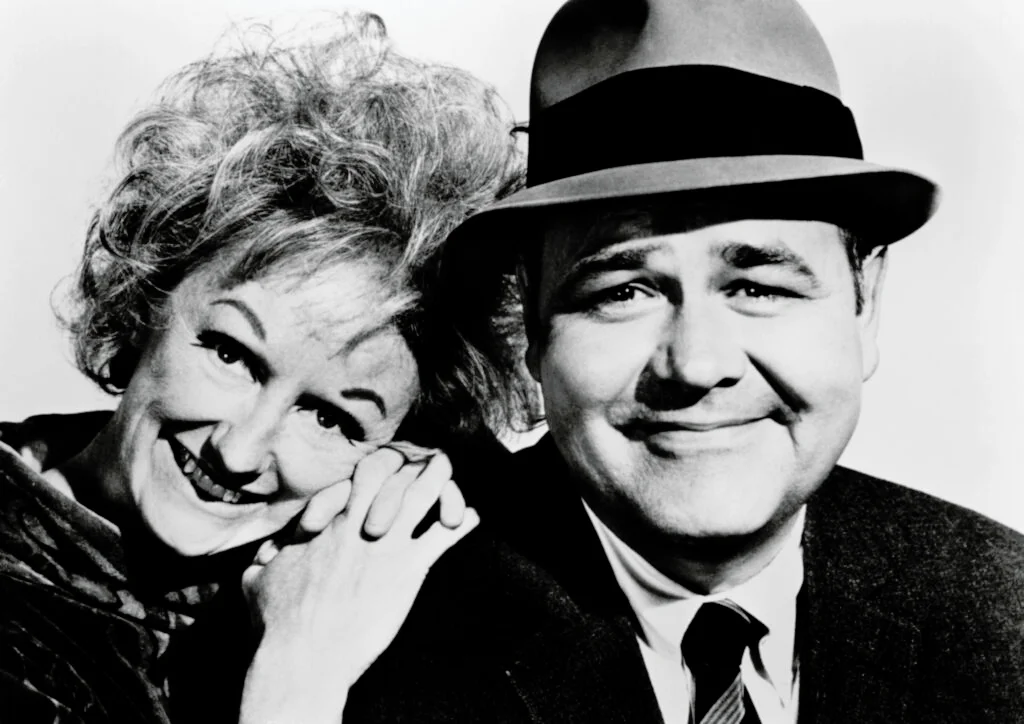
Jonathan Winters became one of television’s most unpredictable comedic forces through frequent appearances on variety programs and talk shows. His rapid-fire improvisation and wild character voices kept audiences guessing. Winters brought a surreal edge to comedy that felt fresh and daring for the era. Producers valued his ability to create humor spontaneously.
He later became a regular presence on The Carol Burnett Show, where his improvisational instincts thrived. Winters influenced generations of comedians who admired his fearless creativity. His humor often balanced absurdity with sharp observation. Few performers captured controlled chaos as effectively as he did.
14. Lucille Ball
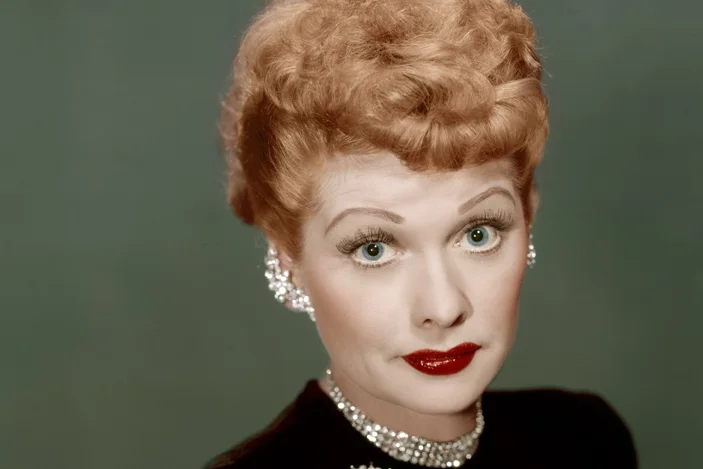
Lucille Ball remained a dominant television figure in the ’60s with The Lucy Show and later Here’s Lucy. Although her biggest fame came earlier, she continued drawing massive audiences throughout the decade. Ball’s physical comedy and expressive timing remained unmatched. Viewers felt a deep emotional connection to her comedic persona.
She also played a major behind-the-scenes role as a powerful television executive and producer. Ball helped shape the business side of television while still starring onscreen. Her longevity demonstrated rare adaptability in a rapidly changing industry. Few performers sustained such widespread popularity across multiple decades.
15. Danny Thomas
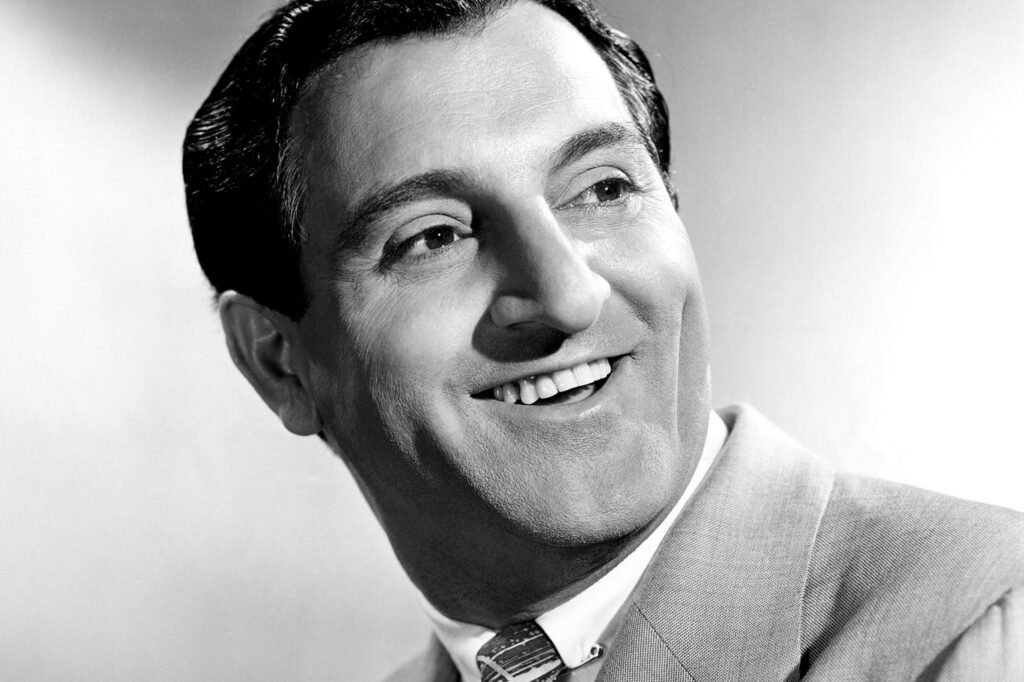
Danny Thomas anchored family television as the warm-hearted comedian at the center of Make Room for Daddy. His easygoing humor and relatable family dynamics resonated strongly with postwar audiences. The series ran successfully into the early ’60s, maintaining high visibility. Thomas became a familiar and trusted television presence.
Beyond acting, Thomas made lasting contributions as a producer and philanthropist. He helped launch the careers of several future stars through his production work. His legacy extends beyond entertainment into charitable leadership. Thomas represented the steady reliability that defined much of early television.
16. Jack Webb
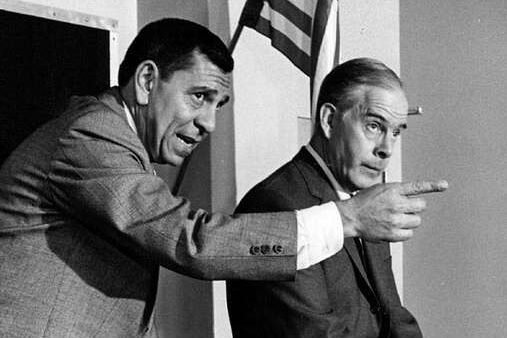
Jack Webb became synonymous with serious crime television as the creator and star of Dragnet. His restrained delivery and documentary-style storytelling gave the series a sense of realism that stood out at the time. Webb’s performance emphasized professionalism, procedure, and moral clarity. The show influenced how police dramas were structured for decades.
Webb later revived the series in updated forms, proving the format’s enduring appeal. His approach shaped the tone of modern procedural television. Audiences trusted the authenticity he brought to the screen. Webb’s impact remains embedded in the DNA of crime dramas today.