
1. McDonald’s “Uncle O’Grimacey” (1972)
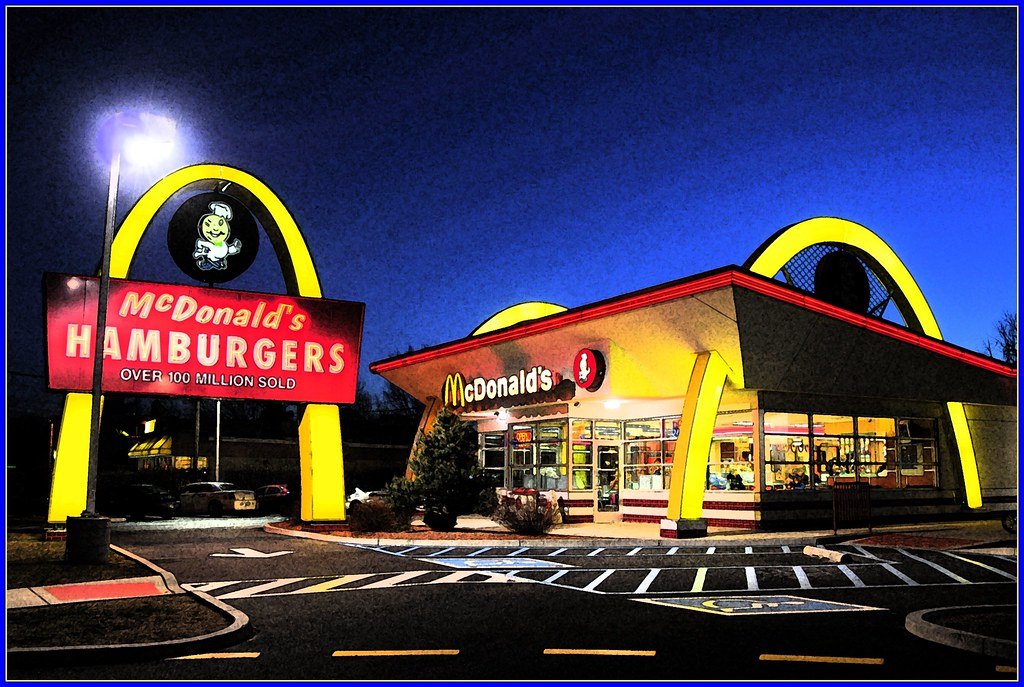
If you grew up in the early ’70s, the sudden arrival of a green, shamrock-shaped McDonaldland character probably felt completely normal. Uncle O’Grimacey was introduced as Grimace’s Irish uncle, created to promote the Shamrock Shake during a brief seasonal push. The costume looked like something borrowed from a low-budget children’s show, with oversized features and stiff movements that feel oddly surreal today. Back then, kids accepted these mascot characters without question, but now it feels like a fever dream from a forgotten TV channel. The thick Irish accent, playful chaos, and loose storytelling made the commercials feel more like sketches than ads. It was branding that leaned heavily on imagination rather than polish. Watching it now, it’s hard to believe this was once mainstream fast-food marketing.
The commercial also captures how experimental advertising could be before brand consistency became tightly controlled. McDonald’s was still building its mascot universe, throwing ideas at the wall to see what stuck. Uncle O’Grimacey disappeared almost as quickly as he arrived, which adds to the strangeness of seeing him pop up in vintage footage. Modern audiences are often baffled that a character so random ever existed at all. The ad feels playful, chaotic, and slightly unhinged in the best possible way. It’s a reminder that early ’70s commercials often valued whimsy over logic. That unpredictability is exactly what makes it feel like another planet now.
2. Calgon “Ancient Chinese Secret” (1972)
This commercial famously featured a dry cleaner whispering the mysterious line, “Ancient Chinese secret,” as if laundry detergent were some guarded mystical knowledge. The ad leaned into exaggerated accents and stereotypes that would never make it onto television today. At the time, it was treated as harmless humor, repeated endlessly and quoted by families across America. Watching it now feels uncomfortable and strangely unreal, like a time capsule from a very different cultural mindset. The overly theatrical delivery gives the whole spot a cartoonish quality. It’s both fascinating and jarring to see how casually these portrayals were accepted. The phrase became part of pop culture, even though its origins now feel deeply dated.
The commercial also shows how advertising once leaned heavily on gimmicks rather than product education. Viewers weren’t learning much about detergent chemistry, just absorbing a catchy line and a silly scenario. That kind of shorthand marketing feels almost primitive compared to today’s carefully crafted messaging. The pacing is slower, the humor broader, and the visuals intentionally exaggerated. It feels like watching a stage sketch more than a commercial. The disconnect between then and now is striking. It’s a reminder of how quickly cultural standards can shift.
3. Pepsi “Join the Pepsi People” (1973)
The “Pepsi People” campaign leaned hard into groovy fashion, oversized smiles, and highly choreographed group enthusiasm. Everyone in the commercial looks like they just walked off the set of a disco variety show, complete with wide collars and shiny fabrics. The vibe is relentlessly upbeat, almost to the point of being hypnotic. It feels less like a soda ad and more like an invitation to join a strange, fizzy cult. Smiling faces fill the screen in tight group shots that feel oddly intense today. The energy is cheerful but slightly uncanny when viewed through a modern lens. It’s pure ’70s optimism bottled into thirty seconds.
What really makes it feel otherworldly is how openly manufactured the joy appears. Nobody sips casually, every reaction is exaggerated and camera-ready. Modern ads tend to chase authenticity, even if it’s staged, but these commercials proudly embraced theatricality. The jingles stick in your head long after the clip ends, which was exactly the point. There’s something charming and unsettling about how hard everyone commits to the bit. It captures a moment when advertising was comfortable being bold and over-the-top. That exaggerated cheer feels almost alien now.
4. Alka-Seltzer “Spicy Meatball” (1970)
The chaotic kitchen scene featuring a frantic Italian chef yelling “That’s a spicy meatball!” became instantly iconic. The humor was loud, physical, and unapologetically broad, leaning into slapstick rather than subtlety. Flour flies everywhere, sauce splatters, and the actor chews every line like it’s a stage performance. It feels more like a sketch comedy skit than a commercial for indigestion relief. The exaggerated accent and frantic pacing are a snapshot of comedic tastes from that era. Today, it plays like a surreal comedy short accidentally inserted into a commercial break. The chaos is oddly charming and completely unfiltered.
What’s striking now is how fearless the ad was about being silly for the sake of memorability. There was no concern about realism or restraint, just maximum impact in a short window. The commercial trusted viewers to connect the dots between overeating and needing relief. Modern ads often overexplain or soften humor, but this one leans fully into absurdity. It’s a reminder of how playful mass-market advertising once was. The scene feels exaggerated enough to belong in a cartoon world. That exaggerated theatricality makes it feel like another planet today.
5. Ajax “Stronger Than Dirt” (early ’70s)
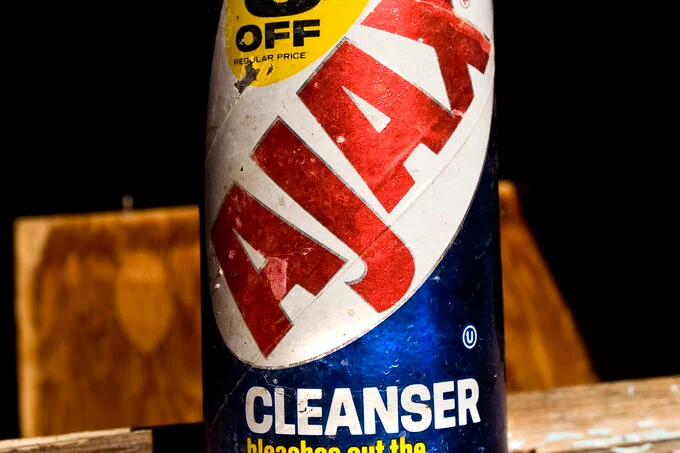
These commercials often showed animated dirt characters being physically beaten back by Ajax cleanser, complete with exaggerated sound effects and visual gags. The message was simple and blunt, Ajax literally conquers grime like a superhero. The animation style looks handmade and rough compared to today’s polished digital graphics. The dirt creatures had personalities, voices, and dramatic reactions that made cleaning feel like a fantasy battle. It’s oddly intense for something meant to sell household cleaner. The visuals feel closer to Saturday morning cartoons than modern advertising. That cartoon violence toward dirt somehow felt normal at the time.
What makes it feel especially alien now is how literal the metaphor becomes. Dirt isn’t just removed, it’s defeated in dramatic fashion. Modern commercials usually lean toward sleek demonstrations and minimalism, not animated slapstick. The loud music, booming narration, and over-the-top action create sensory overload by today’s standards. There’s something charmingly unsophisticated about the approach. It reflects a time when spectacle mattered more than subtle branding. Watching it now feels like stepping into a retro animation lab.
6. Clairol “Does She… or Doesn’t She?” (early ’70s)
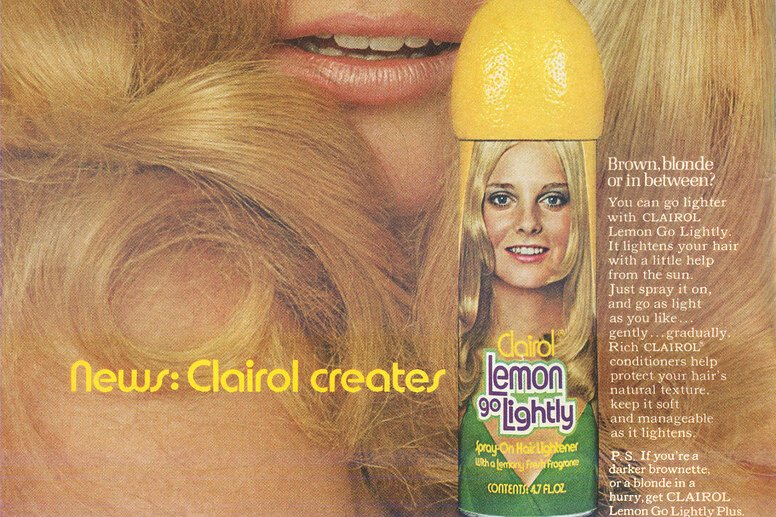
This campaign leaned into whispered intrigue, suggesting that hair color was a deliciously scandalous secret. Women in the commercials exchanged knowing glances as the narrator teased the mystery of whether hair color was natural. The tone feels melodramatic now, as if hair dye were a daring personal confession. Soft lighting, glamorous poses, and hushed voices gave the ads an almost soap-opera atmosphere. The implication that changing hair color needed secrecy feels wildly outdated. It reflects how beauty standards and social norms have shifted dramatically. The commercial feels frozen in a very specific cultural moment.
Today, hair color experimentation is casual and openly celebrated, making the secrecy seem strange. The ad’s slow pacing and theatrical delivery contrast sharply with modern beauty marketing. It treated everyday grooming as a glamorous secret society. The emotional weight placed on such a simple product feels almost comical now. It’s fascinating to see how advertisers once framed personal choices as bold social statements. That exaggerated seriousness makes the ad feel strangely distant. It’s a reminder of how cultural anxieties shape marketing narratives.
7. Life Cereal “Mikey Likes It” (1972)

Three kids gathered around a breakfast table nervously offering cereal to picky little Mikey became one of the most recognizable ad moments of the decade. The delivery is slow, conversational, and intentionally natural, which feels unusual compared to today’s fast-cut editing. The kitchen looks like a cozy time capsule of early ’70s décor, from the colors to the furniture. The suspense built around whether Mikey will like cereal feels hilariously dramatic now. It’s wholesome in a way that feels almost quaint. The kids’ performances feel sincere rather than polished. That gentle realism makes it oddly surreal to modern viewers.
What stands out now is how patiently the commercial unfolds. There’s no rush, no flashy graphics, just dialogue and a quiet payoff. Modern ads rarely allow that kind of breathing room. The simplicity gives it a timeless charm while still feeling rooted in another era. It reflects a slower media environment where audiences were willing to linger. The pacing alone can feel almost hypnotic today. It’s like stepping into a calmer, simpler television universe. That difference in rhythm makes it feel like another planet.
8. Charmin “Please Don’t Squeeze the Charmin” (early ’70s)
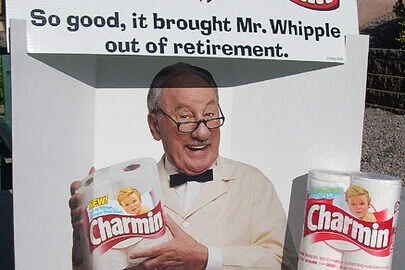
These commercials revolved around overly enthusiastic shoppers squeezing toilet paper in grocery stores, much to the embarrassment of their families. The humor leaned into exaggerated physical comedy and playful awkwardness. Talking openly about toilet paper quality was treated like mischievous fun rather than taboo. The sets, lighting, and clothing instantly signal the era with bright colors and oversized patterns. The sheer enthusiasm about squeezing packaging feels oddly intense today. It’s a level of enthusiasm that borders on absurd. The tone is gleefully silly and unapologetic.
What feels strange now is how openly physical and theatrical the gag is. Modern ads might imply softness more subtly, using visuals and sensory cues rather than slapstick. The characters feel like sitcom personalities dropped into a grocery aisle. There’s a charm in how committed everyone is to the joke. The commercial treats everyday shopping like a full comedy sketch. That exaggerated performance style feels almost alien now. It’s a snapshot of how playful mainstream advertising once was.
9. Tootsie Pop “How Many Licks?” (1970)

The animated owl counting licks before crunching into a Tootsie Pop remains etched into pop culture memory. The animation style feels hand-drawn and slightly uneven compared to modern digital smoothness. The voice acting has a theatrical cadence that feels almost storybook-like today. The concept itself is delightfully pointless, turning candy eating into a whimsical experiment. It feels like something pulled straight from a children’s cartoon block. The simplicity and charm make it strangely hypnotic. It’s playful in a way that modern ads rarely attempt.
What makes it feel otherworldly now is how little it tries to sell the product directly. There’s no nutritional claim, no flashy packaging shots, just a charming little story. The commercial trusted imagination and repetition to do the work. That slower, more whimsical pacing feels rare in today’s advertising landscape. The owl’s dramatic crunch still feels oddly shocking and funny. It’s a tiny moment that feels larger than life. That timeless silliness makes it both comforting and surreal.
10. Burger King “Have It Your Way” (early ’70s)
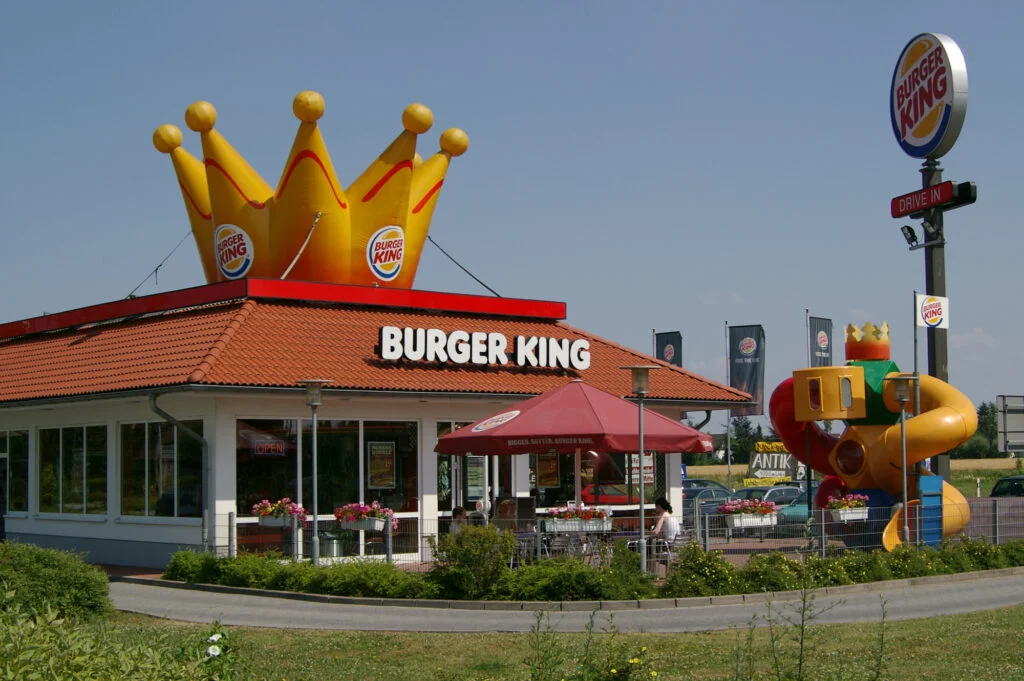
These commercials emphasized customization long before it became a marketing buzzword. Sing-along jingles listed toppings in rhythmic chants, turning ordering into a musical experience. The cast often broke into cheerful smiles while proudly reciting burger options. The choreography and delivery feel theatrical, almost like a low-budget musical number. It’s earnest in a way that feels refreshingly sincere and slightly strange now. The restaurant interiors and uniforms instantly signal another era. The optimism feels baked into every frame.
Today’s fast-food ads tend to be sleek and minimal, making these musical numbers feel almost surreal. The jingle-driven storytelling feels charmingly old-fashioned. It’s fascinating to see how much time the ad devotes to a simple concept. The energy is upbeat without irony, which feels rare now. The performers look genuinely delighted by lettuce and pickles. That wholehearted enthusiasm feels like a relic from a different advertising universe. It’s nostalgia mixed with mild disbelief.
11. Kool-Aid “Oh Yeah!” (early ’70s)
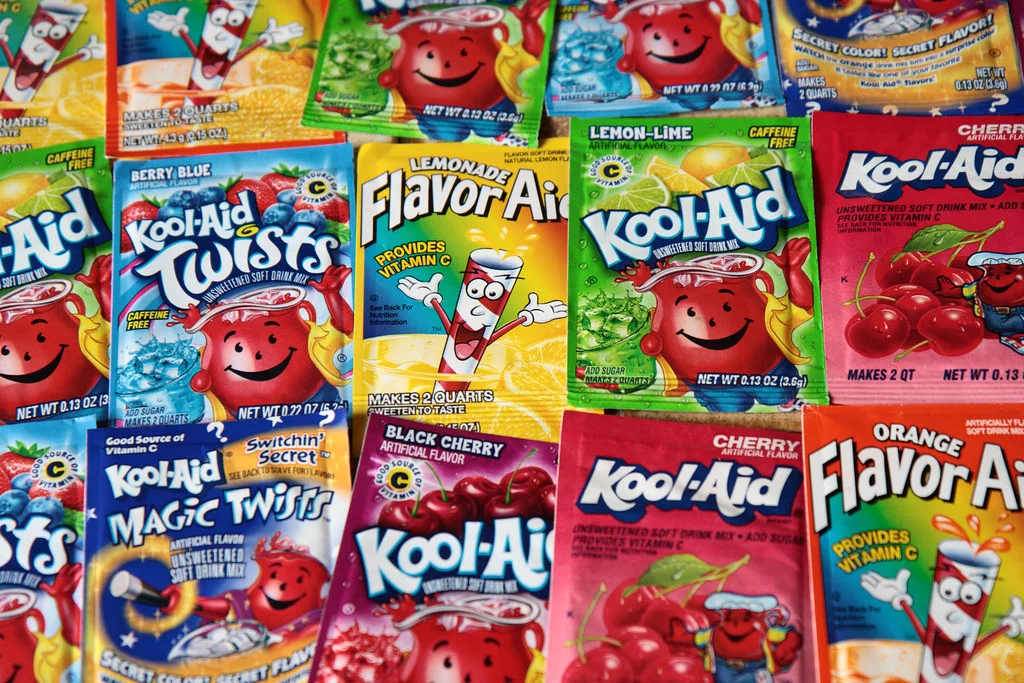
The Kool-Aid Man bursting through walls shouting “Oh yeah!” became one of the loudest and most chaotic mascots on television. The sheer destruction involved in selling powdered drink mix feels absurd by modern standards. Walls crumble, families cheer, and nobody seems concerned about property damage. The costume looks bulky and cartoonish, giving the character a larger-than-life presence. The energy is loud, fast, and unapologetically chaotic. It feels like a live-action cartoon crash landing in suburban homes. The spectacle is both thrilling and strange.
What stands out now is how casually the chaos is celebrated. Modern ads would likely tone down the destruction or add irony. The Kool-Aid Man’s enthusiasm borders on surreal when watched today. It’s pure spectacle designed to grab attention instantly. The lack of realism somehow adds to the charm. It’s marketing through sheer visual shock and joy. That over-the-top approach feels like a relic of a wilder advertising era.
12. Maxwell House “Good to the Last Drop” (early ’70s)
These commercials often portrayed cozy family moments centered around coffee, complete with soft lighting and gentle background music. The pacing is slow, almost meditative compared to modern ad editing. Conversations feel staged but sincere, like scenes from a family drama. The idea that coffee could anchor emotional connection was taken very seriously. It feels wholesome to the point of being slightly surreal. The tone is calm, comforting, and earnest. It reflects a time when advertising leaned into domestic warmth.
What feels alien now is the patience and quietness of the storytelling. There’s no urgency, no rapid cuts, just mood and atmosphere. Modern ads often compete aggressively for attention, while these trusted viewers to settle in. The emotional weight given to a cup of coffee feels almost poetic. It’s charming, but undeniably dated in presentation. The simplicity makes it feel like watching an old home movie. That slower emotional pacing feels like another world today.
13. Crest “Look, Mom, No Cavities!” (early ’70s)
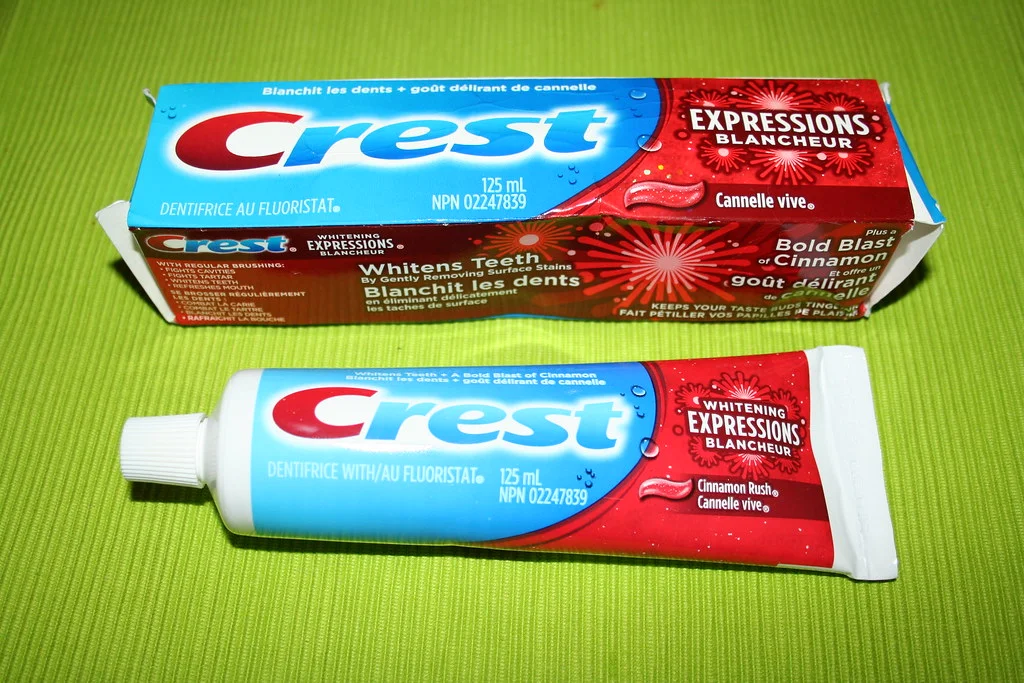
These commercials proudly featured children announcing clean dental checkups as a family milestone. The dentist’s office scenes feel bright, cheerful, and almost theatrical. The child actors deliver their lines with earnest excitement that feels charmingly stiff. Dental health was framed as a badge of honor rather than a routine expectation. The visuals feel staged in a wholesome, almost educational way. It’s optimistic and straightforward in its messaging. The simplicity feels refreshing and oddly foreign.
Today, health advertising tends to be more nuanced and medically detailed. These ads relied heavily on emotional reassurance rather than information. The exaggerated cheerfulness feels slightly surreal by modern standards. It reflects a time when public trust in products was communicated through simple storytelling. The tone is sincere without irony. That straightforward optimism feels increasingly rare. Watching it now feels like stepping into a gentler, more innocent advertising era.