
1. Al Pacino
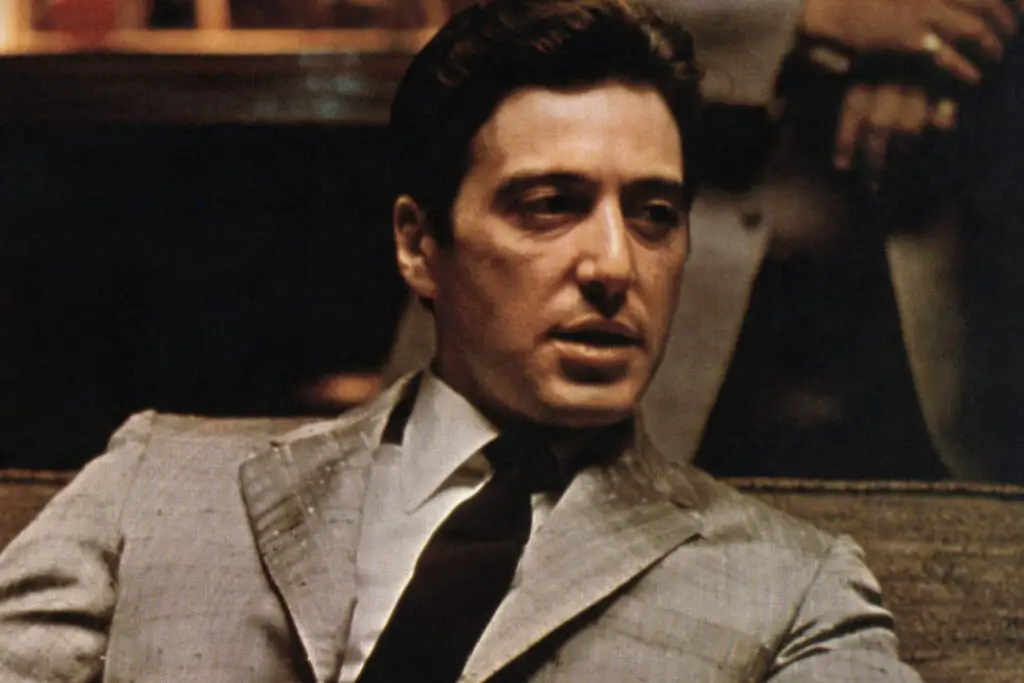
Al Pacino exploded into the public consciousness with The Godfather in 1972, and it felt like he barely left theaters for the rest of the decade. Between Michael Corleone’s icy intensity and his raw, frantic turn in Serpico, audiences kept seeing different sides of the same magnetic presence. He brought a nervous energy that made even quiet scenes feel charged. By the time Dog Day Afternoon and The Godfather Part II arrived, Pacino had become shorthand for serious, must see acting. Critics followed his every move, and moviegoers trusted that his name meant something bold or unsettling was coming. It was hard to walk past a movie poster in the mid ’70s without his intense stare looking back.
What made Pacino especially inescapable was how quickly he became a cultural reference point. His performances were quoted, parodied, and endlessly debated among film fans. Even people who didn’t see every release knew his voice, his cadence, and his emotional volatility. He helped redefine what a leading man could look and sound like during that era. The ’70s cemented him as a permanent force in American cinema.
2. Robert Redford
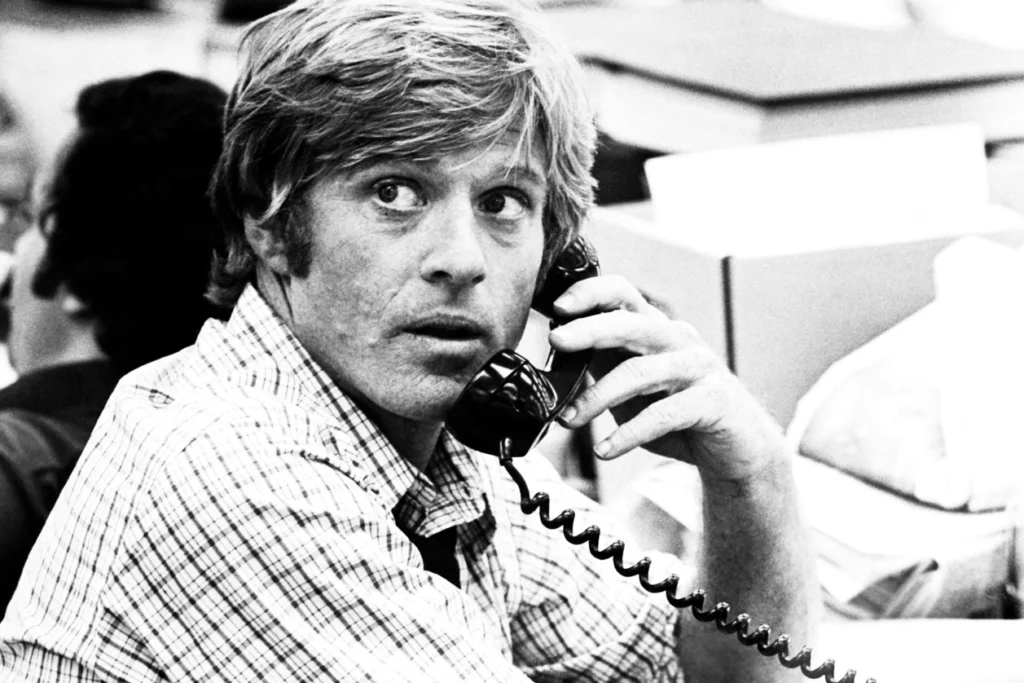
Robert Redford spent the ’70s embodying effortless cool and old school movie star charm. After breaking out in Butch Cassidy and the Sundance Kid, he kept delivering hits like The Way We Were, The Sting, and All the President’s Men. He seemed equally comfortable playing romantic leads, charming rogues, and serious dramatic figures. His blond hair and relaxed confidence made him instantly recognizable on magazine covers and theater marquees. Studios leaned heavily on his box office reliability. If a movie had Redford attached, it usually meant packed weekend crowds.
Beyond the ticket sales, Redford became a symbol of the era’s shifting masculinity. He wasn’t flashy or loud, but he commanded attention through understatement. Audiences trusted him to anchor both sweeping romances and politically charged stories. His presence shaped what mainstream Hollywood looked like for much of the decade. It genuinely felt like you could not avoid him if you went to the movies at all.
3. Jane Fonda
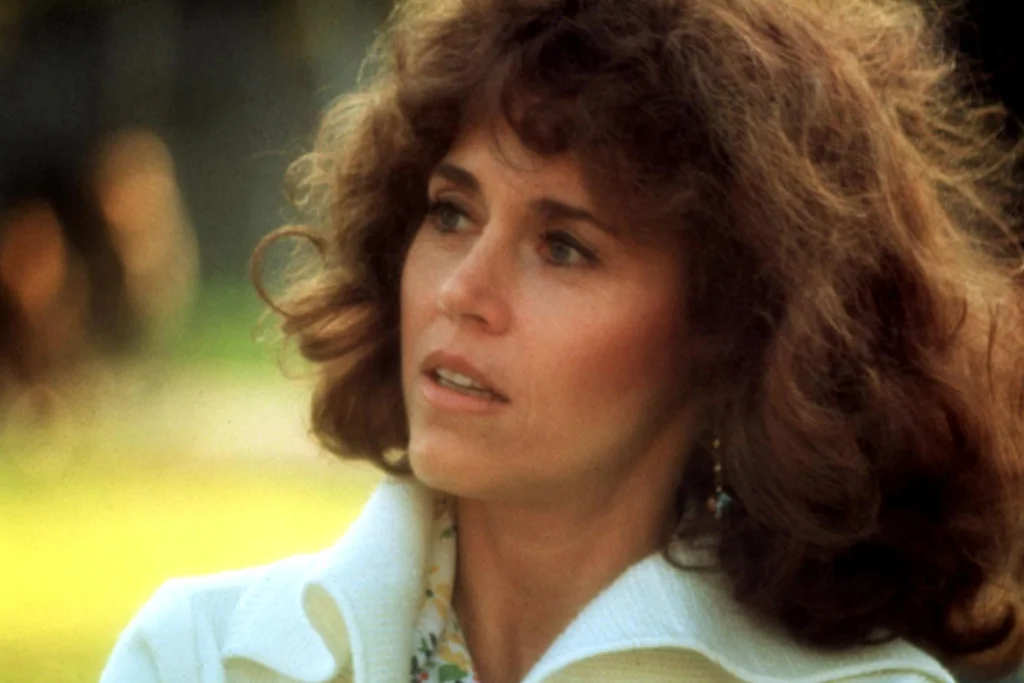
Jane Fonda dominated the ’70s with a rare mix of glamour, intelligence, and cultural influence. She won Academy Awards for Klute and Coming Home, proving she was far more than a famous last name. At the same time, she was appearing regularly in magazines, interviews, and high profile political conversations. Fonda brought emotional depth and modern complexity to female roles that had often been shallow in earlier decades. Audiences watched her evolve on screen and in public life at the same time. She was everywhere, and people had strong opinions about her.
Her visibility extended far beyond the theater. She became a fashion influence, a fitness icon later on, and a frequent subject of talk show debates. Even those who didn’t follow films closely knew exactly who Jane Fonda was and what she represented. The combination of awards recognition and constant media attention made her unavoidable. The ’70s turned her into one of the most talked about women in entertainment.
4. Burt Reynolds
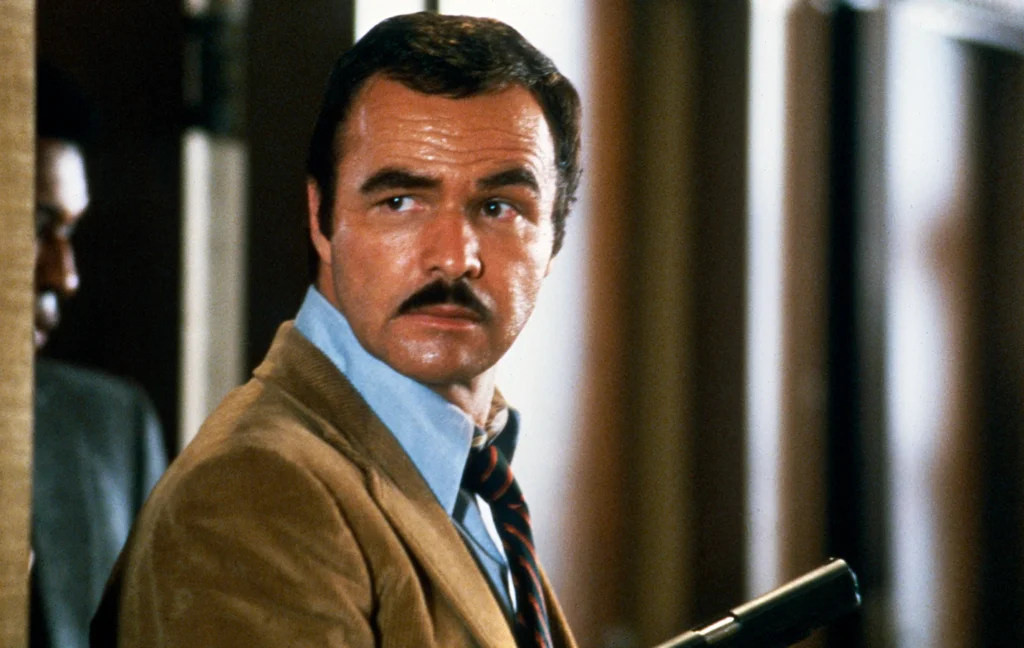
Burt Reynolds practically owned the latter half of the decade with his swagger and playful charisma. Movies like Smokey and the Bandit, The Longest Yard, and Hooper turned him into a box office powerhouse. He projected a relaxed confidence that felt fun rather than intimidating. Audiences loved that he didn’t seem to take himself too seriously. His grin, mustache, and laid back charm became instantly recognizable pop culture shorthand.
Reynolds also dominated magazine covers and talk shows, reinforcing his omnipresence. He was frequently labeled the biggest movie star in America during his peak years. Even people who weren’t regular moviegoers recognized him from posters, commercials, and endless press coverage. He felt like part of everyday life in the late ’70s. Avoiding Burt Reynolds during that period was nearly impossible.
5. Jack Nicholson
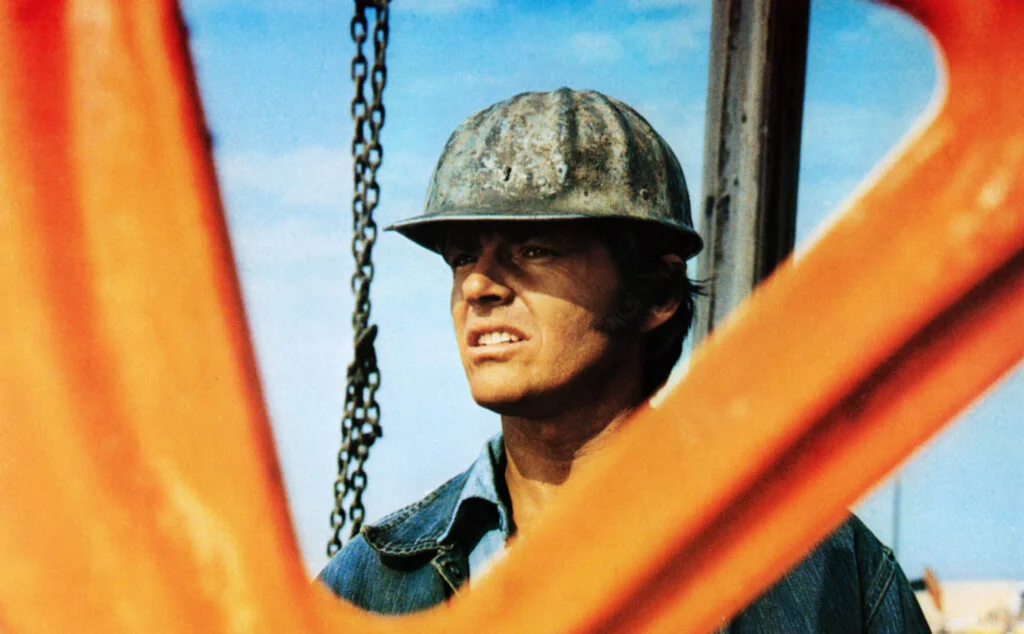
Jack Nicholson’s rise in the ’70s gave Hollywood one of its most unpredictable stars. After his breakout in Easy Rider, he delivered unforgettable performances in Five Easy Pieces, Chinatown, and One Flew Over the Cuckoo’s Nest. He brought a rebellious edge that matched the mood of the decade. Nicholson could be charming, menacing, funny, and unsettling sometimes all in the same scene. His expressive face and unmistakable grin made him instantly recognizable. Directors loved taking risks with him.
He also became a favorite subject of interviews and film criticism. People talked as much about his personality as his performances. Audiences expected something daring whenever his name appeared on a marquee. He embodied the idea of the unconventional leading man. That constant sense of unpredictability kept him firmly in the spotlight.
6. Diane Keaton
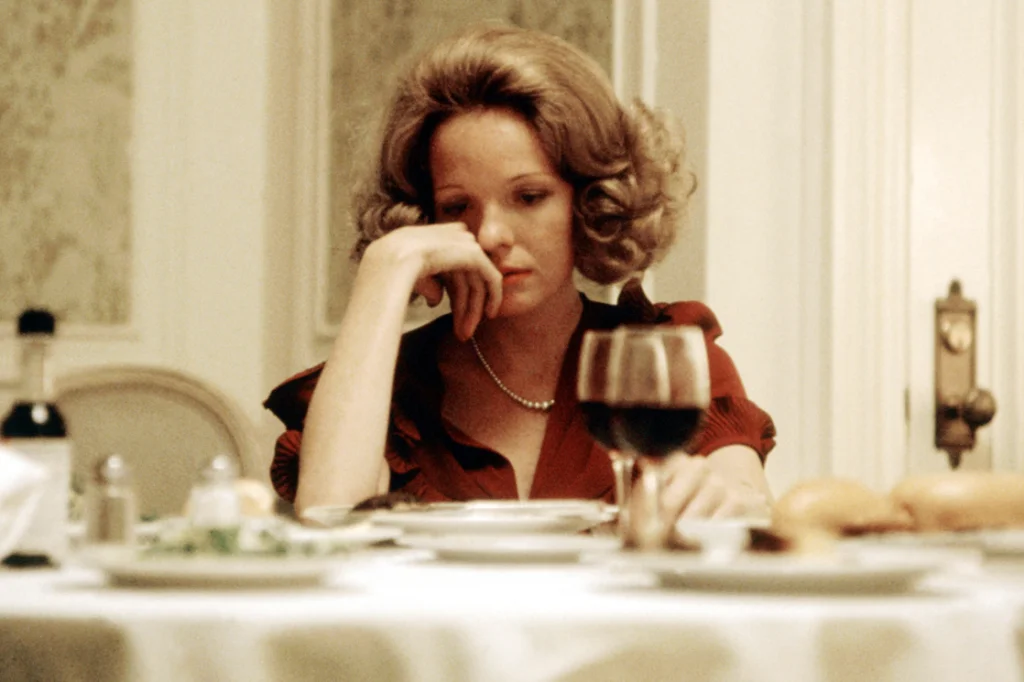
Diane Keaton became a defining face of the decade through her collaborations with Woody Allen and Francis Ford Coppola. Her role as Annie Hall in Annie Hall turned her into a fashion icon overnight, with vests, ties, and wide brimmed hats suddenly everywhere. She balanced quirky humor with emotional honesty in a way audiences found refreshing. At the same time, she appeared in major blockbusters like The Godfather films. That range kept her visible across very different movie audiences. She felt both artsy and mainstream at once.
Keaton’s personal style and offbeat personality made her especially memorable. People didn’t just recognize her roles, they copied her look and mannerisms. She became synonymous with a certain smart, slightly eccentric kind of charm. Even casual movie fans knew her name and face. The ’70s firmly positioned her as one of Hollywood’s most distinctive leading women.
7. Clint Eastwood

Clint Eastwood carried enormous momentum into the ’70s after his earlier western fame and expanded it with gritty urban roles. His Dirty Harry films turned him into a symbol of tough, no nonsense authority. At the same time, he continued directing and starring in westerns that reinforced his rugged image. Eastwood projected a quiet intensity that didn’t require many words. His squint, gravelly voice, and slow confidence became iconic. Audiences knew exactly what kind of experience his movies would deliver.
He also appealed to a wide age range, pulling in both older western fans and younger action audiences. His films frequently dominated box offices and sparked public conversation. Even people who disagreed with the tone of his movies still talked about them. Eastwood’s cultural footprint in the ’70s was massive. You could hardly avoid seeing his name in theaters or newspapers.
8. Goldie Hawn
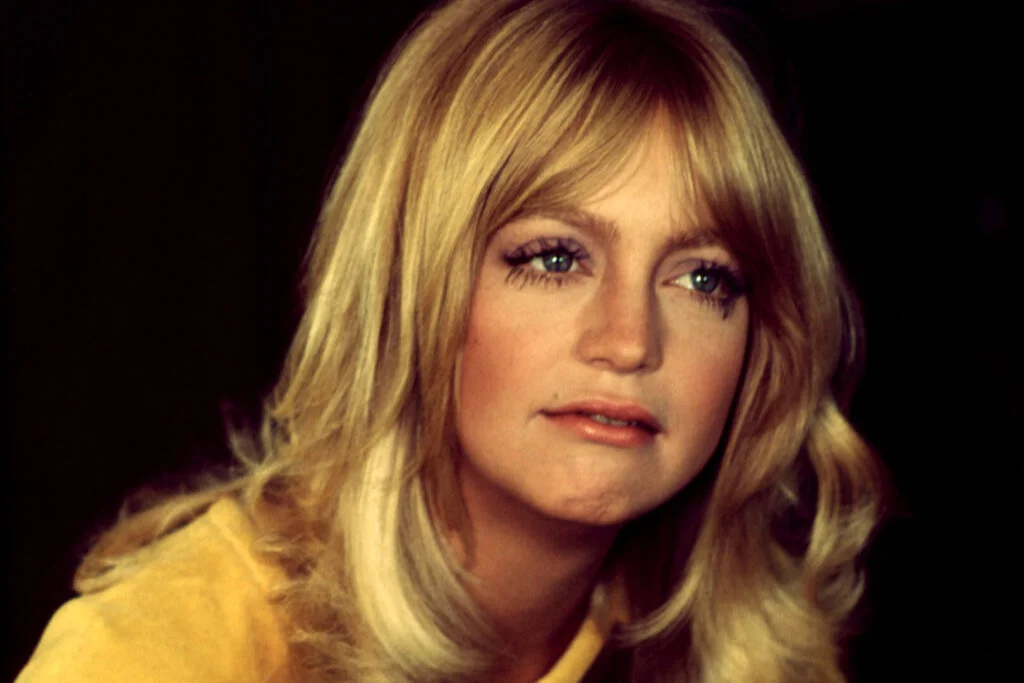
Goldie Hawn brought breezy charm and comedic sparkle to nearly every project she touched in the ’70s. After winning an Academy Award for Cactus Flower, she kept audiences laughing in hits like Shampoo, Foul Play, and Private Benjamin. Her sunny personality made her instantly likable on screen. She blended humor with surprising emotional depth. Hawn also became a frequent presence on talk shows and magazine covers. Her smile alone felt like a brand.
She represented a lighter, more playful side of Hollywood during a decade full of heavier dramas. Audiences trusted her to deliver comfort and fun. Even people who didn’t follow film closely recognized her voice and energy. She was a consistent box office draw for much of the decade. It often felt like Goldie Hawn was simply everywhere.
9. Sylvester Stallone
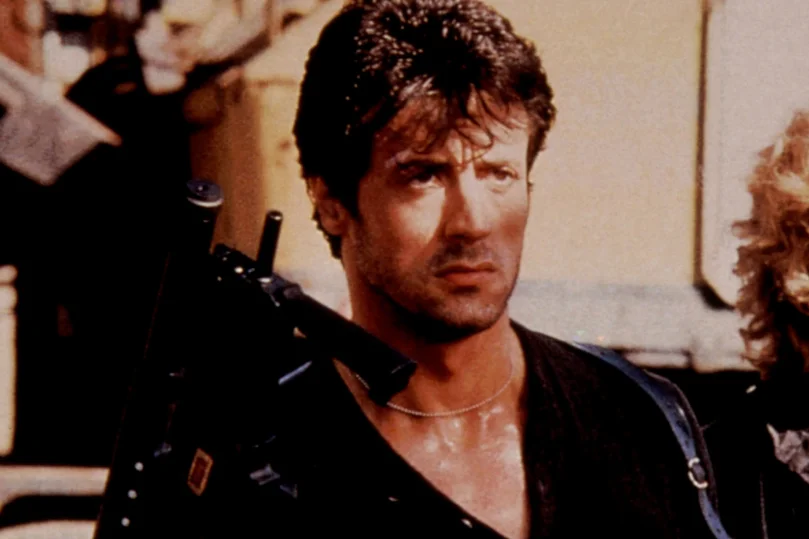
Sylvester Stallone became an overnight sensation with Rocky in 1976, and the momentum never really slowed. His underdog story mirrored the character he played, which only fueled public fascination. Stallone quickly followed up with sequels and additional action driven projects. His muscular build, distinctive voice, and determined screen presence made him instantly recognizable. Audiences connected deeply with the emotional grit of his performances. He became a symbol of perseverance and toughness.
By the end of the decade, Stallone was firmly established as a major box office force. His movies attracted crowds who wanted inspiration and adrenaline in equal measure. He also became a regular topic of interviews and entertainment coverage. Even people who rarely watched action films knew who Rocky was. That level of cultural penetration made him impossible to ignore.
10. John Travolta
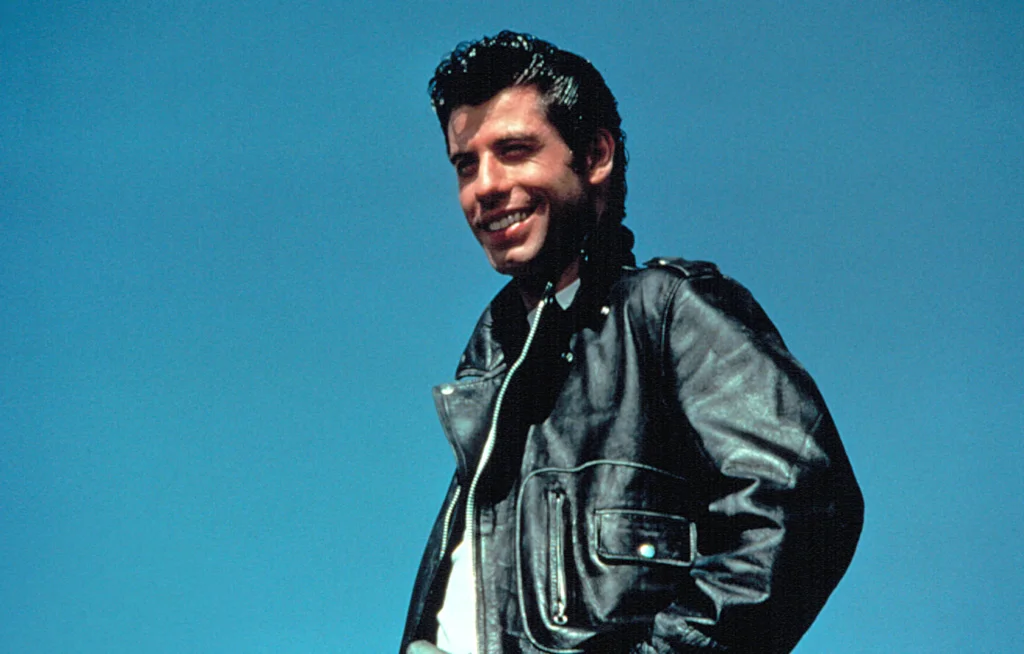
John Travolta dominated pop culture in the late ’70s thanks to back to back phenomenon hits. Saturday Night Fever turned him into a disco era icon almost overnight. He followed that with Grease, cementing his status as a full blown superstar. Travolta brought dance, romance, and youthful energy to the screen in a way few actors had before. His white suit and slicked hair became instantly recognizable symbols of the era. Soundtracks tied to his films dominated radio and record sales.
Travolta wasn’t just a movie star, he became a lifestyle influence. People copied his moves, his clothes, and his attitude. Teenagers and adults alike knew his face and voice. He appeared constantly in entertainment news and fan magazines. For a few intense years, avoiding John Travolta was nearly impossible.
11. Farrah Fawcett
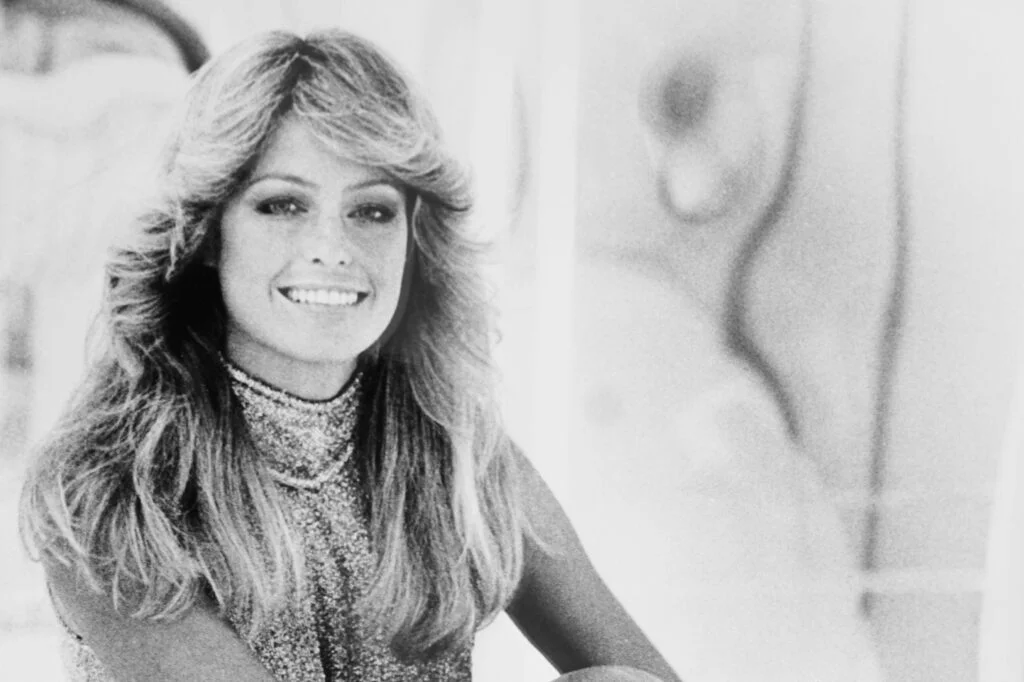
Farrah Fawcett became one of the most recognizable faces in America thanks to Charlie’s Angels. Her feathered hairstyle sparked a nationwide trend almost immediately. Posters of her swimsuit photo hung in dorm rooms, bedrooms, and locker rooms across the country. She quickly transcended television fame to become a pop culture phenomenon. Fawcett appeared in commercials, magazine covers, and endless promotional campaigns. Her smile and hair alone became iconic.
Even people who never watched the show knew exactly who she was. She represented a very specific kind of glamorous ’70s optimism. Talk shows and tabloids followed her every move. Her visibility extended far beyond acting roles. During her peak, Farrah Fawcett felt truly unavoidable.
12. Dustin Hoffman
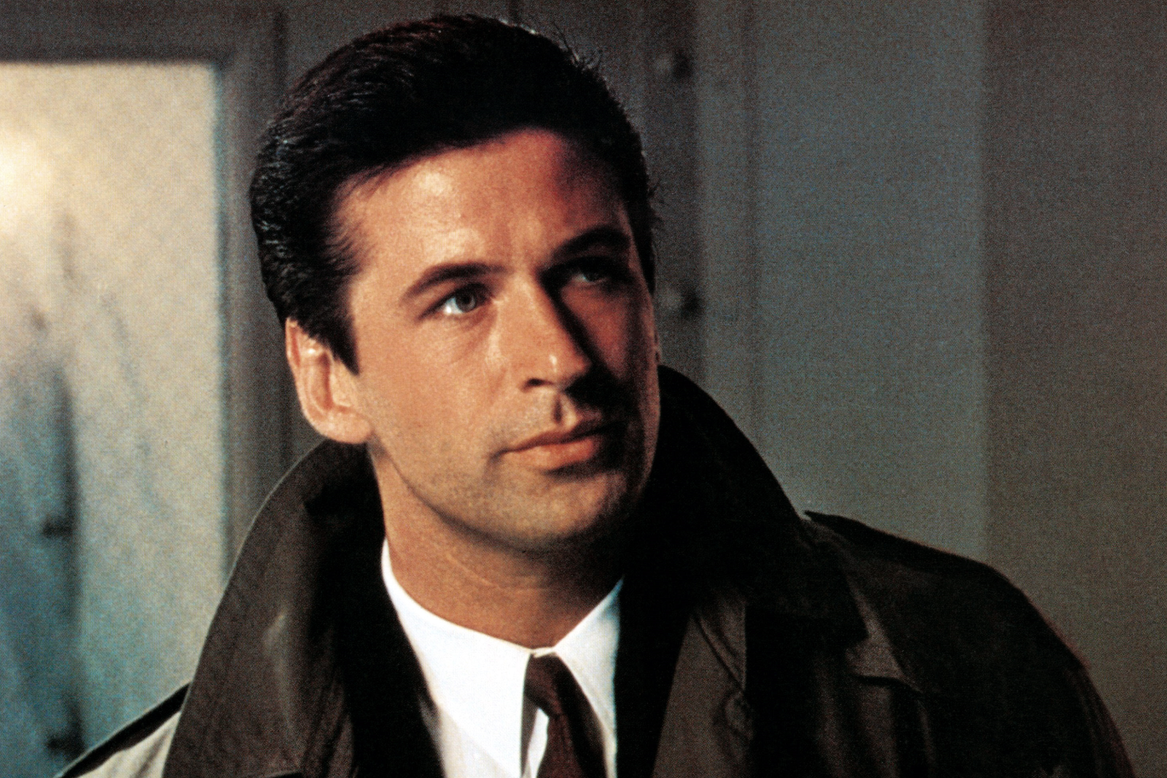
Dustin Hoffman entered the decade already respected and pushed even further into cultural dominance with bold, challenging roles. Midnight Cowboy carried momentum into the early ’70s, followed by memorable performances in Papillon, Lenny, and Kramer vs. Kramer. Hoffman was known for disappearing into his characters rather than relying on traditional movie star looks. His emotional intensity and commitment drew both praise and debate. Audiences trusted him to deliver something meaningful and often uncomfortable. He became a magnet for serious dramatic projects.
Hoffman’s reputation made him a constant subject of awards talk and film analysis. He appealed to viewers who wanted substance alongside entertainment. His performances sparked conversations about realism and character depth in Hollywood. Even casual moviegoers recognized his name as a mark of quality. Throughout the ’70s, Dustin Hoffman remained firmly in the public eye.