
1. Ann-Margret
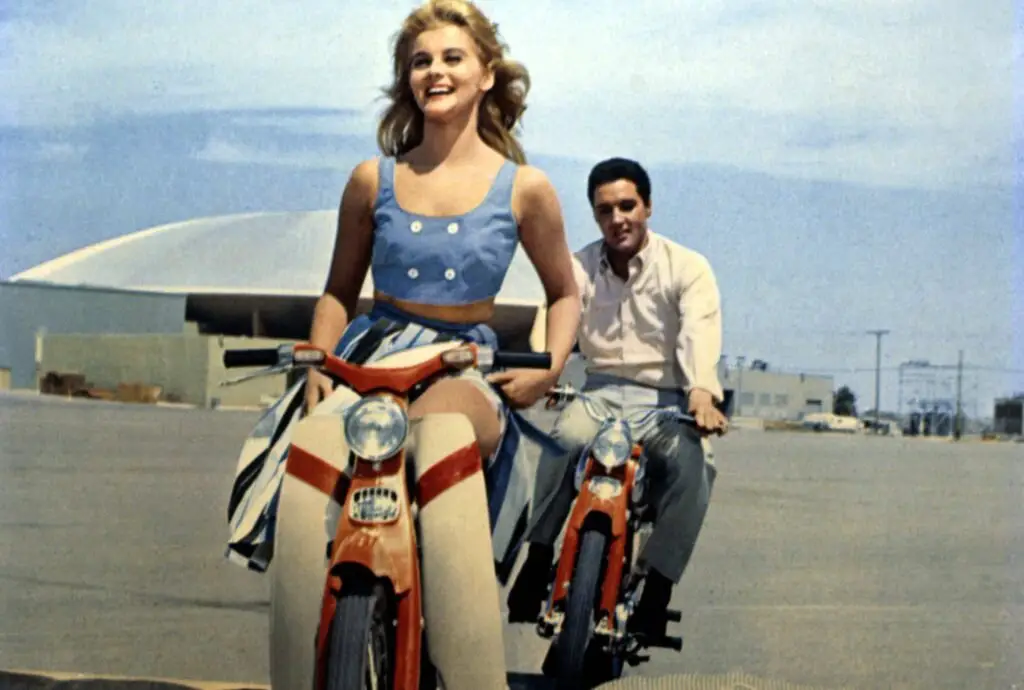
In the early ’60s, Ann-Margret arrived like a lightning bolt, with studios positioning her as the next great multi-hyphenate star who could sing, dance, and command the screen. Her breakout in Bye Bye Birdie turned her into a full-blown sensation almost overnight, complete with magazine covers, television specials, and carefully crafted glamour. Hollywood loved framing her as the modern answer to Marilyn Monroe, with a little more edge and athletic energy. Audiences bought into the excitement because she truly had a magnetic presence that jumped off the screen. Her red hair, fearless performances, and playful confidence made her feel fresh in a decade hungry for new icons. Even when roles leaned toward spectacle rather than depth, she made them memorable.
What’s interesting is that Ann-Margret didn’t burn out the way many hyped stars did. She evolved into a respected dramatic actress, earning critical praise in films like Carnal Knowledge and later becoming a beloved television presence. The marketing push promised stardom, but she actually exceeded it by building a long, varied career instead of flaming out early. In hindsight, she’s one of the rare cases where the hype wasn’t exaggerated, it simply pointed in the right direction.
2. Troy Donahue
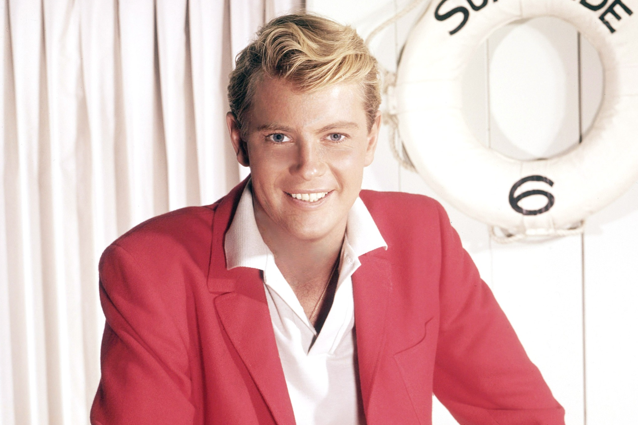
Troy Donahue was everywhere in teen magazines and drive-in posters, marketed as the blond, all-American dreamboat destined to dominate Hollywood romance. Warner Bros. pushed him hard in glossy melodramas like A Summer Place, where his clean-cut charm made him a favorite with young audiences. He had the looks, the studio backing, and the kind of instant recognition studios loved to manufacture. For a brief moment, it felt like he was poised to become the next enduring leading man. Fans followed his every move, from movie premieres to gossip-column romances.
But the spotlight moved faster than Donahue could adapt to it. As Hollywood shifted toward grittier, more experimental storytelling in the late ’60s, his wholesome image suddenly felt dated. Personal struggles and inconsistent roles made it harder to sustain the momentum the studios had created for him. He continued working steadily for decades, often in cult favorites and television appearances, but the promised megastardom never fully materialized. His career became a reminder of how fragile studio-manufactured fame could be once trends changed.
3. Connie Stevens
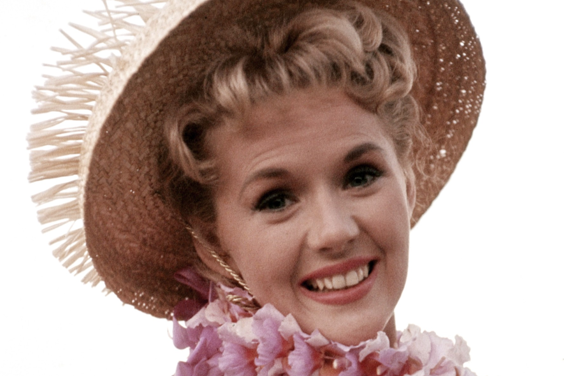
Connie Stevens was sold as a bright, bubbly triple threat who could sing, act, and charm her way into America’s living rooms. Her visibility exploded thanks to television appearances and her role on Hawaiian Eye, making her feel like a familiar friend to viewers. Record labels also leaned into her popularity, releasing pop singles that fit perfectly with the era’s upbeat sound. She had a sunny, approachable image that studios believed could translate into long-term movie stardom. Everywhere you turned in the early ’60s, her face seemed to be smiling back from a magazine cover or TV screen.
While Stevens maintained a solid career, Hollywood’s grand expectations slowly softened. She found steady work in film and television rather than the blockbuster leading roles once predicted. Over time, she reinvented herself behind the scenes as a successful entrepreneur and producer, proving her instincts extended beyond performing. The future Hollywood promised her looked different than expected, but she still built a lasting and multifaceted career that extended well beyond the original hype.
4. Tuesday Weld
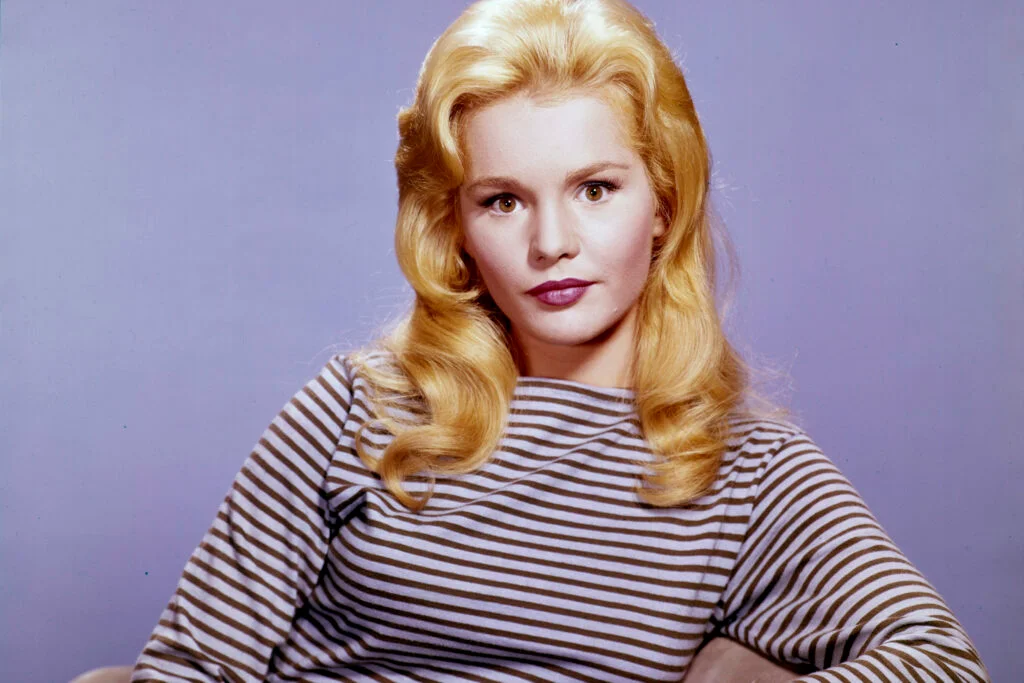
Tuesday Weld was marketed as the ultimate youthful ingénue, with studios highlighting her fragile beauty and emotional intensity as signs of future superstardom. She started working incredibly young and was quickly positioned as a symbol of modern, slightly rebellious femininity. Publicists loved presenting her as both vulnerable and alluring, which fit perfectly with the shifting culture of the early ’60s. She landed high-profile roles and magazine features that suggested she was destined to dominate serious cinema. There was a sense that she represented the next generation of Hollywood sophistication.
Weld, however, never fully embraced the traditional star machinery. She was selective, sometimes stepping away from projects and the relentless publicity cycle that studios depended on. While she delivered acclaimed performances in films like Play It as It Lays and Looking for Mr. Goodbar, her career unfolded on her own terms rather than according to studio plans. The industry marketed her as a future icon, but she chose a quieter, more unconventional path that valued craft over constant visibility.
5. George Chakiris

Fresh off his Oscar win for West Side Story, George Chakiris was positioned as a dynamic leading man who could anchor musicals and romantic dramas alike. His athletic grace, striking looks, and confident screen presence made him feel like a natural successor to earlier musical stars. Studios leaned into his versatility, promoting him as someone who could handle both spectacle and emotional depth. The excitement around his potential felt genuine, especially as big musicals still dominated box offices in the early ’60s. Audiences associated him with energy, elegance, and star power.
As the decade progressed, however, Hollywood’s appetite for lavish musicals began to fade. Chakiris continued working steadily in film, television, and stage productions, but the wave that had lifted him so high slowly receded. His talent never disappeared, yet the industry’s shifting priorities made it harder for him to remain front-and-center as a box-office draw. He became a respected performer rather than the long-term megastar studios once envisioned.
6. Suzanne Pleshette
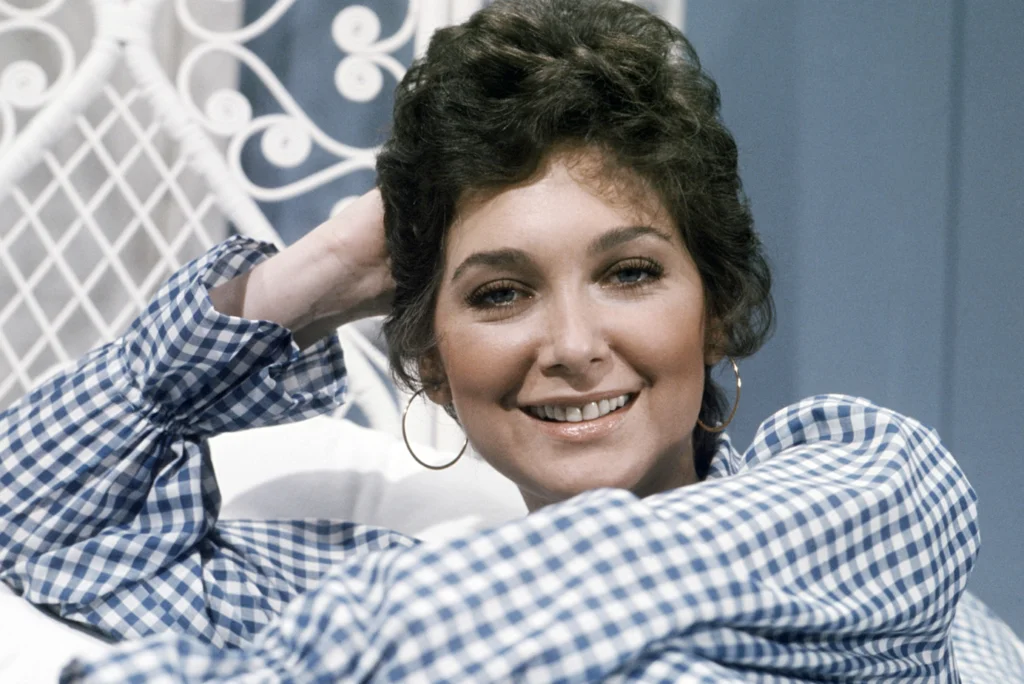
Suzanne Pleshette was marketed as the sophisticated modern woman Hollywood believed audiences were ready to embrace. With her smoky voice and intelligent screen presence, she stood out as someone who could bring depth and wit to both comedy and drama. Early film roles and high-profile appearances made it clear that studios saw her as a future leading lady rather than just a supporting player. She carried herself with a confidence that felt refreshing compared to more traditional ingénue roles.
While her film career didn’t explode in the way studio publicity predicted, Pleshette found enduring fame on television. Her role on The Bob Newhart Show cemented her place in pop culture and showcased her impeccable comedic timing. The future Hollywood imagined for her shifted mediums, but not impact. She became one of television’s most beloved faces, proving success doesn’t always follow the original marketing blueprint.
7. Richard Beymer
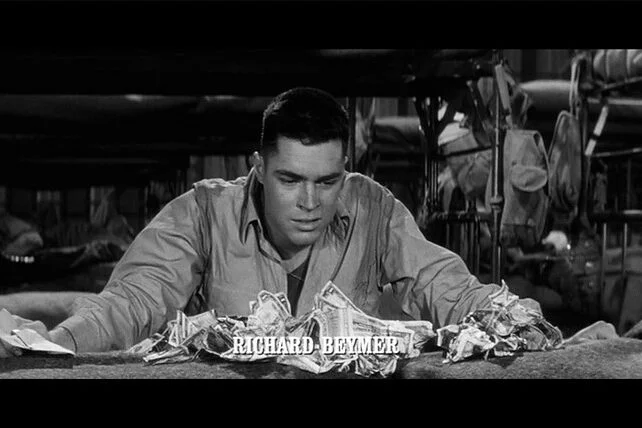
Richard Beymer became a household name after starring in West Side Story, and studios quickly promoted him as the next sensitive romantic leading man. His earnest charm and youthful intensity made him feel tailor-made for prestige projects. Hollywood clearly expected him to anchor a new generation of dramatic films. Magazine spreads and interviews reinforced the idea that he was on a fast track to long-term stardom.
Beymer, however, grew disillusioned with the studio system and stepped away from mainstream roles. He pursued photography, independent projects, and personal interests rather than chasing fame. Although he later returned to acting in memorable television roles, including Twin Peaks, the superstar arc studios predicted never unfolded. His story reflects how personal choices can quietly redirect even the most promising Hollywood trajectory.
8. Sharon Tate
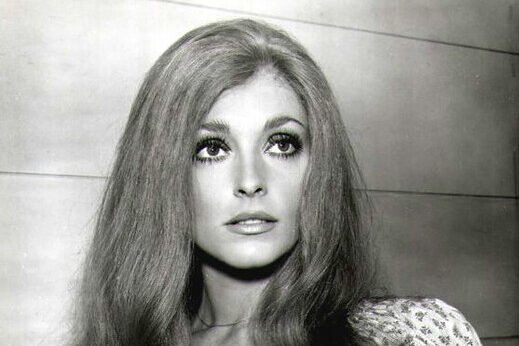
Sharon Tate was marketed as the epitome of modern glamour, blending playful beauty with a sense of youthful innocence. Studios and fashion magazines embraced her as a symbol of the swinging ’60s, and her rising film roles suggested a major career ahead. She had a photogenic quality that made her irresistible to photographers and publicists alike. The industry genuinely believed she was on the verge of becoming one of the decade’s defining stars.
Tragically, Tate’s life and career were cut short in 1969, ending what many believed would have been a significant Hollywood legacy. Her existing performances still hint at the range and charisma she was developing. The promise surrounding her wasn’t just marketing hype, it was rooted in visible momentum and growing confidence onscreen. Her story remains one of Hollywood’s most heartbreaking what-ifs.
9. James Darren
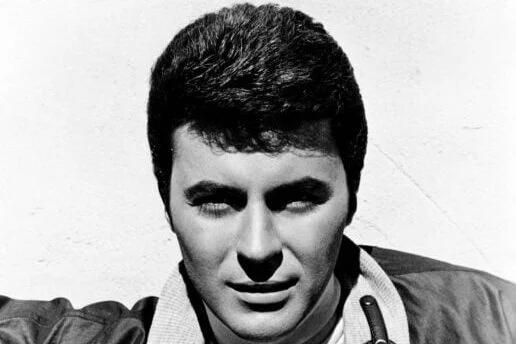
James Darren was groomed as a clean-cut heartthrob who could appeal to both movie audiences and record buyers. He starred in popular teen-oriented films and scored charting singles, making him feel like a fully packaged entertainment product. Studios loved his approachable charm and reliable fan base. For a while, it seemed like he could seamlessly transition into more mature leading roles as he aged.
Instead, Darren found his greatest long-term success on television, especially with T.J. Hooker and later Star Trek: Deep Space Nine. While he remained consistently employed and respected, the massive film stardom once projected for him never quite arrived. His career demonstrates how adaptability can sustain longevity even when early marketing overshoots reality.
10. Jill St. John
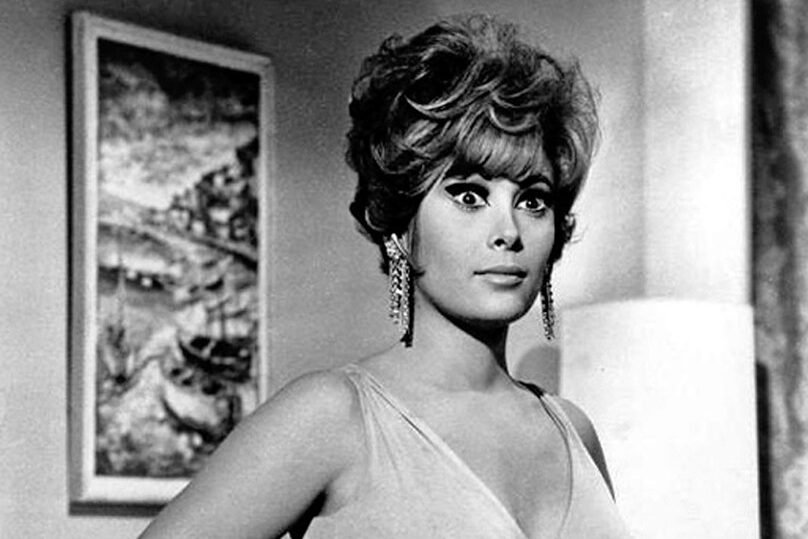
Jill St. John was promoted as a glamorous leading lady with the versatility to handle comedy, drama, and adventure. Her early film roles showcased her confidence and striking screen presence, making studios eager to position her as a future box-office draw. She fit perfectly into the era’s fascination with polished, jet-set sophistication. Publicity campaigns highlighted her beauty and charisma as central selling points.
Although she enjoyed steady work and lasting fame, particularly through her role in Diamonds Are Forever, she never became the dominant Hollywood force studios anticipated. Her career settled into a comfortable rhythm of supporting and ensemble roles. The promise of superstardom softened into dependable celebrity status, which still kept her firmly in the public eye for decades.
11. Patty Duke
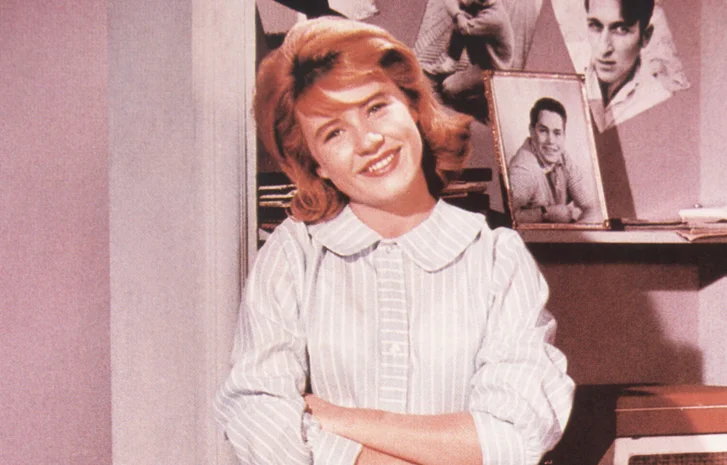
Patty Duke was heralded as a once-in-a-generation talent after winning an Academy Award at a remarkably young age. Hollywood promoted her as proof that serious dramatic acting could coexist with mainstream popularity. Her television success further amplified the sense that she was destined for a long reign as a major star. She carried emotional authenticity that audiences immediately trusted.
However, Duke’s career faced personal and professional challenges as she transitioned into adult roles. While she continued to deliver powerful performances in film and television, the seamless superstar trajectory predicted in the ’60s proved complicated. Her later success as an advocate and respected character actress added depth to a career that unfolded far differently than early marketing suggested.
12. Peter Fonda
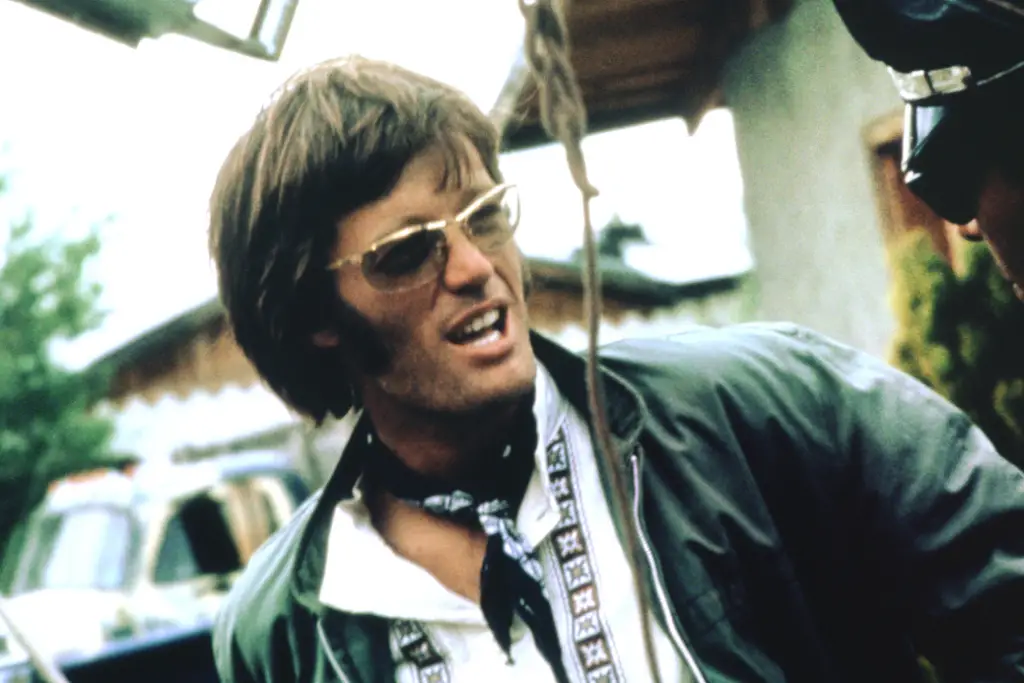
Peter Fonda was initially marketed as a rebellious youth icon who could redefine the American leading man. Studios leaned into his counterculture image, seeing him as a bridge between traditional Hollywood and a younger, more radical audience. His presence suggested authenticity rather than polish, which felt timely in the late ’60s. The industry sensed that he represented a shift in storytelling and audience taste.
Fonda ultimately fulfilled much of that promise through Easy Rider, helping usher in a new era of independent-minded filmmaking. Rather than becoming a conventional studio star, he became a symbol of creative freedom and generational change. His career validated the idea that the future of Hollywood didn’t always look like the past.
13. Jacqueline Bisset
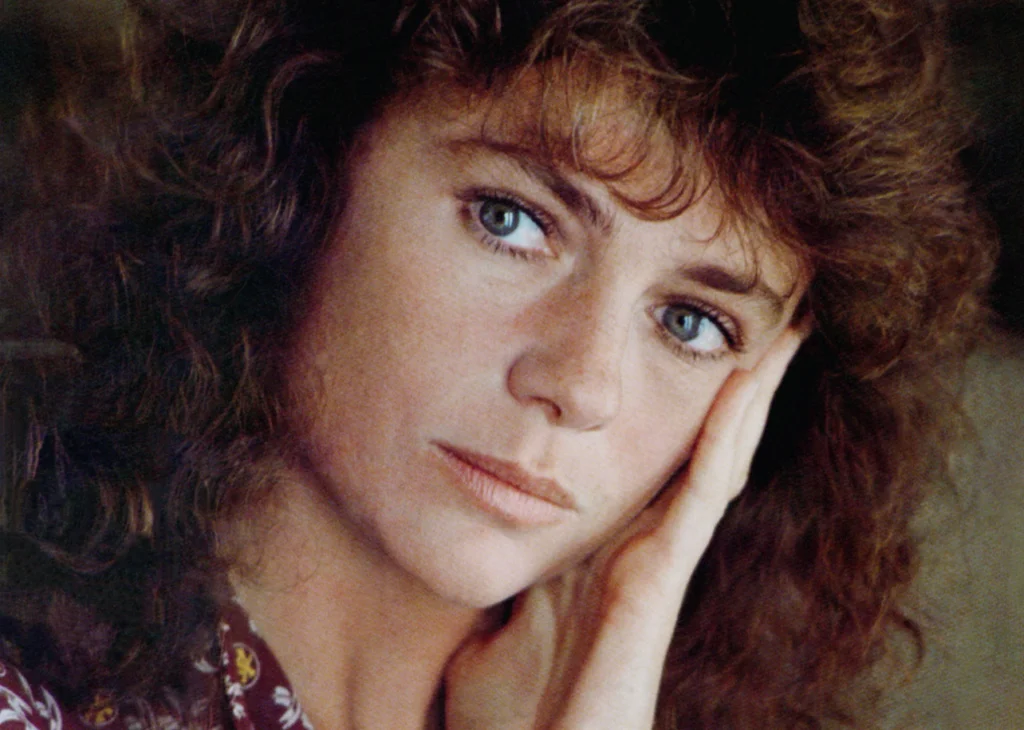
Jacqueline Bisset entered the scene with striking beauty and a poised, international appeal that studios eagerly promoted. She was marketed as a sophisticated new face who could carry prestige productions and glamorous romances alike. Early supporting roles quickly led to bigger opportunities, reinforcing the idea that she was destined for long-term stardom. Her screen presence felt effortless and confident.
Bisset went on to build a steady, respected career across decades, balancing mainstream films with more character-driven projects. While she may not have dominated box offices in the way early publicity suggested, she became known for consistency and elegance. Her trajectory reflects a quieter form of success that still fulfilled much of Hollywood’s original optimism.
14. Ryan O’Neal
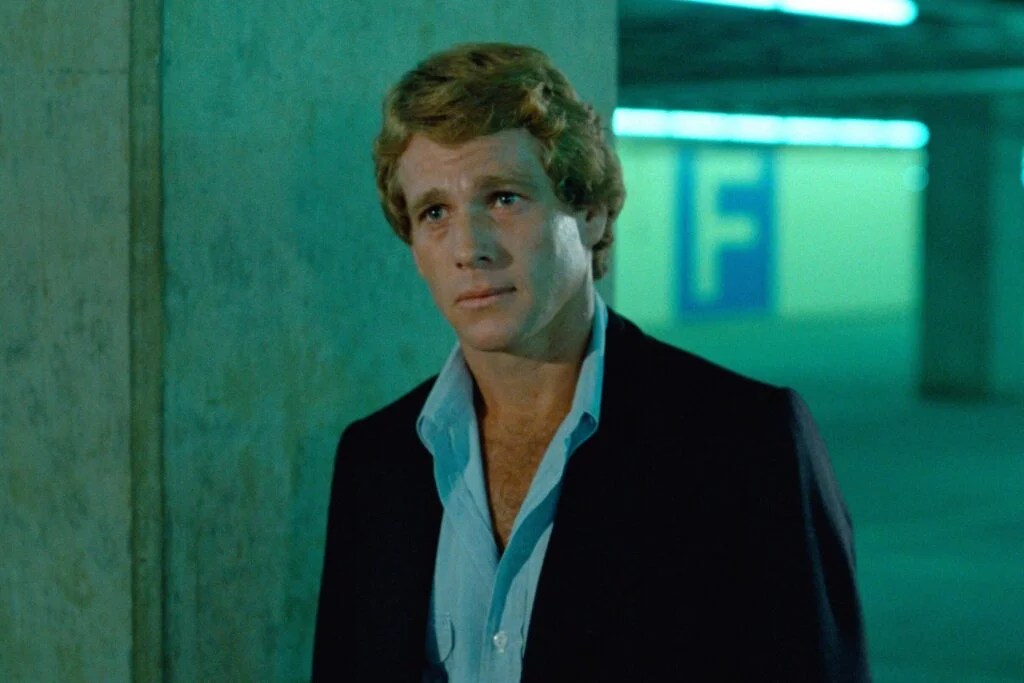
Ryan O’Neal emerged from television fame and was quickly positioned as a charismatic leading man with broad audience appeal. Studios highlighted his boyish charm and emotional openness as key ingredients for future stardom. He fit perfectly into romantic and dramatic roles that dominated late ’60s and early ’70s cinema. The industry invested heavily in presenting him as a bankable new face.
That marketing largely paid off, as O’Neal became a major star with films like Love Story. His career experienced ups and downs, but the early hype wasn’t misplaced. He achieved the level of recognition and box-office presence Hollywood predicted, even if personal controversies complicated his legacy.
15. Yvette Mimieux
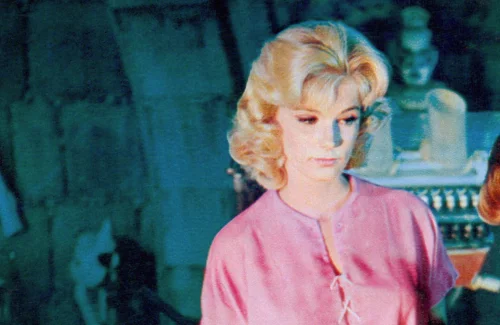
Yvette Mimieux was marketed as an ethereal beauty with a mysterious screen presence that set her apart from typical leading ladies. Her breakout role in The Time Machine gave her instant visibility and positioned her as a rising science-fiction and fantasy star. Studios believed her unique look could translate into broader mainstream success. She embodied a sense of elegance and otherworldly charm that felt perfectly suited to the era’s imaginative films.
Despite steady work, Mimieux gradually stepped away from Hollywood, choosing a quieter life outside the industry. The grand future once projected for her never fully unfolded, but her performances remain fondly remembered by genre fans. Her career illustrates how personal priorities can reshape even the most promising early momentum.
16. Tab Hunter
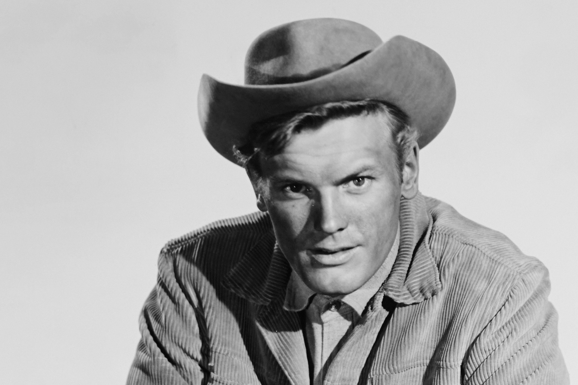
Tab Hunter was aggressively marketed as a wholesome matinee idol with massive teen appeal and crossover music success. His clean image was carefully cultivated by studios to appeal to middle America. Magazine spreads and fan clubs reinforced the idea that he was destined to remain a dominant star. For a time, his popularity seemed unstoppable.
As cultural attitudes shifted and studio systems loosened their control, Hunter’s manufactured image became harder to sustain. He continued acting and later earned renewed appreciation for his honesty and resilience. While the version of Hollywood stardom once promised to him faded, his long career and cultural impact endured in a more authentic way.