1. Ralph Malph, Happy Days
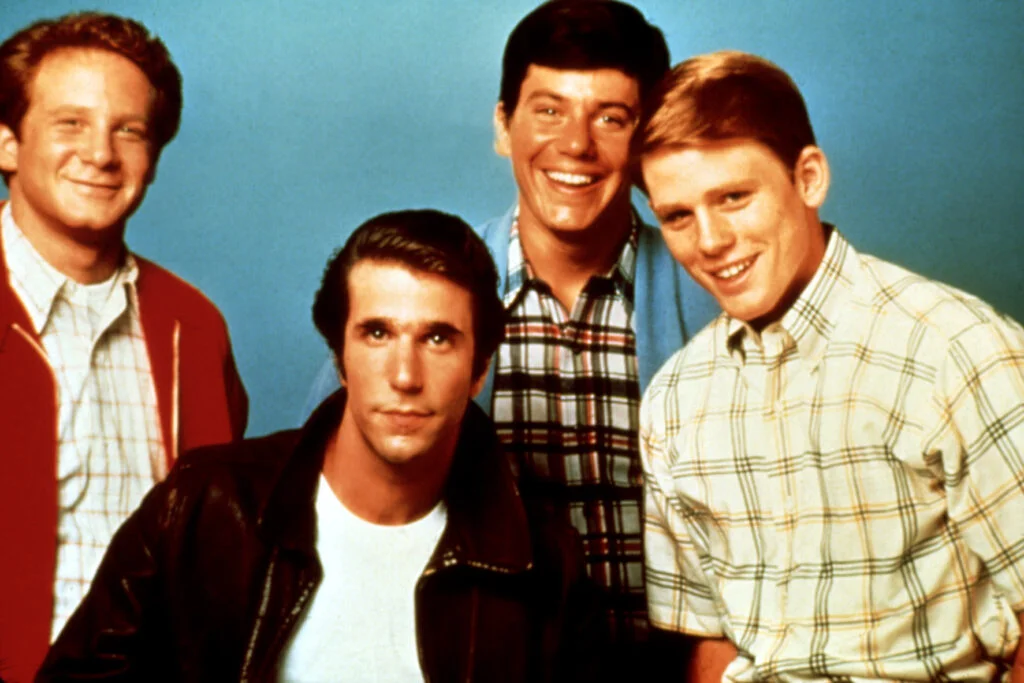
Ralph Malph was the human punchline of Happy Days, always ready with a goofy face, a corny joke, or an exaggerated reaction that could steal a scene in seconds. Donny Most played him with such eager awkwardness that Ralph felt like every class clown you ever knew rolled into one. He balanced out Fonzie’s cool and Richie’s sincerity with pure silliness, and the show was funnier whenever Ralph was hovering in the background waiting to chime in. Even small throwaway moments often became memorable because Ralph leaned so hard into the absurd.
When Happy Days wound down, Most never landed another role that matched Ralph’s visibility or cultural reach. He continued acting and later focused more on voice work and music, but Ralph remained the character most people associated with him. For a generation of viewers, Ralph felt indispensable to the show’s personality. Then, almost overnight, he became a familiar face that quietly slipped out of the spotlight.
2. Stanley Roper, Three’s Company
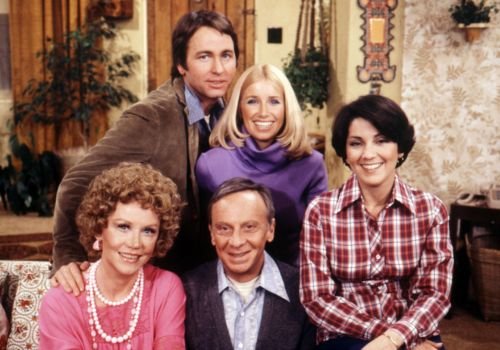
Stanley Roper was the gloriously grumpy landlord who could deflate a room with a single sarcastic glance. Norman Fell played Stanley as perpetually annoyed, slightly mischievous, and endlessly entertaining whenever he tangled with the trio upstairs. His deadpan timing often made routine scenes feel sharper and funnier. Stanley didn’t need big storylines to dominate an episode, he just needed a doorway and a complaint.
After leaving Three’s Company and its short lived spinoff, Fell’s screen appearances became far less frequent. While he continued acting for years, he never again had a role that embedded him into pop culture the way Stanley did. For many fans, the show never quite felt the same without him. Stanley’s exit marked the end of an era that viewers still remember fondly.
3. Vera Gorman, Alice
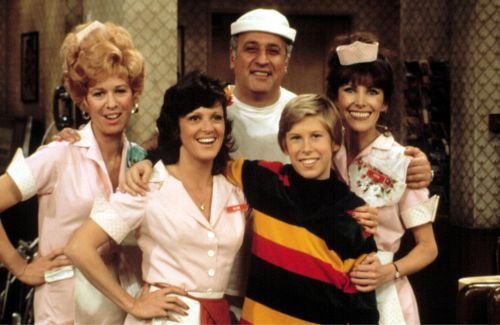
Vera Gorman was the soft spoken, wide eyed waitress who delivered some of Alice’s funniest reactions without ever raising her voice. Beth Howland played Vera with gentle sweetness that made her quietly hilarious in contrast to Flo’s big personality and Mel’s bluster. Vera often landed the unexpected punchline simply by being earnest and slightly confused. She became the kind of character you found yourself rooting for without realizing it.
After Alice, Howland continued working but largely in supporting or guest roles rather than another breakout part. Vera remained the role most viewers remembered her for, even decades later. The character lingered in reruns while the actress herself faded from mainstream attention. It created that familiar disconnect where the character feels permanently present, but the performer gradually disappears from view.
4. Grady Wilson, Sanford and Son
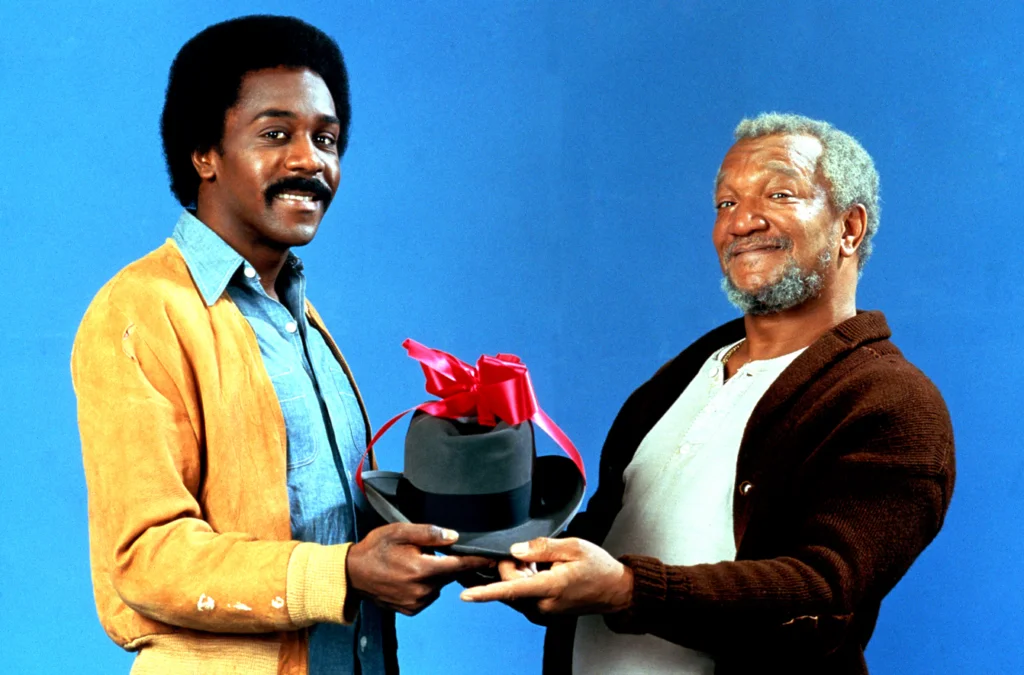
Grady Wilson burst into Sanford and Son with loud swagger, sharp insults, and comedic chemistry that rivaled the main cast. Whitman Mayo made Grady feel like the relative who could instantly hijack a room with stories, exaggerations, and playful chaos. Episodes featuring Grady often felt looser and more unpredictable, which audiences loved. He was so popular that he even briefly anchored his own spinoff.
Despite that early success, Mayo’s later career never matched the visibility of his Sanford and Son run. He continued acting steadily, but Grady remained the character most closely tied to his legacy. The spinoff faded quickly, and Grady gradually became a fond memory rather than a current presence on television. For fans, his big energy left a lasting impression that outshined what came afterward.
5. Juan Epstein, Welcome Back, Kotter
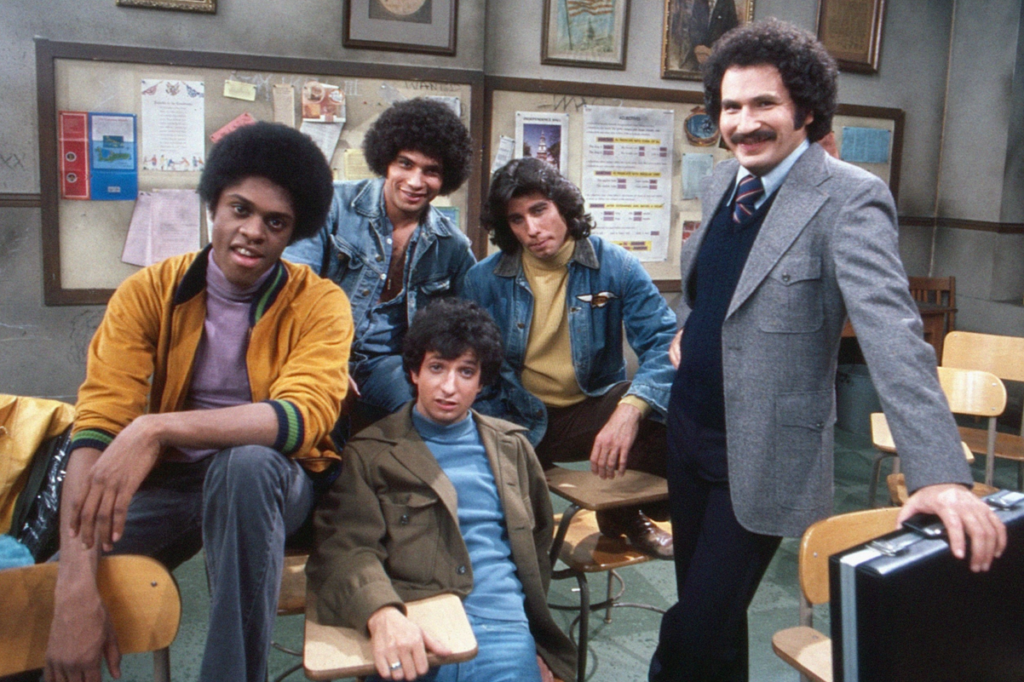
Juan Epstein was the lovable, exaggerated prankster whose thick accent, wild stories, and comic bravado made him instantly memorable. Robert Hegyes leaned into the character’s playful swagger, turning even simple classroom scenes into comedic highlights. Epstein often felt like the spark plug of the Sweathogs, bringing unpredictable humor into otherwise routine moments. His confidence and exaggeration made him easy to quote and hard to forget.
After the series ended, Hegyes continued acting but never reached the same level of recognition. Epstein became the role most audiences associated with him, especially through reruns. While other cast members moved into higher profile careers, Epstein quietly faded from the pop culture conversation. The character remained vivid even as the actor’s visibility diminished.
6. Lionel Jefferson, All in the Family
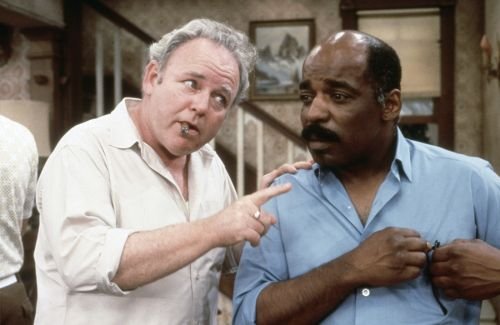
Lionel Jefferson provided a smart, grounded counterbalance to the chaos of the Bunker household. Mike Evans played Lionel with a calm wit that often defused Archie’s rants while still delivering sharp humor. Lionel didn’t need to shout to command attention, his reactions and timing carried weight. He became an important part of the show’s emotional and comedic rhythm.
Evans later shifted more toward writing and behind the scenes work, including co creating The Jeffersons. As an on screen presence, he gradually stepped away from the spotlight. Lionel remains a familiar face to fans of classic sitcoms, even if Evans himself became less visible to audiences. The character’s legacy outpaced the performer’s later public profile.
7. Murray Greshler, The Odd Couple
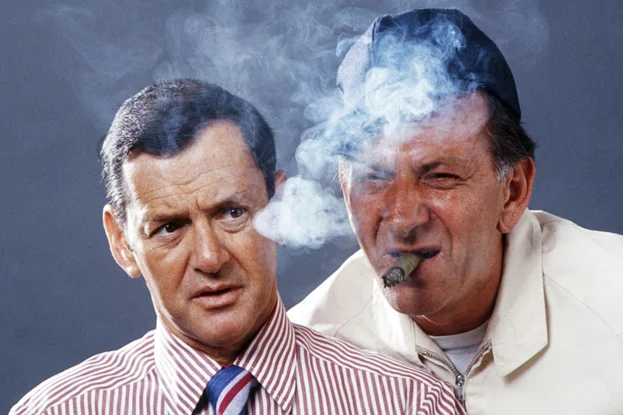
Murray Greshler was Oscar’s straight talking, perpetually exasperated police friend who delivered dry humor with surgical precision. Garry Walberg played Murray as world weary and blunt, often grounding the show’s more manic energy. His scenes added texture and realism to the comedy, making the jokes land harder. Murray felt like someone you could actually know, which made him quietly compelling.
Walberg went on to steady television work, most notably on Quincy, M.E., but Murray remained a defining early role for many viewers. Over time, the character became more remembered than the actor’s broader body of work. As syndication kept The Odd Couple alive, Murray stayed familiar even as Walberg faded from mainstream recognition. It’s a classic case of a supporting character outlasting public awareness of the performer.
8. Les Nessman, WKRP in Cincinnati
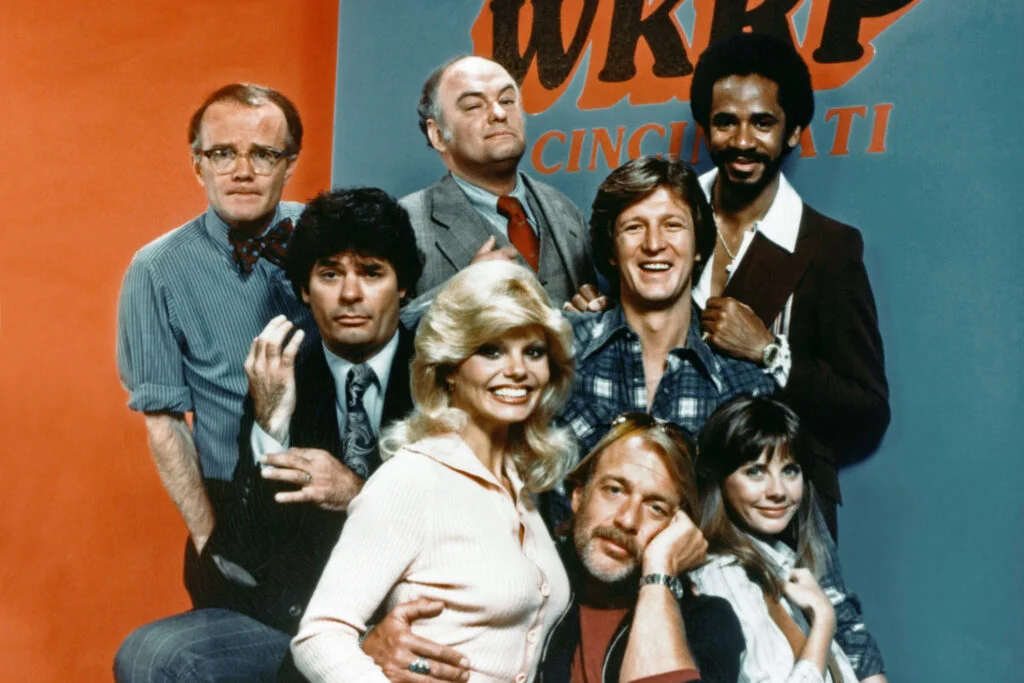
Les Nessman’s clueless confidence and fake journalism bravado made him one of the funniest running gags on WKRP in Cincinnati. Richard Sanders leaned fully into Les’s obliviousness, delivering line readings that turned even mundane newsroom chatter into comedy gold. His imaginary awards, dramatic seriousness, and total lack of self awareness made Les endlessly quotable. Episodes often felt brighter whenever Les took center stage.
After WKRP, Sanders continued acting but never found another role that captured the same cultural attention. Les became his signature character, especially for fans of late ’70s sitcoms. As the show slipped further into nostalgia territory, Les remained vivid while Sanders himself became less visible to casual audiences. The character’s outsized personality made his disappearance from the spotlight feel even more noticeable.
9. Lenny Kosnowski, Laverne & Shirley
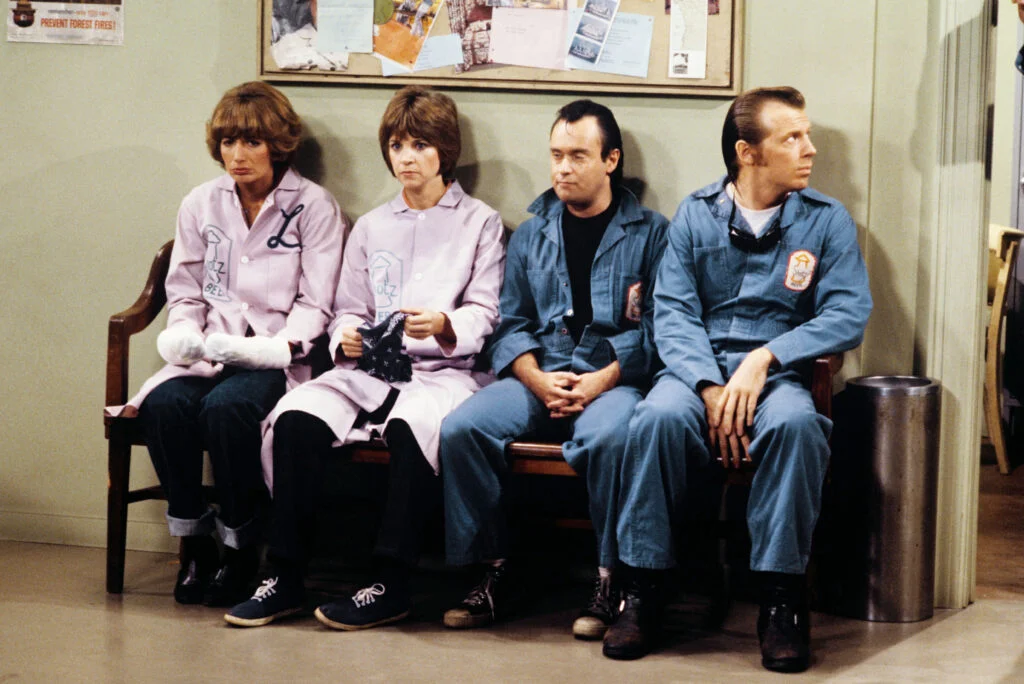
Lenny Kosnowski thrived on exaggerated bravado, ridiculous schemes, and a lovable lack of self awareness. Michael McKean gave Lenny a cartoonish confidence that played perfectly off Squiggy’s antics. Together they often hijacked scenes with physical comedy and rapid fire banter. Lenny felt like the embodiment of reckless youthful confidence, always convinced the next big idea would finally pay off.
While McKean went on to a long and respected career in film, television, and music, Lenny remains the role many sitcom fans immediately recall. For viewers who mainly followed network sitcoms, McKean’s later projects didn’t always register in the same mainstream way. Lenny’s goofy charm lingered strongly in syndication memory. The character sometimes overshadows how broad McKean’s career actually became.
10. Rerun, What’s Happening!!
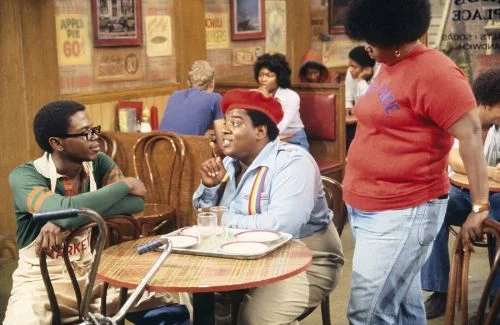
Rerun became an instant standout thanks to his high energy dancing, infectious enthusiasm, and unapologetic joy. Fred Berry brought physical comedy and warmth that made Rerun feel like the heart of the group. His dance scenes were often the most talked about moments of each episode. Rerun’s charisma could carry an entire storyline on pure personality alone.
After the series ended, Berry struggled to find similarly visible roles. While he continued performing in various ways, Rerun remained the character most people remembered him for. The sudden drop in mainstream exposure made his disappearance from television feel abrupt. For fans, Rerun stayed iconic even as the actor faded from view.
11. Howard Sprague, The Andy Griffith Show
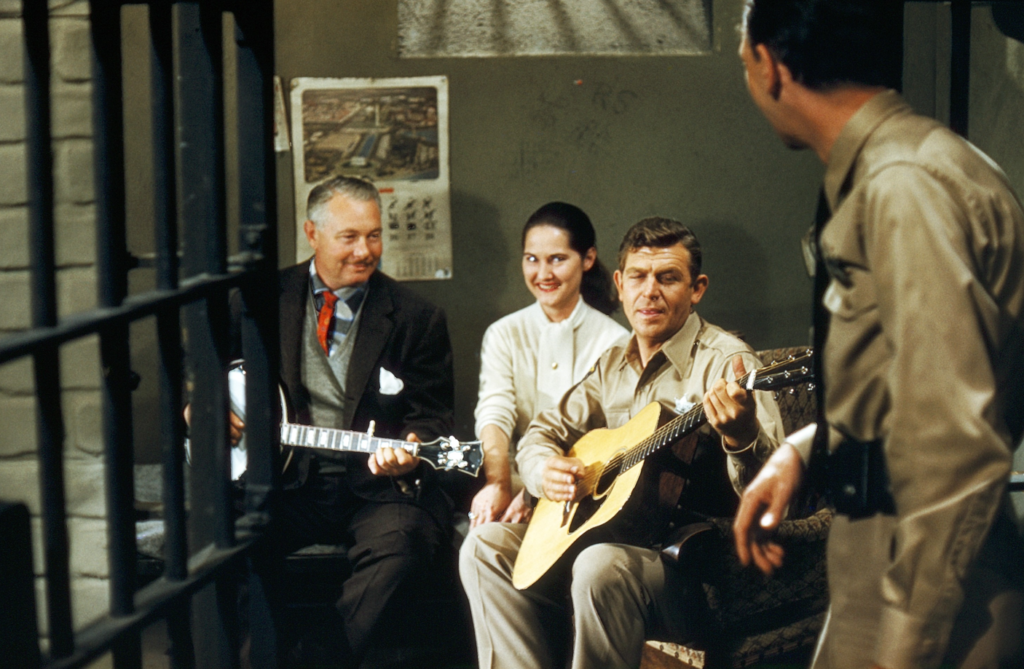
Howard Sprague was the soft spoken, painfully polite county clerk who somehow made quiet awkwardness hilarious. Jack Dodson played Howard with gentle nervous energy, turning simple conversations into slow building comedic payoffs. Howard’s timid attempts at confidence, especially in romance or social situations, often stole entire scenes without ever needing big punchlines. He felt like the kind of character viewers instantly recognized from real life, which made his humor land even harder.
After The Andy Griffith Show ended its original run and continued in syndication, Dodson never landed another role that reached the same level of cultural visibility. He continued acting steadily in television and film, but Howard remained the character most audiences associated with him. As the series stayed popular through reruns, Howard remained familiar while Dodson’s later work quietly receded from mainstream attention. It’s a classic example of a supporting sitcom favorite outlasting the public profile of the actor who played him.
12. Al Delvecchio, Happy Days
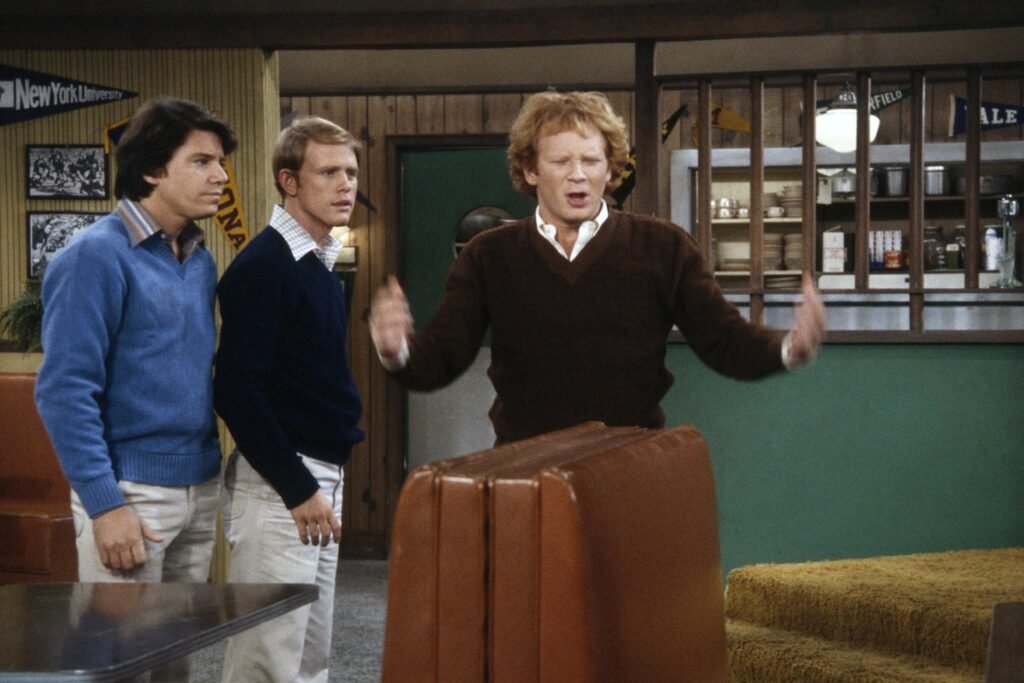
Al Delvecchio was the endlessly patient diner owner who kept Arnold’s running while teenagers turned it into their social headquarters. Al Molinaro played him with gentle authority and dry humor that made even background scenes feel lived in. Al wasn’t flashy, but his consistency gave the show stability and warmth. Viewers often felt comforted just seeing him behind the counter.
Molinaro continued acting, including a later run on The Odd Couple revival, but Al remained his most recognized role. Over time, his appearances became less frequent and less prominent. Al stayed alive in reruns while Molinaro’s later career quietly receded from public attention. The character’s steady presence became more memorable than the actor’s later work.
13. Herb Tarlek, WKRP in Cincinnati

Herb Tarlek was the walking disaster of leisure suits, ego, and misguided confidence. Frank Bonner leaned into Herb’s absurdity, making him hilariously oblivious to how ridiculous he appeared. Herb’s fashion alone could steal a scene before he even spoke. His overconfidence and fragile pride made him endlessly entertaining.
Bonner later transitioned more into directing and producing rather than remaining a highly visible on screen performer. As a result, Herb became the role most audiences continued to associate with him. While WKRP stayed popular in reruns, Bonner’s face gradually disappeared from new television projects. Herb’s exaggerated personality left a much louder legacy than Bonner’s later public profile.
14. Larry Dallas, Three’s Company
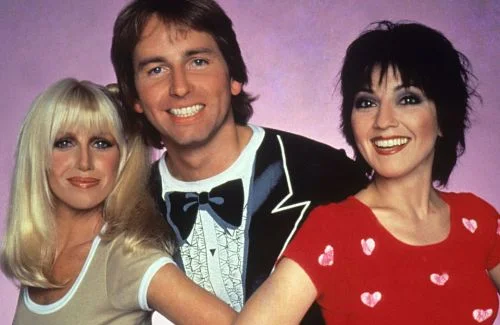
Larry Dallas was the smooth talking neighbor whose endless schemes and flirtations constantly pulled Jack into trouble. Richard Kline played Larry with charming sleaze that somehow stayed likable rather than annoying. His entrances often signaled that chaos was about to follow. Larry brought a mischievous energy that elevated many episodes.
Although Kline continued acting steadily in guest roles and voice work, Larry remained the part most viewers remembered. He never quite recaptured the same level of visibility in another long running sitcom role. As Three’s Company continued in syndication, Larry stayed familiar while Kline’s newer work stayed quieter. The character’s bold personality outpaced the actor’s later exposure.
15. Bubba Bexley, Sanford and Son
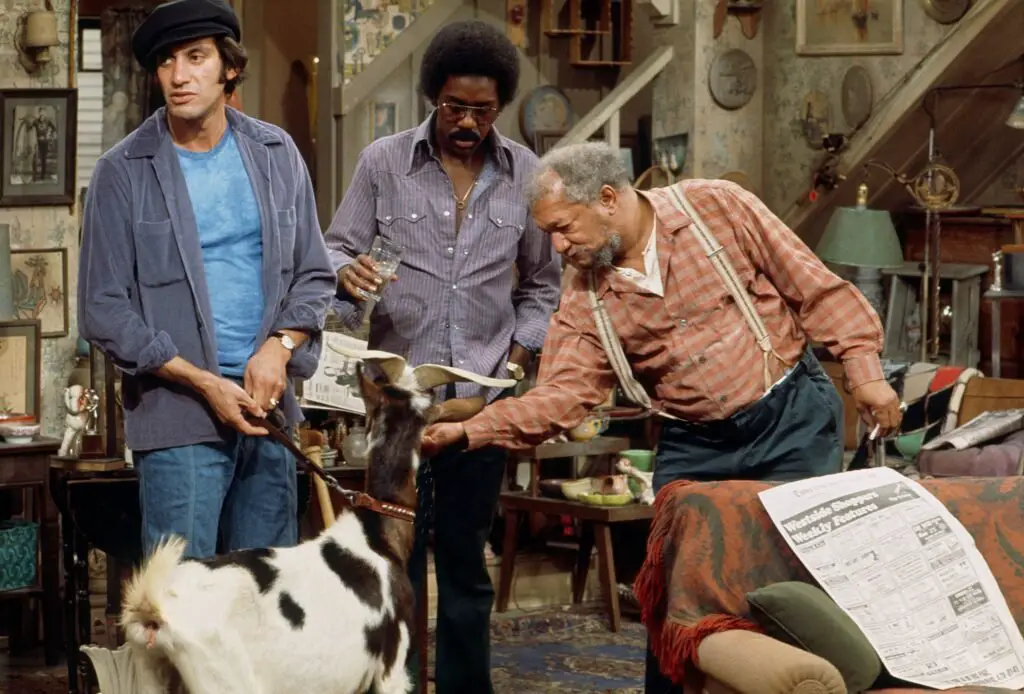
Bubba Bexley joined Sanford and Son in later seasons as a big hearted, lovable addition to the cast. Don Bexley brought warmth and physical comedy that made Bubba feel instantly endearing. He often lightened scenes with earnest enthusiasm rather than sharp sarcasm. Bubba quickly became a fan favorite despite arriving late in the series.
After the show ended, Bexley’s acting opportunities became more limited. Bubba remained the role most closely associated with him. As the series stayed visible through reruns, Bexley himself became less present in mainstream entertainment. The contrast made Bubba feel like a character frozen in time.
16. Les Brown, The Odd Couple
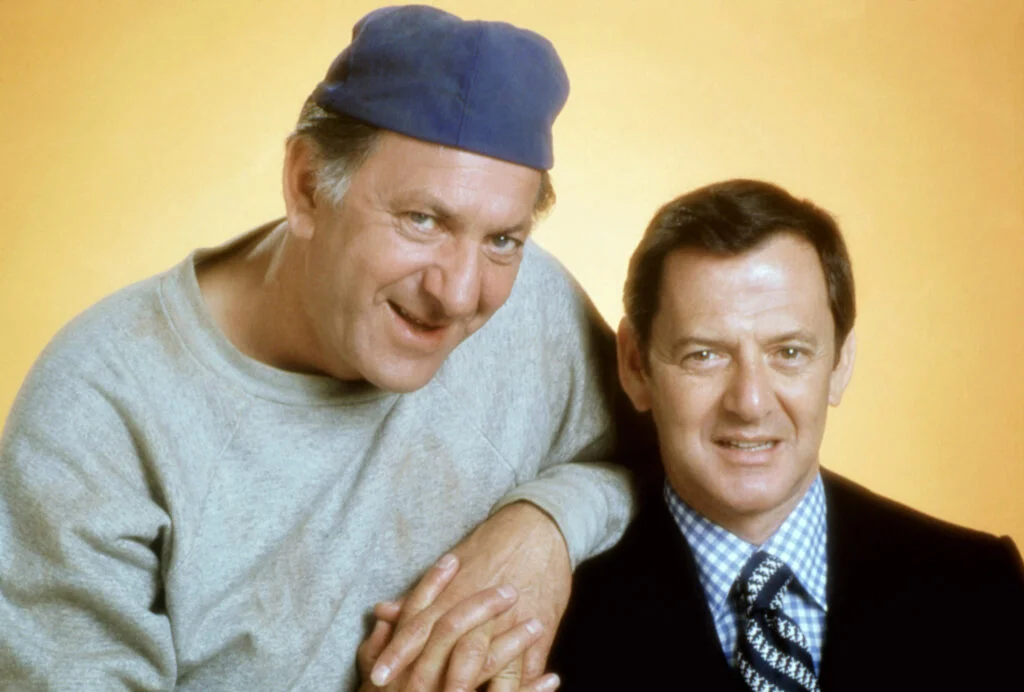
Les Brown, Felix’s obsessive, tightly wound brother, delivered bursts of high strung energy whenever he appeared. Richard Stahl played Les with manic precision that amplified the show’s neurotic humor. Even brief appearances left a strong impression because Les felt perpetually on edge. His scenes often escalated quickly into comedic chaos.
Stahl continued working for many years, but Les remained one of his most recognizable roles to sitcom fans. Over time, his on screen presence became more sporadic and less prominent. Les lives on vividly in reruns, while Stahl’s later career faded from casual memory. It’s another case where a strong supporting character left a deeper cultural footprint than the actor’s later visibility.