
1. Badfinger
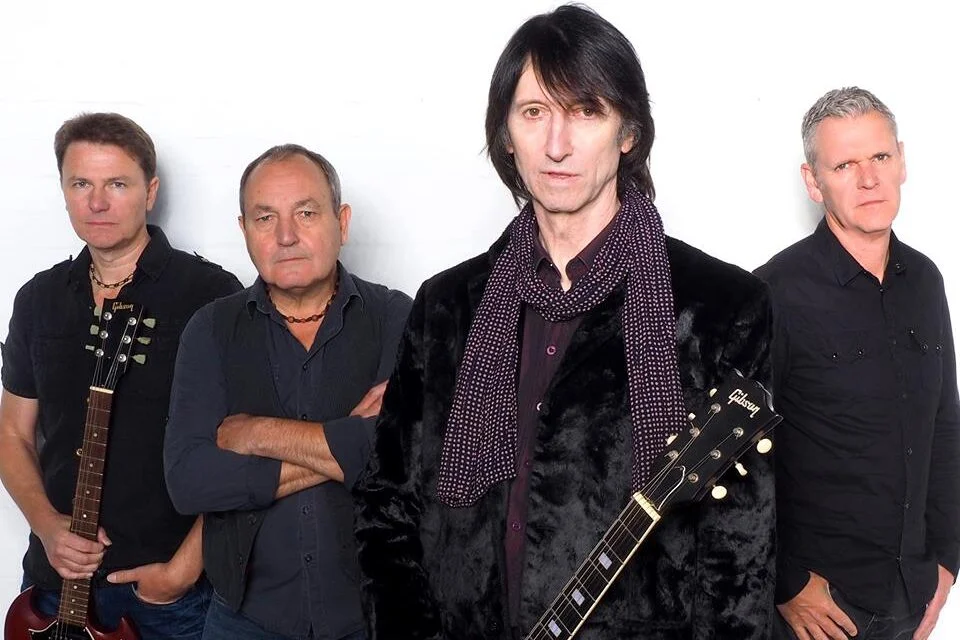
Badfinger looked like they were destined to become the next great British rock band in the early ’70s. They scored massive hits with “No Matter What,” “Day After Day,” and the endlessly covered “Without You.” Their melodic songwriting and Beatles adjacent sound gave them instant credibility and huge radio exposure. For a while, they felt absolutely unavoidable on FM playlists.
Behind the scenes, though, financial mismanagement and legal battles derailed their momentum in heartbreaking ways. Tragedies within the band further cut their career short just as they should have been peaking. While their songs remain staples on classic rock radio, the band name itself often doesn’t get the recognition it deserves. Many listeners are shocked to learn how influential and successful Badfinger actually was during their prime.
2. Foghat
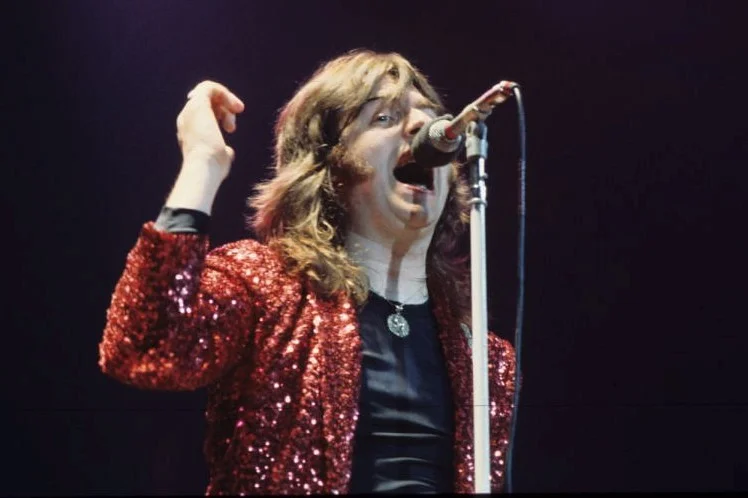
Foghat dominated mid ’70s rock radio with driving boogie rock anthems like “Slow Ride” and “Fool for the City.” Their blues based grooves made them favorites at parties, car stereos, and packed arenas. At their peak, they were selling millions of records and touring constantly. Few bands captured that sweaty, good time rock energy better.
As the decade closed and musical tastes shifted, Foghat’s mainstream visibility cooled significantly. Lineup changes and evolving trends pushed them out of the spotlight. While “Slow Ride” still gets plenty of airplay, many casual fans forget how massive the band once was. They now live mostly in classic rock rotation rather than active pop culture memory.
3. Bachman-Turner Overdrive
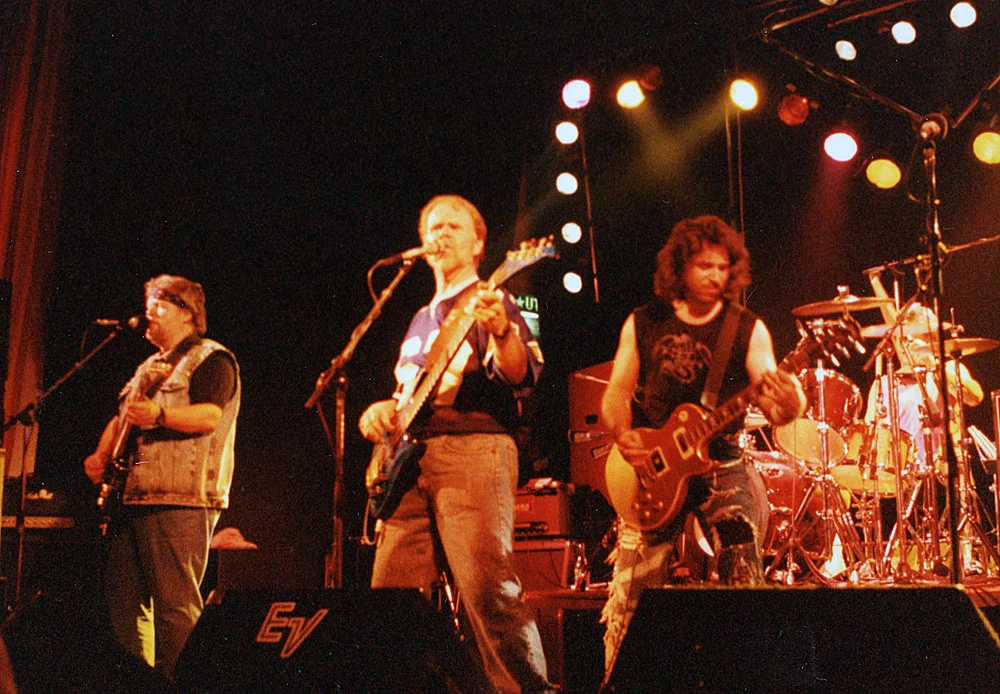
Bachman-Turner Overdrive were hitmaking machines in the mid ’70s with crowd pleasers like “Takin’ Care of Business,” “You Ain’t Seen Nothing Yet,” and “Let It Ride.” Their straightforward, blue collar rock sound connected instantly with radio audiences. They stacked gold and platinum albums in rapid succession. For several years, they were among the most dependable chart acts in rock.
Internal tensions and changing musical trends slowed their momentum by the end of the decade. As punk, disco, and new wave reshaped radio, their classic rock approach felt less dominant. While their biggest hits remain instantly recognizable, the band itself doesn’t generate the same level of cultural conversation today. Many younger listeners know the songs without knowing the group behind them.
4. Grand Funk Railroad
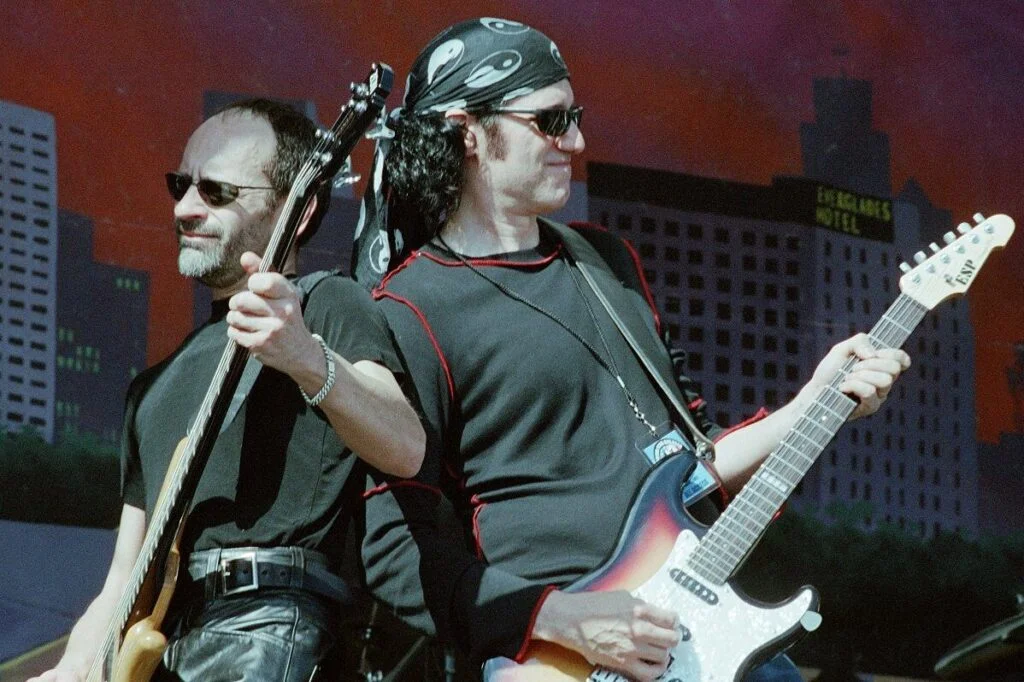
Grand Funk Railroad were one of the biggest American rock bands of the early ’70s, selling out stadiums and moving millions of records. Songs like “We’re an American Band,” “The Loco-Motion,” and “Some Kind of Wonderful” made them radio giants. Their loud, no frills style connected powerfully with working class audiences. At one point, they were outselling many critically acclaimed peers.
Critical backlash and shifting musical tastes eventually cooled their dominance. By the late ’70s, their chart presence had slowed dramatically. While their hits still surface regularly on classic rock stations, their once massive cultural footprint has faded. It surprises many fans to learn just how huge Grand Funk truly was at their peak.
5. Slade
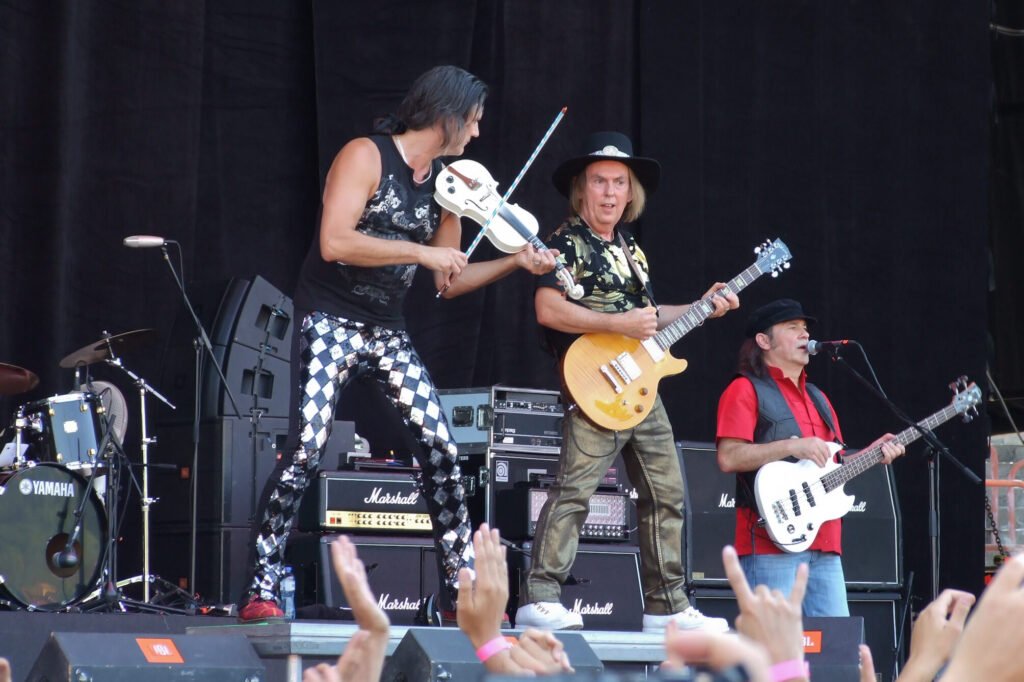
Slade were absolute superstars in the U.K. during the early ’70s, scoring a string of chart topping glam rock anthems. Songs like “Cum On Feel the Noize” and “Mama Weer All Crazee Now” became cultural touchstones. Their colorful image and chant along hooks made them impossible to avoid overseas. For a brief window, they felt like global contenders.
In the United States, however, sustained success proved harder to achieve. Changing trends and label struggles limited their long term American breakthrough. Their songs survived largely through covers by later bands rather than continued mainstream visibility. Slade remain legendary in British rock history, but many American listeners only recognize the tunes rather than the band itself.
6. Sweet
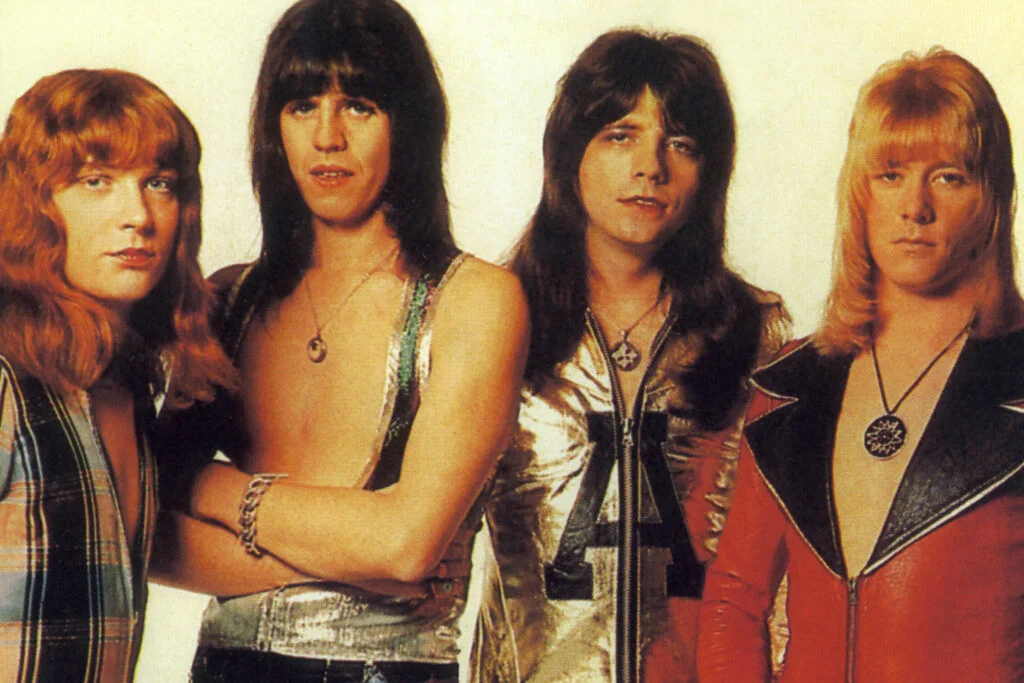
Sweet blended glam theatrics with hard hitting pop rock, creating massive hits like “Ballroom Blitz,” “Fox on the Run,” and “Love Is Like Oxygen.” Their songs were everywhere during the mid ’70s, blasting from radios, roller rinks, and jukeboxes. They balanced catchy melodies with flashy image perfectly for the era. For a few years, they were pop culture fixtures.
As glam faded and new musical movements took over, Sweet’s chart dominance slowed. Lineup changes and shifting tastes made sustained success difficult. While their biggest tracks remain staples of retro playlists, the band’s broader catalog gets less attention. Many people recognize the hooks instantly without realizing how prolific Sweet once was.
7. America
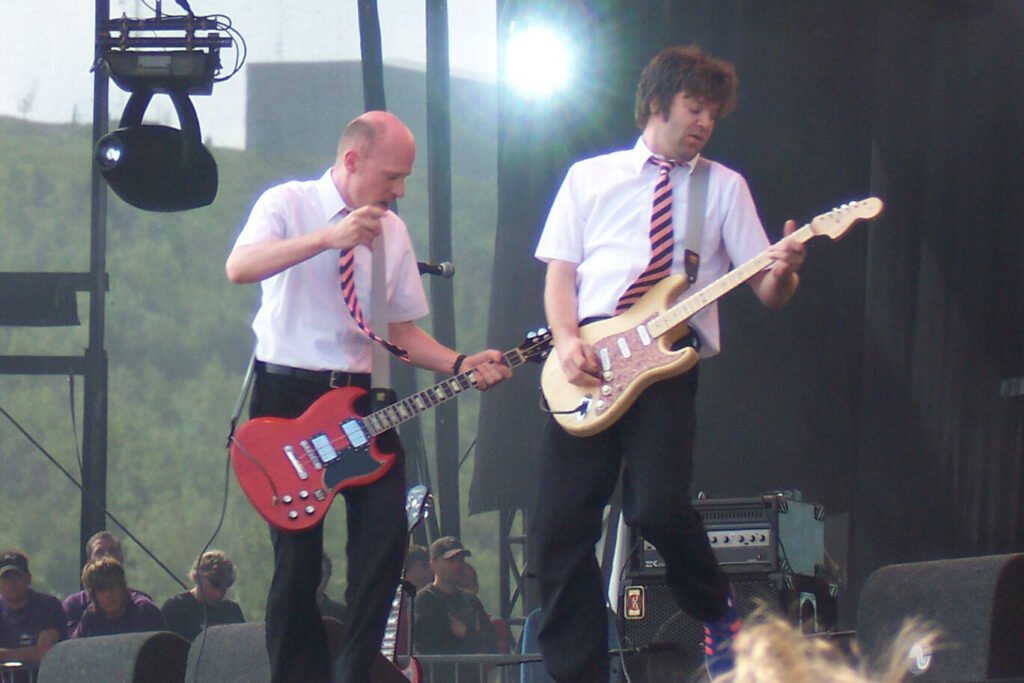
America defined mellow ’70s radio with soft rock classics like “A Horse with No Name,” “Ventura Highway,” and “Sister Golden Hair.” Their harmonies and sun soaked melodies made them constant companions on long drives and lazy afternoons. They stacked hit after hit early in the decade. At their height, they were one of the most played bands on the airwaves.
By the late ’70s, changing tastes and internal shifts cooled their chart dominance. While they never fully disappeared, their presence gradually moved into nostalgia territory. Today, their songs remain deeply familiar, even if their peak popularity feels distant. America now live comfortably in the memory lane category rather than the pop spotlight.
8. Three Dog Night
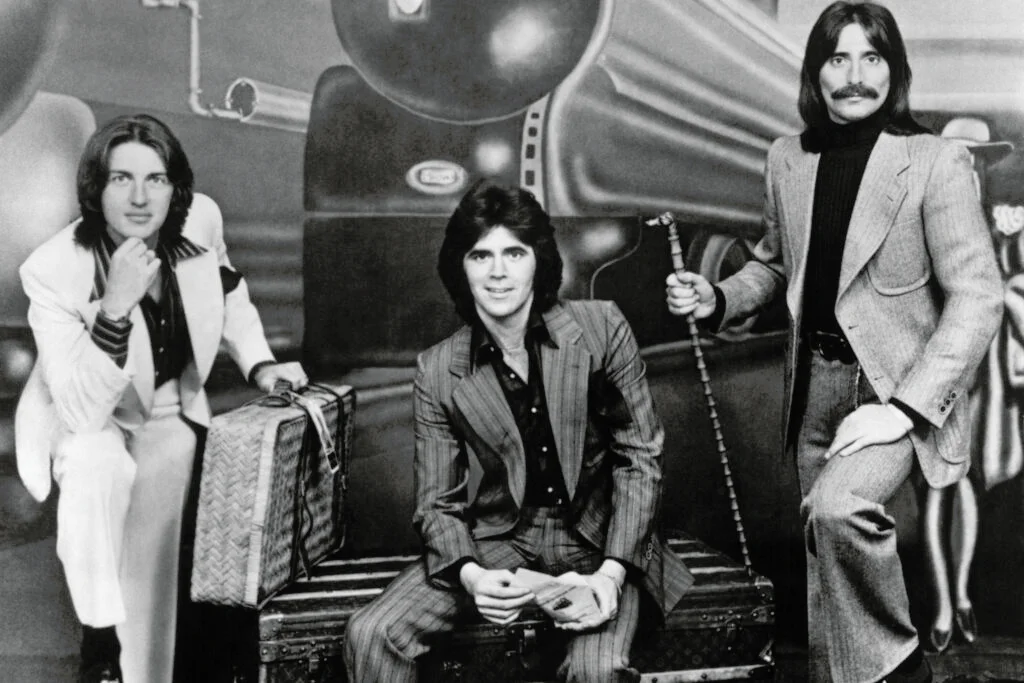
Three Dog Night were unstoppable in the early ’70s, scoring a staggering number of top ten hits in just a few years. Songs like “Joy to the World,” “Mama Told Me Not to Come,” and “Black and White” dominated radio. Their ability to turn outside material into massive pop rock hits was unmatched. For a while, they were everywhere.
Oversaturation and changing musical trends eventually caught up with them. By the mid to late ’70s, their hit streak slowed and public attention shifted elsewhere. Although their songs remain extremely recognizable, the band’s once dominant status has faded from everyday conversation. They remain a fascinating example of how quickly pop success can peak and plateau.
9. Blue Öyster Cult
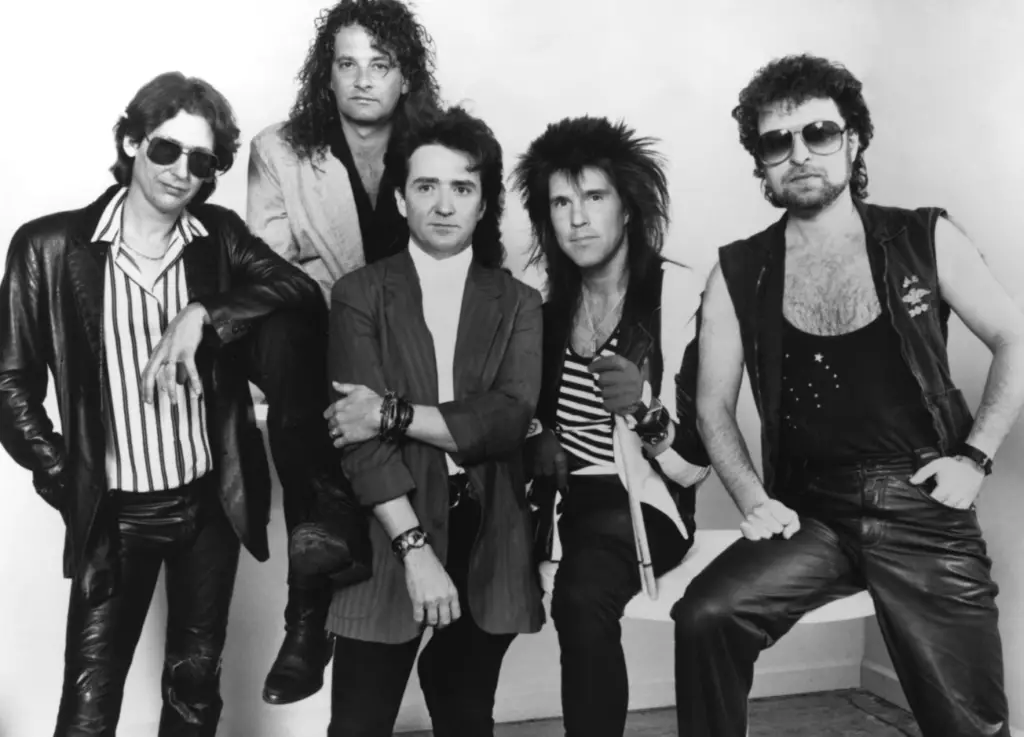
Blue Öyster Cult carved out a unique niche with moody hard rock and science fiction flavored lyrics. They landed enduring hits like “Don’t Fear the Reaper” and “Burnin’ for You,” which continue to appear in films, commercials, and streaming playlists. Their mysterious image made them stand out among typical arena rock acts. For a stretch, they felt poised for even greater superstardom.
While those signature songs remain evergreen, the band’s broader mainstream presence gradually narrowed. Shifting trends and changing radio formats limited their chart reach. Today, many casual listeners associate them almost entirely with a handful of tracks. Their deeper catalog remains beloved by devoted fans but less visible to the wider public.
10. REO Speedwagon
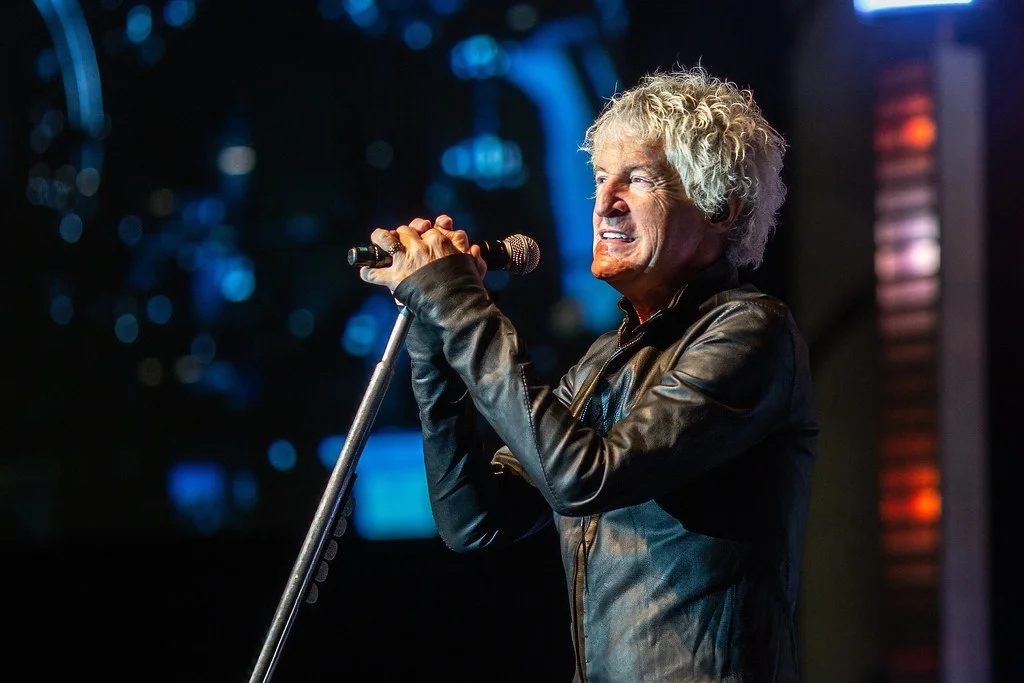
REO Speedwagon spent the early ’70s grinding on the touring circuit before breaking into major success later in the decade. Songs like “Ridin’ the Storm Out” helped establish them as reliable arena rock favorites. Their blend of power ballads and driving rock built a massive fan base. They were steadily climbing toward mainstream dominance by the late ’70s.
Although their biggest commercial peak arrived in the early ’80s, their ’70s foundation is often overlooked. Over time, their image became tied primarily to soft rock ballads rather than their earlier harder edge. Many listeners forget how long and hard they worked to reach success. Their early era now feels somewhat overshadowed by later hits.
11. Ten Years After
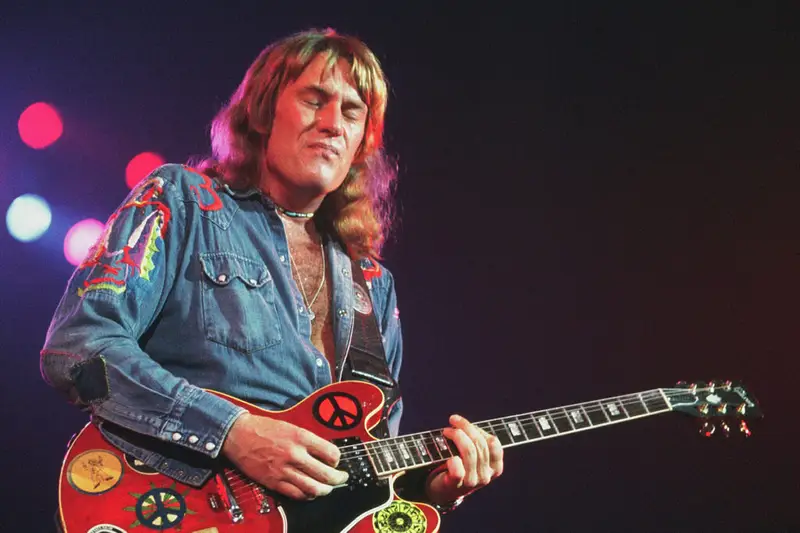
Ten Years After became internationally known after their explosive performance at Woodstock in 1969 carried into early ’70s success. Alvin Lee’s blistering guitar work made them a favorite among rock fans. Songs like “I’d Love to Change the World” kept them firmly in radio rotation. For a time, they were synonymous with high energy blues rock.
As musical styles evolved, their prominence faded faster than many expected. The band eventually disbanded, and later reunions never recaptured the same cultural impact. Today, they’re often remembered primarily for Woodstock rather than their broader catalog. Their influence remains respected, even if mainstream awareness has dimmed.
12. UFO
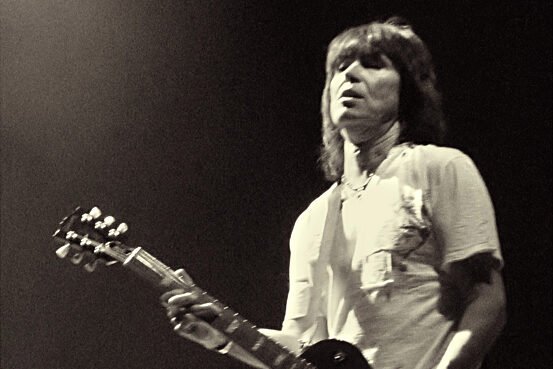
UFO helped bridge the gap between hard rock and early heavy metal in the ’70s. Tracks like “Doctor Doctor” and “Rock Bottom” became staples for rock fans and future musicians. Their guitar work and melodic songwriting earned them a devoted following. For a while, they looked positioned for major mainstream breakthrough.
Despite strong musicianship, they never quite reached sustained chart dominance in the United States. Lineup changes and shifting trends complicated their momentum. Over time, they became more of a cult favorite than a household name. Their influence remains strong among rock musicians even if casual listeners rarely encounter them today.
13. Nazareth
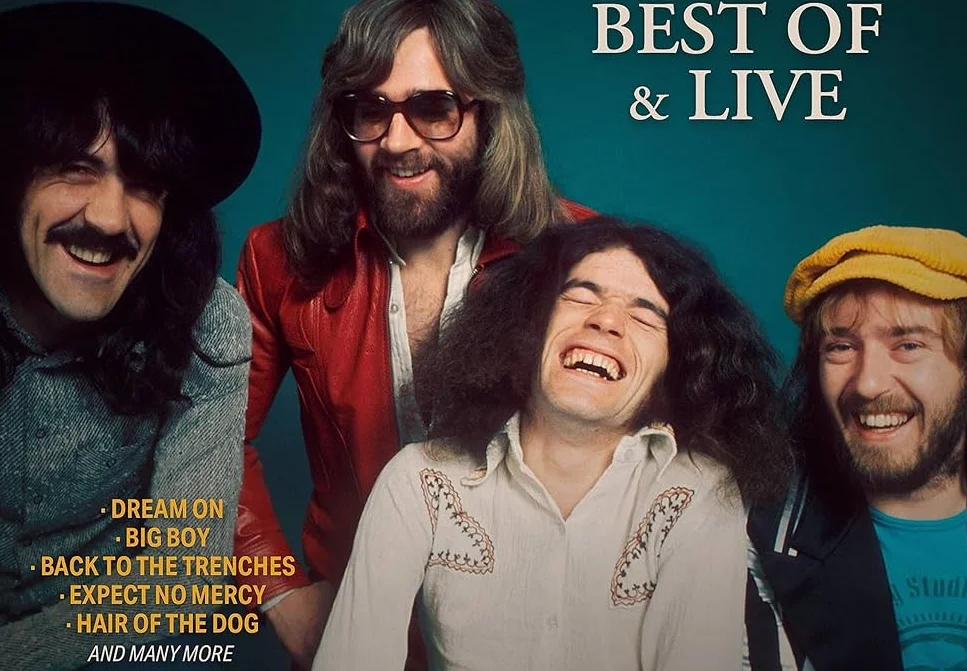
Nazareth scored one of the decade’s biggest power ballads with “Love Hurts,” which became an international smash. Their gritty hard rock sound also delivered steady album sales throughout the ’70s. For a brief window, they were firmly planted in heavy radio rotation. The band felt positioned for long term mainstream success.
As trends shifted and competition intensified, their visibility gradually declined. While “Love Hurts” remains omnipresent on classic playlists, much of their catalog receives less attention. Many listeners recognize the song without remembering the band name. Nazareth now exist largely through that enduring signature hit.
14. Thin Lizzy
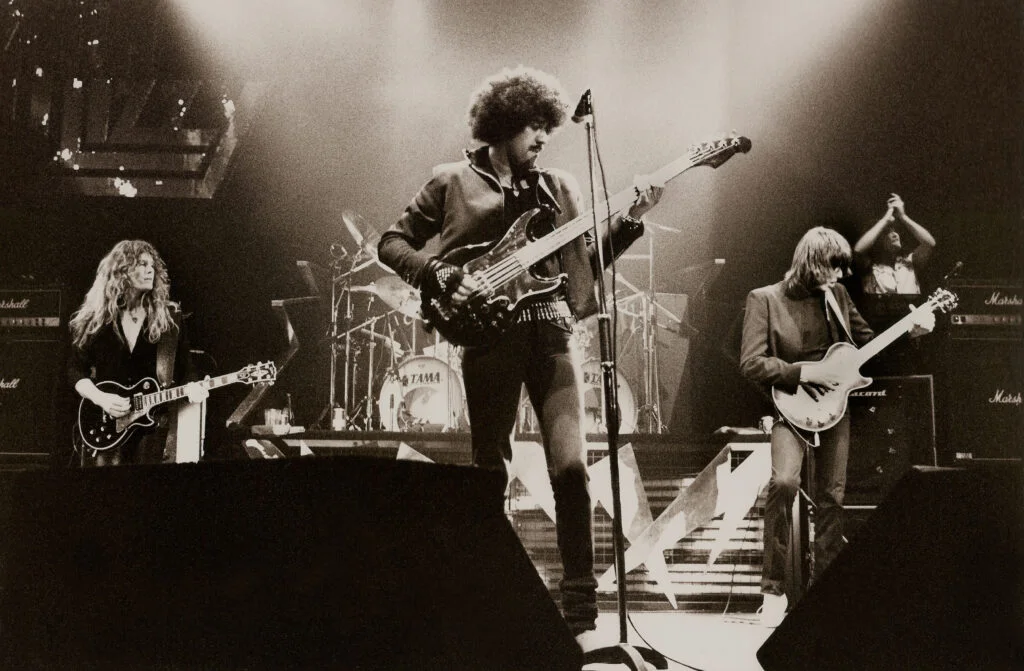
Thin Lizzy blended Irish roots with hard rock swagger, producing classics like “The Boys Are Back in Town” and “Jailbreak.” Their twin guitar sound and charismatic image made them stand out in the mid ’70s rock scene. For a brief time, they seemed poised for dominant global stardom. Their songs became instant rock radio staples.
Internal struggles and lineup instability limited their long term momentum. While their legacy remains strong among rock fans, mainstream visibility softened over time. Today, their biggest hit still enjoys constant airplay, even as the band’s broader story fades from casual memory. Thin Lizzy remain beloved but no longer central to pop culture conversation.
15. Bad Company
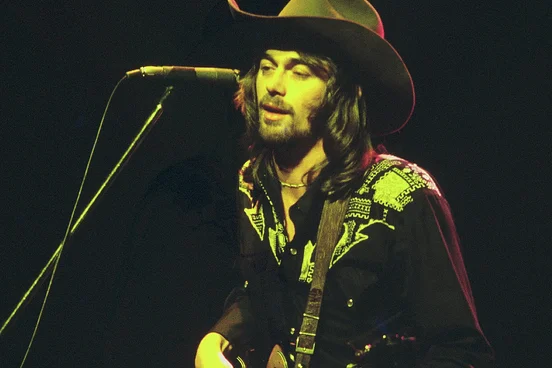
Bad Company arrived in the mid ’70s with massive success right out of the gate. Songs like “Can’t Get Enough,” “Feel Like Makin’ Love,” and “Bad Company” made them instant arena rock royalty. Their bluesy swagger and polished production felt tailor made for the era. For several years, they were among the biggest rock bands on the planet.
As the decade closed and musical tastes shifted, their chart dominance gradually softened. Later lineup changes and long breaks reduced their cultural visibility. While their hits remain deeply familiar, newer generations encounter them mostly through classic rock playlists. Their once towering presence now lives primarily in nostalgia rather than active mainstream attention.