1. The Twilight Zone
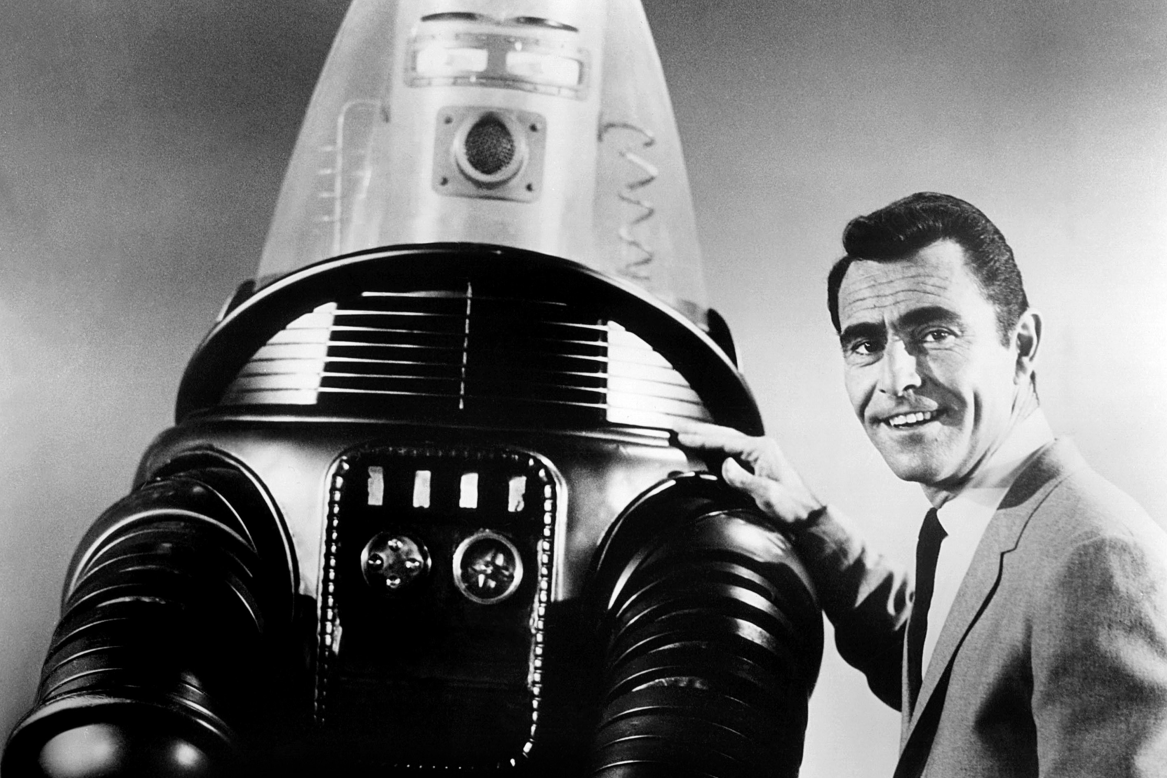
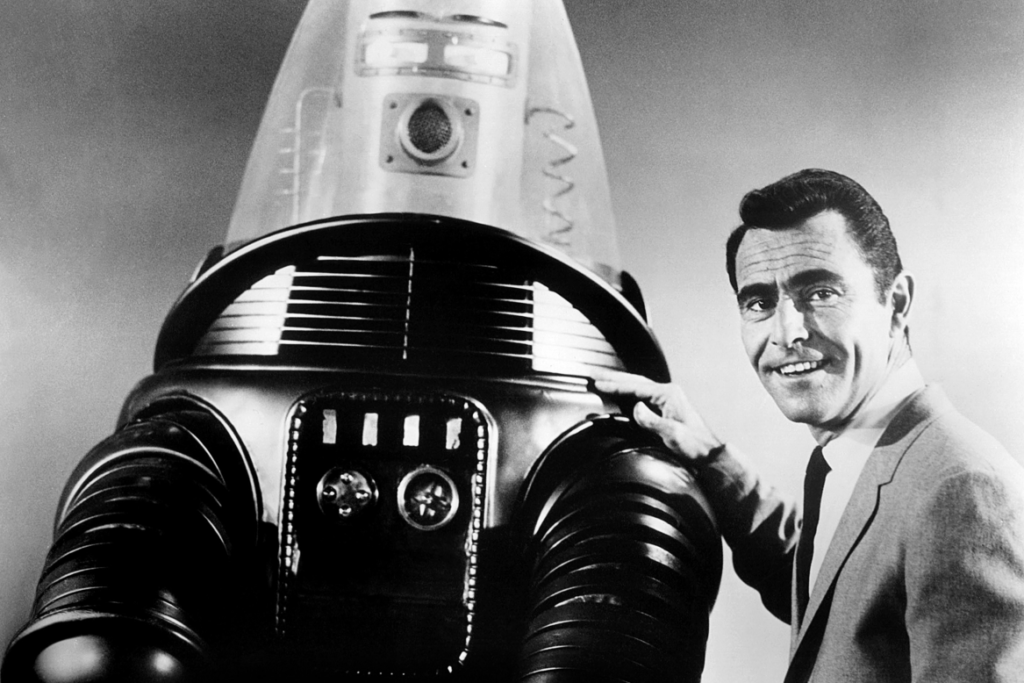
When The Twilight Zone premiered in 1959 and dominated the early ’60s, it felt like television had suddenly grown up overnight. Rod Serling used science fiction and fantasy to tackle real world fears about war, prejudice, conformity, and power. Viewers tuned in expecting twists, but they often left unsettled in a thoughtful way. That kind of moral storytelling was rare for network TV at the time.
What still makes it feel fresh is how clean and confident the writing remains. Many episodes barely rely on special effects, so the ideas stay front and center. Modern anthology shows owe a lot to the format Serling perfected. You can still sit down with a random episode today and feel like it could have been written yesterday.
2. Star Trek
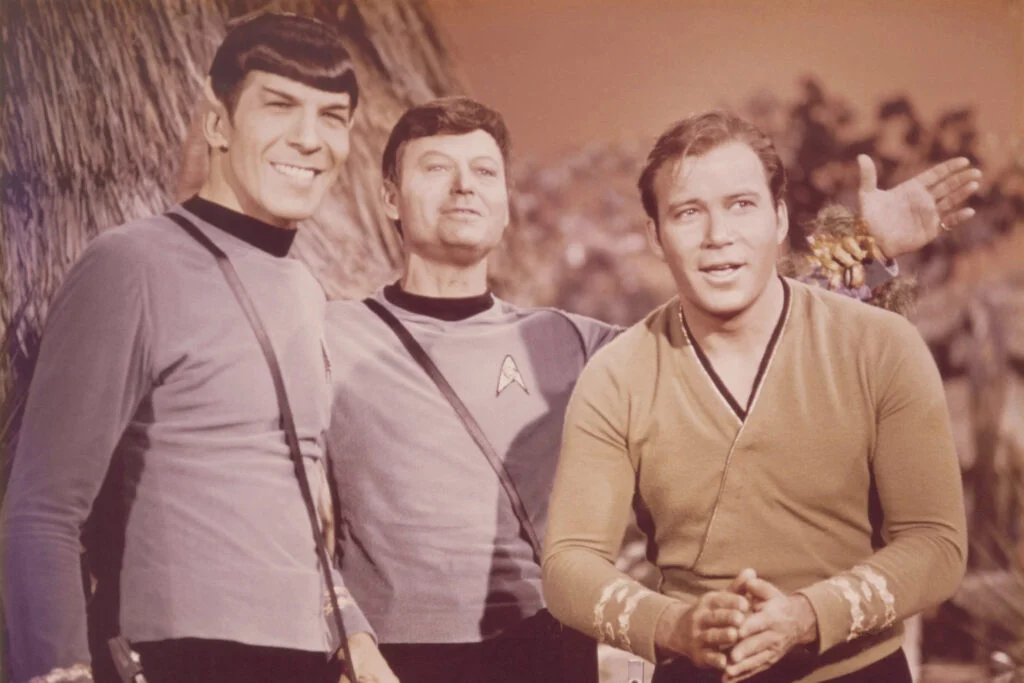
When Star Trek launched in 1966, a space adventure with serious social themes was a bold gamble. The show quietly tackled race, politics, war, and identity under the cover of futuristic storytelling. It also featured one of television’s first truly diverse ensemble casts in prominent roles. That alone made it feel revolutionary for its era.
The optimism of the series continues to resonate, especially its belief that cooperation and curiosity can solve big problems. Many of the ethical dilemmas explored on the Enterprise still spark debate today. The character dynamics feel surprisingly modern and emotionally grounded. Even viewers who missed it the first time often connect with it instantly.
3. The Avengers
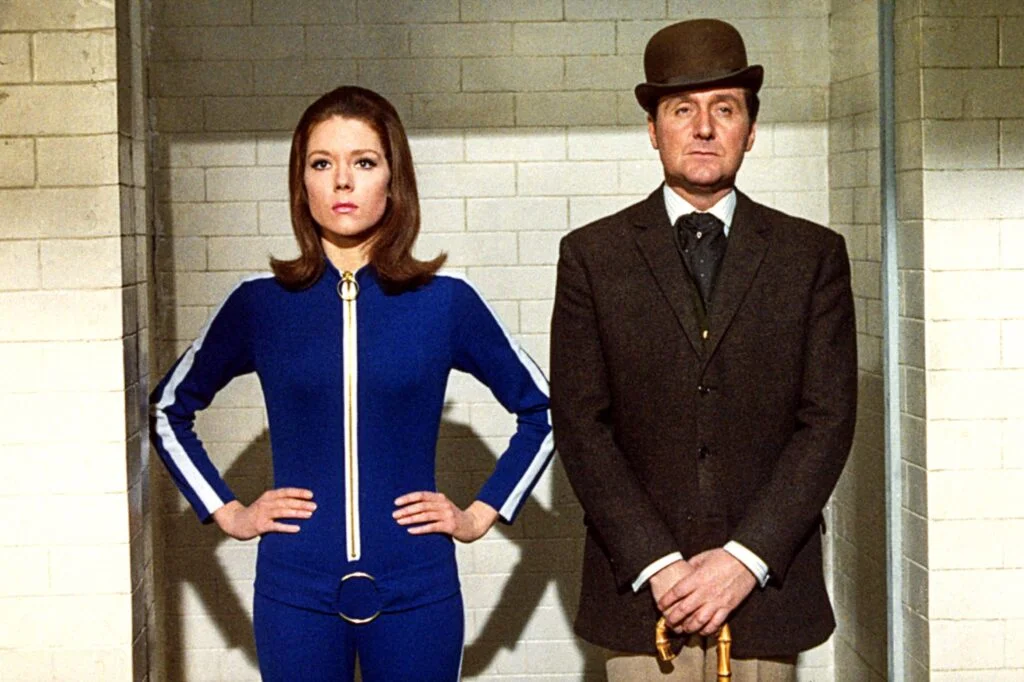
The British series The Avengers blended spy drama, fashion, wit, and surreal humor into something entirely its own. Emma Peel’s arrival helped redefine how women could be portrayed on action television. She was stylish, brilliant, physically capable, and never sidelined. That combination was unusual for the early ’60s.
The playful tone and inventive visuals still make the show feel ahead of its time. Episodes often leaned into absurdity while staying sharply written. The chemistry between the leads gives it lasting charm. It feels less like a relic and more like a stylish prototype for modern genre hybrids.
4. The Prisoner
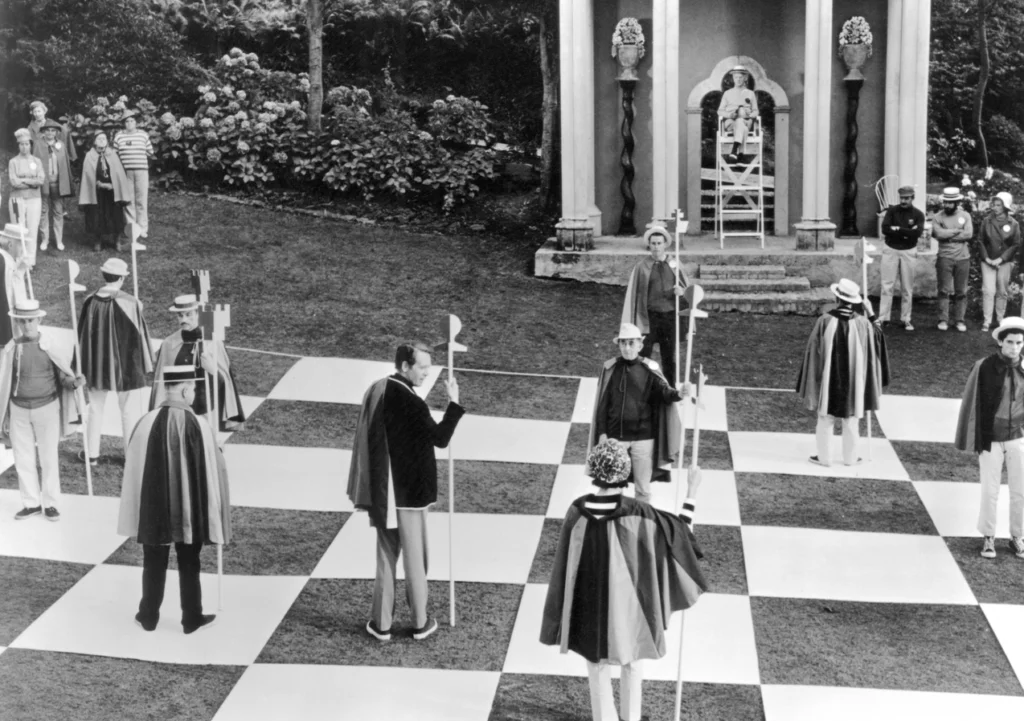
The Prisoner arrived in 1967 and immediately confused and fascinated audiences. It blurred the line between spy thriller, philosophy, and psychological drama. The show refused to clearly explain its mysteries, which frustrated some viewers but captivated others. That kind of ambiguity was rare on network television.
Today, its themes about surveillance, identity, and personal freedom feel eerily relevant. The bold visuals and symbolic storytelling still feel daring. It invites rewatching and interpretation rather than passive viewing. Few shows from any decade feel this intellectually fearless.
5. Dark Shadows
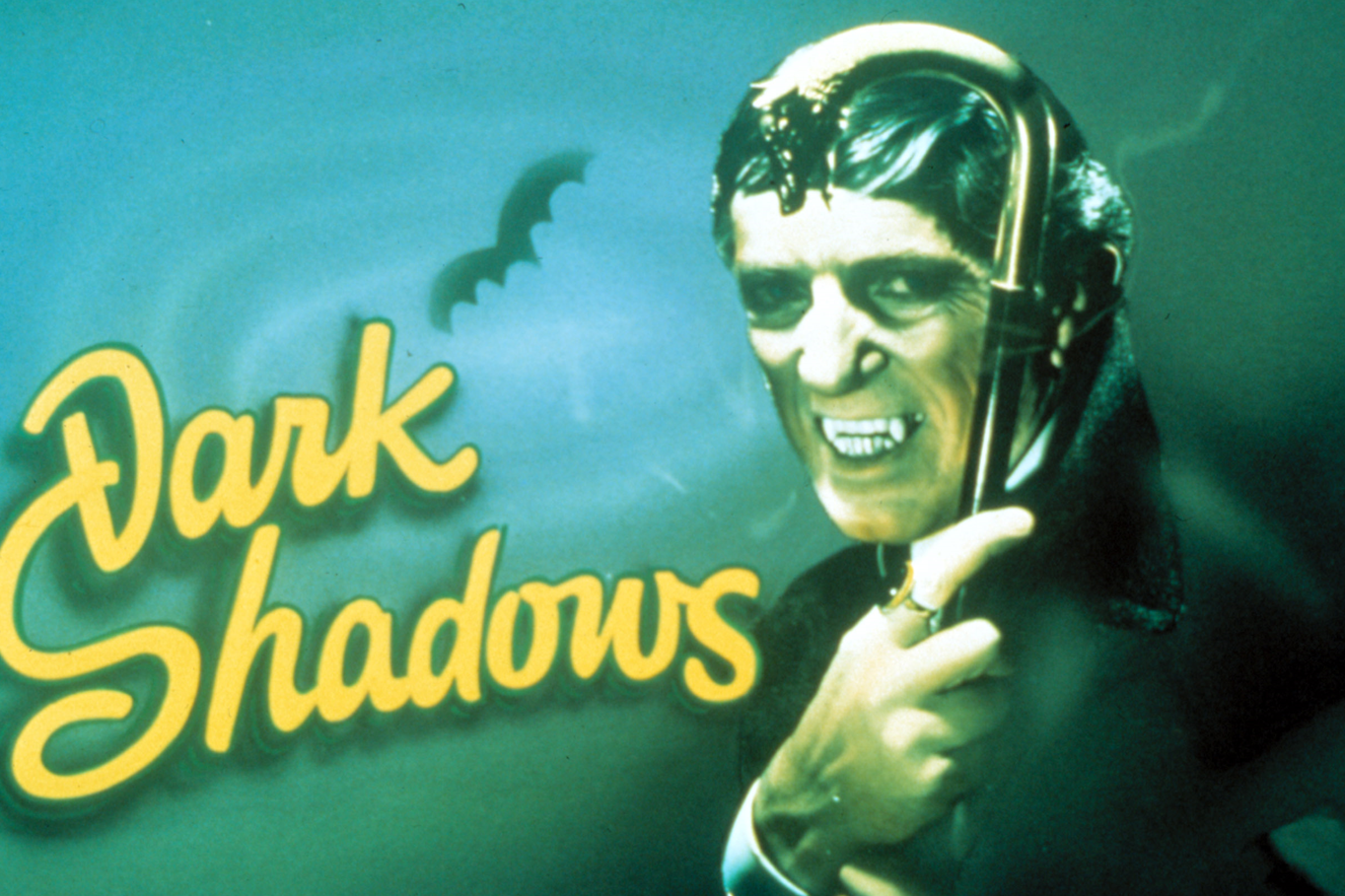
Daytime television changed forever when Dark Shadows introduced vampires, ghosts, and time travel into a soap opera format. It was a wild idea that somehow worked, creating devoted fans who rushed home to watch each episode. The gothic atmosphere gave afternoon TV a dramatic edge. Nothing else on daytime looked or felt like it.
The storytelling may show its low budget roots, but the ambition still stands out. The serialized supernatural plotlines paved the way for modern genre soaps and fantasy dramas. Fans continue to discover it through streaming and reruns. Its willingness to experiment keeps it oddly timeless.
6. Batman
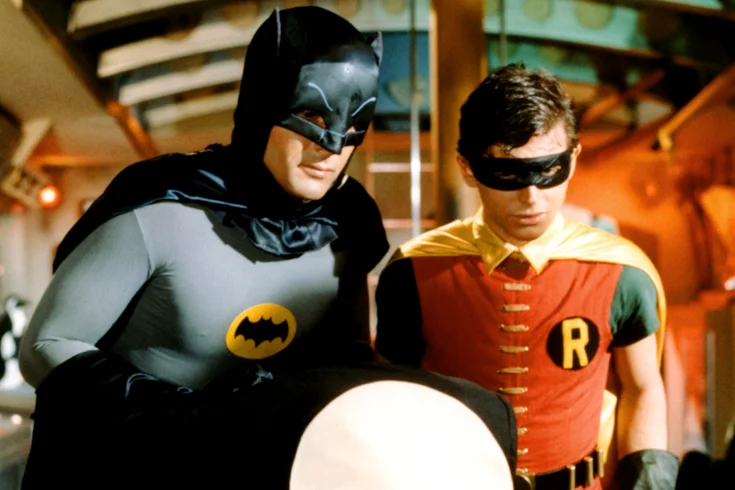
The colorful pop art explosion of Batman in 1966 completely flipped superhero storytelling on its head. Instead of dark realism, it embraced camp, humor, and exaggerated villains. The on screen sound effects and bright costumes made it instantly recognizable. It treated comic book silliness as something to celebrate rather than hide.
That playful tone still works today because it knows exactly what it is. The cast leaned fully into the fun without mocking the material. Many modern superhero projects still borrow its sense of stylized spectacle. It remains a reminder that fun can coexist with clever storytelling.
7. Rowan & Martin’s Laugh-In
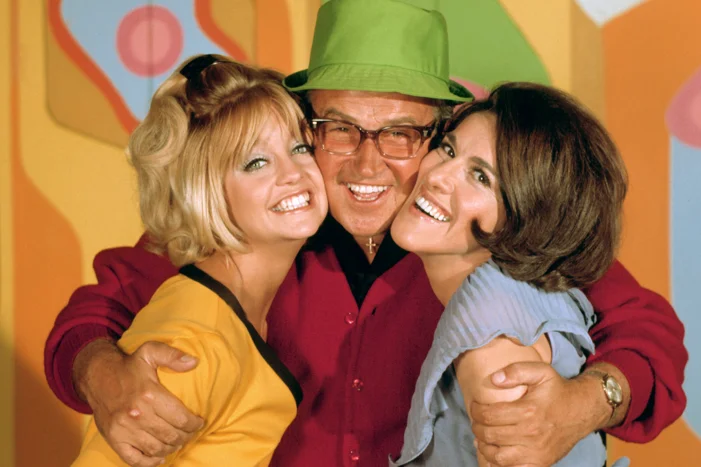
When Rowan & Martin’s Laugh-In premiered in 1968, it felt like controlled chaos on television. Rapid fire jokes, political satire, and visual gags flew at audiences with dizzying speed. It reflected youth culture and counterculture in ways few network shows dared. The humor often pushed boundaries for what could air in prime time.
The fast paced sketch style feels surprisingly modern, similar to internet humor and social media pacing. Many of its catchphrases and performers became part of pop culture history. The show proved that TV comedy could move fast and still land smart commentary. Its influence is easy to trace in later sketch shows.
8. Mission: Impossible
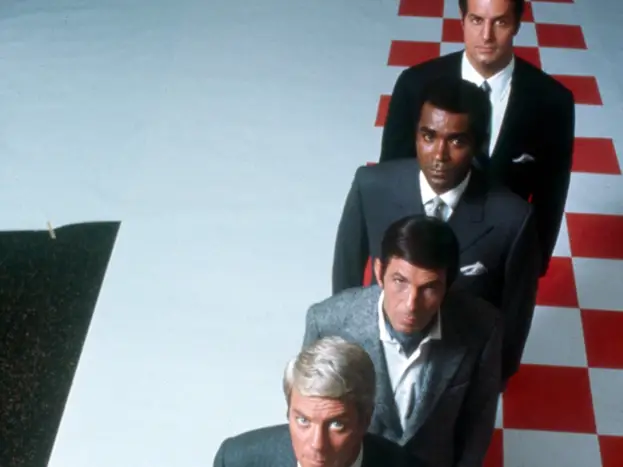
Mission: Impossible brought intricate plotting and clever problem solving to television in 1966. Instead of relying on fistfights or romance, the show emphasized strategy, teamwork, and precision. Each episode felt like a puzzle viewers could follow along with. That level of complexity was uncommon for the time.
The structure still feels tight and satisfying today. The emphasis on competence and collaboration keeps it refreshing compared to more melodramatic dramas. Many modern procedural thrillers follow a similar template. Its storytelling discipline continues to hold up remarkably well.
9. Get Smart
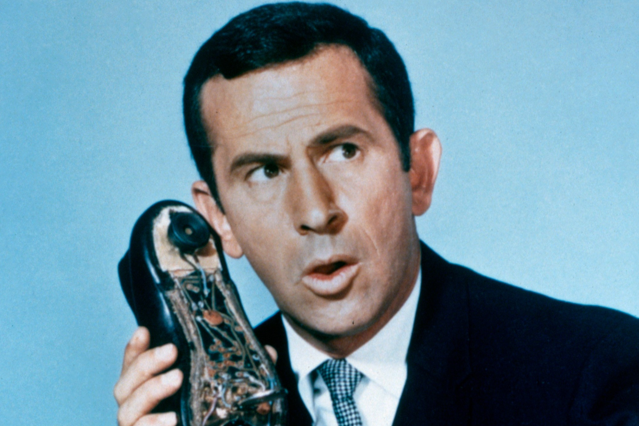
Get Smart took the spy craze of the ’60s and gleefully turned it upside down. Don Adams’ Agent 86 was hilariously incompetent yet oddly lovable. The jokes leaned into absurd gadgets, misunderstandings, and wordplay. It proved parody could thrive on network television.
The humor remains accessible because it relies more on character than topical references. Physical comedy and clever timing still land with new audiences. Many later spoof films and series owe a debt to its style. It continues to feel playful rather than dated.
10. The Dick Van Dyke Show
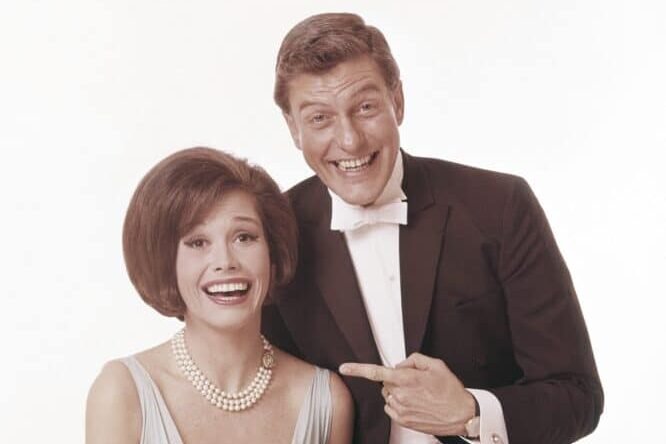
The Dick Van Dyke Show quietly reshaped the modern sitcom with its smart writing and realistic marriage dynamic. It portrayed working life and home life with warmth and wit instead of rigid stereotypes. Mary Tyler Moore’s Laura felt relatable and spirited rather than purely domestic. The comedy trusted its audience to appreciate clever dialogue.
The show’s humor still feels natural and human today. Many of its situations remain recognizable to modern viewers. The chemistry among the cast keeps episodes lively and sincere. It remains a template for character driven comedy.
11. Bewitched
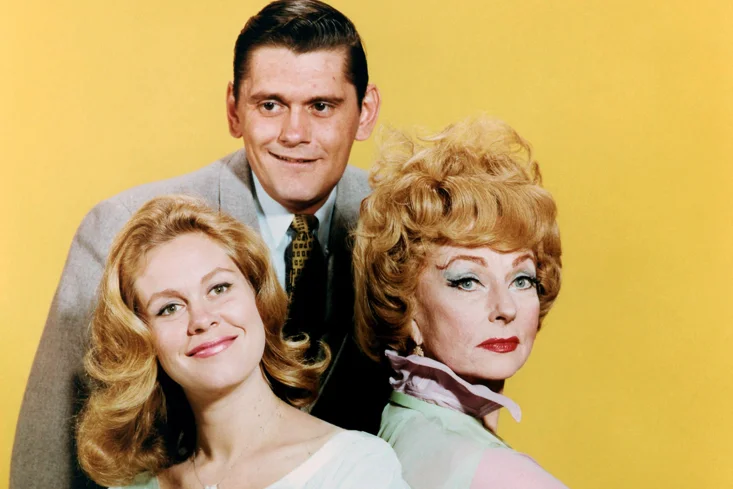
Bewitched used fantasy to explore everyday domestic life in a playful way. Samantha’s magical abilities often clashed with social expectations and suburban normalcy. Beneath the laughs, it gently questioned gender roles and conformity. That layered approach gave it surprising depth.
The charm still holds because the characters feel sincere rather than cartoonish. Elizabeth Montgomery’s performance balances humor with emotional warmth. The magical effects may feel dated, but the storytelling remains relatable. It continues to connect with new generations of viewers.
12. I Dream of Jeannie
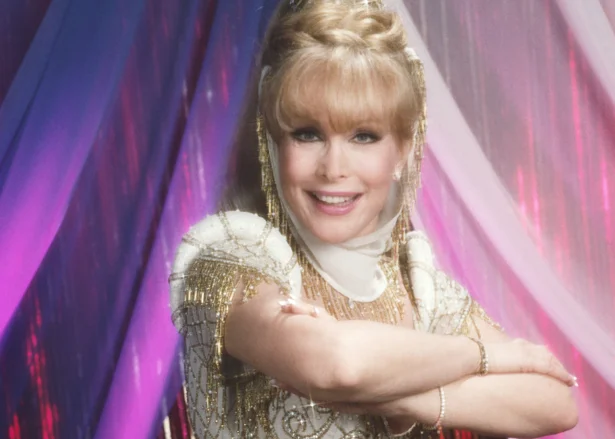
With I Dream of Jeannie, television leaned fully into whimsical fantasy comedy. The playful premise allowed for constant fish out of water humor and lighthearted escapism. Barbara Eden’s performance gave the character warmth and innocence that balanced the silliness. Audiences embraced its cheerful tone.
The show still feels breezy and comforting today. Its humor relies more on personality than cultural references. That makes it easy to revisit without feeling dated. It remains a nostalgic favorite that continues to attract casual viewers.
13. The Monkees
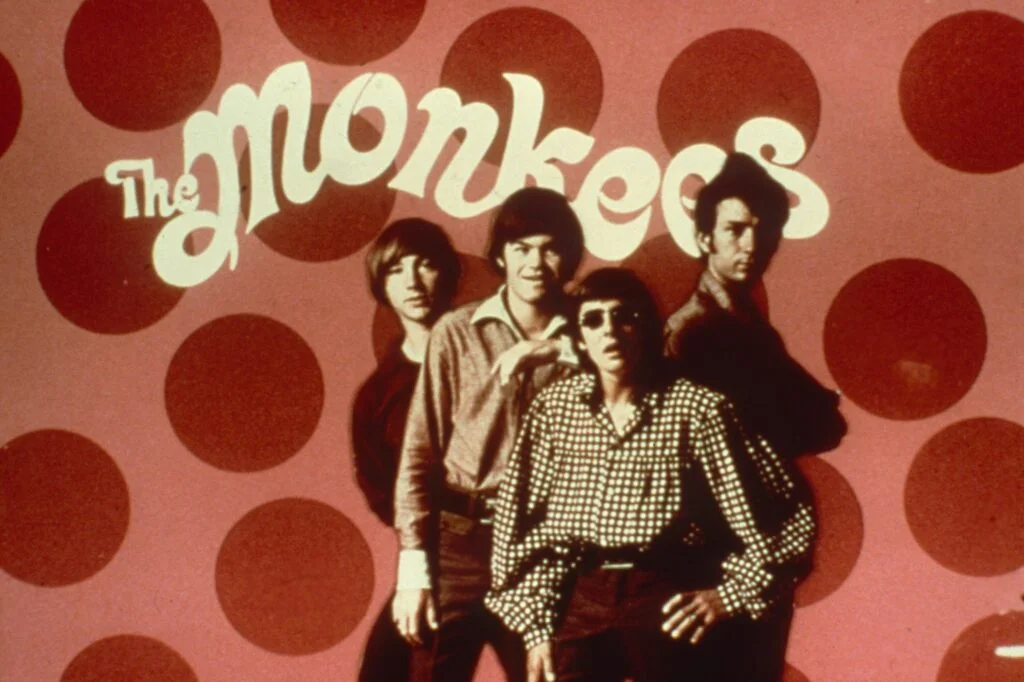
The Monkees blended sitcom storytelling with music videos long before MTV existed. The show embraced jump cuts, surreal humor, and playful fourth wall breaks. It felt more like a visual experiment than a traditional sitcom. That creative freedom made it stand out immediately.
The energy still feels youthful and inventive. Many modern music driven shows echo its fast paced style. The band’s chemistry keeps the episodes lively and fun. It remains a fascinating snapshot of pop culture creativity.
14. The Smothers Brothers Comedy Hour
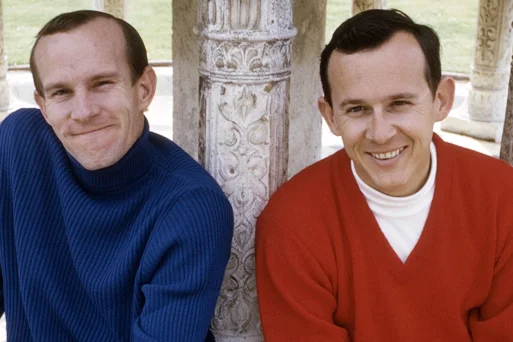
The Smothers Brothers Comedy Hour pushed political satire onto mainstream television during a turbulent era. The show openly addressed war, censorship, and social change in ways that unsettled network executives. Sketches often sparked controversy and debate. That willingness to challenge authority was groundbreaking.
Its sharp commentary still feels relevant in today’s media landscape. The humor remains smart rather than mean spirited. Many modern political comedy programs follow a similar model. It stands as proof that television can provoke thoughtful conversation while still entertaining.