
1. Pet Rock
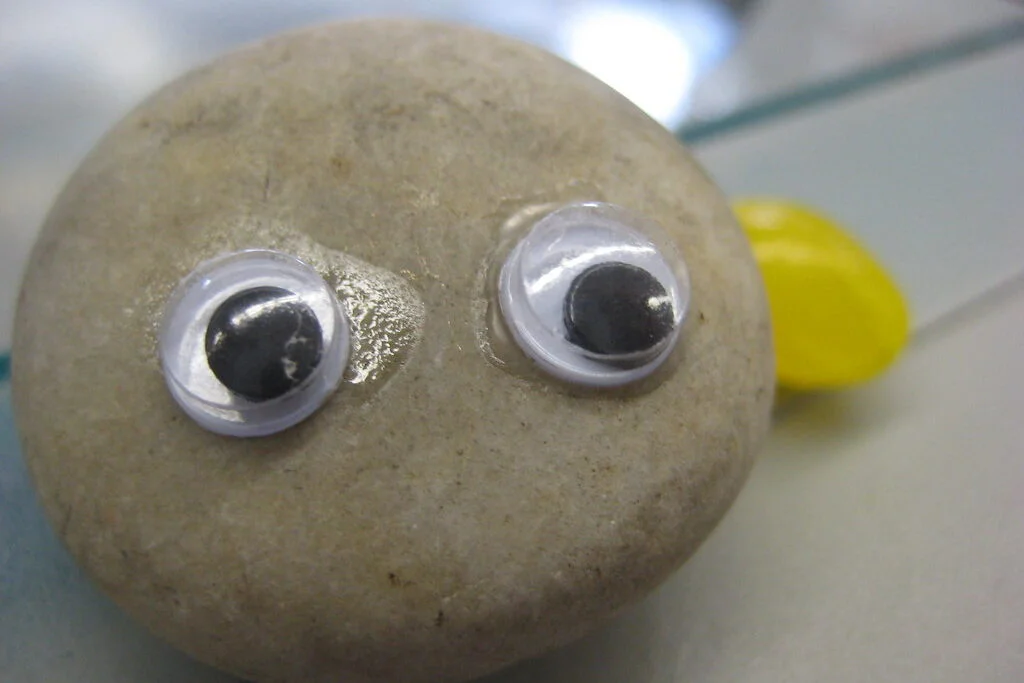
If you grew up in the mid ’70s, there’s a good chance you or someone you knew proudly owned a literal rock in a cardboard box. The Pet Rock came with straw bedding and a tongue in cheek instruction manual that explained how to train, groom, and care for your very quiet companion. It was a perfect snapshot of the era’s offbeat humor and slightly anti consumer spirit. Kids loved the joke, adults loved the novelty, and somehow millions of rocks sold almost overnight.
Looking back, it’s hard not to laugh at how seriously people took something so obviously silly. There were no batteries, no moving parts, and absolutely no educational value unless you count learning irony at a young age. Still, the Pet Rock became a cultural moment, showing that sometimes the strangest ideas catch fire fastest. It remains one of the most bizarre success stories in toy history.
2. Stretch Armstrong
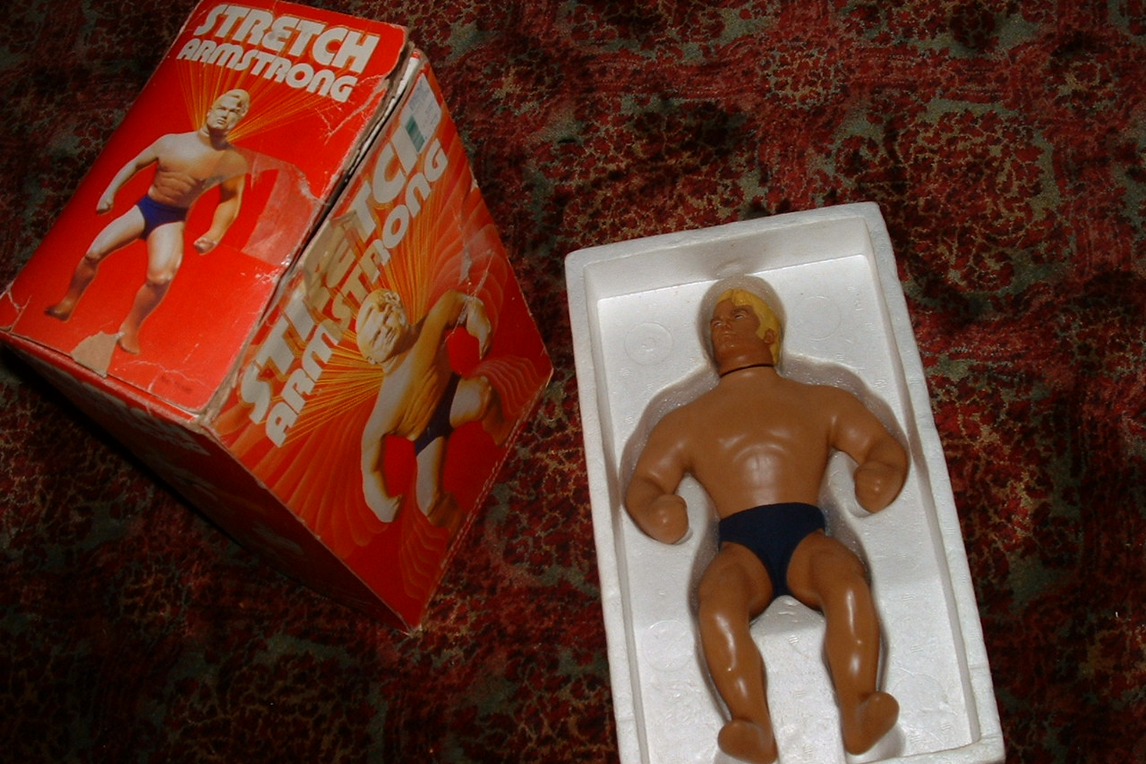
Stretch Armstrong looked like a regular action figure until you grabbed his arms and realized he could stretch across the room. Filled with a thick gel, he could be pulled, twisted, and tied into knots before slowly snapping back into shape. Kids were fascinated by how far they could push him without breaking anything. It felt slightly magical, especially compared to rigid plastic toys of the time.
Of course, every kid eventually tested the limits a little too far, leading to leaks, sticky messes, or total blowouts. That only added to the legend of the toy, because everyone seemed to have a Stretch Armstrong disaster story. He was equal parts impressive and unsettling, especially when left half stretched on the floor overnight. Even today, people remember him as strangely satisfying to play with.
3. Evel Knievel Stunt Cycle
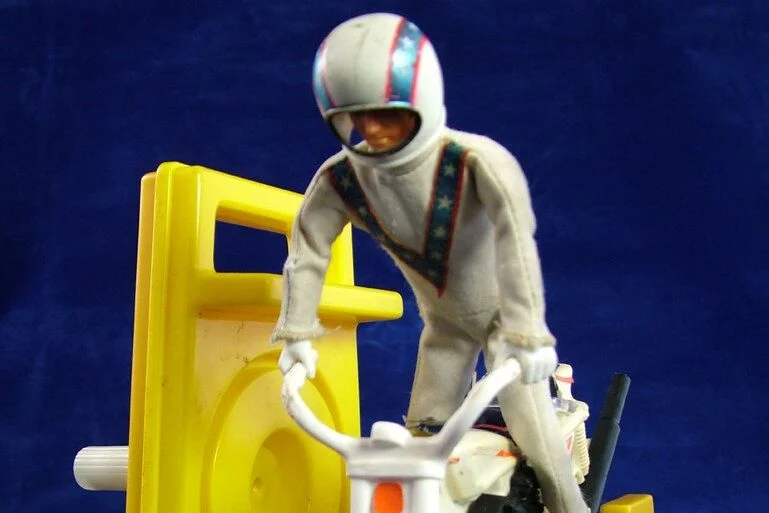
Evel Knievel was a real life superhero in the ’70s, and his Stunt Cycle toy let kids recreate his death defying jumps in their living rooms. You revved the motorcycle, let it rip, and watched Evel fly off ramps, books, and furniture with reckless abandon. The thrill came from seeing how far and how wildly he could crash. It felt daring even when nothing more dangerous than a lamp was involved.
Parents often worried about the noise, the flying parts, and the potential for household damage. Kids, of course, loved all of that chaos. The toy captured the era’s obsession with stunts and spectacle in a very physical way. It was loud, fast, and slightly unhinged, which made it unforgettable.
4. Sea-Monkeys

Sea-Monkeys promised an underwater civilization you could grow in a tiny plastic tank. The comic book ads made them look like smiling little creatures with crowns and families, which was wildly misleading. In reality, they were tiny brine shrimp that mostly looked like drifting specks in cloudy water. Still, the idea of creating life in your bedroom felt thrilling and mysterious.
Kids hovered over their tanks waiting for something magical to happen. Some were disappointed, others became oddly attached to their nearly invisible pets. The disconnect between the ads and reality became part of the legend of Sea-Monkeys. They were strange, slightly disappointing, and somehow still fascinating.
5. Weebles
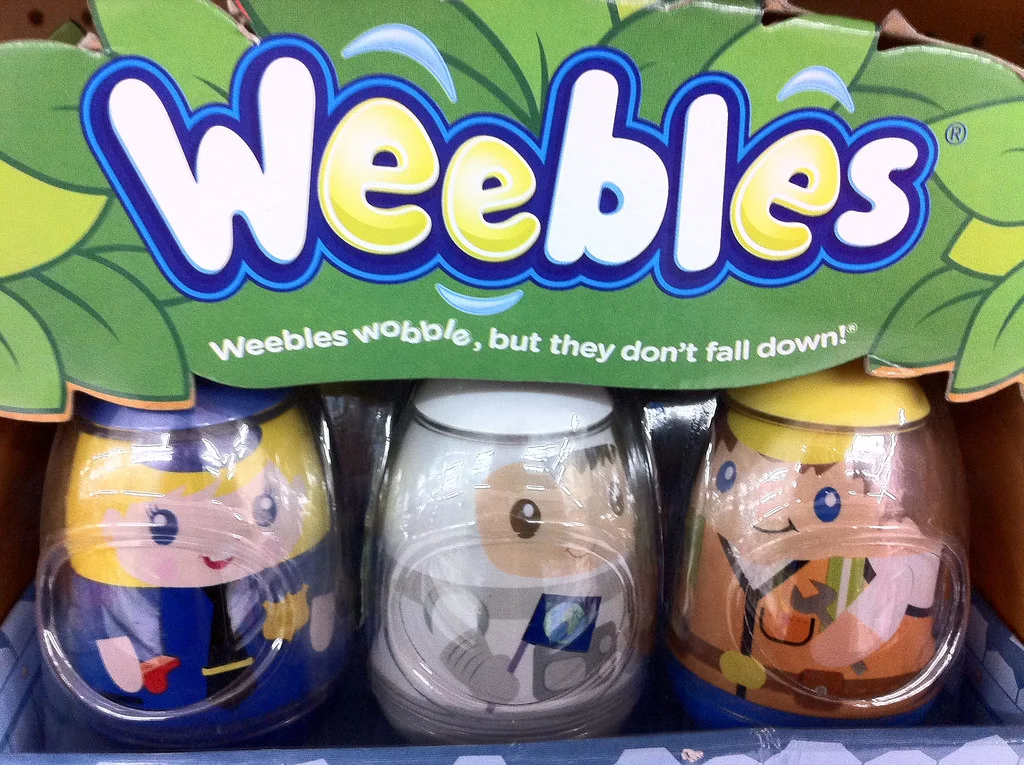
Weebles were egg shaped figures that wobbled but refused to fall over, thanks to weighted bottoms. They came in themed sets like houses, vehicles, and schools, encouraging imaginative play. Watching them bounce back upright never got old. There was something oddly soothing about pushing them over and watching them pop back up.
The famous slogan practically became part of childhood vocabulary. Even though the concept was simple, the design felt clever and satisfying. Kids invented elaborate stories with these round little characters, even if they all looked vaguely the same. Their cheerful wobble made them both charming and slightly absurd.
6. Baby Alive
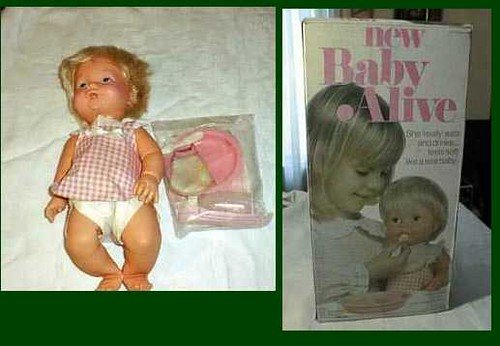
Baby Alive was one of the first dolls that could actually eat and then, well, process its food. You mixed powdered packets with water, spoon fed the doll, and waited for the inevitable diaper change. For many kids, it felt incredibly realistic and a little shocking. It added a whole new level of responsibility to doll play.
Parents often had mixed feelings about the mess and maintenance involved. The novelty of feeding and cleaning up after a toy was both fascinating and mildly gross. Still, kids loved the sense of caretaking and realism. It was a strange blend of nurturing and novelty that felt very ’70s.
7. Simon
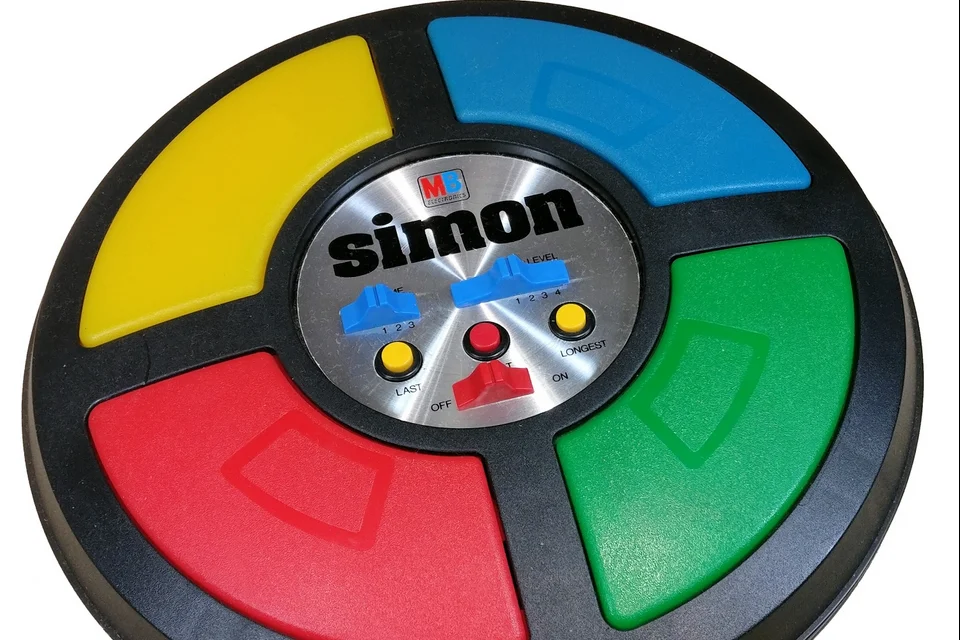
Simon was a circular electronic game that challenged your memory with flashing lights and tones. You had to repeat longer and longer sequences without making a mistake. It was simple in concept but surprisingly intense once the patterns sped up. Family game nights often turned into competitive showdowns over who could last the longest.
The bright colors and electronic sounds felt futuristic at the time. Losing a round with that harsh buzzer sound was oddly dramatic. It was one of those toys that made you feel smart when you won and deeply frustrated when you lost. Even now, the sounds instantly trigger nostalgia.
8. Speak & Spell
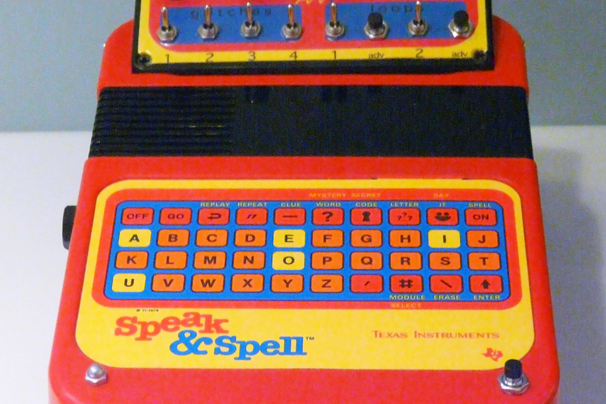
Speak & Spell introduced many kids to the idea that toys could actually talk back. You typed in answers on the keypad while the electronic voice spelled words and corrected mistakes. The robotic voice was charming and slightly eerie at the same time. It felt like a tiny computer long before most homes had one.
Kids loved hearing the machine pronounce words and offer encouragement. Parents appreciated the educational angle, even if the voice sometimes sounded like it came from outer space. The novelty of interacting with a talking toy was huge at the time. It made learning feel futuristic and fun.
9. Merlin
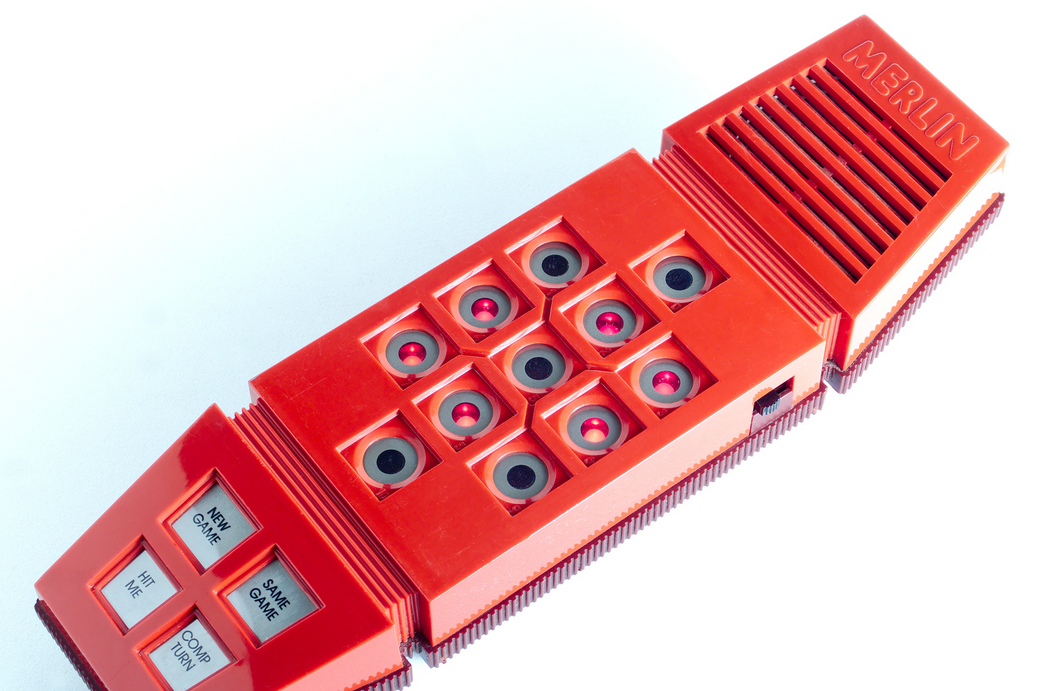
Merlin looked like a red plastic brick with lights and buttons, but it contained multiple electronic games. You could play memory challenges, tic tac toe, and logic games all in one handheld device. For the late ’70s, this felt incredibly advanced. It was basically an early cousin of handheld gaming systems.
Kids carried it everywhere, tapping buttons and chasing high scores. The beeping sounds and blinking lights made it feel like something from a sci fi movie. It was oddly hypnotic despite its very simple graphics. Merlin proved that screens were not necessary to get kids hooked on digital play.
10. Shrinky Dinks
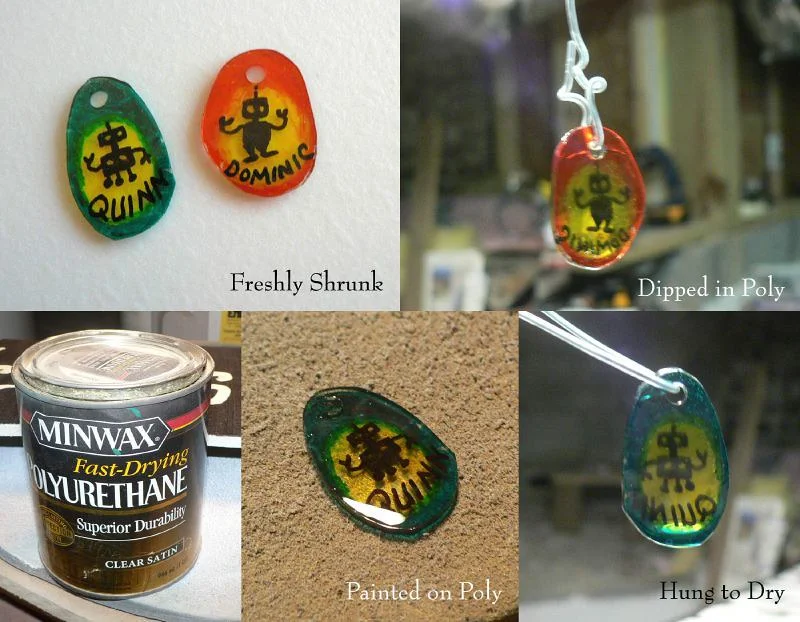
Shrinky Dinks let kids color plastic sheets, cut out shapes, and then watch them shrink in the oven into thick little charms. The transformation felt like pure magic the first time you saw it happen. Designs curled up, warped, and suddenly hardened into tiny versions of themselves. It was a craft project and a science experiment rolled into one.
Parents supervised nervously while kids hovered near the oven door. The smell of warming plastic became part of the experience, for better or worse. Kids loved turning their artwork into wearable or collectible pieces. It was creative, slightly chaotic, and endlessly entertaining.
11. Hungry Hungry Hippos
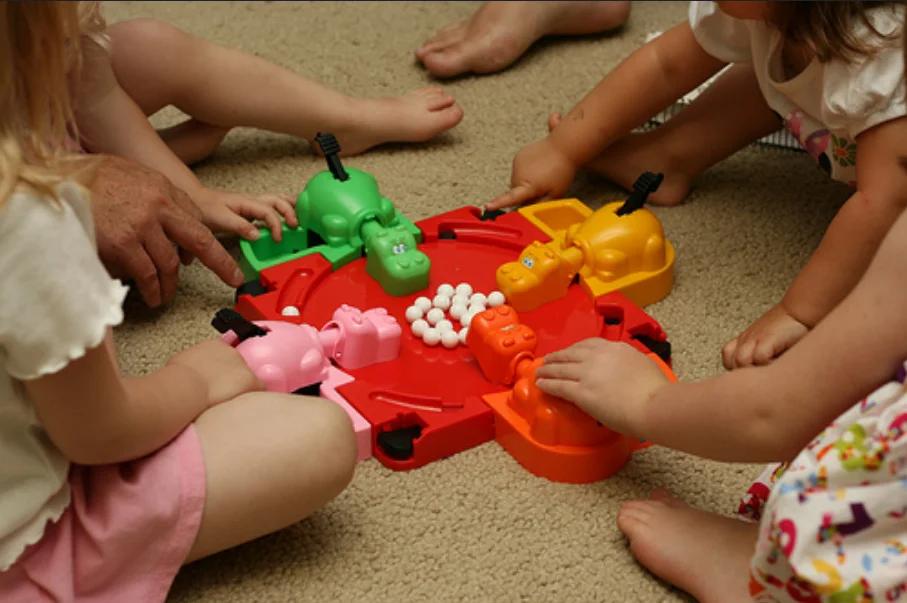
Hungry Hungry Hippos was loud, fast, and wonderfully chaotic. Players slammed levers to make their plastic hippos chomp as many marbles as possible. The game usually ended with marbles flying across the room and someone laughing uncontrollably. It was pure kinetic energy in board game form.
There was very little strategy involved, which somehow made it even more fun. Kids loved the frantic pace and competitive shouting. Parents tolerated the noise because it kept everyone engaged and moving. It was messy, silly, and completely unforgettable.
12. Spirograph
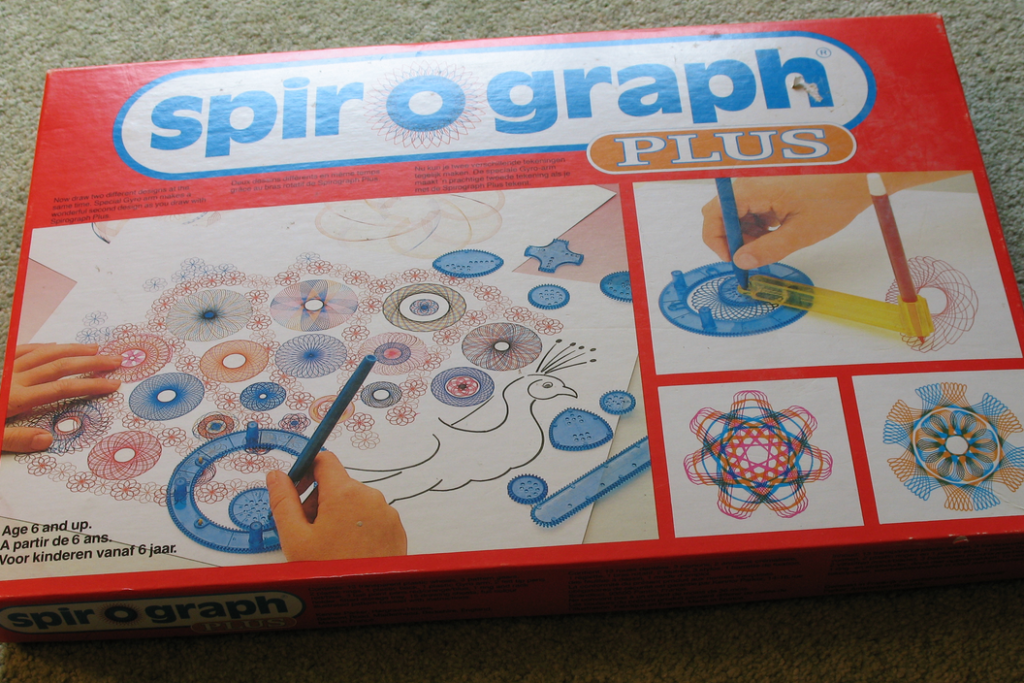
Spirograph let kids create intricate geometric designs using plastic gears and colored pens. You carefully lined up the pieces and watched mesmerizing patterns emerge on paper. It felt both artistic and mathematical at the same time. The results often looked far more impressive than the effort required.
Kids could spend hours experimenting with different combinations and colors. There was something deeply satisfying about seeing perfect loops form again and again. It appealed to creative kids and puzzle lovers alike. The only real frustration came when a pen slipped and ruined an otherwise perfect design.
13. Rock ’Em Sock ’Em Robots
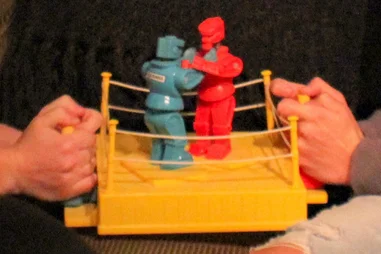
Rock ’Em Sock ’Em Robots turned boxing into a tabletop battle between two plastic fighters. You slammed levers to make the robots punch until one head popped off in victory. The dramatic knockout moment never failed to get cheers. It was simple, physical, and hilariously intense.
Matches often ended in rematches, rivalries, and plenty of laughter. The clacking sounds and jerky movements added to the charm. It wasn’t realistic boxing by any stretch, but that made it more fun. The toy captured pure competitive joy in the most wonderfully ridiculous way.