
1. Apple’s “1984” Super Bowl Commercial
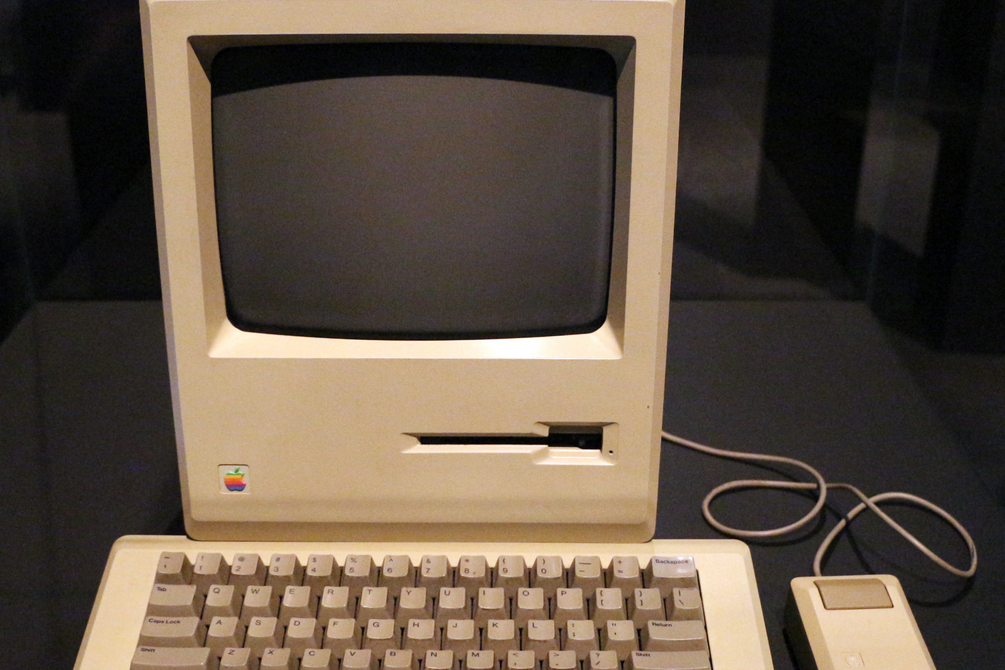
If you only knew Apple from clean white stores and minimalist iPhones, this ad still feels like it came from another planet. Directed by Ridley Scott, the spot showed a gray, authoritarian crowd hypnotized by a giant screen before a lone athlete smashes it with a hammer. It barely mentioned computers at all, which felt risky even then. Viewers were left slightly confused, slightly thrilled, and very curious. The commercial aired nationally just once during the Super Bowl in January 1984, which only added to its mystique. People talked about it for days afterward because nothing else on TV looked remotely like it.
Watching it now, the imagery feels more like a dystopian movie trailer than an electronics ad. The symbolism was bold, strange, and unapologetically serious for something meant to sell a personal computer. It also cemented the idea that commercials could be cinematic events instead of background noise. Modern tech ads tend to explain features and benefits, not smash totalitarian video screens. It remains weird in the best possible way.
2. Maxell’s “Blown Away Guy”
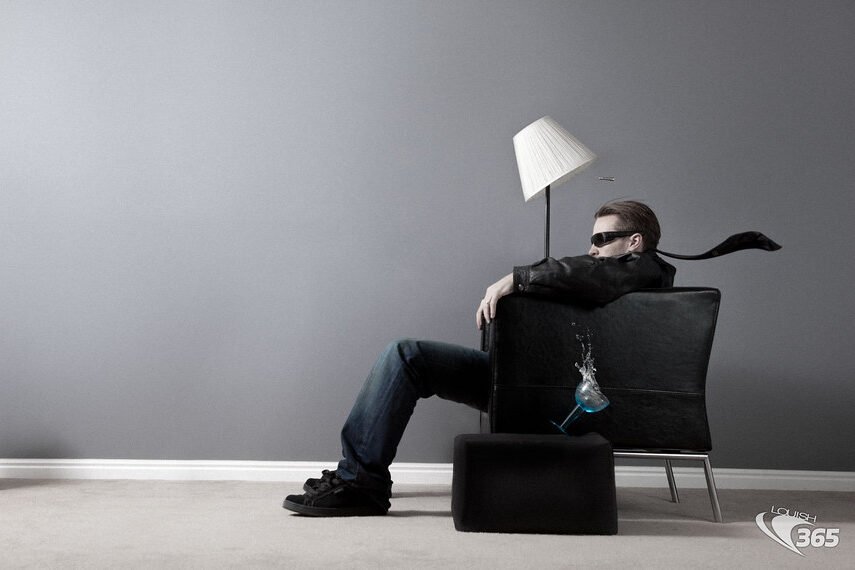
This commercial showed a man sitting in a chair while a powerful stereo system blasted sound waves so strong they physically pushed him backward. His hair and tie whipped around wildly as if he were inside a wind tunnel. The message was simple, these speakers were incredibly powerful. The visual, however, bordered on absurd and slightly dangerous. It became an instantly recognizable image in pop culture. Many people remember the visual more than the actual product.
Today it looks like a parody of exaggerated ’80s advertising bravado. Nobody expects sound waves to knock furniture across a room anymore. The practical effects give it a charmingly dated look that feels almost theatrical. It is memorable, but also deeply strange by modern standards. You would probably never see a company imply that its product might physically launch you out of a chair now.
3. The California Raisins Claymation Ads
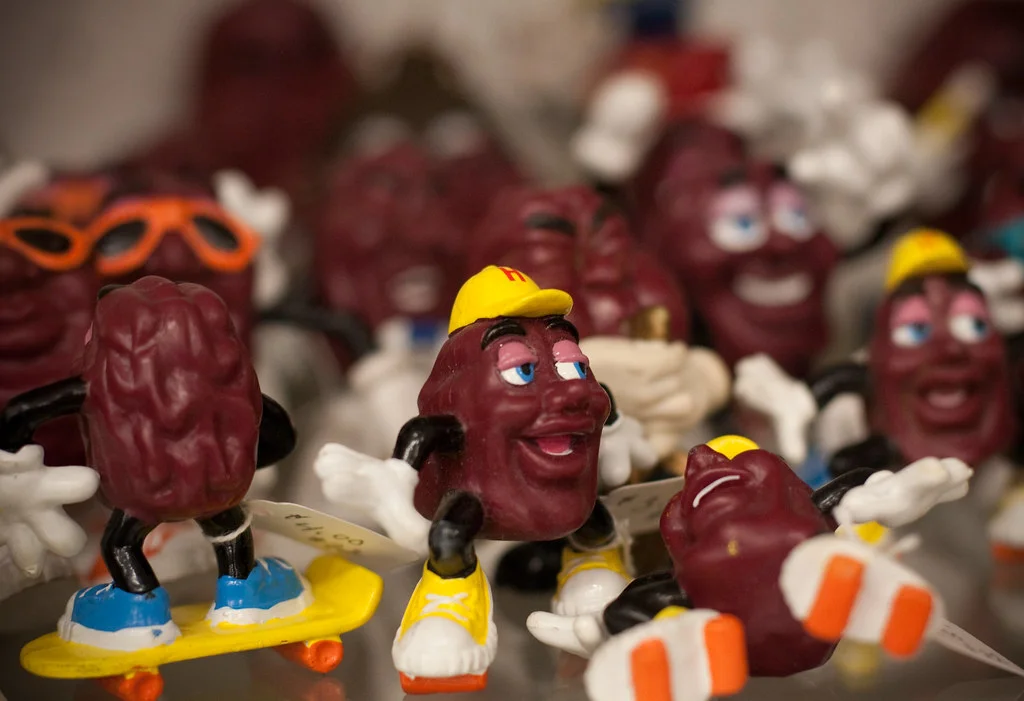
Suddenly, raisins were singing Motown hits and dancing in sunglasses and sneakers. The claymation characters debuted in the mid ’80s and quickly became cultural icons. They were charming, catchy, and oddly hypnotic. Seeing anthropomorphic dried fruit perform soul music was not something anyone asked for, yet it worked. The characters appeared in commercials, merchandise, TV specials, and even albums. Kids loved them and adults found them bizarrely endearing.
Looking back, the idea still feels wonderfully strange. It is hard to imagine a modern marketing team pitching singing raisins with straight faces. The animation style is unmistakably of its era and adds to the nostalgic weirdness. The campaign also blurred the line between advertising and pop culture in a way that feels rare today. Even if you loved them, they were undeniably odd.
4. McDonald’s Mac Tonight
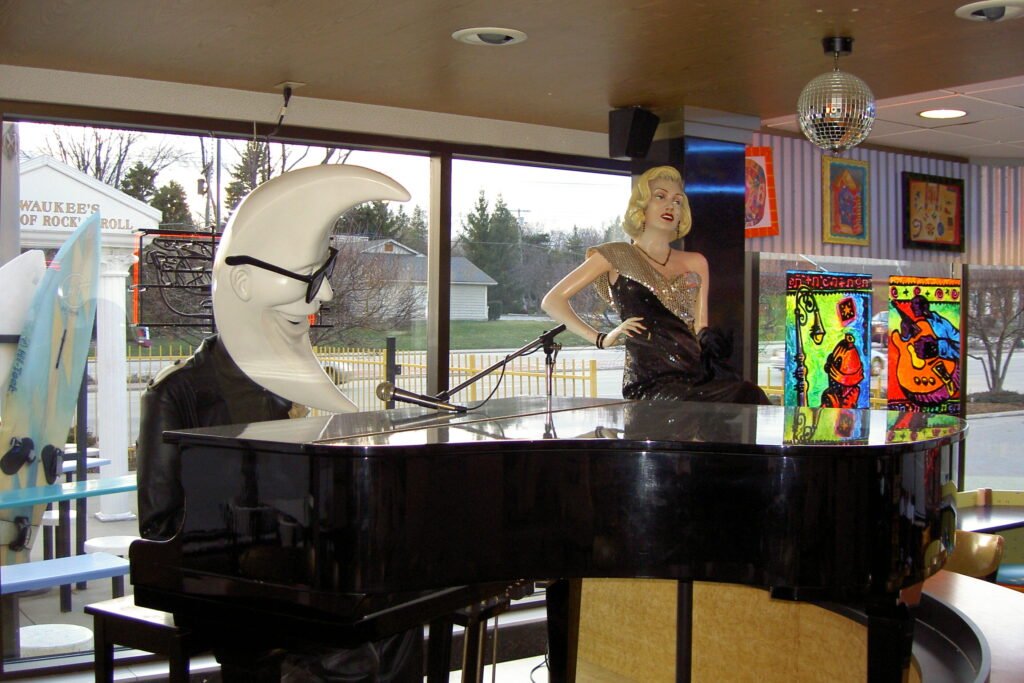
Mac Tonight was a moon-faced crooner in sunglasses who sang jazzy tunes about late night burgers. He looked like a cartoon character crossed with a lounge singer from another dimension. The commercials leaned heavily into surreal nighttime imagery and synth-heavy music. Kids found him fascinating and slightly creepy at the same time. He became a recognizable mascot almost overnight. The whole concept felt like a fever dream wrapped in neon lighting.
Seeing Mac Tonight now raises a lot of questions about how this ever made it past focus groups. The character design is strange, the tone is oddly moody for fast food, and the music feels wildly dated. Modern fast food ads usually aim for bright friendliness or humor, not mysterious moon men. Yet there is something charming about how unapologetically weird it was. It remains one of the strangest mascots ever tied to a hamburger.
5. Domino’s Pizza’s The Noid
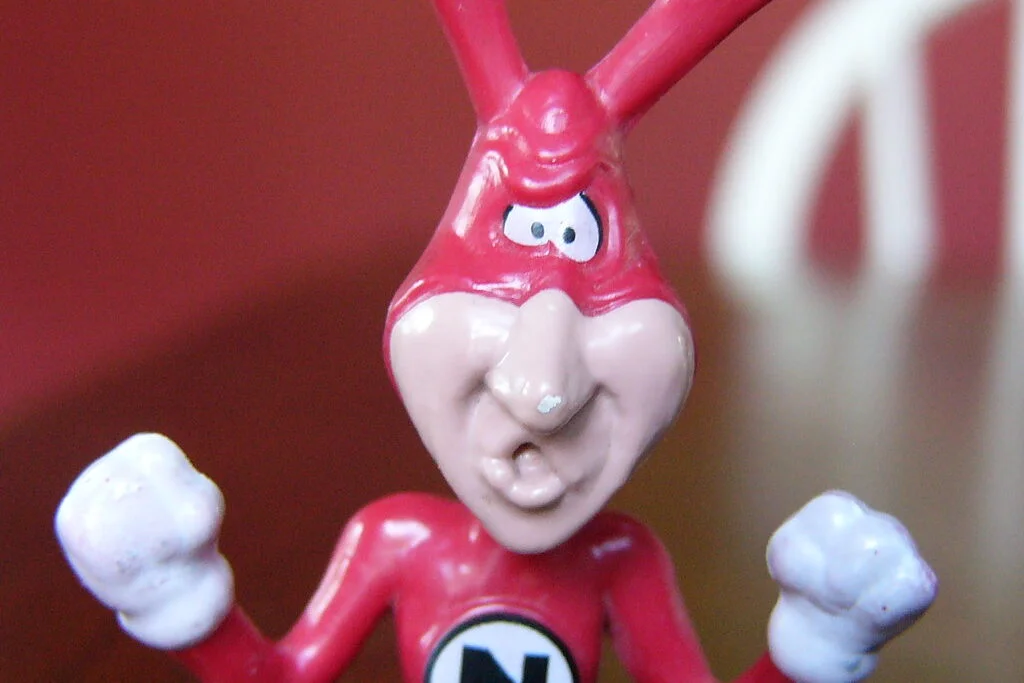
The Noid was a red-suited cartoon villain whose mission was to ruin your pizza delivery. He popped up everywhere causing chaos until Domino’s delivery drivers defeated him. The commercials were fast, loud, and intentionally frantic. Kids loved the slapstick energy and the strange character design. Adults often found him confusing or mildly unsettling. The mascot became unavoidable for a few years.
Watching these ads now feels like stepping into a hyperactive cartoon universe that barely makes sense. The idea of a corporate mascot whose entire personality is sabotage feels oddly aggressive. Modern branding tends to soften characters and make them more emotionally relatable. The Noid was pure chaos in spandex. It is memorable, but definitely weird by today’s standards.
6. Bud Light’s Spuds MacKenzie

Spuds MacKenzie was a partying bull terrier who somehow became the face of a beer brand. He showed up at beach parties, barbecues, and wild social scenes like a celebrity. The commercials leaned into exaggerated party culture and carefree fun. Seeing a dog positioned as a beer icon felt humorous and slightly absurd. Spuds became wildly popular almost overnight. He even appeared on merchandise and posters.
Looking back, it feels strange to center alcohol advertising around a cartoonish party dog. Today, brands are much more cautious about how they portray drinking and who they appeal to. The whole concept feels very of its time and a little reckless. It is fun, but also oddly surreal when viewed through a modern lens. A beer mascot probably would not look like this today.
7. The Clapper
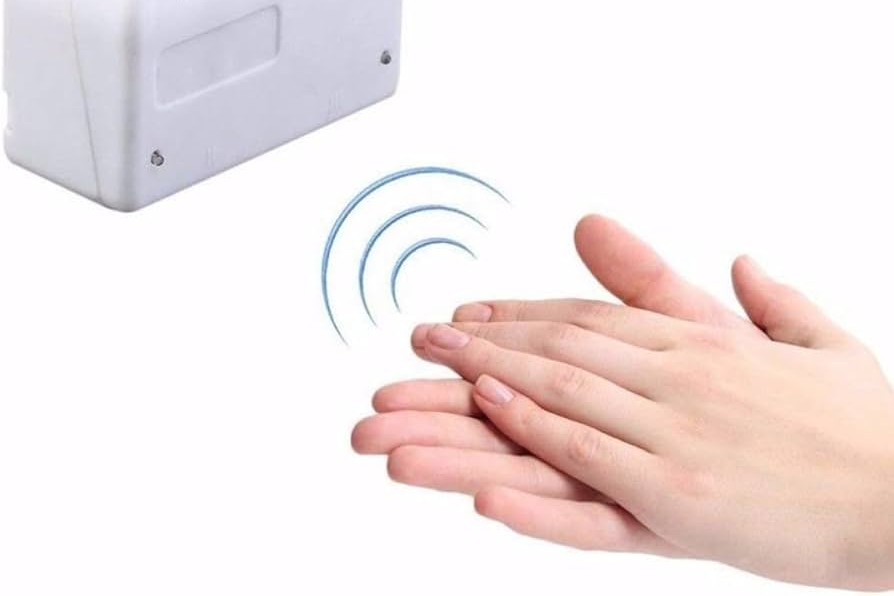
The Clapper promised that you could control your lights and appliances simply by clapping your hands. The commercials showed families gleefully clapping lights on and off like magic. It felt futuristic, even though the technology was extremely simple. The demonstrations were overly enthusiastic and slightly awkward. Everyone seemed amazed by something that now feels incredibly basic. The jingle alone became unforgettable.
Today, with smart homes, voice assistants, and automation apps, clapping your lights on feels almost quaint. The excitement in the ads now seems unintentionally funny. It also raises practical questions about how often your lights might accidentally turn on. Still, the concept captured the imagination of the time. It is charmingly weird in hindsight.
8. Hair Club for Men Infomercials
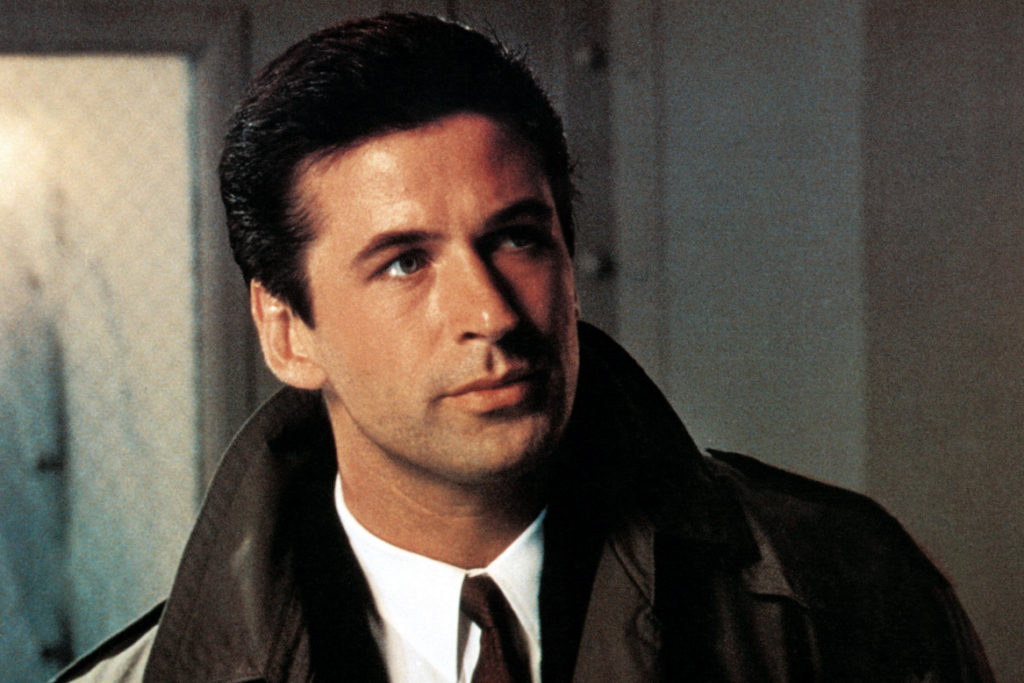
These commercials famously featured real men revealing dramatic hair transformations. The line, “I’m not only the president, I’m also a client,” became part of pop culture. The tone was intensely earnest and emotionally vulnerable. Men openly discussed hair loss on television, which felt surprisingly bold for the era. The transformations were presented like miraculous reveals. The format blurred the line between ad and testimonial.
Watching these now feels oddly intimate and slightly theatrical. The sincerity can come across as unintentionally humorous to modern audiences. Today’s beauty ads are more polished and less confessional. There is something uniquely ’80s about the straightforward emotional appeal. It is not shocking, but it is definitely strange by current standards.
9. Crazy Eddie Electronics Ads
If you grew up in certain regions, Crazy Eddie commercials were impossible to escape. The ads featured loud, frantic shouting about prices being “insane.” The delivery was chaotic, fast-paced, and intentionally overwhelming. The energy bordered on manic, which made them impossible to ignore. They felt more like a carnival barker than a typical retail ad. People remembered the catchphrases long after the ads aired.
Today, this style feels almost aggressive compared to modern advertising. Most brands aim for calm clarity rather than sensory overload. The shouting and frantic pacing now feel almost surreal. It is effective in a very old-school way. The weirdness lies in how intense it all feels.
10. Max Headroom Promoting New Coke
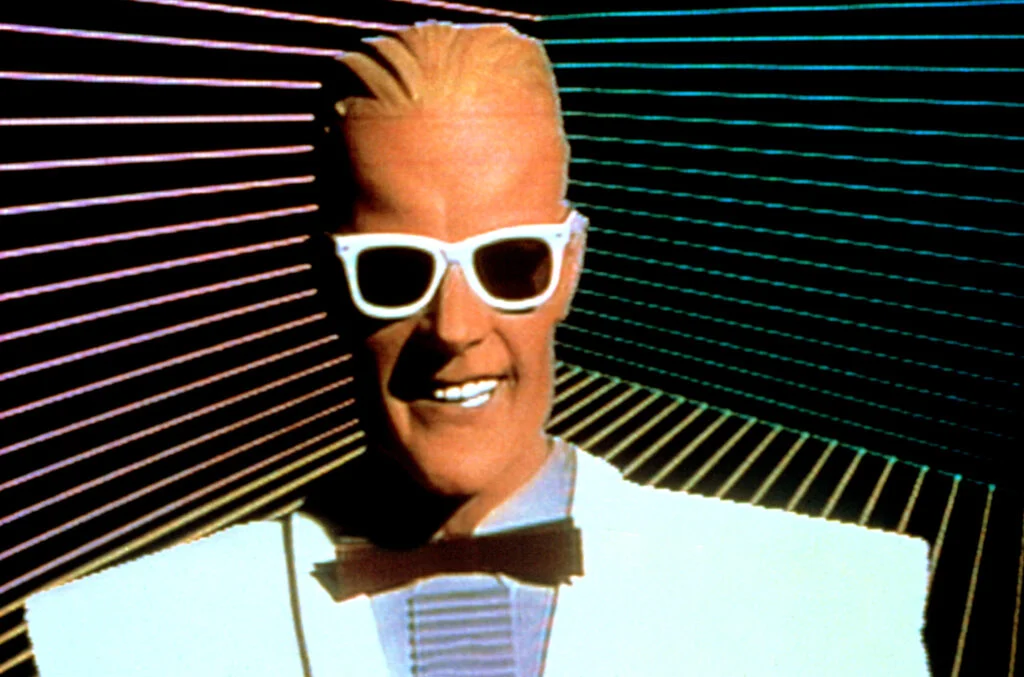
When Coca-Cola introduced New Coke in the mid ’80s, they leaned heavily into futuristic marketing. Max Headroom, a glitchy digital character, became one of the campaign’s faces. His stuttering speech and artificial look felt cutting-edge at the time. The commercials leaned into computer culture and synthetic personalities. It was bold, strange, and slightly unsettling. Unfortunately, New Coke itself became one of the biggest marketing missteps in history.
Rewatching these ads now makes the digital effects look charmingly primitive. Max Headroom still feels weird, even by modern CGI standards. The idea of using a virtual character to sell soda feels oddly disconnected. It reflects a moment when technology felt mysterious and slightly intimidating. The result is a fascinating time capsule of ’80s futurism.
11. The Energizer Bunny
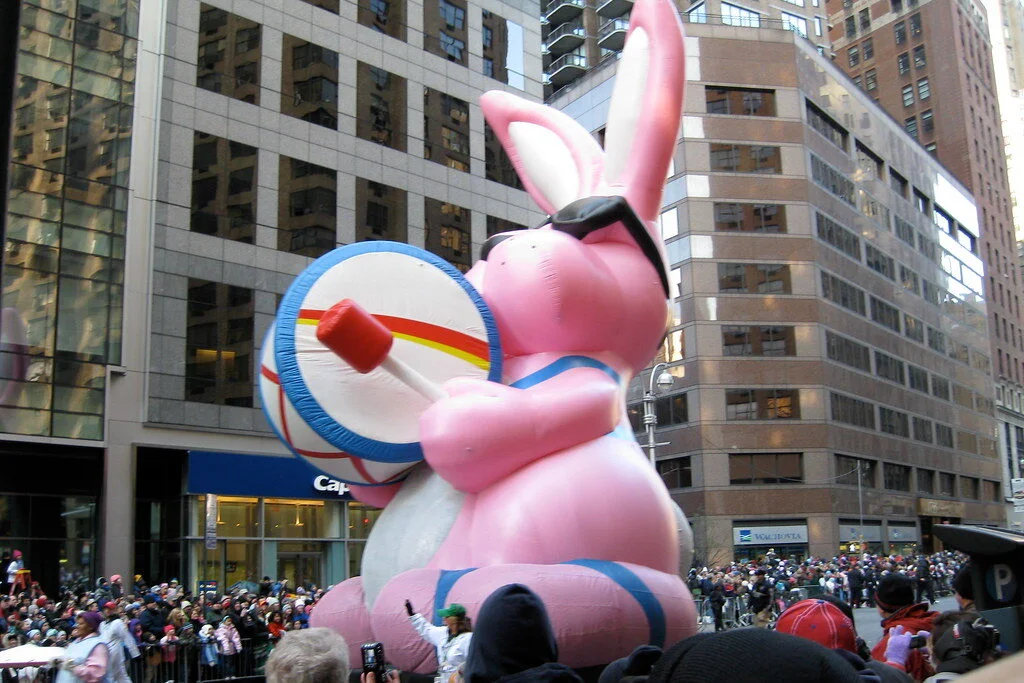
The Energizer Bunny debuted at the very end of the decade and quickly became unavoidable. He marched endlessly across screens beating a drum while other commercials pretended to end. The joke was that he kept going and going, just like the batteries. The interruption format surprised viewers and broke traditional ad structure. It was playful, disruptive, and slightly chaotic. The pink bunny became instantly recognizable.
Today, the concept still feels clever, but also strangely intrusive. Modern viewers are more accustomed to meta humor in advertising. Back then, it felt genuinely surprising to see a character crash other ads. The simplicity of the gag gives it a timeless but still quirky quality. It remains oddly delightful and slightly weird.
12. Wendy’s “Where’s the Beef?”
This campaign featured an elderly woman peering at a massive hamburger bun and demanding more meat. The phrase “Where’s the beef?” quickly became a national catchphrase. The humor was simple, blunt, and instantly relatable. It mocked competitors without directly naming them. The character became a pop culture figure almost overnight. The ads ran constantly and were quoted everywhere.
Watching them now feels like stepping into a very specific moment in advertising history. The pacing and delivery feel slower and more theatrical than modern fast food ads. The humor still lands, but the presentation feels dated. It is charming, slightly strange, and deeply nostalgic. You can almost hear the catchphrase echoing through the decade.