
1. Bewitched, “Sisters at Heart” (1964)
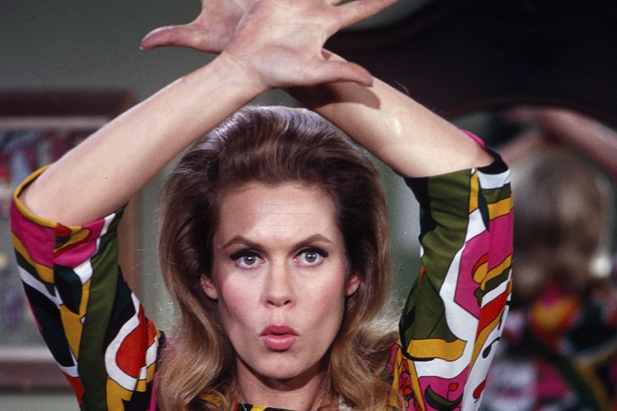
When this episode aired, it quietly tackled racial prejudice at a time when sitcoms almost never addressed the subject directly. Tabitha magically makes herself and a visiting Black girl look alike so they can better understand each other’s lives, which leads to some very honest conversations between the adults. For a show built on magical mishaps and romantic comedy, the emotional weight surprised a lot of viewers. It was gentle, sincere, and remarkably progressive for network television in the mid ’60s.
What made it influential is how it showed that a fantasy sitcom could still engage with real social issues without becoming preachy. Many viewers remember being struck by how natural the message felt inside a lighthearted show. It helped open the door for later sitcoms to explore race, identity, and empathy in approachable ways. Even today, the episode stands out as one of the boldest moments in the series.
2. The Dick Van Dyke Show, “It May Look Like a Walnut” (1961)
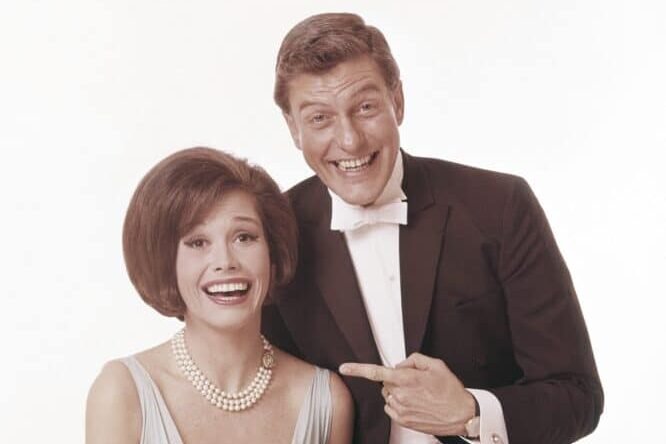
This episode famously leaned into full-blown science fiction parody, complete with mind control, aliens, and bizarre special effects. Watching Rob and Laura behave like emotionless impostors was both hilarious and genuinely strange for a mainstream sitcom audience. At the time, most sitcoms stayed grounded in everyday domestic humor, so this genre detour felt almost daring. Some viewers weren’t sure what they were watching at first.
The episode became influential because it proved sitcoms could experiment with tone and genre without losing their audience. It paved the way for later comedies to play with fantasy, parody, and surreal storytelling. Fans still cite it as one of the most inventive episodes of the series. It remains a benchmark for how far a half-hour comedy can stretch creatively.
3. The Andy Griffith Show, “Opie the Birdman” (1960)
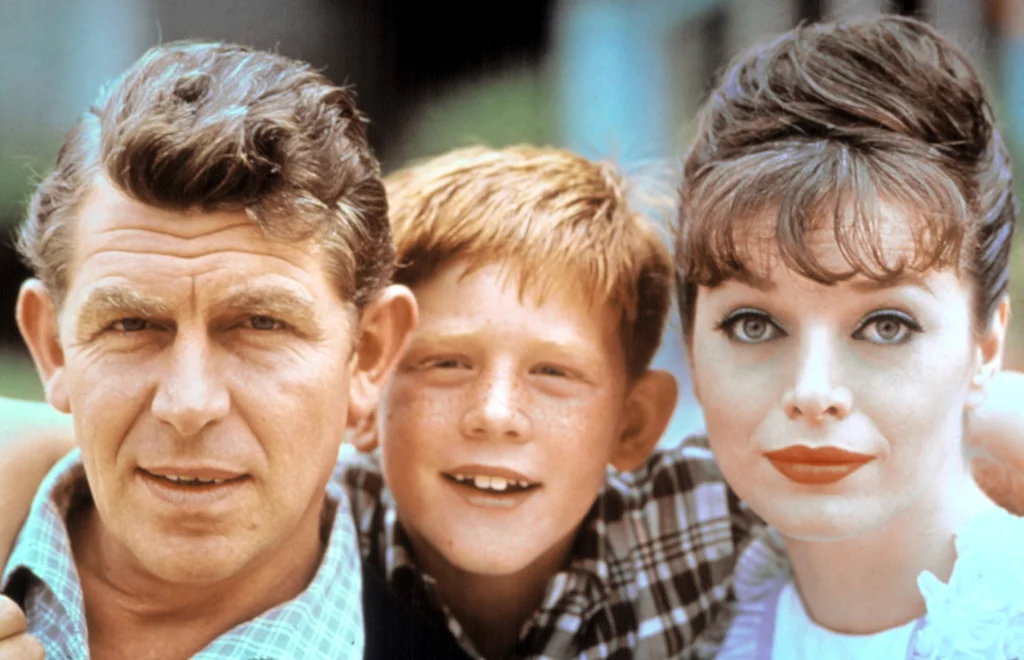
This early episode hit viewers with an unexpectedly emotional storyline when Opie accidentally kills a mother bird and takes responsibility for her chicks. The gentle lesson about guilt, compassion, and growing up felt far deeper than what people expected from a small-town comedy. Andy’s calm, patient parenting struck a chord with audiences. Many viewers admitted they were surprised to find themselves misty-eyed.
The episode influenced generations of family sitcoms that wanted to blend humor with sincere moral storytelling. It showed that comedy could slow down and let quiet moments land. Parents often point to this episode as one of television’s best examples of thoughtful parenting. Its emotional impact has helped it remain a fan favorite for decades.
4. Gilligan’s Island, “The Castaways Pictures” (1964)
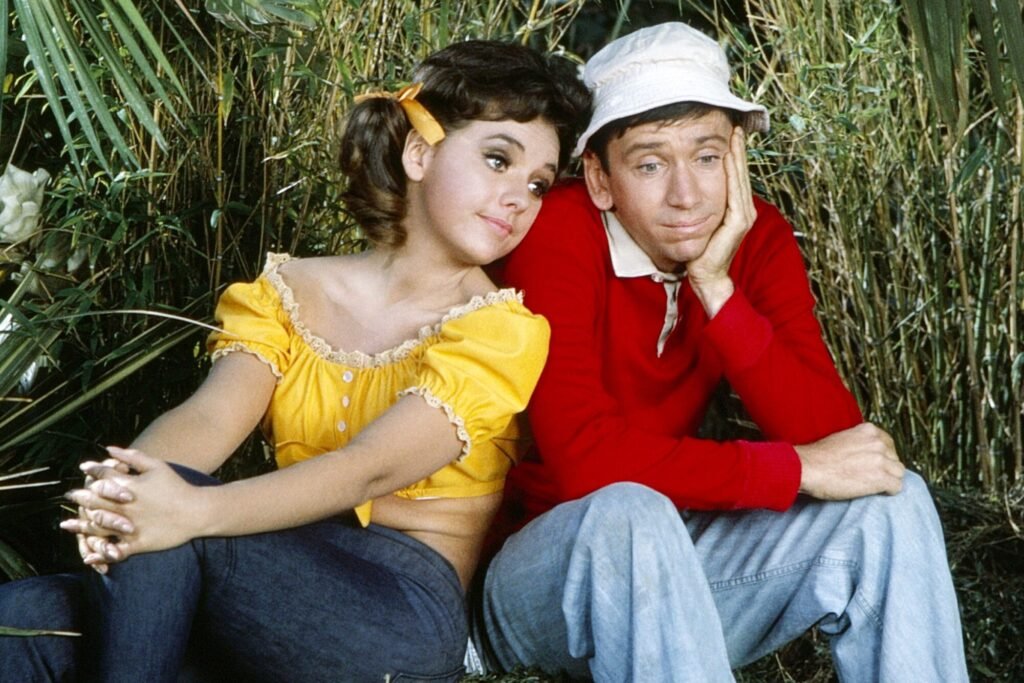
In this episode, the castaways manage to shoot and develop a silent movie on the island, which somehow gets discovered by Hollywood. The idea was wildly implausible even by the show’s already loose logic, and audiences leaned into the absurdity. Seeing the characters become accidental movie stars felt like a playful break from the usual rescue-attempt formula. It was bigger, sillier, and more self-aware than most episodes.
Its influence comes from how it embraced meta humor long before that became common in sitcoms. The episode gently poked fun at Hollywood, celebrity, and the entertainment business itself. Later comedies would regularly use similar “show within a show” concepts. For many fans, it remains one of the most memorable high-concept installments of the series.
5. The Monkees, “Royal Flush” (1967)
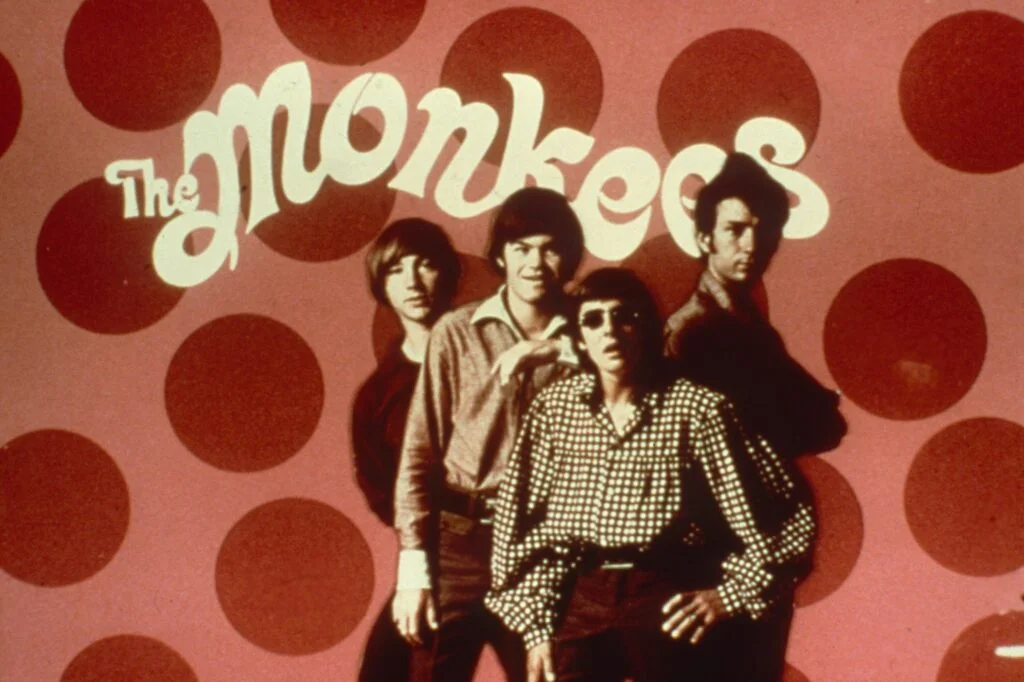
This episode surprised viewers by shifting into a much darker tone than the band’s usual goofy adventures. The Monkees get tangled with a mysterious princess and a controlling power broker, creating a story that feels more like a psychological fable than a pop sitcom. The humor is sharper, and the atmosphere is slightly unsettling. Younger fans in particular found it unexpectedly intense.
Over time, the episode became a cult favorite because it showed how flexible the show could be creatively. It demonstrated that youth-oriented sitcoms could experiment with storytelling and mood. Many later music-driven or youth comedies borrowed this willingness to push outside the comfort zone. It’s often cited as the series’ boldest artistic swing.
6. Green Acres, “The Day of the Judgment” (1968)
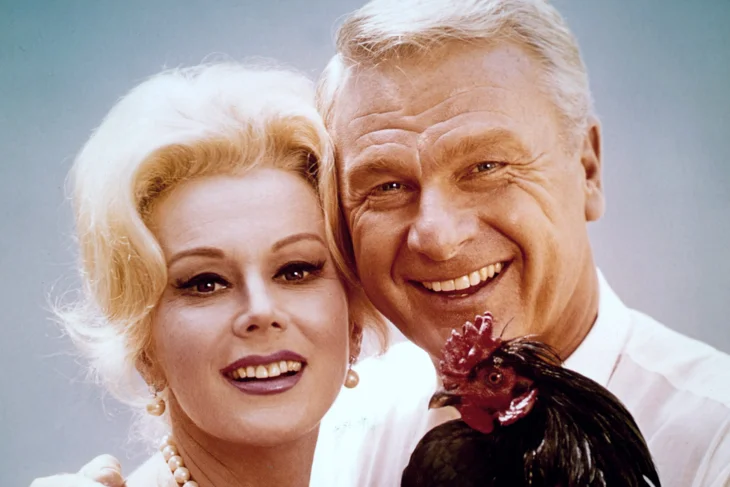
This surreal episode imagines the townspeople believing that the end of the world is imminent. The humor leans heavily into absurdism, with characters calmly accepting ridiculous logic and bizarre predictions. For viewers used to traditional joke structures, the episode felt almost like experimental theater. It was strange, funny, and oddly philosophical.
The episode helped cement Green Acres as one of the most offbeat sitcoms of the era. It influenced later comedies that leaned into surreal humor and intentionally illogical worlds. Shows that play with reality and exaggerated absurdity owe a clear debt to this style. Fans still appreciate how fearless the episode feels even now.
7. Hogan’s Heroes, “The Informer” (1965)
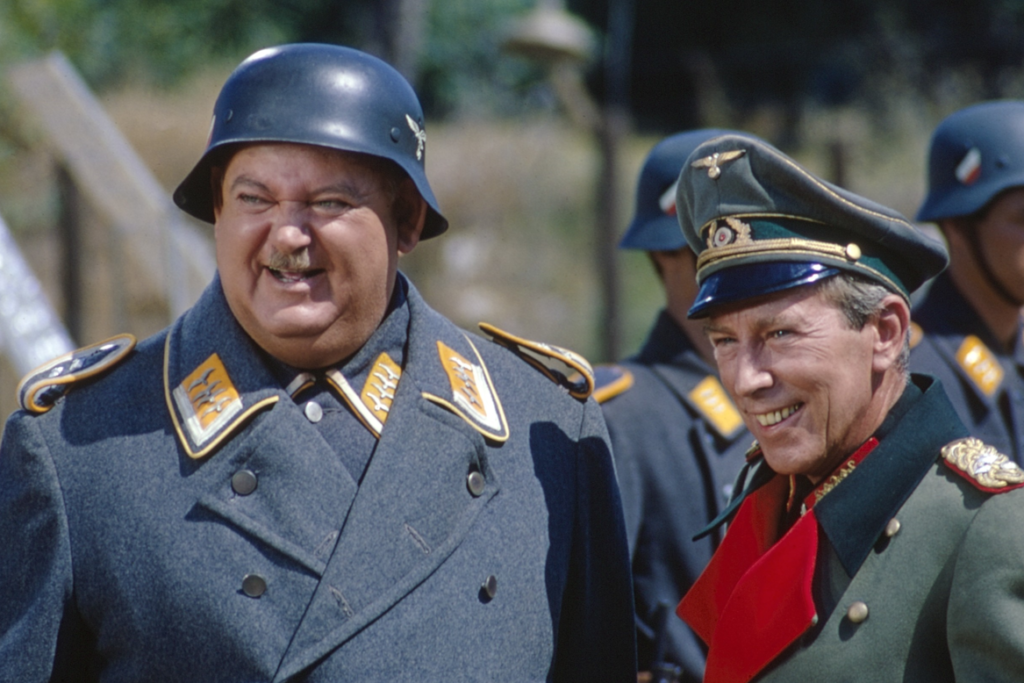
This episode shocked audiences by leaning into the darker tension of wartime betrayal within a comedy setting. When suspicion arises that someone may be secretly working against the group, the stakes suddenly feel much higher than usual. The humor remains, but there’s a real sense of danger and mistrust underneath. Viewers weren’t used to feeling that kind of suspense in a sitcom.
Its influence lies in showing that even a broad comedy could sustain dramatic tension. Later sitcoms would increasingly blend humor with genuine emotional or suspenseful arcs. It proved audiences could handle tonal complexity without abandoning the laughs. The episode remains one of the show’s most discussed entries.
8. Get Smart, “The Dead Spy Scrawls” (1965)
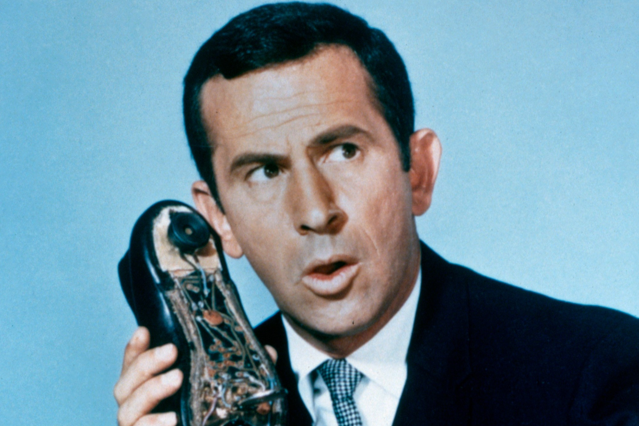
Here, Maxwell Smart must decode a cryptic message left by a dying spy, turning the episode into a surprisingly clever mystery spoof. The puzzle structure pulled viewers in more actively than a standard gag-driven episode. It balanced slapstick with genuine intrigue. Some fans remember being genuinely invested in solving the clue alongside the characters.
The episode helped show how sitcoms could borrow from other genres like espionage and detective stories. That blending of parody and plot complexity became a template for many later comedies. It also reinforced Get Smart as more than just a string of jokes. The influence is visible in modern action-comedy hybrids.
9. That Girl, “Goodbye, Hello” (1966)
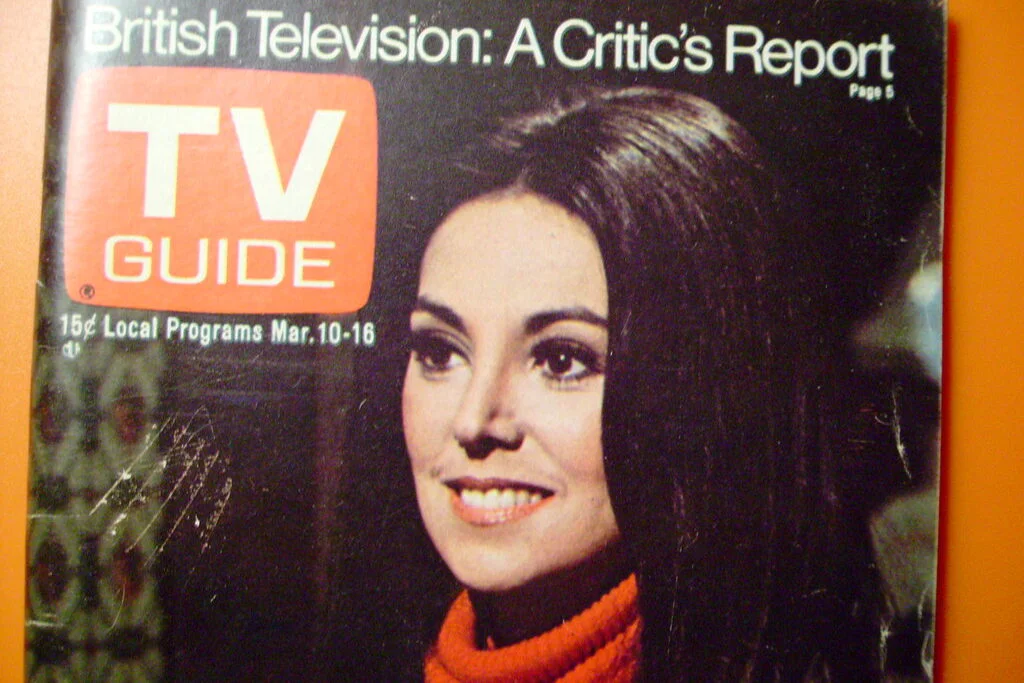
This episode explored Ann Marie confronting change and independence in a way that felt refreshingly honest. Rather than relying on misunderstandings or slapstick, the story focused on emotional growth and self-confidence. Viewers saw a young woman navigating adulthood on her own terms, which was still somewhat rare on television. The tone felt mature and relatable.
It influenced later sitcoms centered on independent female leads and realistic personal growth. The episode demonstrated that character development could drive comedy just as effectively as punchlines. Many fans credit That Girl with helping reshape how single women were portrayed on TV. Its legacy continues in countless modern workplace and coming-of-age comedies.
10. The Beverly Hillbillies, “Clampett’s Millions” (1963)
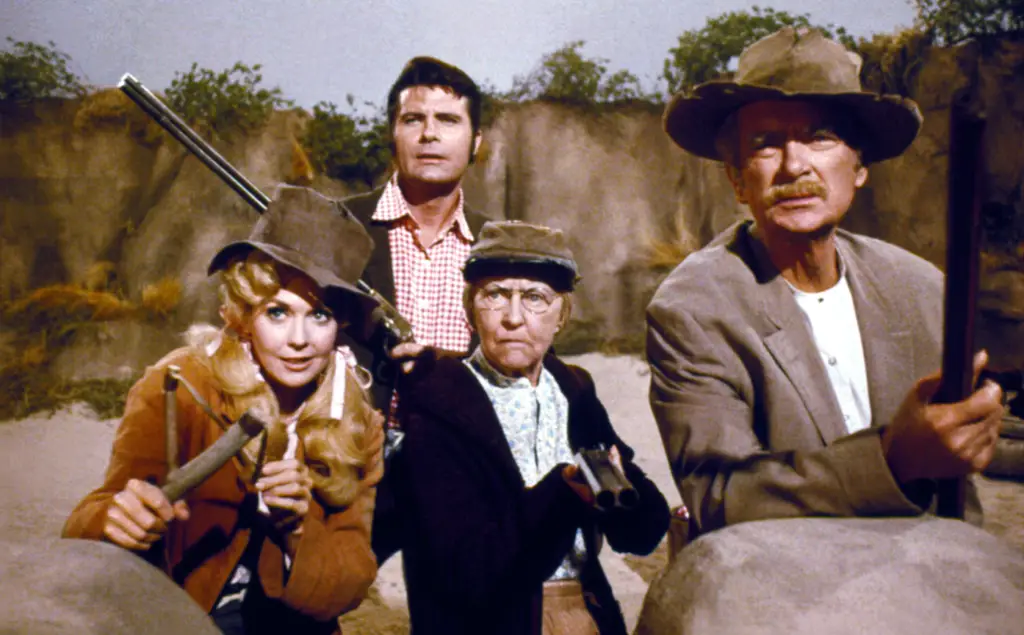
When the Clampetts suddenly become even richer overnight, the episode pushes the show’s class satire to an exaggerated extreme. Watching their sudden wealth collide with high society customs highlighted cultural divides in a playful but pointed way. Some viewers were surprised by how sharply the episode skewered social pretensions. It went beyond simple fish-out-of-water comedy.
The episode helped reinforce sitcoms as a platform for gentle social commentary. It showed that broad humor could still reflect real economic and cultural tensions. Later shows would continue using wealth and class differences as comedic engines. Fans still enjoy how boldly the episode leans into its theme.
11. The Addams Family, “The Addams Family Meets a Voodoo Priest” (1965)
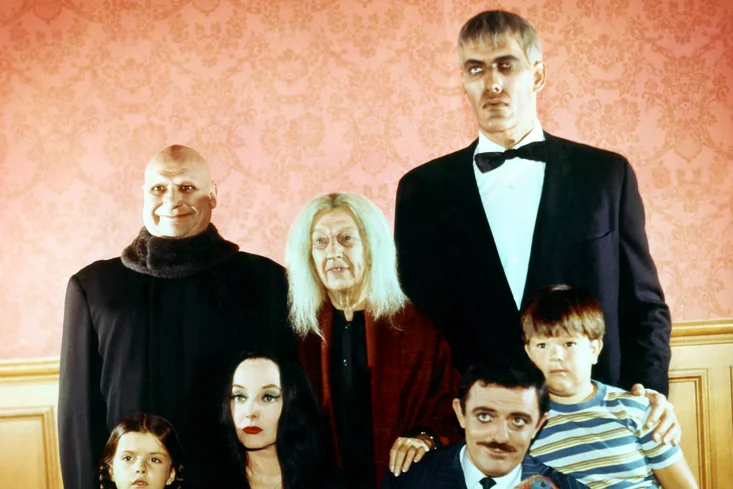
This episode surprised audiences by blending spooky comedy with genuine supernatural elements. The tone leaned darker than usual, yet remained playful and strange in classic Addams fashion. Viewers weren’t always sure whether to laugh or feel slightly unsettled. That tonal balancing act made it stand out from the rest of the series.
Its influence can be seen in later comedies that mix horror aesthetics with humor. The episode showed that spooky themes could be accessible to mainstream audiences when handled with wit. It helped normalize genre blending within sitcom formats. Many fans remember it as one of the show’s boldest experiments.
12. The Munsters, “Herman the Master Spy” (1964)
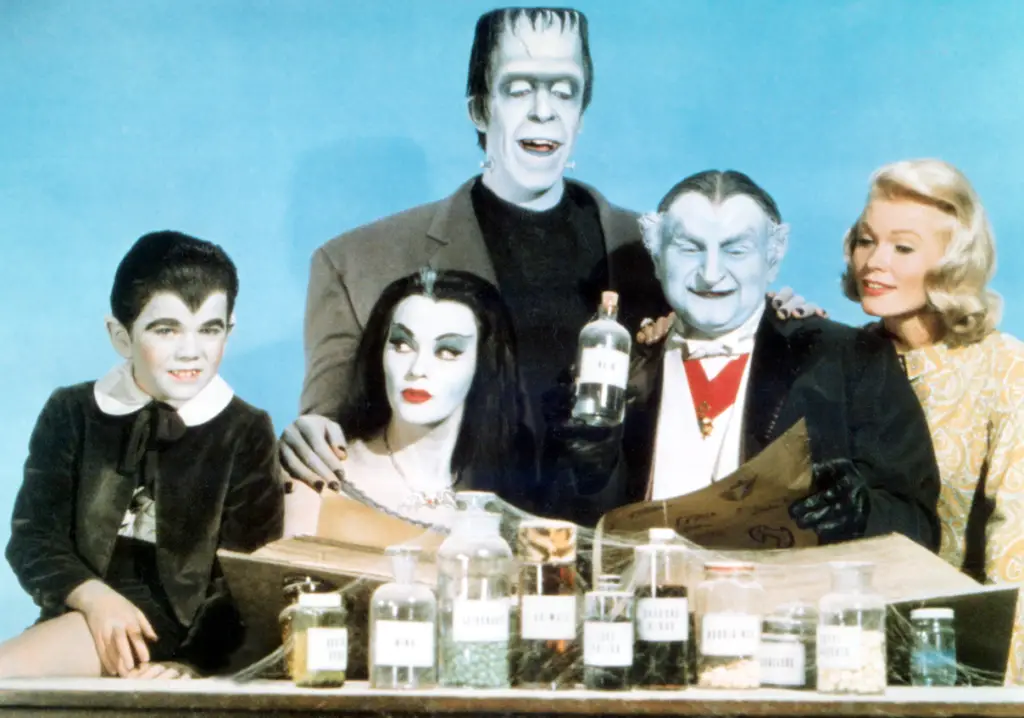
In this episode, Herman becomes involved in a spy mix-up, parodying Cold War espionage tropes. The absurdity of a lovable monster tangled in secret agent chaos felt both timely and outrageous. Audiences enjoyed seeing real-world anxieties filtered through slapstick comedy. It gave the show a surprisingly topical edge.
The episode influenced later sitcoms that used parody to comment on contemporary fears and trends. It demonstrated how satire could soften serious themes without losing relevance. Viewers responded well to the blend of timely humor and familiar characters. The formula remains common in modern sitcom storytelling.