
1. Rio by Duran Duran
That hand painted Patrick Nagel illustration of a glamorous woman laughing into the sun feels like pure ’80s excess in the best possible way. It looks more like a fashion ad than a rock album, which somehow made it even more unforgettable sitting in record store bins. The bold colors and sharp lines instantly signaled that Duran Duran was selling fantasy, polish, and escapism. You could spot it from across the room, even if you didn’t yet know “Hungry Like the Wolf.”
At the same time, the image is strangely abstract, with exaggerated features and an almost surreal sense of perfection. There’s something slightly uncanny about her frozen smile and impossible elegance. It feels glamorous, but also oddly detached from reality. That tension is exactly why the cover still sparks conversation decades later.
2. Synchronicity by The Police
At first glance, the grid of red, yellow, and blue stripes feels more like modern art than a rock album. You almost have to hunt for the band members’ faces hidden behind the blocks of color. The design mirrored the album’s themes of coincidence and fragmentation in a clever, conceptual way. It stood out sharply against the glossy portrait covers dominating the era.
Still, it’s a strange choice for a mainstream pop rock band at the height of its fame. Fans expected guitars and attitude, not an abstract puzzle. The cover feels intellectual and slightly aloof, even while the album delivered massive hits like “Every Breath You Take.” It’s iconic precisely because it refuses to look like a typical hit record.
3. Like a Virgin by Madonna
Madonna lounging in a wedding dress on satin sheets was bold, provocative, and impossible to ignore in 1984. The image perfectly matched her rising reputation as a boundary pusher who enjoyed stirring controversy. It blended innocence and sexuality in a way that made parents nervous and teens fascinated. You could practically hear the cultural debate just by looking at it.
At the same time, it’s undeniably strange to see bridal imagery used so playfully and ambiguously. The soft lighting and coy pose feel both romantic and mischievous. It raises more questions than it answers, which was exactly the point. Few album covers captured the cultural tension of the decade quite so efficiently.
4. Purple Rain by Prince and The Revolution
Prince posed on a motorcycle bathed in purple light looks like a fantasy hero stepping out of a dream. The image feels dramatic, mysterious, and unapologetically theatrical. It perfectly reflected Prince’s larger than life persona and genre bending ambition. Even people who never owned the album recognize that purple glow instantly.
Yet there’s something wonderfully odd about how stylized and surreal the scene feels. The lighting borders on otherworldly, and the pose feels half comic book, half romantic myth. It doesn’t look like a real place so much as a mood captured on film. That dreamlike quality is exactly what keeps it visually unforgettable.
5. Born in the U.S.A. by Bruce Springsteen
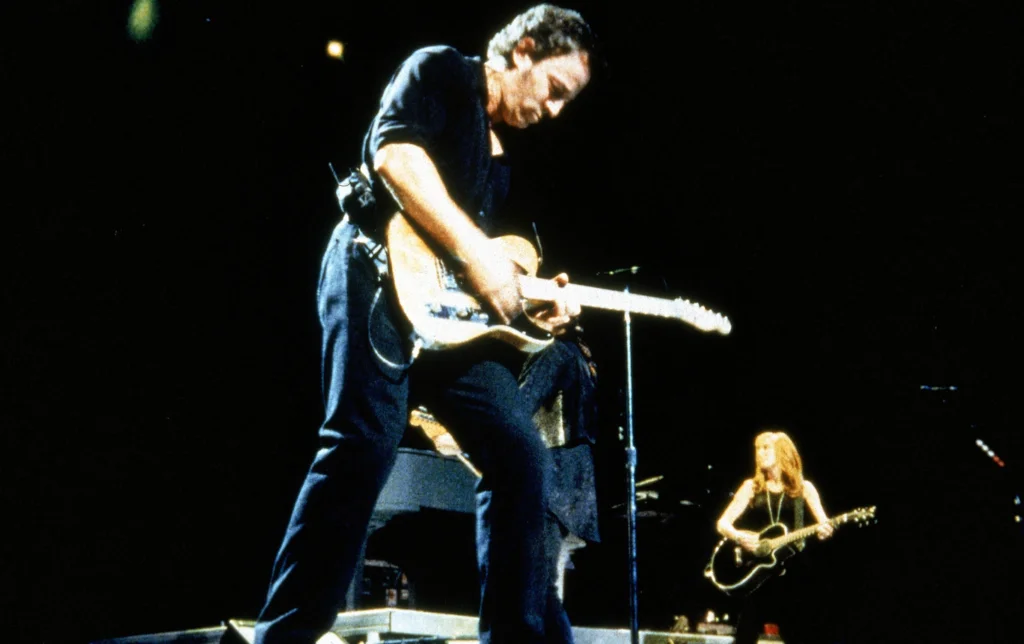
The cropped photo of Springsteen’s jeans and American flag became one of the most recognizable images in rock history. It felt bold, patriotic, and deceptively simple at a glance. The framing invited endless interpretation, especially once listeners realized the album’s themes were more complicated than surface level patriotism. It was a cover that sparked conversation immediately.
It’s also strangely abstract when you really look at it, since you never see his face. The composition feels more like a symbol than a portrait. That ambiguity gave it power, but also made it slightly unsettling in its own minimalist way. Few covers managed to be both iconic and oddly mysterious at the same time.
6. Hounds of Love by Kate Bush

Kate Bush smiling while wrapped around two greyhounds looks playful, surreal, and completely unlike most pop covers of the era. The image feels intimate and whimsical, like a strange dream frozen in time. It immediately signals that this is not a conventional pop album experience. Fans often remember the cover just as vividly as the music.
At the same time, the visual is undeniably odd, with the dogs almost blending into her arms and shoulders. It creates a slightly disorienting effect that feels intentionally dreamlike. You’re not quite sure what you’re supposed to make of the scene. That sense of mystery fits Bush’s artistic identity perfectly.
7. Power, Corruption & Lies by New Order
At first glance, it looks like a classical painting of flowers rather than a post punk album. The ornate floral artwork feels elegant, restrained, and oddly formal for a band rooted in moody synths and club culture. The title hidden in color code added an extra layer of intrigue for fans willing to dig deeper. It quietly challenged expectations of what a modern album cover could be.
The strangeness comes from the contrast between beauty and cryptic messaging. You don’t expect encrypted text hiding inside a bouquet. The image feels both serene and intellectually playful at the same time. That tension helped cement it as one of the decade’s most memorable designs.
8. Invisible Touch by Genesis
The cover shows two hands touching against a soft, pastel background, almost like a romantic greeting card. It feels gentle, minimal, and strangely tender for a stadium rock band. The simplicity made it instantly recognizable on shelves and cassette racks. It also reflected the band’s shift toward polished pop accessibility.
Still, the floating hands feel slightly surreal, disconnected from any real body or setting. There’s something oddly dreamlike and abstract about the image. You’re left filling in the emotional context yourself. That quiet strangeness keeps the cover from feeling forgettable.
9. Appetite for Destruction by Guns N’ Roses
The final cross and skull design feels dark, gritty, and instantly associated with hard rock rebellion. Each band member’s skull gives the image a slightly cartoonish edge that balances its menace. It became one of the most recognizable heavy rock covers of the decade. Fans often remember staring at the details while listening to the album.
Yet the imagery is also weirdly playful for something meant to feel dangerous. The skulls look more like stylized mascots than true symbols of destruction. That blend of menace and whimsy makes it oddly charming. It’s a strange visual contradiction that somehow works perfectly.
10. Licensed to Ill by Beastie Boys
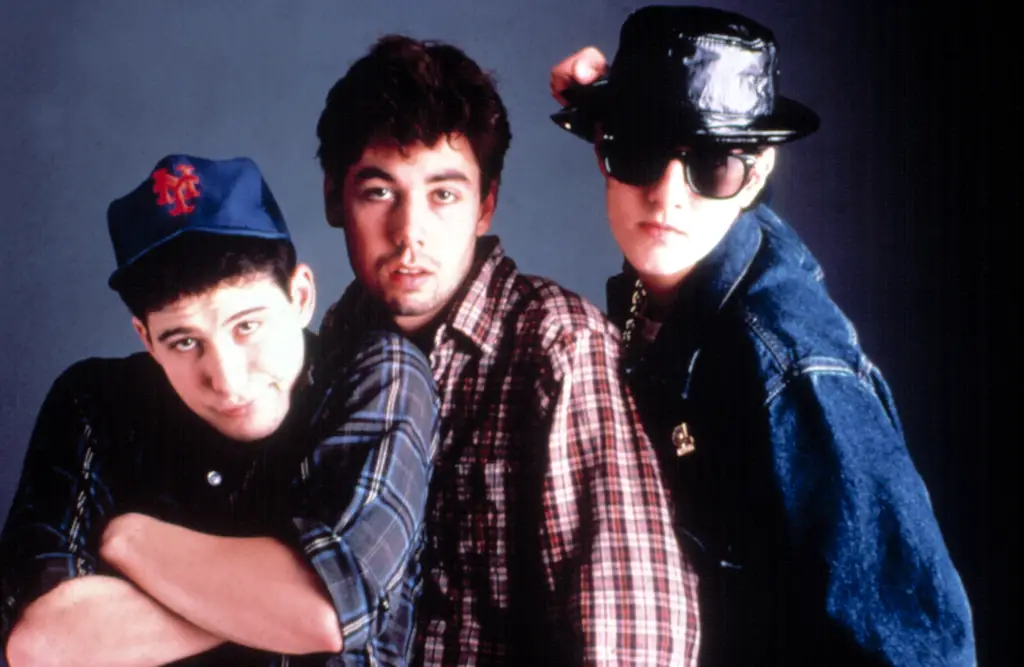
The private jet smashed into a mountain, with the tail number cheekily reading as a joke, immediately set a rebellious tone. It looked chaotic, humorous, and just a little bit ridiculous. The image matched the group’s mischievous energy and irreverent humor perfectly. It felt like a prank frozen into album art.
At the same time, it’s a strange visual to associate with hip hop at that moment in history. Planes and explosions weren’t typical genre imagery. The exaggerated cartoon violence adds a surreal layer to the joke. That unexpected twist helped make it unforgettable.
11. Graceland by Paul Simon
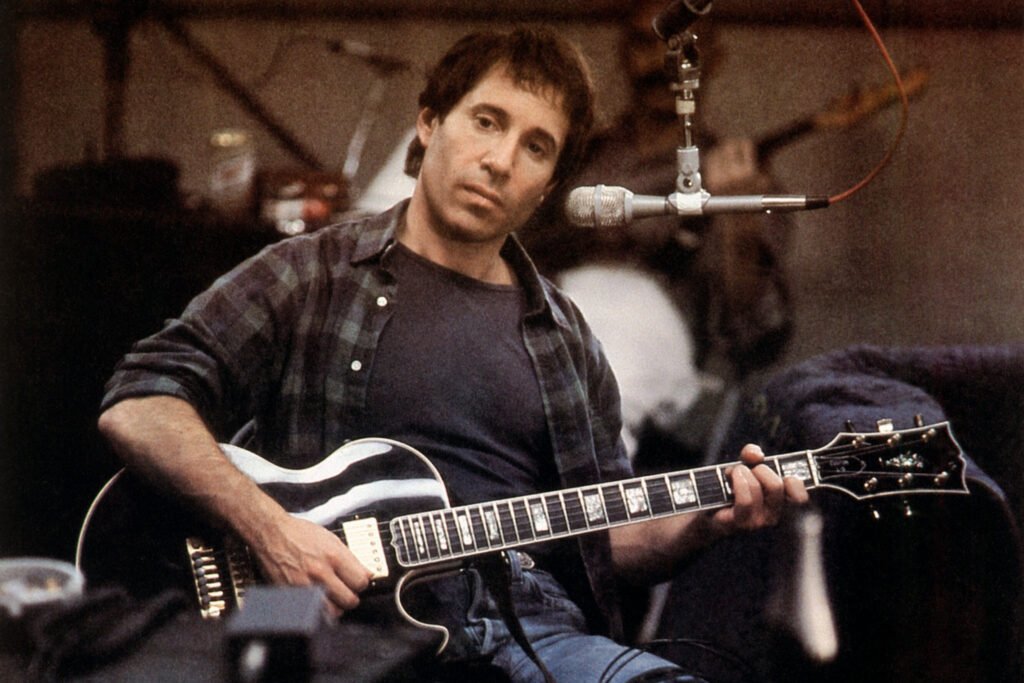
The cover featuring an Ethiopian painting of a man carrying a child on his back feels warm, textured, and deeply cultural. It signaled that this album was exploring global influences rather than staying in familiar pop territory. The artwork feels handcrafted and rooted in tradition. It invites curiosity before a single note plays.
Still, it’s an unusual choice for a mainstream American pop release. The imagery feels distant from radio driven expectations of the time. Some listeners probably didn’t know what to make of it at first glance. That gentle strangeness became part of its lasting charm.
12. She’s So Unusual by Cyndi Lauper
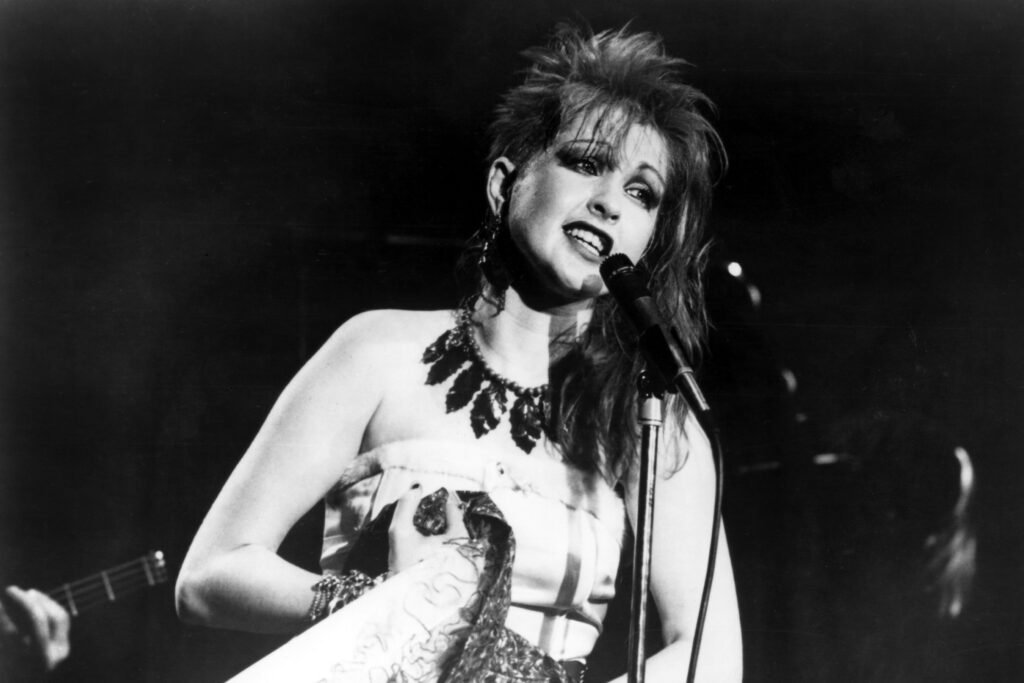
Cyndi Lauper’s playful pose, bright colors, and spontaneous energy feel joyful and slightly chaotic. The cover captures her quirky personality in a single frozen moment. It looked fun, accessible, and totally different from the polished glamour of many pop peers. You could almost hear her voice just by looking at it.
There’s also something charmingly odd about the motion blur and off balance framing. It feels like a candid snapshot rather than a carefully staged portrait. That looseness gave it personality, but also made it visually unconventional. The imperfections helped make it iconic.
13. True Blue by Madonna
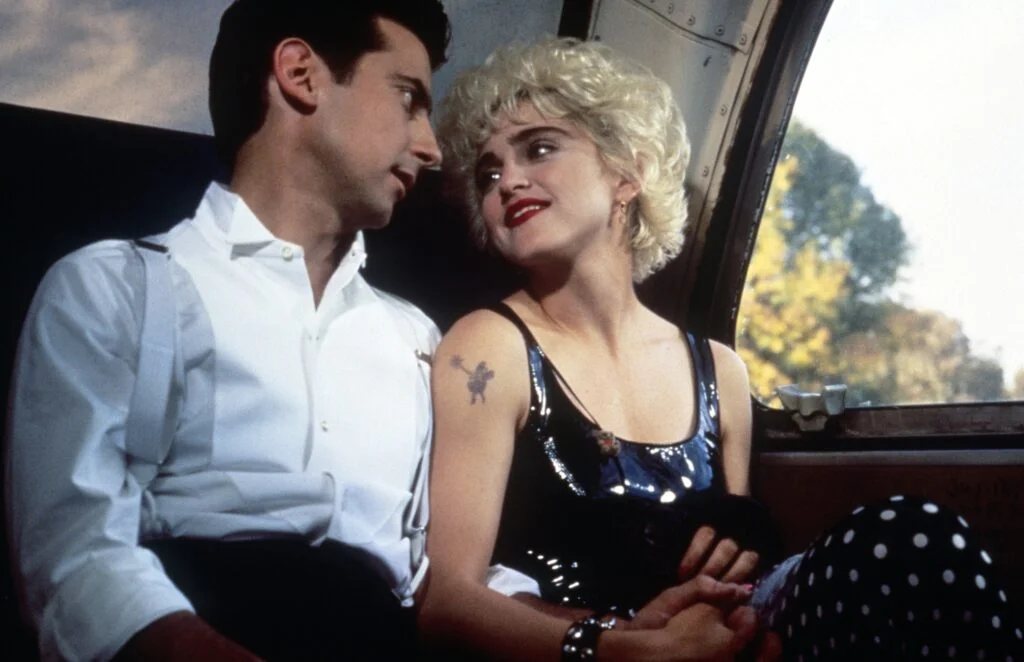
The stark blue profile image feels sleek, cool, and almost sculptural. It marked a shift toward a more mature, controlled image for Madonna. The minimalism made it instantly recognizable and endlessly reproduced. It feels like a fashion photograph turned into pop iconography.
At the same time, the heavy monochrome coloring gives it an almost surreal quality. The face feels slightly unreal, like a statue rather than a person. That polished distance makes the image oddly mysterious. It’s striking, but also subtly strange.
14. The Joshua Tree by U2
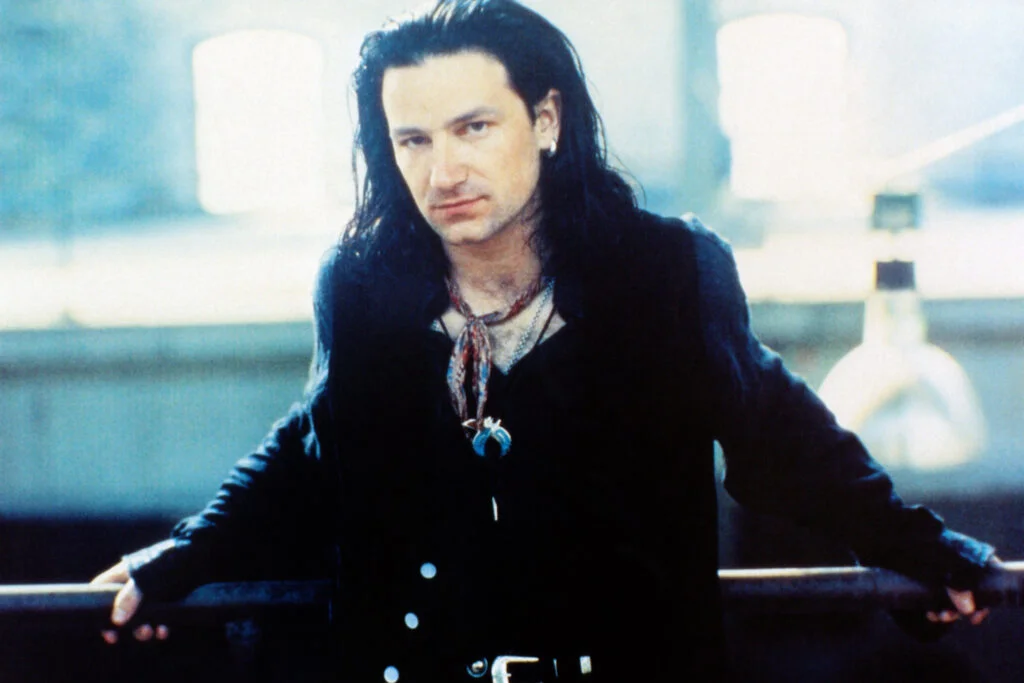
The black and white desert photograph feels stark, serious, and almost spiritual in tone. It immediately communicated that this was a big, ambitious statement album. The empty landscape and distant horizon created a sense of scale and longing. It became one of the most recognizable rock images of the decade.
Still, it’s an unusual choice for a mainstream rock band aiming at mass audiences. The cover feels quiet and austere rather than flashy or energetic. That restraint made it stand out even more in the colorful ’80s marketplace. Its understated strangeness is part of what keeps it so memorable.