
1. Enjoli Perfume “I Can Bring Home the Bacon”

This jingle was impossibly catchy and instantly recognizable, celebrating a woman who could juggle career success, romance, and domestic perfection without breaking a sweat. At the time, it felt bold and modern, especially compared to the more traditional housewife ads that dominated earlier decades. The commercial framed multitasking as glamorous and effortless, as if balance simply happened if you bought the right perfume. It quietly suggested that women should be able to do everything and look fabulous doing it.
Today, that message feels far more complicated. Ads are much more careful about reinforcing unrealistic expectations around gender roles and emotional labor. What once felt empowering can now read as pressure dressed up as confidence. The commercial remains a fascinating snapshot of how the culture was renegotiating women’s identities in the ’70s.
2. Geritol Iron Tonic Commercials

Geritol ads often targeted exhausted homemakers, implying that constant fatigue meant you needed more iron, not rest or lifestyle changes. The commercials leaned heavily into medical sounding authority, making the product feel like a doctor approved solution. Viewers were encouraged to self diagnose based on vague symptoms like low energy and irritability. It felt reassuring in a decade when people trusted advertising claims more freely.
Today, supplement marketing is tightly regulated, especially when it comes to health claims. Brands must provide clear disclaimers and avoid implying medical treatment or diagnosis. A commercial promising to fix fatigue so casually would face serious scrutiny. Modern audiences are also more skeptical of miracle cures.
3. Calgon “Ancient Chinese Secret” Laundry Ads
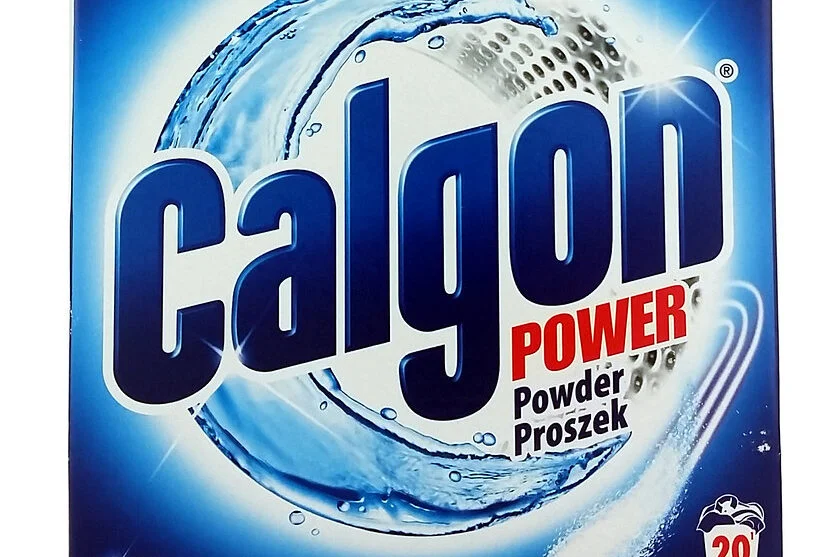
These commercials built their humor around a running joke about a mysterious “ancient Chinese secret” that made laundry cleaner. The exaggerated accents and cultural caricatures were widely accepted as harmless comedy at the time. Viewers focused more on the punchline than the stereotype behind it. It became a long running campaign that people quoted for years.
Today, this kind of humor would quickly be criticized for racial stereotyping and cultural insensitivity. Advertising standards now emphasize respectful representation and inclusive messaging. What once passed as playful now feels uncomfortable and outdated. A campaign like this would almost certainly be pulled.
4. Charmin’s Mr. Whipple Squeezing Toilet Paper
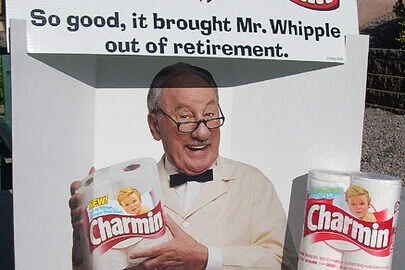
Mr. Whipple became famous for scolding shoppers who could not resist squeezing Charmin in the store aisle. The joke was that everyone ignored him and squeezed anyway, proving how soft the product was. It was silly, repetitive, and strangely comforting television. People genuinely looked forward to spotting him in new commercials.
Today, encouraging shoppers to touch and squeeze shared products feels unsanitary and tone deaf. Modern retail culture emphasizes hygiene and minimal handling. After years of heightened germ awareness, this kind of visual would make many viewers uneasy. The humor simply would not land the same way now.
5. Ajax “Stronger Than Dirt” Cleaning Commercials
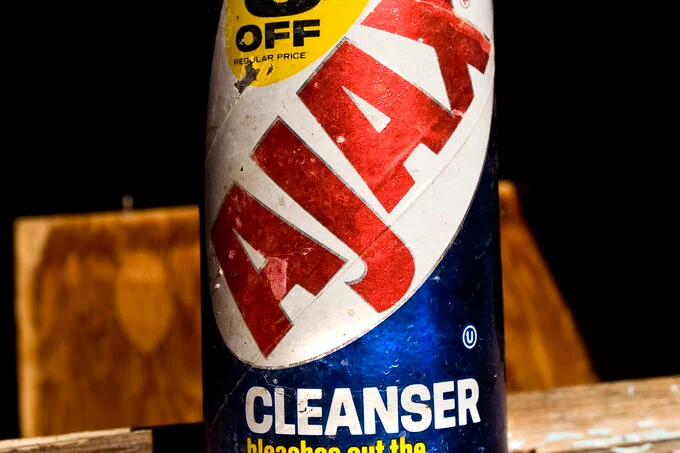
Ajax commercials proudly showed harsh scrubbing, powerful chemicals, and dramatic grime battles. The message was that stronger always meant better, no matter the cost to surfaces or skin. Safety warnings were rarely part of the story. It was all about dominance over dirt.
Modern cleaning ads tend to highlight gentler formulas, environmental responsibility, and user safety. Consumers now expect transparency about ingredients and health impact. An ad celebrating raw chemical power without context would raise red flags. The tone feels overly aggressive by today’s standards.
6. Alka-Seltzer “Plop Plop, Fizz Fizz”
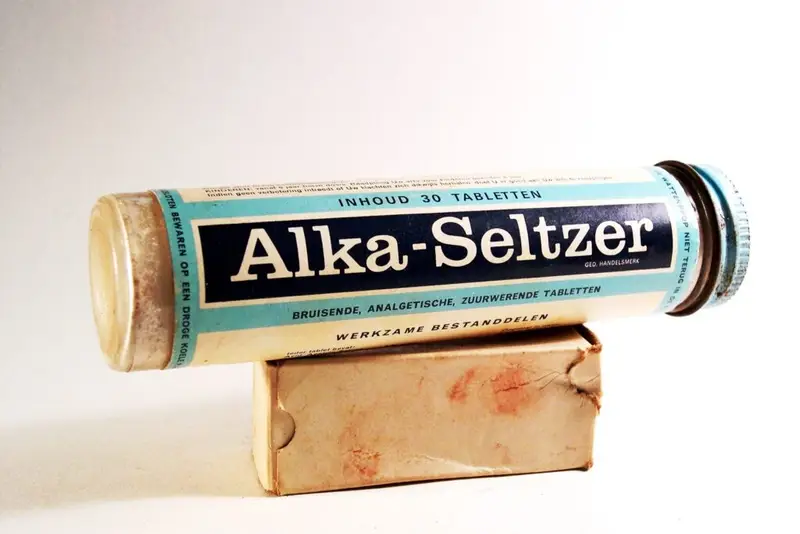
These cheerful ads made indigestion relief feel almost fun, complete with catchy jingles and exaggerated overeating scenes. The message suggested you could indulge freely because relief was always just two tablets away. It normalized discomfort as part of everyday life. The tone was light and playful.
Today, health messaging leans more toward prevention, balance, and informed choices. Brands are cautious about encouraging unhealthy habits, even indirectly. There is also much heavier regulation around medical disclaimers. The carefree framing would likely be softened or reworked now.
7. Folgers “Mrs. Olson” Coffee Commercials
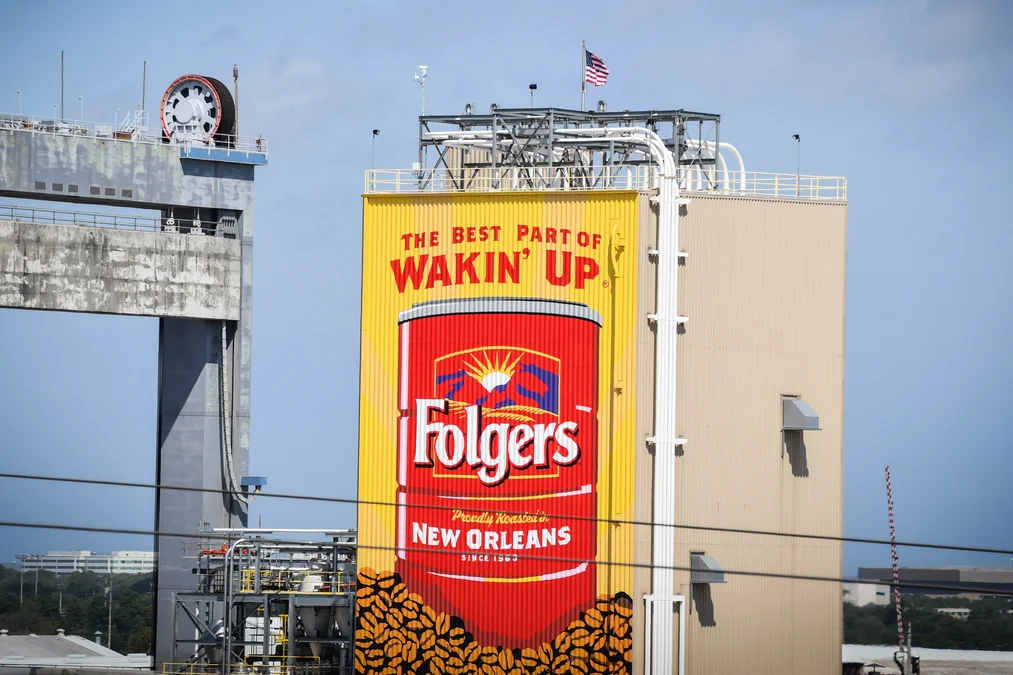
Mrs. Olson played the wise neighbor who helped housewives please their husbands with better coffee. The ads leaned heavily into traditional domestic roles and marital approval. It presented homemaking as a woman’s primary responsibility and measure of success. At the time, it felt warm and familiar.
Modern audiences are far more critical of narrow gender portrayals in advertising. Brands now aim to reflect diverse households and shared responsibilities. Messaging centered on pleasing a spouse through domestic labor feels outdated. A character like Mrs. Olson would likely be redesigned or retired today.
8. Schlitz Beer Macho Bar Commercials
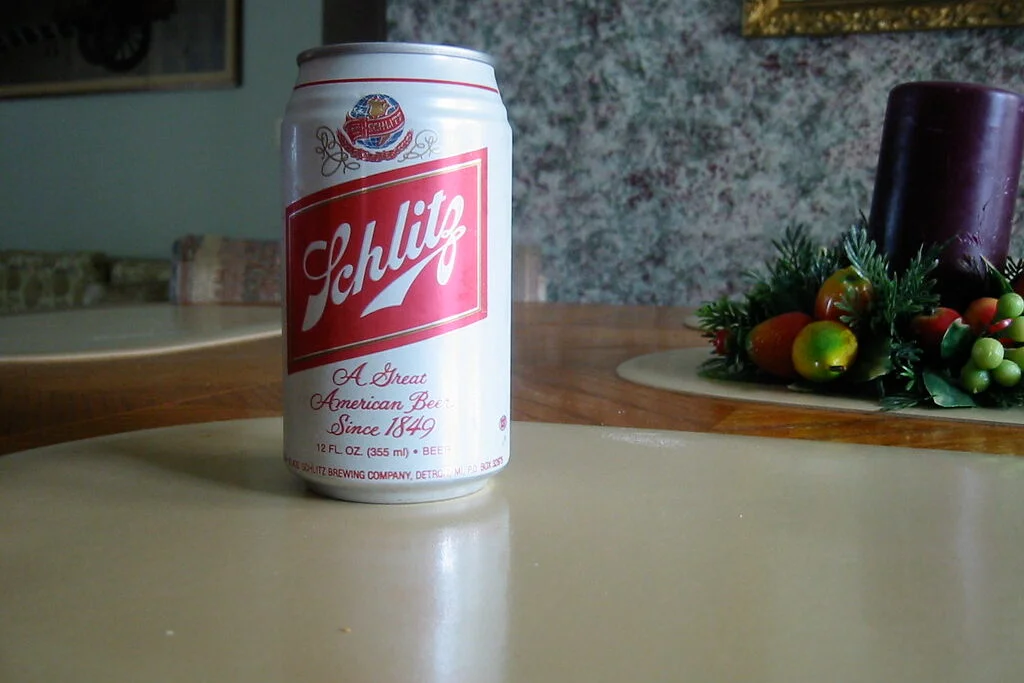
Some Schlitz ads leaned into exaggerated toughness, barroom bravado, and subtle intimidation played for laughs. The tone suggested dominance and swagger were appealing traits. It was meant to feel edgy and masculine. Even then, some viewers found the tone a little uncomfortable.
Today, advertising avoids glorifying aggression or toxic masculinity. Beer brands now focus more on craftsmanship, humor, or social connection. Messaging that hints at threats or hostility would draw immediate backlash. These commercials feel very much locked in their era.
9. Kool Menthol Cigarette Commercials

Kool ads emphasized how smooth and refreshing menthol cigarettes felt, sometimes implying they were gentler on the throat. The imagery leaned into relaxation and comfort rather than health risks. Smoking was framed as a lifestyle pleasure, not a danger. It subtly downplayed the seriousness of addiction.
Television cigarette advertising is now banned in the U.S., and health claims around tobacco are strictly regulated. Any suggestion of comfort or benefit would be prohibited. Public awareness about smoking risks has dramatically shifted. A commercial like this would not air today.
10. Virginia Slims “You’ve Come a Long Way, Baby”
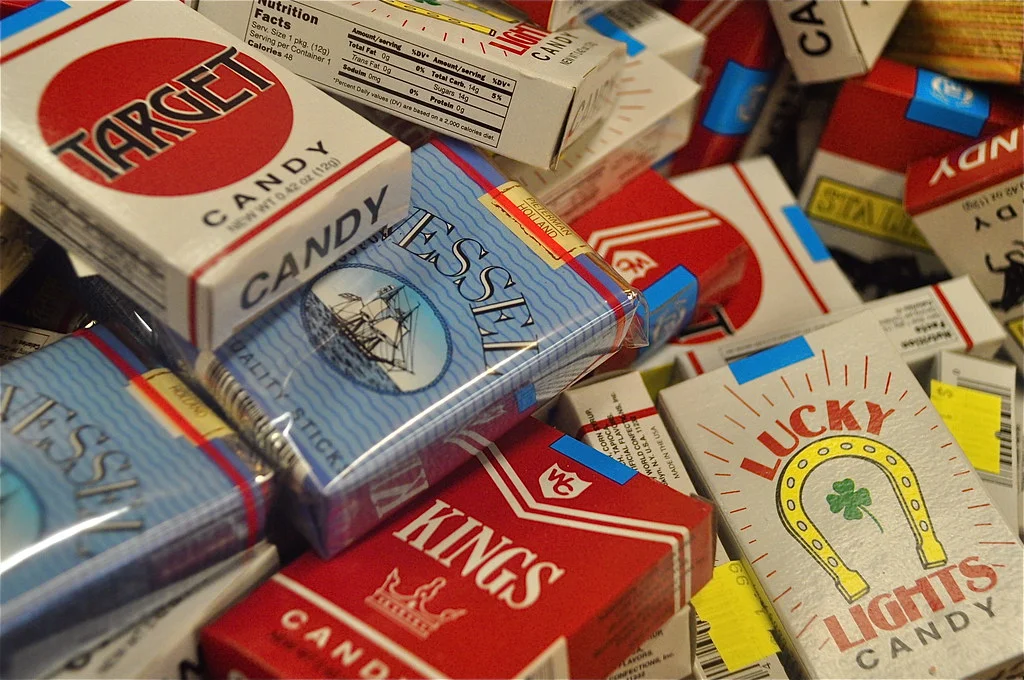
These ads tied smoking to women’s independence and personal freedom, borrowing language from the feminist movement. Slim cigarettes were positioned as stylish symbols of empowerment. The messaging suggested identity could be shaped through brand choice. It felt clever and bold at the time.
Today, linking empowerment to a harmful product would be widely criticized. Tobacco advertising is prohibited on television, and gender targeted health messaging is closely monitored. What once sounded progressive now feels manipulative. The slogan survives mostly as cultural irony.
11. Marlboro Man Cigarette Ads
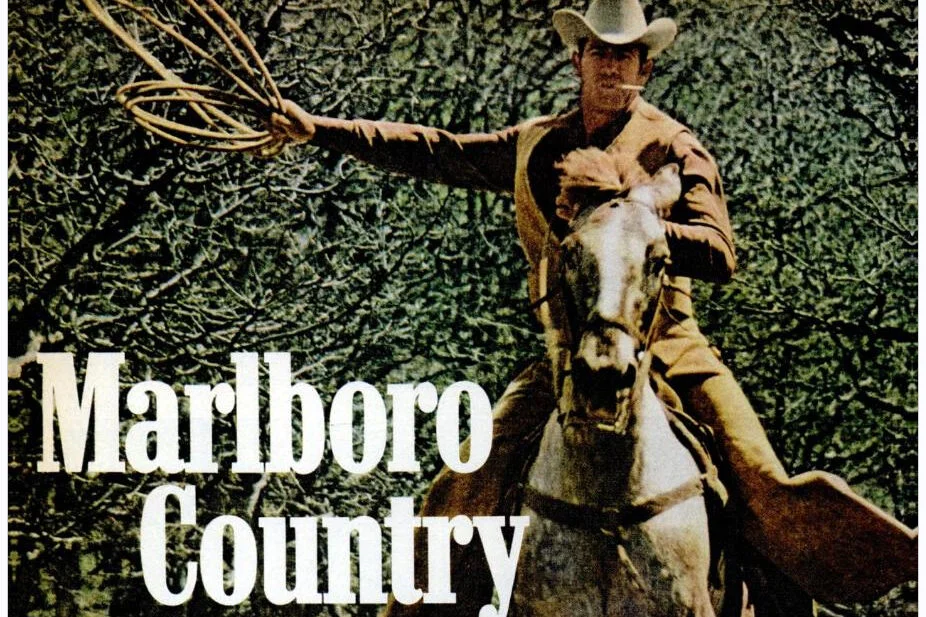
The Marlboro Man turned smoking into a symbol of rugged masculinity, freedom, and frontier romance. The visuals were cinematic, featuring wide open landscapes and stoic cowboys. Health consequences were never part of the narrative. It sold an idealized lifestyle more than a product.
Modern advertising regulations ban cigarette commercials outright on TV. Public health campaigns now actively counter this kind of romantic imagery. A cowboy casually lighting up during prime time would provoke immediate regulatory action. The shift reflects major changes in public health priorities.
12. Coca-Cola “Hilltop” Global Unity Commercial

The famous hilltop ad featured young people from around the world singing about buying the world a Coke. It presented a simple vision of global harmony through shared consumer culture. The tone was earnest and hopeful. It became one of the most recognizable commercials of the decade.
Today, audiences tend to be more skeptical of corporate messaging tied to social unity. Large brands face intense scrutiny over authenticity and impact. A similar campaign might spark debate rather than universal affection. Cultural expectations around corporate responsibility have shifted significantly.