
1. Emma Peel (The Avengers)
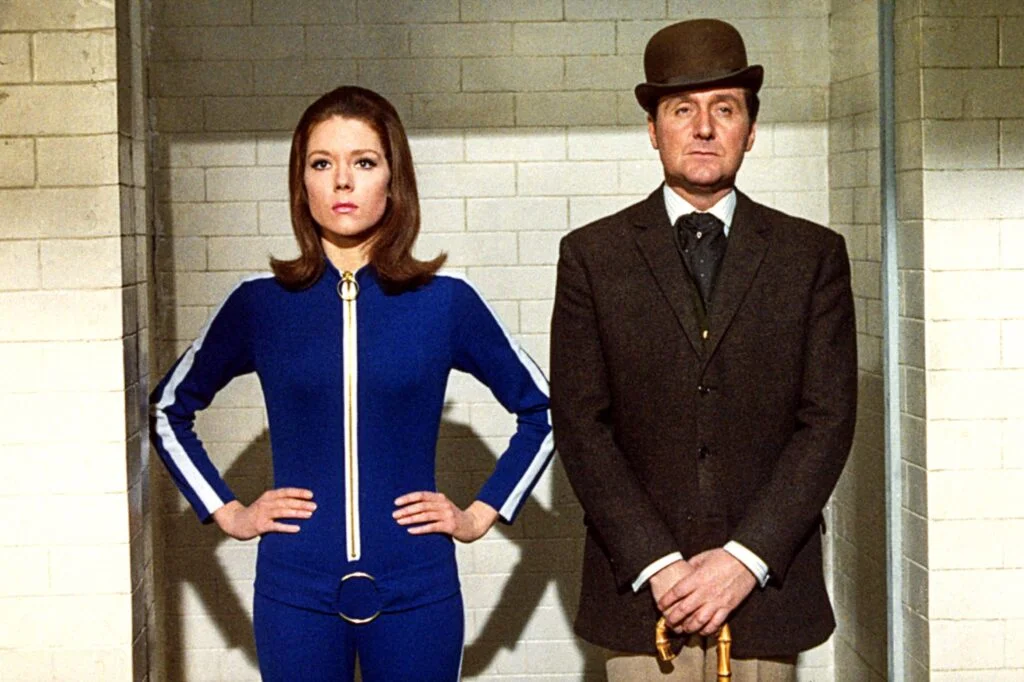
Emma Peel arrived on television as a fully formed action heroine at a time when most female characters were still written as sidekicks or love interests. She was brilliant, physically fearless, and intellectually equal to every man in the room, including her suave partner John Steed. Watching her outthink villains and outfight henchmen felt genuinely radical in the mid ’60s. She also brought a playful sense of independence that made her feel modern even now.
What really made Emma stand out was that her intelligence was never treated as a novelty. She held advanced degrees, spoke multiple languages, and approached danger with curiosity instead of panic. Her wardrobe may get the headlines, but her confidence and competence are what made her iconic. Long before television embraced complex female leads, Emma Peel showed exactly what one could look like. It’s easy to see her DNA in today’s action driven TV heroines.
2. Nyota Uhura (Star Trek)
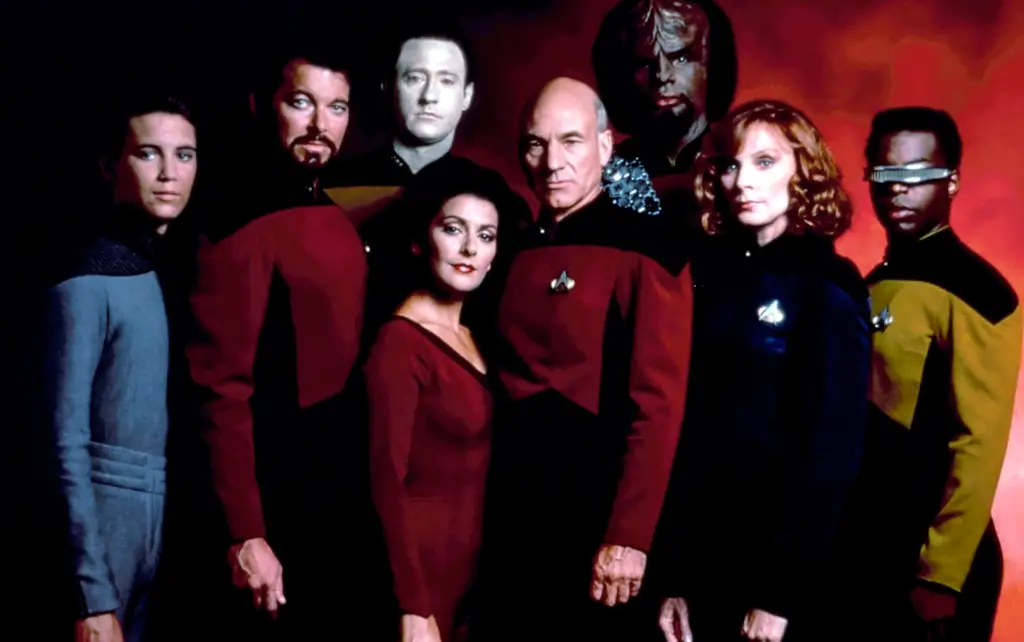
Lieutenant Uhura broke enormous ground simply by existing on prime time television. As a highly skilled communications officer, she was presented as intelligent, authoritative, and respected by her peers aboard the Enterprise. In the late ’60s, seeing a Black woman in a leadership role on a science fiction series was groundbreaking. Her presence quietly challenged outdated assumptions about who belonged in positions of power.
Uhura also carried herself with calm confidence and emotional intelligence. She wasn’t written as a stereotype or comic relief, which made her even more important culturally. Viewers saw her problem solve, translate alien languages, and keep the ship functioning under pressure. Many fans and future scientists have credited her with expanding their sense of possibility. Her influence continues to echo across modern television and STEM culture.
3. Julia Baker (Julia)
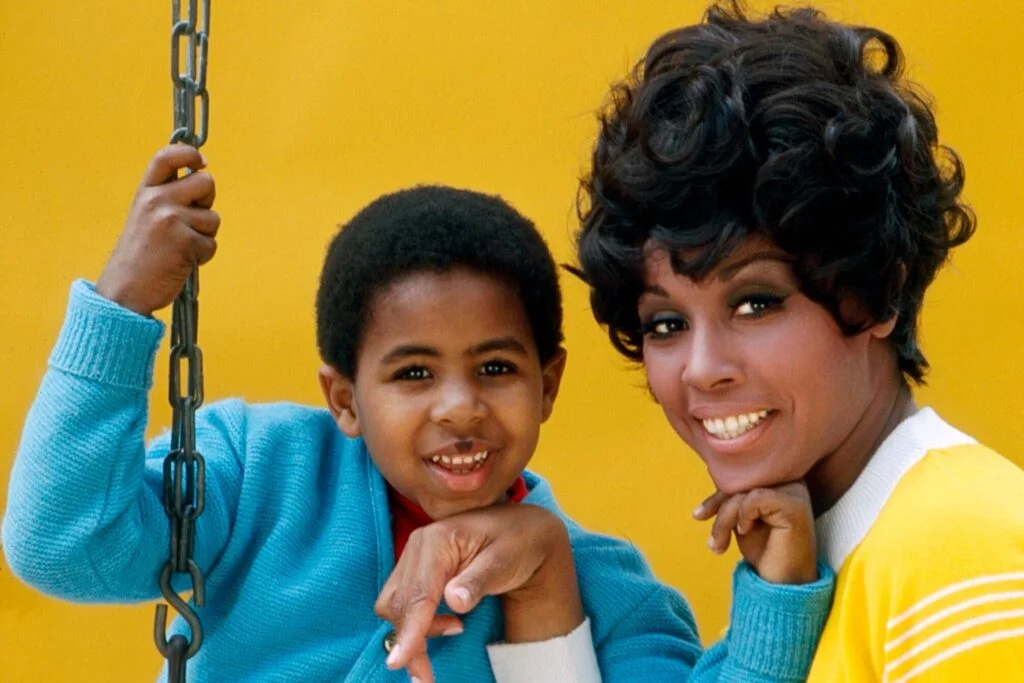
Julia Baker was one of the first Black female leads on American television, and she was portrayed as a professional nurse raising a child on her own. The show avoided caricature and instead presented Julia as competent, warm, and independent. That alone was a major cultural shift in 1968. It allowed viewers to see a Black woman living a fully realized, aspirational life on screen.
Julia navigated workplace challenges, parenting, and friendships with dignity and humor. Her storylines focused on everyday life rather than racial stereotypes, which was quietly revolutionary. The character helped normalize diversity in a way that felt natural instead of forced. Many later series owe a debt to the doors Julia helped open. Even today, her representation feels meaningful and progressive.
4. Ann Marie (That Girl)
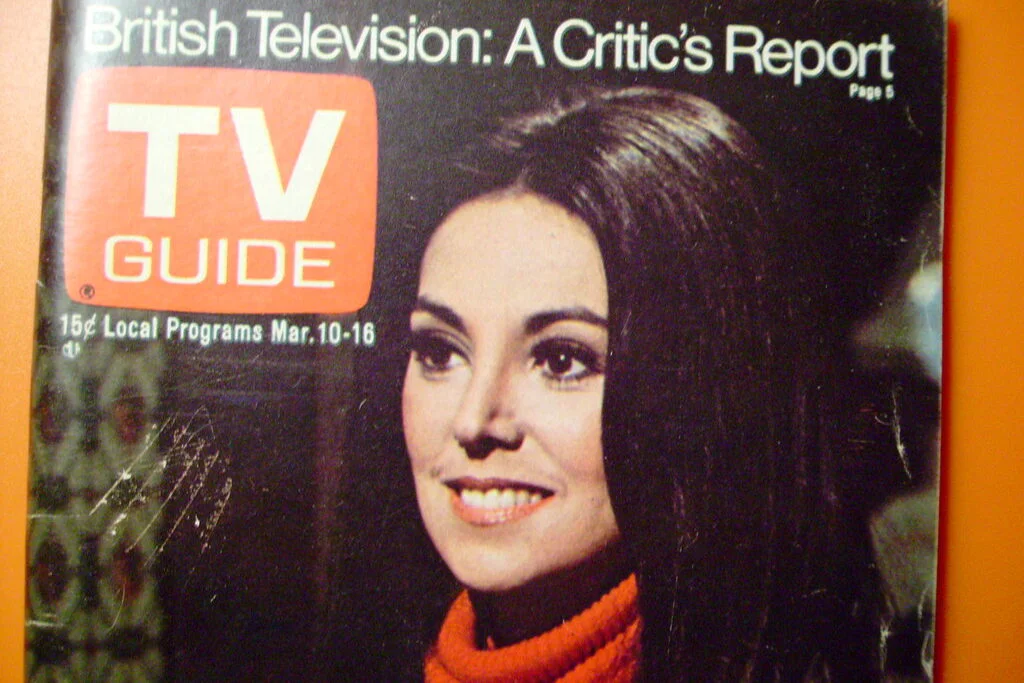
Ann Marie was chasing a professional acting career in New York City long before that kind of independence became common for female TV leads. She lived on her own, worked steadily, and pursued her ambitions without being defined by romance. The character reflected a new generation of women carving out their own identities. That sense of self direction made her feel refreshingly modern.
Ann wasn’t perfect or effortlessly successful, which made her relatable. She struggled, learned, and adapted, mirroring real life in a way many sitcom heroines didn’t at the time. Her optimism and persistence helped normalize career focused women on television. You can draw a straight line from Ann Marie to many of today’s single city dwelling protagonists. She quietly helped change the narrative.
5. Samantha Stephens (Bewitched)
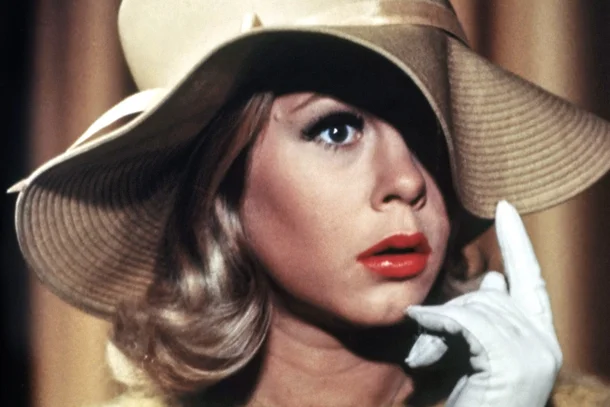
Samantha had supernatural powers that could solve almost any problem, yet she constantly navigated expectations placed on women and marriage. Her struggle between independence and social pressure often mirrored real world gender dynamics of the ’60s. She was smart, capable, and far more powerful than anyone around her. That imbalance created subtle commentary that still resonates.
Even when playing the role of a suburban wife, Samantha challenged authority and outdated norms. She regularly outsmarted male characters and pushed back against rigid expectations. Her magic became a metaphor for untapped potential and personal agency. Beneath the whimsical tone, the character carried a surprisingly progressive message. That layered writing keeps the show engaging decades later.
6. Morticia Addams (The Addams Family)
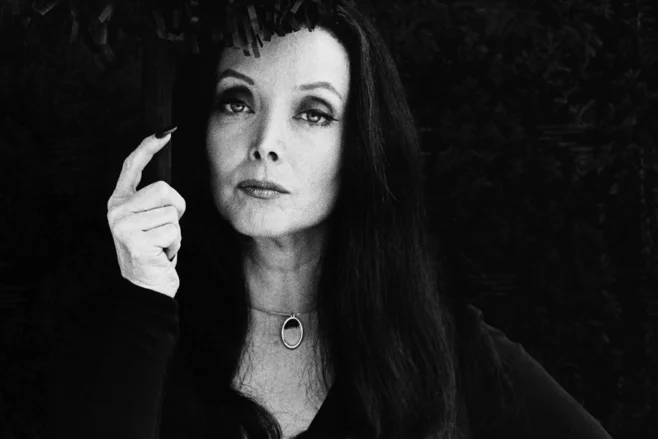
Morticia Addams embraced individuality, unconventional beauty, and emotional confidence in an era that prized conformity. She was unapologetically herself, deeply intelligent, and emotionally grounded. Unlike many TV mothers of the time, she radiated sensuality and personal autonomy. That blend felt daring for network television.
Her relationship with Gomez was built on mutual respect, passion, and partnership rather than rigid gender roles. Morticia never shrank herself to fit expectations. She commanded the room quietly and confidently. Today, her authenticity feels aligned with modern conversations about self expression and nonconformity. She remains one of television’s most distinctive matriarchs.
7. Agent 99 (Get Smart)
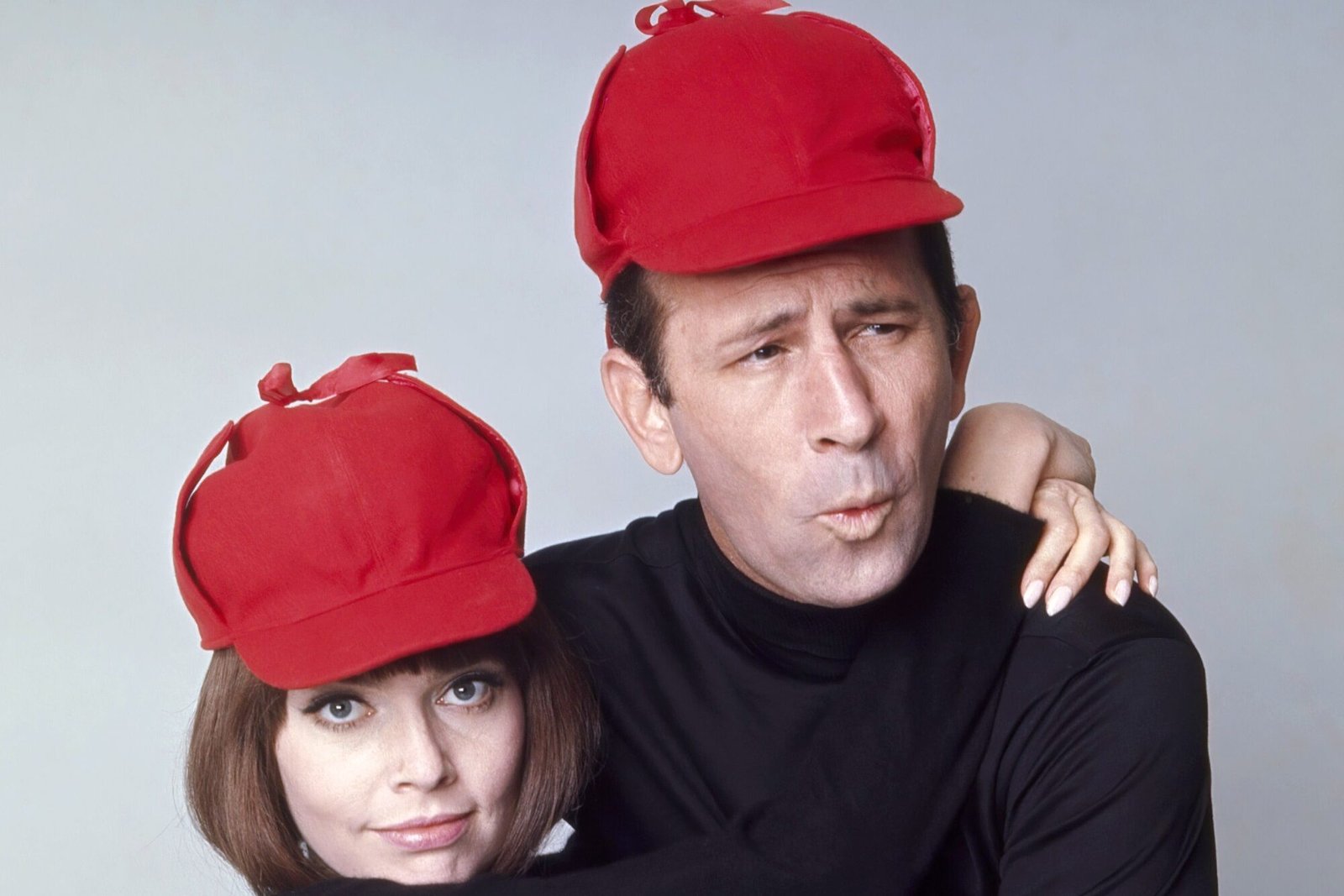
Agent 99 was far more than a glamorous sidekick in a spy comedy. She was highly competent, quick thinking, and frequently saved the day when others stumbled. At a time when female characters were often ornamental, she brought genuine expertise into the story. Her intelligence consistently drove the plot forward.
She balanced humor with professionalism, making her both relatable and aspirational. The character subtly challenged assumptions about women in action and intelligence roles. Her partnership with Maxwell Smart worked because she was clearly his equal, sometimes his superior. Agent 99 paved the way for smarter, more capable female leads in genre television. Her influence still shows in modern spy shows.
8. Jeannie (I Dream of Jeannie)
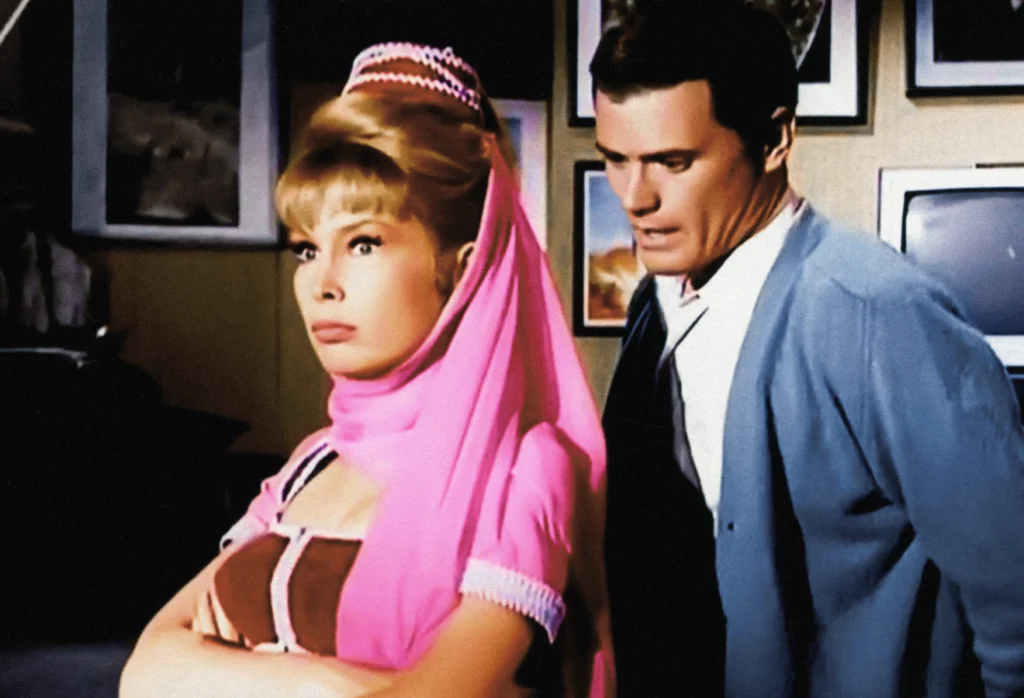
Jeannie possessed immense power and agency, even if the show often framed her through comedy and romance. She was clever, emotionally perceptive, and capable of solving complex problems instantly. Beneath the playful tone, she represented a woman who controlled extraordinary abilities. That dynamic quietly flipped traditional power structures.
Jeannie’s loyalty and warmth never erased her independence or intelligence. She often challenged rigid authority figures with humor and ingenuity. The character also introduced fantasy elements as a way to explore freedom and constraint. Her charm helped audiences accept a more empowered female presence on screen. That blend of magic and personality made her enduring.
9. Alexander Scott (I Spy)
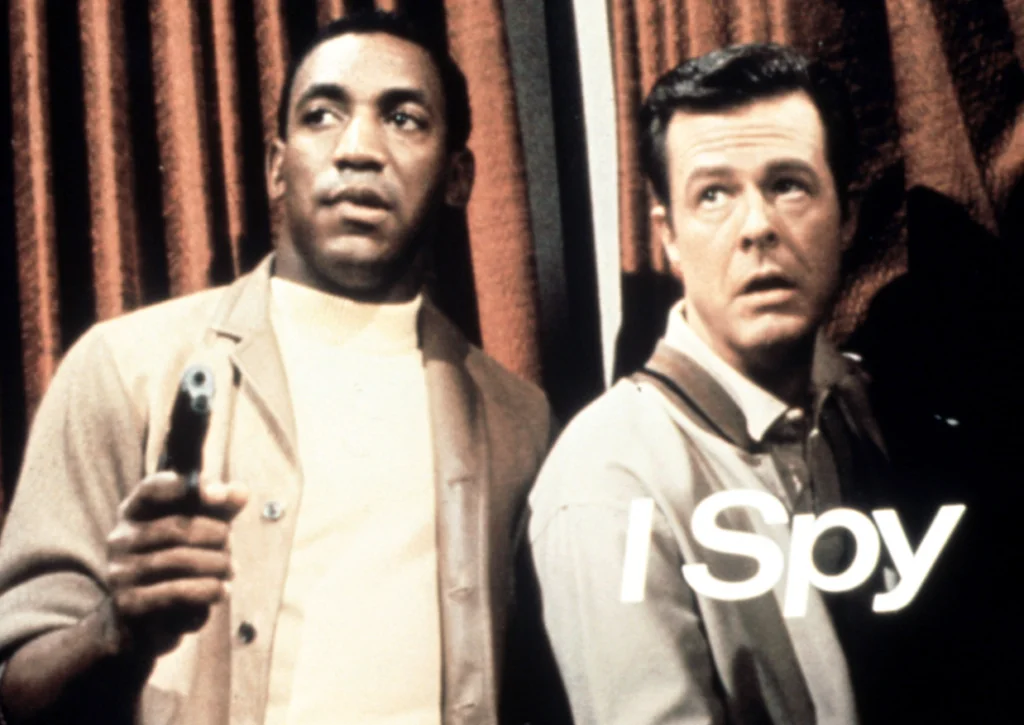
Alexander Scott was one of the first Black characters portrayed as an equal co lead in an action adventure series. He was intelligent, multilingual, physically capable, and deeply respected within the narrative. His character normalized diversity in a genre that rarely offered it. That visibility mattered enormously in the mid ’60s.
Scott wasn’t defined by stereotypes or limitations. He was confident, cultured, and emotionally nuanced. The role expanded how Black characters could be represented on television. His success helped open doors for broader representation across networks. Even today, the character feels quietly groundbreaking.
10. Cinnamon Carter (Mission: Impossible)
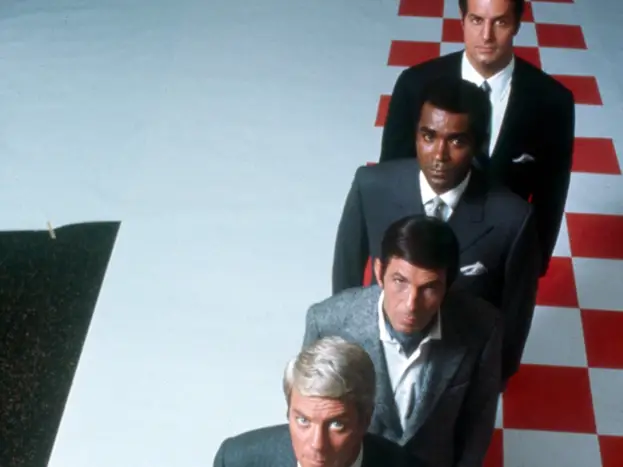
Cinnamon Carter was a master of disguise, deception, and psychological strategy. She regularly took on high risk assignments that required intelligence and emotional control. Unlike many female characters of the era, she was trusted with complex missions. Her competence was treated as normal rather than exceptional.
She demonstrated professional autonomy and adaptability in every episode. The character showed that women could thrive in high pressure, tactical roles. Her calm authority added credibility to the ensemble. Cinnamon helped redefine what female characters could contribute in procedural storytelling. Her influence remains visible in modern ensemble dramas.
11. Julie Barnes (The Mod Squad)
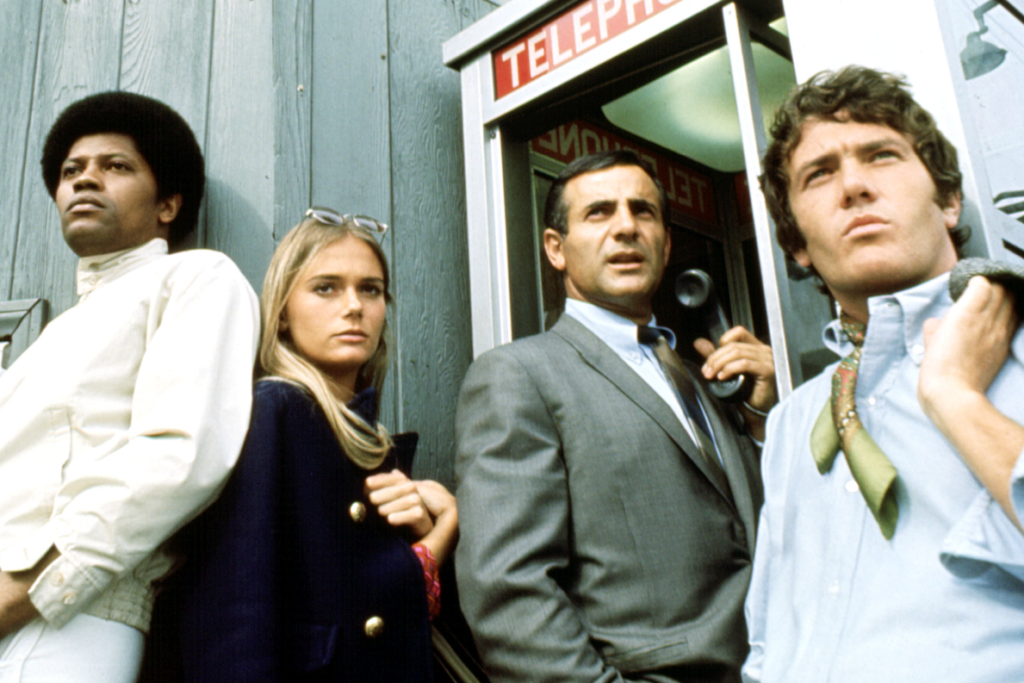
Julie Barnes represented a new kind of youth centered heroine, socially aware, emotionally intelligent, and assertive. She operated as an equal partner within the squad rather than a token presence. Her character reflected the shifting cultural values of the late ’60s. That relevance made her feel contemporary even now.
Julie addressed real social issues while maintaining emotional strength and independence. She often challenged authority figures thoughtfully and confidently. The show allowed her to show vulnerability without losing agency. That balance remains a hallmark of strong modern characters. Julie helped bring realism and empathy into youth driven storytelling.
12. Spock (Star Trek)
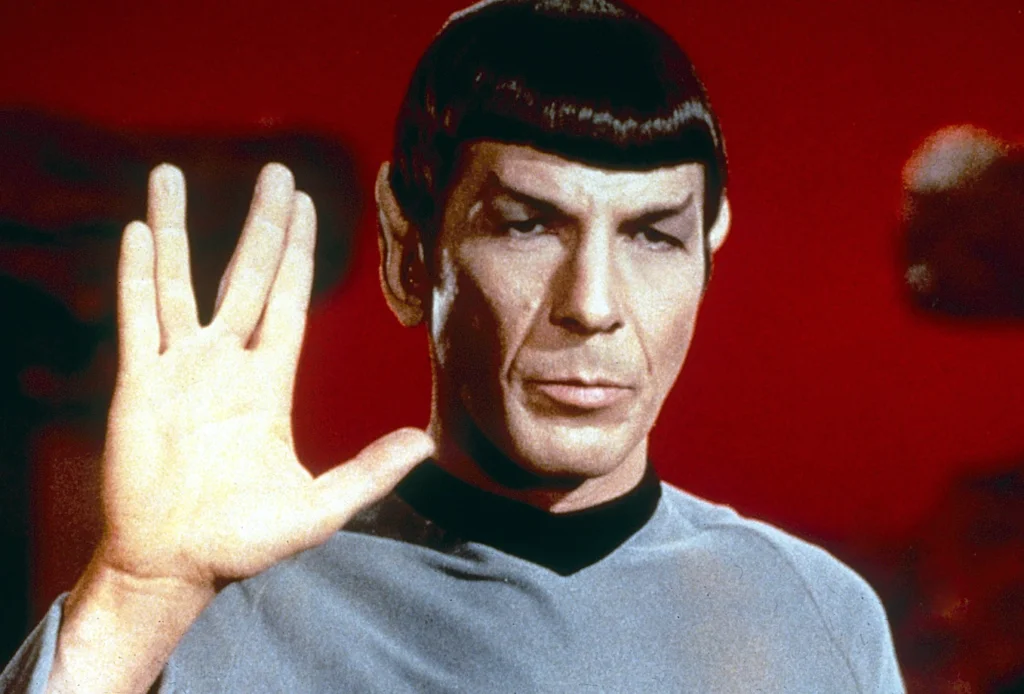
Spock embodied emotional intelligence through restraint, logic, and cultural duality. He challenged traditional masculinity by valuing reason, self control, and intellectual curiosity over bravado. That portrayal felt unusual for a leading male character in the ’60s. His internal struggle between logic and emotion gave him lasting depth.
Spock’s acceptance of difference and identity complexity resonates strongly today. He modeled empathy without sentimentality and leadership without aggression. Many viewers connected deeply with his outsider perspective. The character expanded how male heroes could be written on television. His influence still shapes science fiction storytelling and character design.