1. Sandra Dee
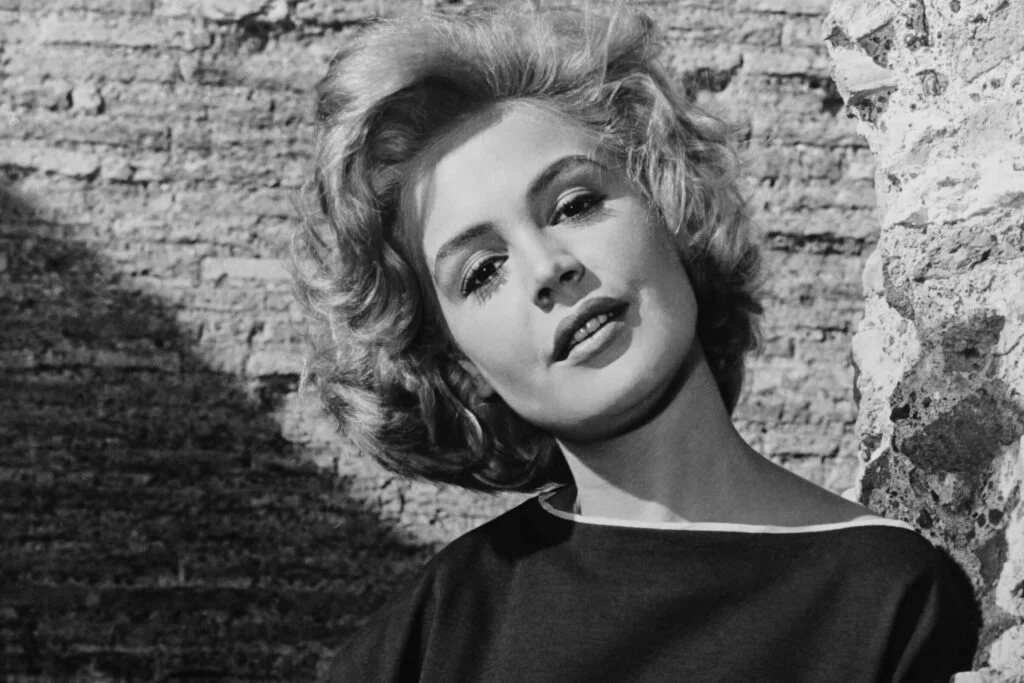
She was the ultimate “Ingénue” of the late ’50s and early ’60s, a girl-next-door icon who seemed to represent everything wholesome about American youth. From Gidget to her high-profile marriage to Bobby Darin, Sandra was a constant fixture on magazine covers, embodying a very specific kind of polished, innocent charm that the public couldn’t get enough of.
However, as the counterculture movement took over and cinema became grittier, her sweet image started to feel like a relic of a bygone era. By the time the ’70s rolled around, the scripts stopped coming, and she retreated into a much more private, quiet life, eventually focusing on her family and health away from the relentless scrutiny of the cameras.
2. Troy Donahue
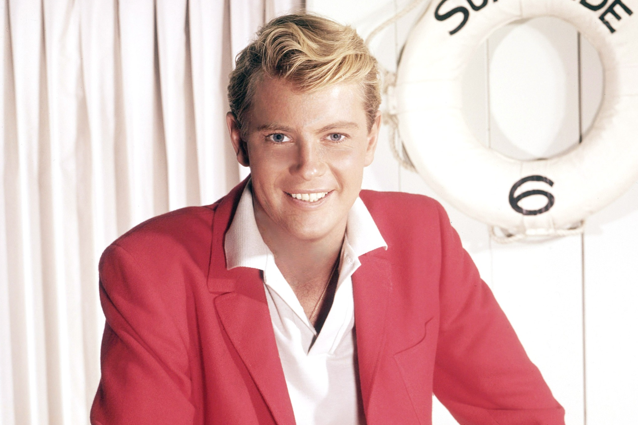
The quintessential golden boy of the surf-movie era, Troy was the heartthrob of the early ’60s with his blonde hair and tanned physique. He was the face of massive hits like A Summer Place, and for a few years, it seemed like he was the blueprint for what a Hollywood leading man should look like.
As the “New Hollywood” style gained traction—favoring more complex, anti-hero types over polished matinee idols—the industry’s appetite for his brand of clean-cut charm faded. He didn’t disappear entirely, but he transitioned into much smaller roles and spent his later years enjoying a slower, more grounded pace of life.
3. Fabian
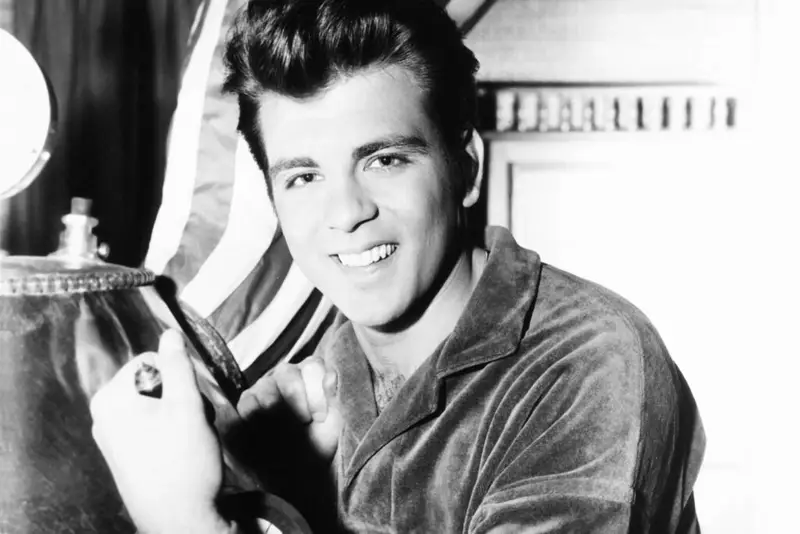
One of the original teen idols who could cause a literal riot just by walking down the street, Fabian was a massive fixture of the early ’60s pop landscape. He was manufactured as a star before he even had a hit record, but he handled the sudden, overwhelming fame with a surprising amount of grace for a teenager.
As he grew up and the musical world shifted toward the complex sounds of psychedelic rock, he realized his heart wasn’t in the frantic pace of superstardom. He eventually stepped back from the front lines of the industry to focus on his own business interests and occasional guest appearances, choosing a life that was much more under his own control.
4. Tuesday Weld
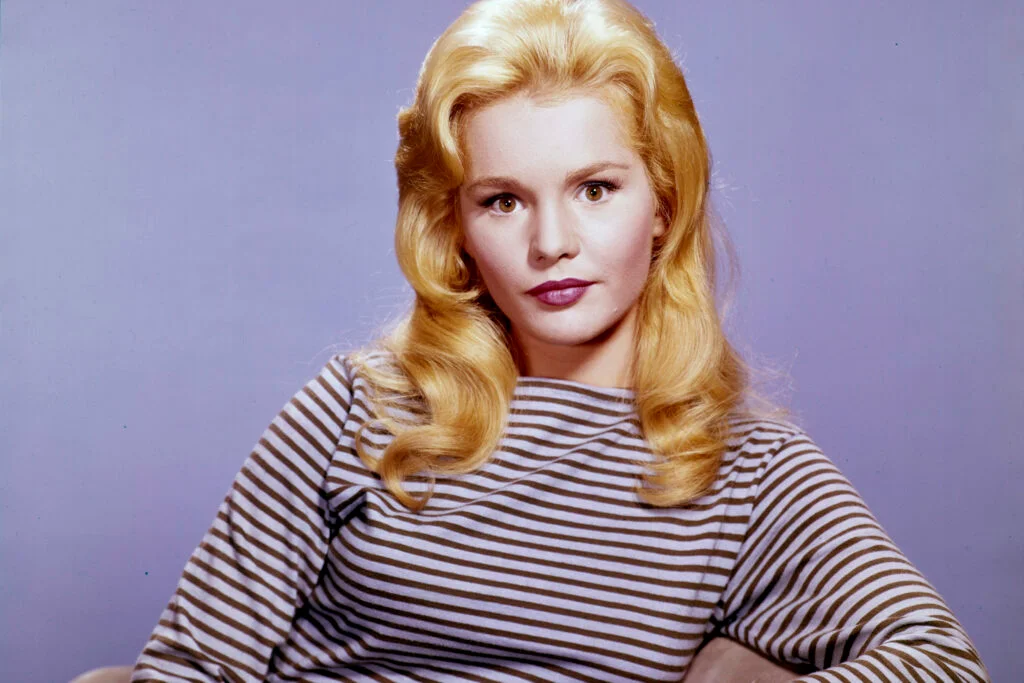
Tuesday was the “cool girl” that everyone wanted to be or be with, known for her incredible acting chops and a rebellious streak that set her apart from her more traditional peers. She had a rare kind of screen presence that made her a darling of both critics and the general public during the height of her fame.
Despite being offered legendary roles—including the lead in Lolita—she often turned them down to pursue smaller, more personal indie projects that resonated with her. Over time, she prioritized her personal life and artistic integrity over maintaining a spot on the A-list, eventually opting for a quiet existence largely outside the Hollywood bubble.
5. George Maharis
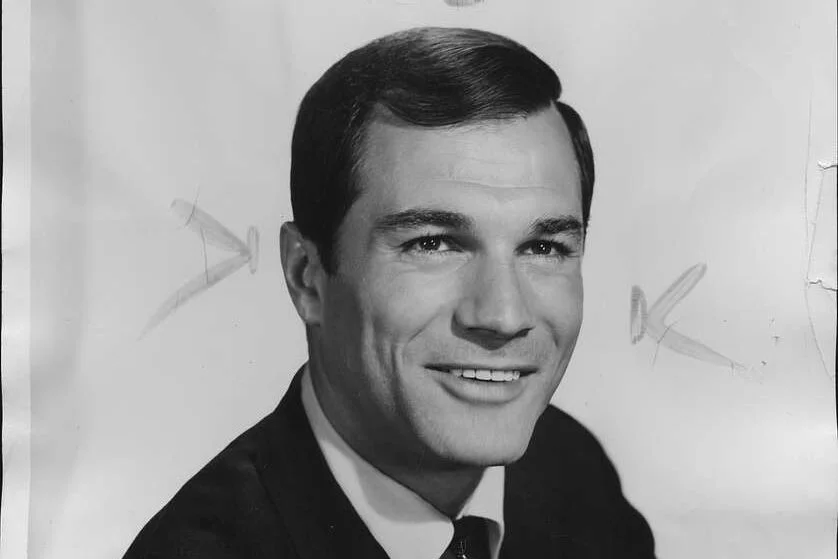
As the star of the hit show Route 66, George was the face of American wanderlust, representing a generation that wanted to hit the open road and see the world. He had a rugged, magnetic quality that made him one of the most recognizable faces on television during the early part of the decade.
After leaving the show due to a difficult bout of hepatitis and some behind-the-scenes friction, he found it hard to recapture that same lightning-in-a-bottle fame. Rather than chasing the spotlight, he pivoted his creative energy toward his passion for painting, finding a different kind of fulfillment in a much more solitary and peaceful career.
6. Dorothy Provine
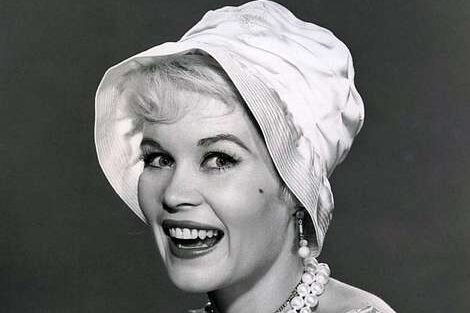
With her signature bobbed hair and high-energy performances, Dorothy was a bright, vivacious light in ’60s television and film. She was a favorite of legendary directors like Blake Edwards and starred in the massive hit It’s a Mad, Mad, Mad, Mad World, bringing a specific kind of comedic timing and charm to every role.
However, the glitz of Hollywood never seemed to be her ultimate goal. She chose to retire from acting in the late ’60s after getting married, trading the bright lights of Los Angeles for a peaceful, rural life in the Pacific Northwest, where she stayed largely out of the public eye until her passing.
7. Yvette Mimieux
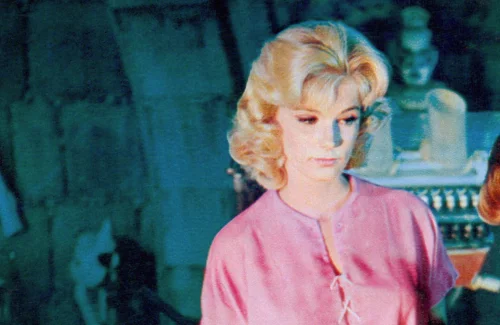
Yvette had a delicate, almost ethereal quality that made her a standout in sci-fi classics like The Time Machine. She was often cast as the “otherworldly beauty,” a role she played to perfection, but she was also a deeply intelligent woman who had interests that stretched far beyond the movie set.
While she worked steadily through the ’70s, she eventually grew tired of the industry’s narrow, often superficial view of women. She successfully moved into a second career in real estate and anthropology, proving that there was plenty of life and success to be found once the cameras stopped rolling.
8. Edd “Kookie” Byrnes
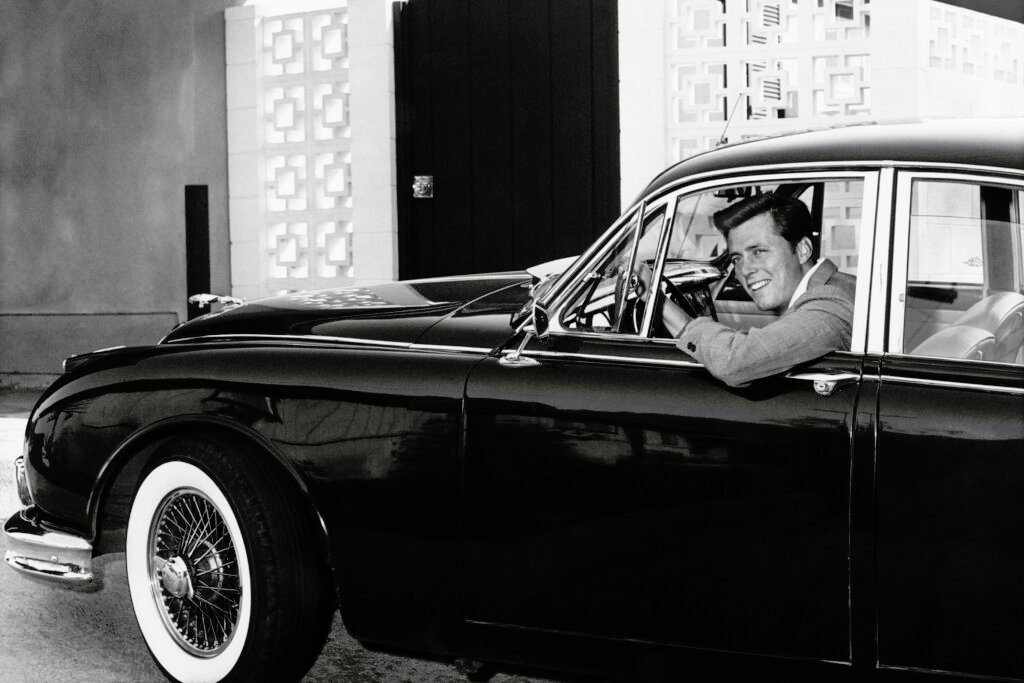
The breakout star of 77 Sunset Strip, Edd was so popular that he even had a hit song about his hair-combing habit. He was the definition of “cool” in the late ’50s and early ’60s, with a massive following of fans who copied his slang and his style.
When the “Kookie” craze died down and the show ended, he found it difficult to break out of the character’s shadow and be taken seriously for more mature roles. He worked sporadically in the following decades but eventually moved into the background of the industry, living a much more conventional life.
9. Jean Seberg
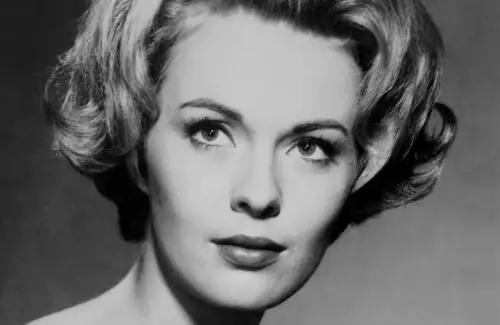
After becoming an icon of the French New Wave in Breathless, Jean spent the ’60s as a global fashion and film darling. She had a unique, pixie-cut look that defined an entire era of style, and her talent as an actress was respected on both sides of the Atlantic.
Sadly, a combination of intense political scrutiny from the FBI due to her activism and her own personal struggles caused her to withdraw from the mainstream Hollywood circuit. She spent her final years primarily in Europe, seeking a sense of peace that had become increasingly difficult to find in the American spotlight.
10. Richard Beymer
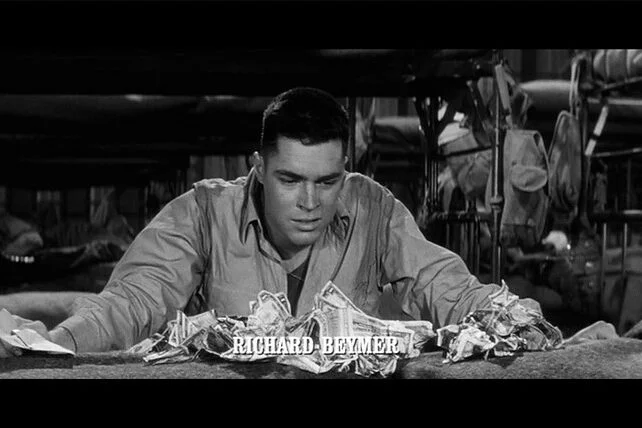
Best known as Tony in the cinematic masterpiece West Side Story, Richard had the world at his feet in 1961. He had the looks and the talent to be a leading man for decades, but he found the pressure and the artifice of the Hollywood machine to be deeply unappealing.
He famously stepped away from acting for a long stretch at the height of his career to pursue his own interests in filmmaking, photography, and transcendental meditation. While he occasionally returned for specific projects—like Twin Peaks—he largely lived a life defined by his own creative curiosity rather than box office numbers.
11. Nancy Ames
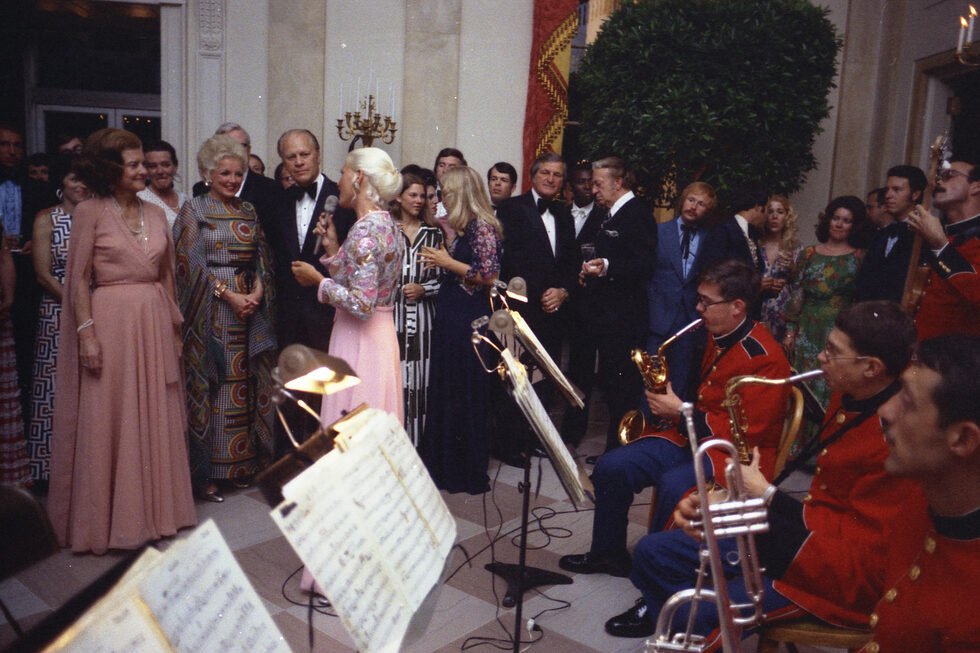
A regular on the satirical show That Was the Week That Was, Nancy was a folk-singing sensation with a huge television presence and a powerful voice. She was a key figure in the folk revival movement, bringing a sophisticated, international flair to the genre.
As the folk revival peaked and the musical landscape moved toward stadium rock, she pivoted away from the national spotlight. She eventually moved back to Texas, where she focused on her family and local creative projects, finding happiness away from the demands of a national touring schedule.
12. Gardner McKay
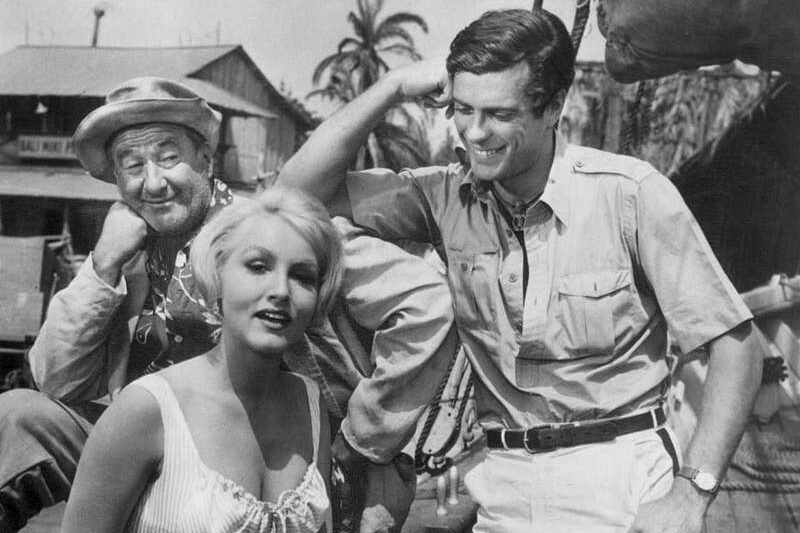
Gardner was so handsome that he reportedly couldn’t walk down the street without being mobbed by fans during his Adventures in Paradise days. He was the ultimate TV heartthrob, but he was always more of a writer at heart than an actor, and he never quite felt comfortable with the “celebrity” label.
He famously quit acting at the absolute height of his popularity, walking away from a lucrative career to become a successful novelist and playwright. He spent the rest of his life traveling and writing, seemingly much happier with a pen in his hand than he ever was in front of a lens.
13. Connie Stevens
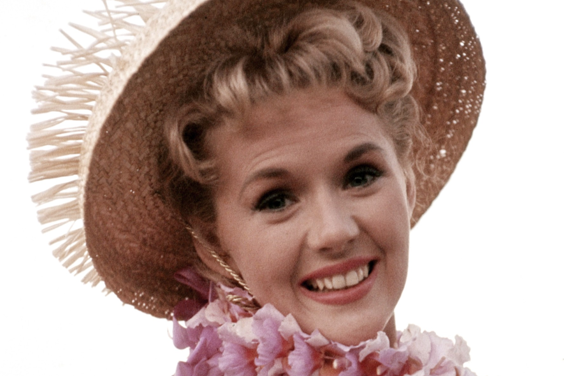
The bubbly star of Hawaiian Eye was a multi-talented force who could sing, dance, and act her way through any scene. She was a constant presence in the ’60s, known for her energy and her ability to connect with audiences across multiple mediums.
While she remained active in the industry much longer than some of her peers, she eventually shifted her focus from being a front-and-center star to becoming a savvy businesswoman. She launched a massive cosmetics empire that became her primary focus, proving that she had a sharp mind for branding that lasted long after her TV show went into syndication.