1. Fleetwood Mac, Rumours (1977)
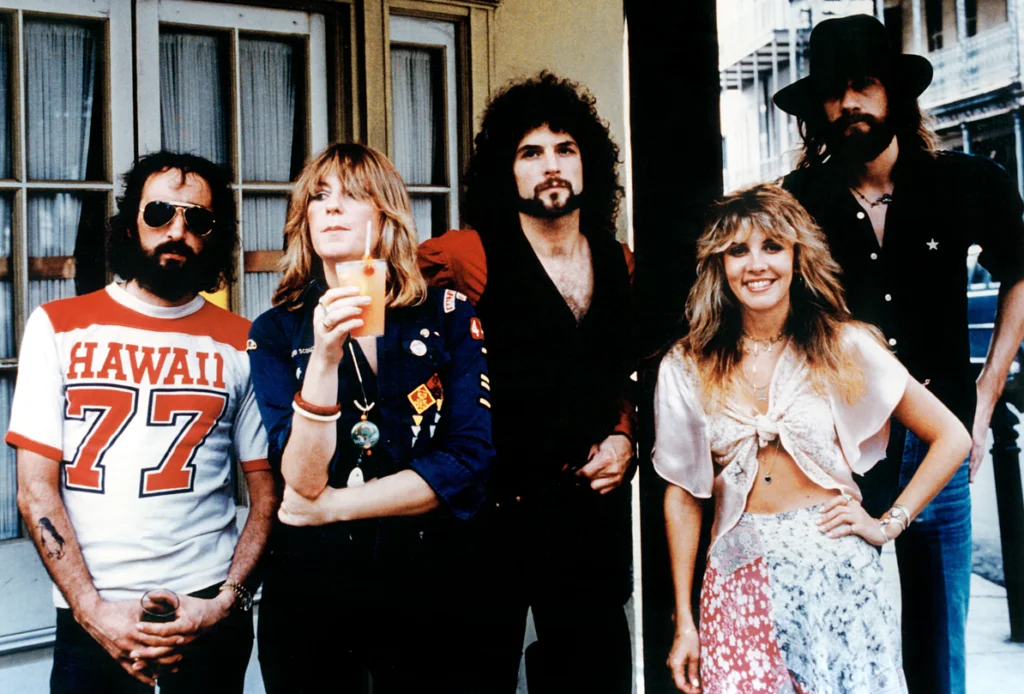
There is a specific kind of magic in this record that seemed to bridge the gap between every generation in the house. Whether it was your parents trying to capture a sense of cool or a teenager obsessed with the soap-opera drama behind the lyrics, it was the ultimate common ground. You couldn’t walk into a living room in the late ’70s without seeing that iconic cover of Mick Fleetwood and Stevie Nicks. The needle hit the groove, and suddenly the house was filled with the perfect blend of California sunshine and heartbreaking honesty.
It wasn’t just an album; it was the soundtrack to every Saturday morning cleaning session and every late-night dinner party. “Dreams” and “Go Your Own Way” felt like they had been part of the human DNA forever, even when they were brand new. Even if the vinyl was scratched from over-rotation, it stayed in the milk crate because throwing it away felt like losing a family member. It was the definitive proof that even the most chaotic relationships could produce something flawlessly beautiful.
2. Carole King, Tapestry (1971)
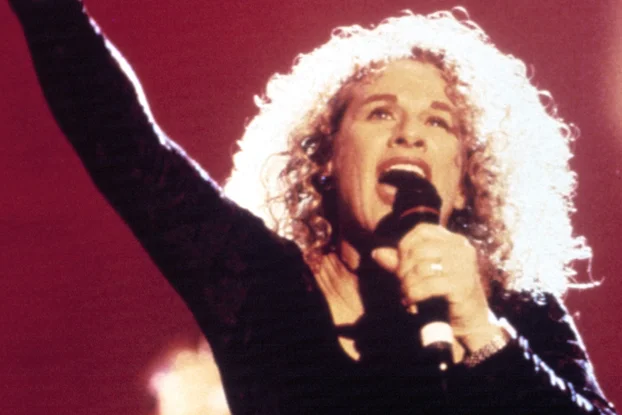
This album felt less like a commercial product and more like a warm blanket draped over the back of the sofa. Carole King’s voice had a neighborly quality that made you feel like she was sitting right there at your upright piano. It was the record that stayed on the turntable for weeks at a time because no one ever felt like taking it off. It provided a soulful, grounded energy that balanced out the louder, more aggressive rock of the era.
From “I Feel the Earth Move” to “You’ve Got a Friend,” every track felt like a standard the moment it was released. Mothers, daughters, and everyone in between found something to cling to in these lyrics about friendship and finding one’s way. It was the ultimate “home” record, often smelling slightly of incense or home-cooked meals. You didn’t just listen to Tapestry; you lived inside of it, and it made the house feel a little bit safer.
3. Pink Floyd, The Dark Side of the Moon (1973)
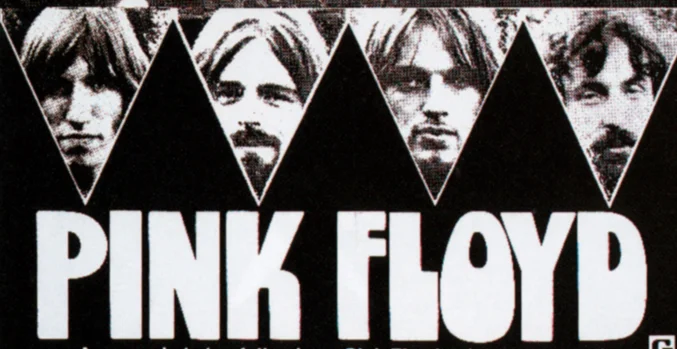
If you didn’t own this album, did you even have a stereo system in the 1970s? That prism on the black background was a permanent fixture next to the hi-fi, usually accompanied by at least one person wearing headphones and staring at the ceiling. It was the go-to record for testing out new speakers or simply escaping the mundane reality of suburban life. The ticking clocks and cash register sounds became the ambient noise of a decade.
It was the record that the “cool” older brother always had, but eventually, even the most traditional parents found themselves humming along to “Money.” There was something universal about its existential dread and sonic ambition that crossed all social boundaries. It was a sensory experience that demanded a certain level of respect and quiet in the room. Decades later, the mere sound of that opening heartbeat still triggers a sense of collective nostalgia for wood-paneled dens.
4. Eagles, Hotel California (1976)
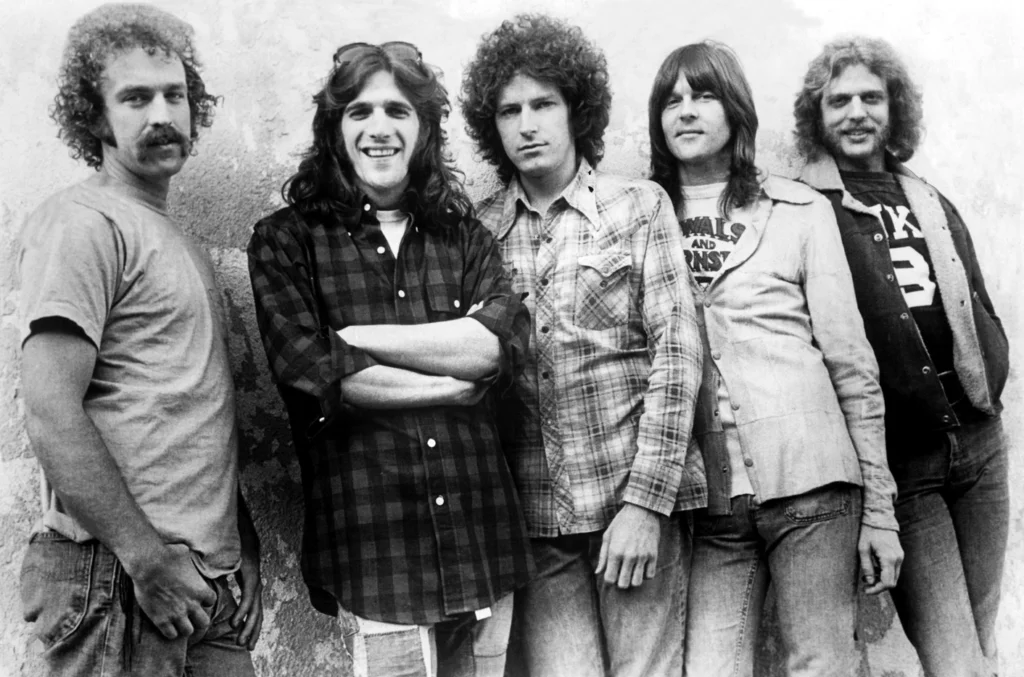
By the time the title track hit the airwaves, this record was already destined to be a household staple. It captured a specific brand of dark, hazy luxury that everyone wanted a piece of, even if they were living miles away from the West Coast. The twin-guitar solo at the end of the first track is likely etched into the memory of anyone who grew up during the Ford or Carter administrations. It was the peak of “yacht rock” sensibilities meeting gritty storytelling.
The album stayed in heavy rotation because it worked for almost any occasion, from a backyard barbecue to a long road trip. It had a way of making the everyday feel cinematic and slightly mysterious. Even the deeper cuts like “Life in the Fast Lane” had a groove that could get the most stoic dad tapping his foot. It was an essential piece of the American cultural puzzle, tucked away in every record cabinet across the country.
5. Simon & Garfunkel, Bridge Over Troubled Water (1970)
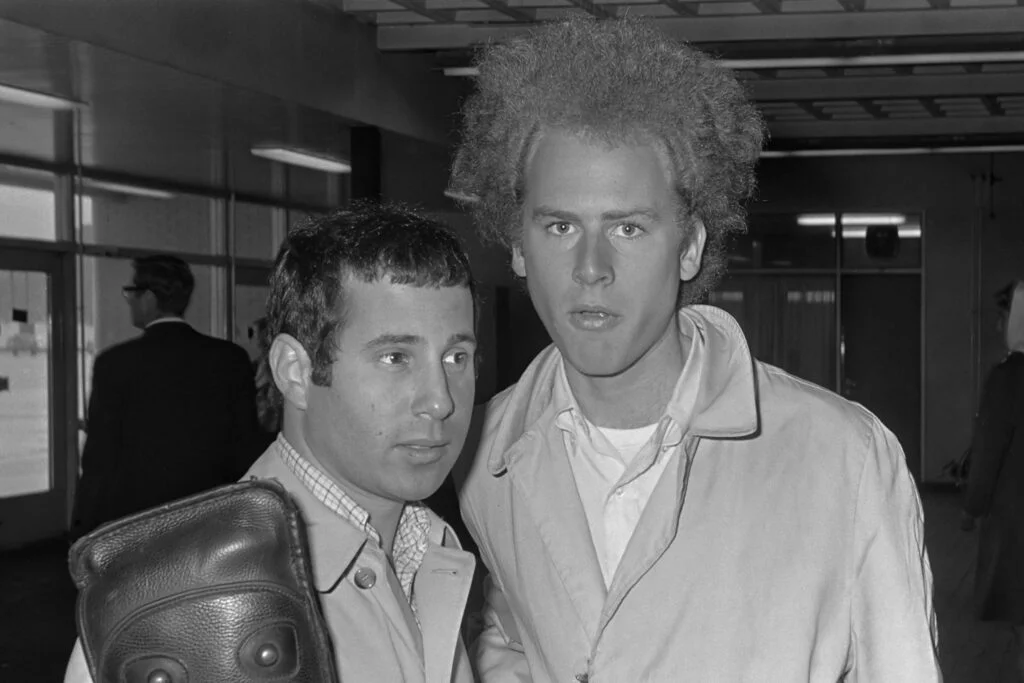
Released right at the dawn of the decade, this album served as the emotional anchor for millions of families transitioning out of the chaotic ’60s. The title track was a secular hymn that seemed to play at every graduation, wedding, and funeral for the next ten years. There was a purity in the harmonies that felt wholesome and sophisticated all at once. It was the kind of record that stayed in the “active” pile near the record player for years.
The songs were deceptively simple but carried an immense emotional weight that resonated with listeners of all ages. Whether it was the upbeat bounce of “Cecilia” or the globetrotting flair of “El Condor Pasa,” the album felt like a travelogue of the human spirit. It was often the first record a teenager was allowed to play on the “good” family stereo without supervision. Having a copy of Bridge Over Troubled Water was essentially a requirement for a well-stocked American household.
6. Elton John, Goodbye Yellow Brick Road (1973)
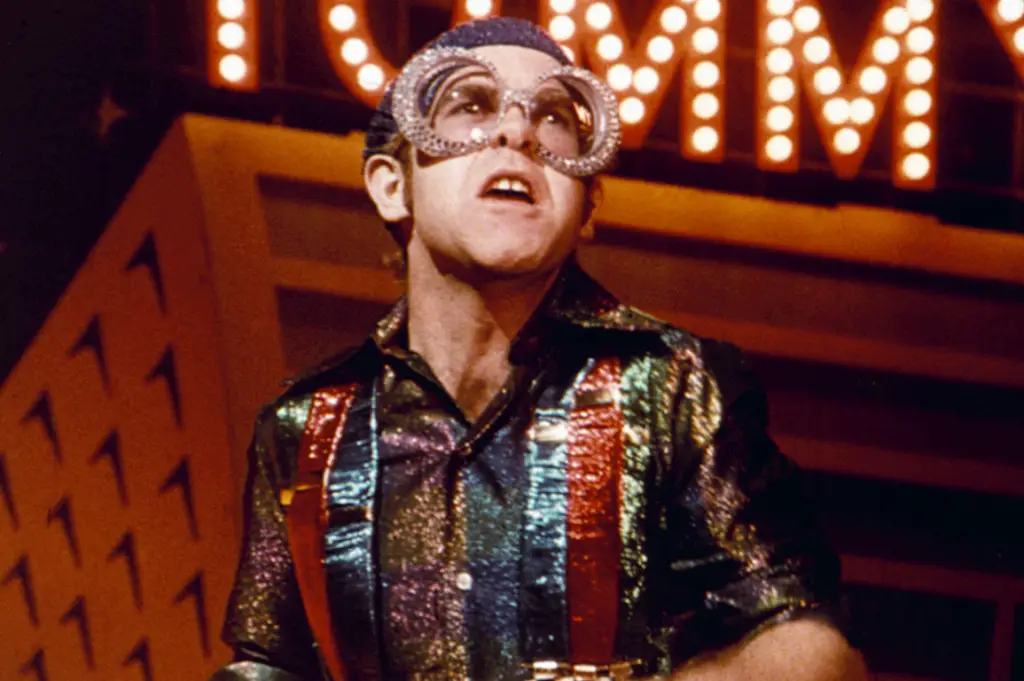
This sprawling double album was a masterpiece of 1970s maximalism that somehow found its way into even the most modest homes. The cover art alone, with Elton stepping into a vibrant, illustrated world, promised an escape from the beige and brown decor of the era. It was a record that felt expensive and grand, yet it contained melodies that everyone could sing along to. From the epic opening of “Funeral for a Friend” to the radio-staple “Bennie and the Jets,” it was a relentless hit machine.
Families would often gather around to flip through the gatefold sleeve and read the lyrics while the record spun. It captured the glam-rock spirit but grounded it in incredible songwriting that appealed to traditionalists and rebels alike. You could find this album in a college dorm room just as easily as in a suburban living room. It was the moment Elton John became a permanent fixture in the collective consciousness of the world.
7. Billy Joel, The Stranger (1977)
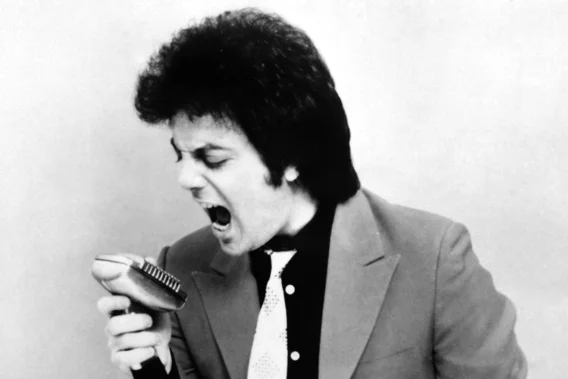
By the late ’70s, Billy Joel had captured the voice of the everyman, making The Stranger an essential purchase for households across the suburbs. The album cover featured Billy sitting on a bed with a mask nearby, an image that became synonymous with the introspective mood of the late decade. It was the perfect “nighttime” record, often played while the house quieted down after a long day. Songs like “Just the Way You Are” became the default soundtrack for a thousand slow dances in wood-paneled basements.
The record successfully blended rock energy with a sophisticated, jazzy pop sensibility that felt very “New York” regardless of where you lived. Tracks like “Scenes from an Italian Restaurant” felt like mini-movies that the whole family knew the words to by heart. It was an album that grew with the listener, revealing new layers of storytelling with every playback. If there was a shelf for records in a 1970s home, The Stranger was almost certainly leaning against the front.
8. Bee Gees, Saturday Night Fever (1977)
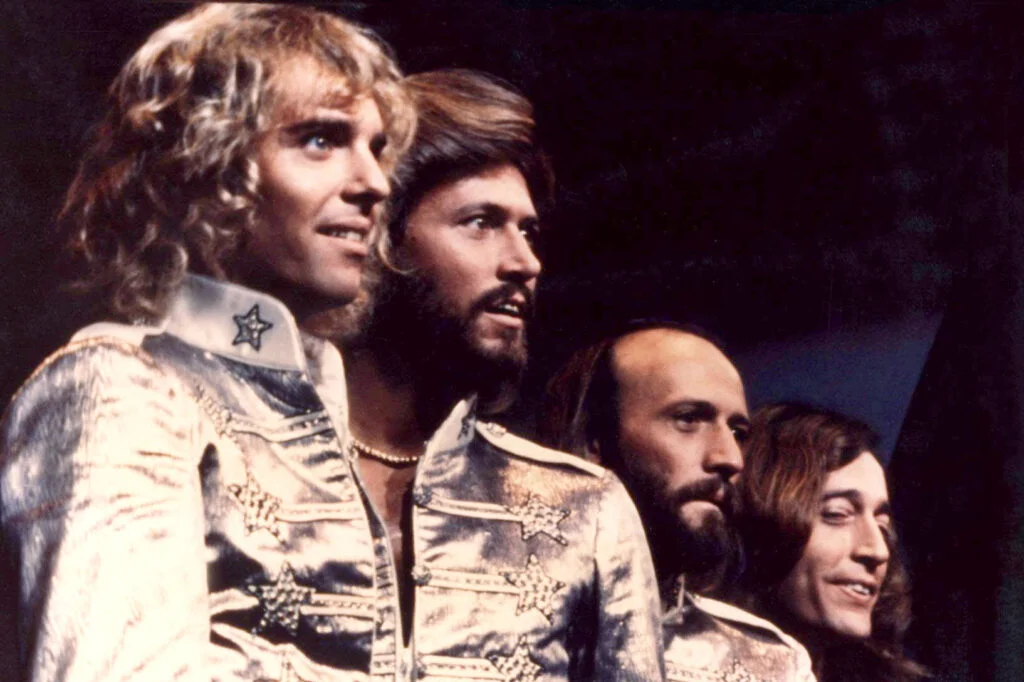
You didn’t have to be a disco dancer to own this soundtrack; in fact, it seemed like the album was delivered to every doorstep by government mandate. It was the cultural phenomenon that defined the latter half of the decade, bringing the neon lights of the club into the family den. The white-suited John Travolta on the cover was perhaps the most recognizable image of the era. Even people who claimed to hate disco usually had a well-worn copy of this tucked away in their collection.
The Bee Gees’ falsetto harmonies became the background noise for every birthday party and neighborhood gathering. Songs like “Stayin’ Alive” and “How Deep Is Your Love” were so ubiquitous they felt like they were coming out of the walls themselves. It was the ultimate party-starter, a record that could bridge the gap between toddlers and grandparents for a few minutes of dancing. It remains one of the best-selling soundtracks of all time for a very simple reason: it was everywhere.
9. Meat Loaf, Bat Out of Hell (1977)
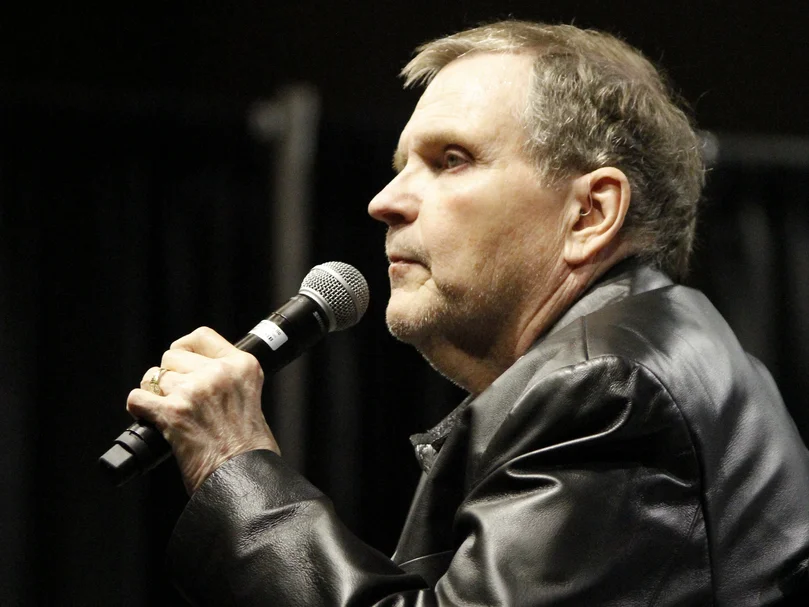
This album was the ultimate “word of mouth” success story that eventually conquered every record player in the country. It was theatrical, over-the-top, and loud, making it a favorite for teenagers looking to annoy their parents—until the parents realized they liked it too. The operatic storytelling of Jim Steinman combined with Meat Loaf’s powerhouse vocals created something entirely unique. It was a record that demanded to be played at maximum volume, usually while someone was “air drumming” along.
“Paradise by the Dashboard Light” became a rite of passage for every young person, a multi-part epic that felt like a Broadway show condensed into eight minutes. The album had a strange, kitschy charm that made it impossible to ignore and surprisingly easy to love. It was often the record that looked the most beat-up because it was pulled out at every single social gathering. It brought a sense of grand drama to everyday life, making it a staple of the late-seventies household.
10. Peter Frampton, Frampton Comes Alive! (1976)
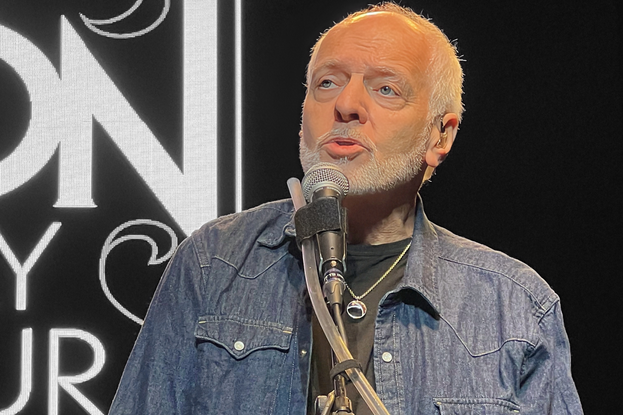
For a few years in the mid-70s, it felt like Peter Frampton was the only man in the world who owned a “talk box.” This live double album was an absolute juggernaut, turning the concert experience into something you could enjoy in your own pajamas. The soft-focus cover of a long-haired Frampton was pinned to many a bedroom wall, but the music belonged to the whole family. It captured a sense of joy and live energy that few other records could replicate on a standard home stereo.
Tracks like “Show Me the Way” and “Do You Feel Like We Do” were FM radio royalty and seemed to play on a loop in every kitchen. It was the definitive live album, proving that you didn’t need a studio to create a perfect pop song. Because it was a double album, it felt like a substantial piece of art that justified its place on the shelf. No ’70s record collection was complete without those fuzzy, distorted guitar vocals echoing through the hallways.
11. Boston, Boston (1976)
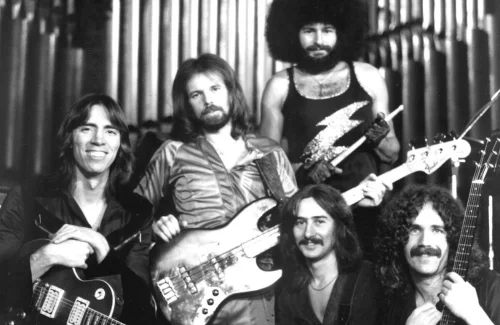
When Tom Scholz released this debut, he essentially perfected the “corporate rock” sound that would dominate the airwaves for years to come. The production was so crisp and clean that it made even the cheapest record players sound like professional-grade equipment. It was the album that every teenager used to show off their first car stereo or their new speakers. From the opening chords of “More Than a Feeling,” it was clear that this was going to be a permanent fixture in American homes.
Every single track on the first side of the record felt like a greatest hits collection all on its own. It had a soaring, optimistic quality that made it the perfect backdrop for suburban life in the bicentennial year. It was a record that felt modern and futuristic, yet it had enough classic rock grit to keep the older crowd interested. To this day, the sight of that guitar-shaped spaceship on the cover brings back memories of hot summers and loud music.
12. Neil Diamond, Hot August Night (1972)
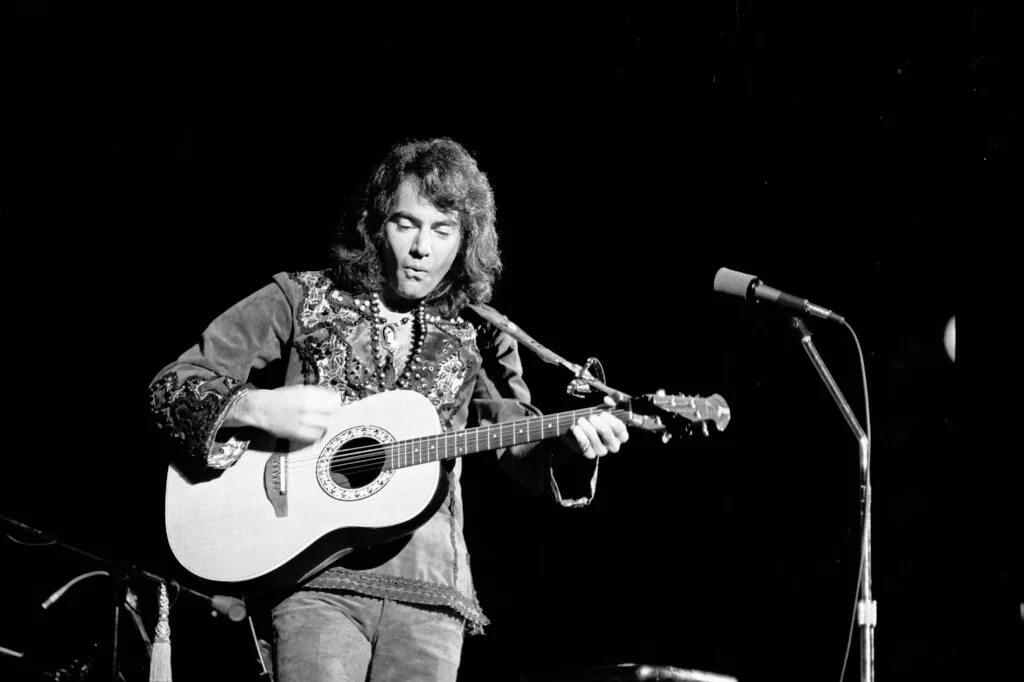
While the kids had their rock and roll, Neil Diamond was the undisputed king of the family living room. Hot August Night captured the raw power and charisma of his live performances at the Greek Theatre, and it stayed in the charts for what seemed like an eternity. It was the record that parents played while hosting bridge night or during a Sunday afternoon barbecue. Neil’s gravelly voice and theatrical delivery made every song feel like a momentous event.
“Sweet Caroline” and “Holly Holy” were the kind of songs that could get an entire house of people singing at the top of their lungs. The album possessed a universal appeal that transcended cool; it was simply part of the cultural furniture. It was often the record that survived multiple moves and house cleanings because it represented a certain kind of reliable, high-energy comfort. Even now, the opening swell of those strings is enough to transport anyone back to a 1970s den.