
1. Extra Long Phone Cords
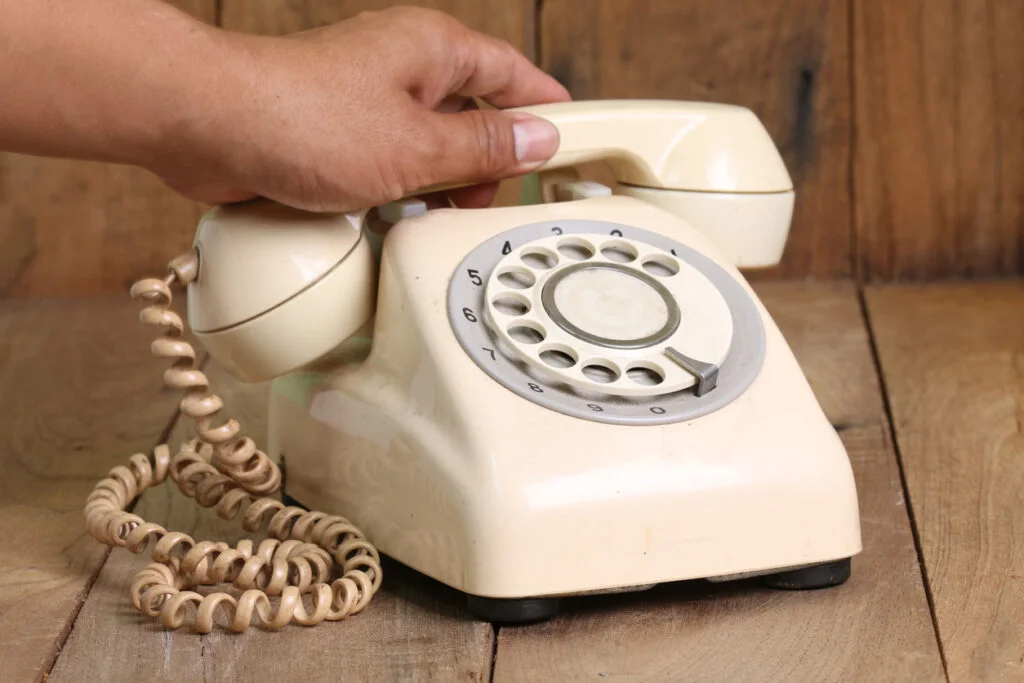
Every house seemed to have at least one telephone with a curly cord that stretched halfway across the room. The idea was freedom, but the reality was getting tangled like a fish on a line. You could walk from the kitchen to the hallway while talking, dragging the receiver with you. By the end of the call the cord looked like it had been through a tornado.
Those cords collected dust and mysterious stickiness no matter how often anyone cleaned them. They also loved to wrap themselves around chair legs and cabinet handles. When cordless phones finally arrived, it felt like a small miracle of modern living. Nobody has ever looked back with real longing for that plastic spiral.
2. Rabbit Ear TV Antennas
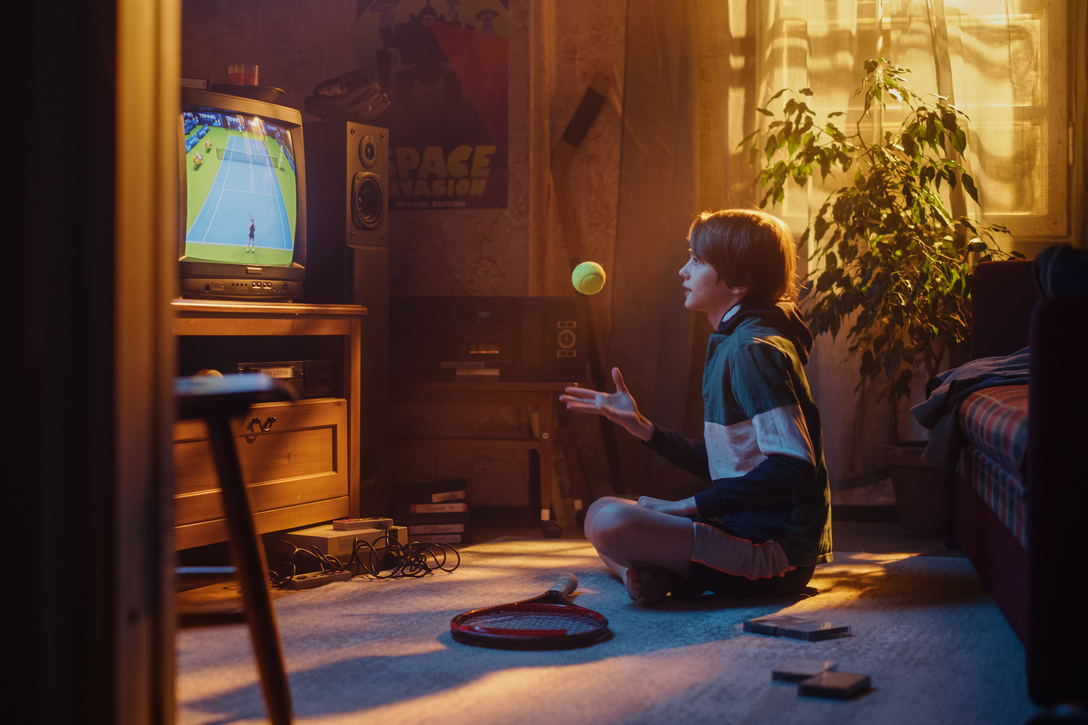
Before cable became common, televisions depended on flimsy metal antennas perched on top of the set. Everyone had their own theory about how to position them for better reception. Someone usually had to stand there holding one arm in the air while the rest of the family shouted directions. The picture still ended up fuzzy and full of snowy lines.
Even a tiny movement could ruin the signal and turn a favorite show into a blurry mess. Aluminum foil often got involved in desperate attempts to improve things. Stormy weather made the whole situation even worse. Modern streaming and clear digital pictures have made those frustrating antennas happily extinct.
3. Cassette Tape Storage Cases
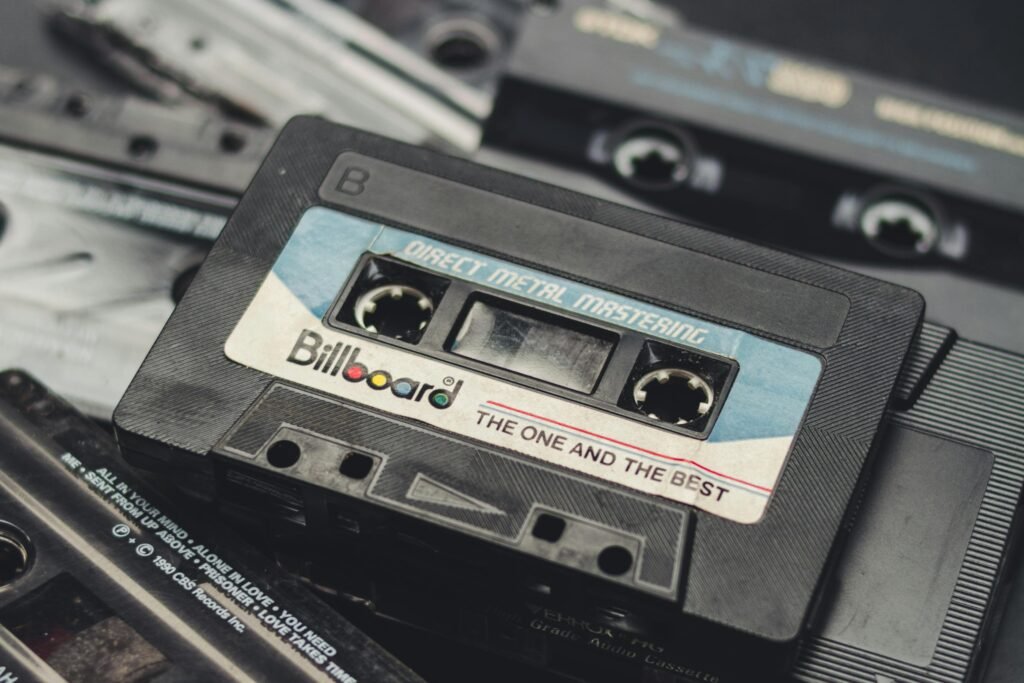
Music lovers in the ’80s owned bulky plastic cases filled with cassette tapes. The cases were heavy, awkward, and always seemed to crack at the hinges. Finding one specific album meant flipping through dozens of rattling tapes. Labels peeled off and handwriting faded over time.
The tapes themselves loved to unwind or get eaten by the player at the worst possible moment. Rewinding with a pencil became a necessary life skill. Today entire music collections live quietly on a phone. Nobody misses hauling around a suitcase full of fragile plastic rectangles.
4. Floppy Disks
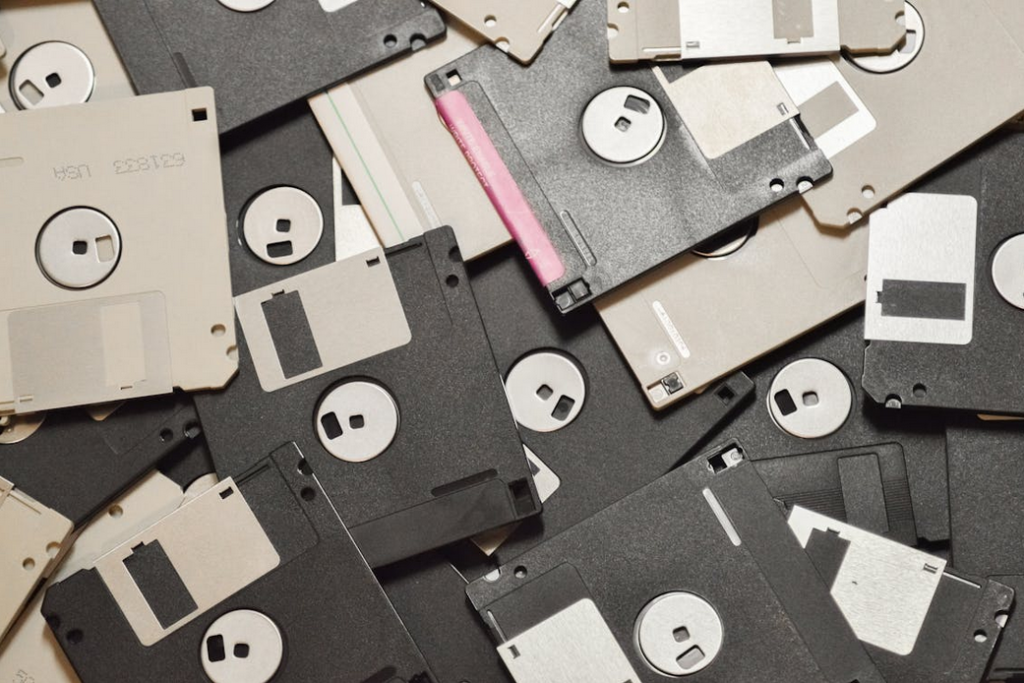
Floppy disks were supposed to be the future of personal computing. They held tiny amounts of information and failed without warning. One accidental magnet or spilled drink could erase everything important. People carried them around like precious treasures anyway.
Most households ended up with boxes full of mysterious unlabeled disks. Half of them stopped working for no obvious reason at all. Modern flash drives make them look like stone age tools. The world moved on without a single tear.
5. Dot Matrix Printers
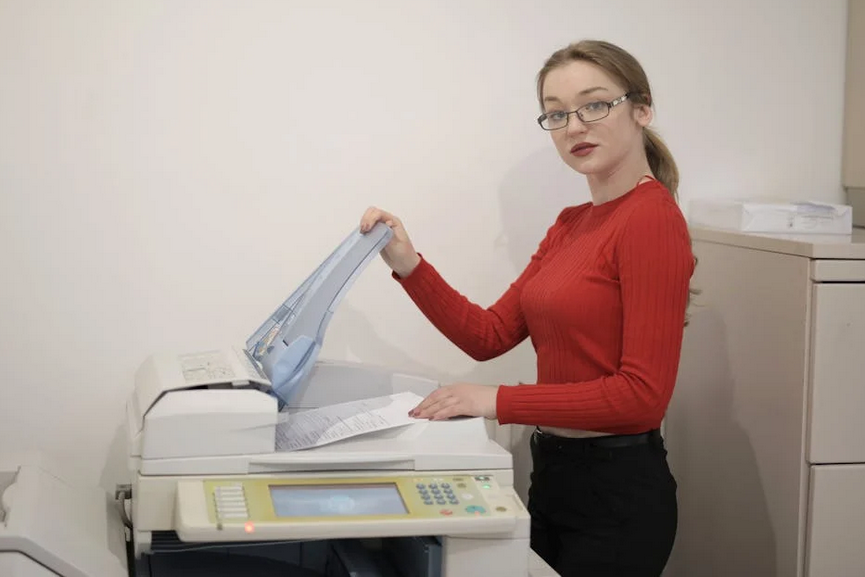
These printers were loud enough to wake the neighbors three houses away. Printing a single page sounded like a construction project happening on the desk. The paper had perforated edges that needed to be torn off carefully. Ink ribbons ran dry at the most inconvenient times.
The finished pages looked fuzzy and slightly crooked no matter what. Fancy fonts were nothing more than a distant dream. Modern printers work quietly and cleanly by comparison. Very few people feel nostalgic about that constant mechanical screeching.
6. Answering Machines
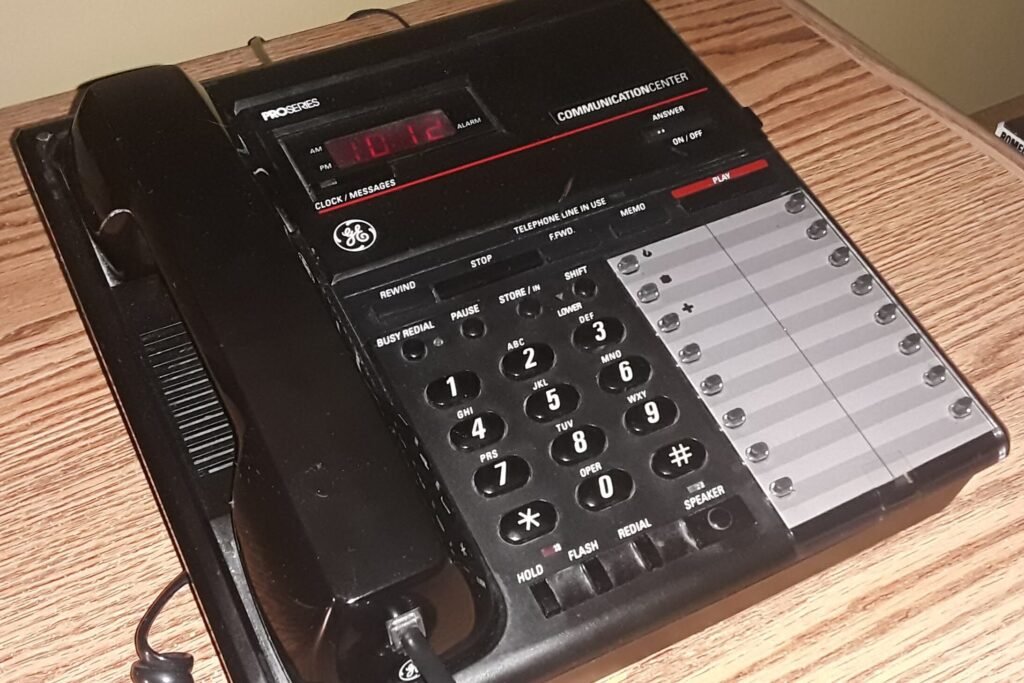
Missed calls in the ’80s meant relying on a chunky answering machine with a tiny cassette tape inside. Messages were often cut off or recorded too softly to hear. Rewinding to find one specific message required endless patience. The blinking red light created unnecessary stress in every household.
Outgoing greetings had to be recorded over and over until they sounded right. Friends sometimes left long rambling messages that filled the entire tape. Deleting old messages felt like a weekly chore. Voicemail on a smartphone has made those clunky boxes completely unnecessary.
7. Rolodexes
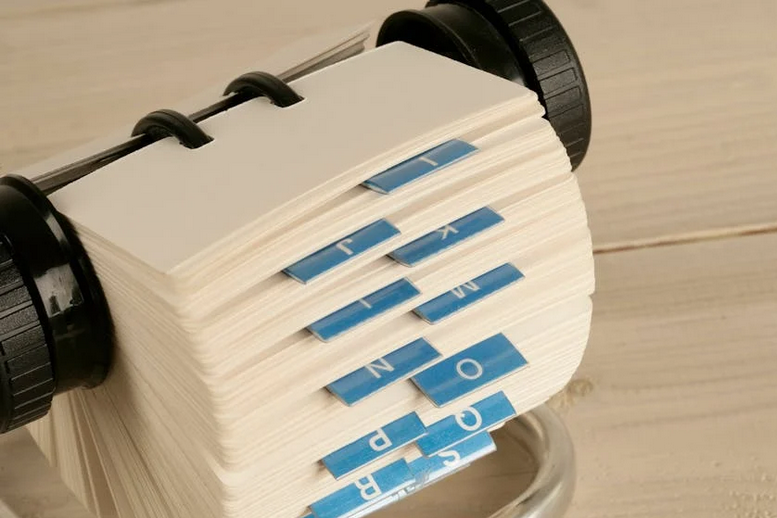
Desks everywhere held spinning towers of little contact cards called Rolodexes. Adding a new phone number meant squeezing in another card by hand. Addresses changed and cards got scribbled over until they were unreadable. The whole system depended on neat handwriting and good organization.
If the Rolodex tipped over, the results were a small paper disaster. Finding one contact could take far too long. Digital contact lists have replaced the spinning wheel forever. Very few people miss flipping through that noisy plastic circle.
8. VCR Tape Rewinders
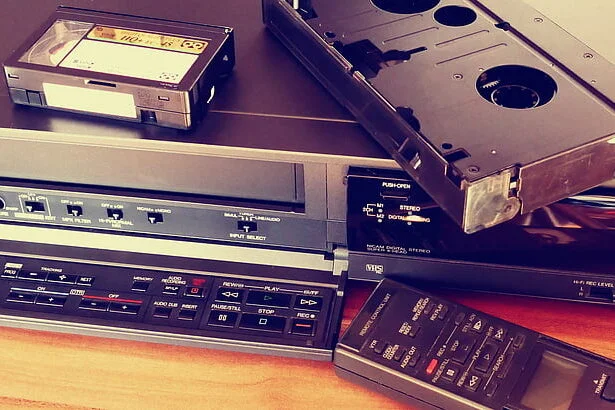
Returning rented movies required rewinding the tape or facing a small fee. Many homes bought separate rewinders to save wear on the VCR. These gadgets served one single purpose and took up valuable shelf space. They also made a high pitched whirring sound that echoed through the room.
If the tape jammed, the evening entertainment was officially ruined. Streaming movies now start instantly with no effort at all. The idea of rewinding anything feels almost prehistoric. Those rewinders quietly disappeared without protest.
9. Film Cameras with Flash Cubes
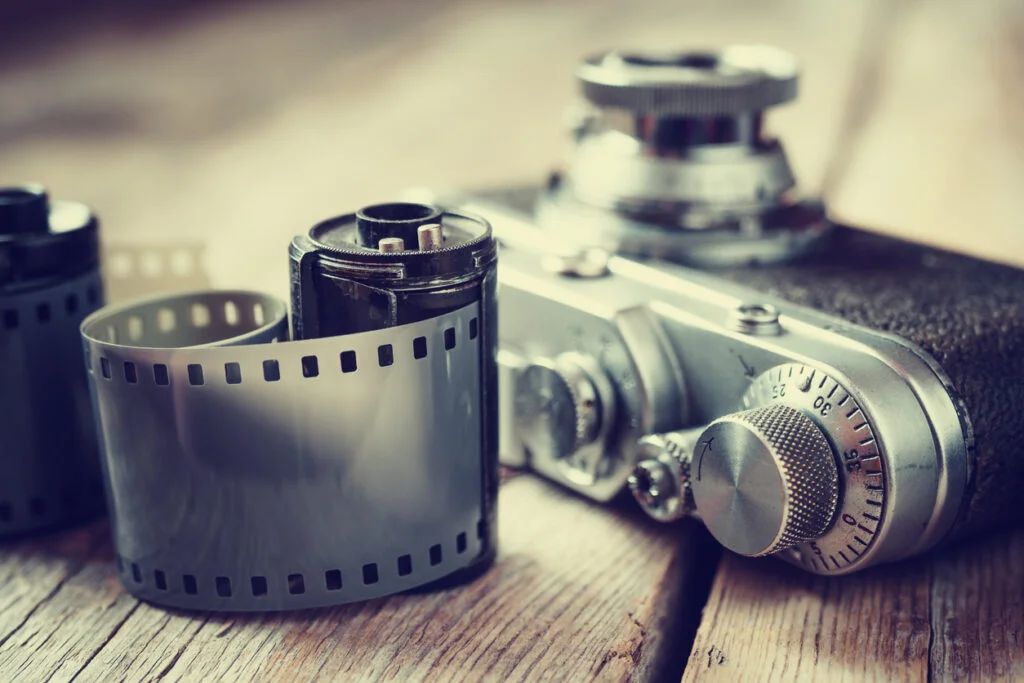
Taking photos once required actual film and bulky disposable flash cubes. Each cube provided only a few bright flashes before needing replacement. People worried constantly about wasting shots on bad pictures. Waiting for film to be developed tested everyone’s patience.
Half the photos usually came back blurry or poorly lit anyway. Carrying extra rolls of film on vacations was considered normal. Digital cameras changed everything almost overnight. Hardly anyone misses paying for photos that turned out terrible.
10. Electric Typewriters
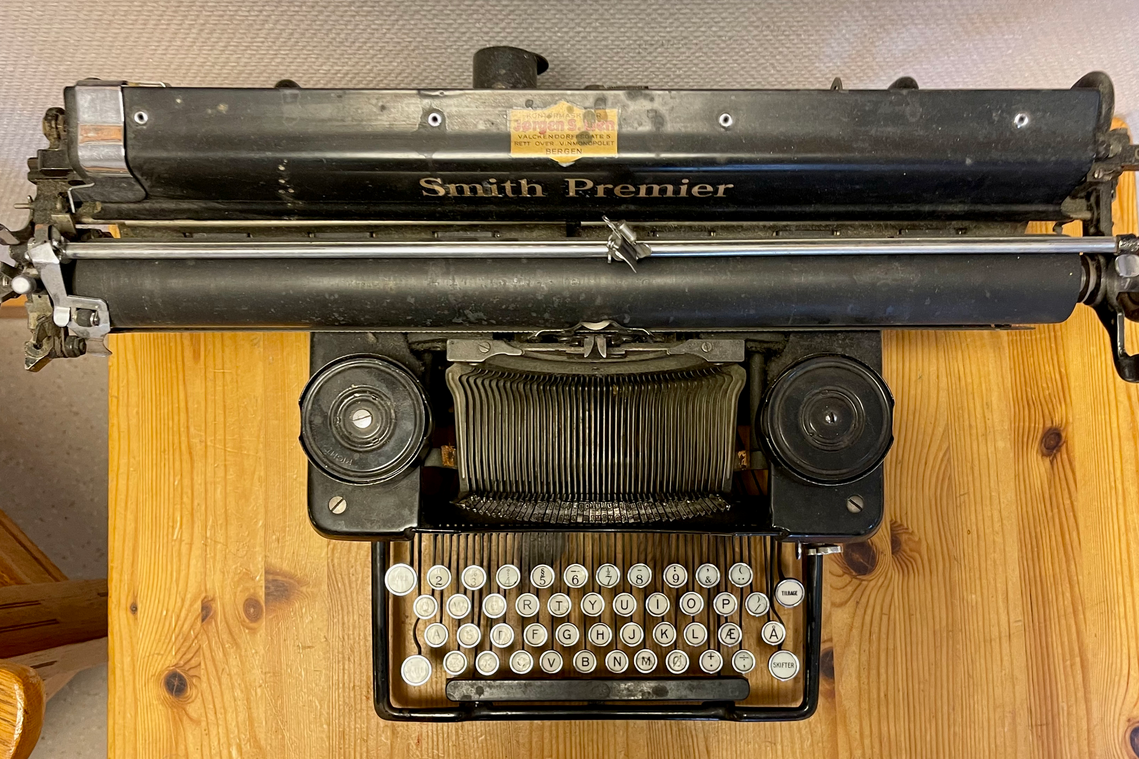
Before home computers, many families owned heavy electric typewriters. Fixing a simple mistake required correction fluid and a steady hand. Rewriting an entire page was common and deeply annoying. The machines were noisy and took up most of a desk.
Changing fonts meant physically swapping out parts of the machine. Copies had to be made with carbon paper and extra effort. Word processing on computers made them obsolete very quickly. The typewriter became a museum piece instead of a household necessity.
11. Giant Console Televisions
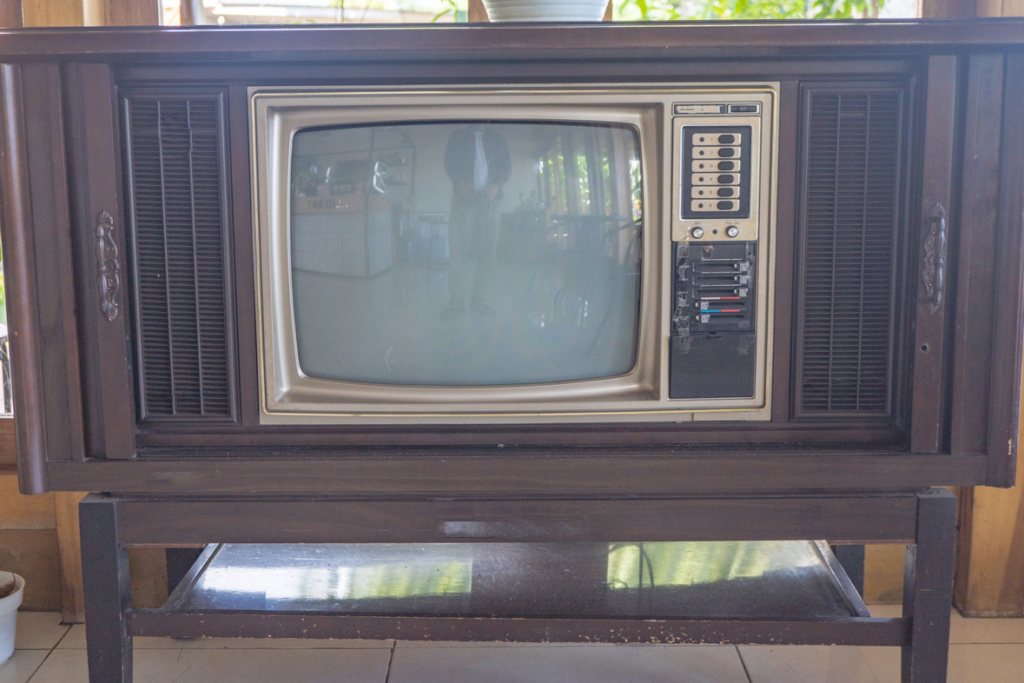
Televisions used to be enormous wooden boxes that doubled as furniture. Moving one required several strong adults and careful planning. The screens were small compared to the massive cabinets surrounding them. Dust collected behind them for years at a time.
Repairing a broken set often cost almost as much as buying a new one. Remote controls were simple and offered very few options. Modern flat screens now hang easily on walls. Nobody truly longs for those room dominating monsters.
12. Paper Phone Books
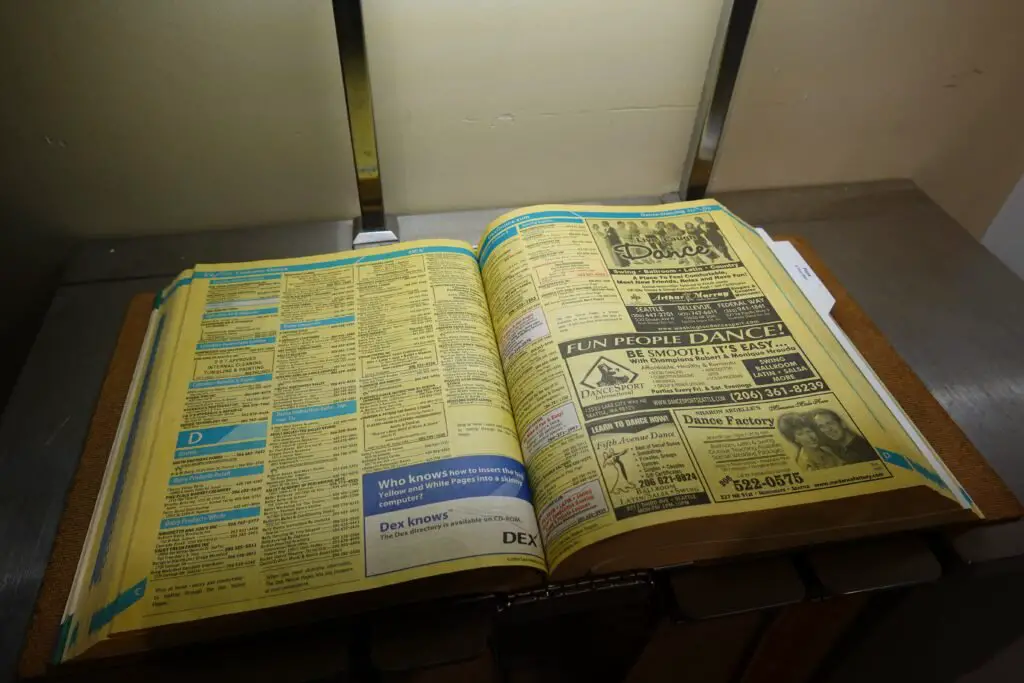
Every year a new phone book landed on the doorstep with a heavy thud. Most households already had several old ones stacked in a closet. Looking up a single number meant flipping through hundreds of thin pages. The books took up space and gathered dust endlessly.
Finding a business required patience and good eyesight. As soon as they arrived, half the information was already outdated. Internet searches replaced them almost instantly. Very few people feel sad about their disappearance.
13. Walkman Foam Headphones
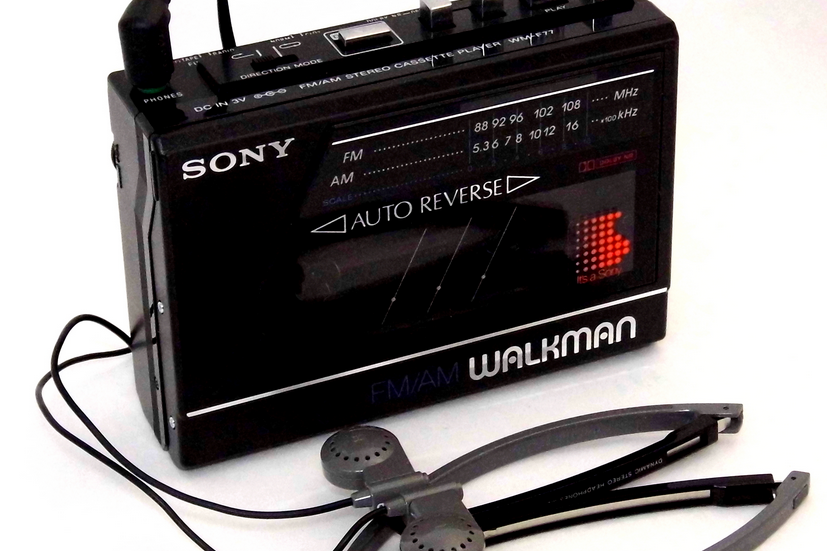
Portable music came with uncomfortable foam covered headphones. The foam ripped easily and collected sweat and grime. The sound quality was thin and scratchy on a good day. Long listening sessions left ears sore and irritated.
Wires tangled themselves into impossible knots inside backpacks. Replacement pads never fit quite right once the originals fell apart. Modern earbuds and wireless options are light years better. Those old headphones remain a memory best left in the past.
14. Encyclopedia Sets

Many families proudly displayed full encyclopedia sets on living room shelves. Research meant pulling down heavy volumes and hoping the information was still current. New editions cost a small fortune and took up massive space. Kids dreaded using them for school reports.
Finding one fact required far more effort than anyone enjoyed. Updates arrived in thin yearly supplements that were easy to lose. The internet made them obsolete almost overnight. Today they mostly serve as decorative nostalgia pieces.
15. Waterbeds
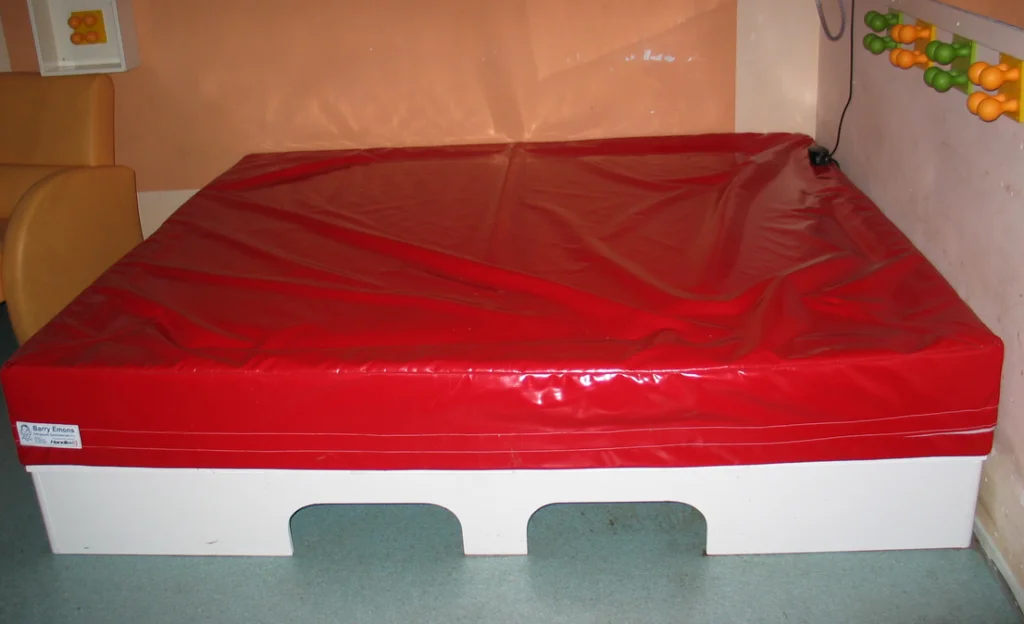
The ultimate symbol of ’80s cool was the wobbly, unpredictable waterbed. Getting in and out felt like climbing onto a giant bag of jelly. Sheets were difficult to put on and never stayed in place. A tiny leak could turn into a major household crisis.
Moving to a new home meant draining hundreds of gallons of water first. Heaters failed and left sleepers shivering in the middle of the night. Regular mattresses eventually reclaimed their rightful place in bedrooms. Very few people would trade comfort for that sloshy experiment again.