
1. Pet Sounds by The Beach Boys
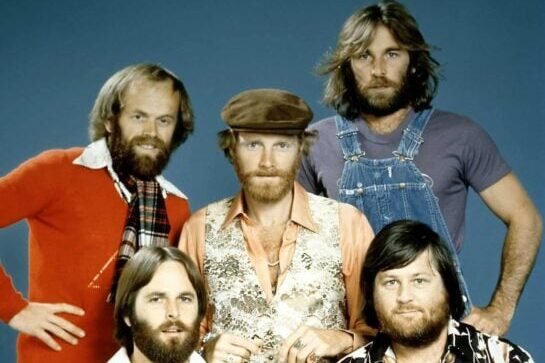
When this album arrived in 1966, it sounded less like a pop record and more like a heartfelt diary. Brian Wilson filled the songs with unusual instruments, layered harmonies and lyrics about doubt and longing. It was a big leap from the carefree surf hits people expected from the band. Many casual fans were confused, but musicians immediately understood its importance. The album treated studio production as an art form all its own. Listeners began to realize that an album could feel like one connected emotional journey. It gently pushed pop music toward deeper and more personal themes.
The charts never fully showed how powerful its influence became. Songwriters from every genre started aiming for that same rich, thoughtful sound. Paul McCartney famously cited it as inspiration for The Beatles’ next creative steps. Even today, new artists discover it and feel permission to experiment. It proved that commercial pop could also be delicate and daring. Taste changed because this record asked people to listen more closely. Its legacy far outgrew its original sales numbers.
2. The Velvet Underground & Nico by The Velvet Underground
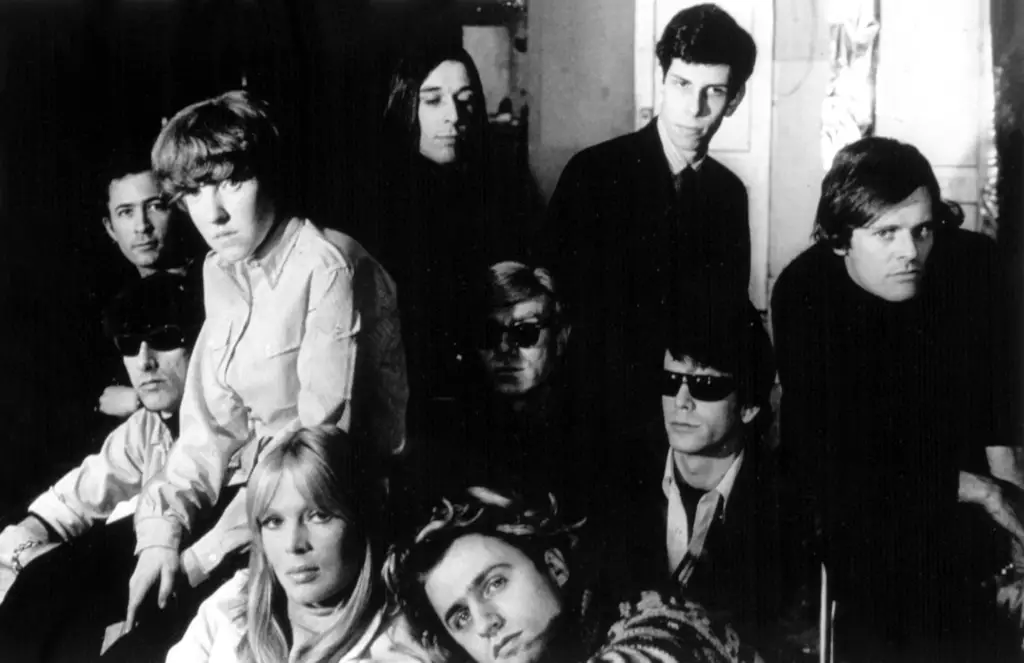
This 1967 album was strange, moody and completely unlike anything else on the radio. Lou Reed wrote blunt, poetic songs about city life and uncomfortable subjects. The music mixed beauty with noise in a way that felt dangerous and exciting. It sold poorly and confused plenty of buyers at the time. But a small group of devoted listeners treated it like a secret treasure. The record suggested that rock music could be gritty and artistic at the same time.
Over the years, that small group turned into generations of musicians. Punk, new wave and indie rock all borrowed pieces of its attitude and sound. Andy Warhol’s banana cover became almost as famous as the songs themselves. People discovered it long after release and wondered how they had missed it. The album taught listeners to appreciate raw honesty over polish. Its impact on taste was enormous even without hit singles.
3. Highway 61 Revisited by Bob Dylan
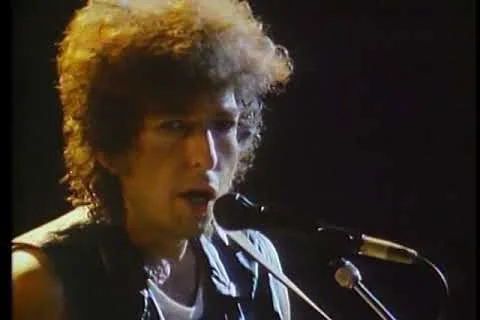
In 1965 Bob Dylan plugged in his guitar and changed the rules of songwriting. The album mixed electric rock with sharp, surreal lyrics that felt more like modern poetry. “Like a Rolling Stone” stretched past six minutes and still sounded urgent and fresh. Dylan showed that pop music could be sarcastic, angry and brilliant all at once. Fans realized that songs did not have to be simple to be powerful. The record encouraged listeners to pay attention to words again.
Many traditional folk fans resisted the change at first. Younger audiences, though, felt their ideas about music expanding. Bands everywhere began writing more thoughtful and challenging material. The album helped make rock music a serious art form. Even people who never owned it felt its influence on the radio. Taste shifted toward intelligence and attitude instead of safe formulas.
4. Are You Experienced by The Jimi Hendrix Experience
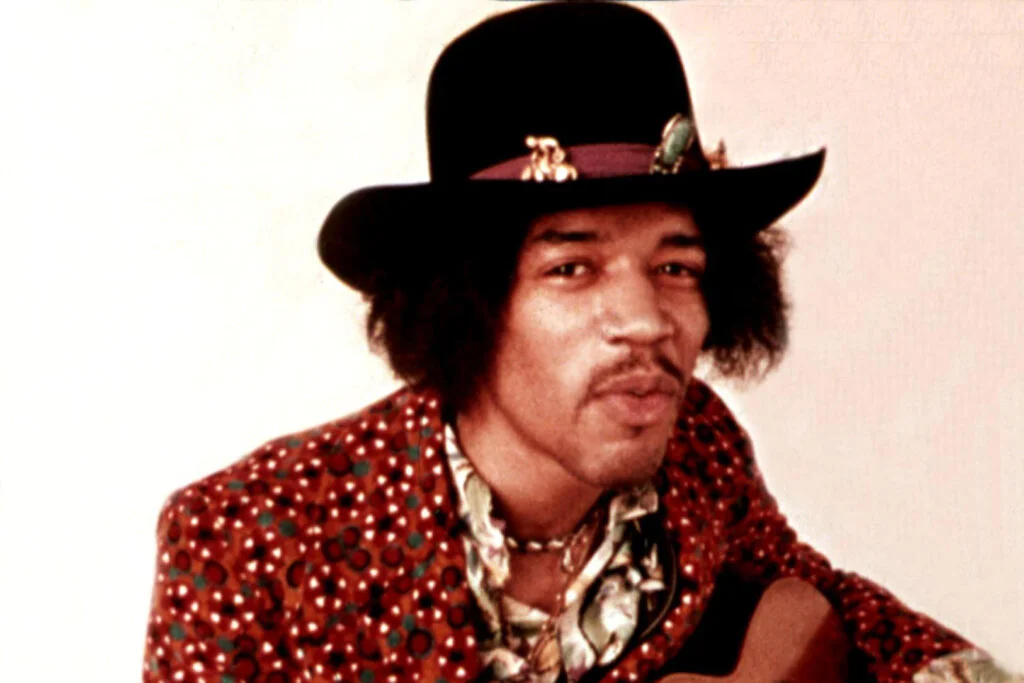
This 1967 debut sounded like an electric storm captured on tape. Jimi Hendrix treated the guitar as if it were a living, breathing instrument. Feedback, distortion and wild solos suddenly became thrilling instead of sloppy. The songs were psychedelic, loud and full of imagination. Young musicians heard it and wanted to push their own limits. The album made creativity more important than following traditional rules.
Concertgoers started expecting bigger sounds and bolder performances. Garage bands everywhere tried to copy the swirling effects and explosive energy. Even listeners who did not play music felt their expectations rising. Rock guitar turned into an adventurous form of expression. The charts showed success, but the cultural shift was even larger. Taste leaned toward experimentation because of this record.
5. Astral Weeks by Van Morrison

Released in 1968, this album floated in its own gentle universe. Van Morrison blended jazz, folk and poetry into songs that felt like memories. There were no obvious radio hits, just long emotional journeys. Many buyers did not know how to categorize it. Critics slowly realized they were hearing something deeply original. The record invited people to listen with their hearts instead of chasing catchy hooks.
Over time it became a touchstone for thoughtful singer songwriters. Artists learned that mood and atmosphere could matter more than commercial polish. Fans passed it to friends like a personal discovery. Its reputation grew quietly through word of mouth. The album helped shape a taste for introspective, soulful music. Charts could not measure that kind of influence.
6. Sgt. Pepper’s Lonely Hearts Club Band by The Beatles
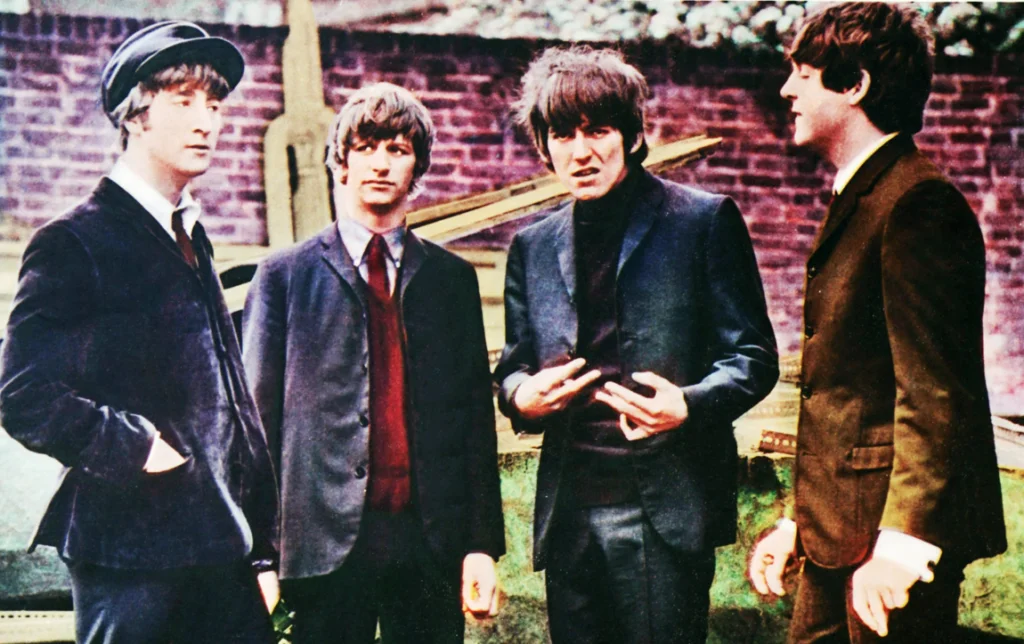
When this 1967 album appeared, it felt like a cultural event. The Beatles stitched songs together with colorful themes and bold studio tricks. It was playful, experimental and surprisingly sophisticated. People started listening to albums from start to finish instead of skipping around. The idea of concept records suddenly became exciting and normal. Pop music began to feel like high art with a sense of humor.
Radio play alone could not explain how deeply it changed expectations. Teenagers studied the lyrics and stared at the elaborate cover for hours. Other bands rushed to create their own ambitious projects. Listeners learned to appreciate studio imagination as much as simple melodies. The album turned adventurous taste into mainstream taste. Its influence reached far beyond its impressive chart performance.
7. Otis Blue by Otis Redding
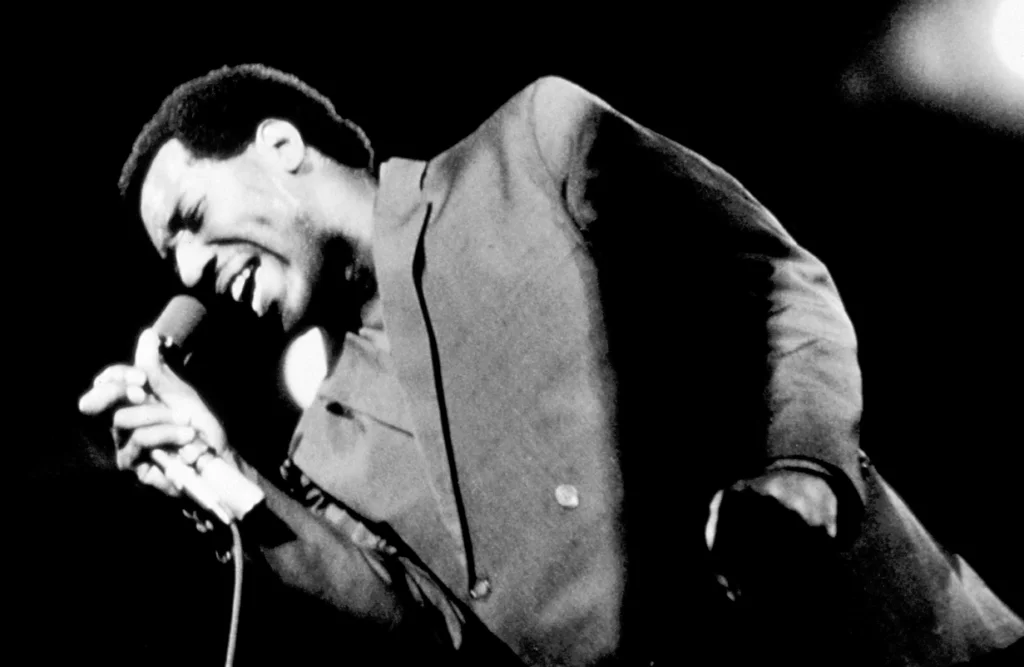
This 1965 soul classic taught a generation how emotional singing could be. Otis Redding poured raw feeling into every line he sang. The arrangements were simple but incredibly powerful. Even listeners who usually preferred rock records found themselves moved. The album made soul music feel essential rather than niche. It shaped how people judged passion and sincerity in vocals.
Plenty of later singers studied these performances like a master class. Rock bands borrowed its energy and intensity. The record helped blend racial and musical boundaries during a complicated decade. Taste shifted toward authenticity instead of slick production. Fans began searching for music that felt real and heartfelt. Its influence stretched well past the charts of its day.
8. The Freewheelin’ Bob Dylan by Bob Dylan
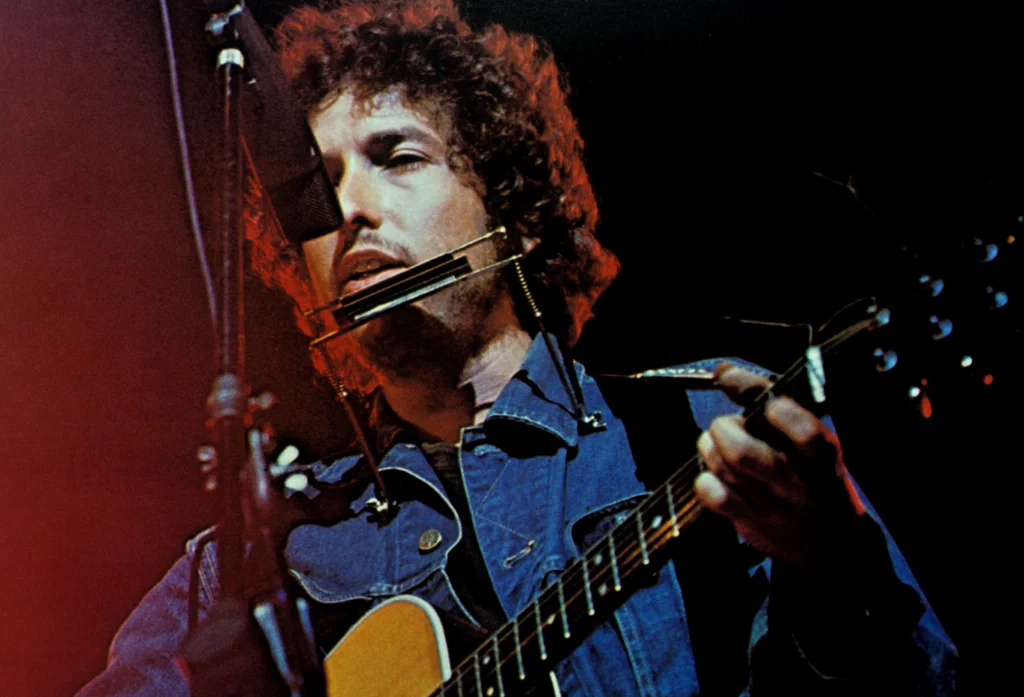
Before rock became poetic, this 1963 album showed how powerful simple songs could be. Dylan mixed folk melodies with sharp social commentary. Tracks like “Blowin’ in the Wind” felt timeless the moment people heard them. The record proved that young audiences wanted substance along with entertainment. It helped create a generation that listened closely to lyrics. The album made thoughtful music fashionable.
Even listeners who never considered themselves folk fans felt its pull. Coffeehouses and college campuses echoed with its songs. Artists learned that music could speak directly about the world. It encouraged people to think while they listened. Taste began drifting away from empty pop toward meaningful expression. The charts were only a small part of the story.
9. The Doors by The Doors
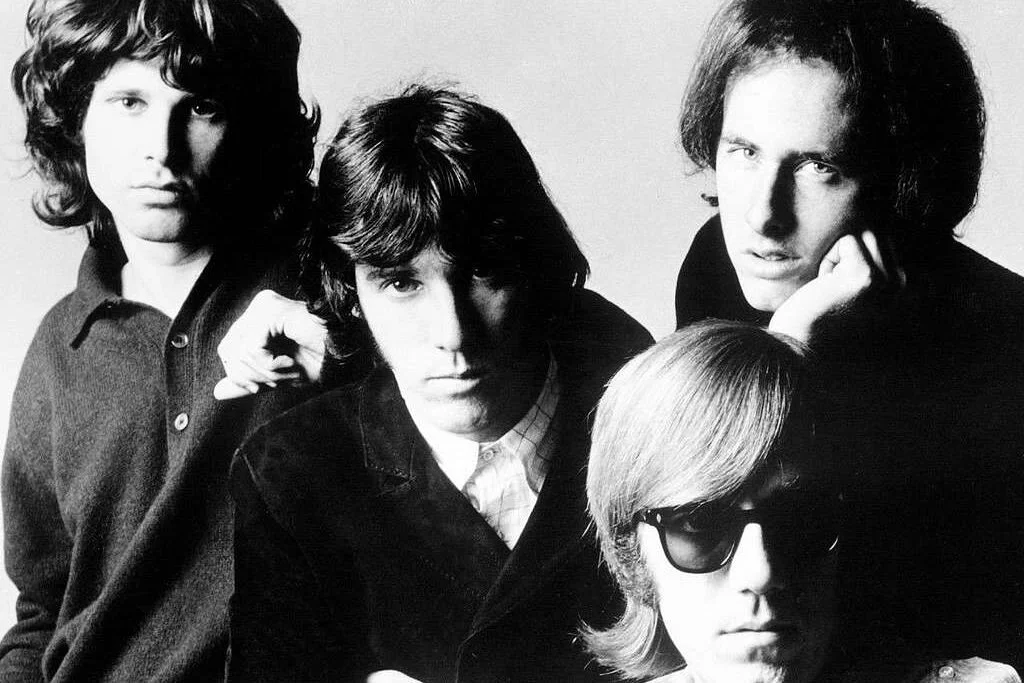
This 1967 debut sounded mysterious and slightly dangerous. Jim Morrison sang like a moody poet over dark, hypnotic grooves. The songs mixed rock, blues and drama in a way that felt theatrical. Teenagers sensed something rebellious and intellectual at the same time. The album suggested that rock music could explore the strange corners of the mind. It made listeners crave atmosphere and attitude.
Even people who found it unsettling could not ignore its power. Bands began experimenting with darker themes and longer songs. The record helped turn rock into a vehicle for artistic expression. Fans learned to appreciate mood as much as melody. Its influence showed up in fashion, film and culture. Taste became more adventurous because of its shadowy charm.
10. Surrealistic Pillow by Jefferson Airplane
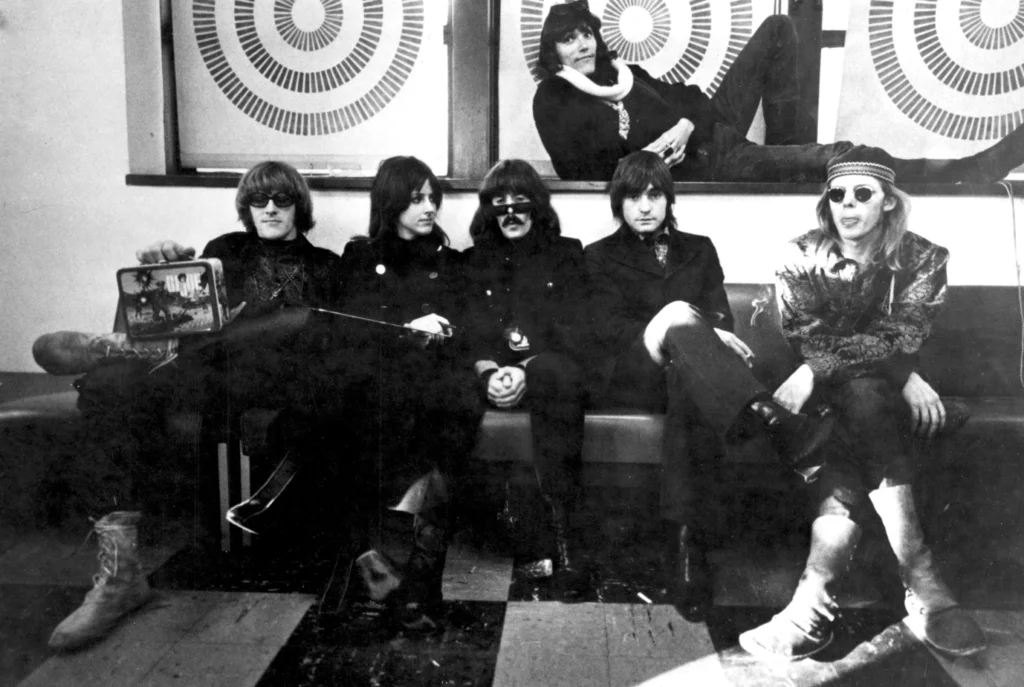
This 1967 album carried the sound of San Francisco into living rooms everywhere. Grace Slick’s bold voice and the band’s swirling guitars captured the spirit of the era. Songs like “White Rabbit” hinted at psychedelic adventures without spelling them out. The record made counterculture ideas feel exciting and approachable. It invited ordinary listeners into a colorful new world. The album helped define what the late ‘60s sounded like.
Its real achievement was shaping a mood rather than chasing trends. People began exploring more experimental and free-spirited music. Fashion and attitudes shifted along with the sound. The album encouraged curiosity about new experiences. Even those who never joined the hippie movement felt its pull. Taste grew more open and imaginative because of it.
11. Beggars Banquet by The Rolling Stones
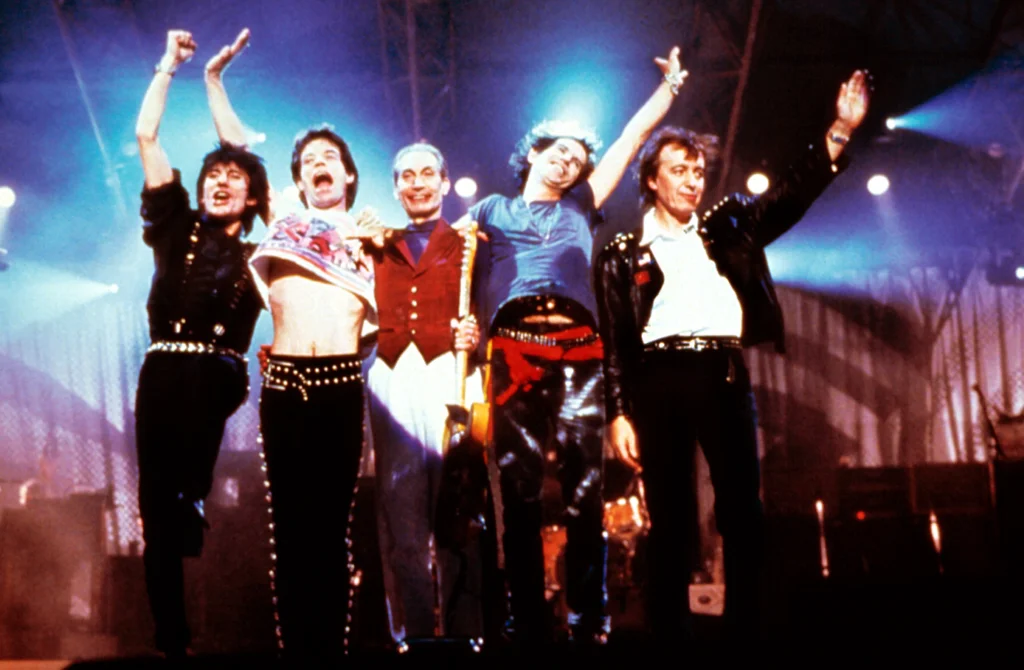
In 1968 the Stones stepped away from pop polish and embraced rougher roots. This album mixed blues, country and gritty rock with confidence. It felt raw, earthy and honest compared to many glossy releases. Listeners heard a band rediscovering the power of simple, tough songs. The record helped bring roots music back into style. It reminded fans that attitude could be more important than perfection.
Many young bands followed its lead and stripped down their own sound. The album proved that rebellion did not need fancy production. Fans started valuing authenticity over trends. It quietly influenced the direction of rock for years. Even people who never studied the charts felt the shift. Taste turned toward the raw and real.
12. Kind of Blue by Miles Davis
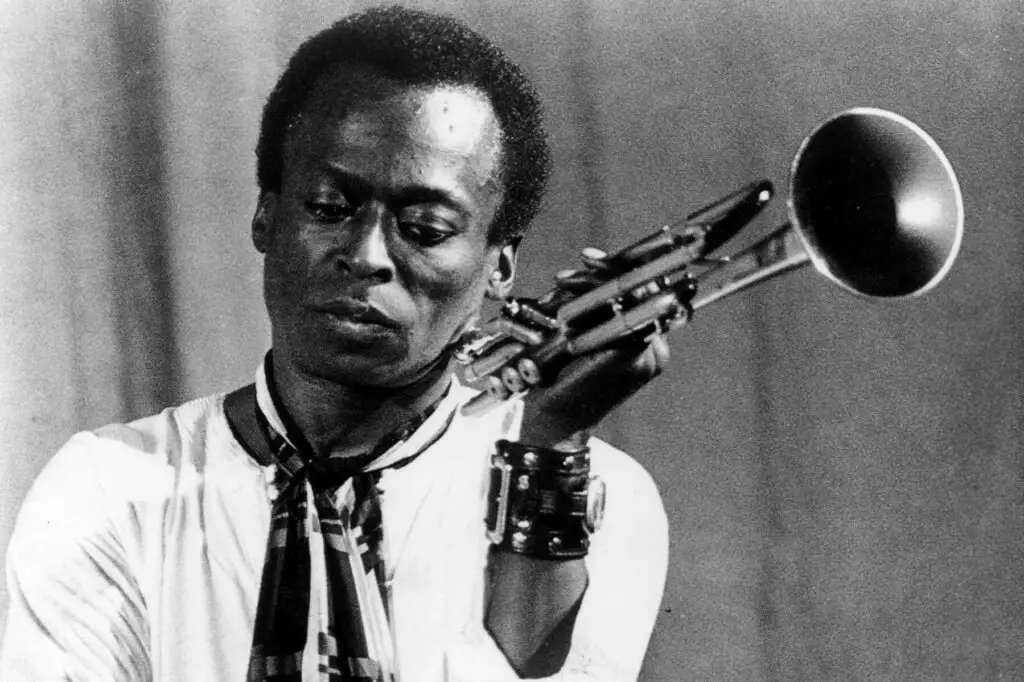
Although released in 1959, this jazz masterpiece shaped the entire decade that followed. Its cool, spacious sound welcomed listeners who had never tried jazz before. The music felt relaxed yet deeply emotional. Rock fans discovered it and realized instrumental music could be just as moving as lyrics. The album became a gateway into more adventurous listening. It taught people to appreciate subtlety and mood.
College students played it late at night while talking about art and ideas. Musicians from every genre borrowed its sense of freedom. The record helped make jazz part of mainstream culture. Taste expanded beyond simple verse and chorus structures. Even casual listeners felt more sophisticated after hearing it. Its influence on the ‘60s spirit was enormous.
13. Bookends by Simon & Garfunkel
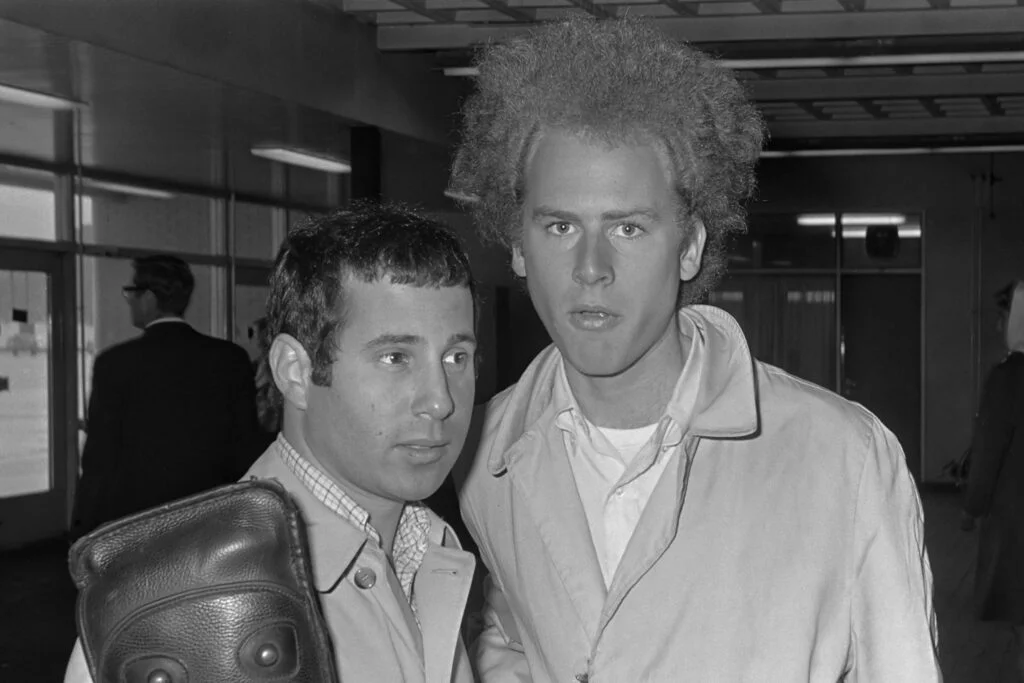
This 1968 album captured the thoughtful, reflective side of the decade. Gentle melodies mixed with lyrics about growing up and growing older. The production was careful and intimate, inviting close listening. It felt like music for quiet afternoons and long conversations. Fans realized that soft voices could carry big emotions. The record shaped a taste for sensitive, intelligent pop.
Plenty of singer songwriters followed the path it suggested. Listeners began valuing storytelling and mood over volume. The album proved that folk-influenced pop could still feel modern. Even people who preferred louder rock kept a copy nearby. It influenced how albums were arranged and paced. Taste learned to appreciate subtle beauty.


