
1. Home Milk Delivery

In the early ’70s plenty of neighborhoods still woke up to glass bottles of milk on the front porch. The milkman had been a regular part of American life for decades. By this point supermarkets were getting bigger and refrigerators were getting better. More families realized it was easier to grab a gallon while doing the weekly shopping.
The familiar clink of bottles slowly became less common on morning streets. Kids who once waited for chocolate milk deliveries started seeing cartons instead. Rising prices and changing habits made the service feel old fashioned. Without anyone noticing much, the milkman quietly faded away.
2. Drive-In Movie Theaters
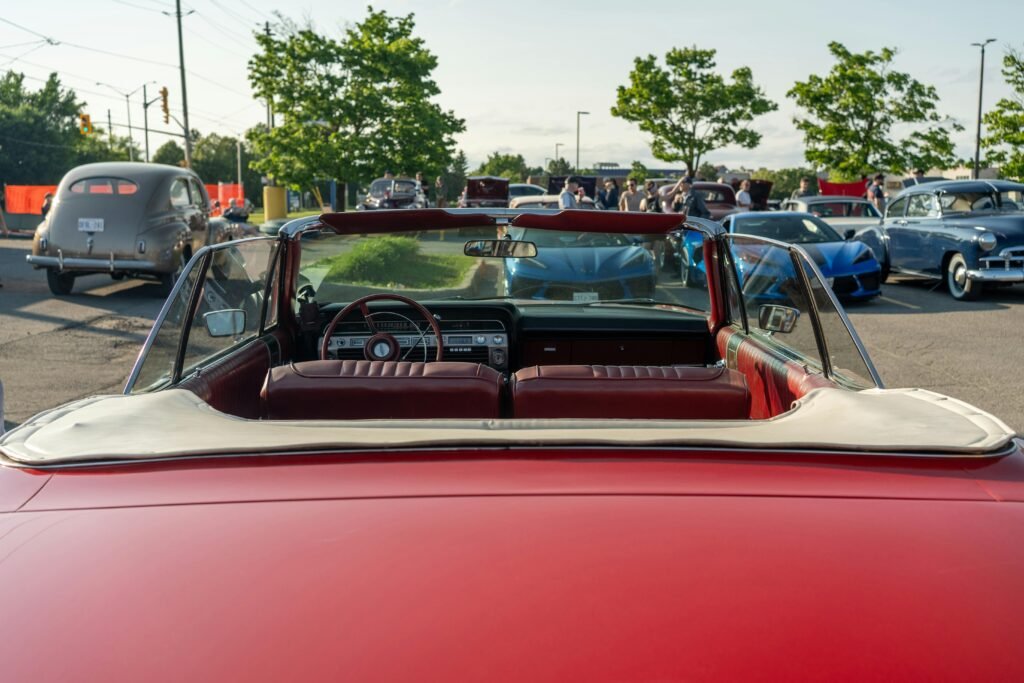
Drive-in theaters were once the ultimate Friday night destination for families and teenagers. You could pile into the car, bring your own snacks, and watch a double feature under the stars. By the ’70s many towns still had them, but their golden age was already slipping away. Indoor multiplex theaters were becoming more popular and far more convenient.
Bad weather, rising land values, and changing tastes made the drive-in harder to maintain. Some screens turned into shopping centers or empty lots. Younger generations started choosing air conditioning and comfortable seats instead. A classic piece of weekend life was slowly rolling toward the closing credits.
3. Full Service Gas Stations

At the start of the decade it was normal to pull into a gas station and never leave your car. An attendant would wash your windshield, check your oil, and fill the tank for you. That level of service had been standard since the car first became common. By the mid ’70s the idea was already starting to feel expensive and unnecessary.
Self service pumps began popping up everywhere to save customers a few dollars. People learned to handle their own gas caps and squeegees. The friendly station worker in a uniform became less common each year. Filling up turned into a quick chore instead of a small social moment.
4. Rotary Telephones
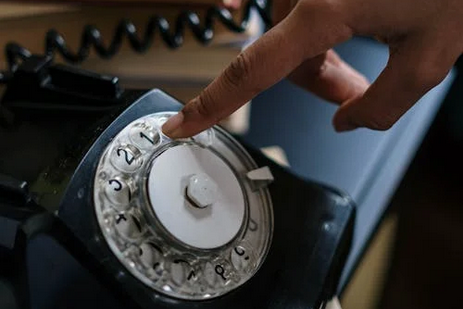
Rotary phones were still sitting on kitchen walls and hallway tables all through the ’70s. The heavy receiver and the slow spinning dial were completely normal to anyone who grew up with them. Touch tone models were arriving, but plenty of families kept the old reliable version. Even so, the change was already in motion.
Newer phones were faster, lighter, and more colorful. Phone companies pushed modern designs that felt futuristic and exciting. Younger kids learned to press buttons instead of waiting for the dial to return. By the end of the decade the trusty rotary was beginning to look like a museum piece.
5. Black and White Television Sets
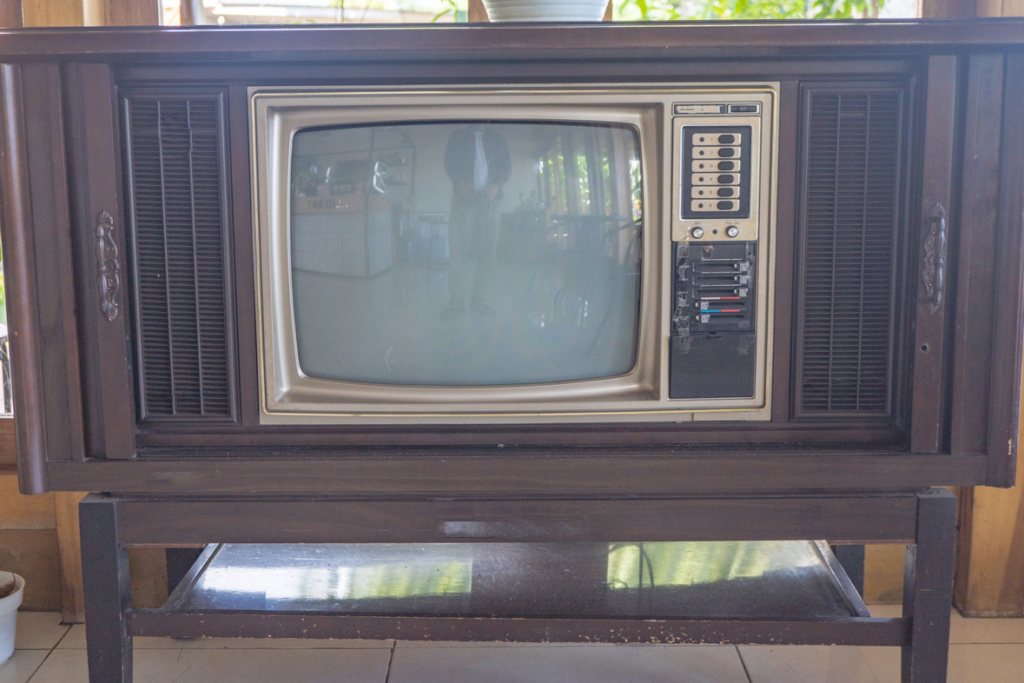
Color television had been around for years, but many households still used black and white sets in the early ’70s. Families often kept an older extra TV in the bedroom or basement long after upgrading the main one. Watching shows without color was simply part of everyday life. Slowly that experience started to feel outdated.
As prices dropped, color sets became easier for average families to afford. Networks promoted flashy new programs meant to show off bright hues. Kids noticed the difference when they visited friends with newer models. Before long the idea of a black and white screen seemed surprisingly old fashioned.
6. Corner Pay Phones
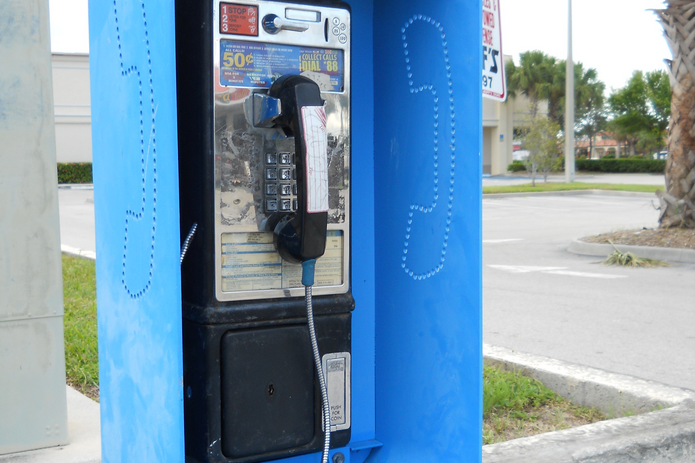
Pay phones were once scattered on sidewalks, in restaurants, and outside grocery stores. Carrying spare change for a quick call was just part of leaving the house. In the ’70s they were still everywhere, but cracks were starting to show. Home phones were becoming cheaper and more common in every room.
People relied less on stopping to make a call while out running errands. Long distance rates improved and private lines replaced shared party lines. The shiny metal booths began to feel less necessary each year. A simple everyday convenience was quietly losing its place in the world.
7. Downtown Department Stores
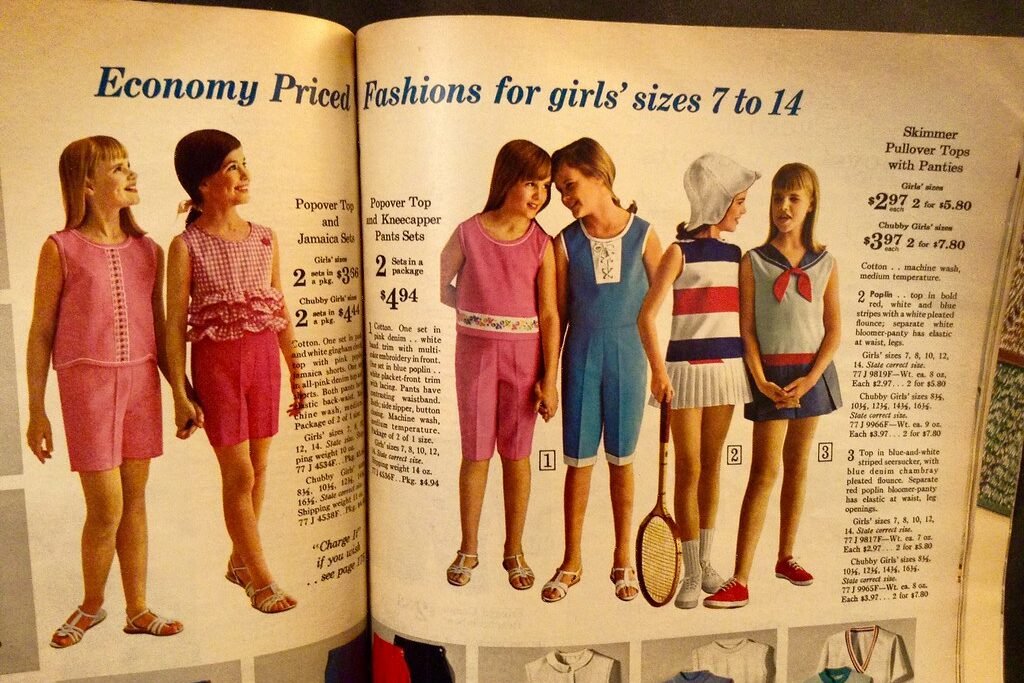
Most towns once had a big downtown department store that felt like the center of everything. Families dressed up to shop there on Saturdays and during the holidays. In the ’70s those grand old buildings were still open, but their dominance was fading. Suburban malls were stealing the spotlight.
Free parking and climate controlled walkways pulled shoppers away from Main Street. Smaller local shops struggled to compete with national chains. The tradition of strolling past elegant window displays slowly lost its magic. A whole style of shopping began to disappear before anyone truly said goodbye.
8. Soda Fountains and Lunch Counters
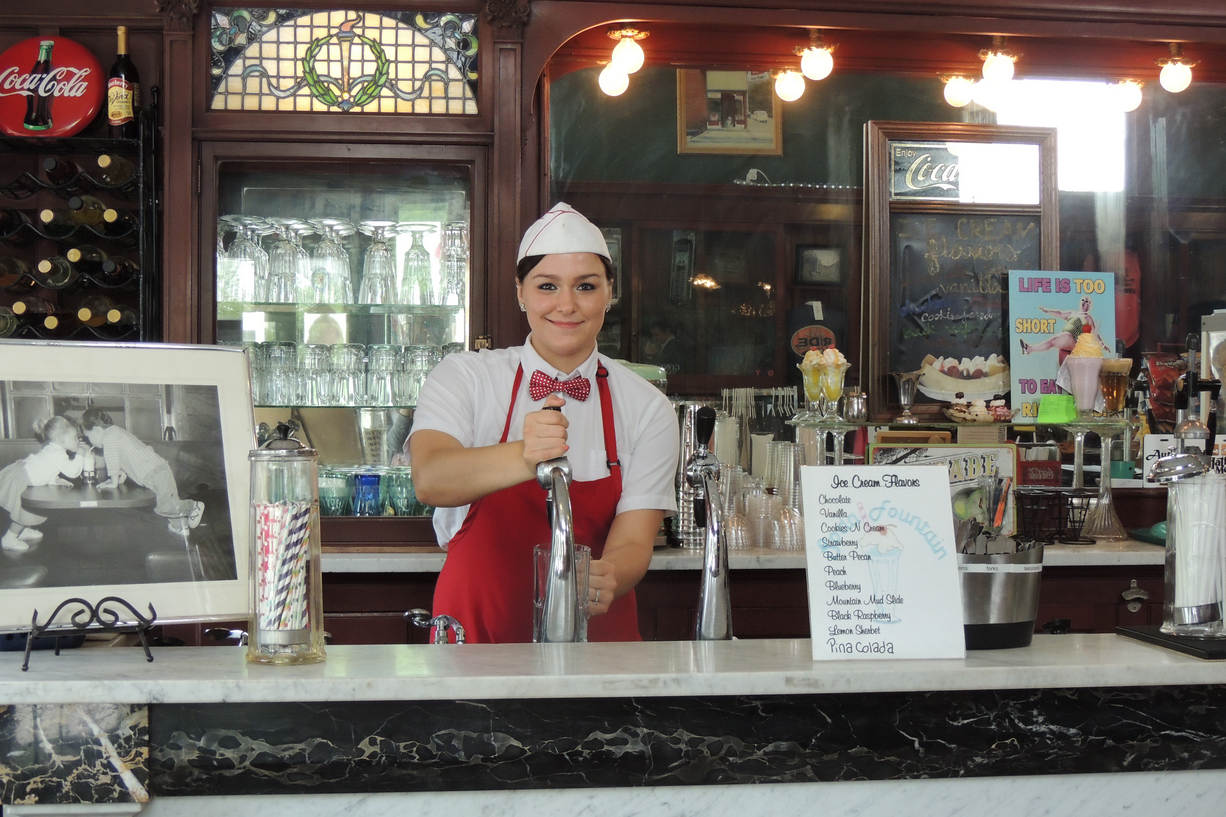
Soda fountains inside drugstores had been gathering spots for generations. Teenagers ordered milkshakes and hamburgers while chatting with friends on spinning stools. By the ’70s fast food restaurants were taking over that role. The old style counter suddenly seemed slow and a little out of date.
Chain restaurants promised quick service and uniform menus. Families wanted meals they could grab and go. One by one the little counters removed their stools and soda machines. A cozy piece of neighborhood life slowly fizzled out like the last bubble in a root beer float.
9. Typewriters in Everyday Homes
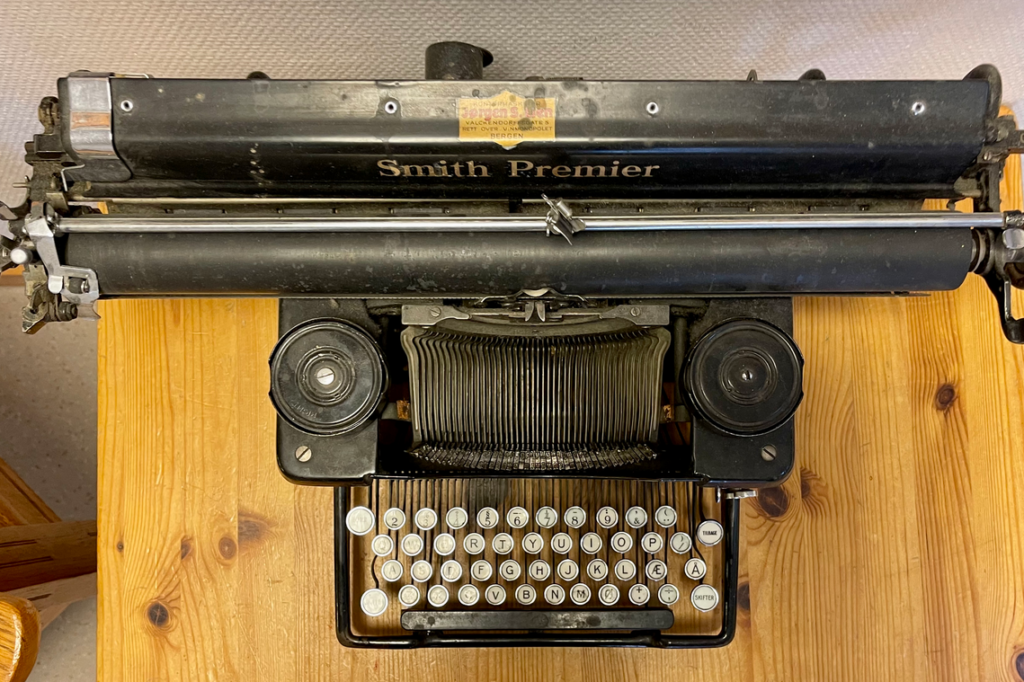
Before computers, the typewriter was the tool for school papers, letters, and office work. Many families still kept one on a desk or tucked in a closet during the ’70s. Electric models were getting popular, but even they were starting to feel clunky. New technology was already waiting in the wings.
Word processors and early home computers promised an easier way to write and edit. Correction fluid and carbon paper began to seem like relics. Kids learned keyboard skills that had nothing to do with ribbon ink. The faithful typewriter was beginning its long slide into retirement.
10. Encyclopedia Salesmen

For years a traveling encyclopedia salesman was a familiar visitor to many households. Parents believed a full set of books was essential for a good education. In the early ’70s that tradition was still hanging on. Libraries and cheaper paperback references were changing the game.
Families realized they could get information without buying an expensive collection. Updated editions quickly went out of date on the shelf. Door to door sales jobs became harder to maintain. The idea of investing in a giant row of volumes slowly lost its appeal.
11. Party Line Telephone Service

Shared party lines were common in rural and small town America well into the ’70s. Several households used the same phone line and had to wait their turn to make calls. People even recognized neighbors by the sound of their ring pattern. Private lines were becoming more affordable, though, and the change was underway.
Modern expectations of privacy made party lines feel awkward. Phone companies encouraged customers to upgrade for a small fee. Younger families wanted the freedom to talk without an audience. A quirky piece of communication history quietly went silent.
12. Local Five and Dime Stores
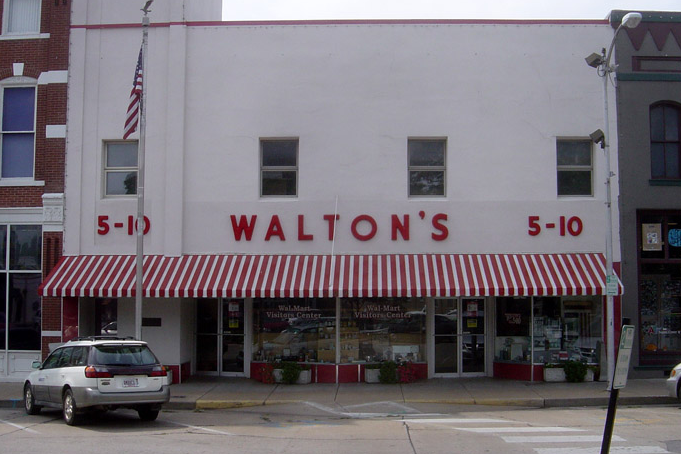
The neighborhood five and dime store was once the place to buy a little bit of everything. You could find toys, school supplies, candy, and household items all in one friendly shop. In the ’70s many of these stores were still open, but big discount chains were moving in fast. The competition was hard to ignore.
Giant retailers offered lower prices and wider selections under bright modern lights. Small store owners struggled to keep up with changing times. Kids who loved browsing the simple aisles started going elsewhere. A humble and familiar part of everyday life gently slipped away.


