
1. The Watergate Hearings
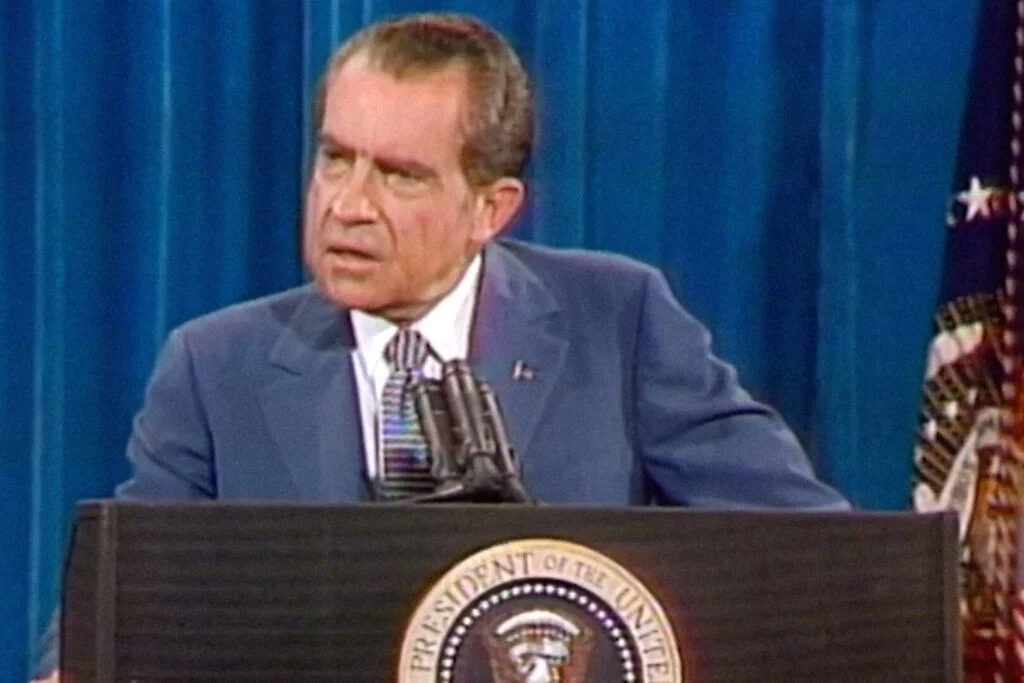
In the summer of 1973, millions of Americans suddenly became glued to daytime television for something that was not a soap opera. The Watergate hearings pulled back the curtain on political power in a way the country had never quite seen before. Families gathered around their sets to watch senators question aides, advisors, and eventually the president himself. It felt less like news and more like a national civic lesson unfolding in real time.
People who normally avoided politics suddenly knew names like John Dean and H.R. Haldeman. Conversations at work and at the dinner table revolved around testimony and secret recordings. Trust in government shifted dramatically, and the idea that leaders could be held accountable became very real. The hearings were not entertainment, but they captured attention with the intensity of a prime time drama.
2. Richard Nixon Resigns
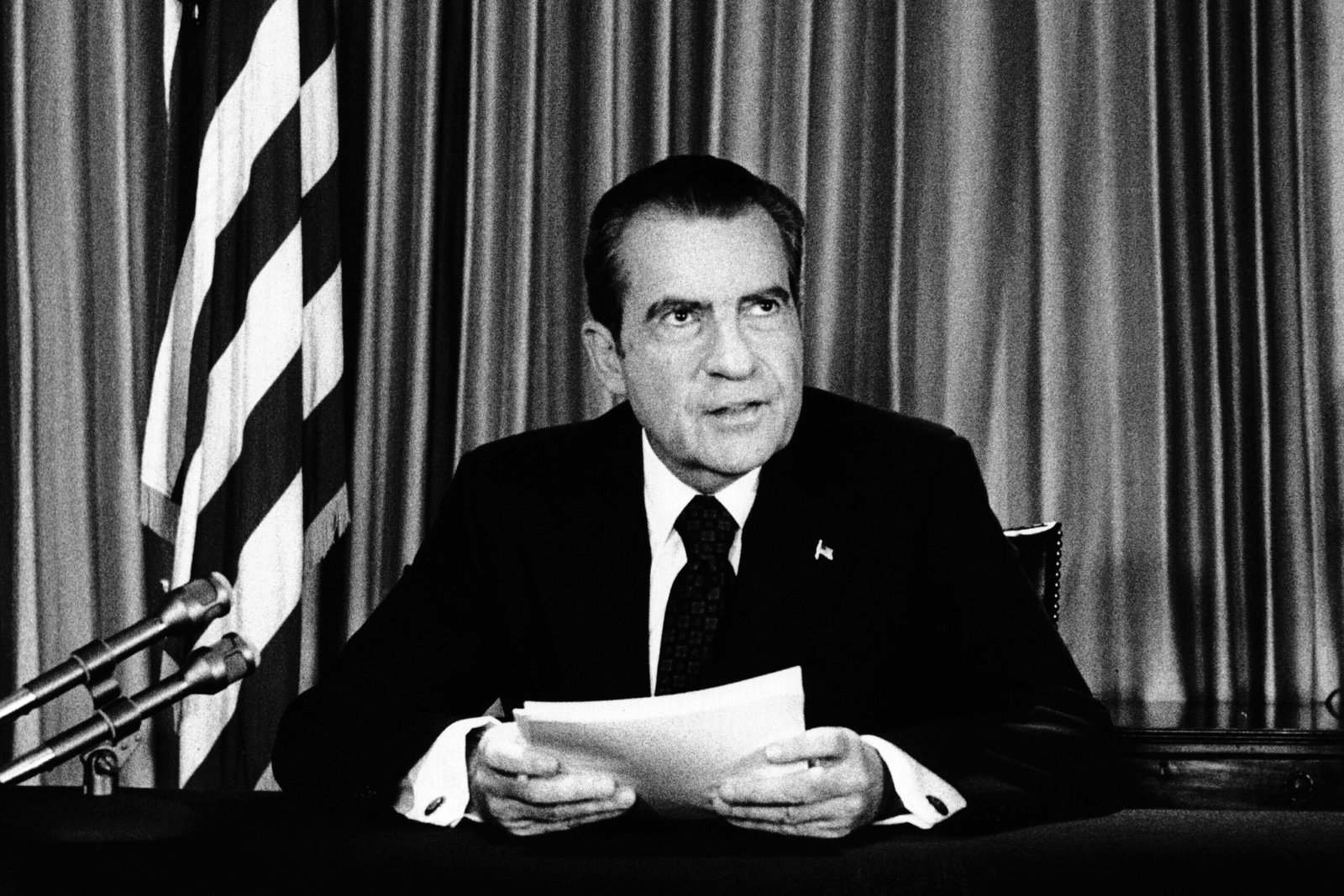
On August 8, 1974, President Richard Nixon announced he would resign from office, and the country stopped to watch. It was the first time in American history that a sitting president stepped down. The moment carried a weight that went far beyond party politics. People remember exactly where they were when they heard the news.
Television networks cleared their schedules, and even kids sensed that something important was happening. The next day, Gerald Ford took the oath of office, promising to heal a divided nation. The event reshaped how Americans thought about the presidency and power. It proved that no one was above the law, and that was a sobering realization.
3. Roe v. Wade Changes the Country
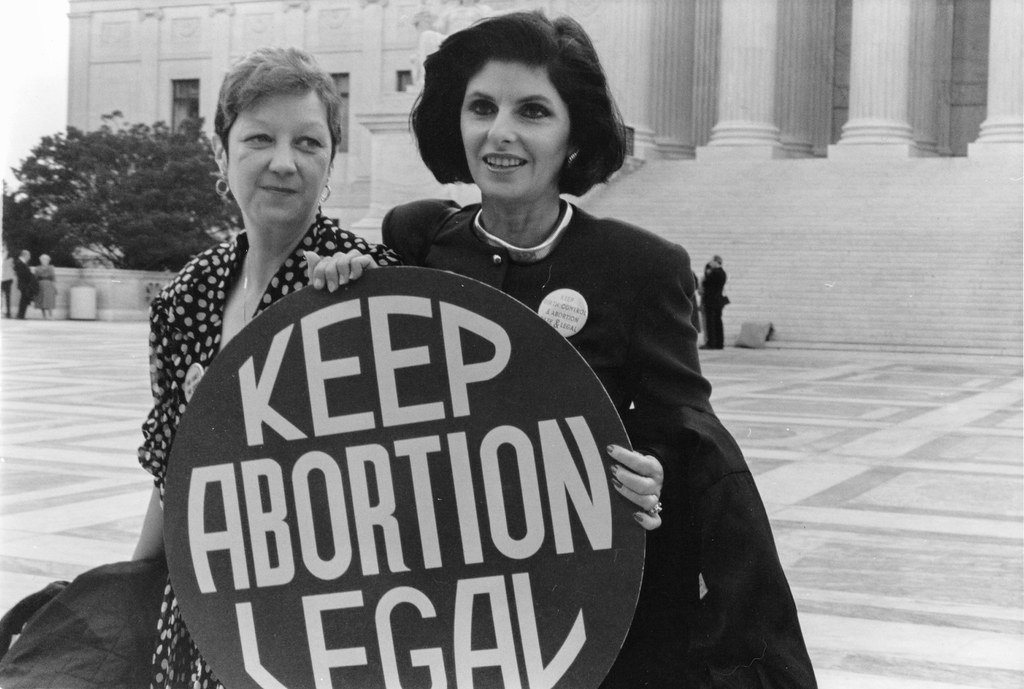
In 1973 the Supreme Court issued its decision in Roe v. Wade, and the ripple effects were immediate. The ruling legalized abortion nationwide and launched decades of debate that still continue today. For many women, it felt like a turning point in personal freedom and bodily autonomy. For others, it marked a deeply troubling moral shift.
The decision went far beyond courtrooms and legal circles. Churches, political groups, and families all found themselves discussing what the ruling meant for the future. Marches and demonstrations became common sights in cities across America. It was one of those moments that clearly divided the nation into before and after.
4. Apollo 13 Grips the World
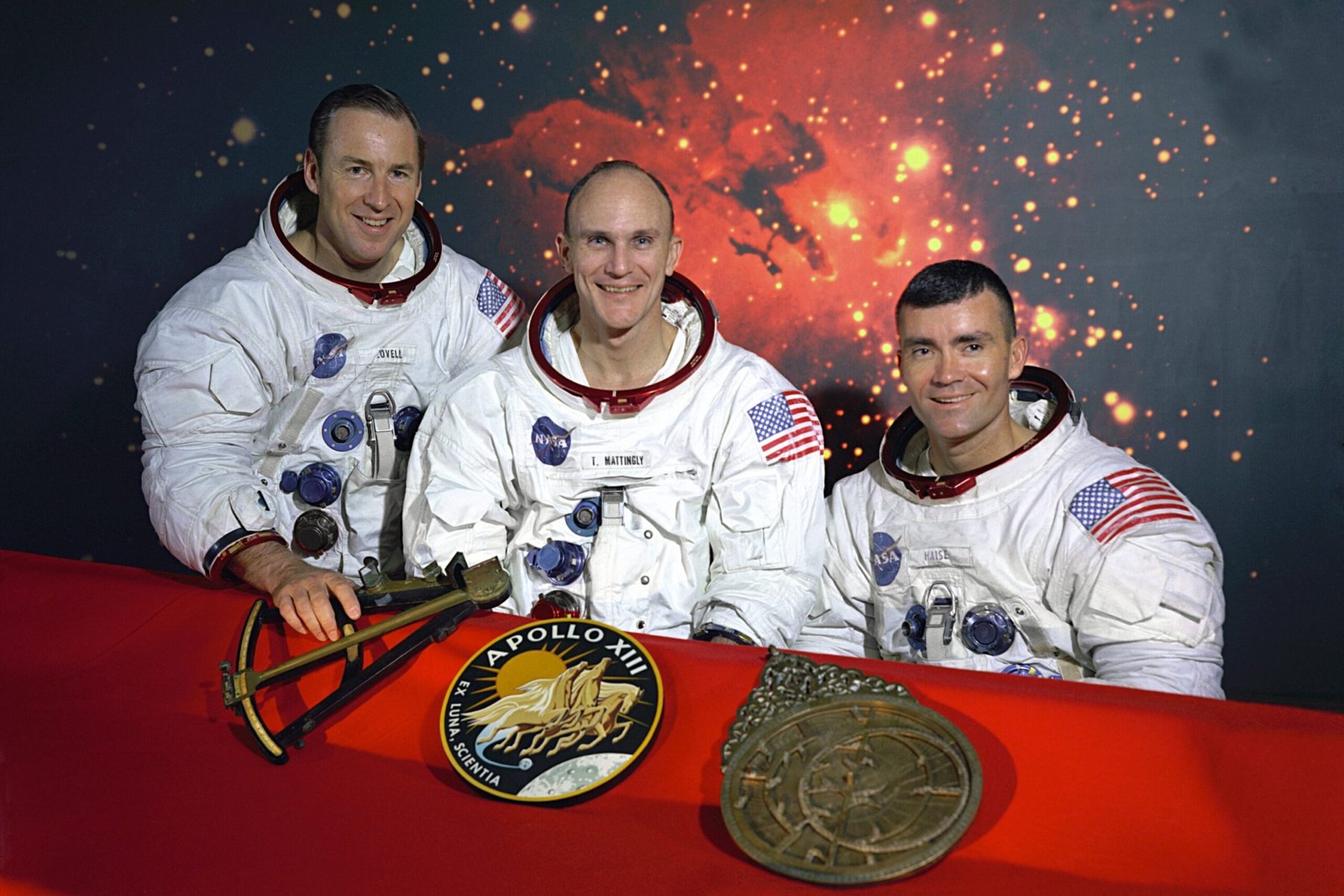
The Apollo 13 mission in 1970 began as another routine trip to the moon and quickly turned into a life or death crisis. When an oxygen tank exploded on board, three astronauts were suddenly in serious danger. The phrase Houston, we have a problem became part of the American vocabulary. People followed every update on television and radio, hoping for a miracle.
For several tense days, the entire world waited to see if the crew would make it home safely. Engineers worked around the clock to invent solutions using limited resources. When the astronauts finally splashed down in the Pacific Ocean, the relief felt almost personal. It was a reminder that real life drama could be more gripping than any movie.
5. The End of the Vietnam War
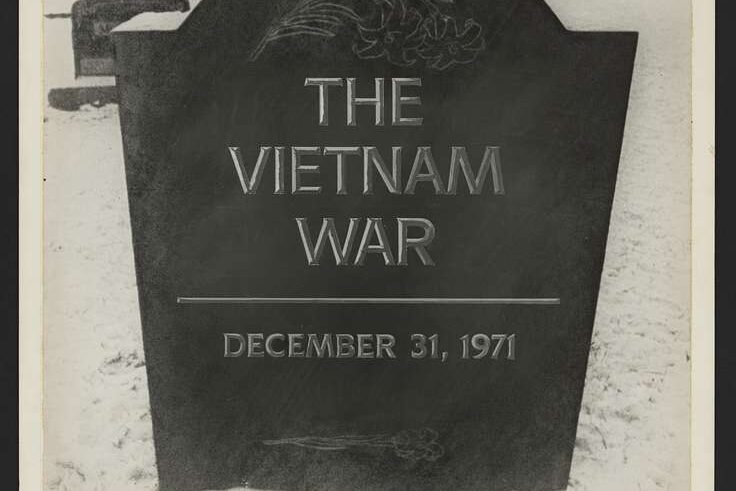
In 1975, images of helicopters leaving Saigon signaled the end of the Vietnam War. After years of protests, political arguments, and heartbreaking casualty reports, the conflict finally came to a close. The fall of Saigon was shown on nightly news broadcasts, bringing distant events directly into American living rooms. It was impossible to ignore the emotional weight of the moment.
Veterans returned home to a country that was still trying to process everything that had happened. Families who had lived with fear and uncertainty for years felt a complicated mix of relief and sorrow. The end of the war changed how Americans viewed foreign policy and military involvement. It was far more than a news story, it was a national turning point.
6. The 1976 Bicentennial Celebration
America turned 200 years old in 1976, and the entire country seemed ready to throw a giant birthday party. The Bicentennial was not just one event but a yearlong celebration filled with parades, fireworks, and patriotic pride. Red, white, and blue decorations appeared on everything from soda cans to city buses. Even people who rarely thought about history found themselves swept up in the excitement.
Communities organized festivals, reenactments, and neighborhood gatherings. Special television programs and concerts honored the nation’s past. After the turmoil of the early ‘70s, the Bicentennial offered a chance to feel united again. It was a moment when Americans paused to reflect on where they had been and where they were headed.
7. The Phenomenon of Roots
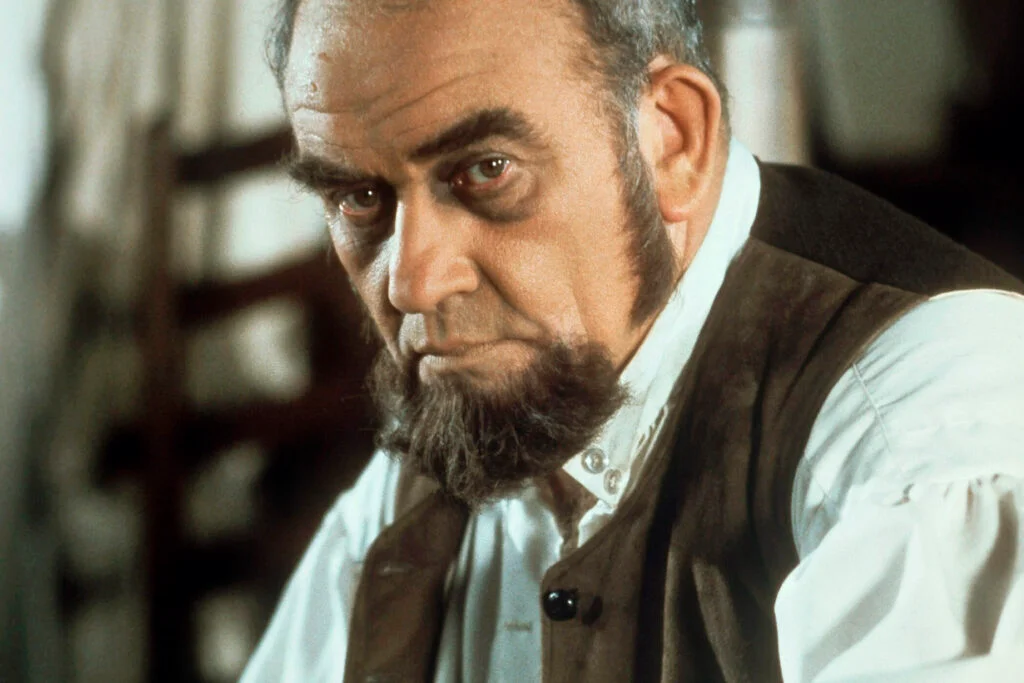
When the miniseries Roots aired in 1977, television suddenly became something more powerful than casual entertainment. The story of Kunta Kinte and his descendants forced millions of viewers to confront the brutal history of slavery. For eight consecutive nights, families made appointments to watch together. It sparked conversations that many people had never had before.
Schools, churches, and community groups organized discussions about race and history. Ratings reached astonishing levels, proving that serious storytelling could capture massive audiences. The impact lingered long after the final episode ended. It changed what television could do and what audiences expected from it.
8. The Battle of the Sexes
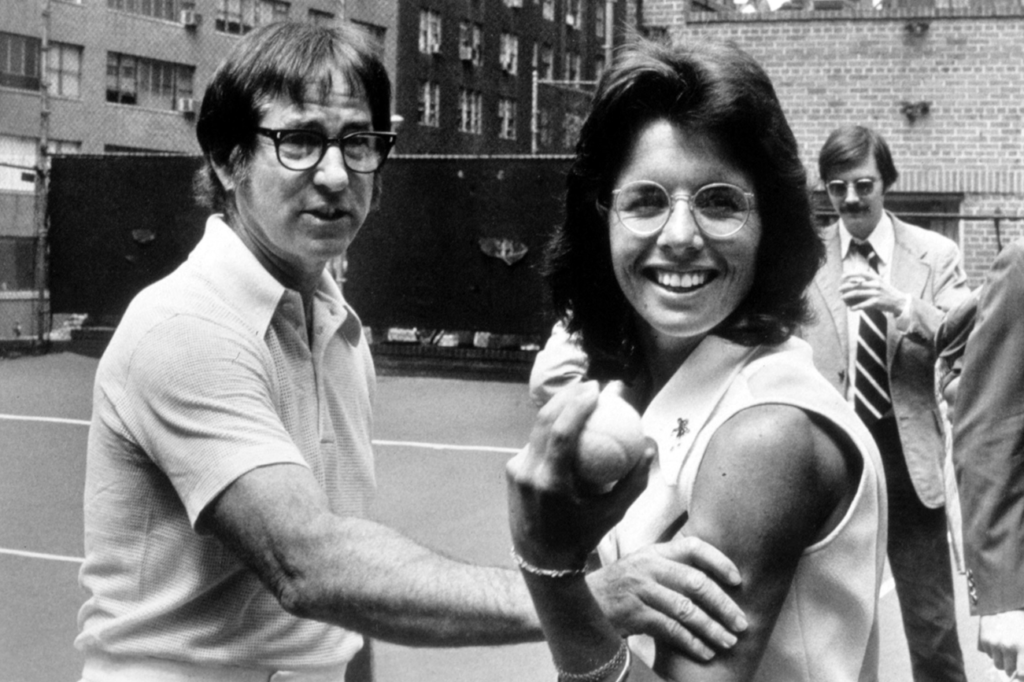
In 1973, tennis champion Billie Jean King faced Bobby Riggs in a match billed as the Battle of the Sexes. The event was more than a sporting contest, it was seen as a statement about equality and women’s rights. Over 90 million people around the world tuned in to watch. The match carried the feeling of a cultural showdown.
When King defeated Riggs in straight sets, it became a symbolic victory for the growing women’s movement. Newspapers treated the result like major political news. Young girls suddenly saw new possibilities for their own futures. It proved that a simple tennis match could represent something much larger.
9. Three Mile Island Frightens a Nation
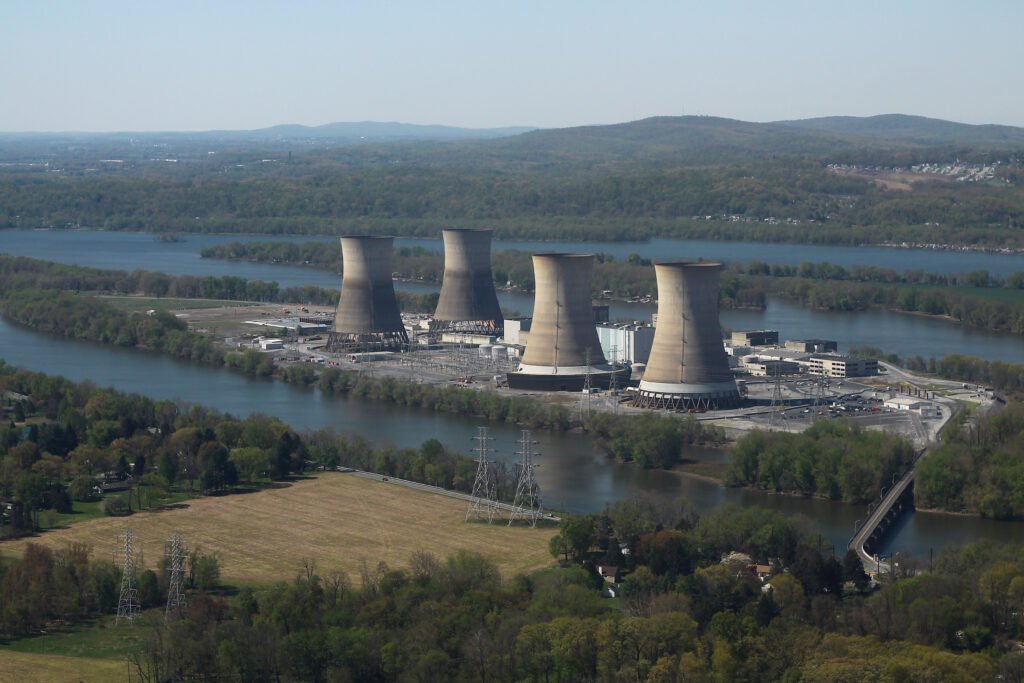
In March of 1979, an accident at the Three Mile Island nuclear plant in Pennsylvania created widespread fear. Confusing reports and alarming headlines made people worry about a potential nuclear disaster. Residents near the plant were evacuated, and the rest of the country watched nervously. It felt like something out of a science fiction film, except it was very real.
The incident changed how Americans thought about nuclear power and safety. Trust in technology suddenly felt fragile and uncertain. Public debates about energy and the environment intensified overnight. Even though the worst case scenario never happened, the anxiety left a lasting mark on the decade.
10. The Energy Crisis and Gas Lines
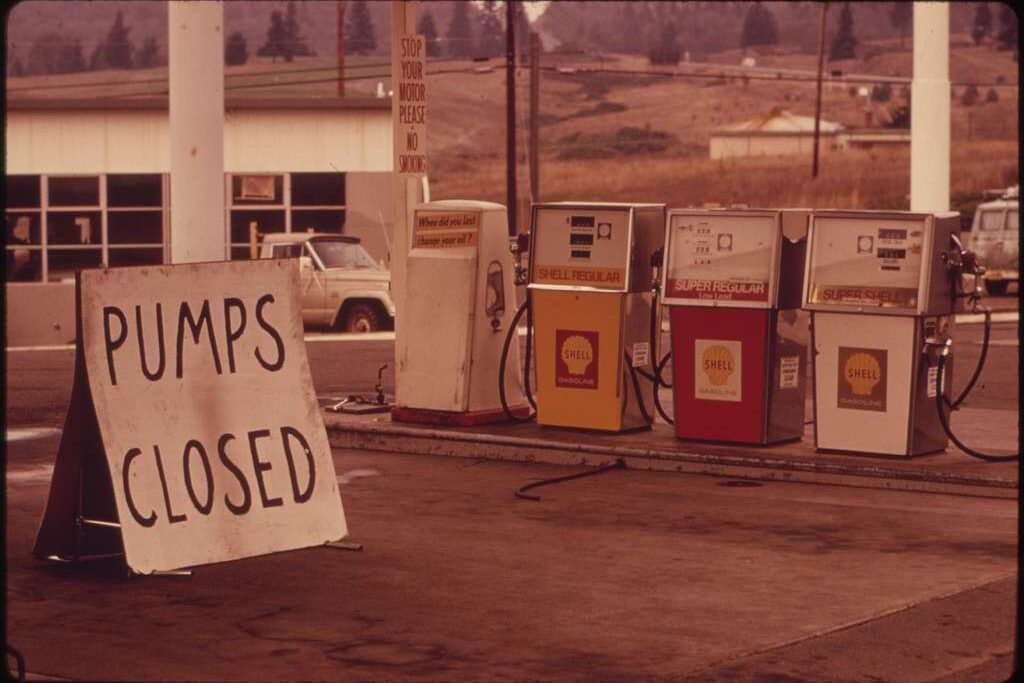
The oil embargo of 1973 led to one of the most frustrating shared experiences of the decade. Long lines at gas stations became a common sight across the country. Drivers waited for hours just to fill up their tanks, and tempers often flared. The simple act of getting gasoline suddenly felt uncertain and stressful.
New habits developed quickly, from carpooling to turning down thermostats at home. Smaller, fuel efficient cars became popular almost overnight. The crisis made people realize how dependent everyday life was on global events. It was a cultural wakeup call that affected nearly every household.
11. The Death of Elvis Presley
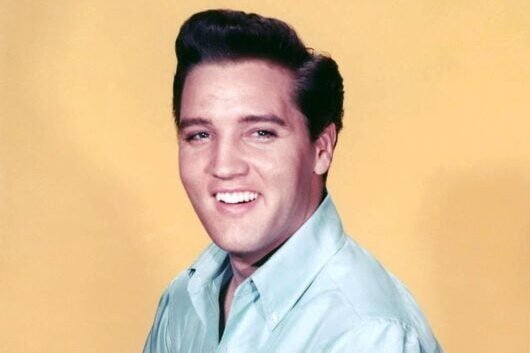
When Elvis Presley died on August 16, 1977, it felt as if an era ended in a single day. Fans gathered outside Graceland in shock, leaving flowers, notes, and tears. Radio stations played his music nonstop, and television networks interrupted regular programming. Even people who were not devoted fans sensed the importance of the moment.
Elvis had been more than a singer, he was a symbol of an entire generation. His passing brought back memories of sock hops, early rock and roll, and youthful rebellion. The outpouring of grief showed how deeply he had touched American culture. It was proof that a performer could feel like a member of the family.
12. The Arrival of Star Wars
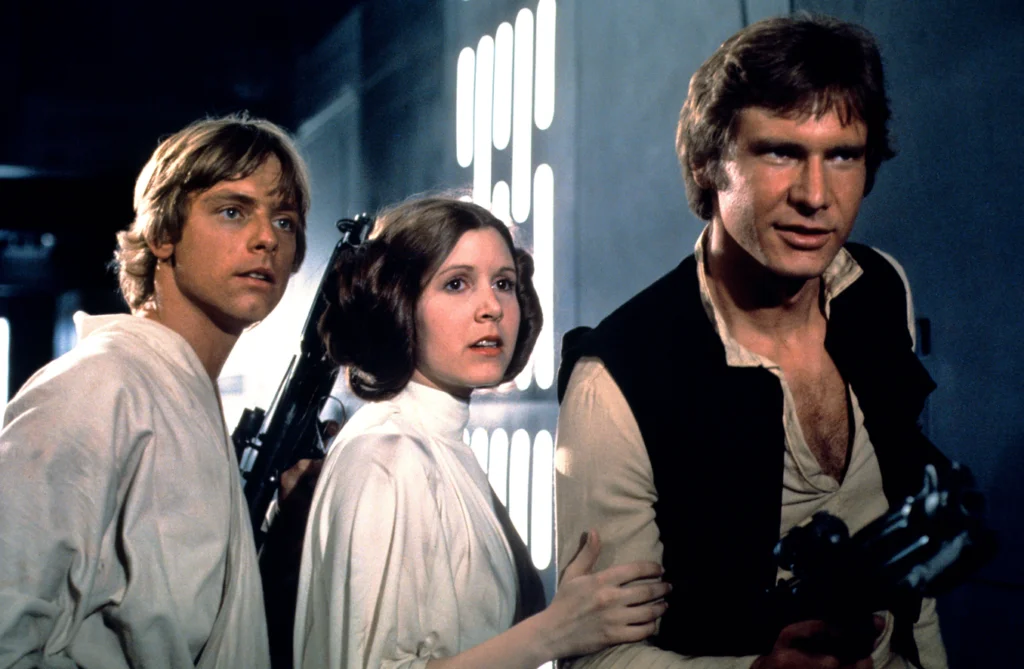
In 1977, a space adventure movie arrived in theaters and unexpectedly changed popular culture forever. Star Wars was not just a hit film, it became an event that people experienced together. Lines wrapped around blocks, and kids saw it again and again. The excitement spread far beyond the movie screen.
Toys, lunchboxes, and Halloween costumes turned the film into a full blown phenomenon. Special effects and storytelling suddenly felt fresh and revolutionary. It inspired a new generation to dream about outer space and distant galaxies. The release proved that sometimes a movie can feel bigger than the culture itself.