
1. “Hey Jude” by The Beatles
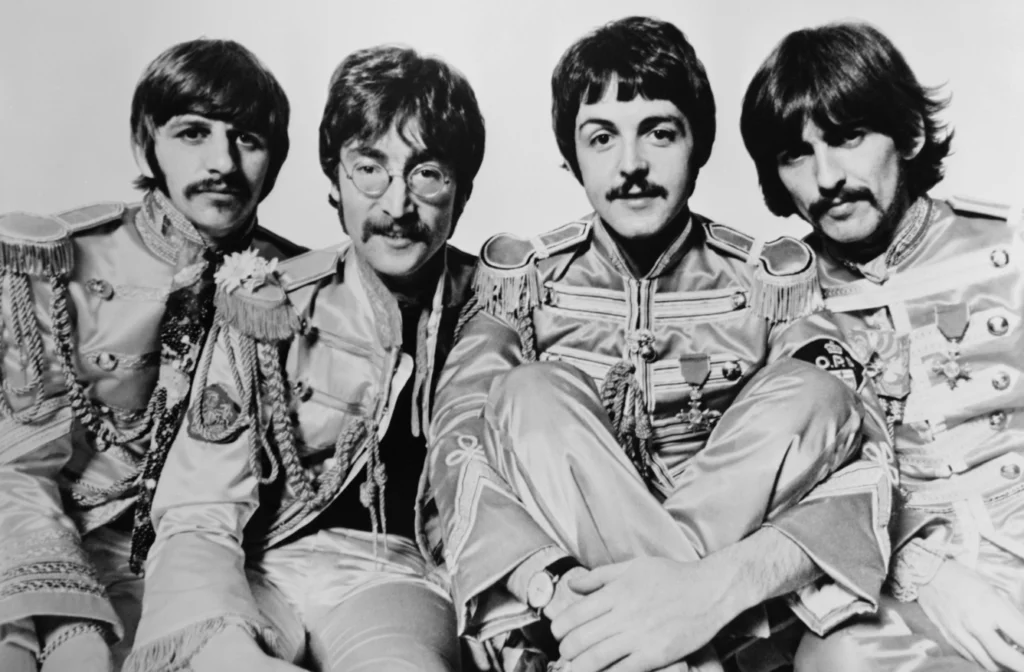
There was a time when it felt impossible to turn on a radio without hearing “Hey Jude.” The song seemed to float out of car speakers, grocery store sound systems, and backyard barbecues all at once. Its long, singalong ending made it perfect for DJs who needed to fill time. People hummed it without even realizing they were doing it.
By the late ’60s, the track had taken on a life of its own beyond The Beatles. Kids learned it in music class and parents knew every word by heart. Even people who claimed they were tired of it still found themselves joining in on the na na na chorus. After a while, it blended so completely into daily life that it almost disappeared into the background.
2. “Respect” by Aretha Franklin
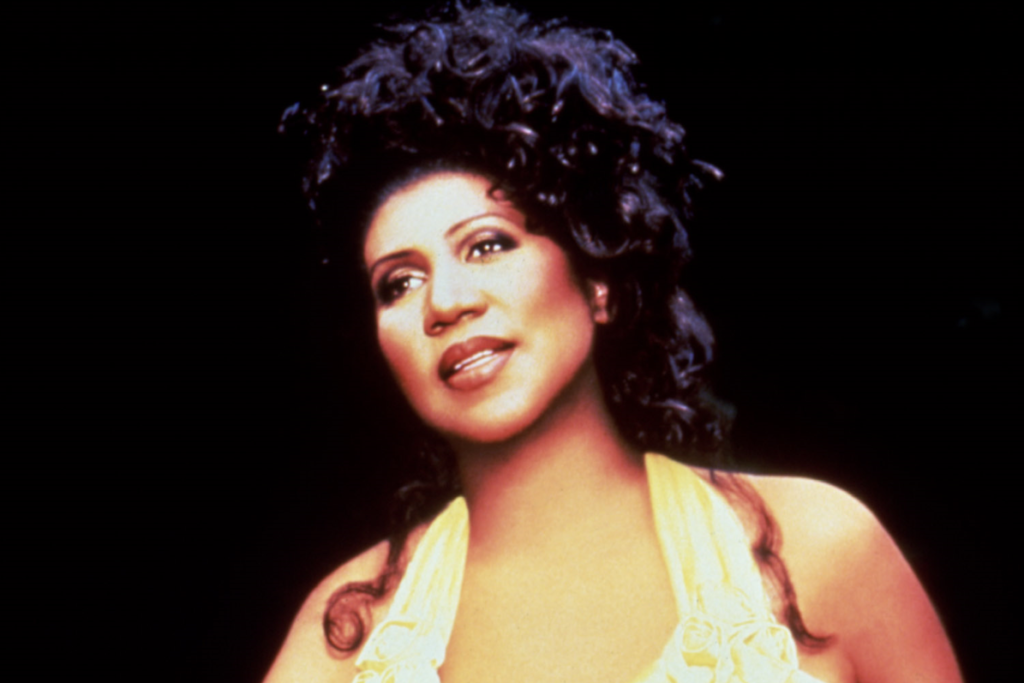
“Respect” became more than just a hit song in 1967, it turned into a cultural anthem. Because of that, it was played constantly on pop stations and soul stations alike. You could hear it at school dances, on jukeboxes, and blasting from passing cars. The powerful opening line was instantly recognizable no matter where you were.
With so much airtime, the song slowly shifted from thrilling to familiar. Even people who loved Aretha Franklin found themselves taking it for granted. It was the kind of tune everyone could sing along to without thinking. Eventually it became musical wallpaper, always present and always dependable.
3. “I Heard It Through the Grapevine” by Marvin Gaye

Marvin Gaye’s version of “I Heard It Through the Grapevine” seemed to play on a loop throughout the late ’60s. The moody rhythm and unforgettable chorus made it irresistible to radio programmers. It was one of those songs that fit any mood or moment. You might hear it at a party one minute and in a department store the next.
Because it was everywhere, listeners stopped noticing just how often it popped up. The dramatic intro became as familiar as a TV theme song. Even people who were not big Motown fans knew every twist and turn of the melody. Over time, it became part of the everyday soundtrack of American life.
4. “Good Vibrations” by The Beach Boys
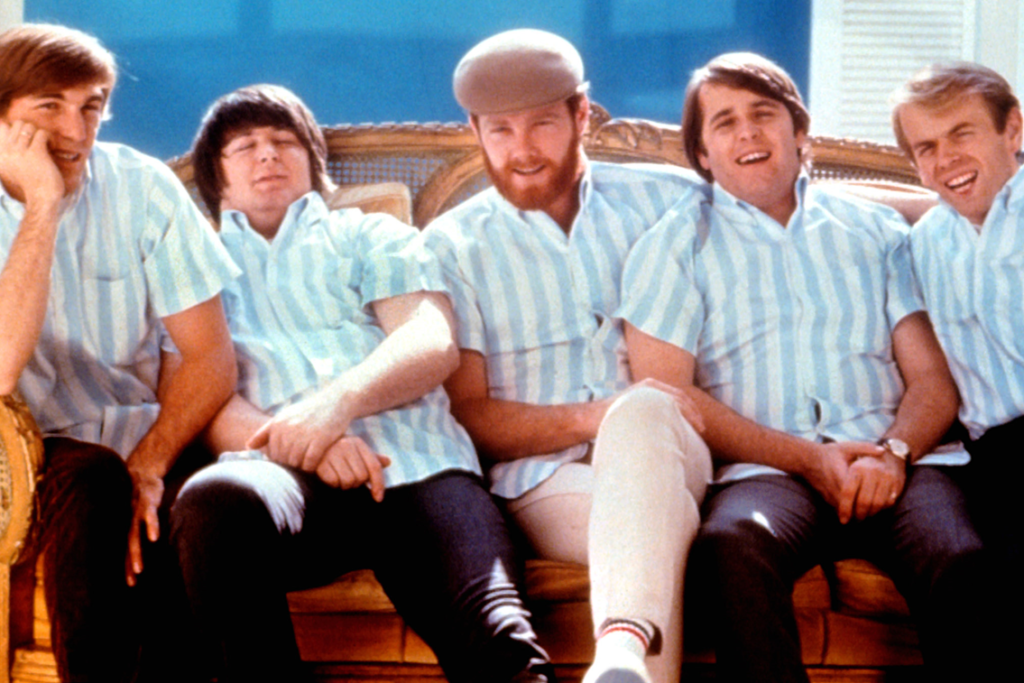
When “Good Vibrations” was released, it sounded like nothing else on the airwaves. That uniqueness made stations play it constantly, eager to showcase its bold new sound. The layered harmonies and catchy hook meant it appealed to just about everyone. Before long, it was hard to escape.
As months went by, the groundbreaking track started to feel ordinary simply because of repetition. What once felt fresh and futuristic turned into a familiar old friend. You could walk into any diner or turn on any top 40 station and there it was again. Eventually it faded into the background of daily listening.
5. “Mrs. Robinson” by Simon & Garfunkel
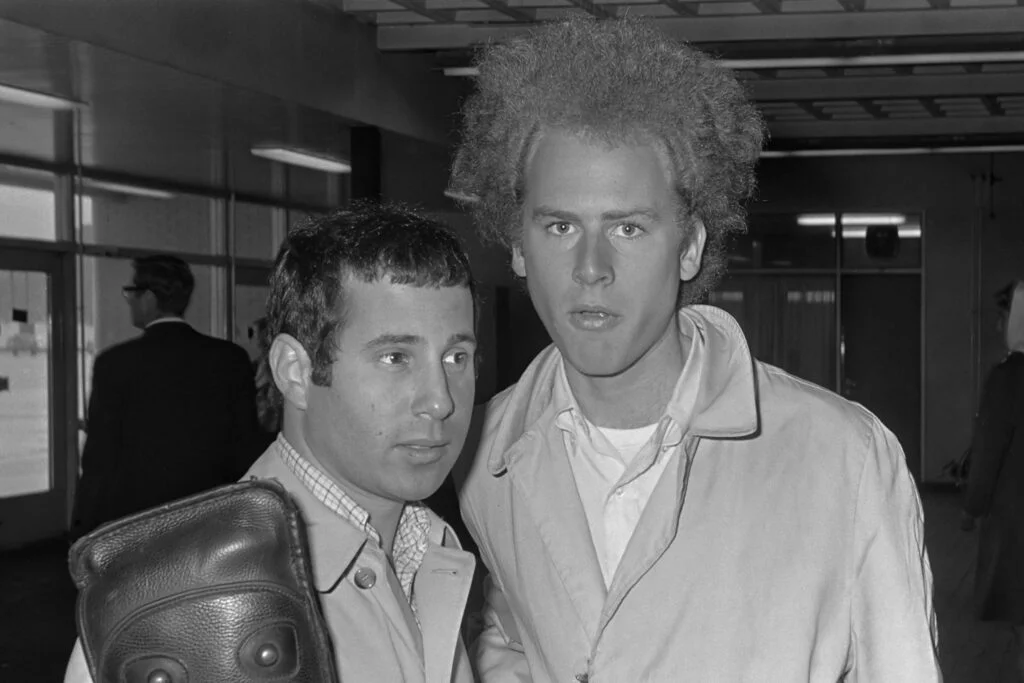
Thanks to its connection to the film The Graduate, “Mrs. Robinson” became a massive hit almost instantly. Radio stations jumped on it and never seemed to let go. The catchy chorus made it easy to sing along, even for people who had no idea what the lyrics really meant. It became one of those songs everyone simply accepted as part of the culture.
The more it played, the more it settled into everyday life. You might hear it while doing homework or riding in the family car. After a while, nobody even reacted when it came on anymore. It was just there, as normal as the evening news.
6. “Light My Fire” by The Doors
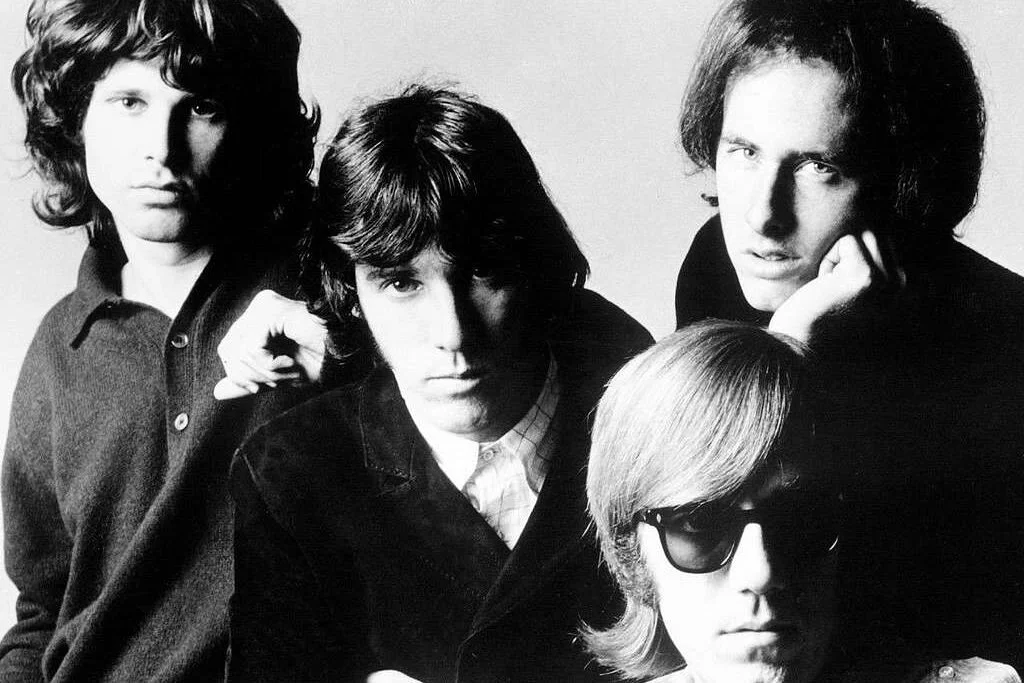
“Light My Fire” was edgy and exciting when it first exploded onto the charts. Its long instrumental break gave DJs plenty of room to fill airtime, so they used it often. The song crossed over from rock stations to pop playlists with ease. Before long, it felt like it was on every hour.
What started as a daring new sound gradually became completely routine. The opening organ notes turned into a signal that another familiar classic was on the way. Even people who never bought a Doors album knew the song inside and out. Constant exposure eventually made it blend into the musical scenery.
7. “I’m a Believer” by The Monkees
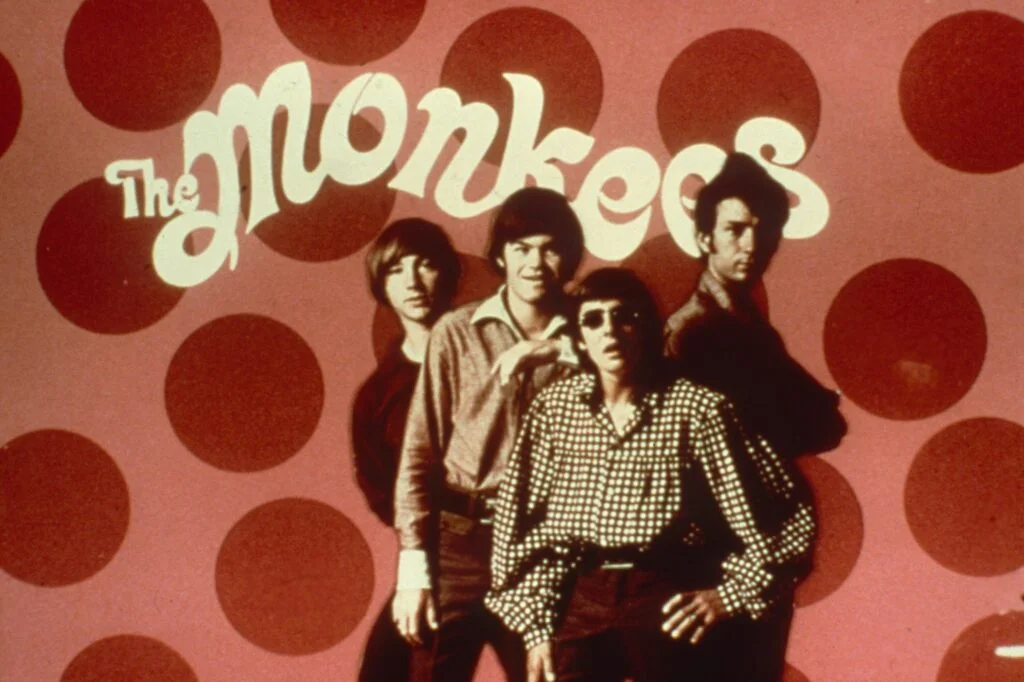
“I’m a Believer” was pure pop candy, and radio loved it for that very reason. The upbeat energy made it perfect for morning shows and drive time playlists. It seemed to follow listeners from breakfast through bedtime. For a while, you could not escape it if you tried.
Because it was so cheerful and simple, it never demanded much attention. People tapped their feet to it without really listening. Kids sang along and parents did too, almost automatically. Over time, it became one of those songs that felt like it had always existed.
8. “These Boots Are Made for Walkin’” by Nancy Sinatra

Nancy Sinatra’s confident hit took over the airwaves almost overnight. The bold attitude and memorable bass line made it instantly appealing. It played at teen hangouts, on television, and on practically every radio format. Soon it was impossible to go a day without hearing it.
After months of nonstop spins, the song began to feel as common as a commercial jingle. Listeners knew every step of the melody before it even began. Even people who claimed not to like pop music could hum it from start to finish. It slowly shifted from exciting to comfortably familiar.
9. “California Dreamin’” by The Mamas & the Papas
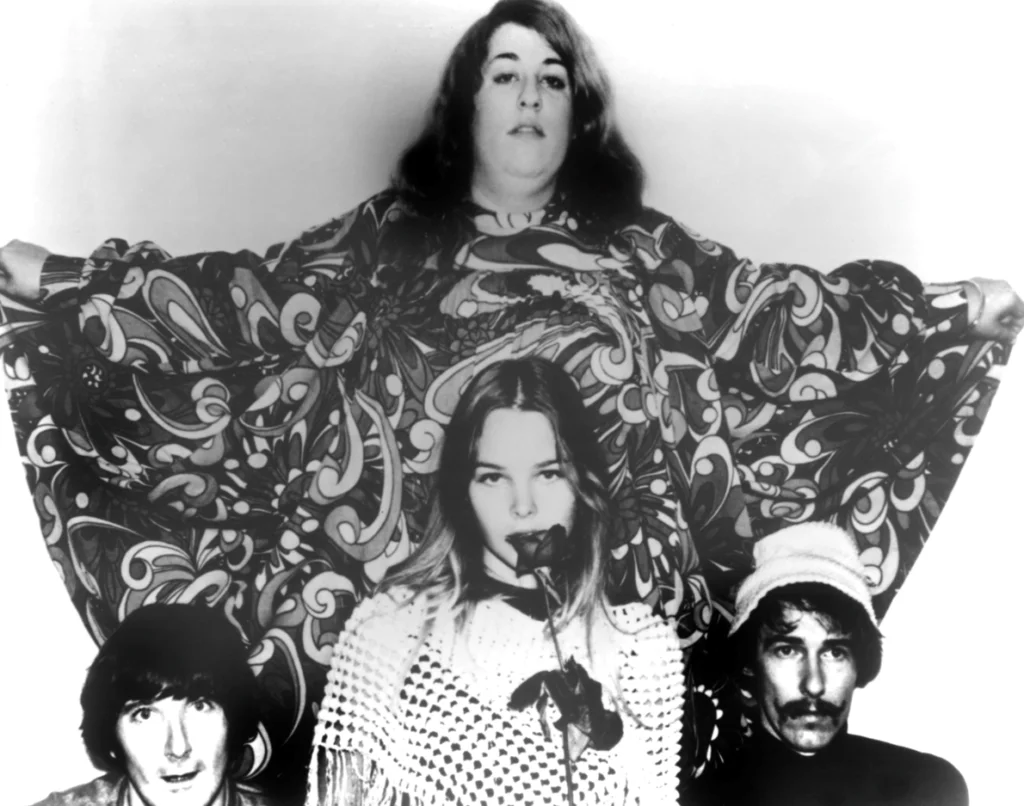
“California Dreamin’” captured a mood that fit perfectly with the decade, so stations played it endlessly. Its wistful sound worked in any season and at any time of day. You could hear it on AM radios in the kitchen and on FM stations late at night. The song seemed to float everywhere like warm air.
Because it was so widely loved, nobody ever seemed to turn it off. Overexposure turned it into a tune people barely noticed anymore. The harmonies became as familiar as an old photograph on the wall. Eventually it felt less like a hit single and more like permanent background music.
10. “My Girl” by The Temptations
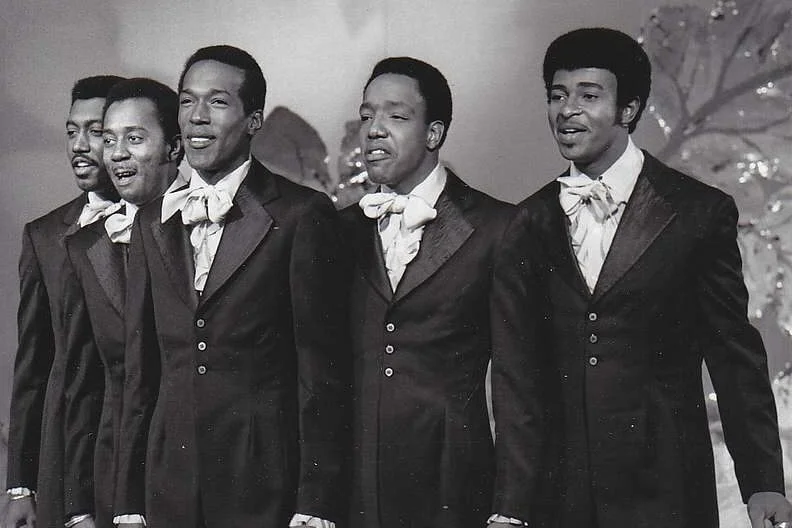
“My Girl” was one of those rare songs that appealed to every generation at once. That broad appeal meant it stayed in heavy rotation year after year. Weddings, school dances, and family reunions all seemed to require a spin of the record. It never really left the public ear.
With so much play, the sweet Motown classic became almost automatic. People smiled when it came on but hardly reacted anymore. The opening bass line turned into something everyone recognized without thinking. It quietly became part of everyday life.
11. “Aquarius/Let the Sunshine In” by The 5th Dimension
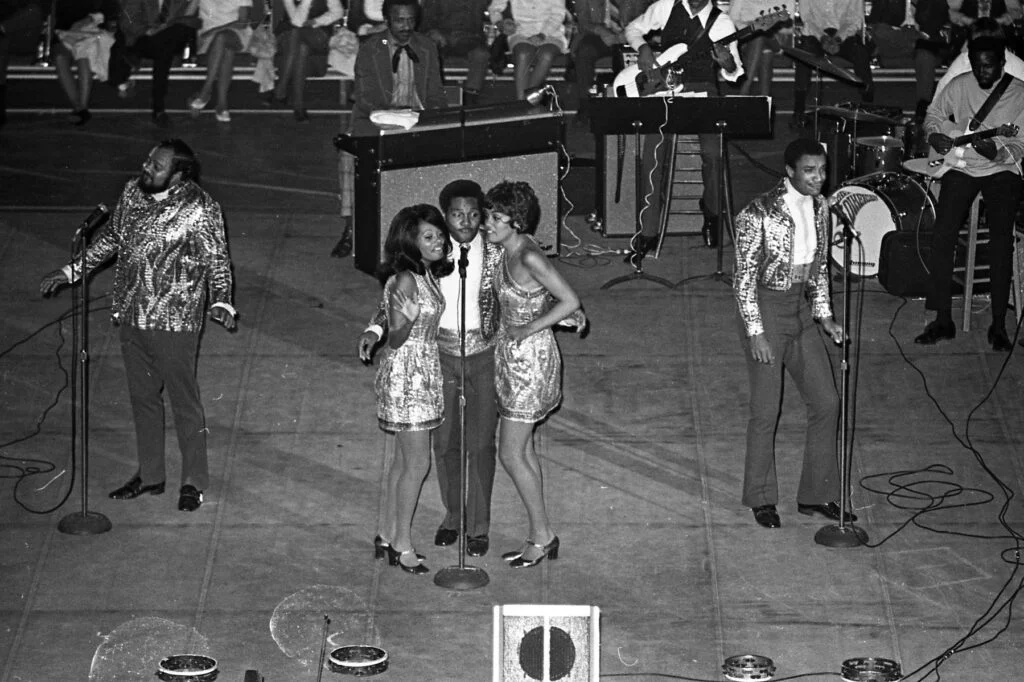
This medley arrived at the end of the decade and instantly took over. Its big, optimistic sound made it perfect for radio, commercials, and variety shows. You could hear it on pop stations and easy listening stations alike. For a stretch of time, it felt unavoidable.
The more it played, the more it faded into routine listening. What once sounded bold and theatrical slowly became ordinary. Even people who were not fans of the group knew all the words. Eventually it became just another familiar piece of the ’60s soundtrack.
12. “Stand By Me” by Ben E. King
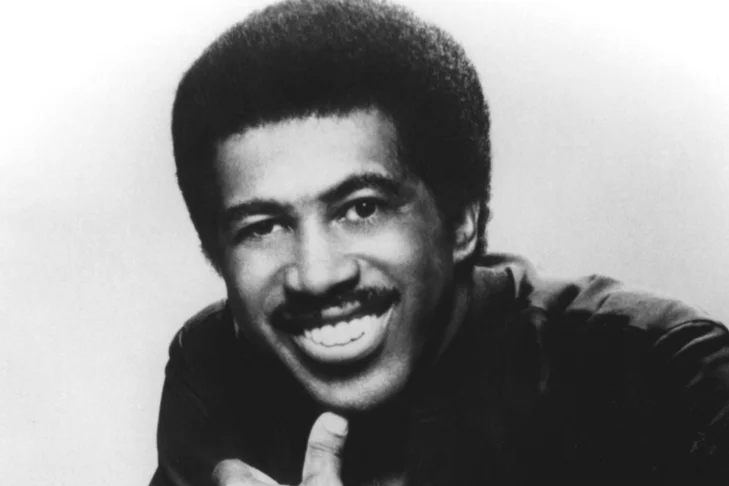
“Stand By Me” started out as a heartfelt ballad, but constant airplay turned it into a standard. It was used at dances, on television, and on radio countdowns for years. The song had a timeless quality that kept programmers reaching for it again and again. Before long, it was everywhere.
Because it never really went away, listeners stopped noticing how often it appeared. The melody became comforting but also completely predictable. You could hear it in a restaurant and hardly look up from your plate. It simply became part of the musical furniture.
13. “Proud Mary” by Creedence Clearwater Revival
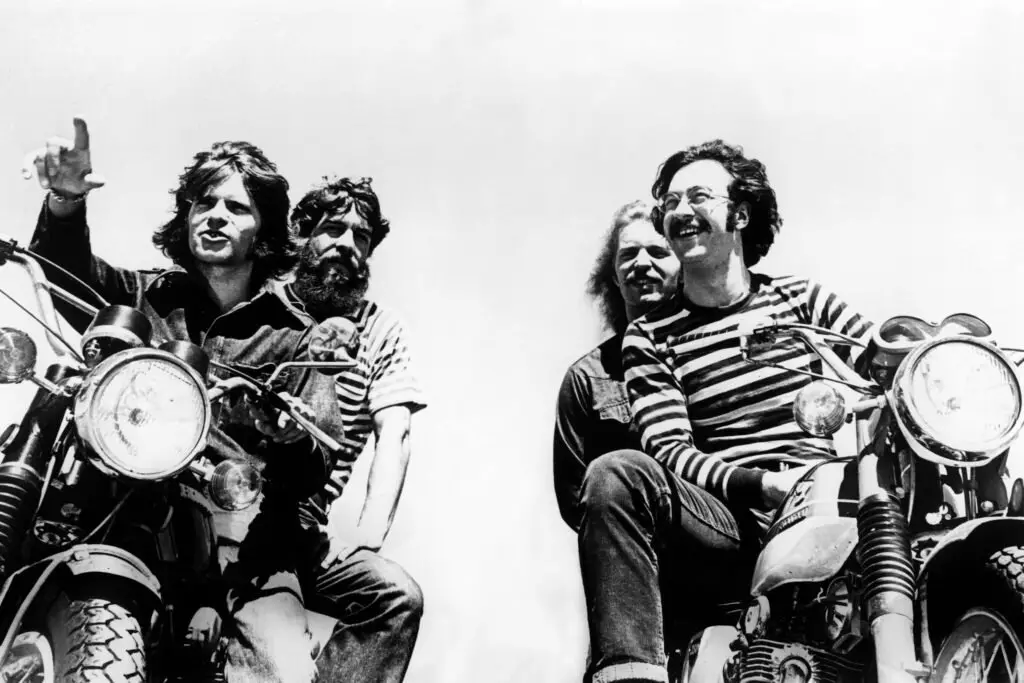
Creedence Clearwater Revival had plenty of hits, but “Proud Mary” seemed to outplay them all. Its driving rhythm made it a favorite for radio hosts and party playlists. The song crossed genre lines and found fans in every corner of the country. For years, it felt like a permanent fixture on the dial.
With that kind of exposure, even a great song can start to feel routine. The familiar guitar riff turned into a signal of something heard a thousand times before. People still enjoyed it, but almost on autopilot. It gradually melted into the everyday background of life.
14. “Brown Eyed Girl” by Van Morrison

Few songs from the ’60s have had the staying power of “Brown Eyed Girl.” It became an instant favorite for radio stations and never seemed to fall out of rotation. The cheerful melody made it perfect for sunny afternoons and carefree road trips. Over time, it turned into a default choice for almost any playlist.
Because it was played at every possible event, the song eventually became almost invisible. Listeners recognized it instantly but rarely paid close attention. It was the kind of tune that felt like it had always been there. By the end of the decade, it was pure, pleasant background noise.