
1. Calgon “Take Me Away”
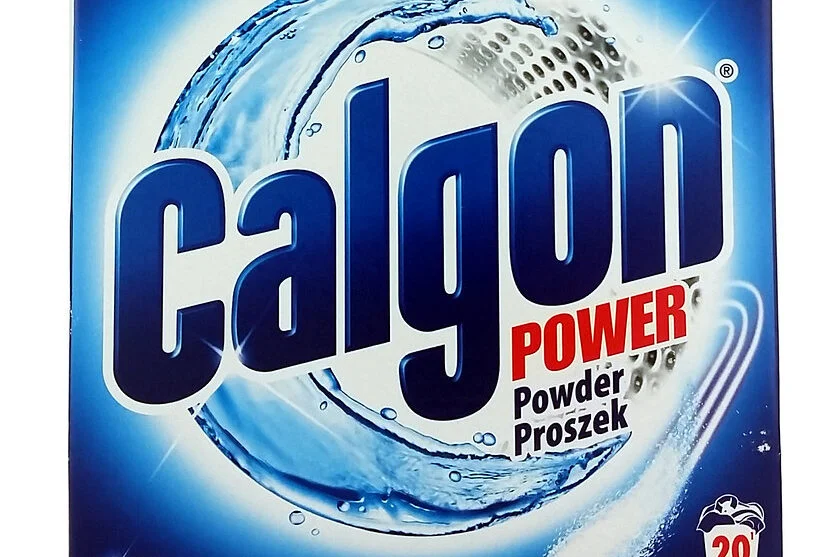
These commercials made it seem completely normal for a woman to escape her entire family and life by locking herself in the bathroom with scented bath powder. The tone was dreamy and theatrical, as if the bathtub were a portal to another dimension. Everyone spoke in hushed, reverent voices, like Calgon was a magical being instead of soap. The idea that personal space required total disappearance feels especially strange now. There was no hint of humor, just pure seriousness about bath time salvation.
Watching them today, the gender expectations are impossible to miss. The stress always came from housework, children, or a vaguely defined domestic burden. Calgon did not promise cleanliness as much as emotional rescue. Modern ads tend to show quick self care or shared responsibilities, not full escape fantasies. These commercials feel less like marketing and more like a surreal short film about burnout.
2. Coke “Hilltop”

At the time, this commercial felt hopeful and earnest, but now it plays like a time capsule from a gentler, more naïve planet. A group of young people from around the world gathered on a hill to sing about buying the world a Coke. The message was simple, sincere, and completely unguarded. There was no irony or wink to the audience at all. Everyone looked genuinely convinced soda could fix things.
Today, the lack of self awareness is what makes it feel so alien. Modern commercials are layered with humor or commentary, while this one was proudly straightforward. It treated advertising like a global peace offering. The emotional stakes were enormous for a soft drink. That level of optimism is rare now, especially when tied to a brand.
3. Alka-Seltzer “Plop Plop Fizz Fizz”
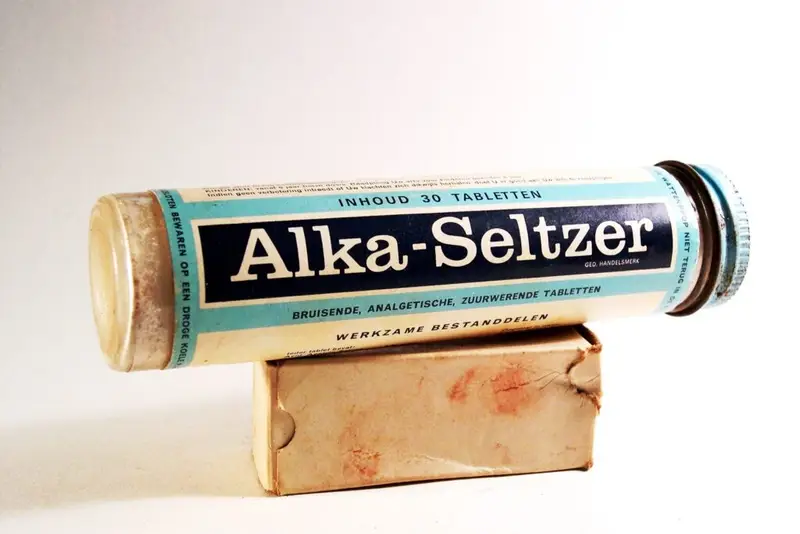
These commercials leaned heavily on repetition, jingles, and exaggerated physical comedy. The idea that stomach relief needed a catchy song felt perfectly normal at the time. Characters often spoke directly to the camera, explaining symptoms in detail. The tone was cheerful even when discussing indigestion. Nothing about it was subtle.
Looking back, it feels oddly theatrical and stagey. Today’s ads are faster, quieter, and more visual. The long explanations and sing song delivery feel like children’s television. It is charming, but also strangely slow and literal. You can almost feel the pacing of the decade in every second.
4. Mr. Whipple and Charmin
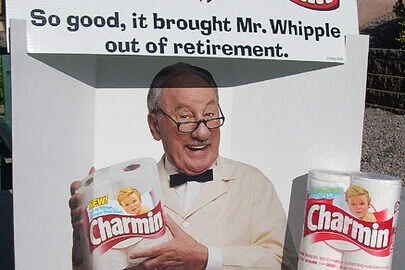
The central gag was that Mr. Whipple begged shoppers not to squeeze the toilet paper, while they always did anyway. The joke never evolved and never needed to. Audiences were expected to find this endlessly funny. The commercials treated grocery shopping like a major social activity. Everything happened at a leisurely pace.
From a modern perspective, it is baffling how much screen time was devoted to toilet paper texture. The humor was gentle, repetitive, and very low stakes. Today, brands would likely change the joke every few weeks. In the ’70s, consistency was the entire strategy. It feels less like advertising and more like a recurring sitcom character.
5. Tang and Space-Age Nutrition
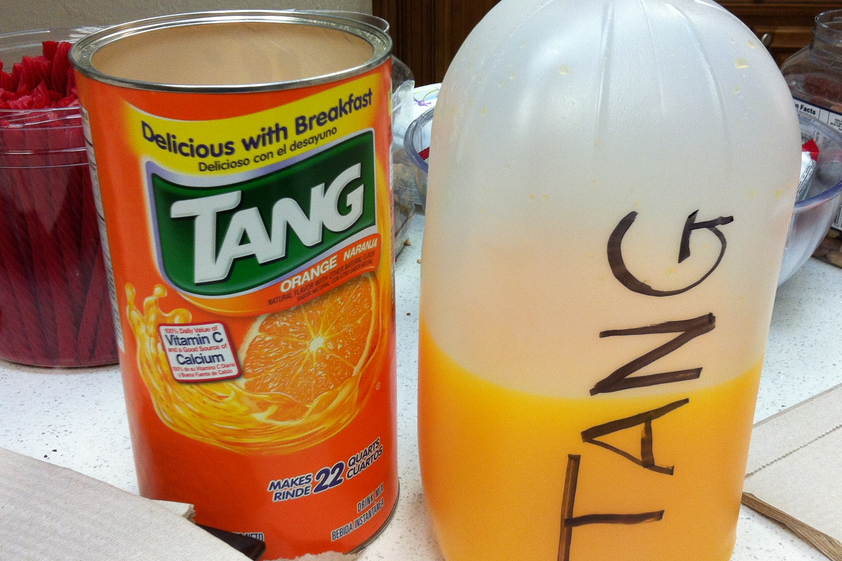
Tang commercials leaned heavily on science fiction logic. Drinking powdered orange beverage somehow connected families to astronauts and space travel. Kitchens were framed as command centers of modern living. The message was that the future tasted like artificial citrus. No one questioned the leap in logic.
Now it feels wonderfully absurd. Modern consumers are far more skeptical of science flavored marketing. The confidence with which Tang promised innovation is what makes it feel otherworldly. It assumed viewers trusted progress without hesitation. The space race optimism is baked into every frame.
6. Life Cereal “Mikey Likes It”

This commercial relied on children behaving like tiny adults who held serious opinions about breakfast. The pacing was slow, allowing the joke to unfold naturally. There was no flashy editing or fast cuts. The humor came from the silence and waiting. Mikey’s approval was treated like a major victory.
Today, the restraint feels shocking. Modern ads rarely allow that much dead air. The idea that a cereal commercial could be memorable without constant stimulation feels foreign. It trusted viewers to pay attention. That patience belongs to another era.
7. Ring Around the Collar

These commercials framed laundry as a dramatic household crisis. A visible ring around a shirt collar was treated like a personal failure. Wives anxiously inspected clothing while husbands looked disappointed. The stakes were entirely emotional. The solution was always a specific detergent.
Seen now, the messaging is startling. The gender roles are rigid and unquestioned. The anxiety feels outsized compared to the problem. Modern laundry ads focus on convenience, not shame. These commercials feel like social documents more than advertisements.
8. Polaroid Instant Cameras
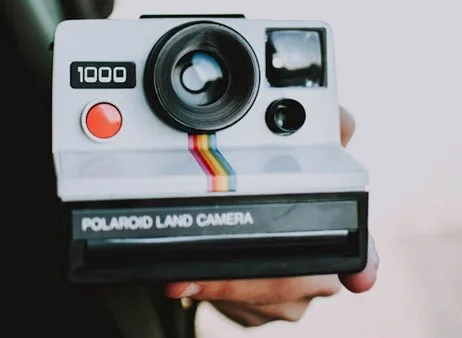
Polaroid ads treated instant photos as borderline miraculous. Watching a picture develop was framed as a magical experience. Families gathered around to witness it happen. The technology itself was the star. There was genuine awe in the presentation.
Now, the reverence feels almost religious. In a world of instant digital images, the slow reveal feels quaint. The commercials assumed viewers would be amazed every time. That sense of wonder is rare in today’s tech advertising. It feels like a different relationship with innovation.
9. Juicy Fruit Gum

These ads suggested that chewing gum could instantly transform dull situations into fun, spontaneous adventures. People broke into smiles and playful behavior after one piece. Reality bent slightly around the product. The tone was light but oddly intense. Gum was treated like a personality upgrade.
Modern ads are more grounded, even when playful. The exaggerated cause and effect feels surreal now. It assumes viewers will accept emotional transformation as a given. That simplicity is part of its charm. It belongs to a more trusting advertising universe.
10. Virginia Slims “You’ve Come a Long Way, Baby”

These commercials framed smoking as empowerment and independence. The imagery leaned heavily on fashion, confidence, and rebellion. It borrowed language from the women’s movement without irony. The tone was bold and aspirational. The product was secondary to the message.
Today, the disconnect is impossible to ignore. The health implications overshadow everything else. What once seemed progressive now feels deeply unsettling. It is a reminder of how cultural values shift. The commercial feels like a transmission from a parallel timeline.
11. McDonald’s “You Deserve a Break Today”
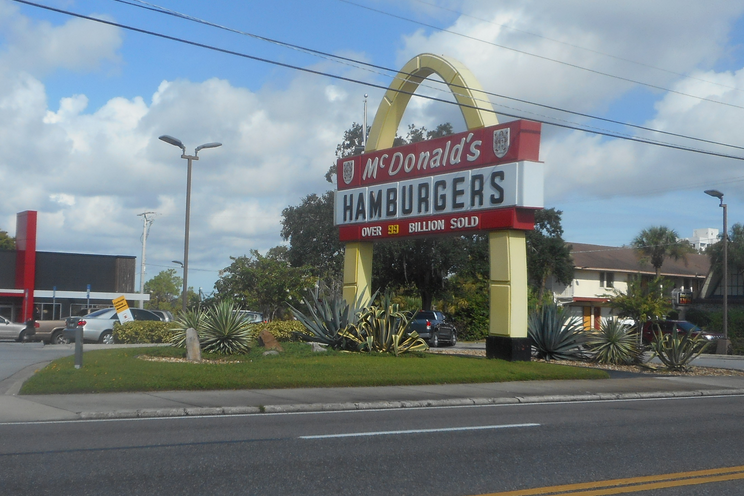
This campaign focused on emotional relief rather than food. McDonald’s was presented as a sanctuary from daily stress. The visuals were calm and almost sentimental. Fast food was framed as self care. The pace was relaxed and reassuring.
Now, the softness feels unexpected. Modern fast food ads are louder and more product focused. The idea of a burger as emotional support feels oddly poetic. It reflects a slower cultural rhythm. The messaging feels gentle in a way that is rare now.
12. Taster’s Choice Coffee
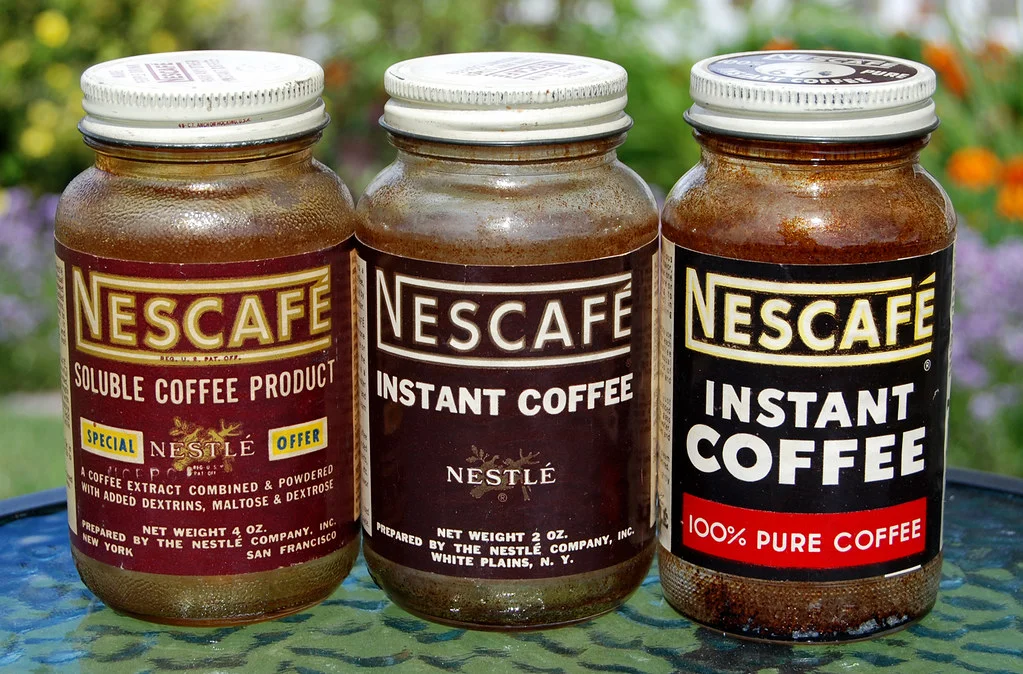
These commercials played like mini soap operas, complete with romance and lingering glances. Coffee was the catalyst for emotional connection. Characters spoke seriously about taste and feelings. The stakes were intimate and dramatic. Everything unfolded slowly.
Watching them today feels surreal. The melodrama is intense for an instant beverage. Modern ads would treat this concept with humor or irony. The sincerity is what makes it feel alien. It is advertising that fully committed to its own seriousness.