
1. Alka-Seltzer’s “Plop, Plop, Fizz, Fizz”
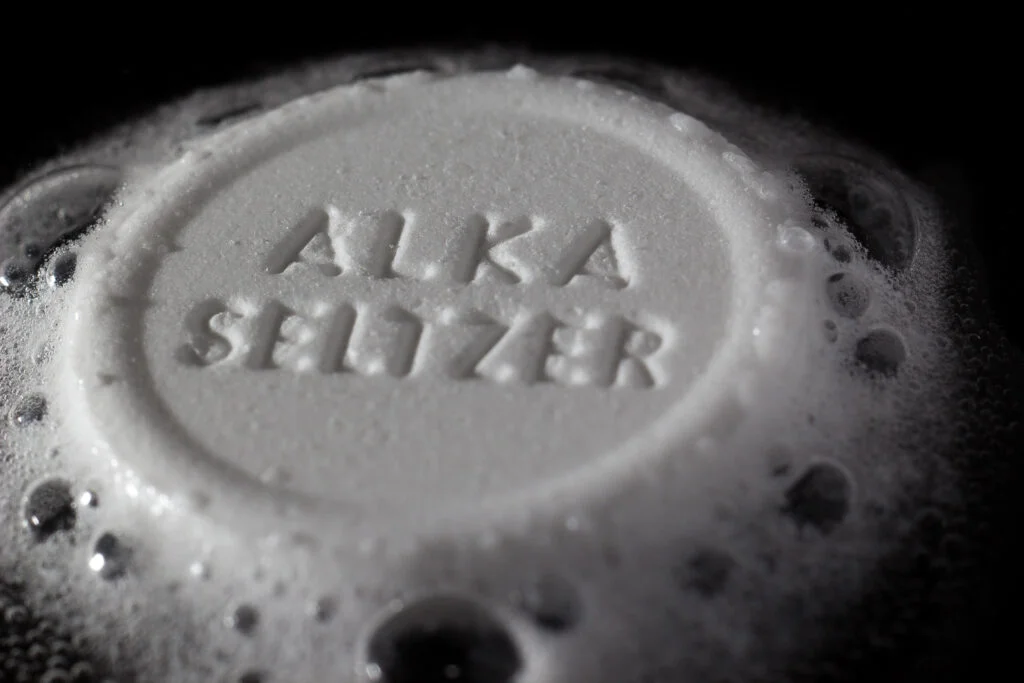
If you grew up in the ’70s, you can probably still hear that cheerful little jingle in your head. Alka-Seltzer’s famous “Plop, plop, fizz, fizz, oh what a relief it is.” campaign made taking indigestion tablets feel almost musical. The ads showed people dropping two fizzy tablets into a glass of water and waiting for that dramatic bubbling to begin. It was oddly satisfying to watch, like a tiny science experiment happening right on the kitchen counter. Back then, that sound and fizz were proof something powerful was at work.
To a kid today, the whole ritual might seem unnecessary. Why not just swallow a pill and move on. The idea of standing at the sink waiting for tablets to dissolve could feel like an eternity in the age of instant everything. And the jingle itself, once so catchy, might feel quaint compared to modern ads that rely on memes or influencers. But for families in the ’70s, that fizz meant relief and a little bit of showmanship.
2. Life Cereal’s “Mikey Likes It”

The “Mikey Likes It.” commercial for Life cereal became one of the most iconic ads of the decade. In the spot, two older brothers push a supposedly healthy cereal toward picky little Mikey, expecting him to hate it. Instead, he digs in happily, and the line is delivered like a revelation. It played on the idea that kids automatically rejected anything good for them. The humor felt relatable at the breakfast table.
Today’s kids, who see plant-based snacks and protein bars marketed directly to them, might not understand why whole grain cereal was once considered suspicious. The premise that children avoid anything remotely healthy feels dated. Also, the slower pace and simple setup might seem almost too quiet compared to today’s fast-cut ads. But at the time, Mikey’s approval was practically a seal of approval for households everywhere.
3. Marlboro Man Cigarette Ads

The Marlboro Man was less a commercial and more a myth in motion. These ads showed a rugged cowboy riding across wide open landscapes, cigarette in hand. The message was subtle but unmistakable, smoking equaled independence and masculinity. The imagery was cinematic, almost like a mini Western. There was no loud sales pitch, just atmosphere.
To modern kids, the idea of cigarette ads on television or in magazines would be baffling. Tobacco advertising is now heavily restricted, and the health risks are common knowledge. The romanticized cowboy with a cigarette would raise immediate red flags. It is difficult to imagine a time when such imagery was mainstream and celebrated. Yet in the ’70s, the Marlboro Man was one of advertising’s most recognizable figures.
4. Shake ’n Bake’s “And I Helped”
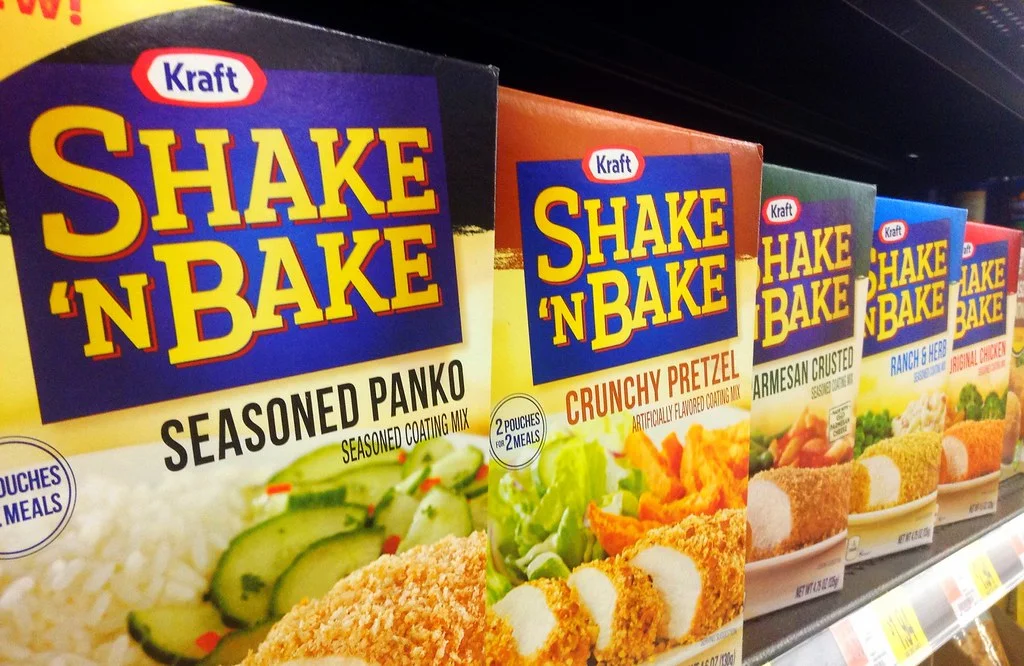
The Shake ’n Bake ads featured a child proudly declaring, “And I helped.” after assisting in preparing dinner. The commercial showed a mother and child coating chicken in seasoned crumbs inside a plastic bag. It was positioned as a fun, family-friendly shortcut to homemade meals. The child’s enthusiasm was the emotional hook. Helping in the kitchen felt like a badge of honor.
Kids today might be confused by the novelty of breading chicken in a bag. Meal kits, air fryers, and ready-to-eat options have changed expectations around convenience. The excitement over lightly assisting with dinner may seem exaggerated. Also, the traditional family roles portrayed in the ad reflect a different era. Still, the pride in contributing to dinner was very real for many ’70s kids.
5. Tootsie Pop’s Wise Owl

The famous Tootsie Pop commercial asked a question that still lingers, how many licks does it take to get to the center. An animated boy consults a wise owl, who promptly bites into the lollipop after three licks. The punchline was simple and memorable. It invited kids to test the theory themselves. The ad turned candy into a playful experiment.
Modern children, used to interactive apps and viral challenges, might not find the slow, repetitive licking premise very thrilling. The animation style would also look vintage compared to today’s slick graphics. Even so, the commercial’s simplicity was its strength. It sparked playground debates long before social media polls existed. In the ’70s, that was more than enough.
6. Palmolive’s “You’re Soaking In It”
In this series of ads, a manicurist soaks a client’s hands in Palmolive dish soap without telling her. When the reveal comes, the client reacts in disbelief, “You’re soaking in it.” The idea was that the soap was so gentle it doubled as a beauty treatment. The setting felt like a tiny stage play. It relied on dialogue rather than spectacle.
Children today might wonder why dish soap needed to prove it was safe for hands. With modern labeling and dermatological claims everywhere, the concept feels oddly formal. The manicurist-client dynamic also reflects a slower, more personal era of advertising. It was almost theatrical compared to today’s quick-hit commercials. But in the ’70s, that catchphrase was instantly recognizable.
7. Oscar Mayer’s Bologna Song
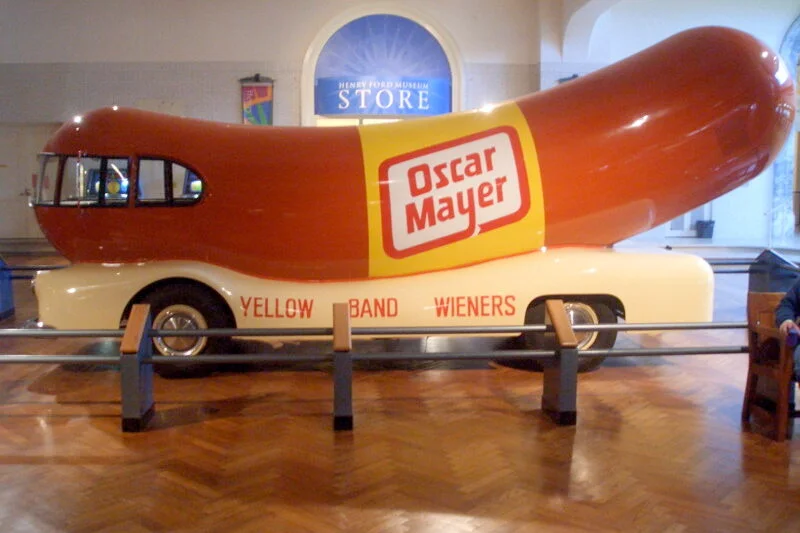
The Oscar Mayer ad featuring a child singing, “My bologna has a first name.” became a cultural touchstone. The jingle spelled out O-S-C-A-R in a way that stuck in your head for days. It showed a kid wandering through a sunny neighborhood, happily clutching a sandwich. The tone was wholesome and uncomplicated. Lunch meat was presented as pure childhood joy.
Kids today, growing up with concerns about processed foods and nutrition labels, might see it differently. The idea of passionately singing about bologna could feel strange. Advertising that directly targeted children in such a straightforward way is also less common now. The melody, however, remains hard to forget. In the ’70s, it was practically a rite of passage.
8. Charlie Perfume “Kind of Woman”

Charlie perfume commercials showed confident young women striding through city streets to upbeat music. The tagline suggested independence and modern femininity. The women wore pantsuits and projected self-assurance. It captured a cultural shift in how women were portrayed in advertising. The vibe was aspirational and stylish.
To kids today, perfume ads might feel abstract and artistic rather than narrative. The specific brand messaging about being a “kind of woman” could seem blunt. Cultural references tied to workplace equality movements might not land the same way. The fashion alone would signal another decade entirely. Yet in the ’70s, Charlie symbolized a new kind of freedom.
9. Mr. Whipple and Charmin
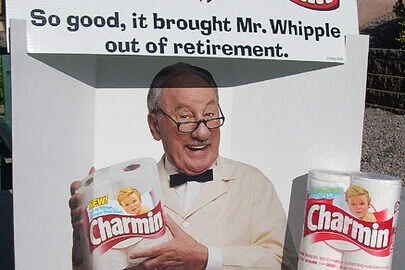
“Please don’t squeeze the Charmin.” became a running joke across America. The ads featured store manager Mr. Whipple scolding customers for squeezing the soft toilet paper. Ironically, he would then squeeze it himself when no one was looking. The humor relied on repetition and mild absurdity. It turned toilet paper into a character-driven storyline.
Today’s kids, used to edgy humor and flashy visuals, might not find a toilet paper stockroom very exciting. The polite, restrained comedy feels almost quaint. Also, the notion of physically testing toilet paper in a store seems outdated. The ads built familiarity over time rather than shock value. In the ’70s, Mr. Whipple was a minor celebrity in his own right.
10. Kool-Aid’s Live-Action Pitchers
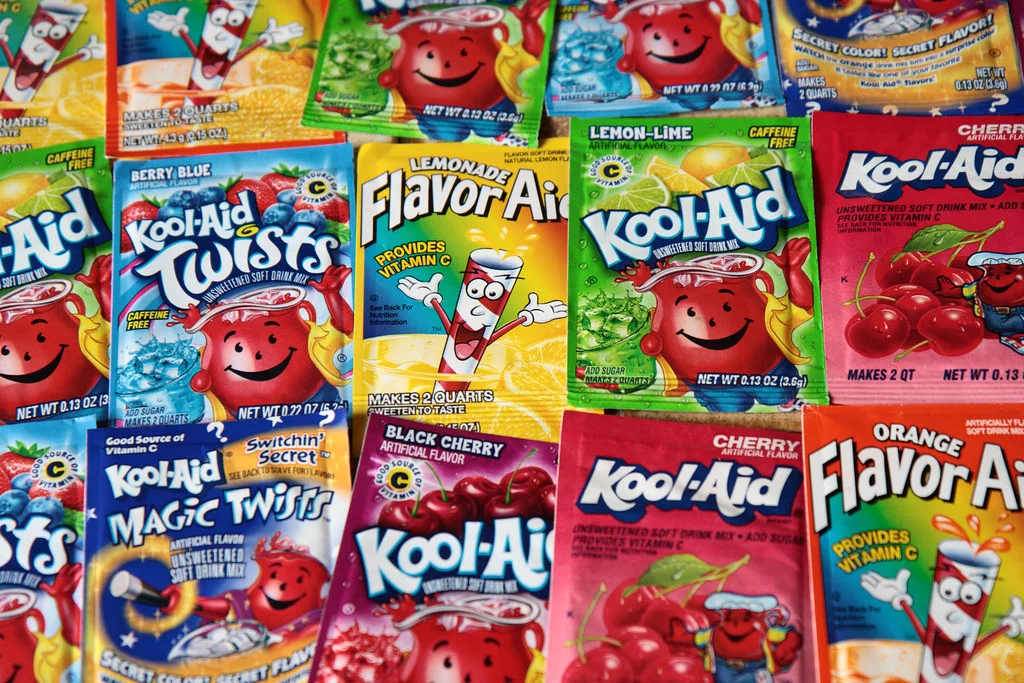
Kool-Aid commercials often featured children joyfully running around while the smiling Kool-Aid Man appeared. In some ’70s ads, the pitcher was animated but placed into live-action settings. The bright red character bursting into scenes felt magical. The catchphrase “Oh yeah.” became iconic. Sugary drinks were framed as pure fun.
Modern parents are far more cautious about sugar consumption. Kids today might see the giant walking pitcher as strange rather than delightful. The simplicity of the effects would also look dated. There was no irony or wink to the audience. It was earnest, colorful chaos that defined childhood for many.
11. Clairol’s Herbal Essence Shampoo
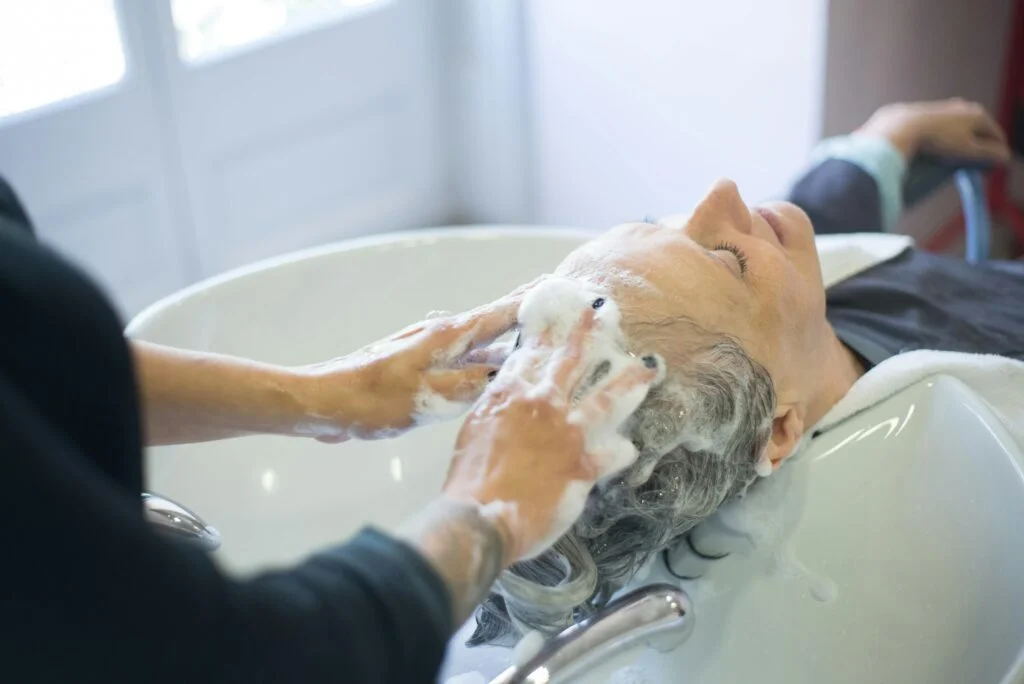
Clairol’s Herbal Essence ads leaned heavily into sensory imagery. Women were shown luxuriating in nature-inspired settings, washing their hair with visible delight. The tagline suggested you would tell two friends, and so on. It was about freshness and word-of-mouth appeal. The tone balanced innocence with subtle allure.
Children today might not grasp why shampoo needed such theatrical build-up. Influencer reviews and instant online ratings have replaced the idea of personally telling friends. The dreamy pacing would feel slow compared to current beauty ads. It also reflected a more limited media landscape. Still, the commercial made shampoo feel transformative.
12. Band-Aid’s “I Am Stuck on Band-Aid”
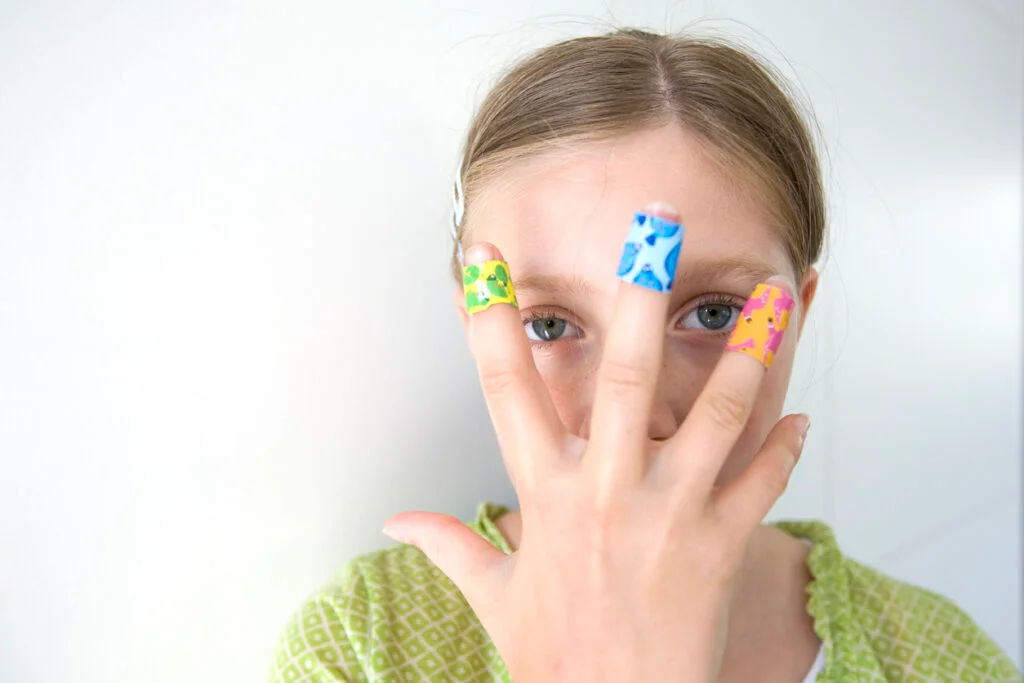
The Band-Aid jingle, “I am stuck on Band-Aid.”, featured kids proudly showing off their colorful adhesive bandages. The commercials framed minor scrapes as badges of adventure. Children sang with confidence, turning a small injury into a celebration. It made first aid playful rather than scary. The tune was simple and easy to repeat.
Today’s kids have character-themed bandages and endless options, so the novelty might not register. The earnest singing about medical supplies could seem overly wholesome. Advertising that encouraged kids to chant brand loyalty feels very specific to another era. The ad relied on melody more than spectacle. In the ’70s, that was enough to make a simple bandage unforgettable.