
1. The Godfather (1972)
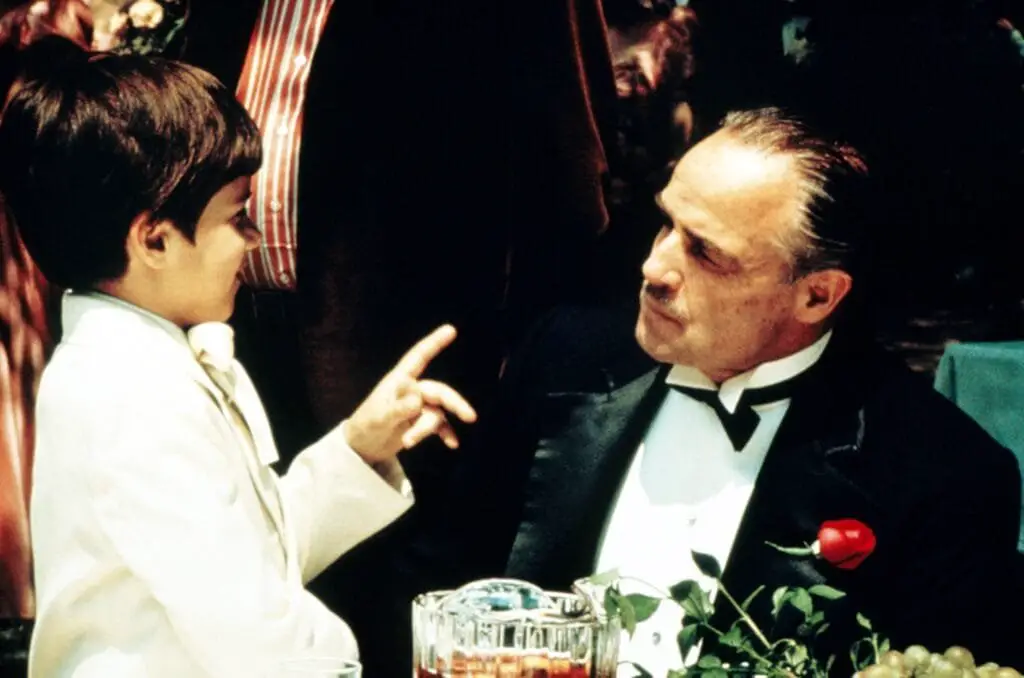
It is hard to think of another ’70s movie that seeped so deeply into everyday conversation. Lines from The Godfather were quoted at family dinners, in offices, and anywhere someone wanted to sound serious or intimidating. Even people who had not seen the film could recognize the tone of its most famous phrases. The dialogue had a formal, almost ceremonial quality that made it feel important when repeated.
What made those quotes stick was how adaptable they were to real life situations. People borrowed them jokingly, sarcastically, or with complete sincerity. The movie’s language became a kind of shorthand for power, loyalty, and grudges. Decades later, those lines still get reused, often without anyone needing to explain the reference. That kind of staying power is rare.
2. Jaws (1975)
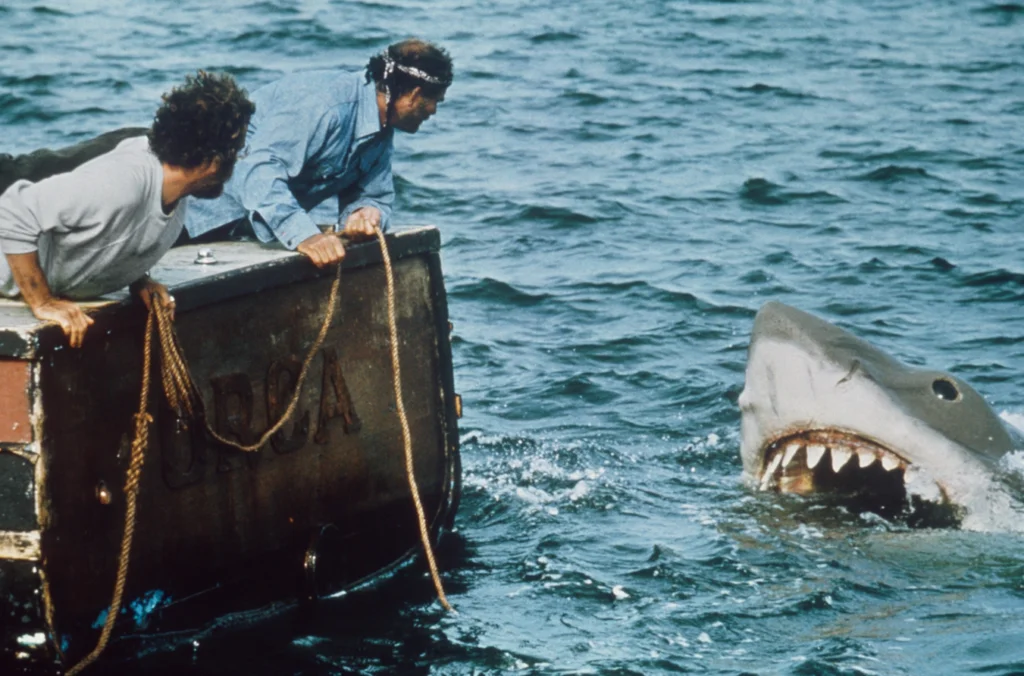
Jaws gave people a way to describe danger with just a few words. Its most quoted line became an instant punchline for moments when things felt out of control. You did not need to be near water for the reference to work. It could apply to crowded rooms, bad plans, or situations that were clearly spiraling.
The reason it lasted is because the line was funny, ominous, and incredibly flexible. People used it at work, on vacations, and even while watching sports. The quote carried a sense of shared cultural memory, especially for anyone who saw the film during its original run. It turned a suspenseful moment into something people could laugh about for years.
3. Rocky (1976)
Rocky inspired quotes that people used to motivate themselves and others. Its dialogue felt personal, like something you could actually say to a friend who needed encouragement. Fans repeated those lines during workouts, pep talks, and moments of self doubt. The movie made determination sound humble instead of flashy.
What helped those quotes endure was their sincerity. They did not feel scripted in a stiff or polished way. Instead, they sounded like thoughts spoken out loud. People connected to that honesty and carried it with them long after the credits rolled. Even today, the language of Rocky still shows up whenever perseverance is the topic.
4. Star Wars (1977)
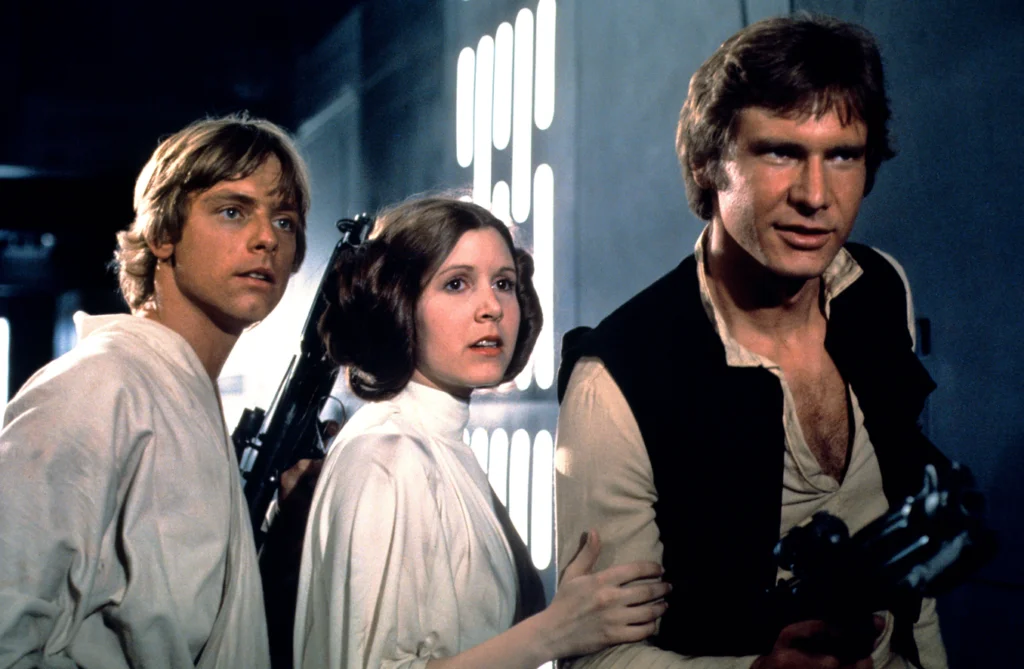
When Star Wars arrived, it gave the world an entirely new vocabulary. Kids quoted it on playgrounds, adults repeated it at work, and families worked it into daily jokes. Certain phrases became so familiar that they almost stopped sounding like movie lines. They felt more like modern sayings.
The quotes worked because they were simple and emotionally clear. You could use them seriously or playfully without losing their impact. They also crossed generations, which helped keep them alive. Long after the ’70s ended, the language of Star Wars kept being passed down. That constant reuse cemented its place in pop culture.
5. Animal House (1978)
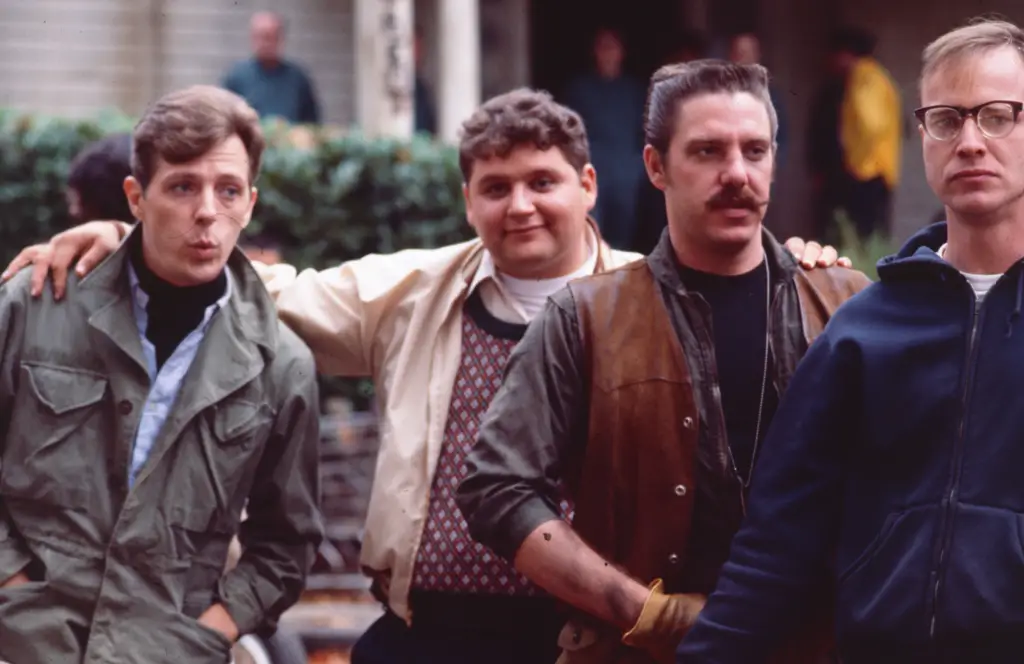
Animal House gave people permission to be loud, ridiculous, and a little reckless with their words. Its quotes were perfect for parties, late nights, and moments when rules felt optional. Fans repeated them to signal they were in on the joke. Even years later, those lines still carried a rebellious energy.
The humor was broad, but it was also memorable. The phrasing was simple enough that people could shout it across a room. Many of the quotes became inside jokes shared by entire generations. You did not need context to recognize them. They were instantly identifiable and endlessly repeatable.
6. Taxi Driver (1976)
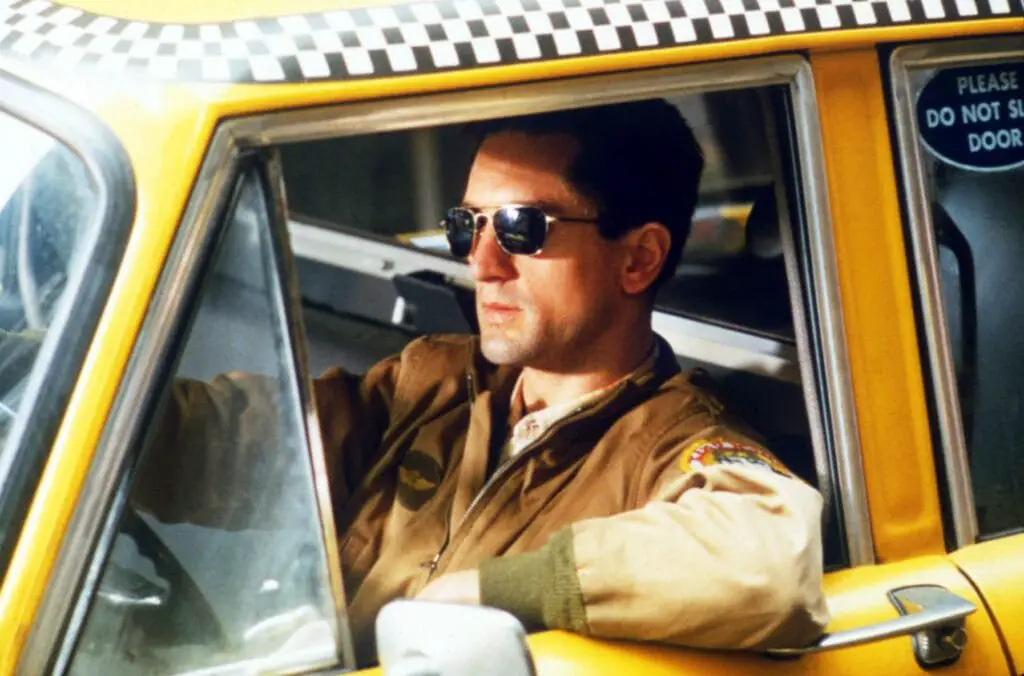
Taxi Driver produced one of the most imitated lines in film history. People quoted it in mirrors, joked about it with friends, and referenced it whenever someone felt defiant or unhinged. The line worked because it was unsettling and strangely funny at the same time. It captured a mood rather than just a moment.
What kept it alive was how easily it could be reenacted. Anyone could deliver it with a bit of dramatic flair. Over time, the quote took on a life of its own, separate from the movie’s darker themes. It became a cultural reference point that people used both seriously and ironically. Few lines from the ’70s have been copied more often.
7. Smokey and the Bandit (1977)
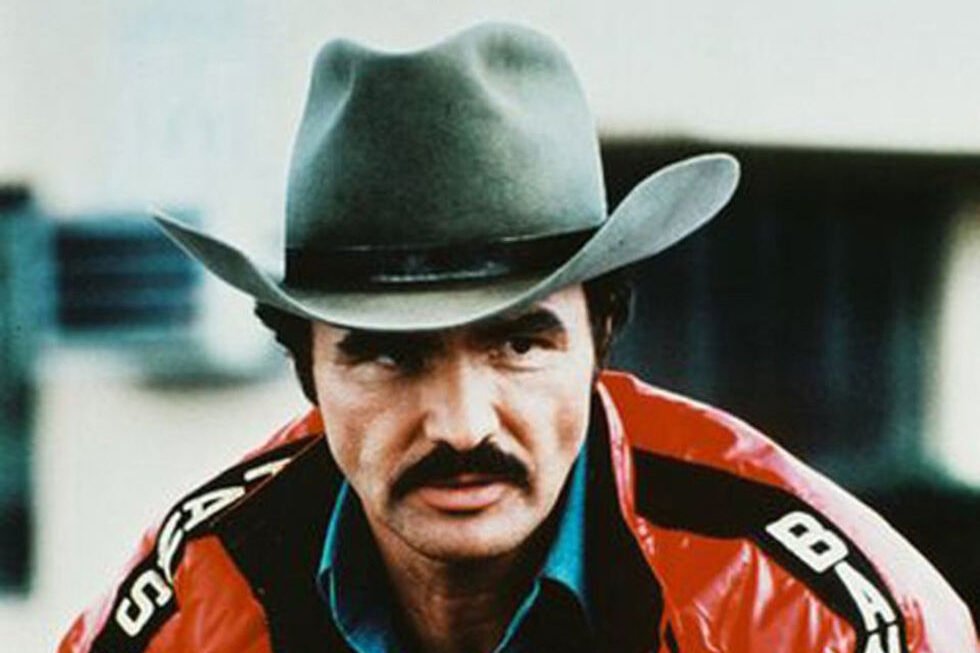
This movie filled conversations with playful bravado. Its quotes were perfect for joking about confidence, charm, and getting away with something. People used them while driving, teasing friends, or telling exaggerated stories. The tone was light, which made the lines easy to slip into everyday talk.
The dialogue felt casual and natural, like things someone might actually say. That helped the quotes spread quickly. They did not feel rehearsed or stiff. Instead, they sounded spontaneous and fun. For years, those lines became part of how people joked about being cool without taking themselves too seriously.
8. The Exorcist (1973)
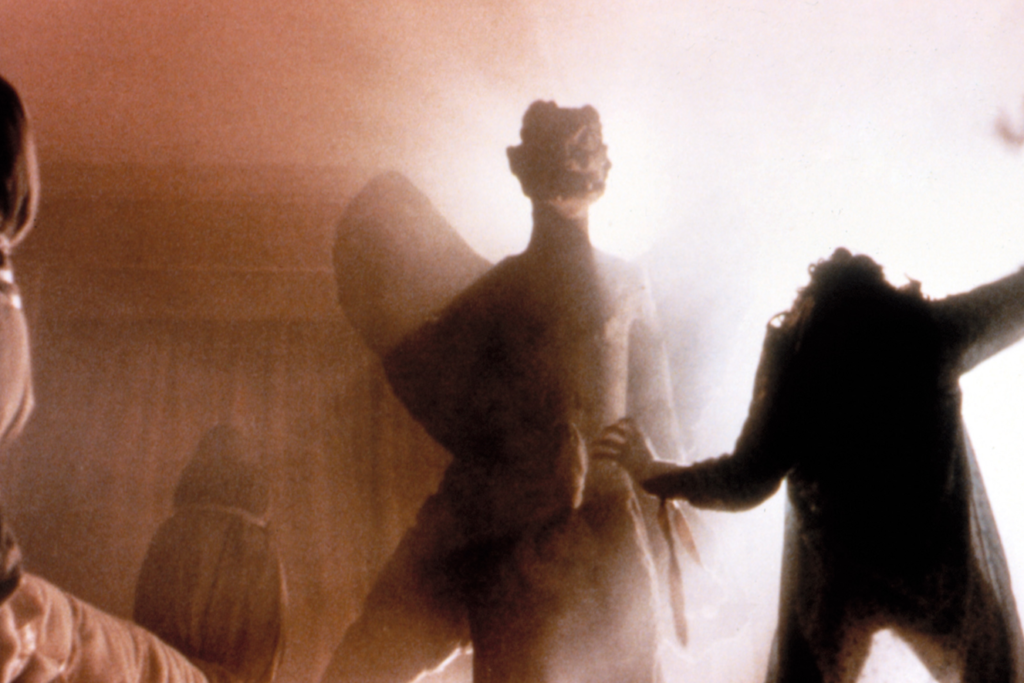
Even people who never saw The Exorcist knew its most infamous lines. They were quoted with nervous laughter, especially among friends trying to scare each other. The dialogue shocked audiences at the time, which made it unforgettable. Repeating those words always got a reaction.
Over the years, the quotes shifted from horrifying to darkly humorous. People used them to exaggerate bad moods or dramatic moments. That contrast kept the lines relevant. They became a way to reference fear without actually being afraid. Few horror films from the ’70s left such a strong verbal imprint.
9. One Flew Over the Cuckoo’s Nest (1975)
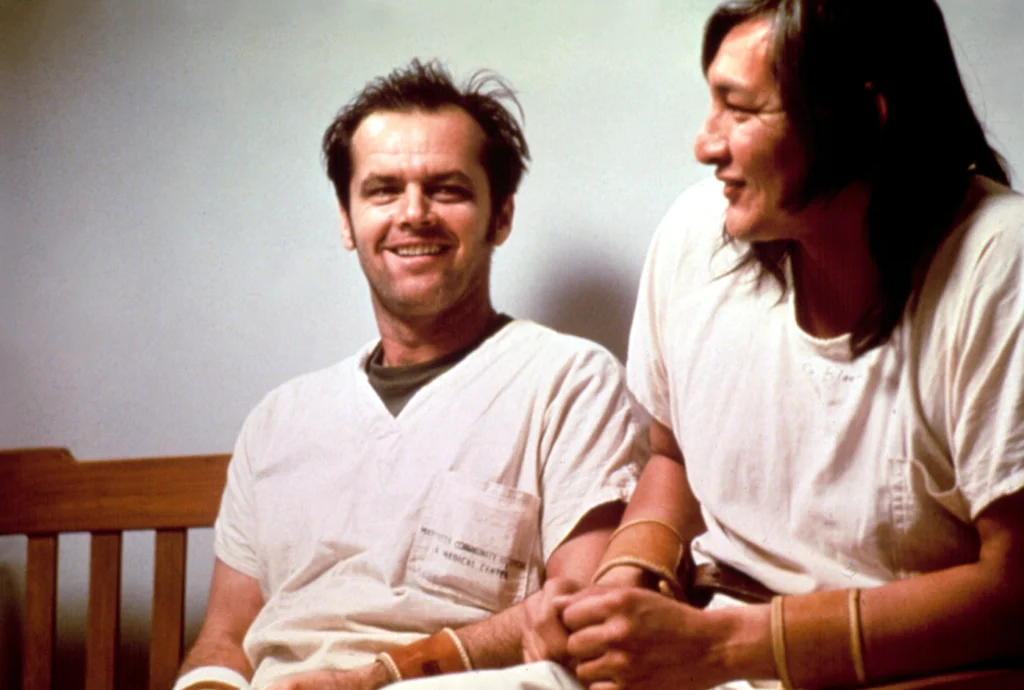
This film gave people quotes that expressed frustration with authority and control. Its lines were often repeated in moments when someone felt boxed in or misunderstood. They resonated because they felt truthful and raw. The dialogue captured emotions many people recognized in themselves.
Those quotes lasted because they were not flashy or jokey. They were reflective and human. People repeated them quietly, not always for laughs. Over time, the lines became symbols of resistance and individuality. They remained relevant as long as people felt the need to push back against the system.
10. Close Encounters of the Third Kind (1977)
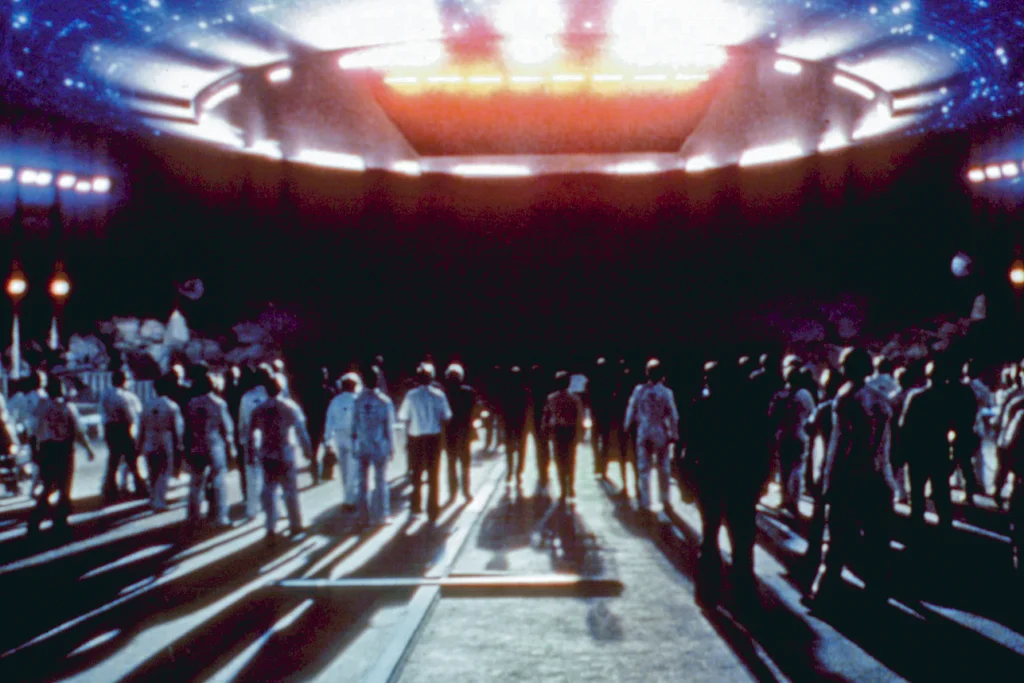
This movie introduced phrases that sounded mysterious and slightly awe struck. People quoted them when talking about the unknown or unexplained. The lines worked well in conversations about strange experiences or big questions. They added a sense of wonder to everyday talk.
What made them memorable was their tone rather than their humor. They invited curiosity instead of laughter. Fans used them when something felt bigger than they could explain. The quotes lingered because they tapped into a shared fascination with the unknown. That feeling never really goes out of style.
11. Grease (1978)
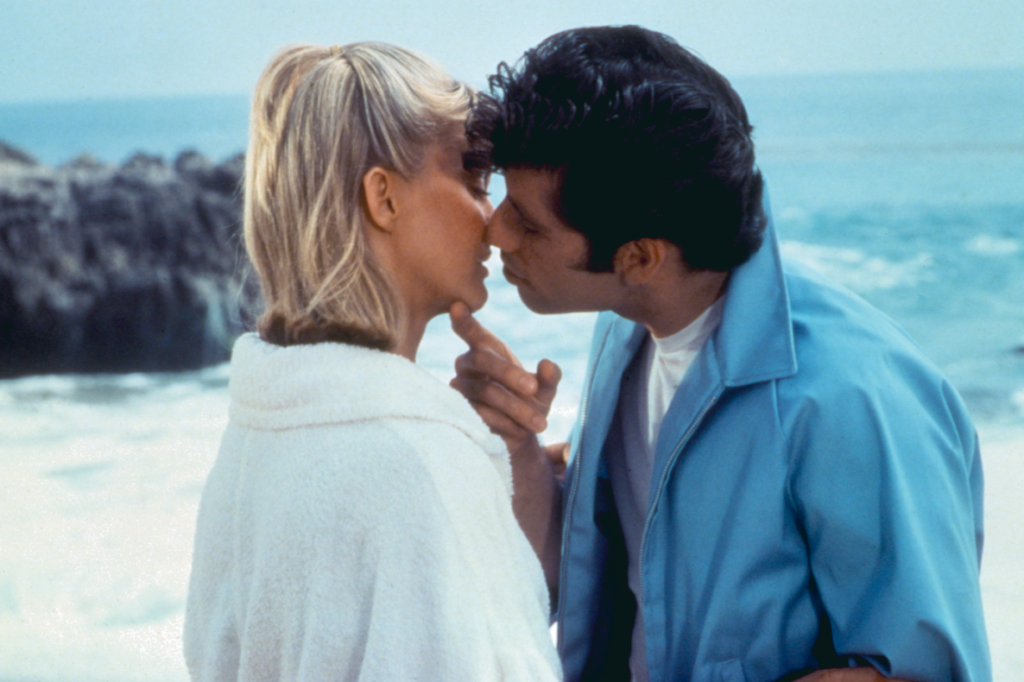
Grease sent quotes straight into schools, parties, and family living rooms. People repeated lines from the movie while singing along to the soundtrack. The dialogue felt youthful and energetic, which made it easy to adopt. It quickly became part of how people joked about romance and popularity.
The quotes lasted because they were tied to music and movement. You could not hear one without thinking of a specific scene. Fans repeated them with a smile, often exaggerating the delivery. That playful repetition kept the lines alive for years. Few ’70s movies were quoted with so much affection.
12. Monty Python’s Life of Brian (1979)
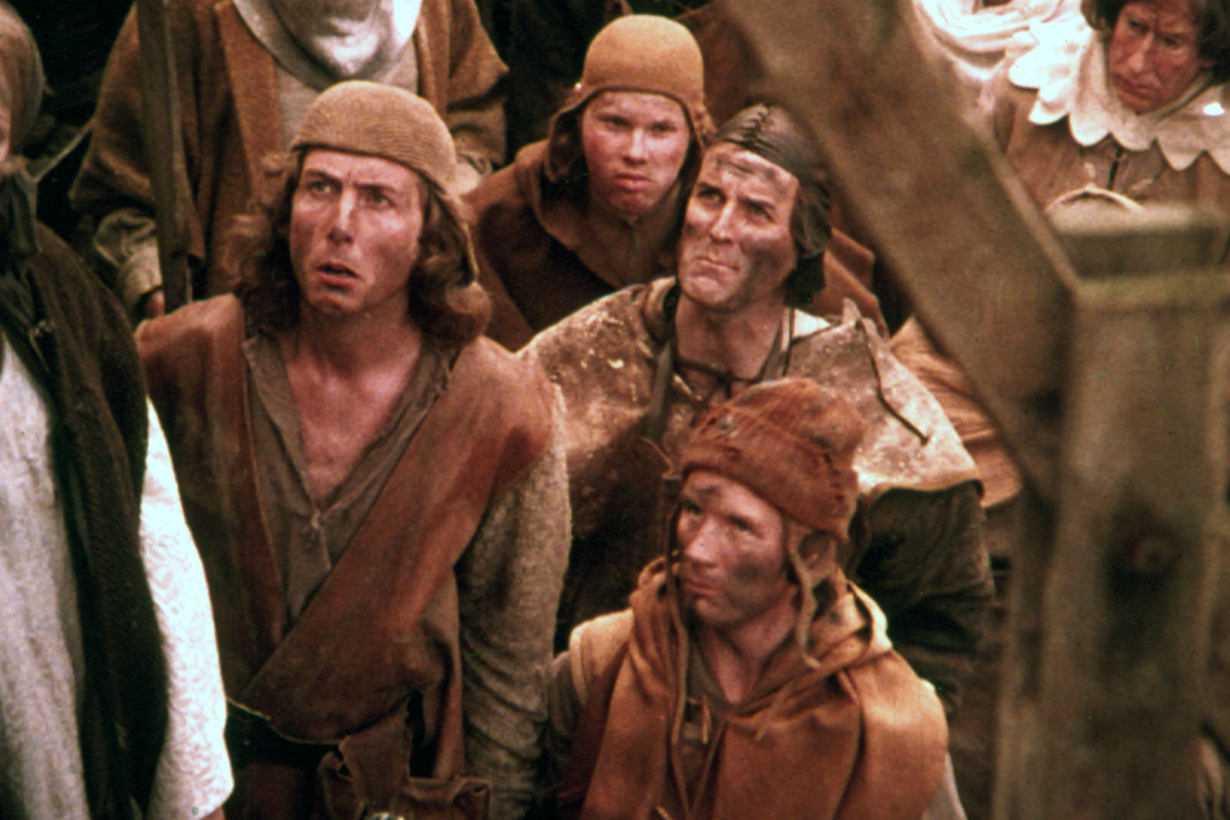
This film gave people absurd quotes that worked perfectly in everyday complaints and debates. Fans used them to mock authority, groupthink, and seriousness itself. The humor was clever enough to feel smart, but silly enough to repeat endlessly. Quoting it became a way to signal a certain sense of humor.
The lines stuck because they turned serious ideas upside down. People used them to deflate tense conversations or poke fun at rules. Over time, the quotes became cultural shorthand for satire. Even decades later, they still pop up in conversations that need a dose of irony.