
1. Rumours – Fleetwood Mac
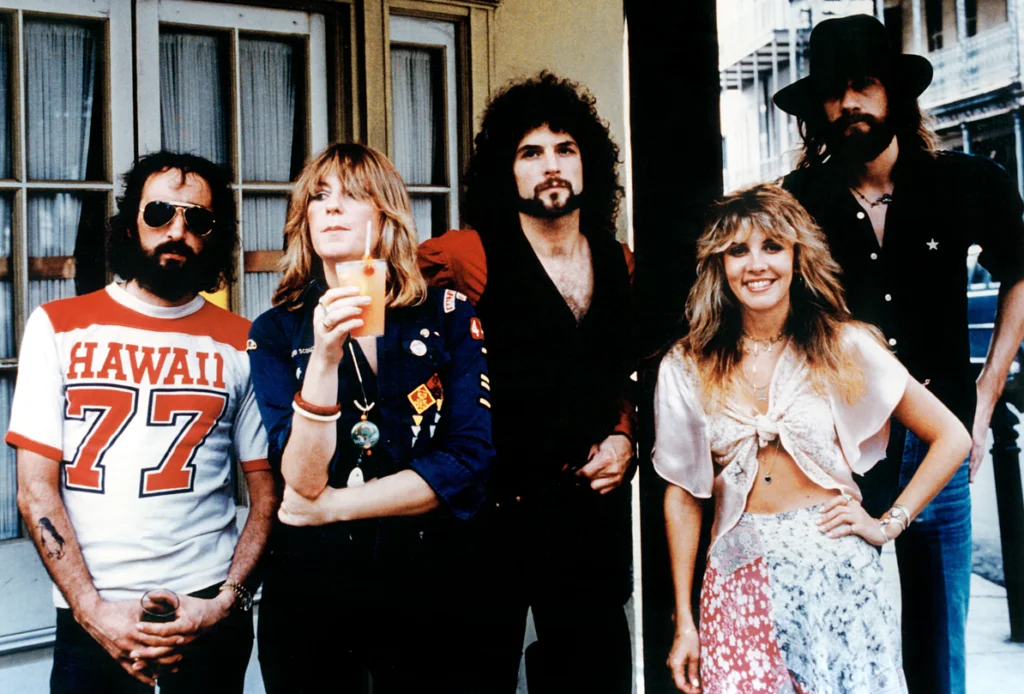
If you grew up in the late ’70s, there is a very good chance this album lived permanently near the turntable. Rumours was the kind of record that everyone seemed to own, even people who claimed they were not really into rock music. The songs felt personal in a way that was new at the time, full of heartbreak, tension, and undeniable hooks. Tracks like “Dreams” and “Go Your Own Way” somehow worked for both quiet nights and crowded parties. It was polished without feeling cold, emotional without being heavy.
What really cemented its place was how often it got played. You did not just listen to Rumours once, you lived with it. It became background music for breakups, road trips, and late-night conversations. The album sold in staggering numbers, but its real legacy is how deeply it worked its way into everyday life. Even decades later, hearing a single song can instantly transport people back to that era.
2. Hotel California – Eagles
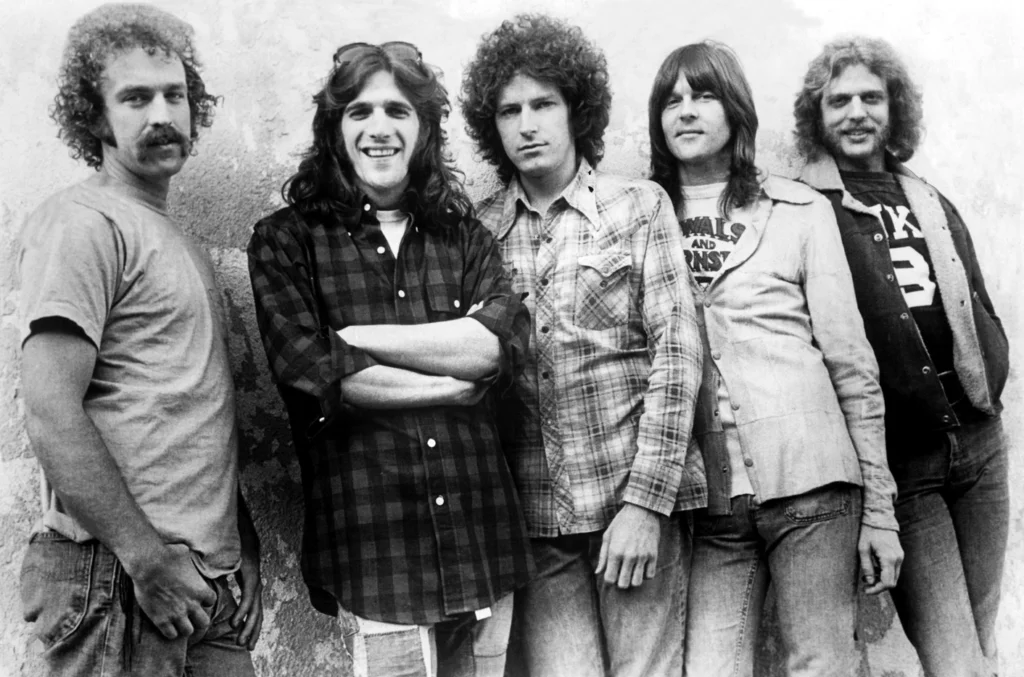
This was one of those albums that sat out on display, usually without its sleeve, because it was always in use. Hotel California had a laid-back sound that still felt dramatic and mysterious. The title track alone became unavoidable, with that instantly recognizable opening and haunting lyrics. It was smooth enough for easy listening but layered enough to reward repeat plays.
People owned this album because it worked in almost any setting. You could put it on during a party or play it quietly on a Sunday afternoon. The Eagles had already been popular, but this album pushed them into something closer to cultural wallpaper. It became part of the soundtrack of the decade, familiar even to people who did not know all the song titles.
3. Saturday Night Fever – Bee Gees
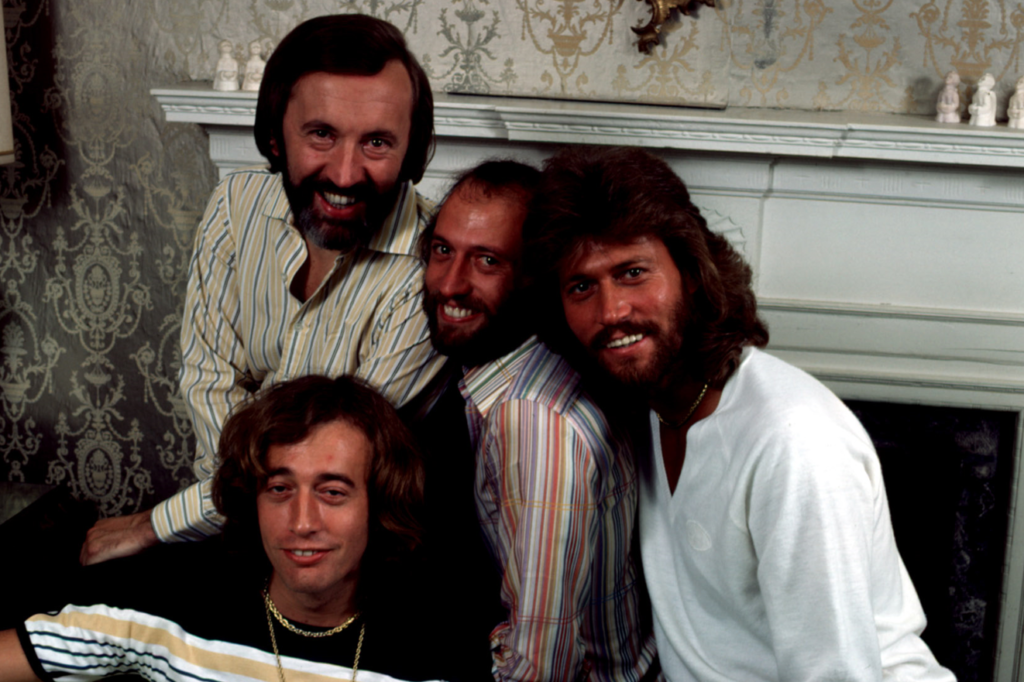
Even people who never went to a disco seemed to own this soundtrack. Saturday Night Fever was everywhere, and the Bee Gees’ falsetto voices became inescapable. The album captured a very specific moment, when dance music crossed fully into the mainstream. Songs like “Stayin’ Alive” and “Night Fever” were not just hits, they were cultural events.
Owning this record almost felt mandatory in the late ’70s. It showed up at house parties, family gatherings, and teenage bedrooms alike. The soundtrack sold millions of copies and turned disco into a dominant force. For many households, this was the album that defined the sound of the era, whether they loved it or secretly got tired of it.
4. Dark Side of the Moon – Pink Floyd
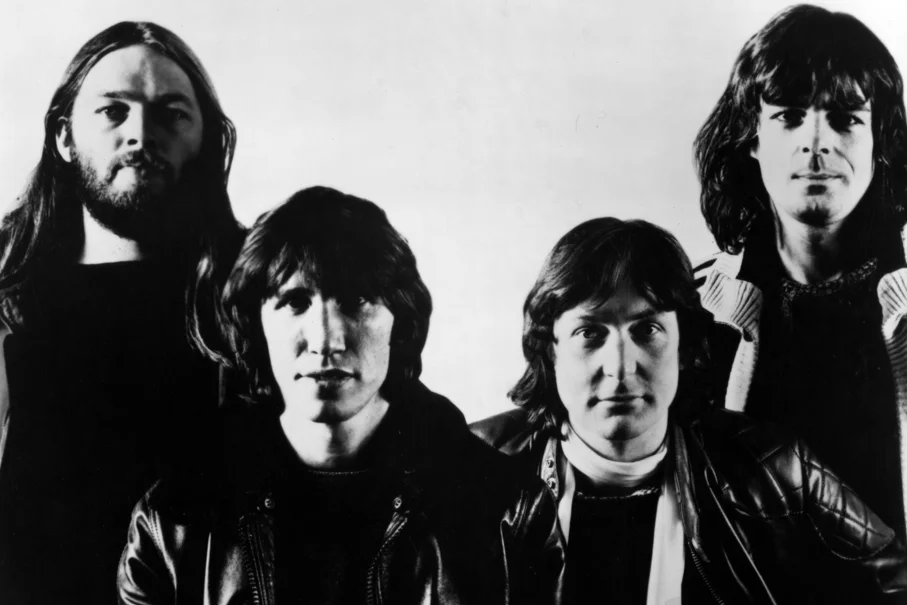
This album had a reputation for being serious, even a little intimidating, but almost everyone seemed to have it anyway. Dark Side of the Moon was as much an experience as it was a collection of songs. The cover alone made it instantly recognizable, and it often sat proudly on record shelves. It was the kind of album people put on with the lights low and actually listened to.
What made it so widely owned was its strange accessibility. Even if the themes were heavy, the music itself pulled people in. The album stayed on the charts for years, which meant new listeners kept discovering it. It became a shared reference point, something people bonded over regardless of musical taste.
5. Born to Run – Bruce Springsteen
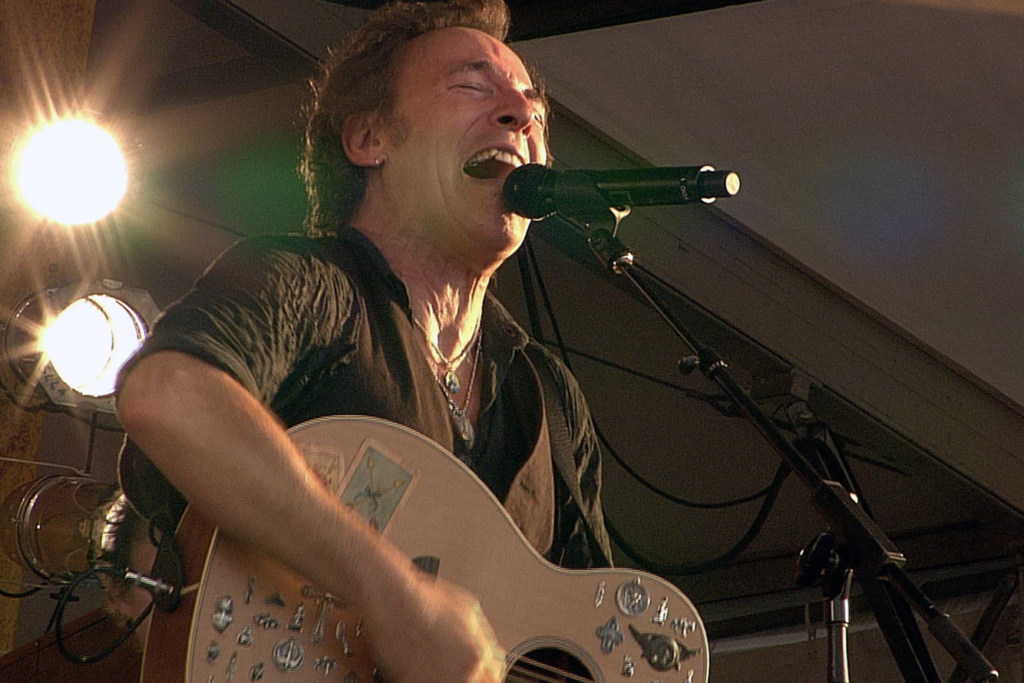
This album made Bruce Springsteen feel like he belonged to everyone. Born to Run captured a sense of restless energy that resonated with listeners across the country. The songs sounded big and cinematic, full of movement and longing. Even people who did not follow Springsteen closely often owned this one record.
It felt honest in a way that connected deeply with its audience. You could hear it blasting from car windows or spinning in living rooms late at night. The album became a rite of passage for many music fans. Owning it felt like owning a piece of the American story of the ’70s.
6. The Wall – Pink Floyd
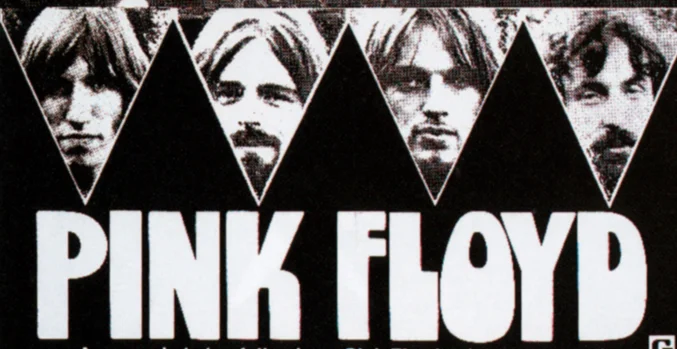
By the time The Wall came out, Pink Floyd albums were practically expected in any serious record collection. This one stood out for its ambition and its scale. It was not just an album, it was a full concept that people talked about endlessly. Songs like “Another Brick in the Wall, Part 2” crossed over into mainstream radio in a big way.
Despite its darkness, the album found its way into countless homes. People were fascinated by its story and its sound. It became one of those records you borrowed from friends and then felt compelled to buy for yourself. Owning The Wall felt like owning something important, even if you did not fully understand it at first.
7. Bridge Over Troubled Water – Simon & Garfunkel
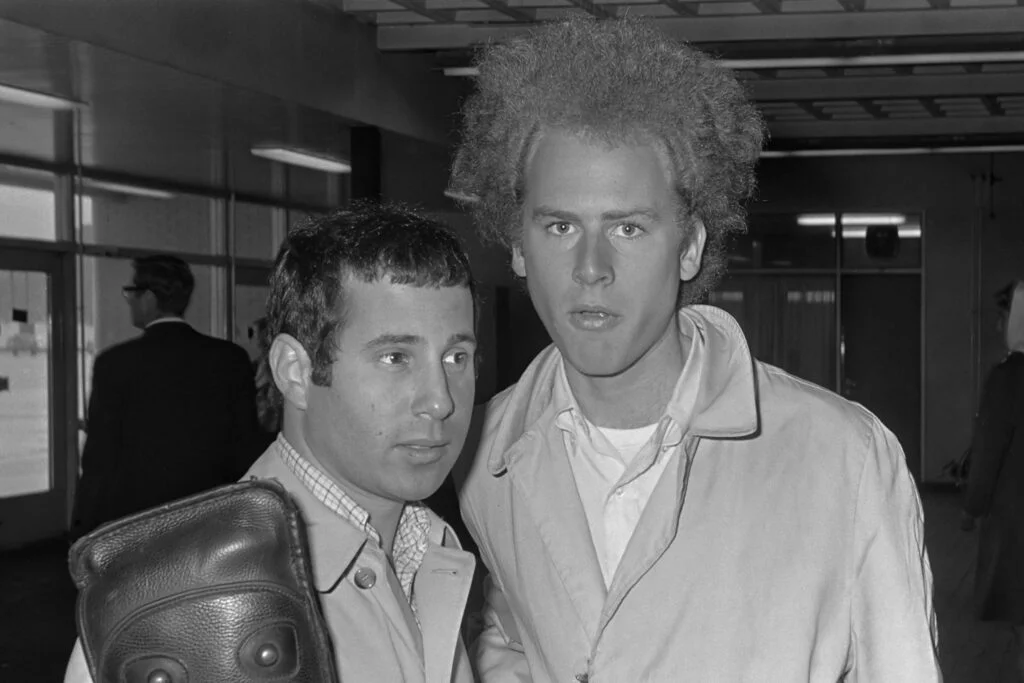
This album arrived right at the start of the decade, and it stuck around for years. Bridge Over Troubled Water felt gentle, thoughtful, and deeply comforting. The title song became an anthem of reassurance during a turbulent time. Many people who were not typical album buyers still ended up with a copy.
It was often treated as a record you played when you wanted calm. The harmonies and melodies felt timeless, even then. Parents owned it, teenagers owned it, and it often got passed down. The album’s emotional clarity helped make it a fixture in so many households.
8. Goodbye Yellow Brick Road – Elton John
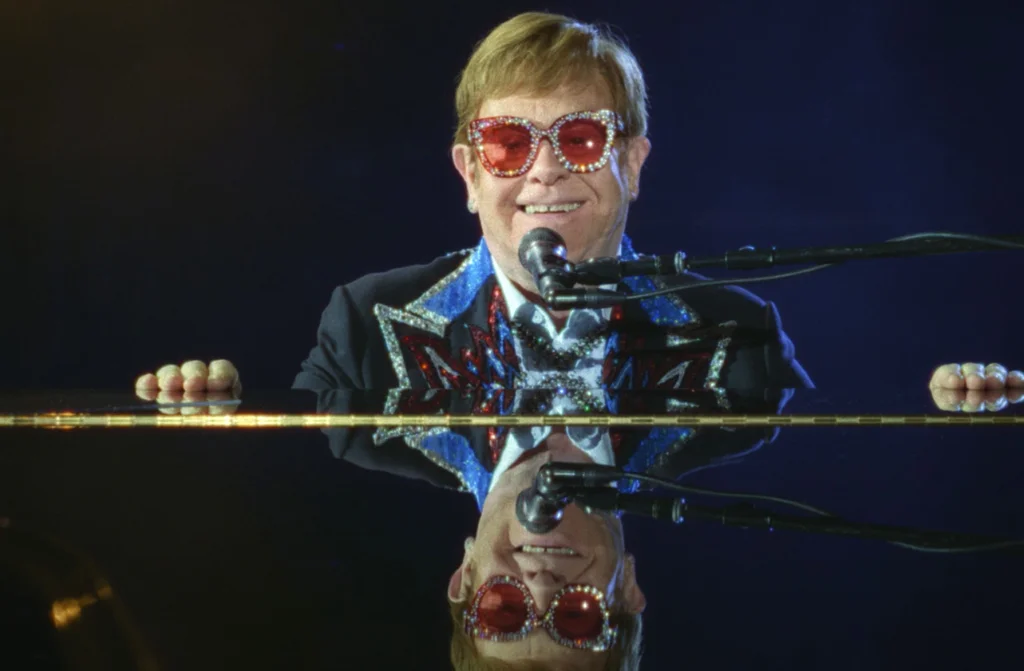
This was the kind of album that felt generous, packed with songs people actually knew. Goodbye Yellow Brick Road showed off Elton John at the height of his creative powers. From big piano ballads to playful rock tracks, it had something for everyone. The cover alone made it feel special and larger than life.
Owning this album meant you always had something to put on. Songs like “Bennie and the Jets” and “Candle in the Wind” became staples. It was not unusual to hear different tracks playing in different houses on the same street. The album’s variety helped ensure it stayed in heavy rotation.
9. Led Zeppelin IV – Led Zeppelin
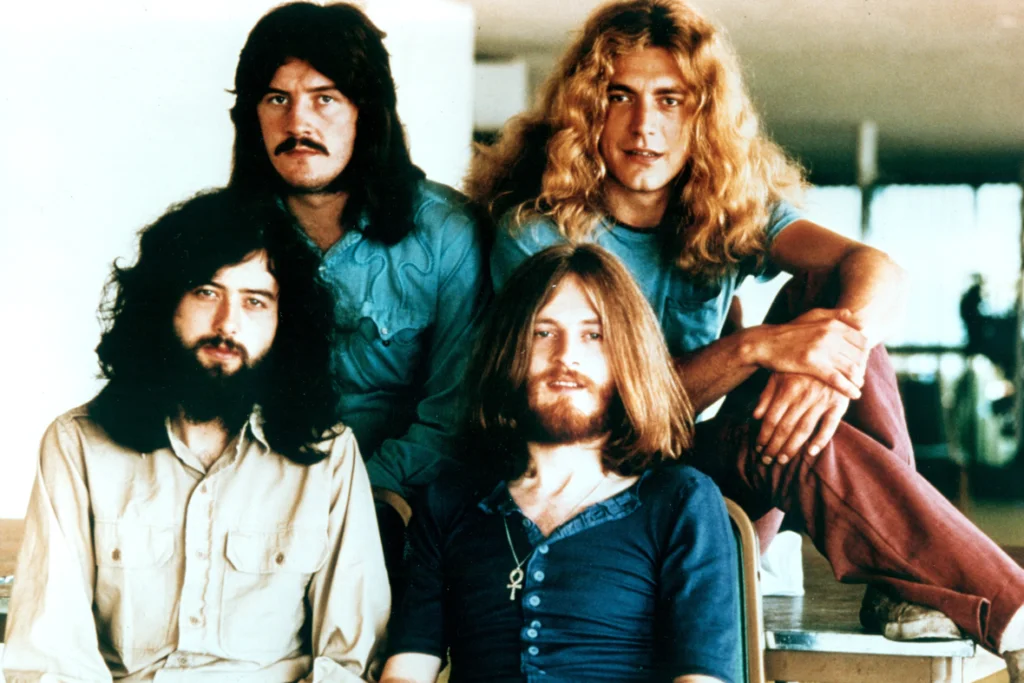
Many people owned this album even if they could not name it properly. Often just called “the one with Stairway to Heaven,” it was unavoidable. Led Zeppelin IV balanced hard rock with quieter, more mystical moments. It felt powerful without being flashy.
The record became a kind of musical currency among friends. Someone always seemed to have a copy lying around. “Stairway to Heaven” alone guaranteed its place in history, but the rest of the album held its own. It was one of those albums people assumed everyone else already owned.
10. Bat Out of Hell – Meat Loaf

This album was dramatic, over-the-top, and completely unforgettable. Bat Out of Hell did not sound like much else on the radio at the time. The songs were long, emotional, and theatrical in a way that fascinated listeners. Even people who claimed it was too much often owned it anyway.
It became especially popular in cars and at late-night gatherings. The album sold steadily rather than explosively, which meant it stayed around for years. It was the kind of record you rediscovered again and again. Owning it felt like being in on a shared, slightly wild secret.
11. Frampton Comes Alive! – Peter Frampton
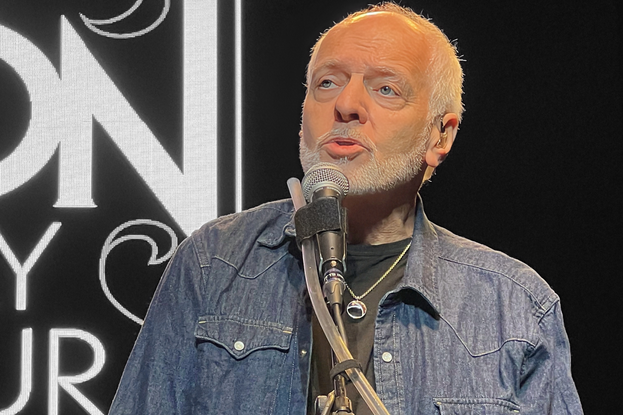
Live albums rarely became this big, but Frampton Comes Alive! was the exception. It captured a moment when Peter Frampton seemed to be everywhere. Songs like “Show Me the Way” and “Baby, I Love Your Way” were constantly on the radio. The talk box sound became instantly recognizable.
This album was often someone’s first live record. It felt energetic and friendly, like being part of a crowd. Many people owned it because it reminded them of concerts they wished they had attended. For a time, it felt like nearly every household had a copy tucked away.
12. Tapestry – Carole King
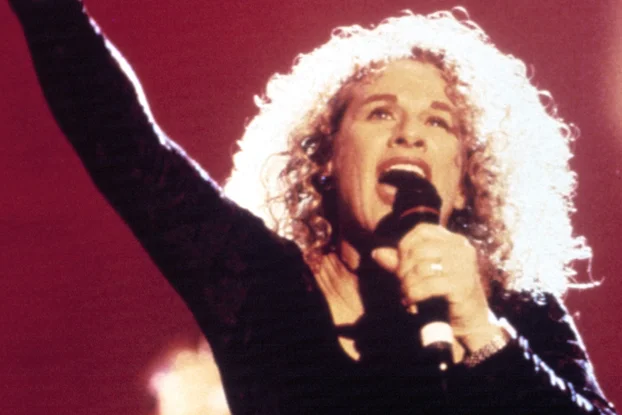
This album felt personal in a way that made it easy to bring into your home. Tapestry sounded warm, intimate, and relatable. Carole King’s songs felt like conversations rather than performances. Tracks like “It’s Too Late” and “You’ve Got a Friend” became deeply familiar.
People played this album during quiet moments, not just for background noise. It appealed across generations, which helped it sell so widely. Many copies were worn from constant use. Even now, it is hard to imagine the ’70s without it spinning somewhere nearby.