
1. Calgon “Ancient Chinese Secret”
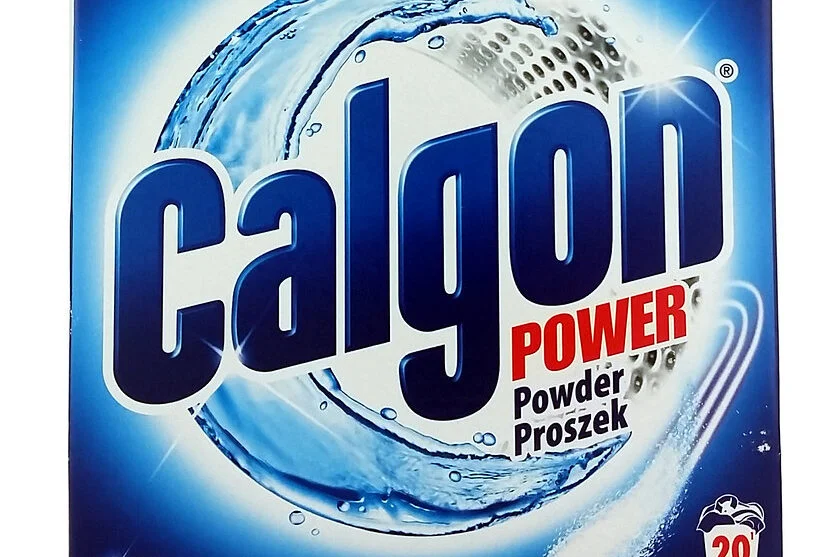
This commercial felt mysterious even when it first aired, but now it plays like a surreal short film. A glamorous woman interrogates her laundry service as if she is unraveling an international conspiracy. The phrase “ancient Chinese secret” was treated like a sacred revelation rather than a detergent claim. The dramatic whispering and intense close ups gave soap powder an almost mythic power.
Watching it now, the cultural stereotypes land very differently than they once did. What was meant to feel exotic now feels oddly uncomfortable and dated. The seriousness of the tone clashes with how trivial the product actually is. It is a reminder of how casually broad cultural shortcuts were once used in advertising.
2. Alka-Seltzer “Spicy Meatball”
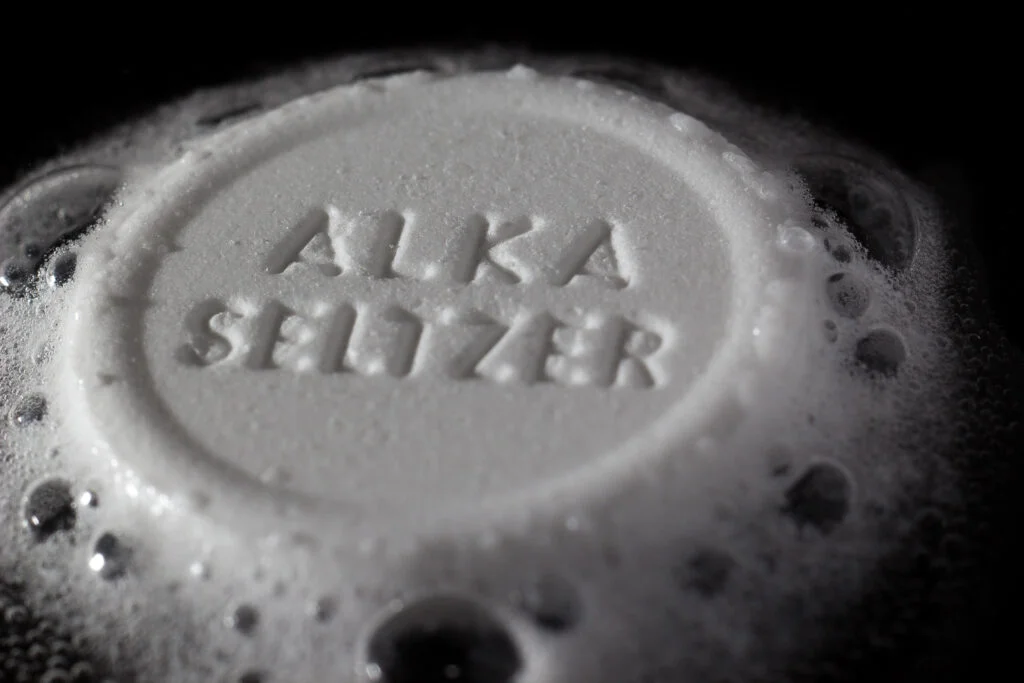
The frustrated Italian chef yelling about his “spicy meatball” became an instant catchphrase. At the time, the exaggerated accent and slapstick frustration were treated as harmless comedy. The commercial leaned heavily into caricature to sell stomach relief. It assumed everyone would laugh first and think later.
Today, the humor feels broad to the point of awkwardness. The joke is less about indigestion and more about a stereotype doing all the work. The pacing is frantic, almost aggressive, compared to modern ad styles. It is memorable, but for reasons that now feel complicated.
3. McDonald’s Grimace’s Early Appearances
Early Grimace barely resembled the friendly purple character we know now. He was slow moving, silent, and vaguely unsettling, like a creature that wandered in from another show. His original role as a villain who stole milkshakes made him feel more threatening than lovable. The costume and pacing gave him an uncanny presence.
Seeing those commercials now, Grimace feels less like a mascot and more like a fever dream. There is very little explanation for who he is or why he exists. The ad assumes children will simply accept him without question. That kind of surreal marketing confidence feels uniquely ’70s.
4. Clairol “Does She or Doesn’t She”
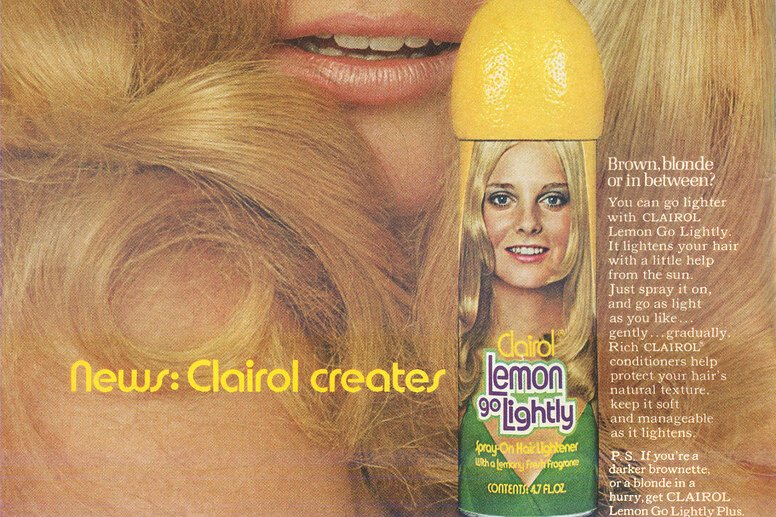
This commercial treated hair dye as a delicious secret shared only among women. The coy smiles and knowing glances framed personal grooming as a whispered confession. It leaned heavily on the idea that a woman’s appearance was everyone’s business. The slogan itself invited constant scrutiny.
Rewatching it now, the social assumptions feel surprisingly heavy. The idea that natural aging needed to be hidden at all costs is baked into every line. What once felt clever now feels intrusive. It captures a moment when advertising openly reinforced narrow expectations without apology.
5. Life Savers “Candy Canes” Factory Ad
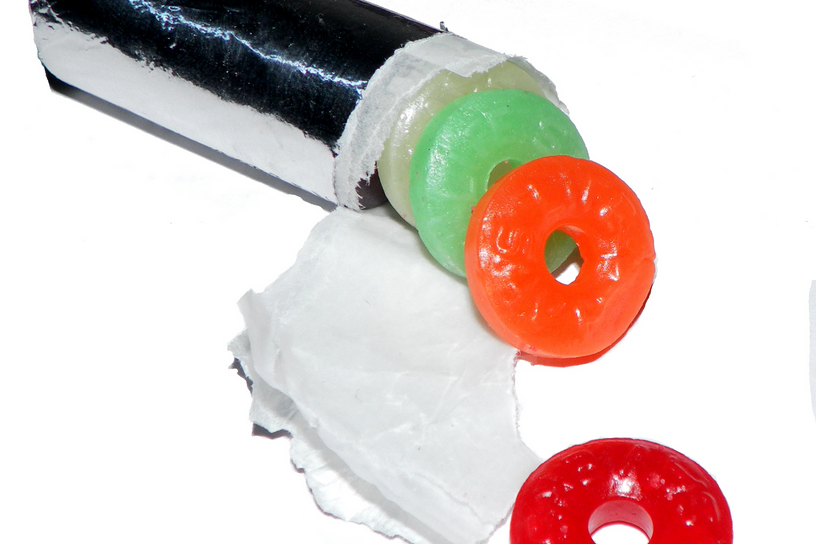
The ad shows workers mechanically punching holes in candy canes, treating it like a magical process. The factory setting feels sterile and oddly hypnotic. There is very little joy in the presentation despite the product being candy. The focus is on efficiency rather than delight.
Today, it feels more like an industrial documentary than a sweet treat commercial. The repetitive motion and blank expressions are unintentionally eerie. Modern ads would likely add warmth or humor to soften the imagery. Instead, this one leans fully into quiet strangeness.
6. Kellogg’s Tony the Tiger’s Intensity
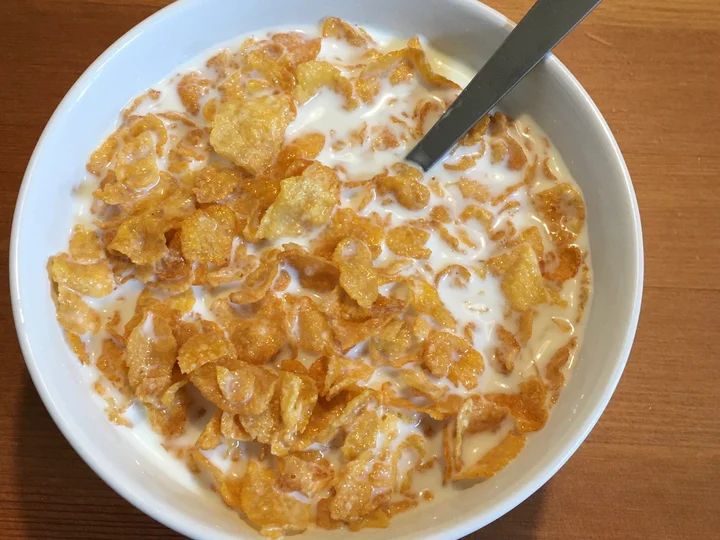
Tony the Tiger in the ’70s was louder, bigger, and far more intense than his later versions. He did not just enjoy cereal, he commanded enthusiasm. The shouting and exaggerated confidence bordered on overwhelming. Subtlety was clearly not the goal.
Looking back, the energy feels almost aggressive for a breakfast product. It assumes kids want to be yelled awake by a cartoon tiger. The animation style adds to the chaos rather than balancing it. It is a fascinating snapshot of how volume once equaled excitement.
7. Polaroid Instant Photography Reactions
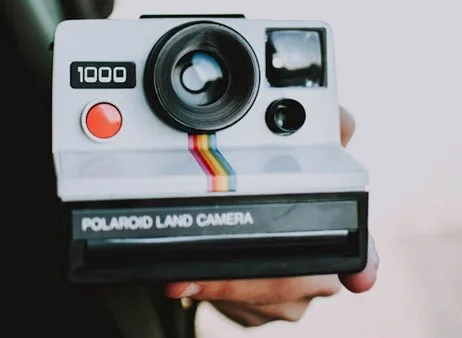
These commercials treated instant photos like pure magic. Adults gasped, laughed, and stared in disbelief as images developed before their eyes. The reactions were often bigger than the moment deserved. The ads assumed viewers needed emotional coaching to understand the product.
Now, the amazement feels strangely forced. In a world where images are instant by default, the awe seems theatrical. The pacing lingers far too long on reactions. It unintentionally highlights how dramatically technology expectations have shifted.
8. Shake ’n Bake “And I Helped”
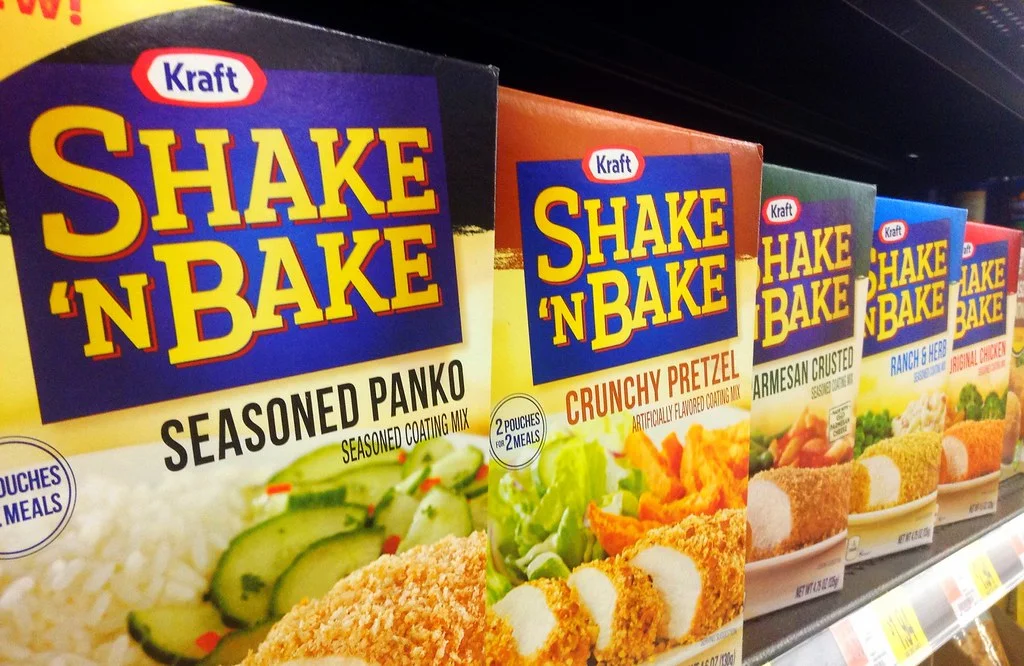
The commercial ends with a child proudly declaring involvement in dinner prep. It framed minimal participation as a major accomplishment. The line became iconic almost immediately. It leaned into the idea that cooking should be as effortless as possible.
Rewatching it now, the dynamic feels oddly performative. The child’s role is more symbolic than practical. It reflects an era when convenience foods were marketed as family bonding tools. The simplicity now feels almost too calculated.
9. Brylcreem Masculinity Messaging
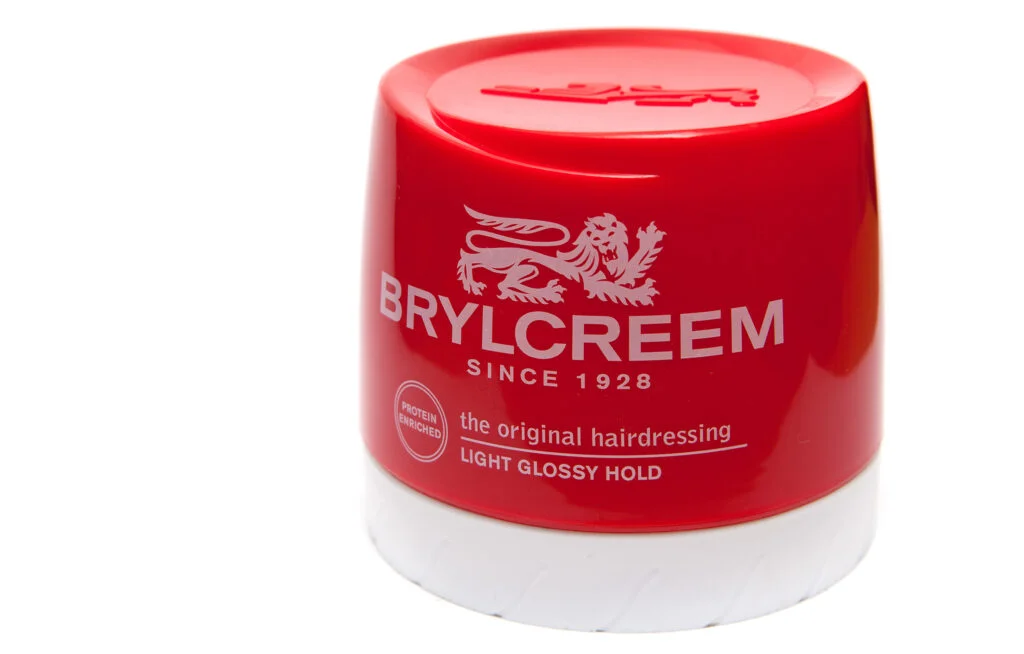
Brylcreem ads in the ’70s often tied grooming directly to romantic success. A small dab promised confidence, admiration, and social approval. The tone was earnest and completely unselfconscious. Personal style was presented as a formula.
Today, the messaging feels rigid and overly prescriptive. The idea that a single product defines masculinity feels outdated. The calm certainty of the narration makes it stranger, not smoother. It shows how confidently ads once dictated identity.
10. Dr Pepper “I’m a Pepper”
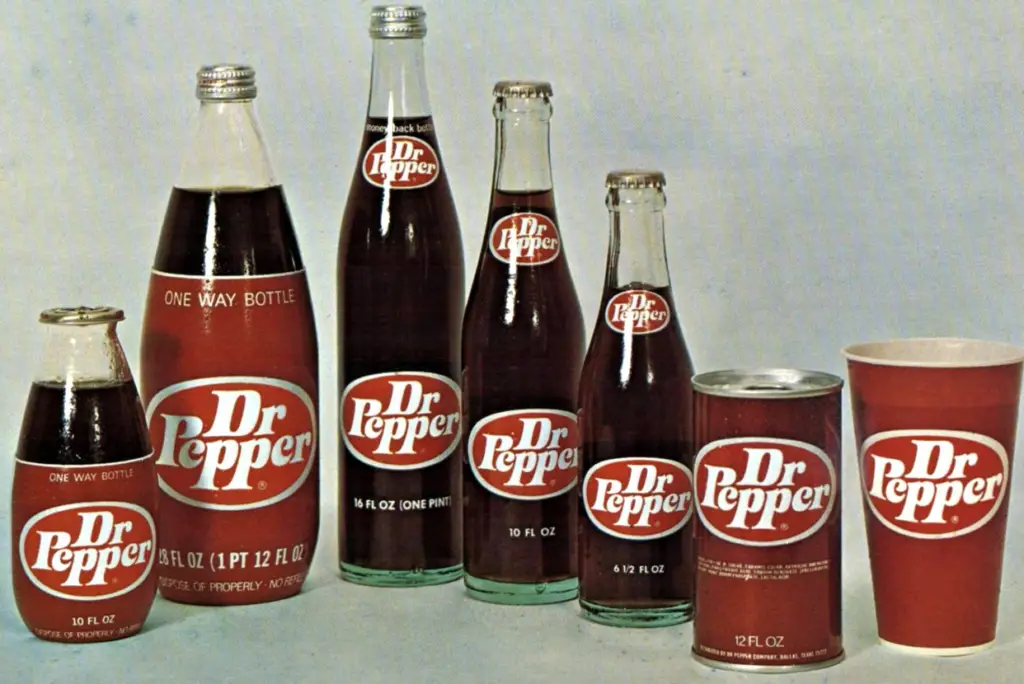
This campaign blurred the line between commercial and musical performance. Ordinary people burst into choreographed song with complete sincerity. The enthusiasm felt rehearsed but earnest. It assumed viewers would gladly sing along.
Now, the cheerfulness feels slightly unsettling. The smiles linger just a bit too long. The choreography feels staged in a way modern ads would likely parody. It is joyful, but also oddly intense.
11. Toys “R” Us Geoffrey’s Early Ads
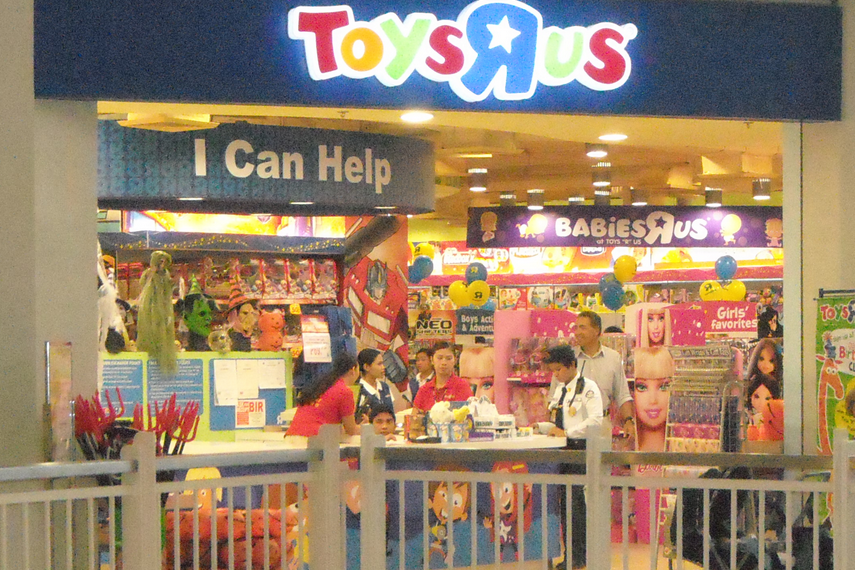
Early Geoffrey commercials presented toy shopping as a full blown fantasy world. The mascot guided viewers through a space that felt both magical and artificial. The sets were bright but slightly off balance. Everything looked just a bit unreal.
Watching now, the atmosphere feels closer to a dream sequence than a store. The excitement is constant with no breathing room. Modern retail ads tend to ground themselves more. These fully embraced spectacle without restraint.
12. Coca-Cola Overly Intimate Moments

Some ’70s Coca-Cola commercials leaned heavily into close personal moments. People stared deeply at each other while sharing a soda. The intimacy felt carefully staged but emotionally loaded. The product was treated like a relationship catalyst.
Today, those moments can feel uncomfortably intense. The lingering eye contact and soft focus push past nostalgia into awkwardness. The emotional weight does not match the act of drinking a soda. That mismatch is what makes them feel stranger every time.