
1. Andrew McCarthy
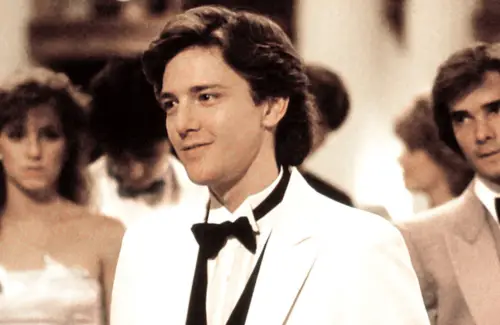
For a few years in the mid ’80s, Andrew McCarthy was absolutely unavoidable, especially if you were watching teen movies. He became one of the most recognizable faces of the Brat Pack thanks to roles in Class, St. Elmo’s Fire, and Pretty in Pink. He had that sensitive, slightly awkward energy that fit the era perfectly. Studios clearly thought he was leading man material, and for a moment, they were right.
Then the moment passed faster than expected. By the end of the decade, McCarthy had stepped away from the spotlight, eventually reinventing himself as a director. He still pops up occasionally, but his days as a poster-on-the-wall heartthrob were tightly confined to that short ’80s window. It is one of those careers that feels much bigger in memory than it actually was in length.
2. Ally Sheedy
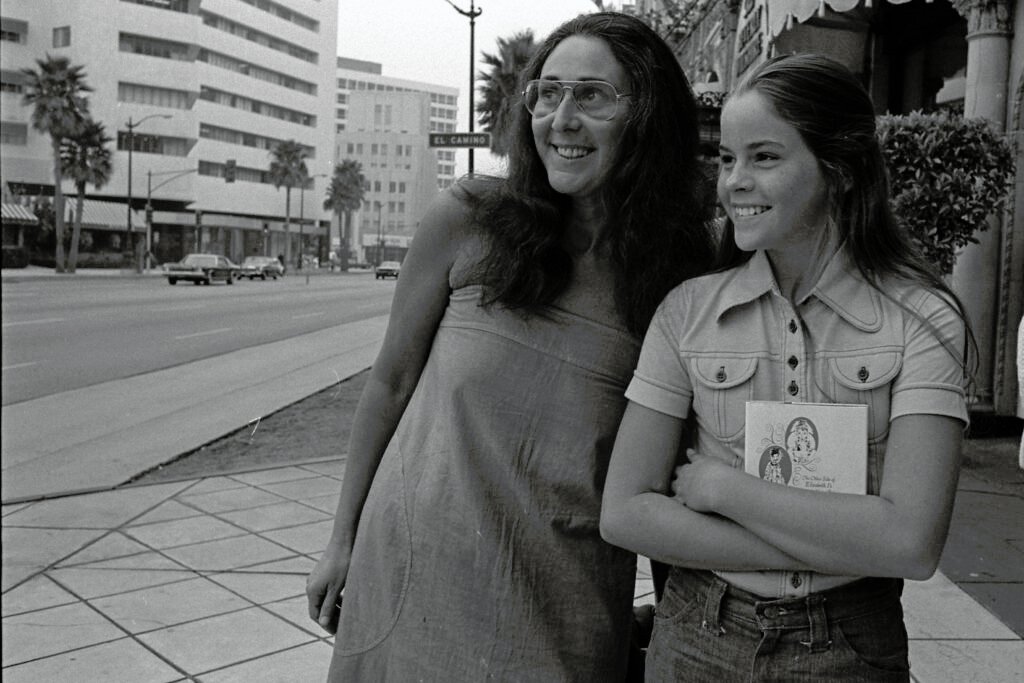
Ally Sheedy seemed to be everywhere at once in the early-to-mid ’80s, especially in teen-focused films. Between WarGames, The Breakfast Club, and St. Elmo’s Fire, she became synonymous with smart, unconventional characters. She did not fit the typical Hollywood mold, which actually made her stand out more at the time. For a brief stretch, she felt essential to the decade’s identity.
Then Hollywood moved on just as quickly as it embraced her. She continued acting, but the starring roles slowed dramatically by the end of the decade. Looking back, her ’80s run feels intense but surprisingly compact. It is a reminder of how fast trends shifted during that era.
3. Judd Nelson
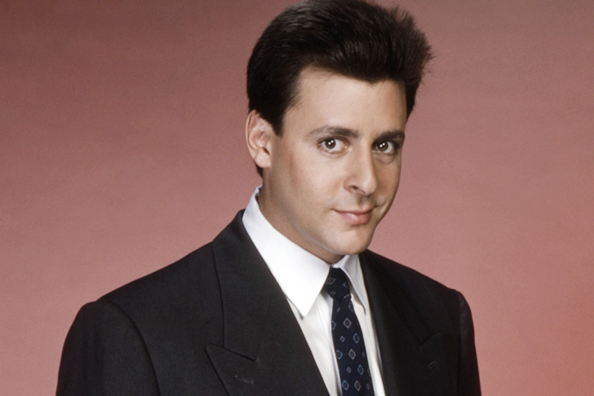
Judd Nelson’s rise was sudden and loud, fueled by his unforgettable performance in The Breakfast Club. He quickly followed it with St. Elmo’s Fire, cementing his image as the angry, charismatic rebel of the moment. For a few years, he seemed to be in every conversation about young movie stars. His voice and intensity were instantly recognizable.
But that persona had a short shelf life. By the late ’80s, leading roles were harder to come by, and his visibility dropped sharply. Nelson kept working steadily, but the cultural moment that made him unavoidable was brief. His peak is one of the clearest examples of how quickly fame could flare and fade in that decade.
4. C. Thomas Howell
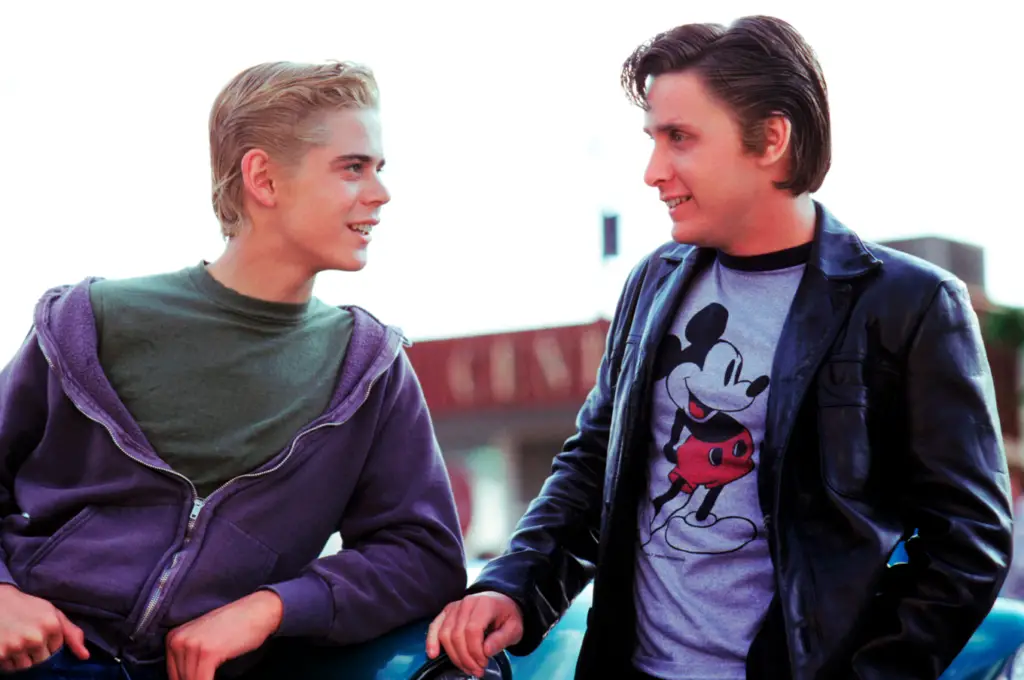
C. Thomas Howell had one of the fastest rises of the decade after E.T. the Extra-Terrestrial. Almost overnight, he was positioned as a major young star, landing roles in The Outsiders and Red Dawn. For a moment, it looked like he would be one of the defining actors of his generation. Casting directors seemed to see him everywhere.
Then the momentum stalled. By the end of the ’80s, Howell was no longer headlining major studio films. He never stopped acting, but his brief period of dominance was already over. His career is often cited as a classic case of early fame arriving too fast.
5. Ione Skye
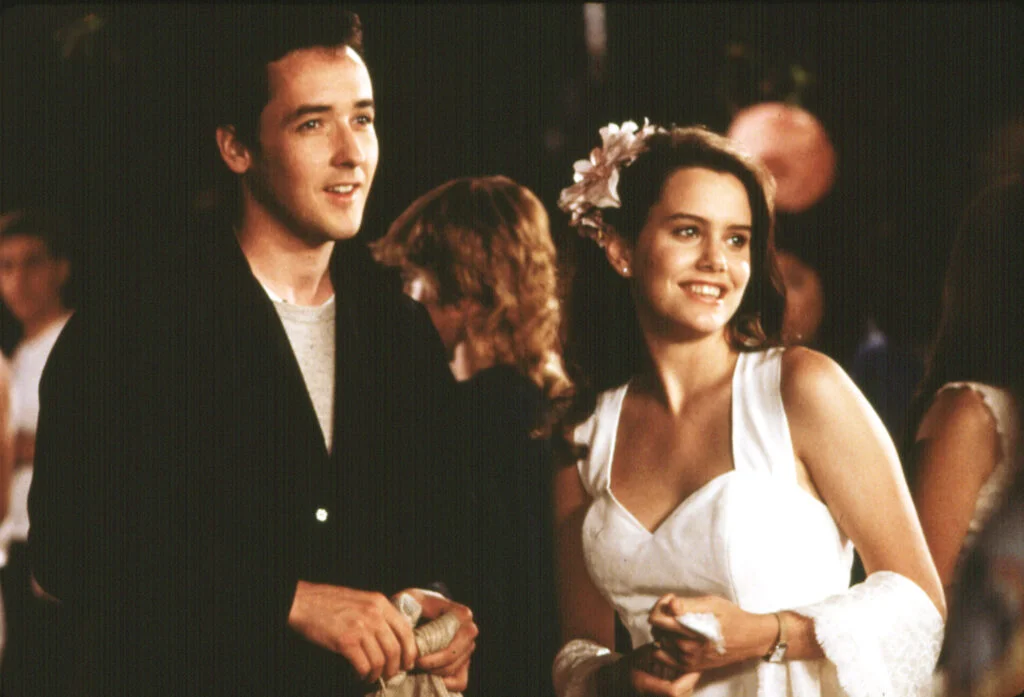
Ione Skye became an ’80s icon almost instantly thanks to Say Anything…. That single role made her a permanent part of pop culture, even though her time in the spotlight was short. She had a natural, offbeat presence that felt very specific to the era. For a while, it seemed like she was poised for a long run.
But the follow-up roles never quite matched the impact of that breakout moment. Skye continued acting in smaller projects, but her days of being everywhere were limited to a narrow slice of the decade. Her fame rests heavily on one defining role, which somehow makes it even more memorable.
6. Michael Schoeffling
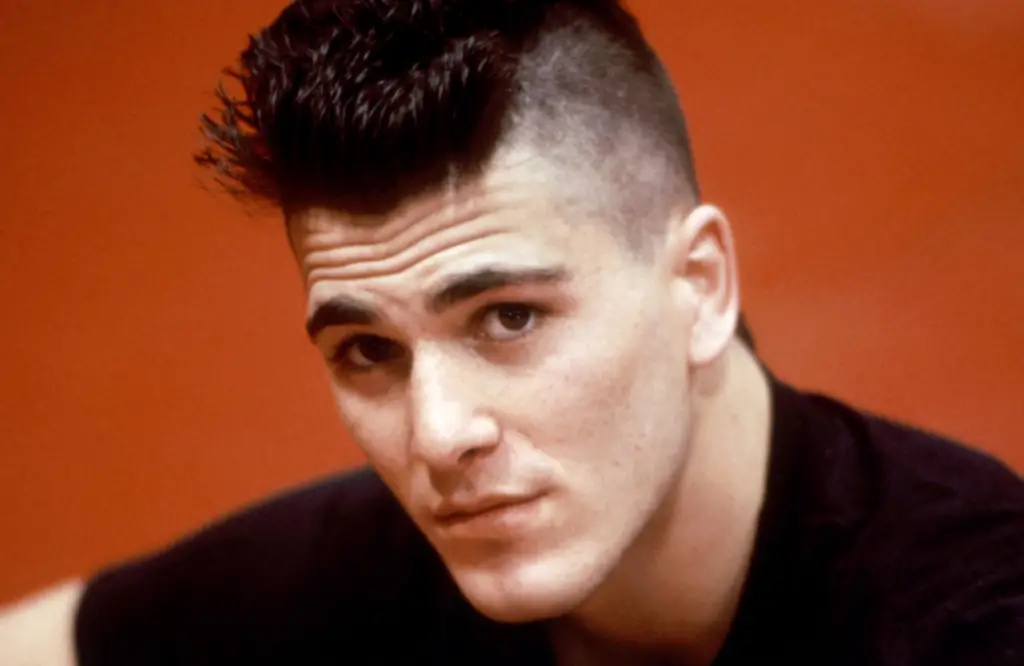
Michael Schoeffling’s entire pop culture legacy is essentially built on Sixteen Candles. As Jake Ryan, he became one of the most iconic crushes of the ’80s, almost overnight. He had the look, the mystery, and the timing. For a brief moment, it felt like he could have gone anywhere.
Then he disappeared by choice. Schoeffling left acting altogether and stepped away from Hollywood while the interest was still strong. That decision turned his short run into something almost mythic. Few ’80s celebrities define the phrase “brief window” more perfectly.
7. Phoebe Cates
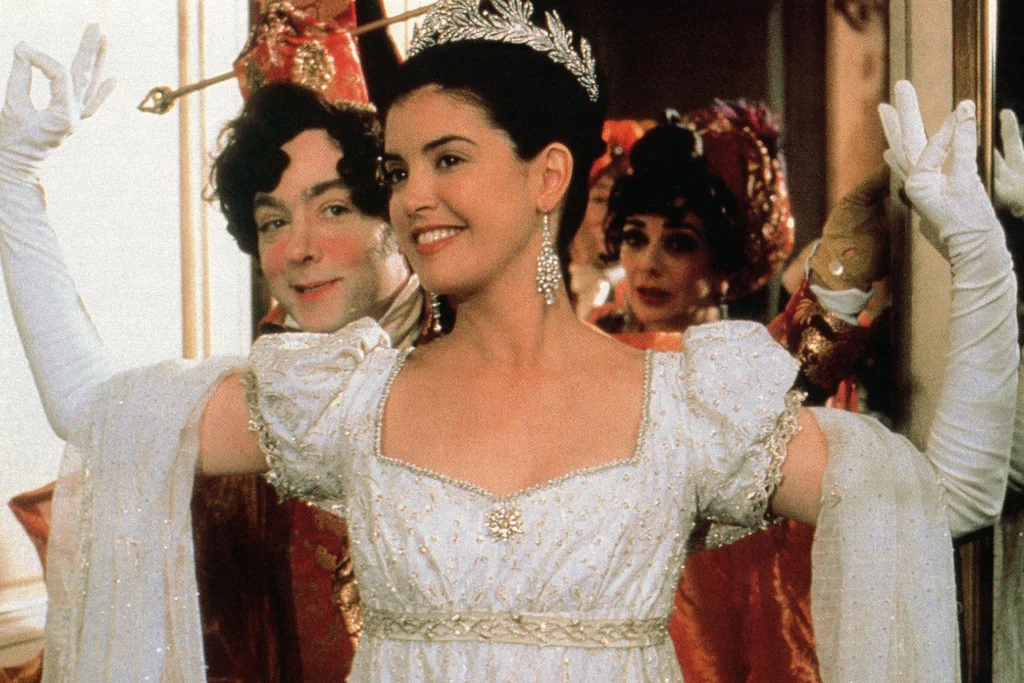
Phoebe Cates had an incredibly concentrated burst of fame in the early ’80s. Roles in Fast Times at Ridgemont High and Gremlins made her one of the most recognizable faces of the decade. She balanced girl-next-door charm with undeniable star power. For a few years, she felt inescapable.
Yet she walked away earlier than most expected. By the end of the decade, Cates had largely stepped back from acting to focus on family life. Her popularity remains outsized compared to the actual length of her career. It is a reminder that lasting fame does not always require longevity.
8. Deborah Foreman
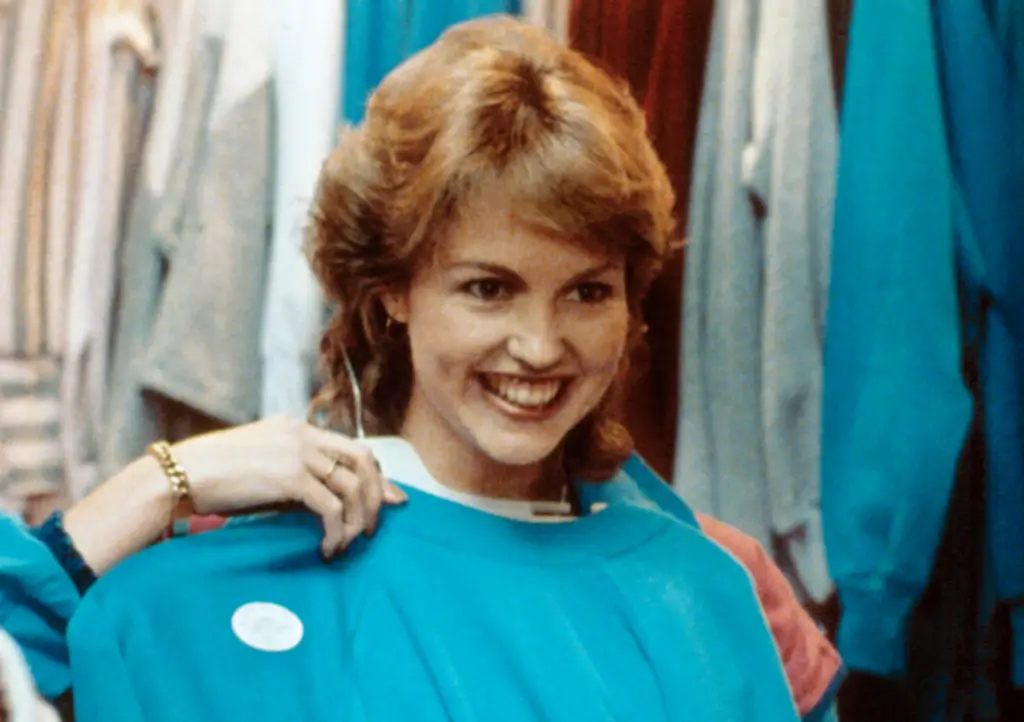
Deborah Foreman had a string of prominent roles in the early ’80s, including Valley Girl and Real Genius. She became closely associated with the youth culture of the moment. For a short time, she seemed to be the go-to choice for smart, appealing female leads. Her presence felt very of its time.
But her mainstream visibility faded quickly. By the late ’80s, Foreman was no longer a regular in major studio releases. She continued acting, but her moment of being everywhere was tightly limited. Today, her work feels like a snapshot of a very specific era.
9. Judge Reinhold
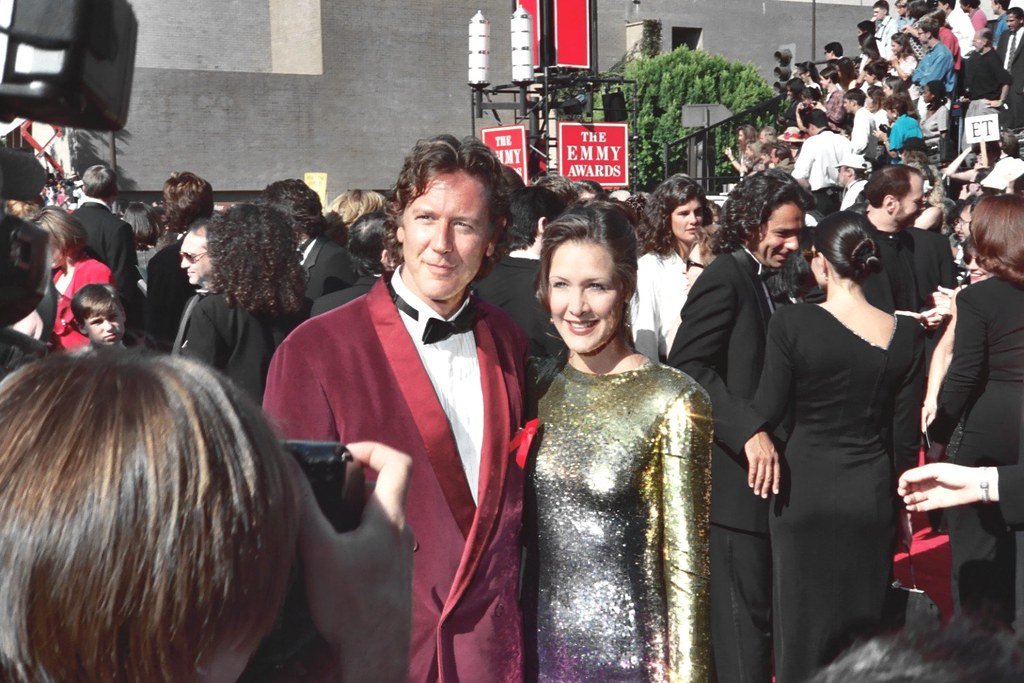
Judge Reinhold popped up constantly in ’80s comedies, often playing the straight man amid chaos. From Fast Times at Ridgemont High to Beverly Hills Cop, his face was instantly familiar. He had a knack for being memorable without dominating the screen. For several years, it felt like he was in everything.
Then his visibility tapered off. While Reinhold kept working, he was no longer part of the decade’s core pop culture conversation by the end of the ’80s. His career illustrates how being everywhere does not always translate into long-term stardom. The window was brief but very noticeable.
10. Lea Thompson
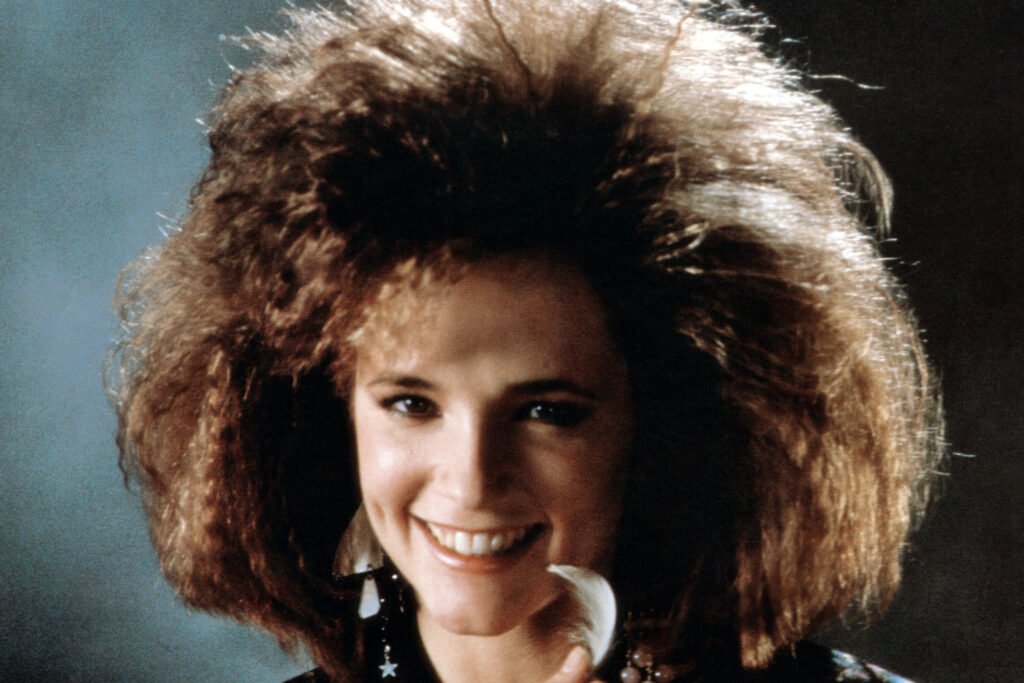
Lea Thompson’s ’80s fame was intense and closely tied to a handful of high-profile projects. Back to the Future made her a household name, and she quickly became one of the decade’s most recognizable actresses. She had both comedic timing and warmth, which worked perfectly for the era. For a few years, she was hard to miss.
As the decade ended, her career shifted toward television and smaller roles. She never disappeared, but the period when she felt unavoidable was short. Her ’80s run feels bigger in retrospect than it was in real time. It is a classic case of a strong peak defining an entire legacy.
11. Ralph Macchio
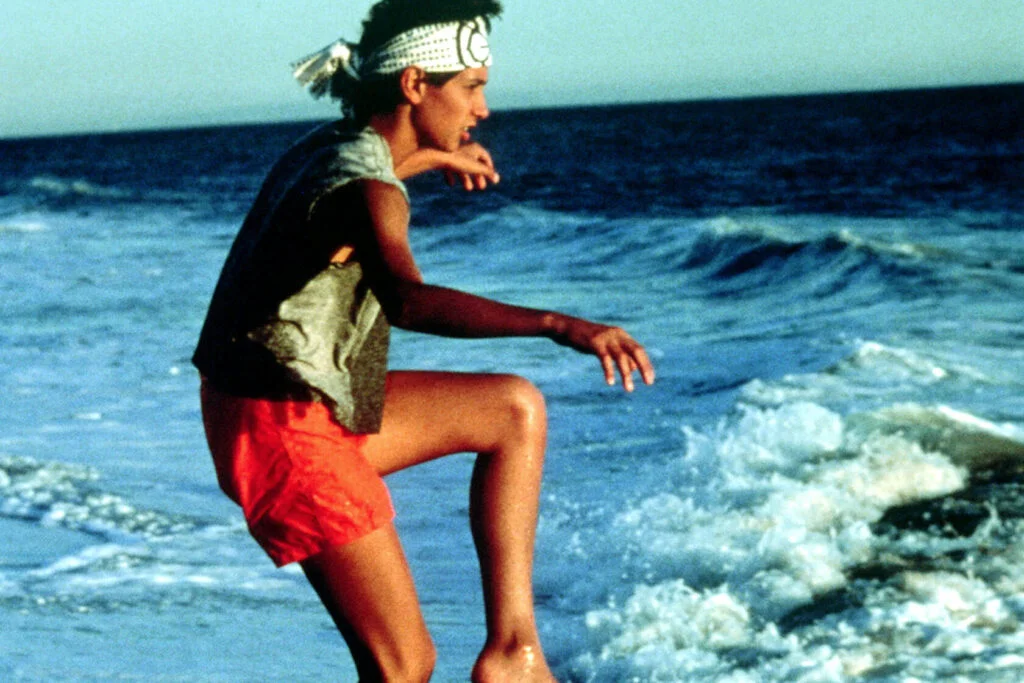
Ralph Macchio’s rise was driven almost entirely by The Karate Kid. Almost overnight, he became one of the most famous young actors in America. The role made him a symbol of underdog success throughout the mid ’80s. For a while, he was everywhere from movies to magazine covers.
But that fame cooled quickly. After the franchise slowed down, Macchio struggled to find roles that matched its impact. He continued acting, but his omnipresence was confined to a narrow slice of the decade. His later resurgence only highlights how brief that original window really was.
12. Eric Roberts
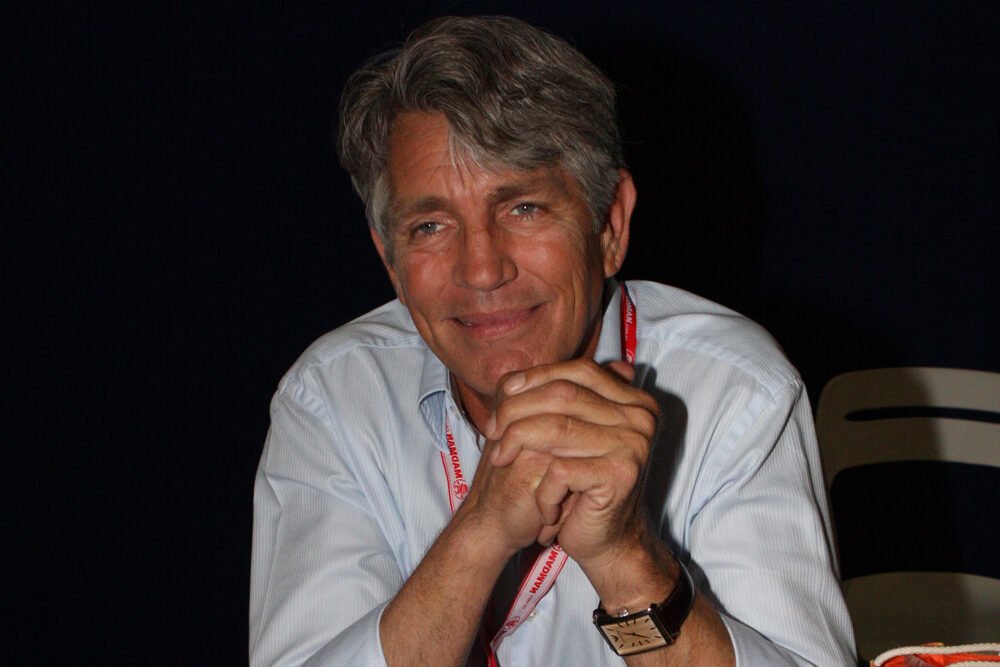
Eric Roberts had a sudden surge of attention in the early ’80s, especially after Star 80. He was widely seen as a serious dramatic talent, and his career seemed poised for long-term dominance. For a brief period, he was frequently cast in high-profile projects. His name carried real weight.
Then his career took a different path. Roberts remained extremely prolific, but his visibility shifted away from mainstream leading roles. The period when he felt unavoidable was surprisingly short. His output has been huge, but that early ’80s spotlight was fleeting.
13. Lori Singer
Lori Singer had a distinct moment in the mid ’80s that made her instantly recognizable. Between Footloose and The Falcon and the Snowman, she became a familiar face in major films. She had a poised, intelligent screen presence that stood out. For a short stretch, she seemed firmly on the rise.
Then the momentum slowed. By the end of the decade, Singer was no longer appearing regularly in big studio projects. She shifted focus and eventually stepped away from acting altogether. Her fame remains tightly tied to that brief ’80s window, making it feel both intense and fleeting.