
1. E.T. the Extra-Terrestrial
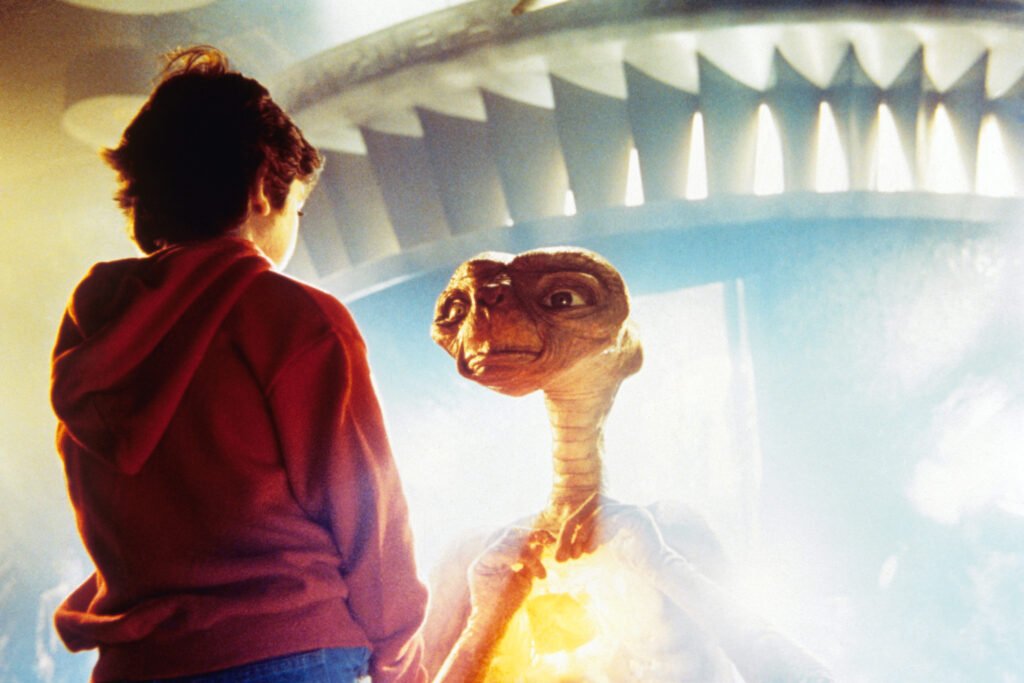
When E.T. the Extra-Terrestrial arrived in 1982, it felt less like a movie release and more like a shared emotional event. Kids dragged their parents to the theater, parents pretended not to cry, and everyone walked out a little misty-eyed. Steven Spielberg managed to tap into childhood loneliness, wonder, and the fear of growing up all at once. The image of a bicycle flying across the moon instantly became part of pop culture vocabulary.
What made it feel so big was how universal it was. You did not need to love science fiction to be moved by it. It played for months, not weeks, and people went back again and again. Merchandising, parodies, and references followed almost immediately. It became the kind of movie people talked about as a moment in time, not just something they watched.
2. Star Wars: Episode V – The Empire Strikes Back
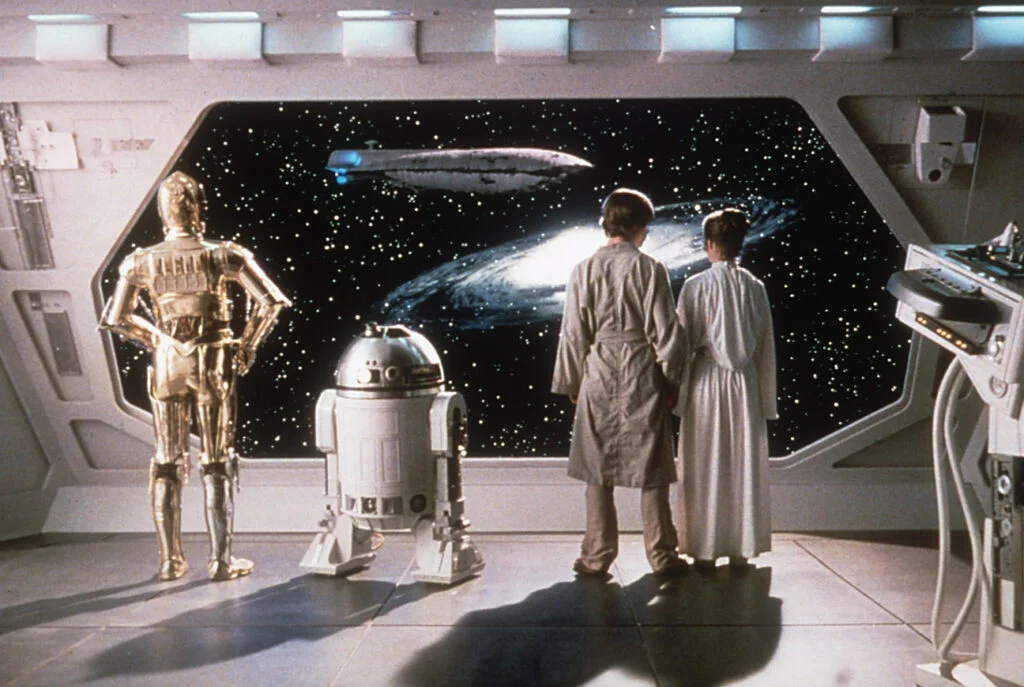
When The Empire Strikes Back hit theaters in 1980, it shocked audiences by refusing to play it safe. This was not a tidy sequel that wrapped things up neatly. It was darker, more intense, and emotionally heavier than anyone expected. The cliffhanger ending left people stunned and talking for years.
The movie turned Star Wars from a hit into a phenomenon with real narrative weight. Suddenly, blockbuster films could be serious, unresolved, and even a little bleak. Lines were quoted endlessly, twists were guarded like secrets, and repeat viewings became essential. It set a new standard for sequels and raised expectations for what big-budget movies could do.
3. Back to the Future
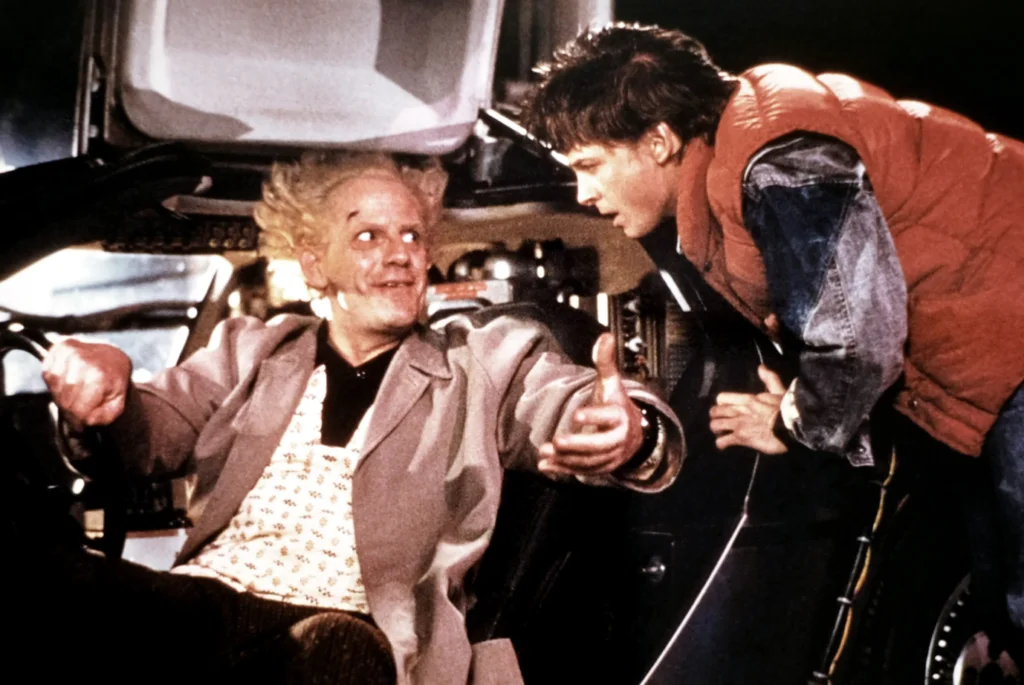
Back to the Future felt like lightning in a bottle when it arrived in 1985. It combined science fiction, comedy, romance, and nostalgia in a way that felt effortless. Everyone seemed to be talking about time travel, DeLoreans, and the idea of changing your own past. It appealed equally to kids, teens, and adults.
What made it feel like a cultural moment was how quickly it became shorthand for an entire decade. The jokes landed across generations, and the concept was endlessly replayable. It dominated conversation, inspired fashion and catchphrases, and made its stars instantly recognizable. Even people who did not see it right away knew exactly what it was.
4. Ghostbusters
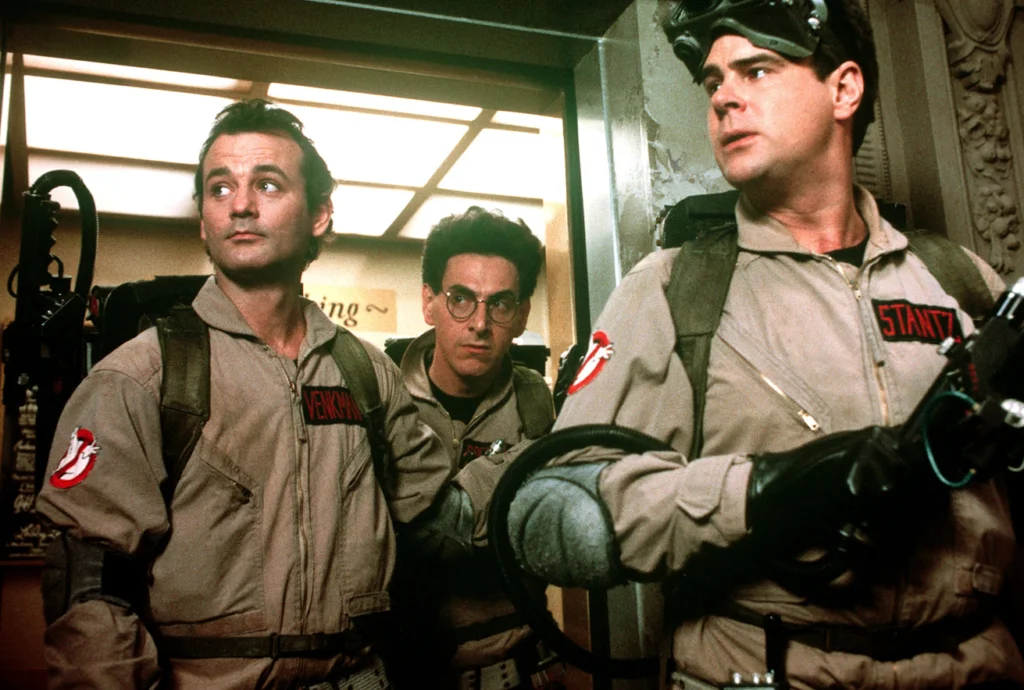
When Ghostbusters came out in 1984, it hit a perfect balance between scary and funny. Audiences were not used to seeing comedy treated like a blockbuster event. The movie felt cool, confident, and slightly rebellious in its tone. Its theme song alone became unavoidable.
The cultural impact went far beyond the screen. Quotes were repeated constantly, Halloween costumes multiplied overnight, and the logo became instantly recognizable. It felt like everyone was in on the joke at the same time. Ghostbusters turned humor into spectacle and proved that comedy could dominate pop culture just as much as action or drama.
5. The Breakfast Club
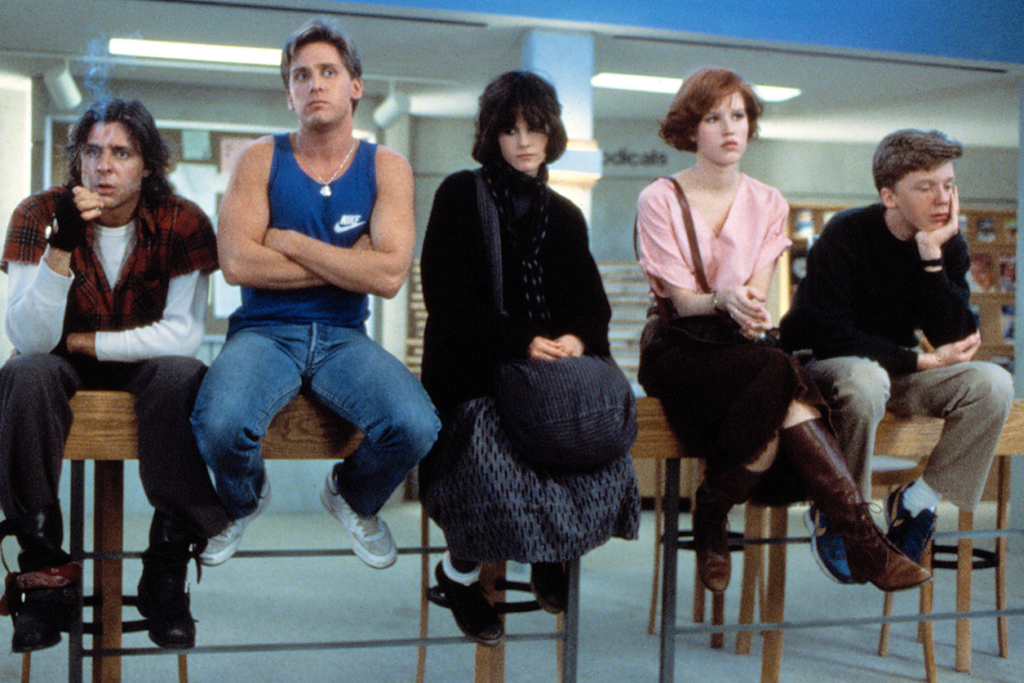
The Breakfast Club did not rely on explosions or special effects to feel important. Released in 1985, it spoke directly to teenagers in a way few movies had before. The characters felt real, flawed, and deeply relatable. It captured the emotional intensity of being young without talking down to its audience.
The film quickly became a touchstone for how teens saw themselves. People recognized pieces of their own high school experience in the story. Lines were memorized, scenes were debated, and the soundtrack lived on in bedrooms everywhere. It felt like a movie that understood its audience at exactly the right moment.
6. Top Gun
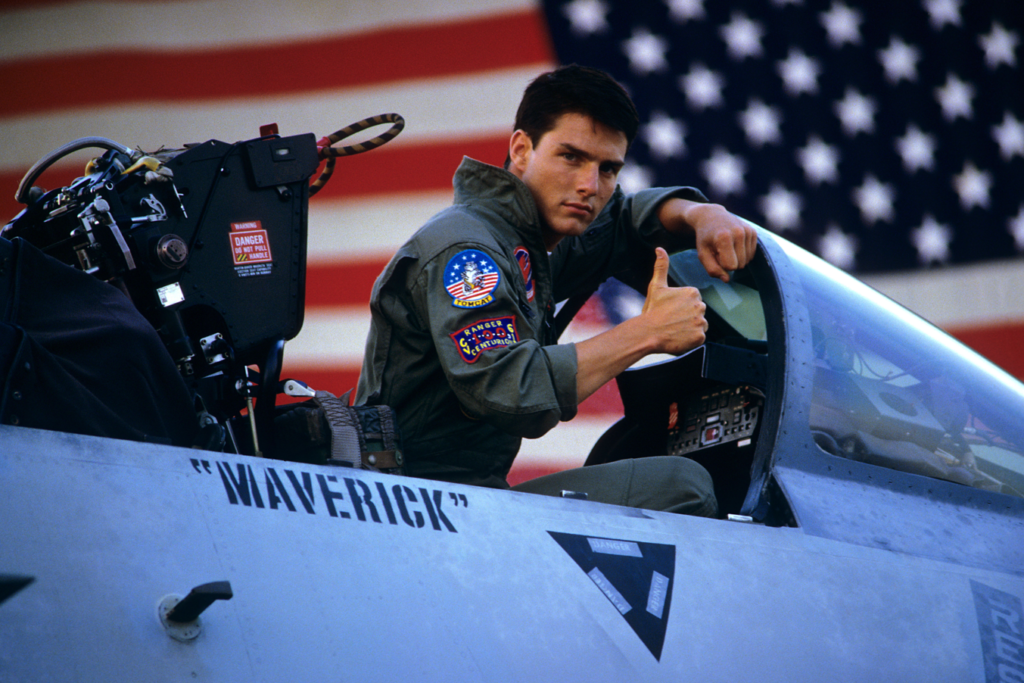
When Top Gun debuted in 1986, it arrived with swagger. The combination of fast jets, glossy visuals, and a booming soundtrack made it feel larger than life. It turned military aviation into a pop fantasy and made moviegoing feel adrenaline-fueled. Suddenly, aviator sunglasses were everywhere.
The movie was impossible to escape. Its music played constantly on the radio, and its imagery dominated posters and magazine covers. It helped define the look and mood of the late ’80s. Top Gun did not just entertain, it shaped how the decade saw itself.
7. Raiders of the Lost Ark
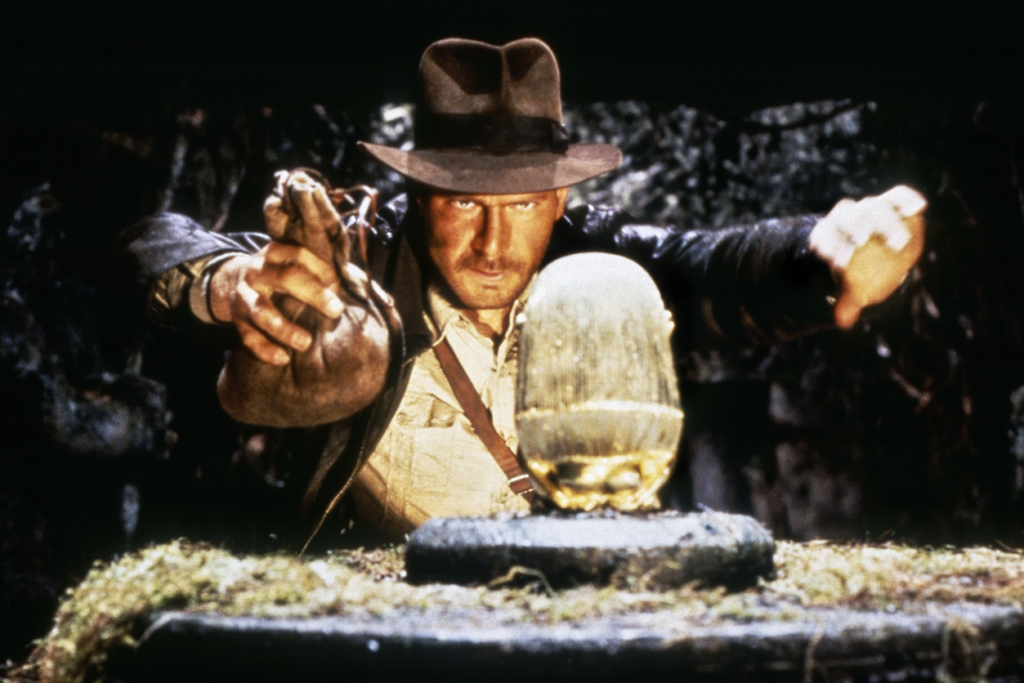
Raiders of the Lost Ark exploded onto screens in 1981 with a sense of pure adventure. It felt like a throwback to old serials but with modern energy and polish. Audiences were swept up in its pacing, humor, and action almost immediately. Indiana Jones became an instant icon.
The movie reminded people how fun going to the movies could be. It created shared excitement and word-of-mouth buzz that built week after week. People talked about stunts, set pieces, and characters long after leaving the theater. It helped redefine the action-adventure genre for years to come.
8. Dirty Dancing
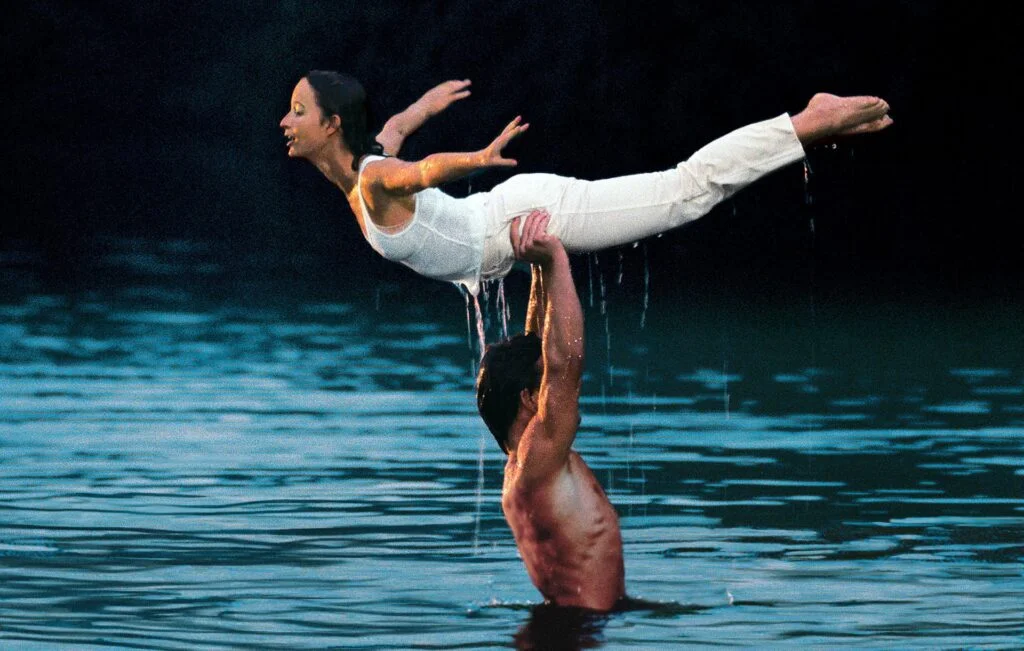
When Dirty Dancing was released in 1987, few expected it to become such a massive phenomenon. What started as a modest romantic drama turned into a cultural obsession. The music, the dancing, and the chemistry between the leads captured something electric. Audiences responded with enthusiasm that surprised everyone.
The film quickly moved beyond theaters and into everyday conversation. Its soundtrack dominated charts, and its famous lines became instantly recognizable. It spoke to themes of independence, romance, and rebellion that resonated deeply. Dirty Dancing felt like a shared secret that suddenly everyone knew.
9. Batman
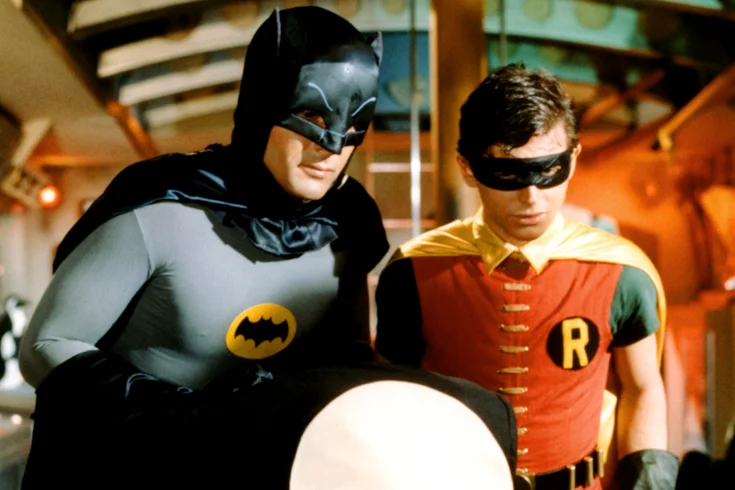
The arrival of Batman in 1989 felt like a shift in the pop culture landscape. Superhero movies had existed before, but this one felt darker, slicker, and more adult. Its marketing was everywhere, building anticipation months in advance. Opening weekend felt like an event people planned around.
The movie changed how studios approached comic book adaptations. It proved they could be stylish, serious, and commercially massive. The imagery, music, and performances dominated conversation. Batman marked the beginning of a new era for blockbuster franchises.
10. Rocky III
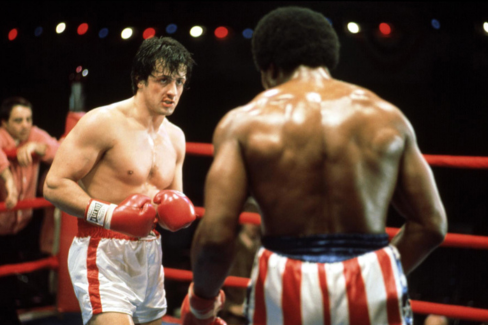
Rocky III arrived in 1982 with momentum already behind it, but it still felt like a moment. The rivalry, the training montages, and the larger-than-life characters drew crowds in droves. The film leaned into spectacle while keeping its emotional core intact. It felt like a celebration of perseverance and reinvention.
The movie’s influence spilled into music, fashion, and sports culture. Its themes of comeback and confidence resonated widely. People quoted it, played the soundtrack, and mimicked its workouts. Rocky III felt like motivation packaged as entertainment.
11. The Terminator

When The Terminator hit theaters in 1984, it introduced a new kind of science fiction threat. The story felt gritty, relentless, and surprisingly intimate. Audiences were not prepared for how intense it would be. The film’s tone set it apart immediately.
It became a cultural marker for darker, more serious genre films. The idea of unstoppable technology felt timely and unsettling. Quotes and imagery lodged themselves in popular consciousness. The Terminator helped redefine what science fiction action could look like.
12. Pretty in Pink
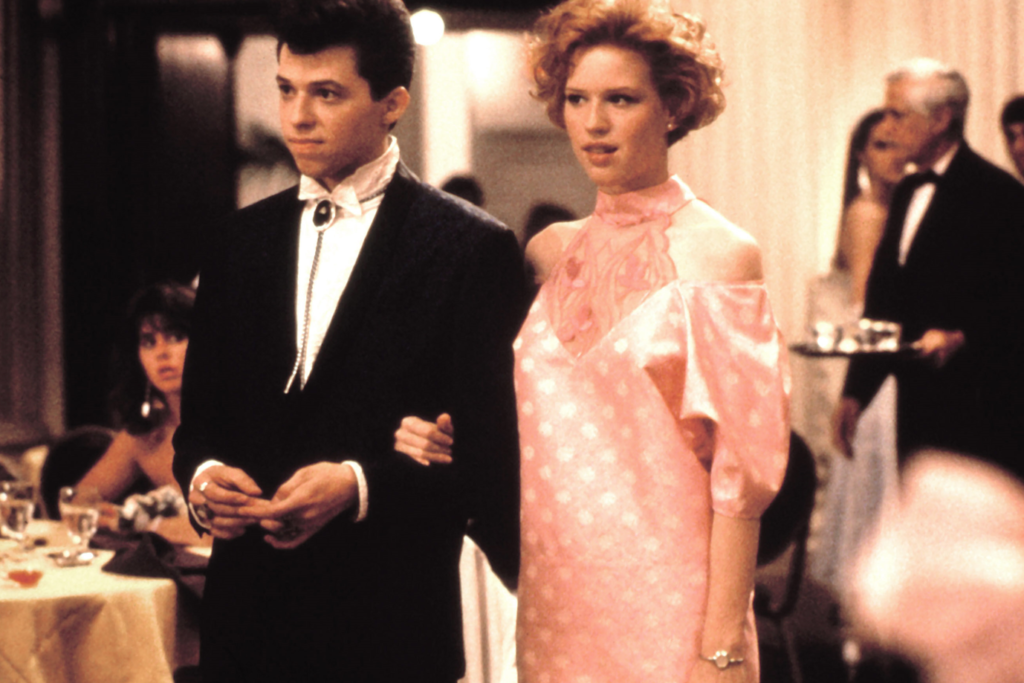
Pretty in Pink arrived in 1986 and quickly embedded itself in teen culture. Its fashion, music, and emotional beats felt tailor-made for its audience. The film captured the awkwardness of class differences and young romance. Viewers saw their own insecurities reflected on screen.
The movie’s influence stretched beyond its release. Hairstyles, outfits, and soundtracks were copied everywhere. Conversations about its ending became part of its legacy. It felt like a movie people grew up with, not just watched once.
13. Indiana Jones and the Last Crusade
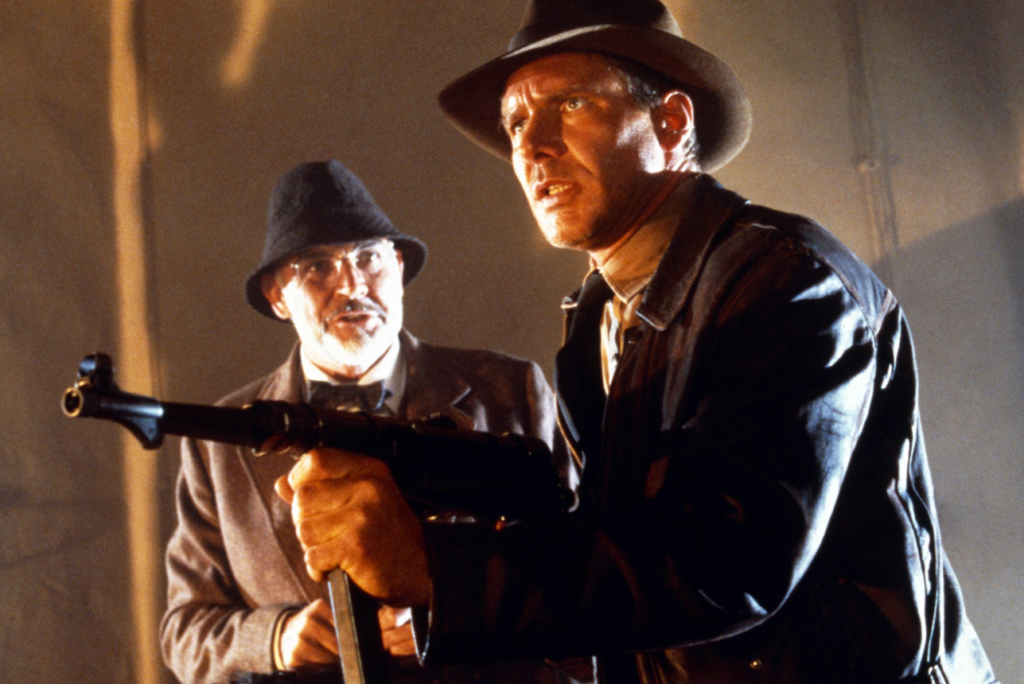
By the time Indiana Jones and the Last Crusade premiered in 1989, expectations were sky-high. The film delivered adventure with a lighter, more playful tone. Audiences embraced the dynamic between father and son as much as the action. It felt like a celebration of everything people loved about the series.
The movie became a communal experience, filled with laughter and excitement. Fans debated favorite scenes and repeated lines endlessly. It closed the decade on a note of fun and nostalgia. The film felt like a shared victory lap for blockbuster cinema.
14. The Karate Kid
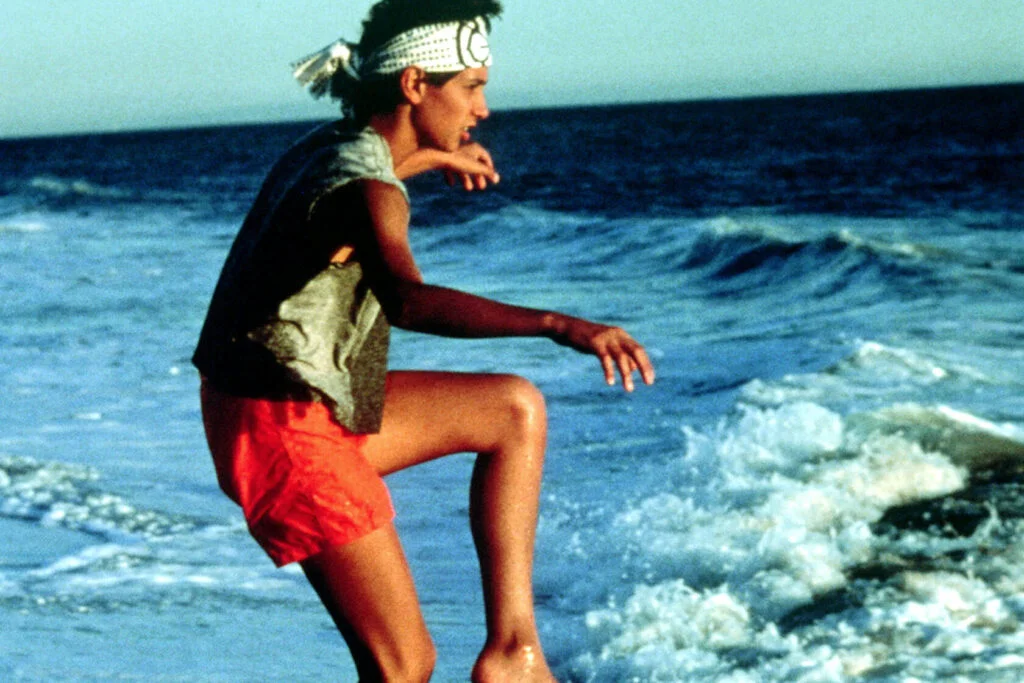
The Karate Kid arrived in 1984 and struck a chord that went far beyond sports drama. Its underdog story felt universal and deeply personal. Audiences rooted for its hero in a way that felt almost instinctive. The training sequences became instantly iconic.
The film influenced how a generation thought about discipline, confidence, and perseverance. Quotes were repeated in school hallways and living rooms alike. It inspired countless imitations and homages. The Karate Kid felt like a cultural lesson wrapped in entertainment.