1. George Maharis
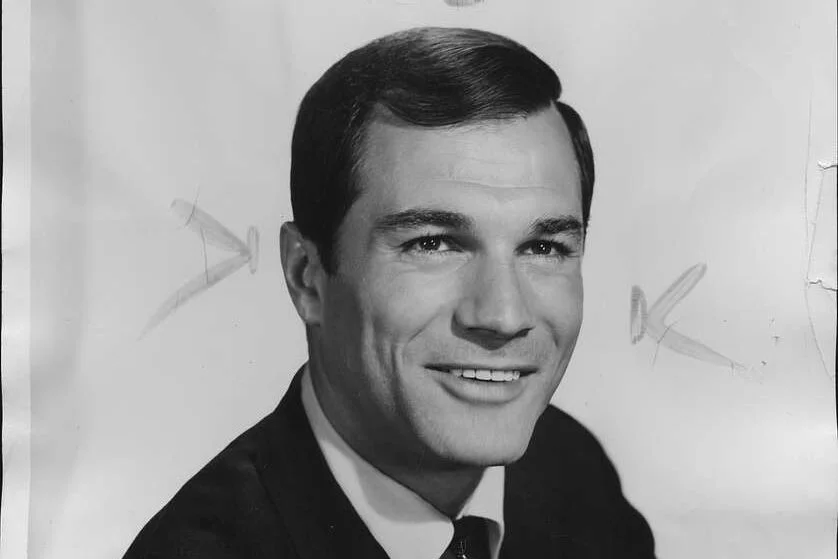
George Maharis became a household name in the early ’60s thanks to his breakout role as Buz Murdock on Route 66. He had movie-star looks and seemed poised for a long television run. Behind the scenes, though, health issues and conflicts with the show’s producers complicated his momentum. Maharis left Route 66 earlier than expected, and that departure quietly altered the trajectory of his career.
He continued acting in films and television throughout the decade, but the roles grew smaller and less frequent. By the early ’70s, Maharis had largely stepped away from acting altogether. He later focused on painting and music, interests he pursued seriously outside Hollywood. While Route 66 still has devoted fans, Maharis himself gradually faded from public view without much fanfare.
2. Connie Stevens
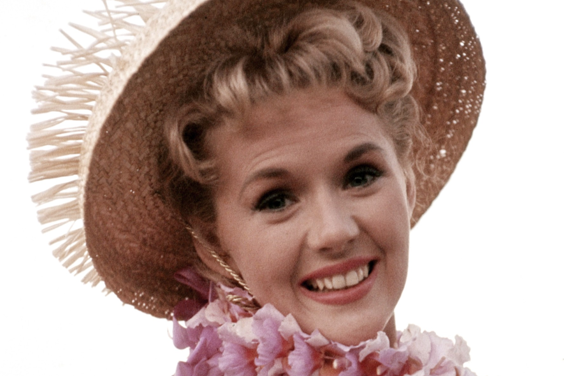
Connie Stevens was everywhere in the late ’50s and early ’60s, especially as Cricket Blake on Hawaiian Eye. Her girl-next-door charm and pop music career made her a familiar face on magazine covers and television specials. For a few years, it felt like she was part of every corner of pop culture. But as television tastes shifted, her acting roles became less prominent.
Stevens never fully disappeared, but she stepped back from the spotlight in a noticeable way. She focused more on raising her family and later became deeply involved in humanitarian and charitable work. Occasional appearances kept her name recognizable, but she no longer chased the level of fame she once had. Her quieter later life contrasted sharply with her early burst of stardom.
3. Robert Fuller
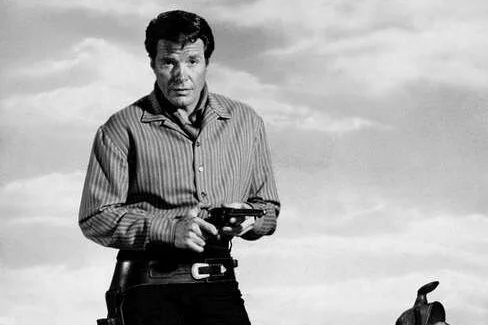
Robert Fuller became a familiar face to Western fans through Laramie and later Wagon Train. He embodied the steady, dependable leading man that television relied on heavily in the early ’60s. For several seasons, Fuller was a consistent presence in American living rooms. Then, almost imperceptibly, the roles slowed down.
By the mid-’70s, Fuller had largely left acting behind. He shifted his attention to business ventures, including working with real estate and art collecting. Unlike many former TV stars, he did not attempt a comeback or nostalgia-driven return. His exit from the spotlight was deliberate and quiet, mirroring the calm authority he brought to his roles.
4. Tuesday Weld
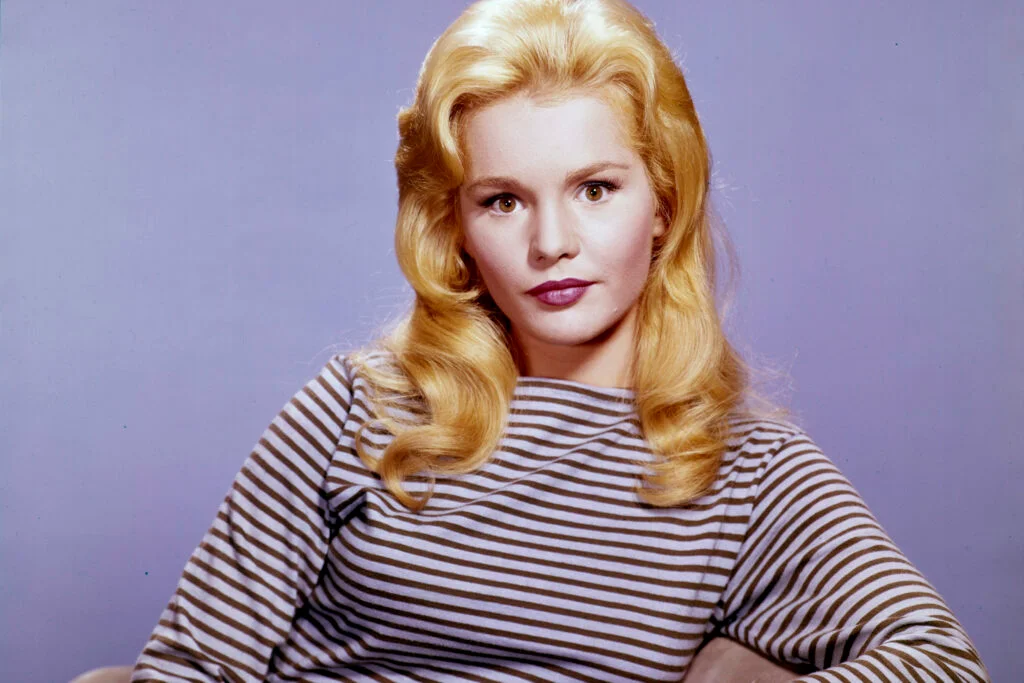
Tuesday Weld was a familiar television presence in the early ’60s, appearing on shows like The Many Loves of Dobie Gillis. She had an offbeat quality that set her apart from more traditional TV actresses. Weld transitioned into film and earned serious critical respect, but she never seemed comfortable with fame. Even at her peak, she appeared ambivalent about Hollywood attention.
As the years went on, Weld began turning down roles and appearing less frequently. She chose to live mostly outside the Hollywood system, which only added to her mystique. By the late ’70s, her public appearances were rare. Rather than fading due to lack of talent, Weld stepped back because she wanted a life that fame could not offer.
5. Ed Nelson
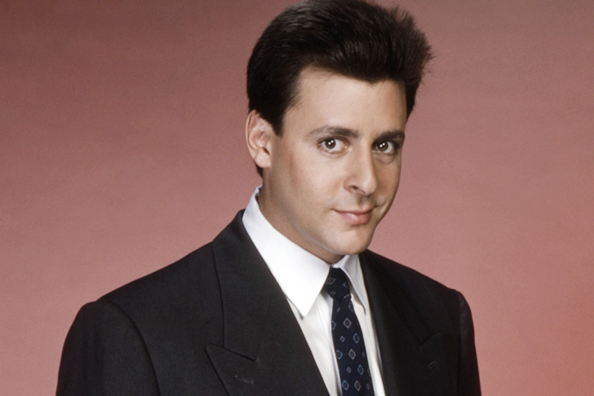
Ed Nelson is best remembered for his long run as Dr. Michael Rossi on Peyton Place. During the show’s peak, he was part of one of television’s most talked-about casts. Nighttime soaps were a cultural phenomenon, and Nelson was right at the center of it. When the series ended, though, his visibility dropped quickly.
Nelson continued acting sporadically, but nothing matched the impact of Peyton Place. Over time, he shifted away from acting and focused on writing and business pursuits. His departure from the spotlight was gradual and largely unnoticed by the public. Today, his name is closely tied to one defining role rather than a long list of later projects.
6. Yvonne DeCarlo
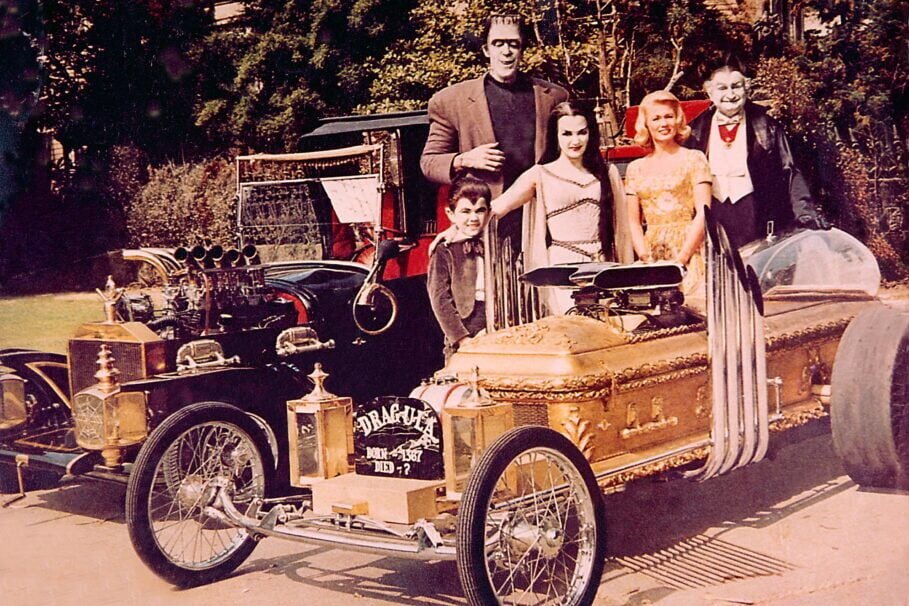
Yvonne DeCarlo had already enjoyed a successful film career before becoming Lily Munster on The Munsters. Her glamorous horror-comedy role made her instantly recognizable to a new generation of viewers. The show’s popularity cemented her place in TV history. When it ended, however, television moved on quickly.
DeCarlo continued working, but the roles became fewer and often leaned on nostalgia. Health issues also limited her ability to take on demanding projects. She never truly disappeared, but she was no longer a constant presence on screen. Her later years were marked by resilience rather than renewed stardom.
7. Doug McClure
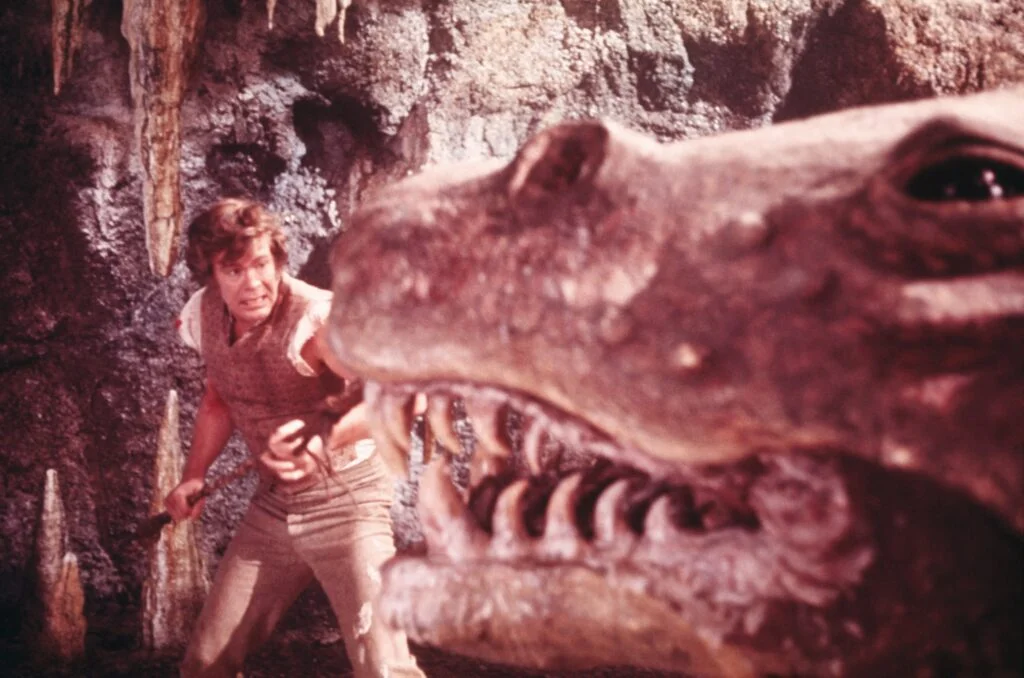
Doug McClure was a staple of ’60s television Westerns, especially as Trampas on The Virginian. He projected confidence and charm, qualities that suited the genre perfectly. For nearly a decade, McClure was reliably employed and widely seen. As Westerns declined in popularity, so did his television visibility.
He remained active in films and made-for-TV movies, particularly adventure and genre projects. Still, the mainstream spotlight he once enjoyed never fully returned. McClure found a niche rather than mass fame in his later career. His fade from prominence was tied more to changing trends than personal decline.
8. Barbara Feldon
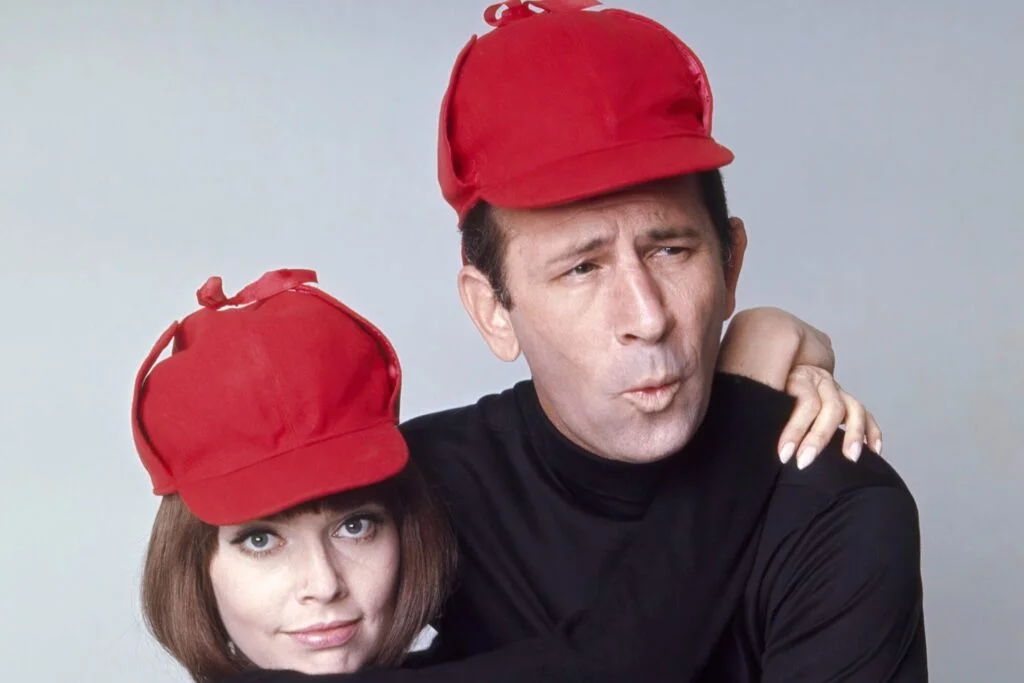
Barbara Feldon became iconic as Agent 99 on Get Smart. Her intelligence and dry wit made her more than just a glamorous counterpart. When the series ended, many expected Feldon to move seamlessly into other major roles. Instead, she appeared selectively and avoided becoming overexposed.
Feldon chose stage work, writing, and occasional television appearances over nonstop screen time. She was candid about not wanting to repeat herself creatively. Over time, her public profile softened rather than vanished abruptly. Fans remember her vividly, even though she stepped away from the constant glare of television fame.
9. Efrem Zimbalist Jr.
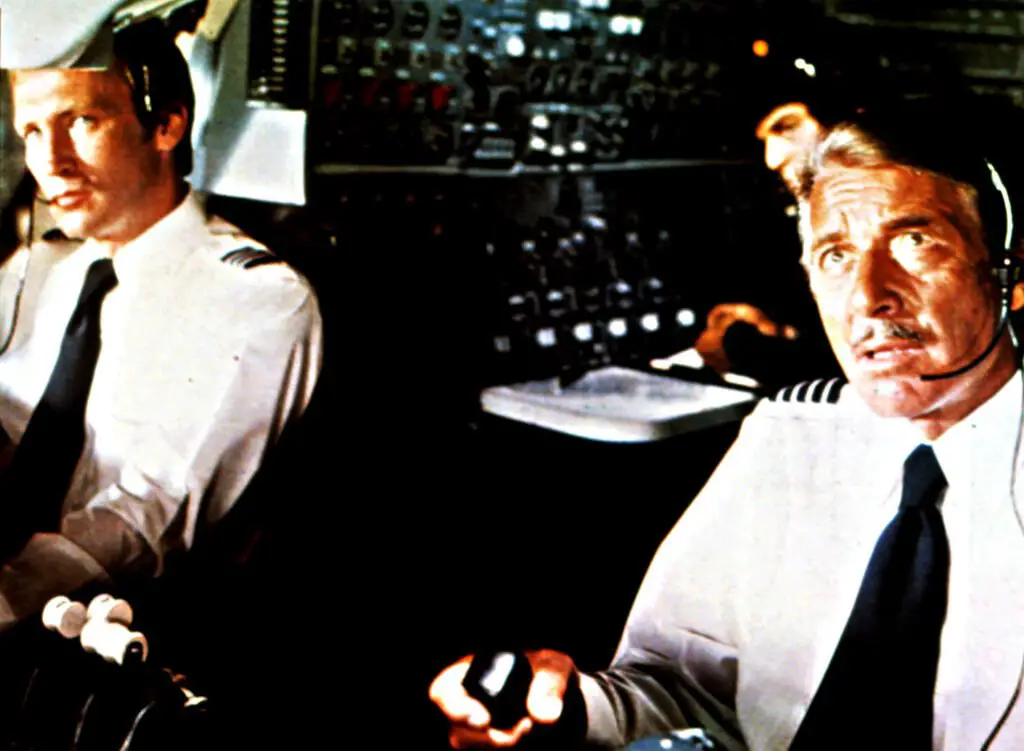
Efrem Zimbalist Jr. was one of television’s most authoritative figures on The F.B.I.. His calm, commanding presence suited procedural drama perfectly. For nearly a decade, he was synonymous with law-and-order television. When the show ended, that familiarity became a double-edged sword.
Zimbalist continued working in television, including later success on Remington Steele, but his peak years were firmly in the ’60s. He never aggressively pursued movie stardom or reinvention. Instead, he accepted a slower pace and more selective roles. His career drifted rather than collapsed.
10. Tina Louise
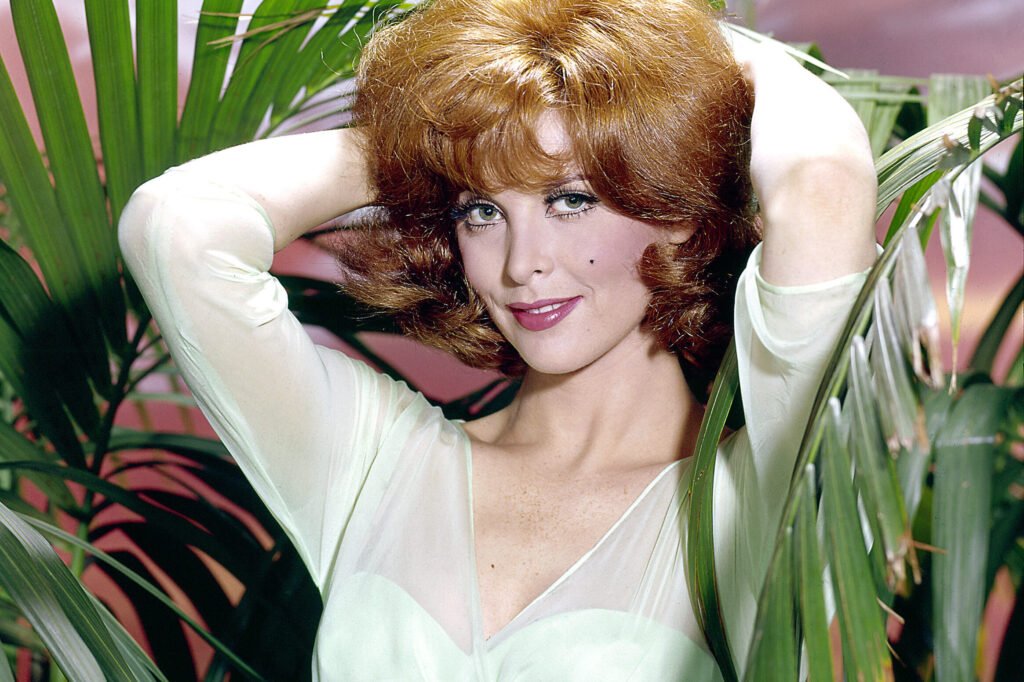
Tina Louise is forever linked to Ginger Grant on Gilligan’s Island. Despite being a trained actress with serious ambitions, the role overshadowed everything that followed. Louise actively sought to distance herself from the character. That decision affected how often she appeared in later projects.
She continued acting in film and television, often choosing dramatic roles. Still, the public image never fully shifted away from Ginger. Over time, Louise stepped back from acting and focused on writing and philanthropy. Her retreat from fame was shaped by a desire to be taken seriously on her own terms.
11. David Hedison
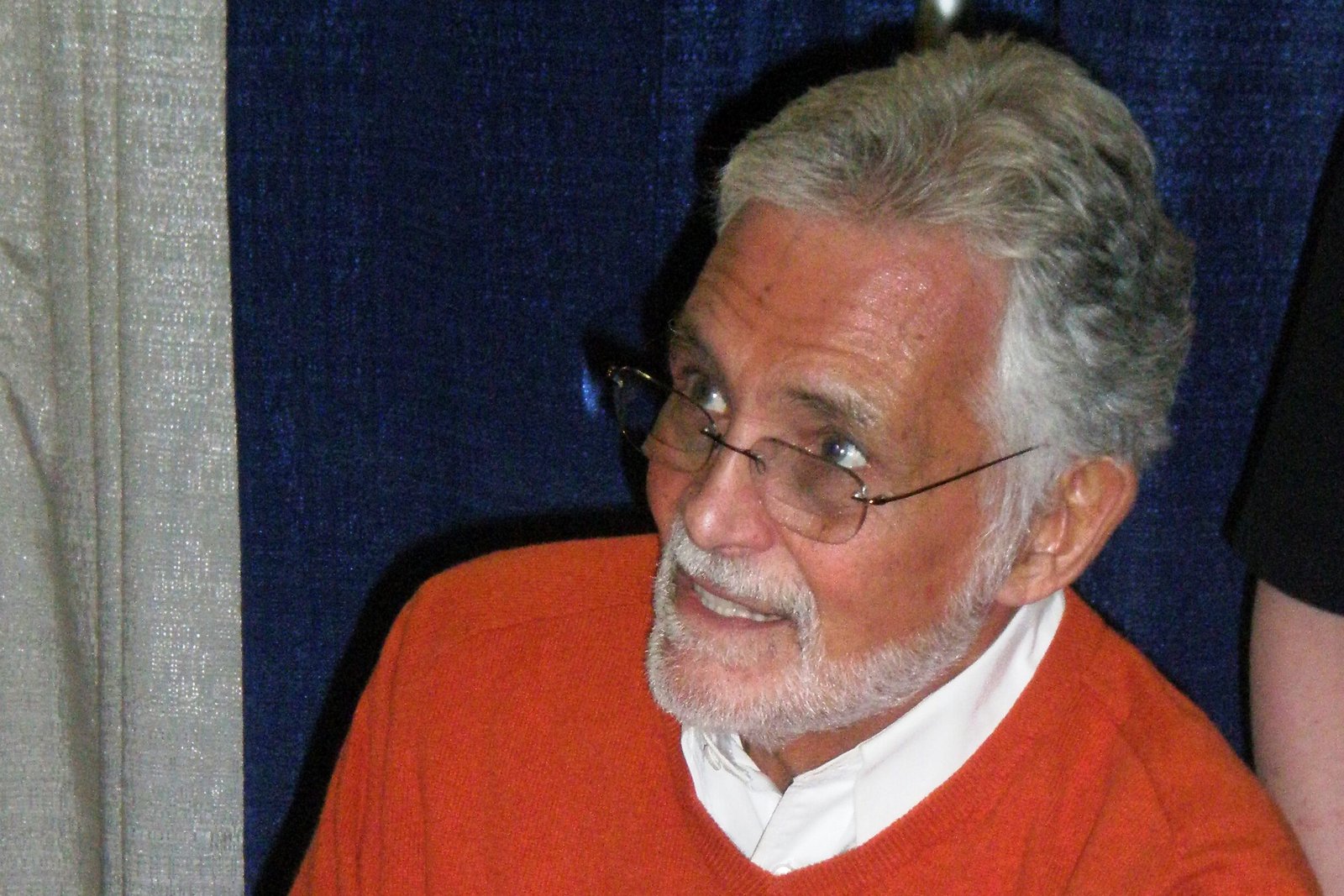
David Hedison gained widespread attention as Captain Crane on Voyage to the Bottom of the Sea. Science fiction television gave him steady work and a loyal fan base. As the series ended, opportunities became more scattered. He never disappeared, but his visibility diminished.
Hedison later found renewed recognition through James Bond films, which extended his career quietly rather than explosively. Television, however, was no longer his main stage. He worked consistently without chasing celebrity. His career became one of longevity rather than constant attention.
12. Sherry Jackson
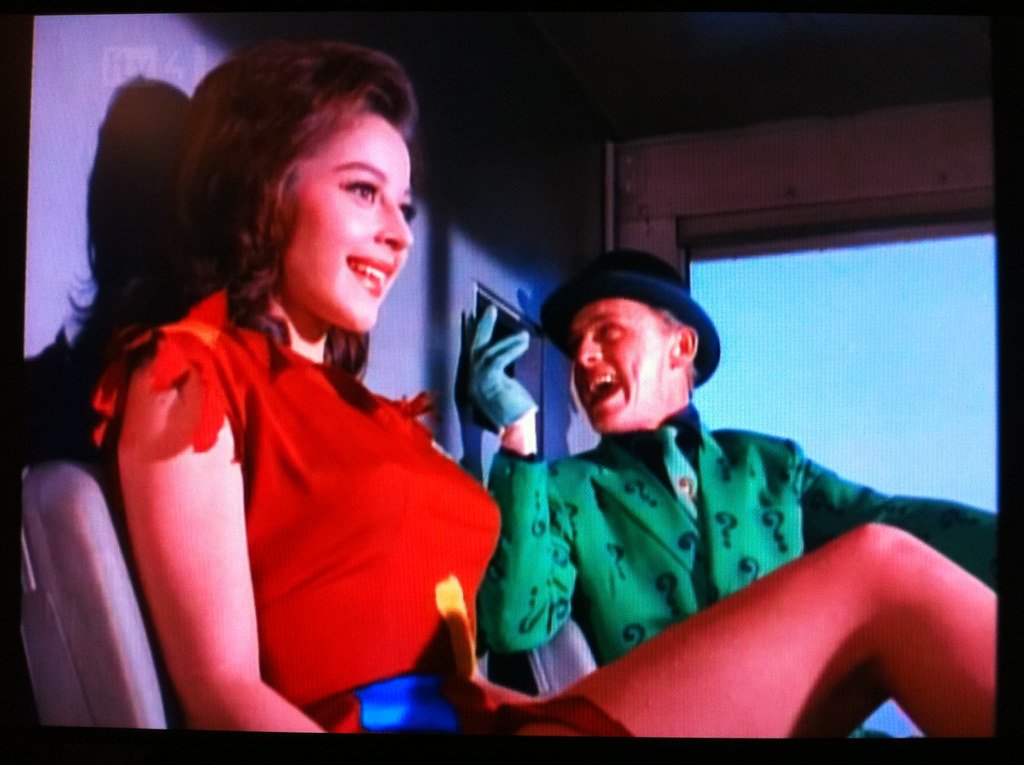
Sherry Jackson grew up on television as Terry Williams on The Danny Thomas Show. Audiences watched her mature on screen, which made her feel like part of the family. Transitioning from child star to adult roles is rarely easy. Jackson faced that challenge as television evolved.
She continued acting into the ’70s but eventually chose a quieter life away from the industry. Later, she pursued work behind the scenes and in business. Her withdrawal from acting was gradual and intentional. Many remember her fondly without realizing how early she stepped away.
13. Richard Chamberlain
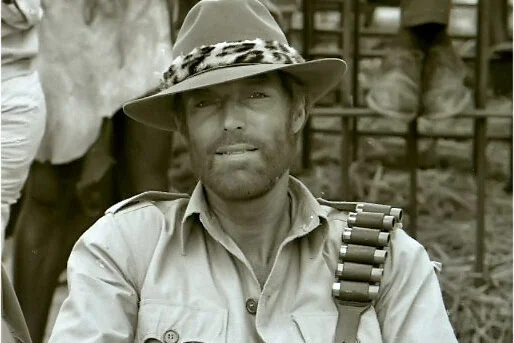
Richard Chamberlain rose to fame in the early ’60s as the earnest lead of Dr. Kildare. He was one of television’s first true heartthrobs. Over time, Chamberlain grew restless with that image. He consciously shifted toward stage work and later miniseries.
Although he remained active and respected, he was no longer the constant presence he once was. Chamberlain chose reinvention over saturation. His career drifted into more selective, mature territory. The spotlight softened, but his legacy endured.
14. Beverly Garland
Beverly Garland was one of those actresses who seemed to pop up everywhere in early ’60s television. She appeared regularly in guest roles across dramas, comedies, and anthologies, becoming a familiar and trusted face. Garland also starred in My Three Sons as Fred MacMurray’s character’s love interest, which gave her steady exposure. For a time, she felt like part of the fabric of TV rather than a breakout star.
As the decade progressed, Garland chose to step back from acting. She focused more on family life and later became involved in actors’ advocacy and union work. Unlike many of her contemporaries, she did not pursue nostalgia-driven roles later on. Her presence faded gently, leaving behind a career defined by consistency rather than flash.
15. Adam West
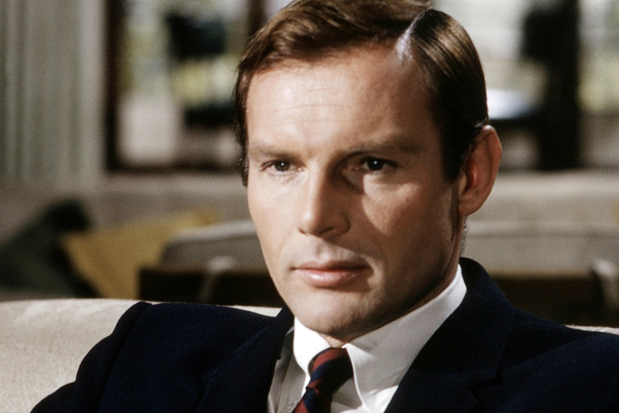
Adam West became instantly recognizable as Batman in the campy ’60s television series. The role brought enormous fame, but it also proved limiting. West was so closely identified with the character that casting directors struggled to see him as anything else. When the show ended, the offers did not match the visibility he had enjoyed.
West continued working steadily in television and voice acting, but largely outside the mainstream spotlight. For years, he leaned into self-awareness rather than fighting his image. His career never vanished, but it shifted into a quieter, cult-favorite lane. The distance from his ’60s peak was gradual and unmistakable.
16. Angela Cartwright
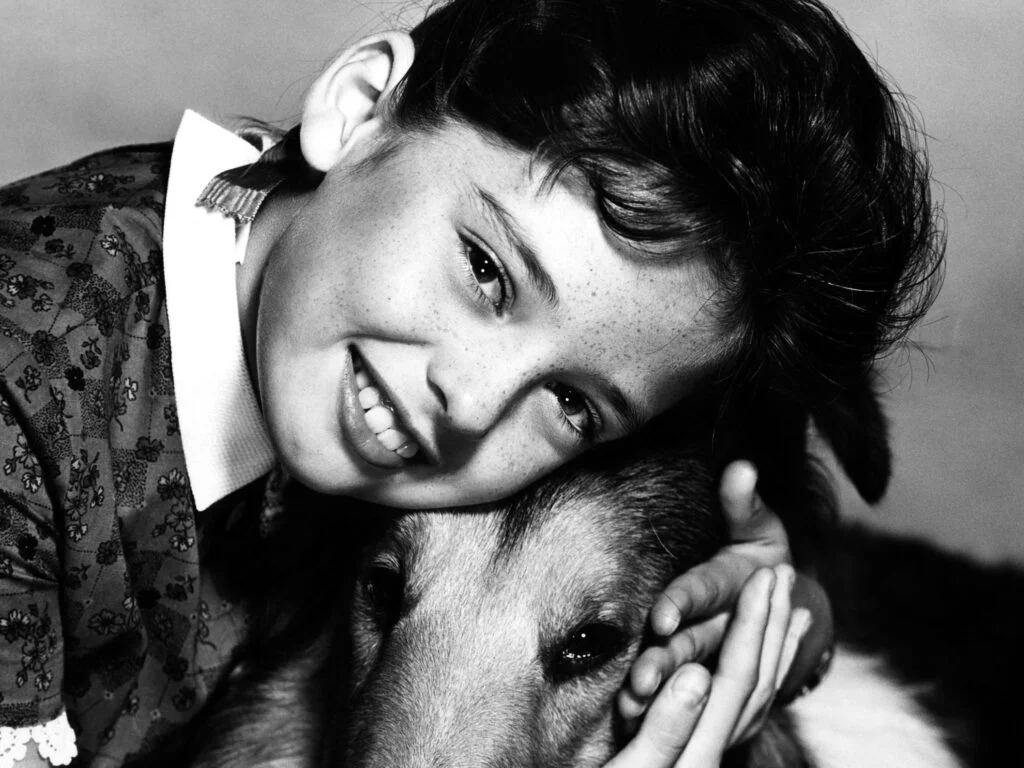
Angela Cartwright was already an experienced child actress when she joined Lost in Space in the mid-’60s. The show made her instantly recognizable to young audiences. As television science fiction lost momentum, so did her acting opportunities. Cartwright chose not to aggressively pursue adult roles.
Instead, she turned toward photography and art, building a second creative life away from acting. She occasionally appeared at fan events but remained largely private. Her transition out of television was intentional and calm. Cartwright’s career is a reminder that stepping away does not always mean stepping down.
17. James Drury
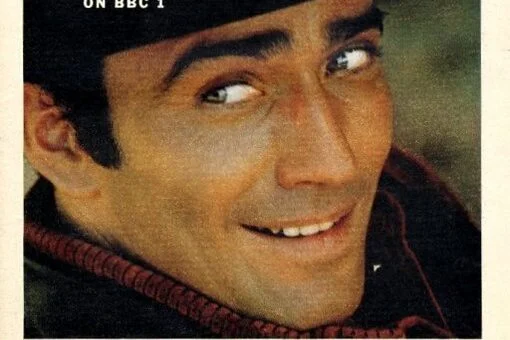
James Drury carried The Virginian for nearly a decade as its steady leading man. His role defined the long-running Western series and anchored its success. During the show’s run, Drury was reliably present on television screens across the country. When the Western era faded, so did his mainstream visibility.
Drury continued acting in smaller projects and made occasional guest appearances. He never attempted a dramatic reinvention or comeback. Instead, he accepted the shift and lived largely outside Hollywood’s spotlight. His career drifted quietly, tied forever to one iconic role.
18. Julie Newmar
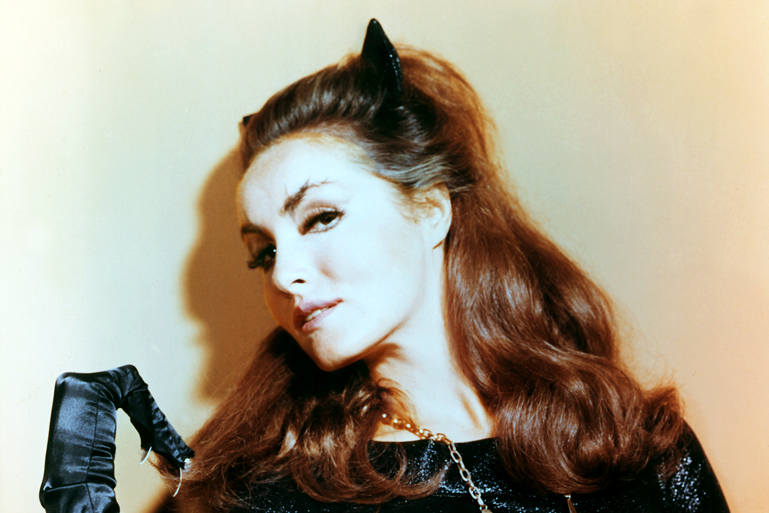
Julie Newmar made a lasting impression as Catwoman on Batman, even with limited screen time. Her physicality and presence made the character unforgettable. Despite her popularity, Newmar did not pursue nonstop television fame. Health issues and personal priorities influenced her career choices.
She appeared selectively in television and film, often choosing roles that interested her rather than chasing visibility. Over time, she became more of a cult icon than a mainstream star. Her absence from constant television exposure was noticeable but never abrupt. Newmar’s legacy endured even as her public appearances became rare.