
1. Jaws (1975)
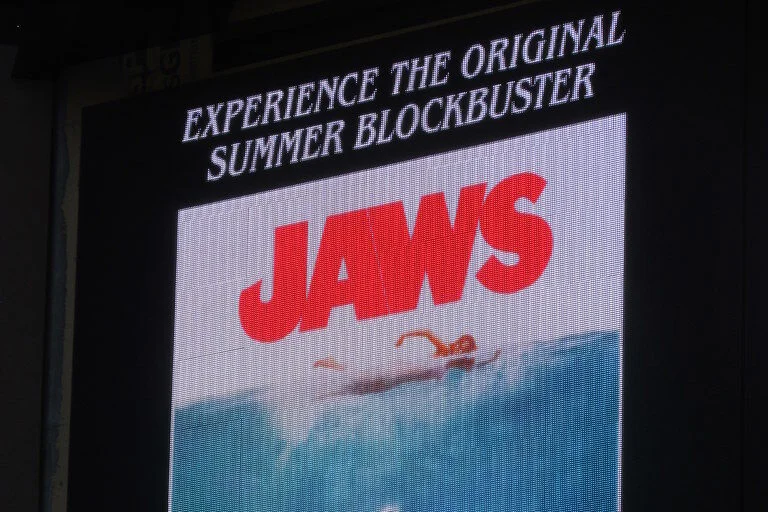
Even people who claim they “don’t like shark movies” have usually seen Jaws, often without planning to. It was always on TV, usually during summer, and somehow you’d end up watching half of it before realizing you were fully invested. That opening scene alone was enough to make you put down whatever else you were doing. By the time the music kicked in, leaving the room felt impossible.
What made Jaws unavoidable was how it seeped into everyday conversation. People joked about beaches, hummed the theme, and referenced that shark whether you wanted to or not. It became a shared experience, even for viewers who caught it mid-movie with commercials. Watching it felt less like a choice and more like a cultural obligation.
2. Grease (1978)
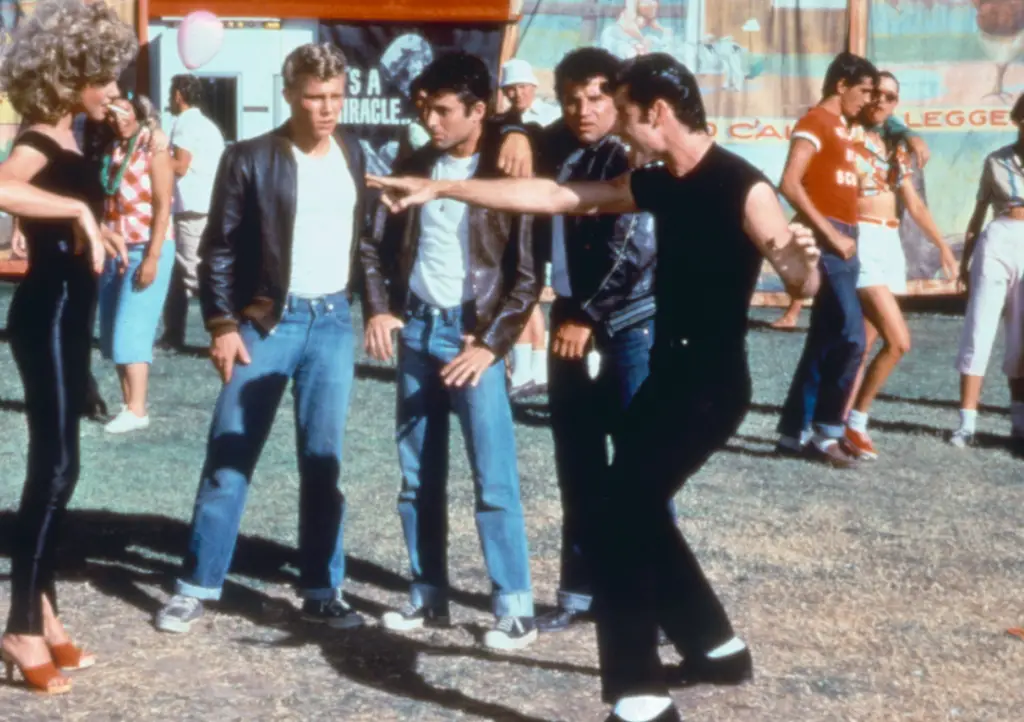
Grease had a way of finding you, usually flipping channels on a lazy afternoon. You might not have intended to sit through a musical, but the moment the songs started, resistance felt pointless. Everyone seemed to know the lyrics, even if they swore they’d never seen the movie before. It was bright, catchy, and impossible to ignore.
The film lingered because it played so often and felt strangely familiar. High school never really looked like that, but everyone accepted it anyway. Watching Grease became less about plot and more about comfort. Even accidental viewings turned into full rewatches before you realized it.
3. The Godfather (1972)
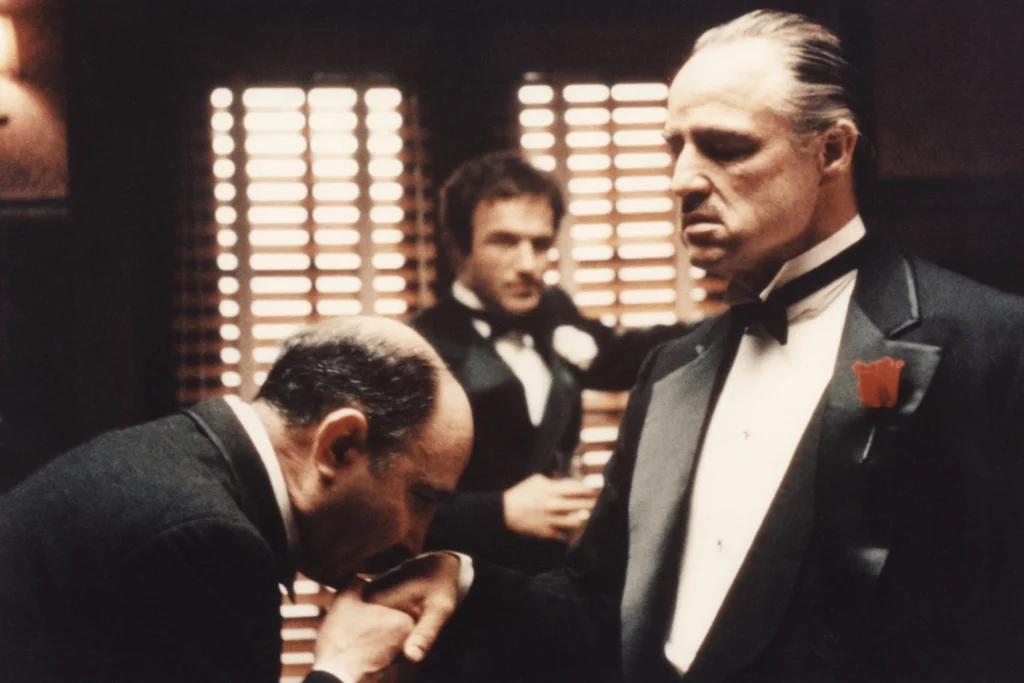
Plenty of people first saw The Godfather because it was simply on, often during a long weekend or late-night marathon. You’d tell yourself you were just watching one scene, then suddenly hours had passed. The quiet intensity pulled you in without asking permission. It demanded attention even from distracted viewers.
Over time, the movie became cultural shorthand. Lines, scenes, and characters were referenced constantly, making it feel required viewing. Even partial viewings counted, because the atmosphere stuck with you. Whether you planned it or not, The Godfather found a way in.
4. Rocky (1976)
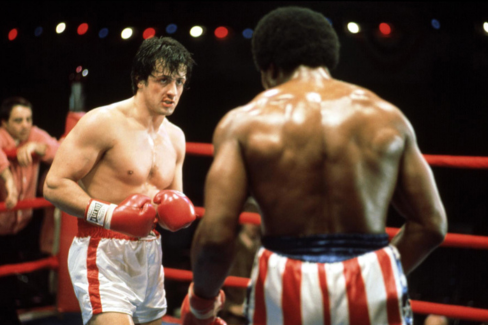
Rocky often showed up when you were least prepared for an emotional sports movie. You’d catch it somewhere around the training montage and assume you could walk away. That never really happened. The underdog story worked every single time.
What made Rocky unavoidable was how relatable it felt. It wasn’t just about boxing, it was about hanging on when things felt stacked against you. Even people who disliked sports movies found themselves rooting for him. Once you started watching, stopping felt wrong.
5. Saturday Night Fever (1977)

You might not have meant to watch Saturday Night Fever, but the music usually decided for you. Once those opening beats hit, changing the channel felt like a mistake. The movie had an edge that made it feel different from other films of the time. It wasn’t just about dancing, even if that’s what people remembered most.
It showed up constantly in reruns and conversations. The soundtrack alone kept it in rotation everywhere. Even viewers who only half-watched absorbed its mood. Over time, everyone had some version of seeing it, whether they wanted to or not.
6. One Flew Over the Cuckoo’s Nest (1975)
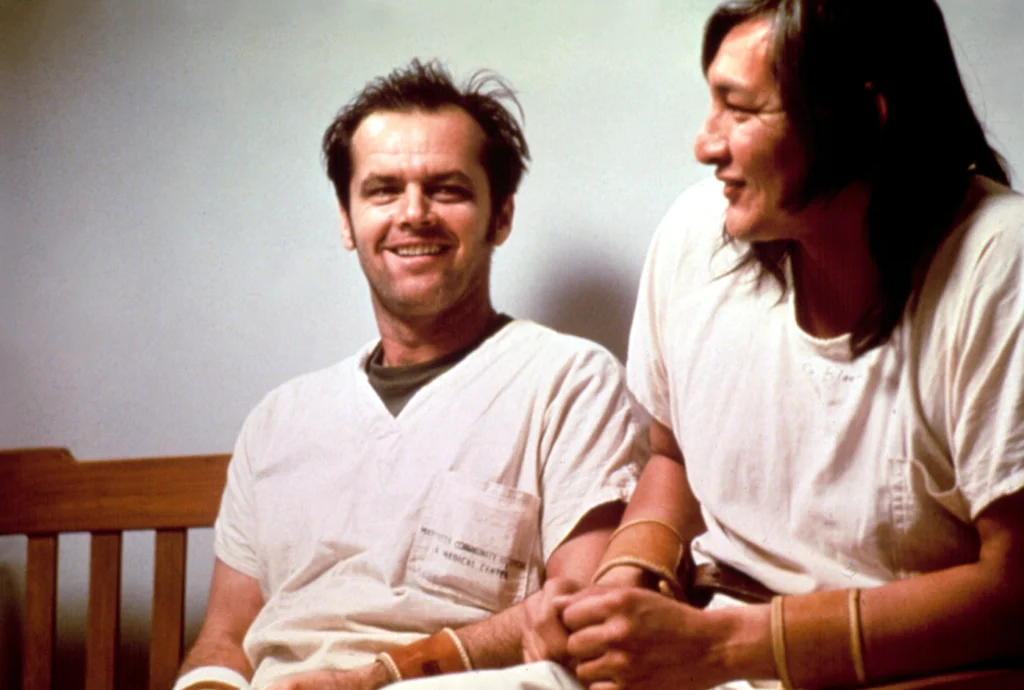
This was the kind of movie people stumbled into late at night and couldn’t shake afterward. One Flew Over the Cuckoo’s Nest wasn’t light viewing, but it held your attention in a quiet, unsettling way. Even catching a few scenes made an impression. It lingered longer than expected.
The performances pulled people in regardless of their mood. You didn’t need to see every minute to feel the weight of it. Conversations afterward made you realize how many others had accidentally watched it too. It became one of those films everyone seemed to know, even if they didn’t plan to.
7. Close Encounters of the Third Kind (1977)
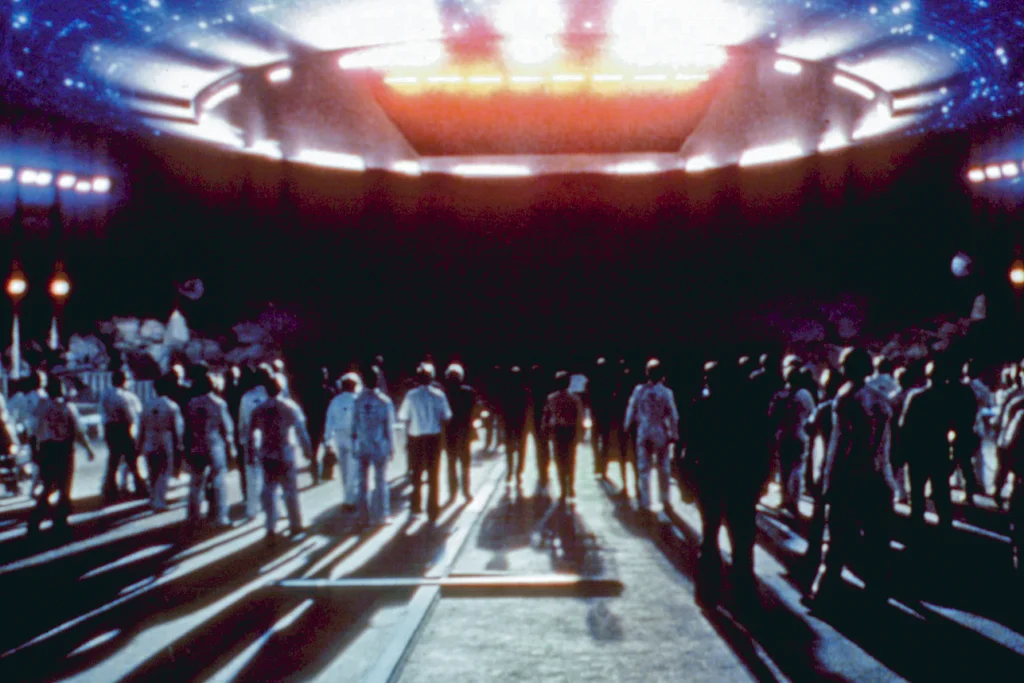
Close Encounters of the Third Kind often appeared during family viewing hours, even if no one had voted for a sci-fi movie. You’d sit down expecting background noise and end up watching closely. The visuals and sounds made it hard to look away. It felt mysterious without being confusing.
What made it stick was its sense of wonder. You didn’t need to fully understand it to feel something. Even partial viewings stayed with people. Over time, it became one of those movies everyone had seen at least once, usually by accident.
8. The Exorcist (1973)
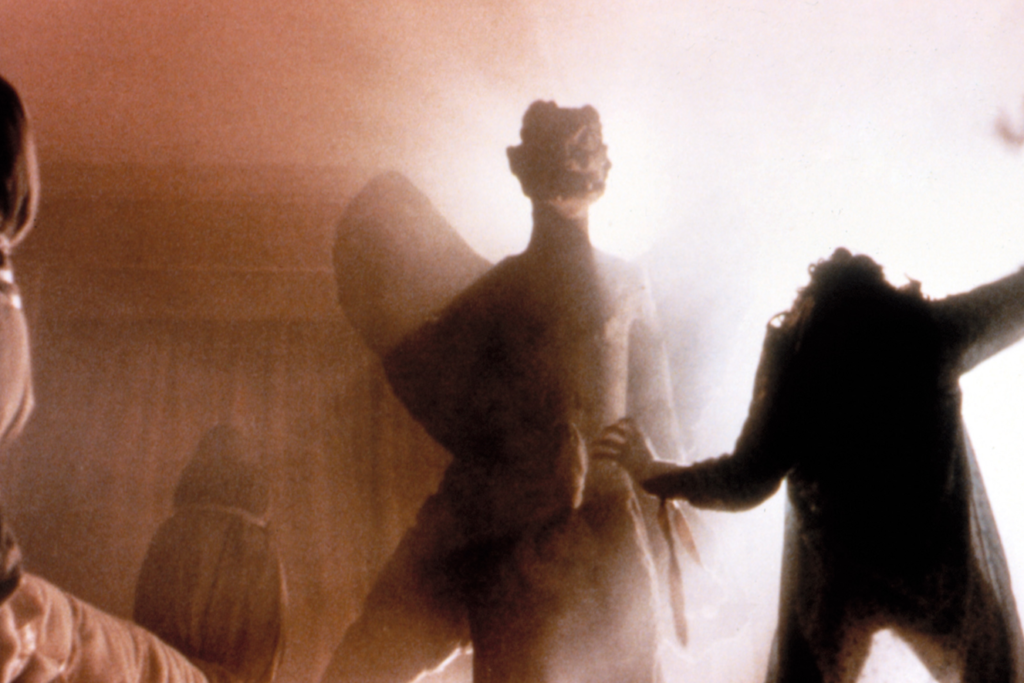
Many people first saw The Exorcist in pieces, often when they were way too young or not prepared. It would be on television, heavily edited, but still unsettling. You’d tell yourself you weren’t watching, even as you sat frozen. Turning it off felt harder than enduring it.
The movie became infamous, which only made accidental viewings more likely. People warned you about it, which somehow made it show up more often. Even brief exposure left an impression. Almost everyone ended up seeing some version of it, whether they wanted to or not.
9. Airport (1970)
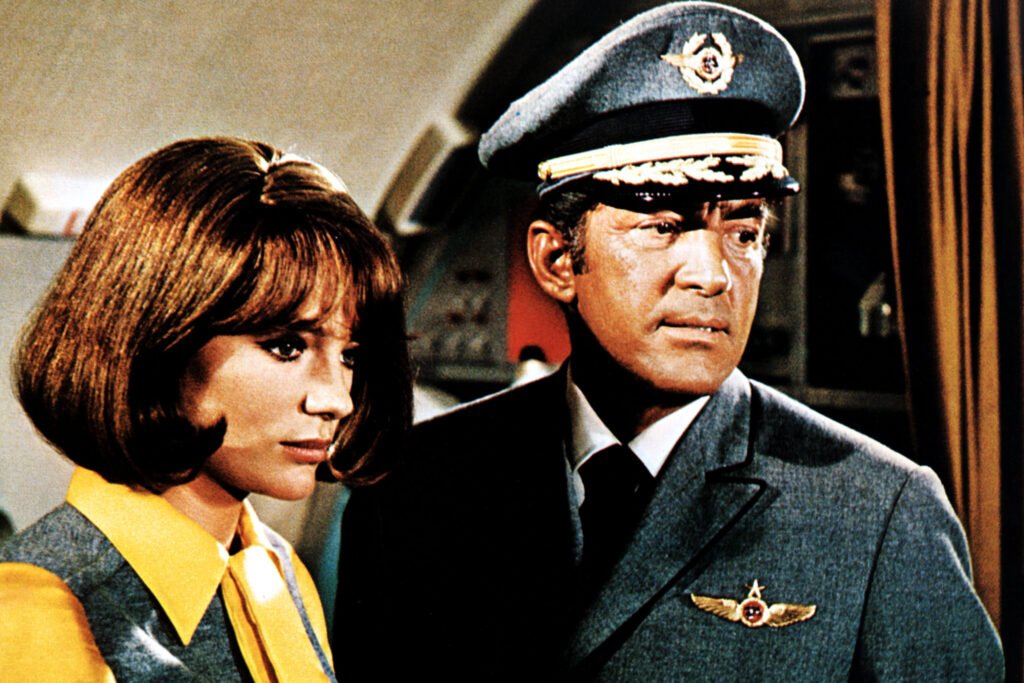
Airport was the kind of movie that seemed to be on constantly, especially during holiday weekends. You might sit down thinking it was background noise and suddenly realize you were following every storyline. It had that all-star cast energy that made channel surfing stop cold. Once you recognized a few faces, you were in.
Disaster movies like this were designed for group viewing. You didn’t need to see the beginning to understand what was happening. It felt familiar even on first watch. That’s how Airport quietly became unavoidable.
10. Dirty Harry (1971)

Dirty Harry had a way of pulling people in with just a few minutes of screen time. Even viewers who weren’t seeking a gritty crime movie found themselves watching. The character was intense enough to command attention immediately. You didn’t need much setup to understand his presence.
It replayed often enough that almost everyone caught it eventually. Quotes and scenes became part of pop culture. Even casual viewers remembered key moments. Seeing it felt less like a choice and more like something that just happened.
11. The Poseidon Adventure (1972)
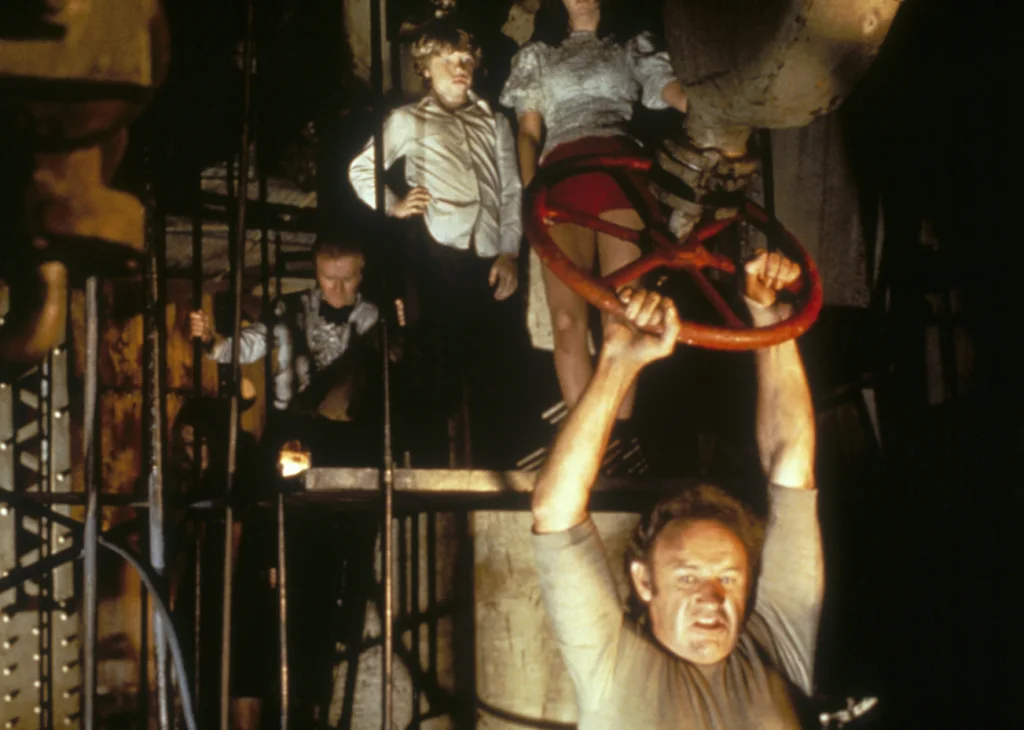
This was another movie people stumbled across while flipping channels. The Poseidon Adventure worked because it dropped you right into chaos. You didn’t need context to feel the urgency. Once it started, it kept moving.
The ensemble cast made it easy to latch onto someone. Viewers would swear they were just watching for a minute. Then they’d realize the movie was almost over and they’d seen the whole thing. It became one of those films everyone remembered watching unintentionally.
12. Love Story (1970)
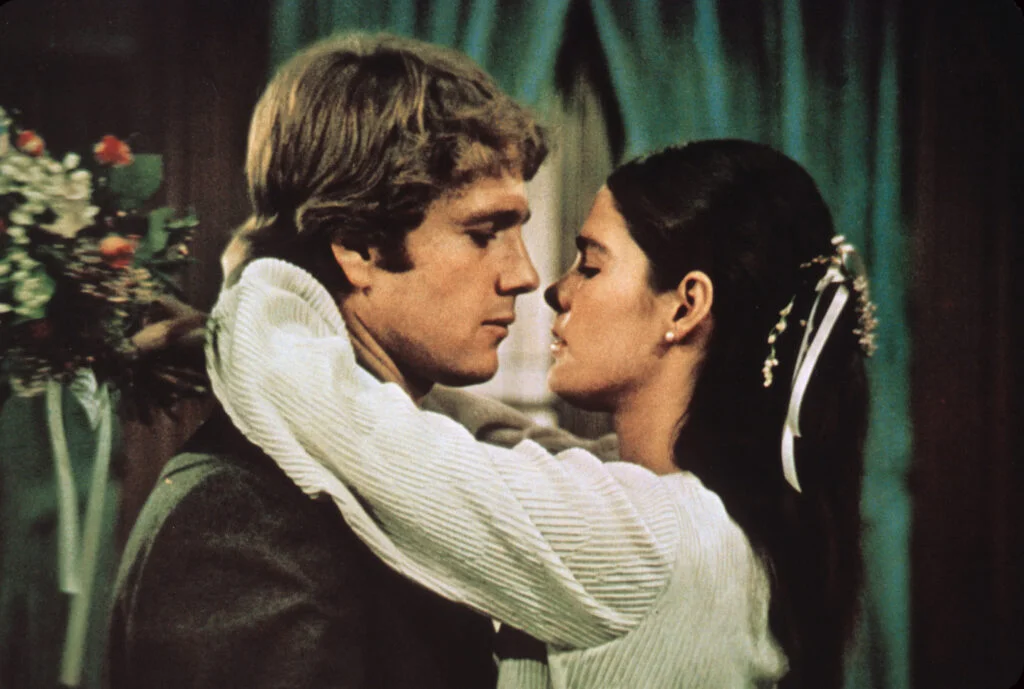
Love Story often appeared when you least expected a tearjerker. You might catch it during a quiet afternoon and assume you wouldn’t get emotionally involved. That assumption rarely held. The simplicity of it drew people in fast.
Even people who claimed they disliked romance movies ended up seeing it. It played so often that avoiding it took effort. Catching just part of it still counted, because the emotional beats landed quickly. Over time, nearly everyone saw it, whether they planned to or not.