
1. Molly Ringwald
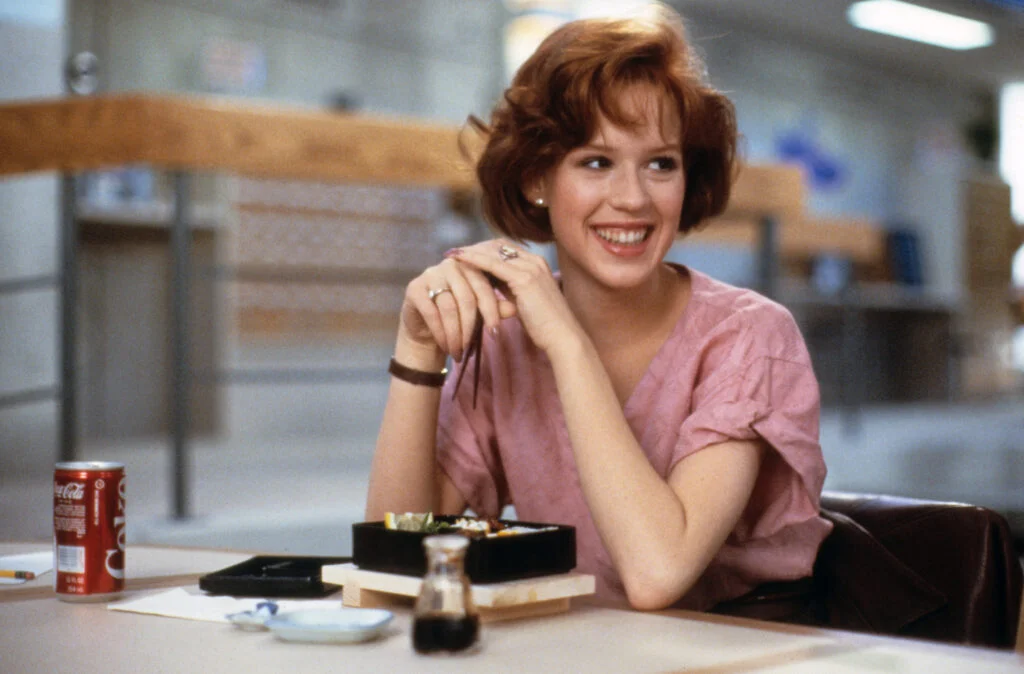
For a few years in the mid to late ’80s, Molly Ringwald felt absolutely unavoidable. She became the face of teenage awkwardness and emotional honesty through a run of films that spoke directly to young audiences. There was something relatable in the way she played characters who felt unsure, observant, and quietly overwhelmed by the world around them. It helped that she looked like a real teenager rather than a polished movie star. For a brief window, she defined what coming of age on screen looked like.
As the decade closed, Ringwald made a conscious shift away from the spotlight. She took stage roles, moved toward more adult projects, and resisted being frozen in time as a teen icon. That choice meant fewer blockbuster roles, but it also gave her more control over her career. Looking back, her impact feels concentrated but lasting. Those films still shape how people remember the emotional tone of the ’80s.
2. Corey Haim
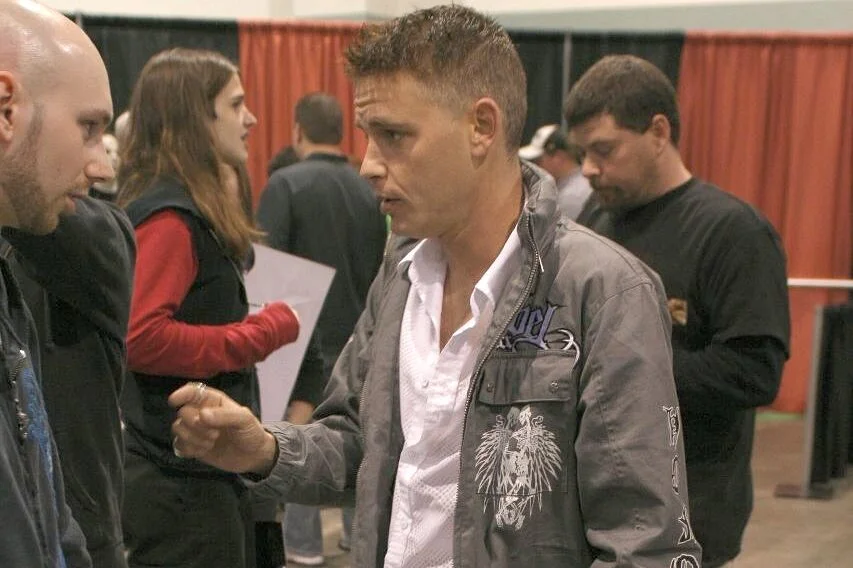
Corey Haim was one of the most recognizable young faces of the decade almost overnight. He had a natural vulnerability that made audiences root for him, especially in roles where he played the sensitive outsider. His performances felt earnest in a way that stood out during an era full of flash and bravado. For a short time, he was everywhere, from teen dramas to vampire movies. Fame arrived fast and intensely.
As quickly as it came, that level of stardom became difficult to sustain. Haim struggled to transition into adult roles while also dealing with personal challenges behind the scenes. The industry moved on, and the offers slowed dramatically. Today, his legacy feels tied to a specific moment in pop culture. He represents both the magic and the pressure of being young and famous in the ’80s.
3. Cyndi Lauper
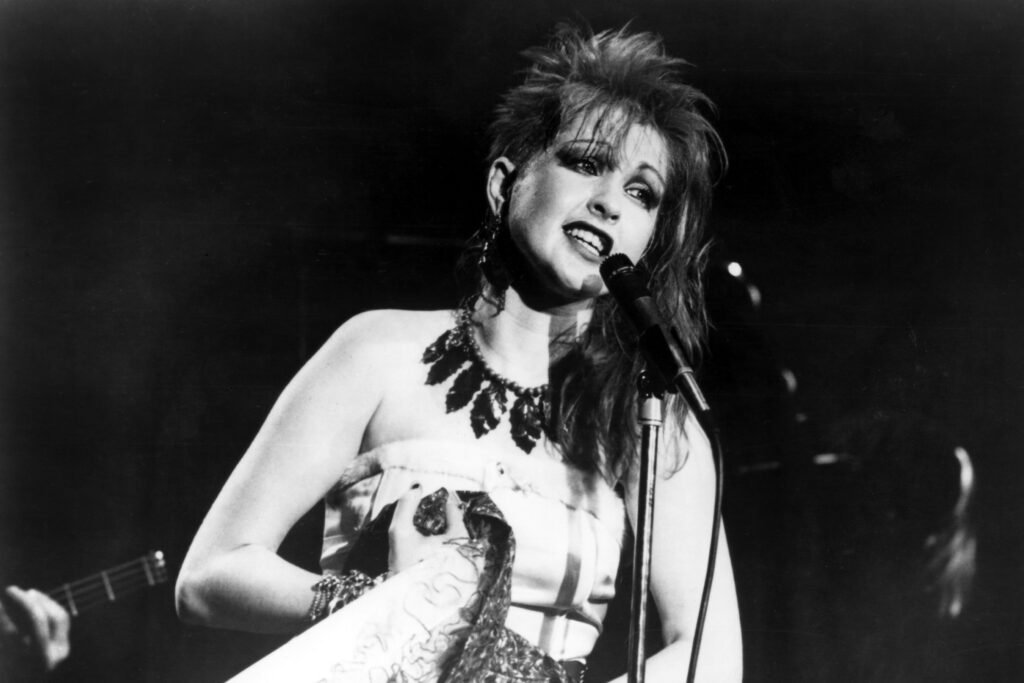
Cyndi Lauper exploded onto the music scene with a sound and look that felt completely fresh. Her voice was instantly recognizable, and her playful image masked a surprising emotional depth. Songs about independence and vulnerability connected with a huge audience very quickly. For a few years, she was one of the most exciting pop stars in the world. It felt like she was redefining what a female pop artist could be.
The pace of pop culture eventually shifted, and Lauper’s mainstream dominance faded. She never disappeared, but the era of constant chart topping hits was brief. Instead, she evolved into a respected artist with a loyal fan base. Her early success remains tightly tied to the spirit of the ’80s. Those songs still sound like freedom bottled in three minutes.
4. Judd Nelson
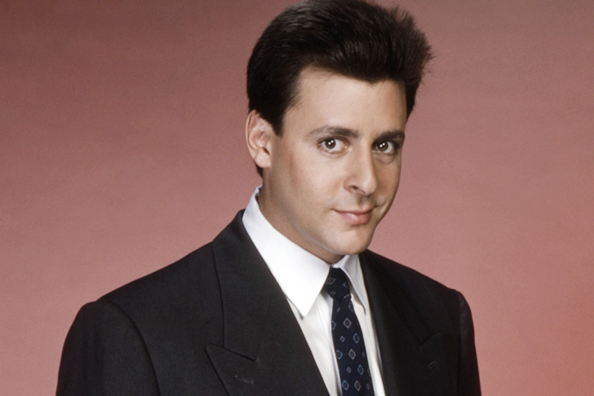
Judd Nelson burst into public consciousness as the sharp edged rebel everyone loved to quote. He had a presence that felt intense and unpredictable, especially in ensemble films. For a moment, he seemed destined to lead a generation of young actors. Audiences remembered his voice, his posture, and his defiant attitude. He embodied teenage anger in a way that felt authentic.
That intensity may have also limited his long term path. As Hollywood tastes changed, Nelson’s particular energy became harder to place. He continued working steadily, but the spotlight moved elsewhere. His most iconic roles remain frozen in that short stretch of time. When people think of ’80s rebellion, his face still comes to mind.
5. Ally Sheedy
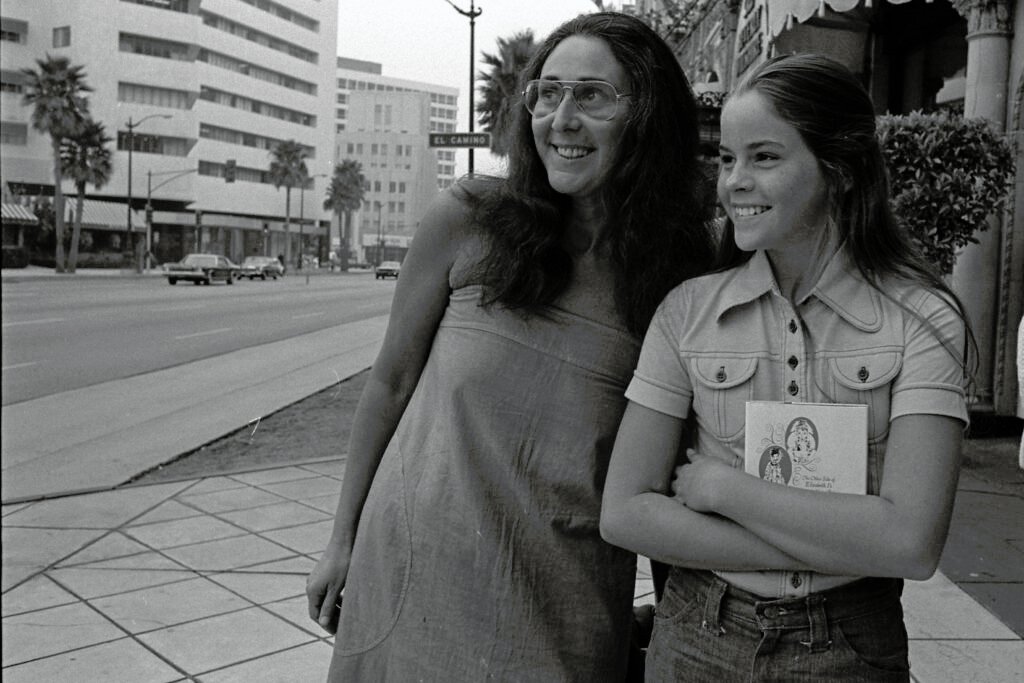
Ally Sheedy brought a quiet complexity to her roles that made her stand out immediately. She often played characters who felt guarded, observant, and a little misunderstood. There was a softness beneath her reserved performances that audiences connected with. For a brief period, she was part of some of the decade’s most defining films. She felt like a natural fit for stories about outsiders finding their voice.
As the industry shifted, Sheedy chose a less conventional path. She explored independent films, writing, and stage work rather than chasing mainstream fame. That decision meant fewer high profile roles but greater creative freedom. Her most famous performances still feel timeless. They capture the quieter side of the ’80s that often gets overlooked.
6. Rick Astley
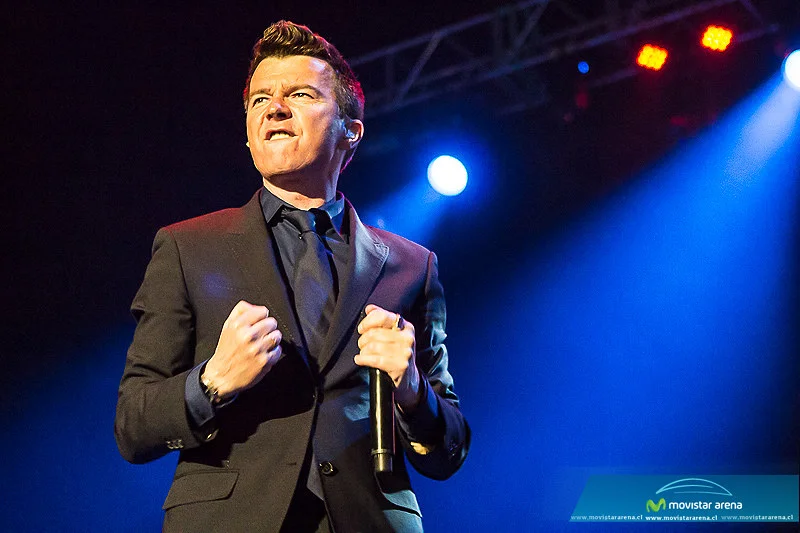
Rick Astley arrived with a voice that sounded far older than his years. His early hits dominated the airwaves and felt inescapable for a time. He projected sincerity, confidence, and polish all at once. For a short window, he seemed like a guaranteed pop fixture. His music was clean, catchy, and perfectly suited to the era.
When musical trends shifted, Astley stepped away from the spotlight surprisingly quickly. Rather than fighting the change, he chose a quieter life focused on family and music on his own terms. Years later, nostalgia brought renewed attention, but his original run was brief. That concentrated success is part of his charm. He remains a symbol of how fast pop fame could rise and fall.
7. Phoebe Cates
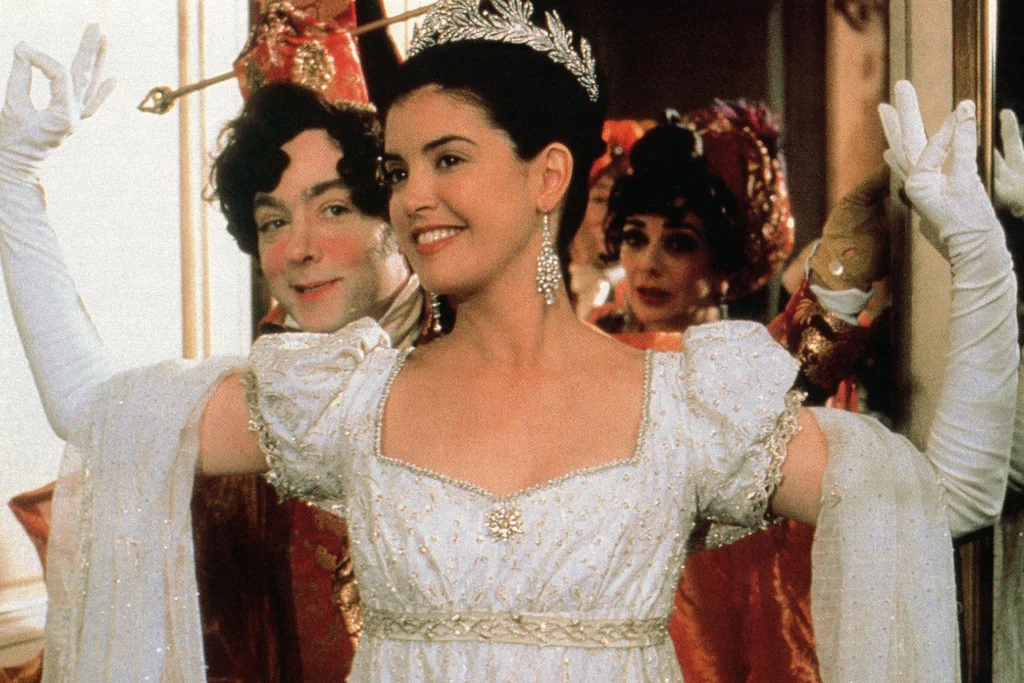
Phoebe Cates became an instant cultural reference point almost overnight. She had a warm, approachable screen presence that audiences found irresistible. Her roles captured both innocence and confidence in equal measure. For a few years, she felt like the definition of a young movie star. It was hard to imagine the decade without her.
Then she stepped away almost entirely by choice. Cates prioritized her personal life and family over maintaining fame. That decision froze her image in time, untouched by later trends. Her brief career feels complete rather than unfinished. She remains an enduring symbol of ’80s charm.
8. Andrew McCarthy
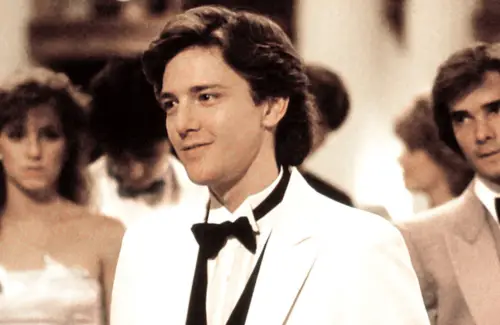
Andrew McCarthy specialized in playing thoughtful, emotionally open characters. He brought a softness to leading man roles that felt refreshing. For a short period, he was a fixture in romantic dramas and coming of age stories. His performances felt introspective rather than flashy. Audiences recognized something genuine in his work.
As the decade ended, McCarthy shifted behind the camera. He built a second career as a director and writer, moving away from acting stardom. That transition meant leaving the spotlight early. His legacy is tied closely to a specific era. Those films still resonate because of their emotional honesty.
9. Belinda Carlisle
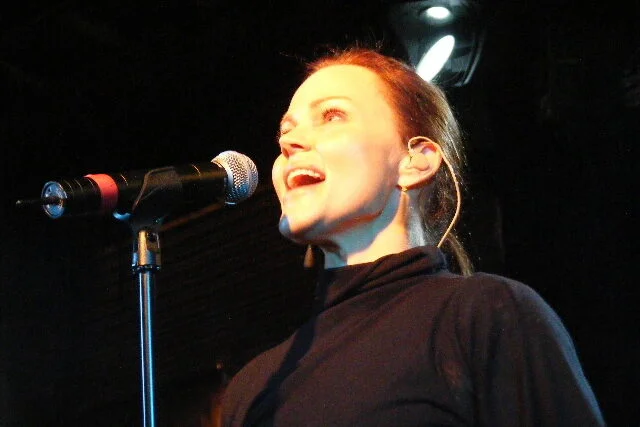
Belinda Carlisle’s transition from band frontwoman to solo star was swift and successful. Her music captured both strength and vulnerability, wrapped in glossy pop production. For a few years, she was one of the most recognizable voices on the radio. Her songs felt hopeful and expansive. She defined a certain emotional tone of the late ’80s.
That peak did not last long, but her influence lingered. As trends changed, her chart presence faded. She continued making music without the same mainstream attention. Her biggest hits remain closely associated with a specific moment. They still carry the feeling of late night drives and open windows.
10. Emilio Estevez
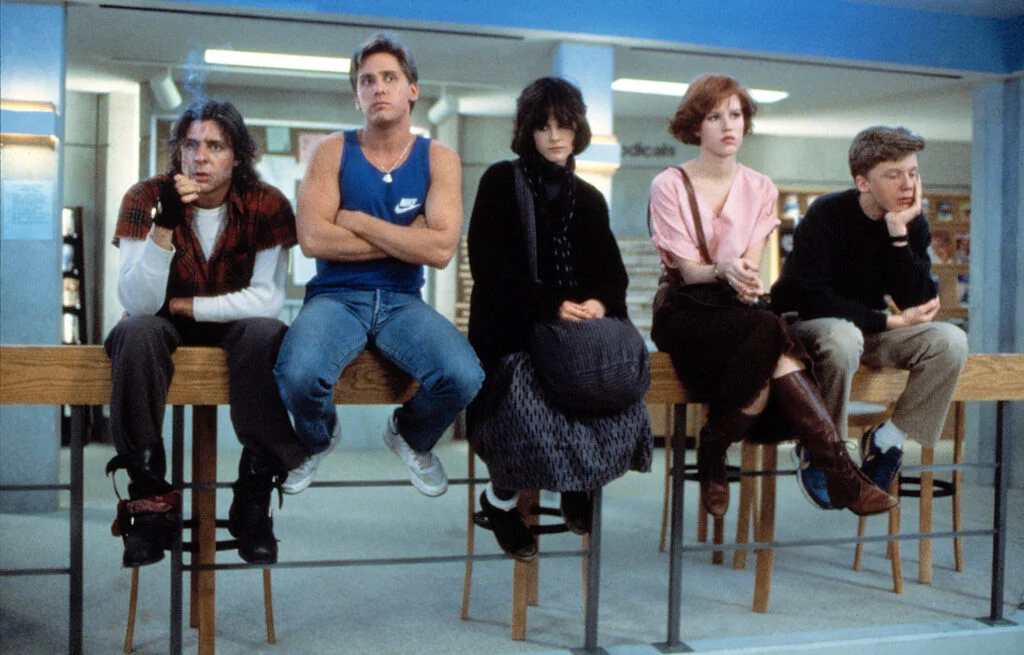
Emilio Estevez felt like the everyman version of an ’80s star. He played characters who were determined, flawed, and relatable. His performances made him easy to root for, especially in ensemble casts. For a few years, he was everywhere. He represented ambition without arrogance.
Rather than chasing nonstop fame, Estevez shifted toward writing and directing. He stepped back from acting at the height of recognition. That choice reshaped his public image. His most iconic roles remain tightly tied to the decade. They still feel honest and grounded.
11. Tiffany
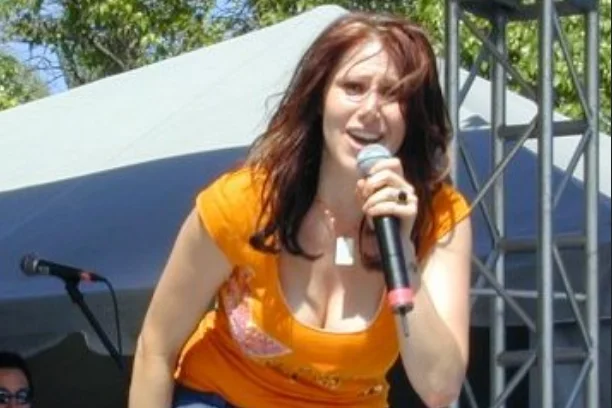
Tiffany’s rise was sudden and intense, fueled by catchy songs and a teen friendly image. She became a symbol of youthful pop stardom almost overnight. Her music dominated charts and shopping malls alike. For a brief moment, she felt unstoppable. Everything about her success moved fast.
That pace proved difficult to sustain as tastes changed. The pop landscape moved on quickly, leaving little room for adjustment. Tiffany continued performing and recording, but the spotlight shifted elsewhere. Her early success remains a snapshot of the era. It captures how quickly pop stars could peak.
12. Judge Reinhold
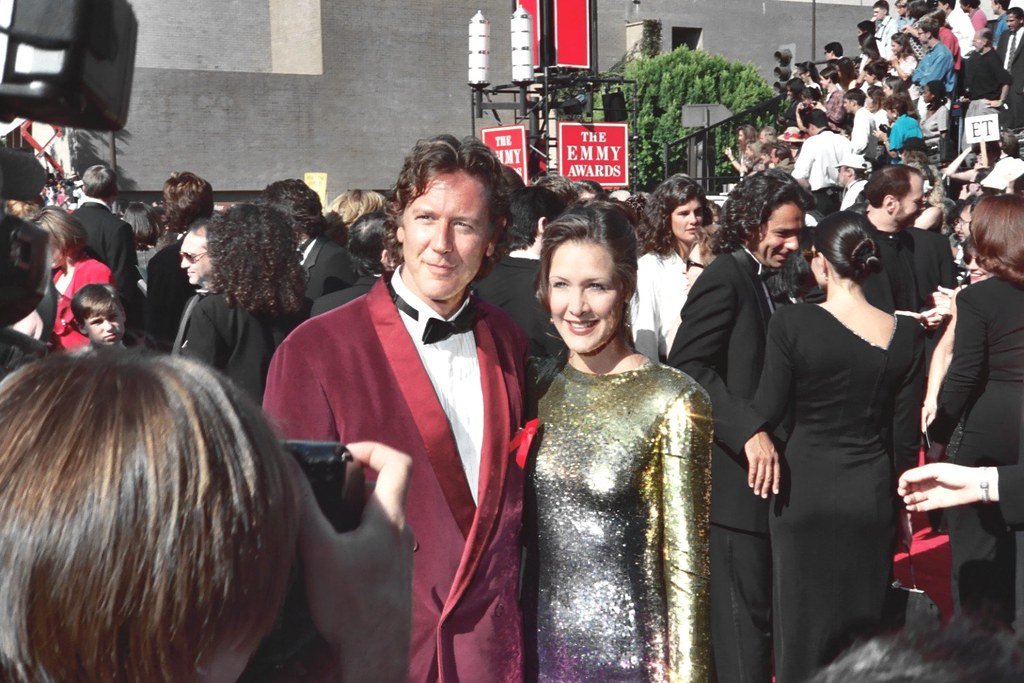
Judge Reinhold had a knack for playing lovable, slightly awkward characters. He often felt like the audience stand in, reacting to chaos around him. For a few years, he appeared in some of the decade’s most memorable films. His presence added warmth and humor without overpowering scenes. He felt familiar in the best way.
As leading roles diminished, Reinhold transitioned into supporting work. He remained active but less visible. His most famous performances still define his legacy. They reflect the ensemble driven spirit of the ’80s. That brief peak left a lasting impression.
13. Debby Boone
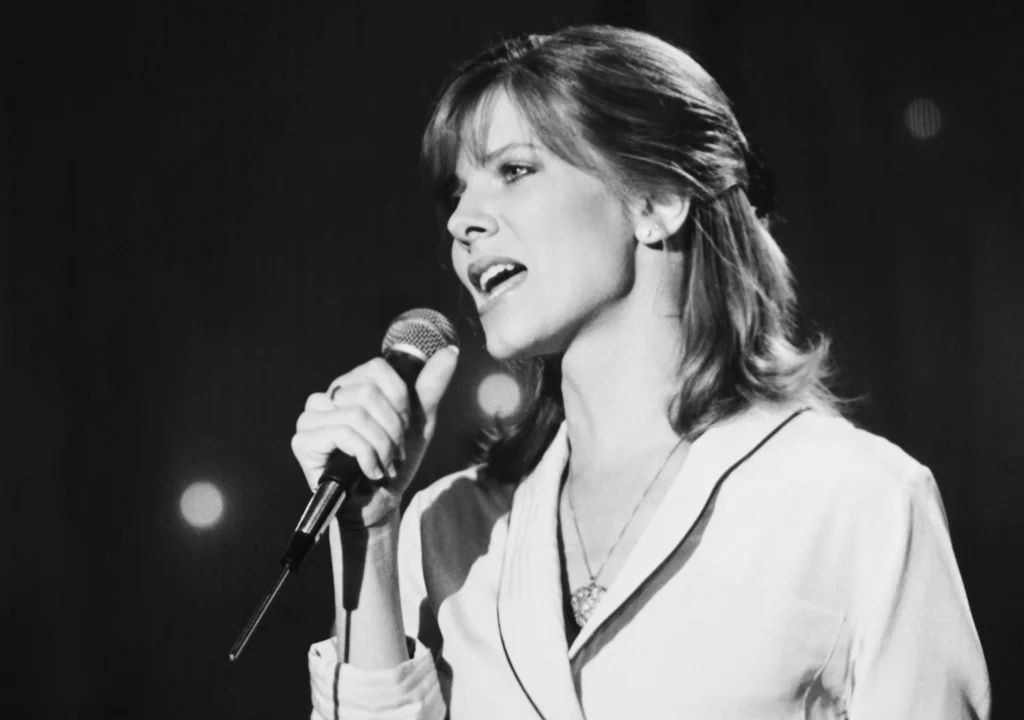
Debby Boone carried over fame from the late ’70s into the early ’80s with remarkable momentum. Her wholesome image and clear voice made her instantly recognizable. For a short time, she was a dominant presence in popular music. Her songs felt sincere and comforting. Audiences connected with that sense of calm.
As musical styles shifted, Boone stepped away from mainstream pop. She focused on family and faith based projects instead. That decision narrowed her public profile significantly. Her peak remains tightly defined. It represents a gentler side of early ’80s culture.