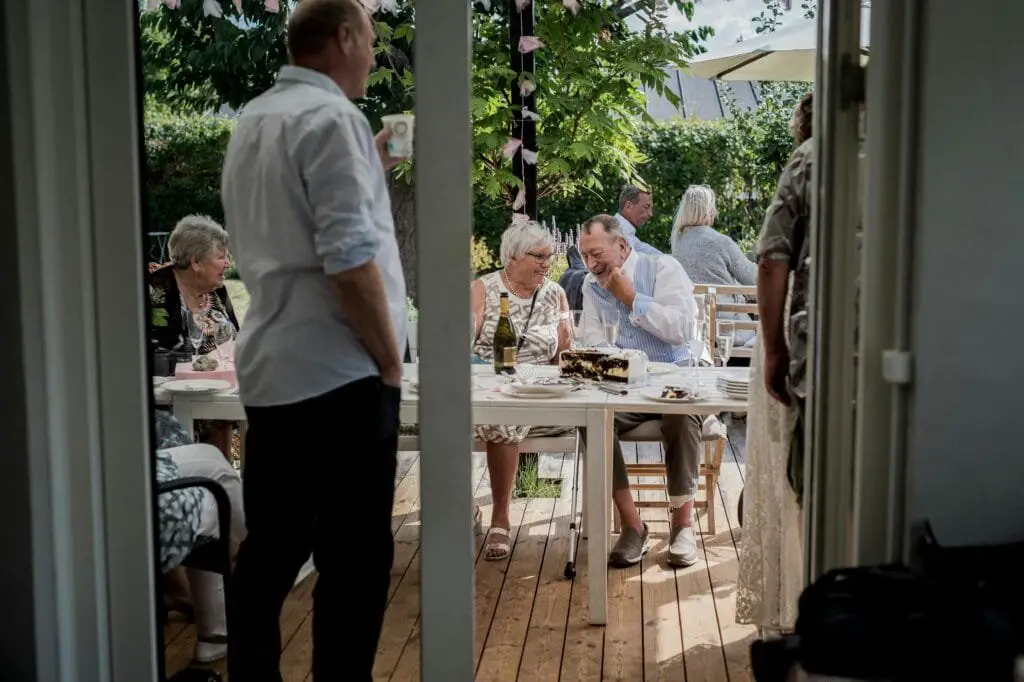
1. Big Hair as a Daily Commitment

Hair in the ’80s was not a finishing touch, it was the entire plan. People built routines around teasing, spraying, and freezing styles in place before leaving the house. Aqua Net was practically household infrastructure, and gravity was treated as a challenge. The higher the hair, the better the day was assumed to be going. Looking back, it feels exhausting just thinking about the maintenance.
What feels especially unreal now is how normalized it all was. Wind, rain, and humidity were accepted risks, not deterrents. Salons specialized in volume rather than health, and hair damage was considered temporary or irrelevant. The goal was visibility, not subtlety. Today’s emphasis on effortlessness makes that level of commitment feel almost surreal.
2. Shoulder Pads Everywhere
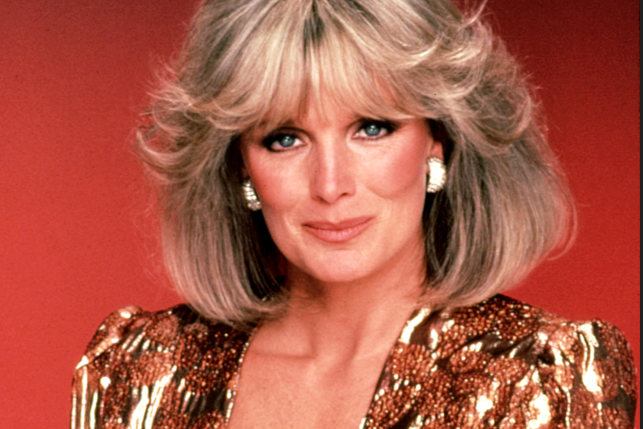
Shoulder pads were not limited to suits or formal wear. They showed up in sweaters, blouses, dresses, and even casual jackets. The idea was to project power, confidence, and presence, regardless of where you were going. Everyday errands suddenly required a silhouette that suggested corporate authority.
From a modern perspective, the exaggeration feels theatrical. Bodies were reshaped into sharp angles that had little to do with comfort or function. Many people wore them without questioning why broader shoulders were necessary for grocery shopping. The trend now feels like a costume everyone agreed to wear at once. It is hard to imagine it returning in such an uncompromising form.
3. Malls as Social Headquarters

The mall was not just a place to shop, it was where life happened. Teenagers met there for hours without buying anything substantial. Parents dropped kids off and trusted the mall to function as supervision. Food courts, arcades, and record stores formed a complete ecosystem.
What feels unreal now is the sheer cultural importance malls held. Entire weekends revolved around wandering fluorescent hallways. Social hierarchies were built around where you hung out and who you ran into. Today, many malls feel hollow or obsolete. The idea of a single physical place anchoring youth culture feels almost impossible.
4. Smoking in Restaurants
Smoking sections in restaurants were once treated as a reasonable compromise. A few feet and a partial divider were considered enough to separate air quality. Families ate meals while surrounded by visible haze. The smell was simply part of the experience.
Now, the concept feels genuinely shocking. The health implications are well documented, and public tolerance has evaporated. What once felt normal now seems reckless. It is difficult to imagine children growing up thinking that was acceptable. The shift in attitude happened fast, which makes the earlier acceptance feel even stranger.
5. Leg Warmers as Streetwear
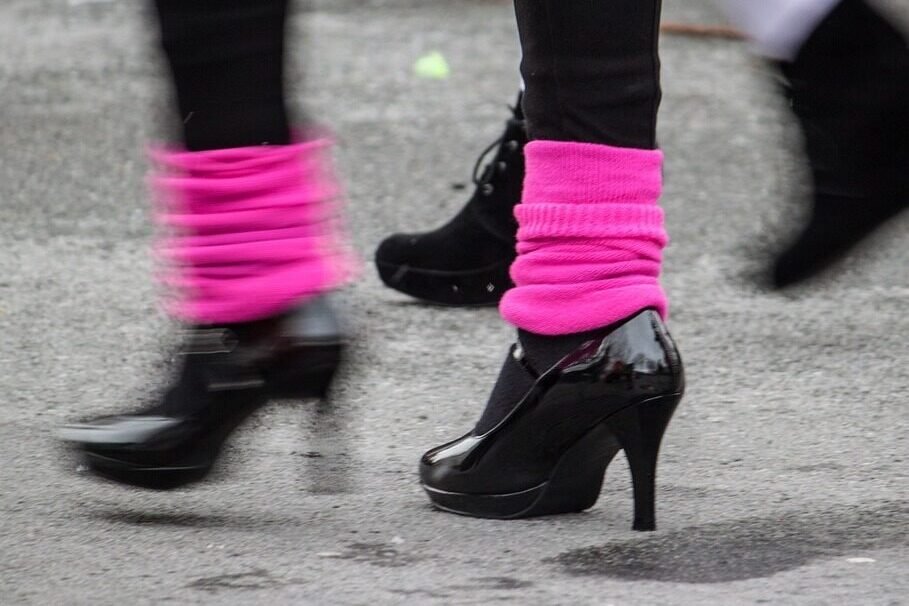
Leg warmers escaped the dance studio and took over everyday fashion. They appeared over jeans, with skirts, and paired with sneakers. Practicality was secondary to the look. Warmth was optional, style was mandatory.
Seen today, the trend feels oddly specific and contextless. The association with fitness and dance made it aspirational in a way that no longer translates. People committed to the look without irony. Now, leg warmers read as costume or niche revival rather than mainstream fashion. Their brief dominance feels inexplicable in hindsight.
6. Neon Everything
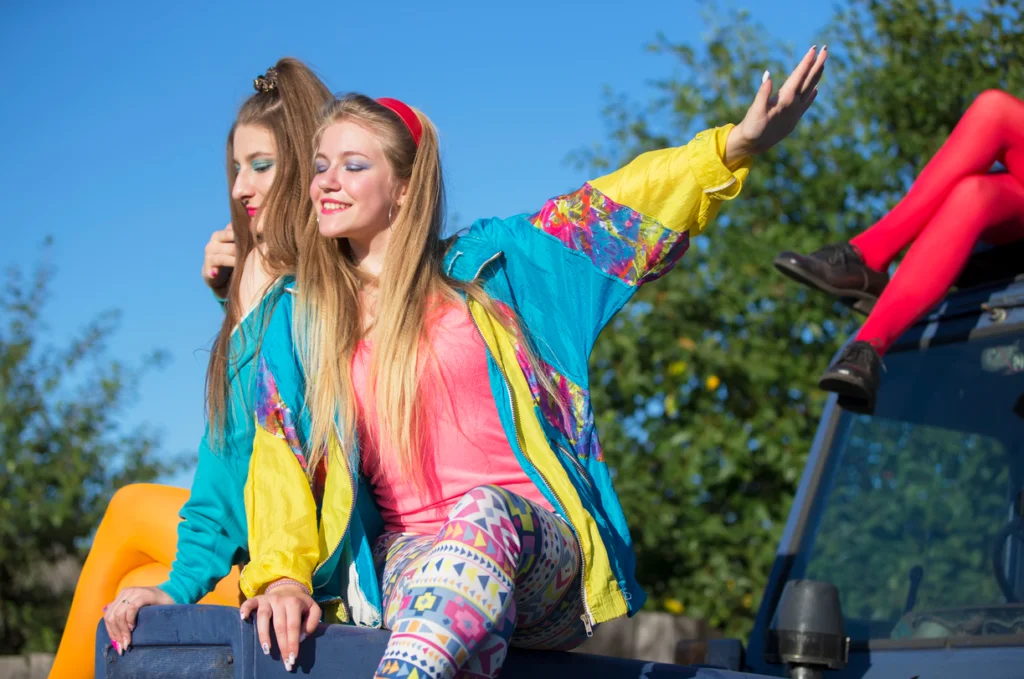
Neon colors were unavoidable in the ’80s. Clothing, accessories, signs, and decor all competed for attention. Bright pinks, greens, and yellows were worn simultaneously without hesitation. The louder the palette, the better.
What feels unreal now is the lack of restraint. These colors were not accents, they were the entire outfit. Eyesores were embraced rather than avoided. Modern minimalism makes that visual chaos feel overwhelming. The trend captures the decade’s fearless confidence more than almost anything else.
7. Walkmans as Personal Identity
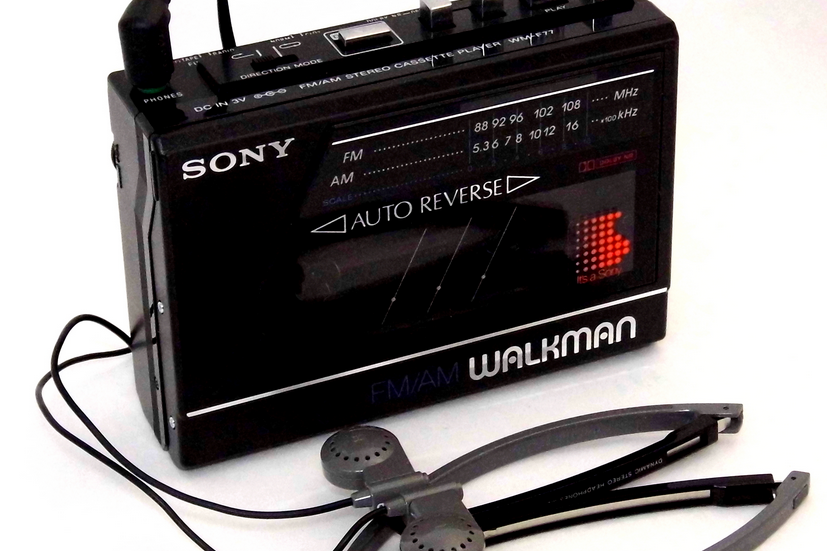
Carrying a Walkman was a statement, not just a convenience. People curated mixtapes with intention and emotional investment. Headphones signaled availability or withdrawal from the world. Music became portable in a way that felt revolutionary.
Today, constant access to streaming makes that ritual feel quaint. The effort involved gave music weight and importance. Batteries dying mid song was an accepted risk. The physicality of it all now feels charmingly impractical. It is hard to explain how transformative it once felt.
8. Aerobics as a Cultural Movement
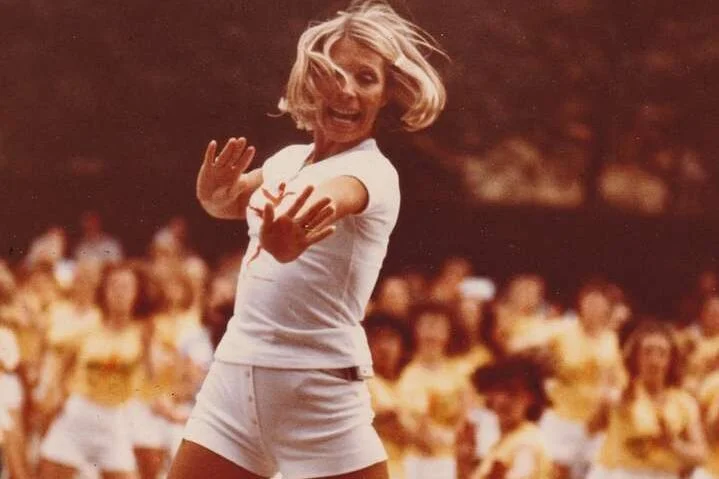
Aerobics was not just exercise, it was entertainment. Televised workouts, colorful outfits, and upbeat music defined the trend. People worked out together in living rooms through their TVs. Fitness became performative and social.
From today’s perspective, the spectacle is striking. Function often took a back seat to enthusiasm and style. Spandex, headbands, and choreography dominated the scene. Modern fitness culture feels more individualized and data driven. The collective joy of it feels very tied to its time.
9. Home Phones as a Family Resource

The household phone belonged to everyone, and privacy was negotiable. Conversations were overheard, interrupted, and timed. Long cords allowed limited mobility within shared spaces. The phone ringing was a communal event.
Now, that lack of personal control feels almost unimaginable. Communication today is constant and individualized. Back then, patience and coordination were required. Missed calls were normal and accepted. The entire system feels foreign compared to modern expectations.
10. Denim on Denim Without Irony
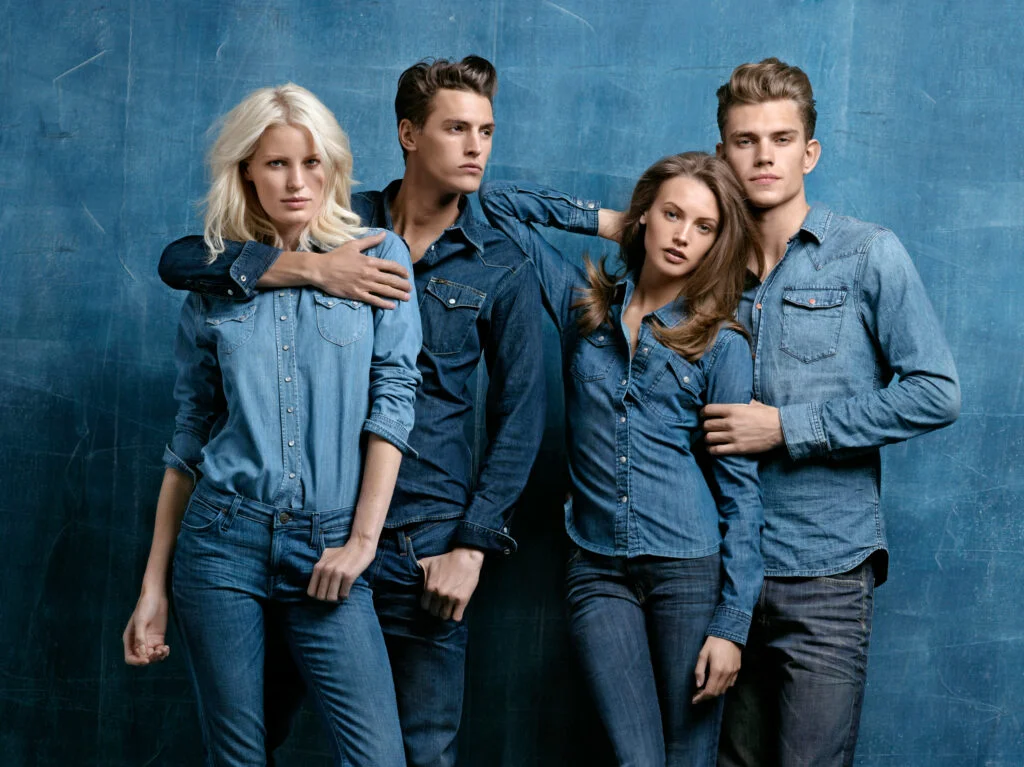
Wearing denim head to toe was done with complete sincerity. Jackets, jeans, and sometimes shirts matched unapologetically. The look was rugged, confident, and mainstream. There was no sense of it being a joke.
Today, double denim is usually worn with self awareness. In the ’80s, it was just clothes. The commitment to the look feels bold by modern standards. Trends now often rely on contrast or restraint. That full denim confidence feels very specific to the era.
11. Music Videos Defining Fashion
Music videos shaped style choices almost overnight. Outfits worn on screen were copied immediately. Television exposure had enormous influence on what people wore. Trends spread visually and quickly.
What feels unreal now is the centralized power of those visuals. A few channels dictated taste for millions. There was no algorithm, just repetition. Fashion inspiration came from shared sources. That level of collective influence is rare today.
12. Parental Absence as Normal Freedom
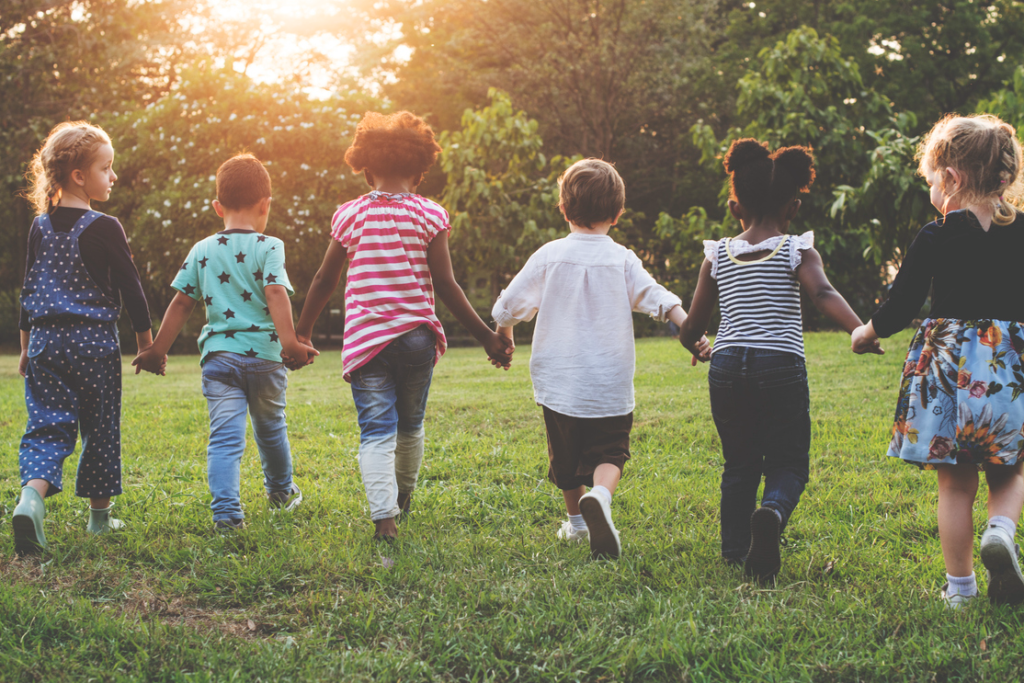
Kids roamed neighborhoods with minimal supervision. Being out all day was expected, not alarming. Parents trusted communities more than schedules. Independence came early and without much discussion.
Seen now, that freedom feels almost unbelievable. Safety concerns and structured activities dominate childhood today. Back then, checking in was optional. The trust placed in kids feels radical by modern standards. It was a defining part of growing up in that era.
13. Glossy Everything in Interior Design

Homes embraced shine and excess. Glass tables, mirrored surfaces, and bold colors filled living spaces. Subtlety was rarely the goal. Decor was meant to impress, not blend in.
Now, the aesthetic feels heavy and overstimulating. Modern design favors calm and neutrality. The ’80s approach celebrated visibility and status. It reflected optimism and confidence. That maximalism now reads as overwhelming.
14. Fashion Based on Power Dressing
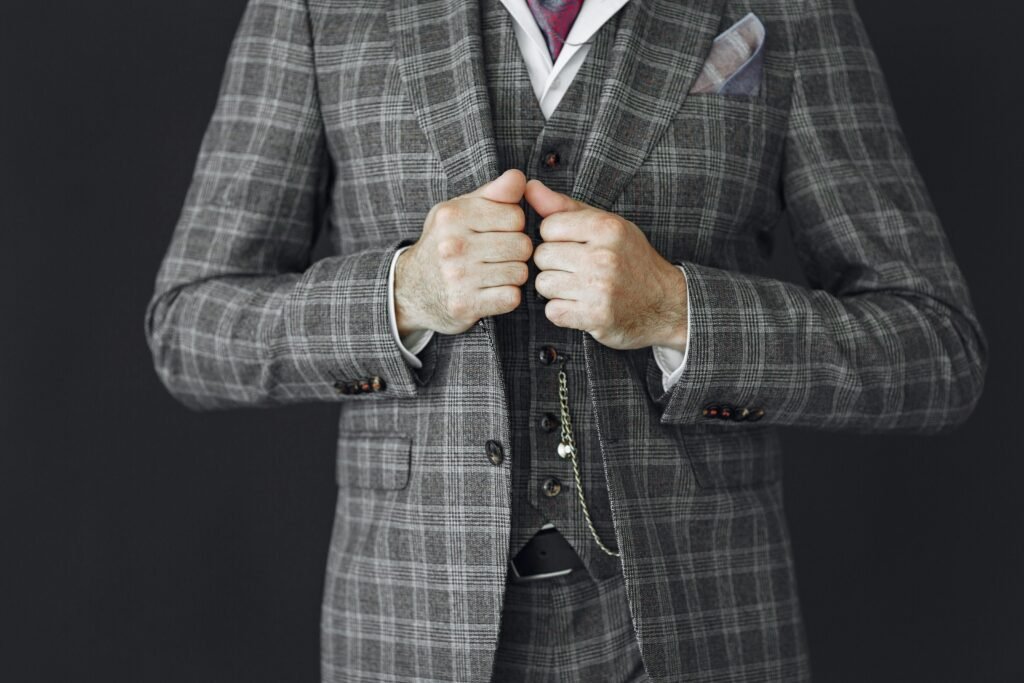
Clothing was designed to communicate authority. Structured suits and bold shapes dominated workplaces. Appearance was tied directly to credibility. Dressing strong was considered strategic.
Today, flexibility and comfort play a larger role. The rigid uniform of power feels outdated. Authority is communicated differently now. The emphasis on visual dominance feels very era specific. It reflects a time obsessed with status signals.
15. Advertising That Spoke Without Filters

Commercials in the ’80s were loud, direct, and unapologetic. Slogans repeated relentlessly. Subtle persuasion was rarely attempted. The message was clear and constant.
Now, that approach feels almost aggressive. Modern advertising leans on irony and storytelling. Back then, volume equaled effectiveness. The confidence in repetition feels wild by today’s standards. It is a reminder of how much media literacy has changed.