
1. The Beatles, “Hey Jude”
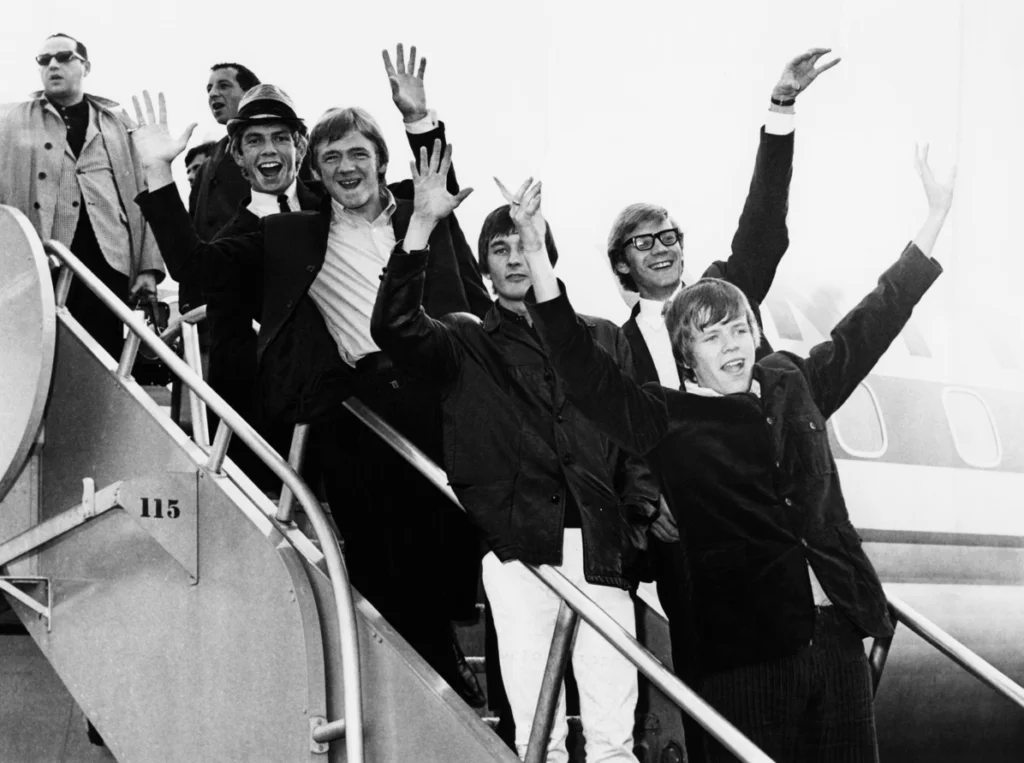
There was no escaping this song once it hit radio in 1968. The opening piano notes alone were enough to make listeners recognize it instantly. Despite its unusually long runtime, stations played it constantly. DJs rarely faded it out, letting the full track run its course. It felt less like a single and more like a communal event. Even people who claimed to be tired of it could not help but hum along.
By the time the extended “na na na” section kicked in, the song had completely taken over. It followed people from the car into the house and sometimes back out again. Switching stations rarely helped because it seemed to be everywhere at once. Its repetition cemented it as part of daily life. The song stopped feeling new very quickly. Instead, it became unavoidable background music for the era.
2. The Rolling Stones, “(I Can’t Get No) Satisfaction”
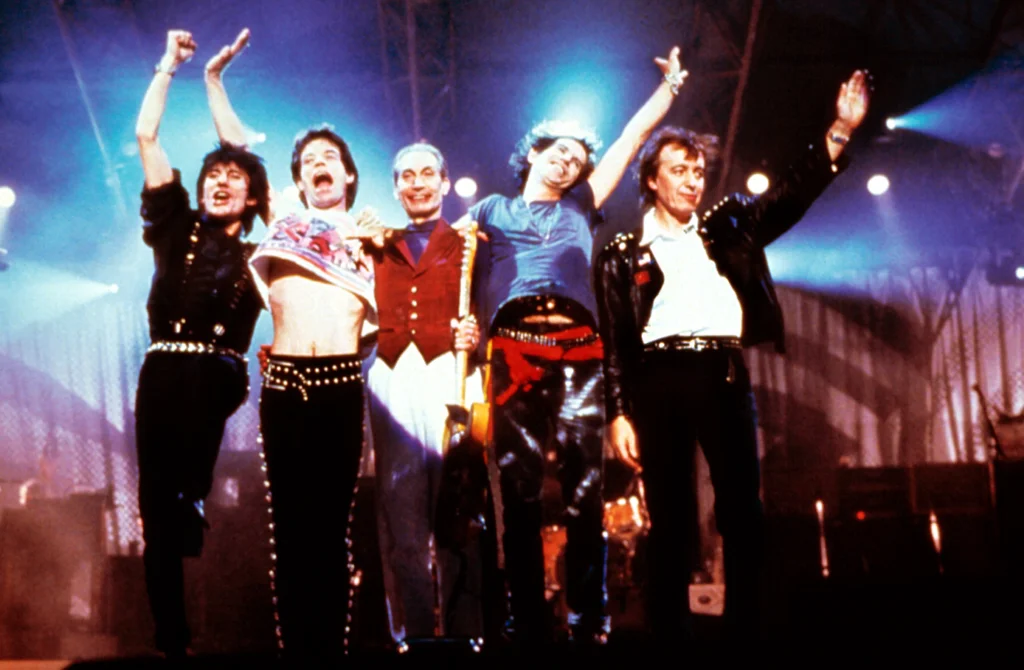
From its opening guitar riff, this song announced itself loud and clear. Radio stations leaned into its rebellious energy and played it relentlessly. The riff was catchy in a way that bordered on aggressive. Even casual listeners knew exactly what was coming within seconds. It captured youthful frustration in a way that felt fresh at the time. That freshness kept stations spinning it over and over.
Eventually, the song became so familiar that it lost its edge for some listeners. Still, it never fully disappeared from rotation. It played during commutes, backyard barbecues, and late-night radio shows alike. The lyrics were repeated so often they became almost conversational. It was the kind of song you heard even when you were not trying to listen. Radio made sure of that.
3. The Supremes, “You Can’t Hurry Love”
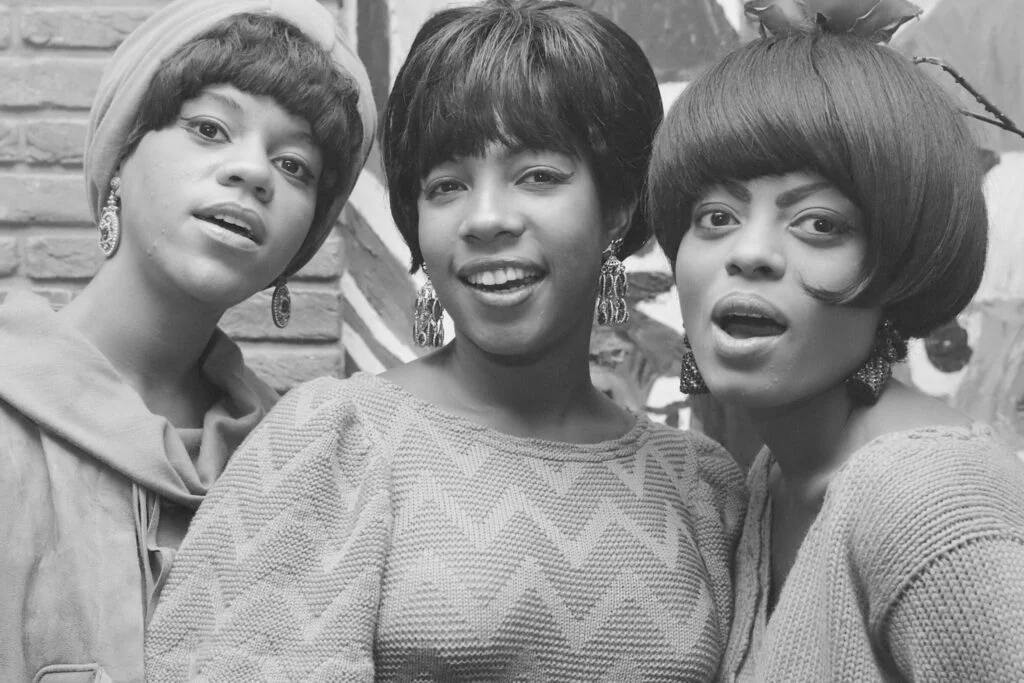
This song had a bright, upbeat sound that radio programmers loved. It fit perfectly into pop playlists of the mid-1960s. The catchy chorus made it easy to sing along after just a few listens. Stations played it constantly because it appealed to nearly everyone. It crossed generational lines in a way few songs could. That broad appeal kept it in heavy rotation.
Over time, the song became synonymous with Motown’s polished sound. You could hear it during morning shows and late-night countdowns alike. It was the kind of song that felt familiar almost immediately. Even brief snippets were enough to recognize it. Radio repetition turned it into a staple rather than a novelty. It stayed there for years.
4. Aretha Franklin, “Respect”
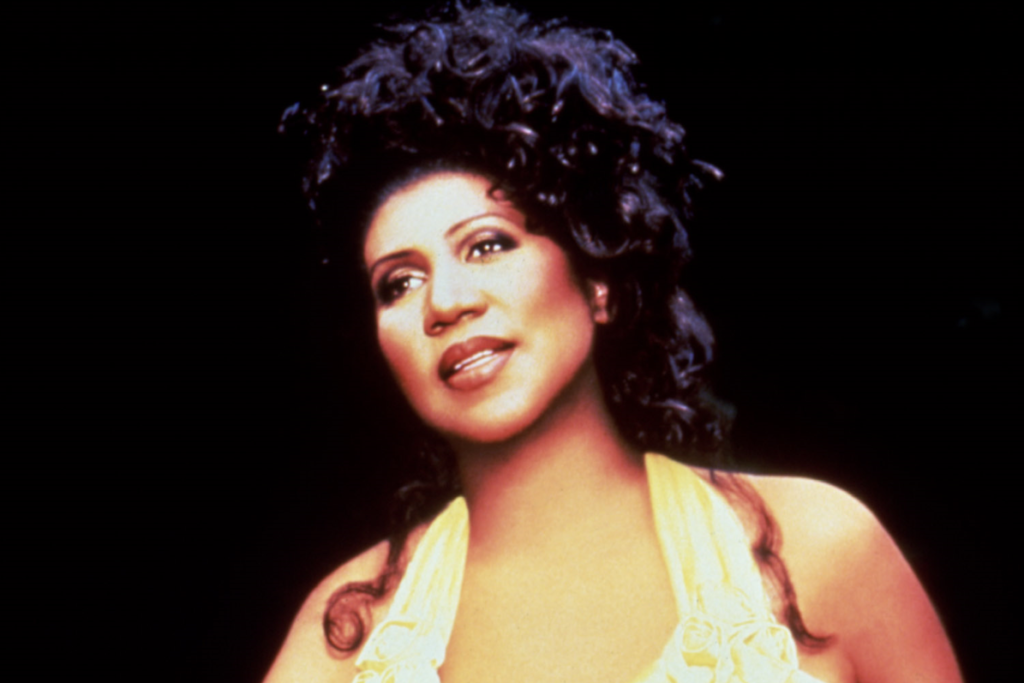
Once this song hit the airwaves, it became impossible to avoid. The spelling-out of the title alone made it unforgettable. Radio stations embraced its power and urgency. It was played back to back with other major hits of the era. Listeners quickly memorized every line. The song demanded attention every time it came on.
Because of its message, it felt important as well as catchy. That sense of importance kept it on the radio constantly. You could hear it during the day and well into the night. It became a soundtrack for changing times. Repetition only amplified its impact. Radio ensured it stayed front and center.
5. The Beach Boys, “Good Vibrations”
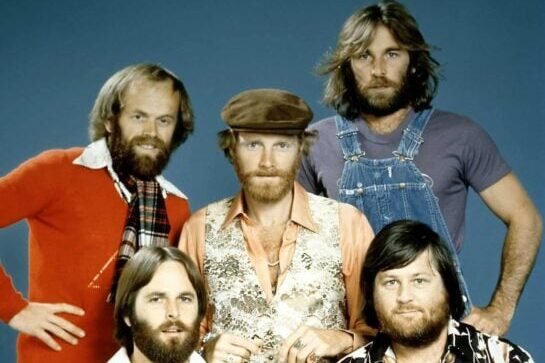
This song sounded different from almost everything else on the radio at the time. Its shifting sections and unusual production caught listeners off guard. That novelty made stations play it repeatedly. Each listen revealed something new, which encouraged even more airplay. It felt experimental but still accessible. Radio loved that combination.
Soon, the song became a defining sound of the late ’60s. You could not drive anywhere without hearing at least part of it. DJs treated it like a guaranteed crowd-pleaser. Its repetition made it feel larger than life. Over time, it stopped feeling experimental and started feeling essential. Radio played a big role in that shift.
6. Marvin Gaye, “I Heard It Through the Grapevine”

This song crept into radio playlists and refused to leave. Its moody groove stood out among brighter pop hits. Stations played it frequently because listeners responded instantly. The tension in the music kept people listening. It felt dramatic even on casual listens. That drama made it perfect for repeated airplay.
Before long, the song was everywhere. It played during slow afternoons and late-night shows. The lyrics became instantly recognizable. Radio repetition gave it a sense of inevitability. Even people who did not seek it out knew it well. It became part of the era’s soundscape.
7. Simon & Garfunkel, “Mrs. Robinson”
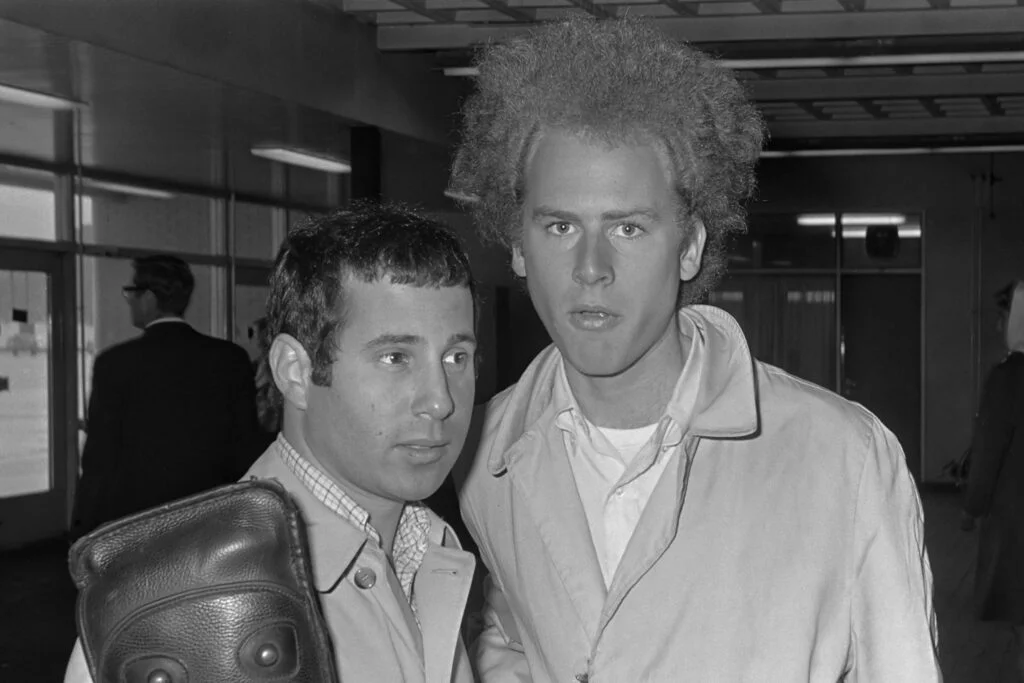
This song benefited heavily from radio exposure tied to popular culture. Its chorus stuck in listeners’ heads almost immediately. Stations played it constantly once it caught on. The laid-back sound made it easy to replay. It fit neatly between harder rock and softer folk tracks. That flexibility kept it spinning.
Soon, it became impossible to hear the title without hearing the melody. Radio made sure it stayed familiar. It played during both peak hours and quieter times. The song began to feel comforting through repetition. Even those who claimed to be tired of it still listened. It had become unavoidable.
8. The Monkees, “I’m a Believer”
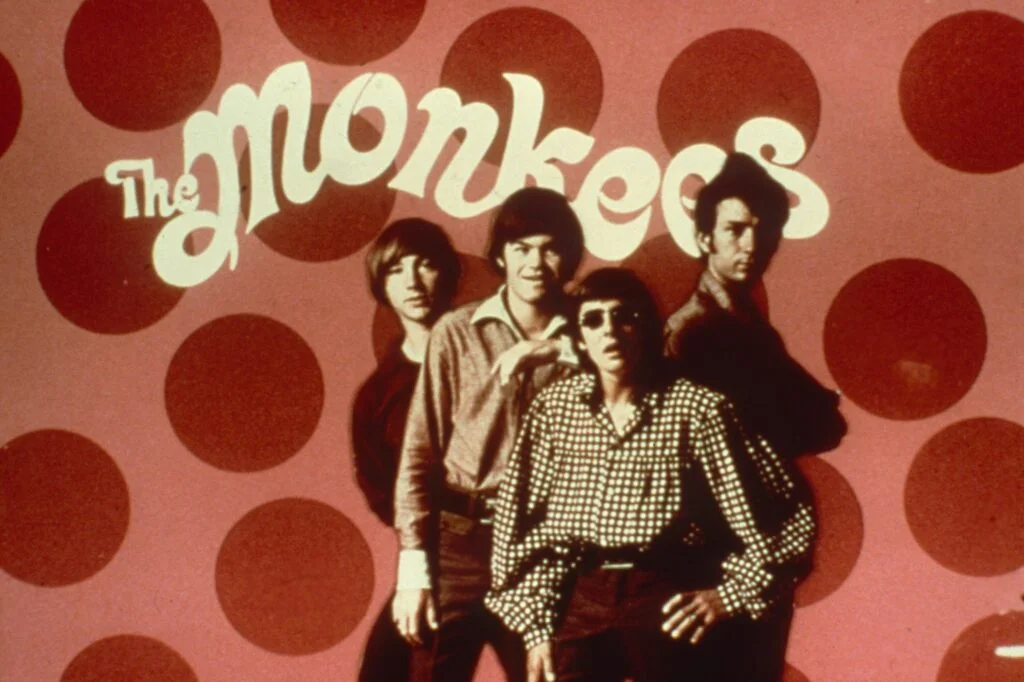
This song exploded on radio almost overnight. Its upbeat tone and catchy chorus made it an instant favorite. Stations played it relentlessly during its peak. You could hear it multiple times a day without trying. It appealed to younger listeners and older audiences alike. That wide appeal kept it in constant rotation.
Before long, the song felt inescapable. Switching stations often led right back to it. Its repetition turned it into a cultural fixture. The lyrics became second nature to listeners. Radio embraced it fully and unapologetically. There was no hiding from it.
9. The Temptations, “My Girl”
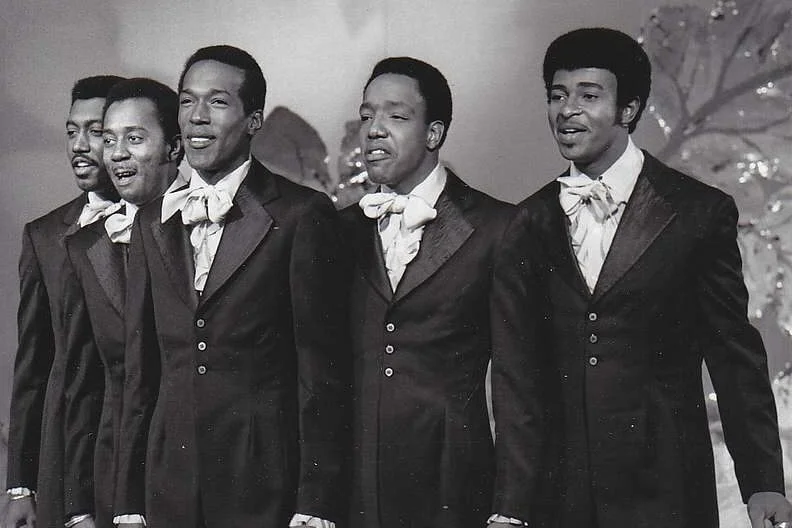
From the opening bass line, this song was radio gold. Stations played it constantly because it fit nearly any playlist. Its smooth sound made it endlessly replayable. Listeners rarely objected to hearing it again. That acceptance encouraged even more airplay. It became a staple almost immediately.
Over time, the song felt like a permanent resident of the radio. It played during morning commutes and evening wind-downs. The familiarity made it comforting. Radio repetition gave it staying power. Even decades later, it remains closely tied to the era. That began with constant airplay.
10. Elvis Presley, “Suspicious Minds”
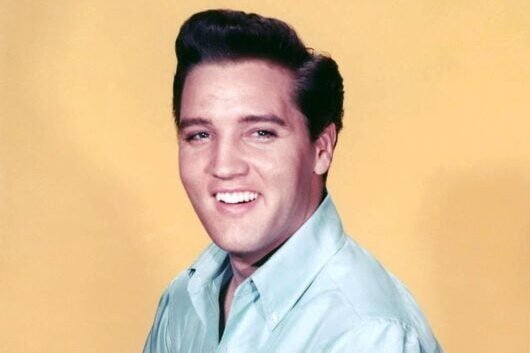
When this song hit radio near the end of the decade, it made a strong impression. Its dramatic buildup kept listeners engaged. Stations played it frequently to capitalize on that energy. The chorus was especially hard to forget. It stood out among other late ’60s hits. That distinction earned it heavy rotation.
Soon, the song became a familiar presence. You could hear it on multiple stations in a single drive. The repetition made its structure instantly recognizable. Even casual listeners knew when the chorus was coming. Radio made sure it stayed that way. It became one of the decade’s most replayed tracks.
11. Creedence Clearwater Revival, “Proud Mary”
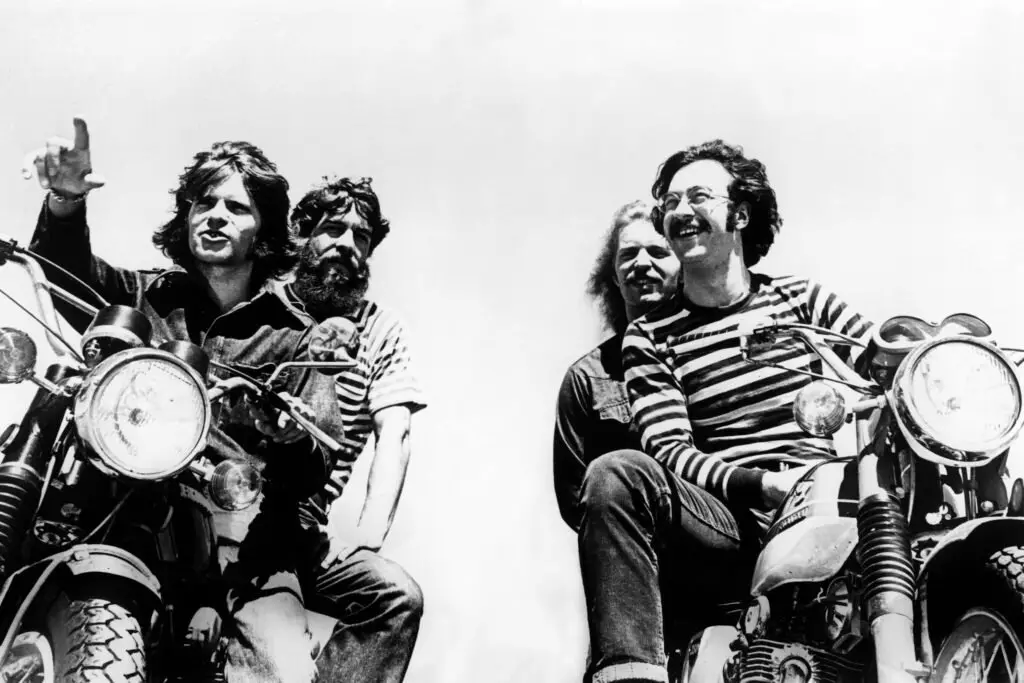
This song had a steady, rolling rhythm that radio loved. Its buildup made it satisfying to hear repeatedly. Stations played it constantly once it gained traction. It fit well alongside both rock and pop hits. That versatility boosted its airtime. Listeners rarely complained about hearing it again.
Eventually, the song felt like part of the radio’s foundation. It played during road trips and lazy afternoons alike. Its repetition made it feel timeless. Radio exposure helped solidify that reputation. It became a song people expected to hear. And they usually did.
12. The Doors, “Light My Fire”
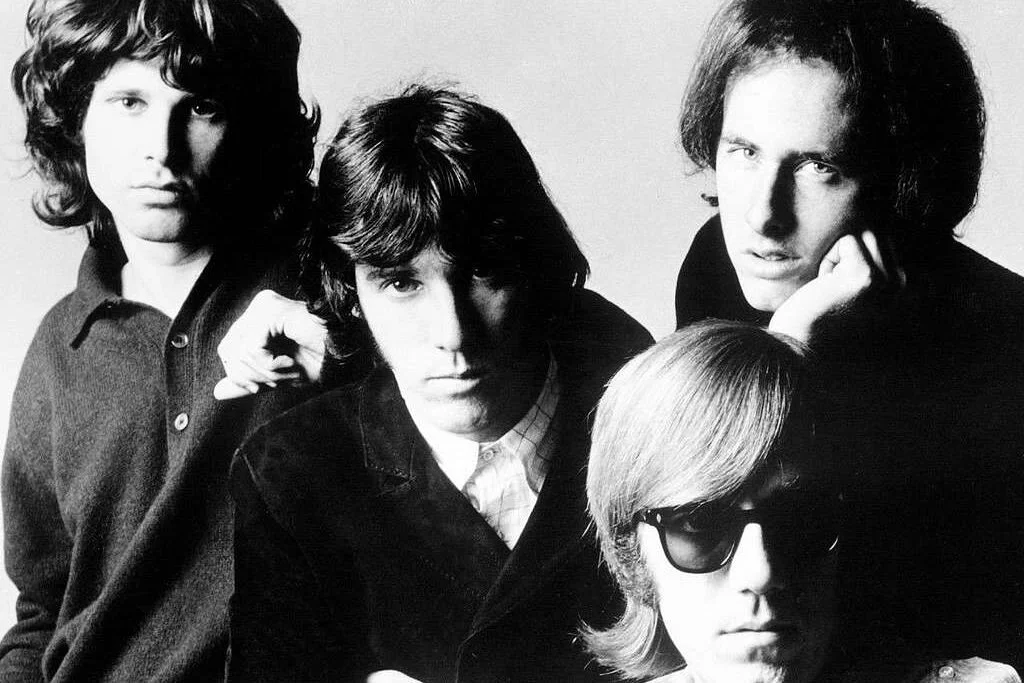
This song’s organ intro alone made it stand out on radio. Despite its length, stations played it heavily. Edited versions did nothing to reduce its presence. The song’s hypnotic quality encouraged repeat listens. It felt intense even after multiple plays. That intensity kept listeners engaged.
Before long, the song was everywhere. It played during peak hours and late-night programming. The repetition made it instantly recognizable. Radio embraced it as a defining track of the era. Even those who were not fans knew it well. Constant airplay ensured that.
13. The Four Tops, “Reach Out I’ll Be There”
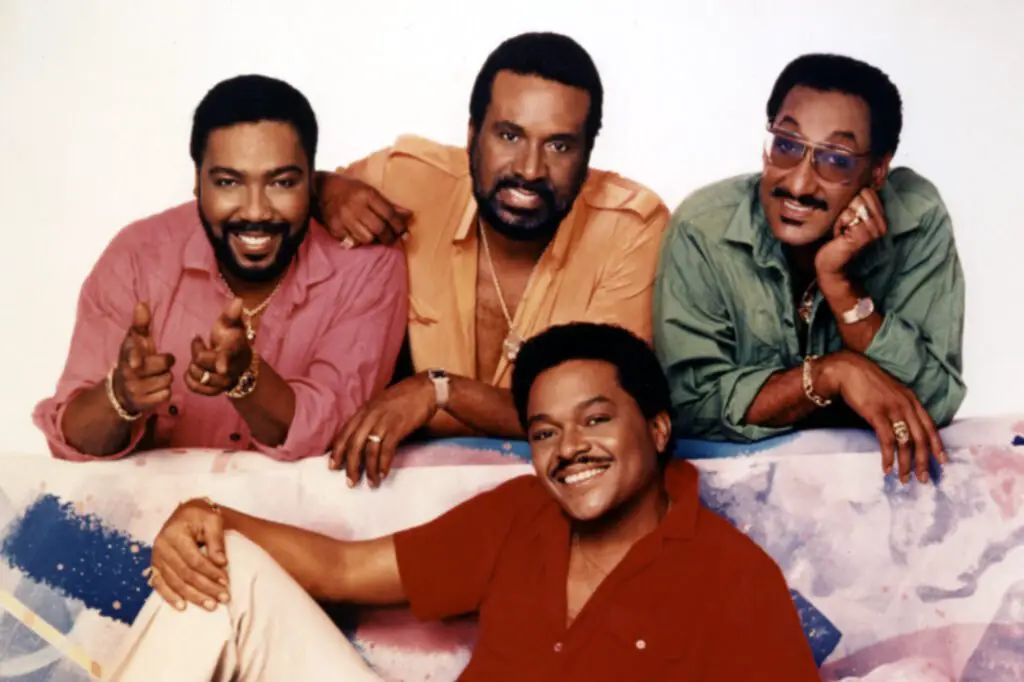
This song grabbed attention from its opening line. Radio stations quickly realized its appeal. It played frequently across pop and soul formats. The urgent delivery made it hard to ignore. Listeners responded strongly to its energy. That response fueled nonstop airplay.
Soon, it became one of those songs you heard daily. Its repetition made the chorus unforgettable. Radio treated it like a guaranteed hit. Even short listens were enough to recognize it. The song became deeply embedded in radio culture. It stayed there for years.
14. Sonny & Cher, “I Got You Babe”
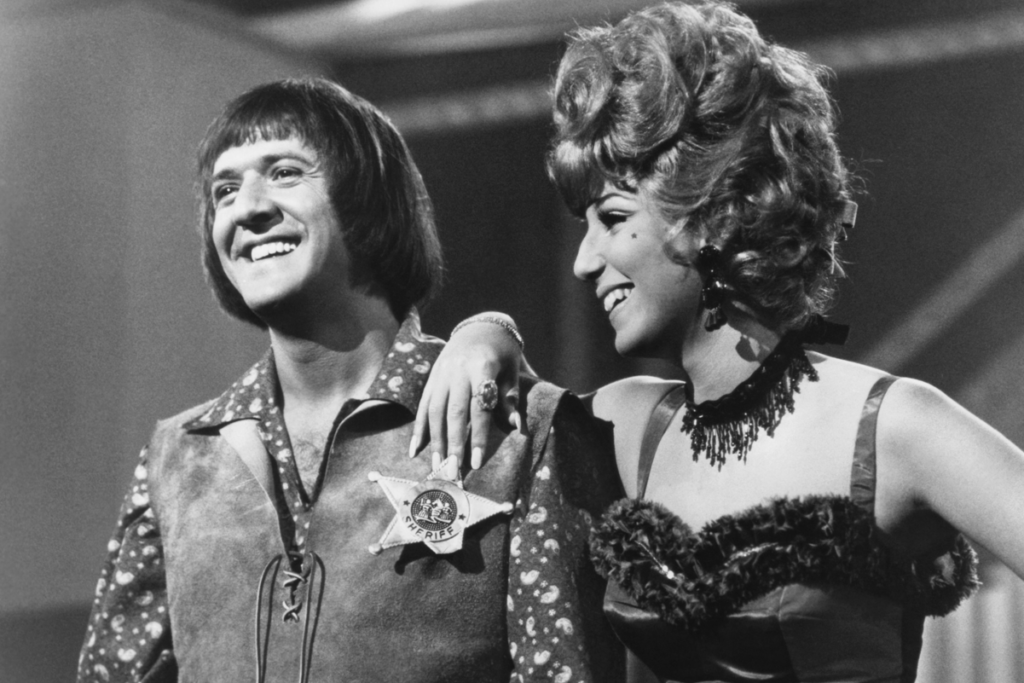
This song’s back-and-forth vocals made it instantly recognizable. Radio embraced its simplicity and charm. Stations played it constantly during its peak. It felt friendly and familiar right away. That familiarity made it easy to replay. Listeners often sang along without thinking.
Over time, the song became impossible to separate from the radio itself. You could hear it at any hour. Its repetition made it feel comforting rather than annoying. Radio kept it alive through constant spins. It became part of everyday soundtracks. There was no escaping it.