
1. Writing Letters for Everyday Communication

In the ’60s, letters were not reserved for special occasions or thank you notes. People wrote to friends and relatives constantly, even when they lived just a few towns away. Waiting days for a response was normal and rarely questioned. The act of writing itself was slow and intentional, with careful handwriting and thoughtful phrasing.
Younger generations often find it strange that entire relationships were maintained this way. There was no instant feedback or quick clarification. If something was misunderstood, it stayed that way until the next letter arrived. The pace forced patience and reflection in a way that feels foreign now.
2. Dressing Up for Air Travel

Flying in the ’60s was treated like a formal event rather than simple transportation. Men wore suits or sport coats, and women often chose dresses, heels, and gloves. Families dressed as if they were attending a social function. Even children were expected to look polished.
Today, the idea of dressing formally for a flight feels almost theatrical. Comfort was not the priority it is now. Air travel carried a sense of prestige that demanded effort. That mindset is hard to imagine in an era of sweatpants and carry-on backpacks.
3. Letting Kids Roam Freely All Day

Children in the ’60s were often sent outside after breakfast with minimal instructions. Parents expected them to return by dinnertime, sometimes only guided by the streetlights turning on. Where they went and what they did was loosely monitored. Independence was assumed rather than negotiated.
To younger generations, this level of freedom can sound reckless. There were fewer structured activities and less adult supervision. Kids learned boundaries by experience rather than constant oversight. It shaped a different sense of confidence and responsibility.
4. Smoking in Almost Every Public Space

Smoking was deeply woven into daily life during the ’60s. People smoked in offices, airplanes, restaurants, and even hospitals. Ashtrays were everywhere and considered standard furnishings. The habit was socially acceptable and rarely questioned.
Younger generations often struggle to picture how normalized this was. The health risks were not widely emphasized in everyday conversation. Smoke-filled rooms were simply part of the environment. That cultural shift is one of the starkest contrasts between then and now.
5. Planning Evenings Around TV Schedules

Television programming dictated the rhythm of many households. Families planned dinners and homework around specific shows. Missing an episode meant missing it entirely, with no easy way to catch up. The TV guide was essential reading.
This feels especially strange to those raised on streaming. There was no pausing or rewinding. Viewing was communal and scheduled rather than personal and on demand. Television shaped shared routines in a very direct way.
6. Using Cash for Nearly Everything

In the ’60s, most purchases were made with cash. Credit cards existed but were not widely used by everyone. People physically handled money daily and balanced their spending by what was in their wallet. Financial transactions were tangible and immediate.
Younger generations raised on digital payments often find this hard to imagine. There were no apps to track spending in real time. Budgeting was more manual and sometimes more intuitive. Losing cash meant it was simply gone.
7. Calling Without Warning

Phone calls in the ’60s were made without texting or checking availability first. You dialed and hoped the person was home. If they were not, you tried again later. Interruptions were accepted as part of life.
To younger generations, this can feel intrusive. Today, calling without notice is often avoided. Back then, the phone ringing was normal and expected. It reflected a different sense of accessibility and boundaries.
8. Sharing a Single Family Phone
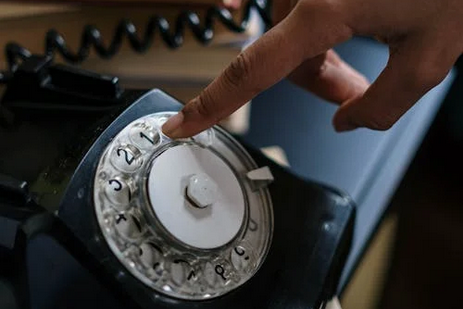
Many households had just one phone, often mounted on a wall. Conversations were not private by default. Family members could hear calls from nearby rooms or shared spaces. Long phone cords were sometimes stretched for a bit of privacy.
This setup feels unusual to people used to personal devices. Communication was communal rather than individual. Patience was required when someone else was using the line. It changed how conversations unfolded.
9. Sending Kids on Errands Alone

Children were often sent to stores or neighbors’ houses by themselves. Running errands was considered part of growing up. Shopkeepers knew local kids and looked out for them. Trust was built through familiarity.
Younger generations may find this surprising or unsettling. Today, such independence is less common. In the ’60s, it was a normal expectation. It reinforced responsibility at a young age.
10. Accepting Long Wait Times as Normal
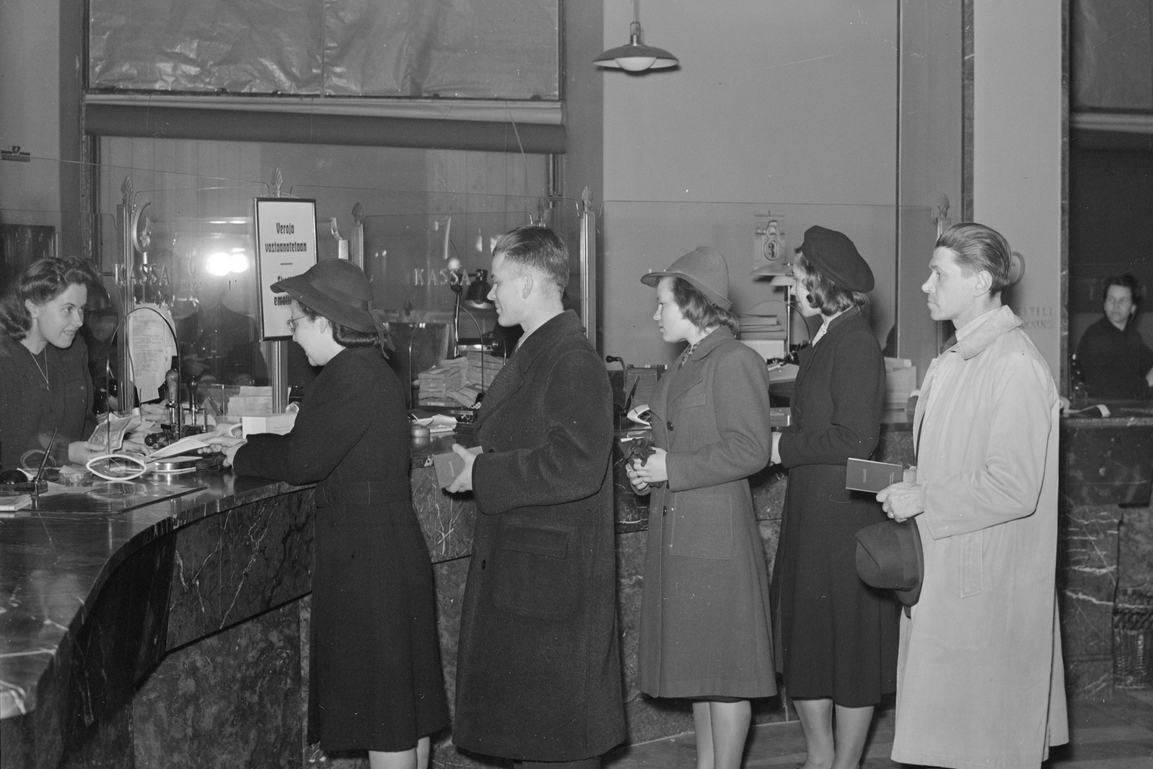
Waiting was built into everyday life in the ’60s. Whether it was for mail, repairs, or services, delays were expected. People adjusted their expectations accordingly. There was less pressure for immediate results.
In contrast, younger generations are used to speed and efficiency. Waiting now feels like a problem to be solved. Back then, it was simply part of the process. Patience was not praised, it was assumed.
11. Reading Newspapers Cover to Cover

Daily newspapers were a primary source of information and entertainment. Many people read them thoroughly, not just headlines. Ads, classifieds, and advice columns all mattered. The paper was a daily ritual.
Younger generations often find this habit puzzling. News is now fragmented and customized. Reading a full paper feels time-consuming and unnecessary. The shared experience of the morning paper has largely disappeared.
12. Memorizing Phone Numbers

In the ’60s, people memorized dozens of phone numbers. Address books existed, but memory was relied on heavily. Important numbers were simply known. Forgetting a number was a real inconvenience.
Today, this skill seems almost obsolete. Phones store contacts automatically. Younger generations rarely memorize numbers beyond their own. The mental effort once required is no longer necessary.
13. Shopping at Local Stores Almost Exclusively

Most shopping in the ’60s happened locally. Neighborhood stores and downtown shops were the norm. Relationships with shop owners were common. Shopping was often a social activity.
This contrasts sharply with modern online shopping. Younger generations are used to endless options and delivery. The idea of limited local choice feels restrictive. Yet it fostered stronger community ties.
14. Treating Privacy Very Differently

Privacy in the ’60s operated under different assumptions. Personal matters were often shared within families or neighborhoods. Gossip traveled quickly, but it was accepted as part of social life. Boundaries were less defined.
Younger generations tend to view privacy more individually. The older approach can feel invasive or uncomfortable. Yet it reflected closer-knit communities. Social norms shaped what was considered private or public.