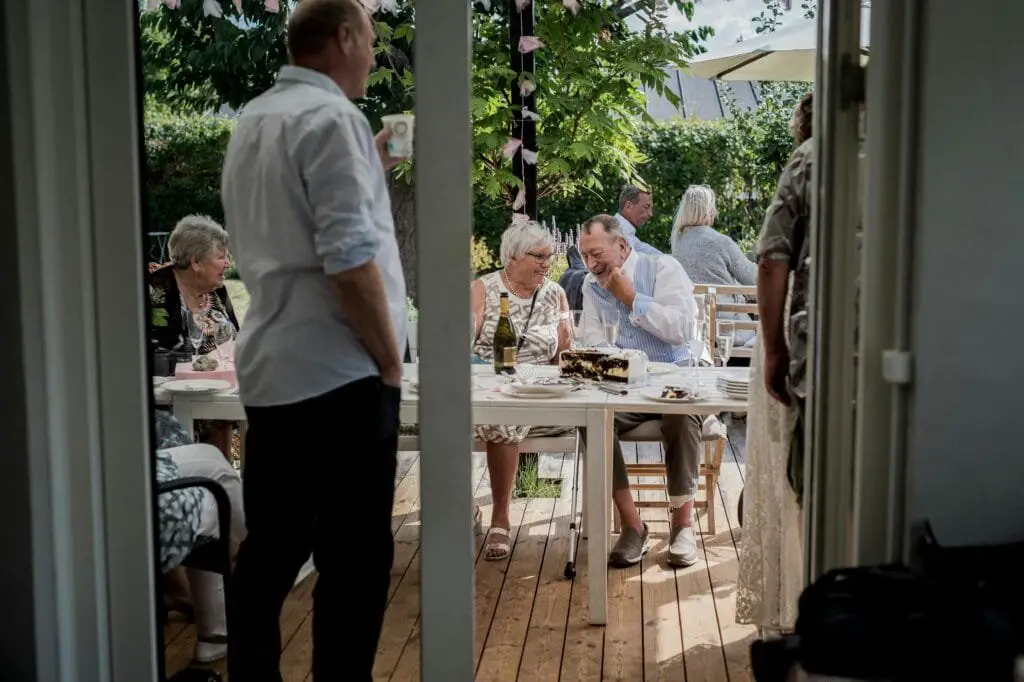
1. Psycho (1960)
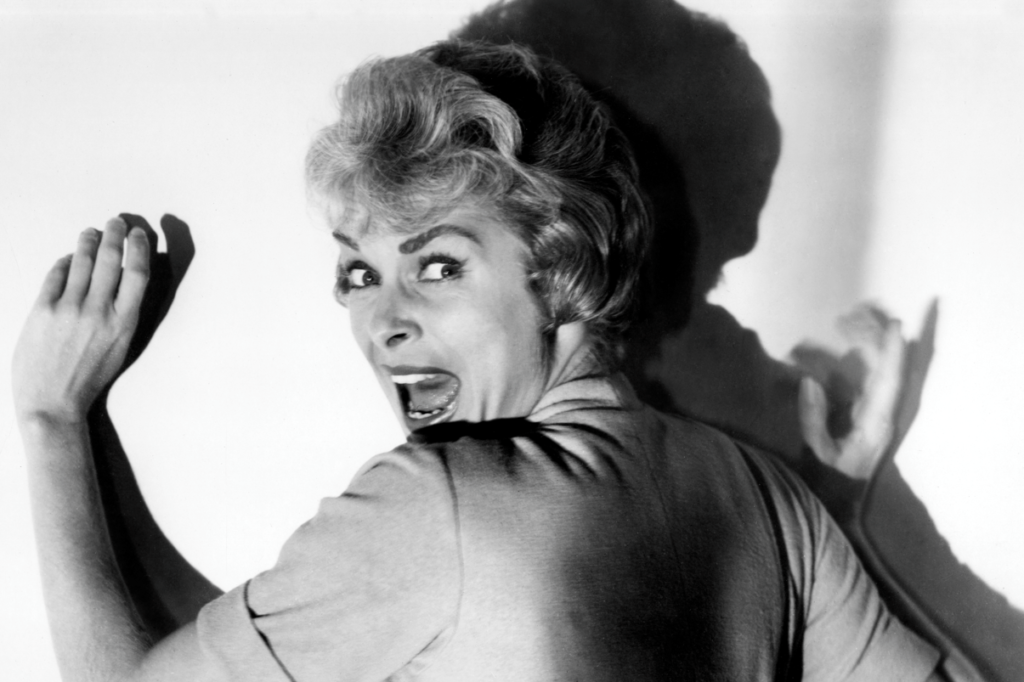
When Psycho arrived, audiences thought they were settling in for a standard suspense story, and then the movie pulled the rug out from under them. Killing off the apparent lead halfway through was shocking at the time and permanently changed how filmmakers thought about narrative safety. Alfred Hitchcock also turned everyday locations, like a shower and a roadside motel, into sources of deep dread. That idea, that horror could live in ordinary places, echoes through countless modern thrillers.
The film’s editing rhythms and shrieking score rewired how tension could be built without explicit violence. You do not actually see much on screen, but your brain fills in the gaps. Modern horror and psychological thrillers still rely on that same trick. Psycho quietly taught filmmakers that suggestion can be more powerful than spectacle.
2. Breathless (1960)
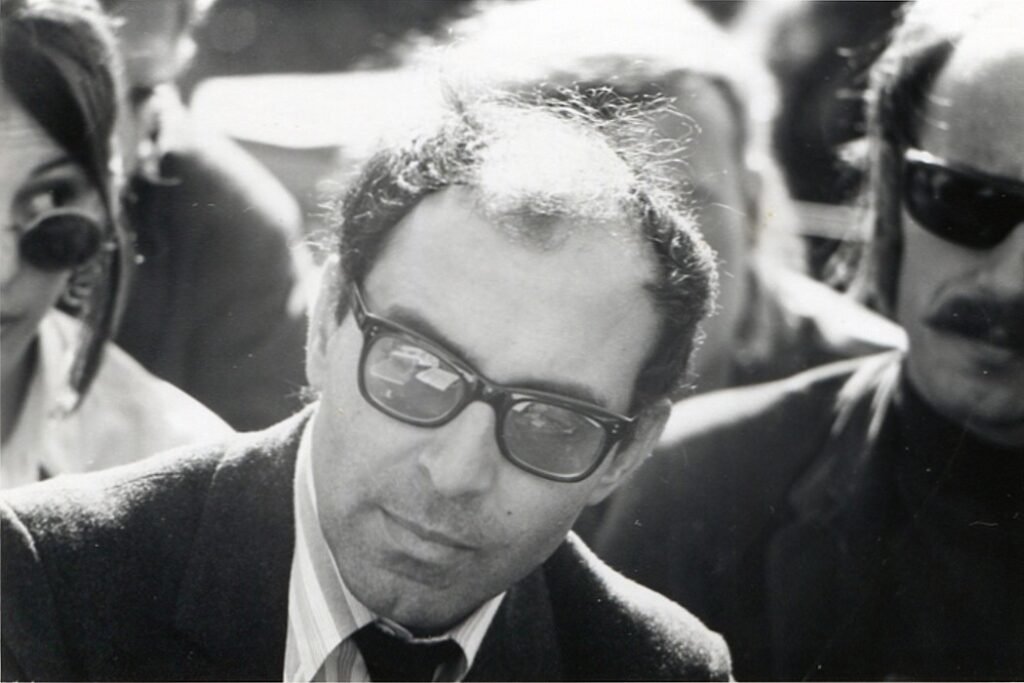
Breathless felt loose, messy, and alive in a way movies rarely did at the time. Jean-Luc Godard ignored traditional rules, jumping between shots and letting scenes wander. What once seemed sloppy ended up becoming a new cinematic language. Today, those jump cuts feel completely normal.
The film also treated its characters as aimless and contradictory, more like real people than polished heroes. Modern indie films owe a lot to that casual, unpolished realism. You can see Breathless in everything from low-budget dramas to big studio films trying to look edgy. It quietly made breaking the rules feel cool.
3. The Apartment (1960)
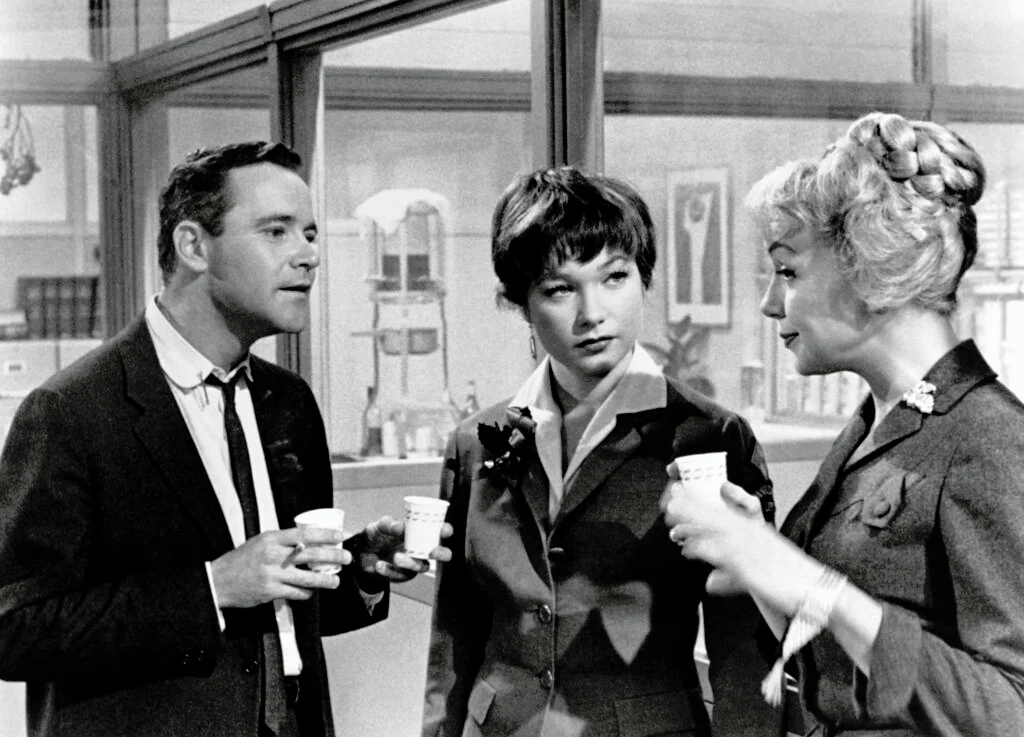
At first glance, The Apartment plays like a romantic comedy, but it sneaks in surprisingly dark themes. Corporate loneliness, moral compromise, and emotional isolation sit just beneath the humor. Billy Wilder trusted audiences to handle comedy that hurt a little. That balance became a blueprint for future dramedies.
The film showed that adult relationships on screen could be complicated and uncomfortable without losing warmth. Modern romantic films that mix cynicism with sincerity follow this path. It proved that comedy could carry emotional weight without becoming heavy-handed. That influence still shapes character-driven storytelling.
4. Lawrence of Arabia (1962)
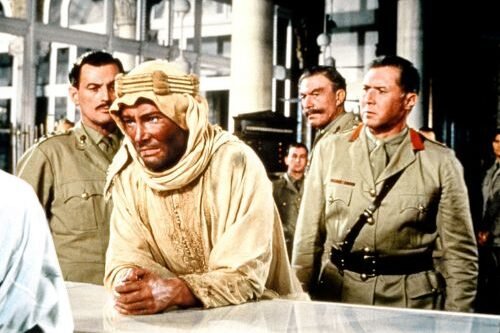
This film redefined what epic storytelling could look like on screen. Its use of wide landscapes and long stretches without dialogue trusted viewers to sit with atmosphere. That patience feels especially modern now, in an era of constant cutting. Filmmakers still study how it lets images do the talking.
It also treats its hero as complex and fractured rather than purely heroic. Modern epics often wrestle with similar ideas about identity and mythmaking. Lawrence of Arabia showed that spectacle and psychology could coexist. That balance remains a gold standard.
5. The Manchurian Candidate (1962)
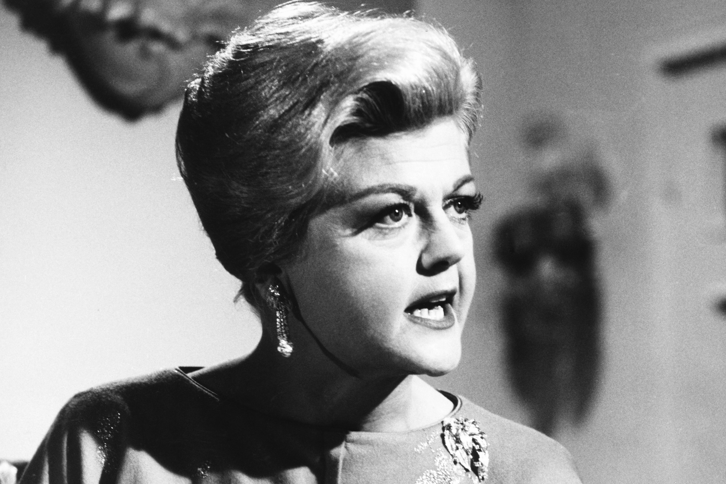
Paranoia runs through every frame of this film, and it feels eerily current. It explored brainwashing, political manipulation, and fear of unseen control long before those became common themes. The story never reassures the audience, which keeps the tension sharp. Modern political thrillers still borrow that unease.
The movie also trusted viewers to keep up with a complex, unsettling narrative. It did not explain everything neatly. That ambiguity became a key tool in later suspense films. Its quiet influence shows up whenever a movie refuses to hand you easy answers.
6. 8½ (1963)
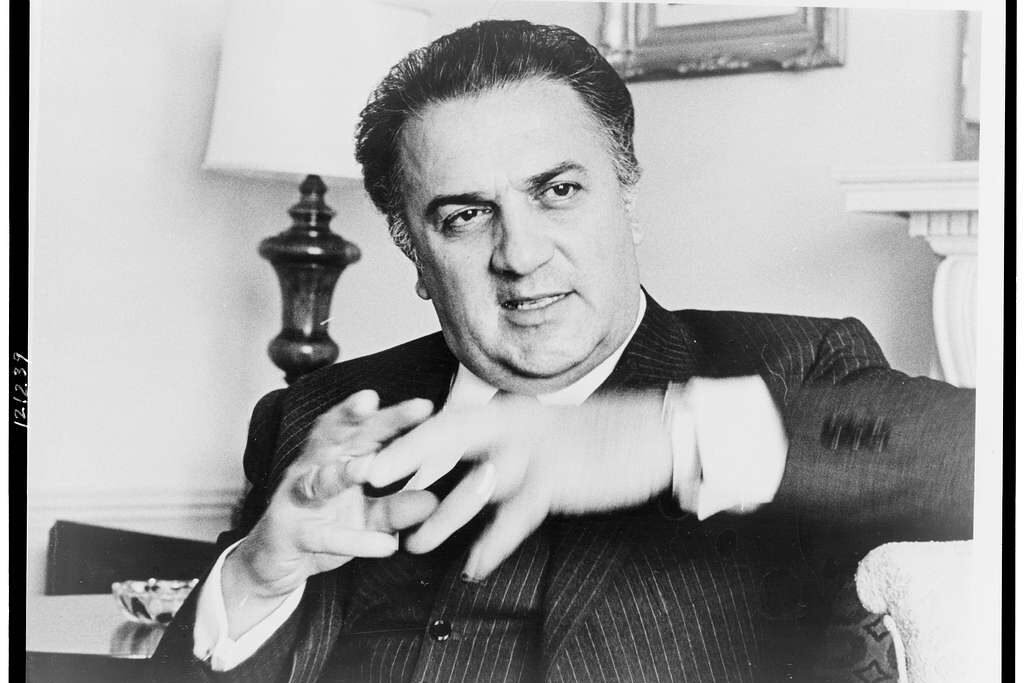
8½ turned creative anxiety into a subject worthy of a feature film. Federico Fellini blurred memory, fantasy, and reality in ways that felt radical at the time. The movie does not always make literal sense, but it makes emotional sense. That approach opened the door for more personal filmmaking.
Modern films about artists, writers, and directors often trace their DNA back to this one. It normalized self-reflection and uncertainty as storytelling engines. Instead of neat resolutions, it embraced confusion. That willingness to wander still shapes experimental cinema.
7. Dr. Strangelove (1964)
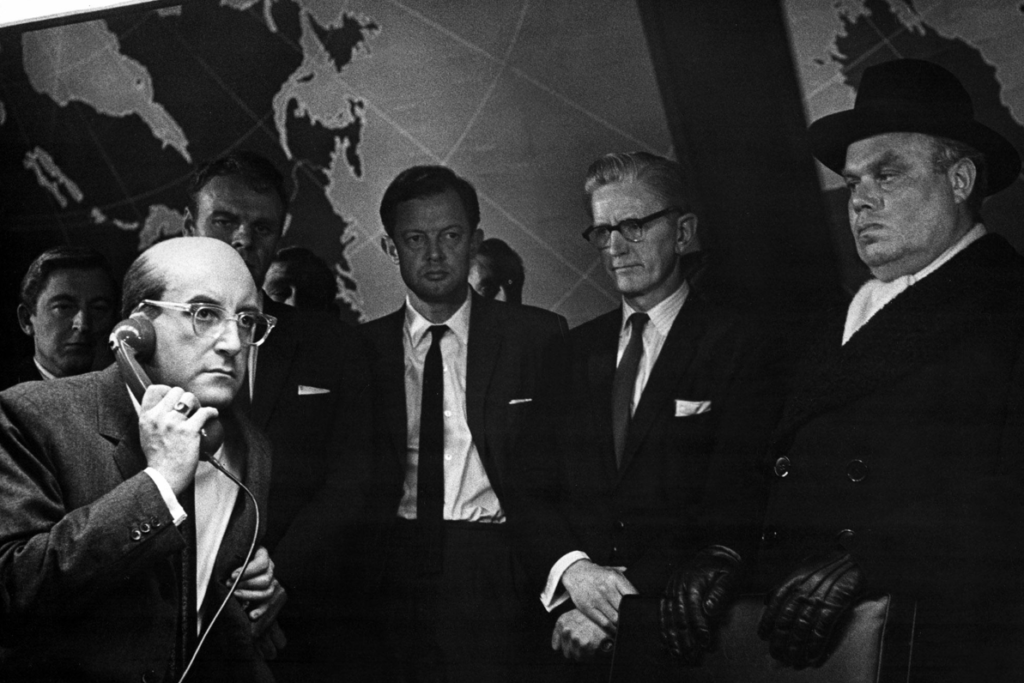
This film proved that satire could tackle terrifying subjects without losing bite. Nuclear annihilation had never looked so absurd or so frightening at the same time. Stanley Kubrick trusted dark humor to reveal uncomfortable truths. That tone remains difficult to pull off but incredibly influential.
Modern political satire often walks the path Dr. Strangelove cleared. Laughing while feeling uneasy became part of the experience. The film showed that comedy could sharpen critique rather than soften it. That lesson still resonates.
8. The Good, the Bad and the Ugly (1966)
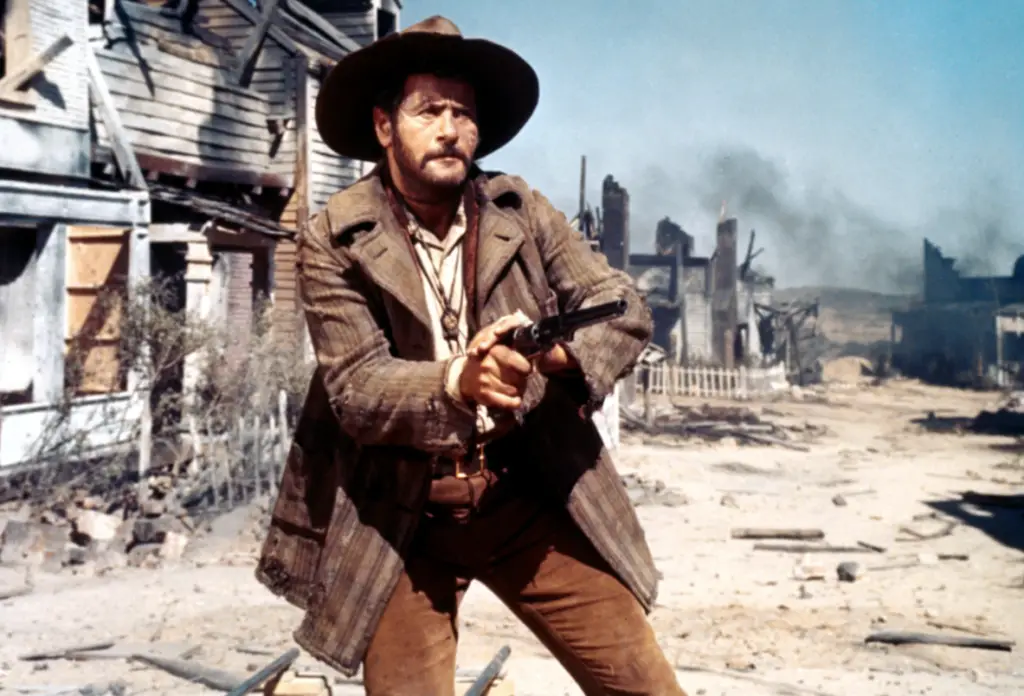
This western quietly rewrote the genre’s moral code. Heroes were no longer clean-cut, and villains were not purely evil. Sergio Leone let silence, music, and faces carry scenes instead of dialogue. That visual storytelling feels timeless.
Modern action films borrow its pacing and emphasis on tension. The movie also reshaped how music could function as narrative force. You hear echoes of it in countless scores. Its influence extends far beyond westerns.
9. Blow-Up (1966)
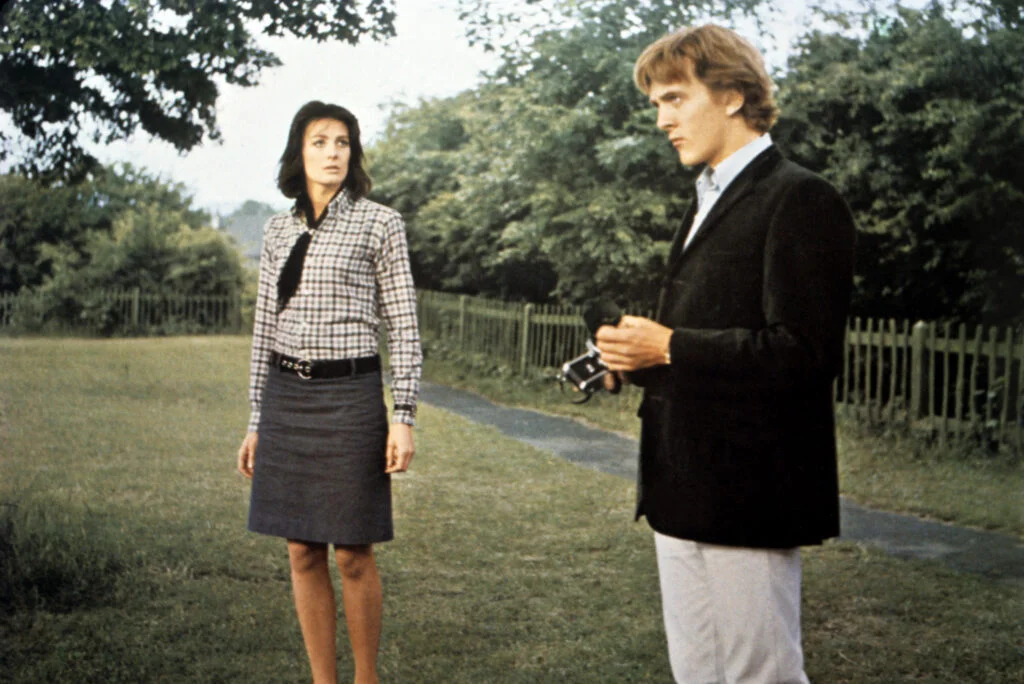
At its core, Blow-Up questions whether truth can ever really be known. A simple photograph turns into an obsession that never fully resolves. The film refuses to confirm what actually happened. That uncertainty feels very modern.
Today’s films often explore perception and unreliable reality in similar ways. Blow-Up trusted ambiguity over clarity. It asked viewers to sit with doubt. That approach continues to shape thoughtful, unsettling cinema.
10. Night of the Living Dead (1968)
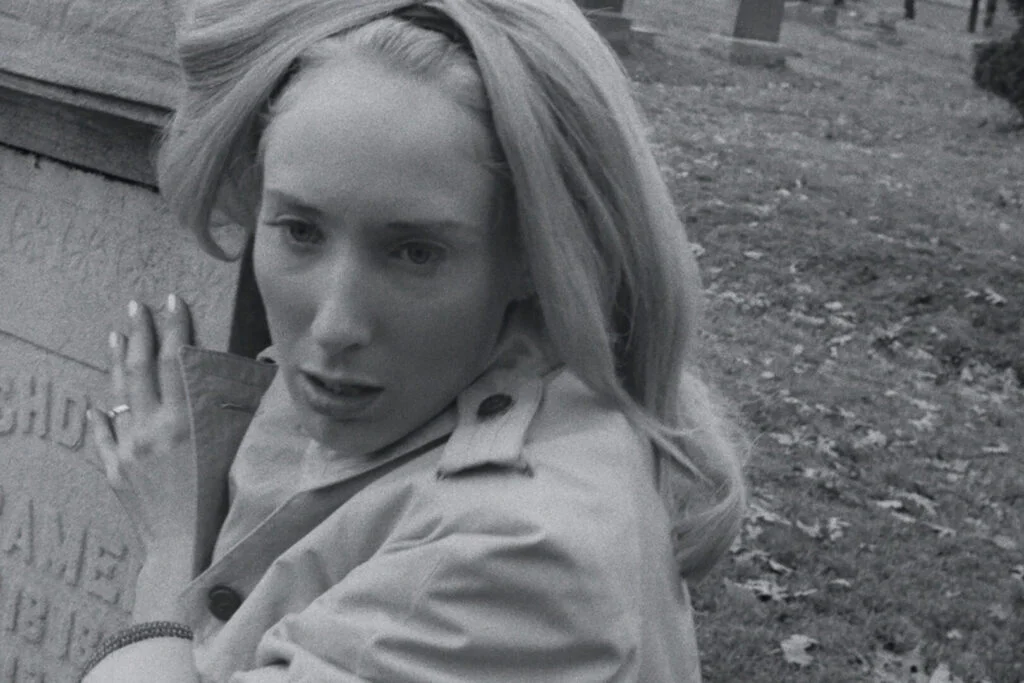
This movie did more than invent modern zombie rules. It used horror to reflect social unrest, fear, and distrust. Casting a Black lead without comment was quietly groundbreaking. The ending hit harder than audiences expected.
Modern horror still follows its example of using genre to explore real-world anxieties. The film proved low budgets could produce lasting impact. It also showed that horror could be bleak and serious. That influence remains everywhere.
11. Rosemary’s Baby (1968)
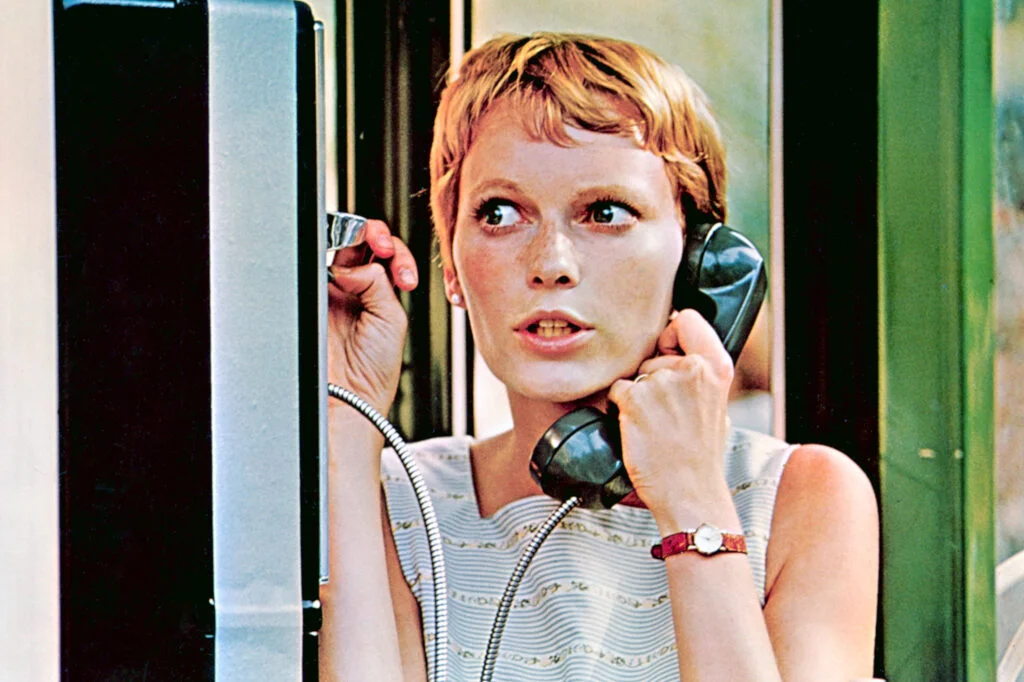
This film made domestic spaces feel unsafe in a deeply unsettling way. Horror did not come from monsters but from neighbors and trust betrayed. That slow-building dread became a model for psychological horror. Modern films still use its restraint.
It also centered fear around autonomy and control. Those themes feel increasingly relevant. Rosemary’s Baby showed that terror could be quiet and intimate. That lesson continues to shape the genre.
12. 2001: A Space Odyssey (1968)
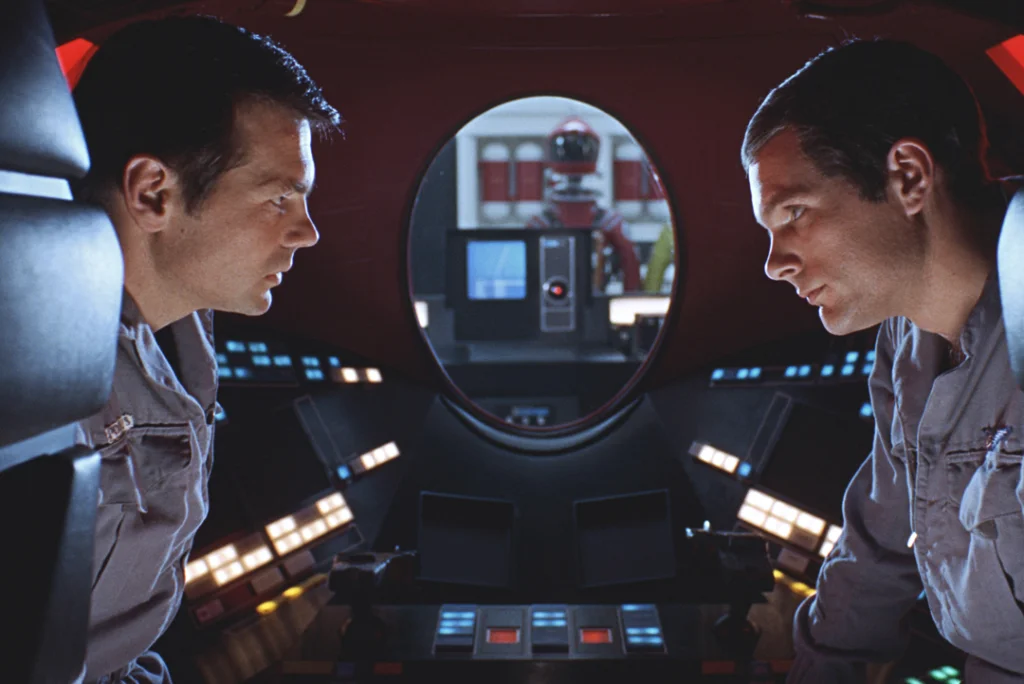
Few films trusted silence and imagery as much as this one. 2001 treated science fiction as philosophy rather than adventure. It asked questions instead of offering explanations. That approach was revolutionary.
Modern sci-fi often aims for similar intellectual ambition. The film showed that audiences could handle abstraction. Its visual language still influences filmmakers. It quietly changed expectations for the genre.
13. Midnight Cowboy (1969)
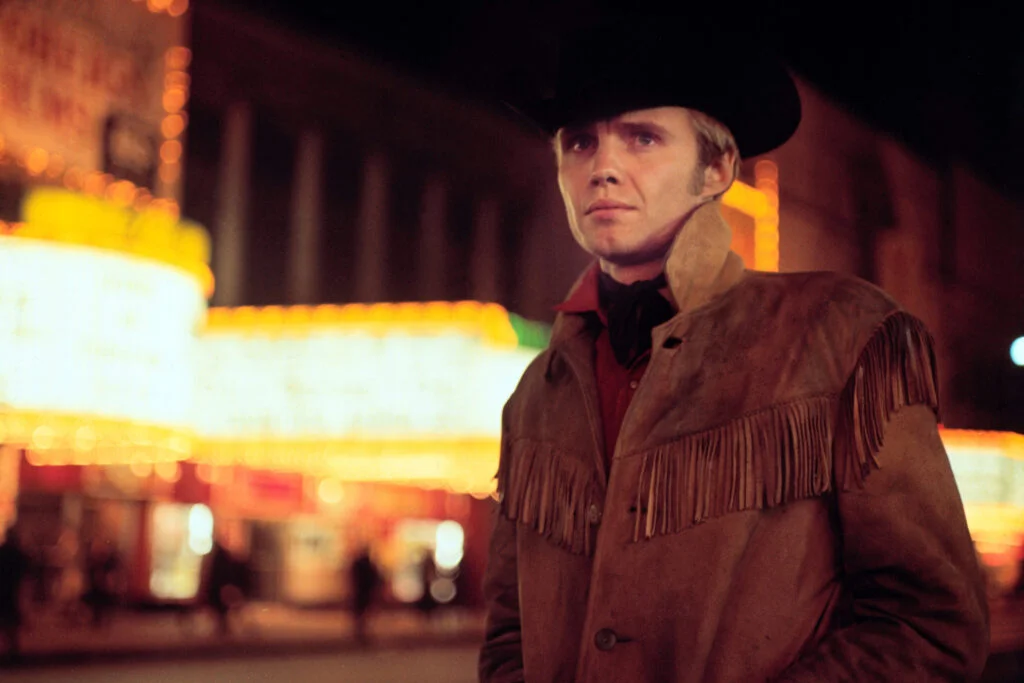
This film brought gritty realism into mainstream cinema. It showed New York as lonely and harsh rather than glamorous. Characters were flawed, vulnerable, and searching. That honesty felt new at the time.
Modern dramas often embrace that same emotional rawness. Midnight Cowboy proved uncomfortable stories could connect deeply with audiences. It also blurred lines between art film and commercial success. That legacy still matters.