
1. Acid-Wash Jeans
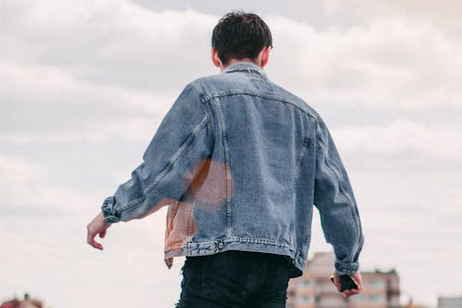
At the time, acid-wash jeans felt like the ultimate upgrade from plain denim. They looked edgy, modern, and somehow more exciting than anything hanging in the regular jeans section. The dramatic fading made people feel like they were wearing something custom, even if everyone else owned the exact same pair. They also photographed well, which mattered once disposable cameras came out at parties and malls.
Looking back, the harsh contrast is a lot louder than we remembered. Those bright patches and stiff fabric were not exactly forgiving, especially under fluorescent lighting. Still, for a while, acid-wash jeans felt like proof you were keeping up with the moment. They were a fashion risk we took proudly.
2. Shoulder Pads Everywhere
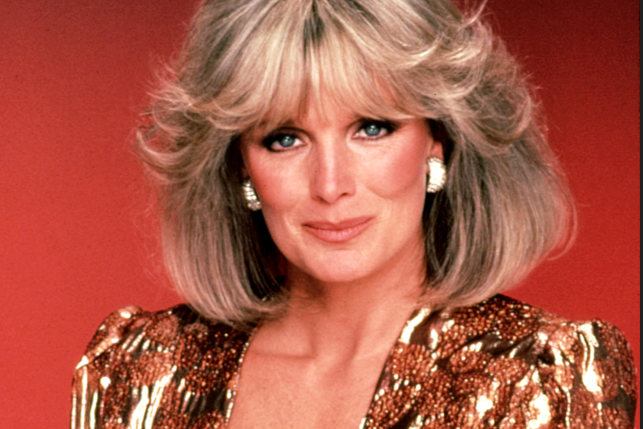
Shoulder pads promised instant confidence. Jackets, blouses, dresses, and even sweaters came with built-in structure that made everyone feel powerful and put together. The idea was that broad shoulders equaled authority, and people leaned all the way into that belief. You could walk into a room feeling like you meant business, even if you were just headed to the food court.
The problem was scale, because subtlety rarely entered the conversation. Many outfits looked more like costume armor than everyday clothing. Sitting down comfortably became an actual challenge. At the time, though, those sharp angles felt empowering and stylish.
3. Neon Everything
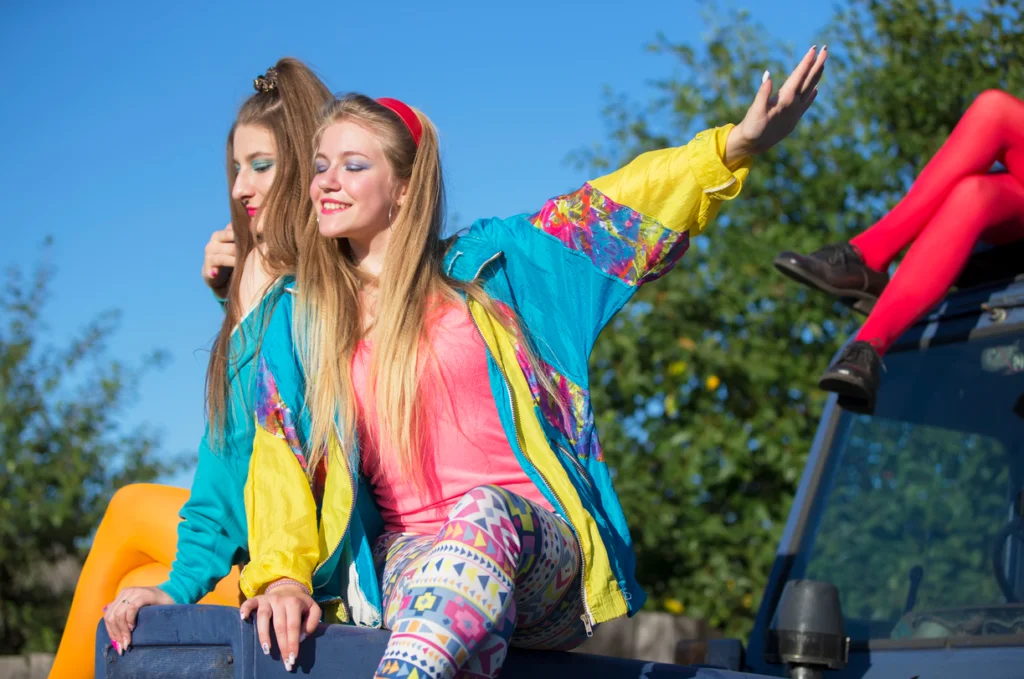
Neon colors were impossible to ignore, which was part of the appeal. Hot pink, electric green, and blazing orange turned ordinary outfits into statements. Wearing neon made people feel energetic and bold, like they were part of something fun and modern. It also guaranteed you would be noticed, whether you wanted to be or not.
Years later, neon can feel visually exhausting. It demanded confidence and often overwhelmed the person wearing it. Still, in the ’80s, brightness was a form of optimism. If it glowed, it belonged.
4. Parachute Pants
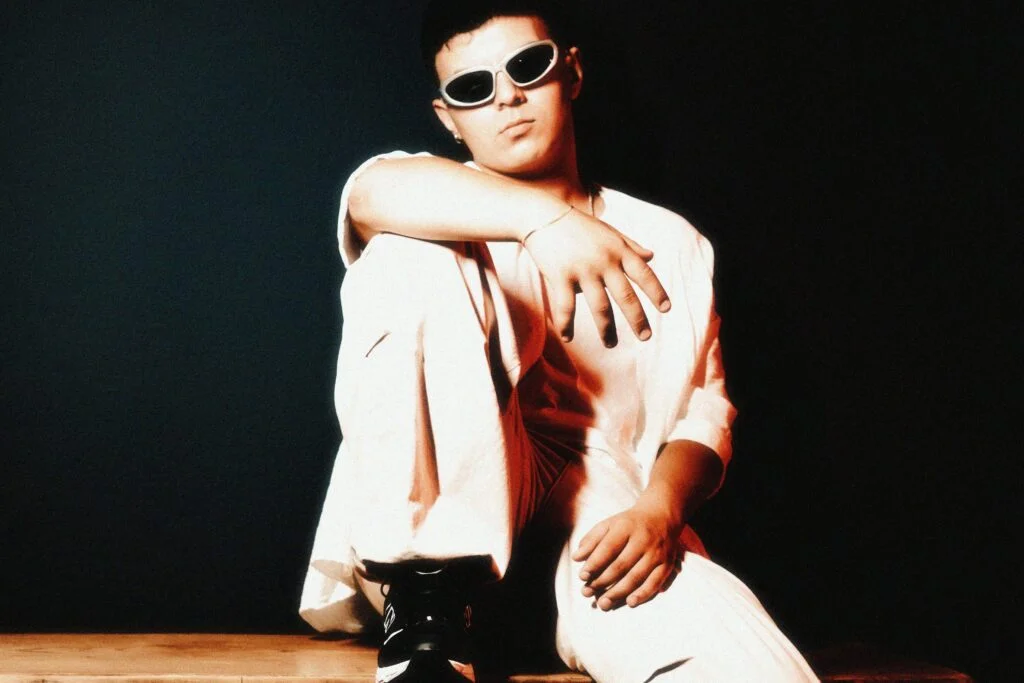
Parachute pants were pure attitude. They swished when you walked and made even standing still feel dramatic. Lightweight and baggy, they promised comfort while looking futuristic and cool. If you wore them, you were signaling that you were tuned into music and street style.
The reality was that they were noisy and not always flattering. Every step came with a reminder that your pants were announcing your presence. They also trapped heat in a way no one expected. At the time, though, that shiny fabric felt revolutionary.
5. Big Hair with Heavy Hairspray
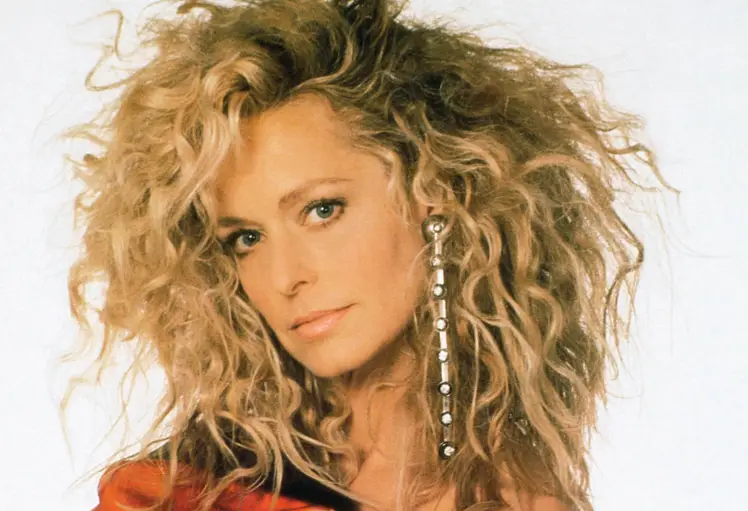
Big hair was not optional, it was the goal. Volume meant effort, style, and commitment to looking good. Teasing, spraying, and shaping became daily rituals that required time and patience. The bigger the hair, the more put together you were assumed to be.
In hindsight, the stiffness alone is impressive. Hair that could survive wind, dancing, and long days rarely moved naturally. Touching it was risky. Still, walking around with hair that felt indestructible gave a strange sense of confidence.
6. Leg Warmers as Everyday Wear
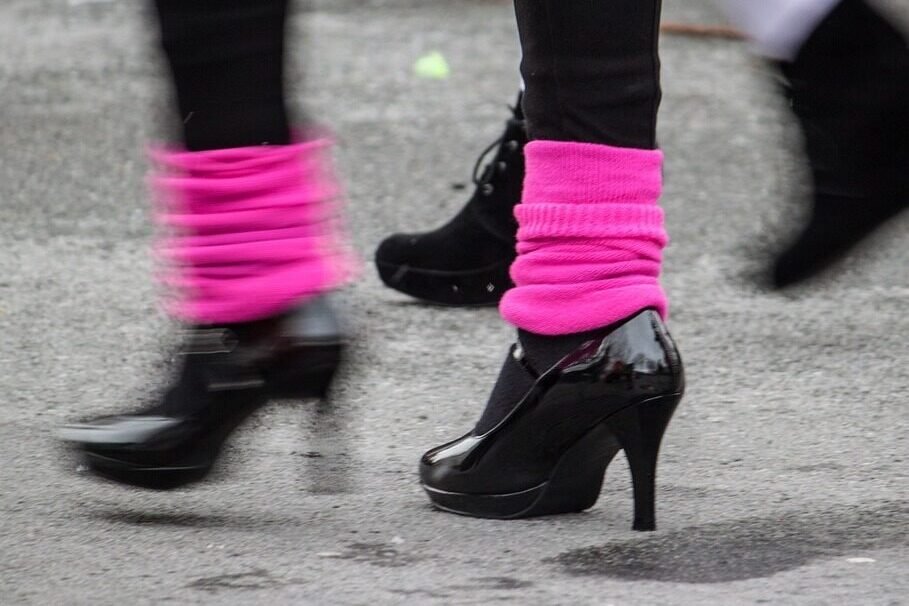
Leg warmers jumped from dance studios straight into daily fashion. They made outfits feel athletic, relaxed, and effortlessly cool. People wore them with skirts, jeans, and even over leggings without a second thought. They suggested movement and creativity, even if you were sitting all day.
Eventually, they started to feel confusing outside of their original purpose. They added bulk and warmth where it was not always needed. But in the moment, leg warmers felt playful and stylish. They made casual outfits feel intentional.
7. Crop Tops with High-Waisted Everything
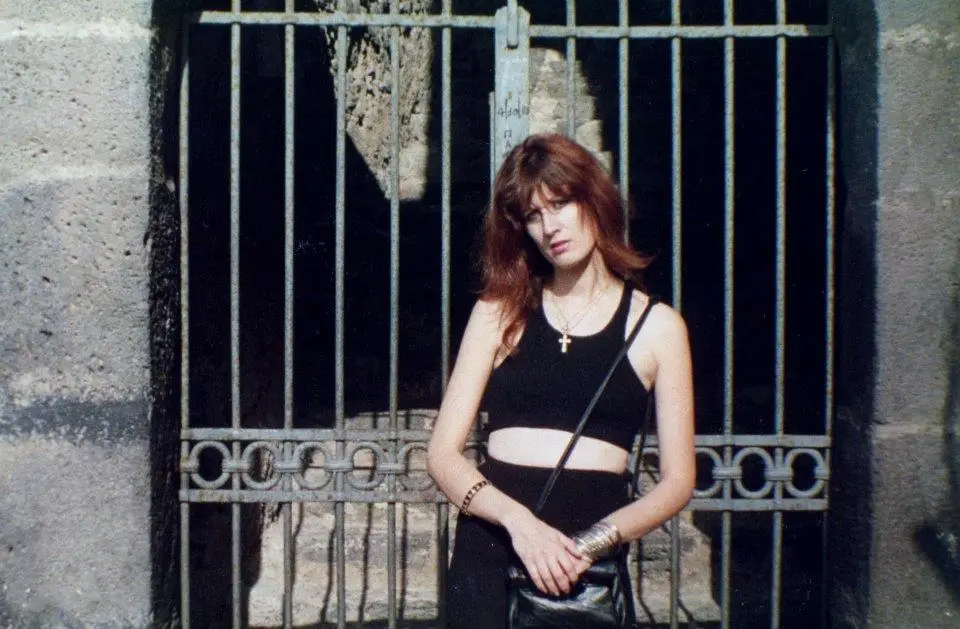
Crop tops were bold, especially when paired with high-waisted jeans or skirts. The combination felt balanced and flattering, showing just enough without feeling overexposed. It was a confident look that suggested you were comfortable in your own skin. It also worked surprisingly well across different body types.
Later, many people wondered how they ever felt so relaxed about it. Sitting, bending, and moving required awareness. Still, at the time, crop tops felt fresh and fearless. They were a fashion statement rooted in confidence.
8. Oversized Blazers
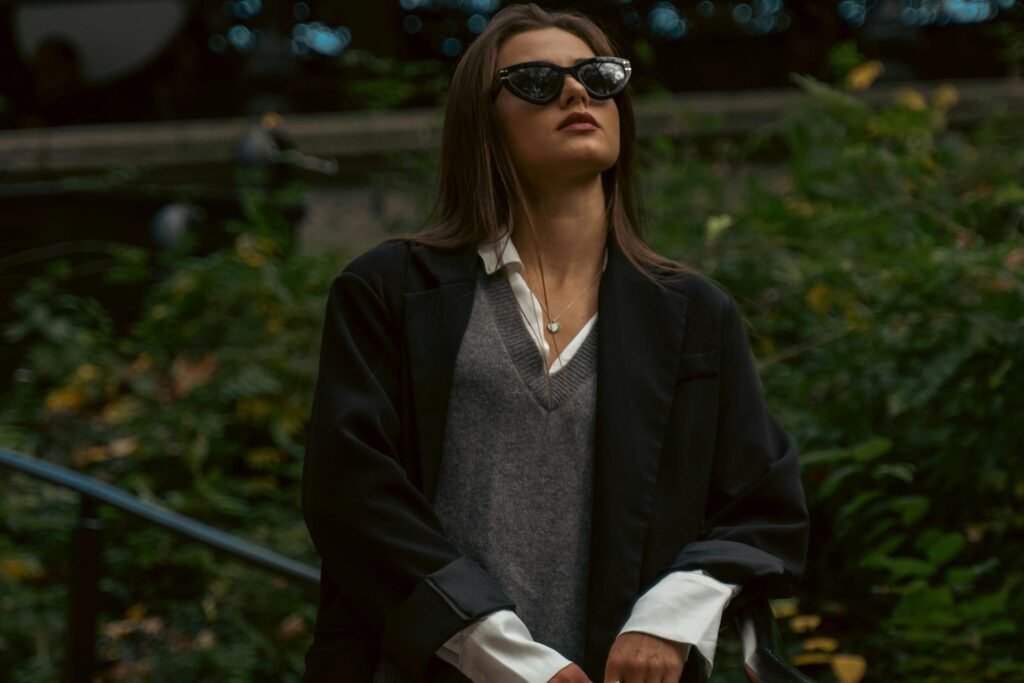
Oversized blazers made casual outfits feel polished. You could throw one on over a T-shirt and suddenly look styled. They borrowed from menswear and turned it into something expressive and cool. Rolled sleeves and bold colors added personality.
The fit was often more generous than necessary. Some blazers looked like they belonged to someone twice your size. Yet they conveyed effort without trying too hard. For a while, that balance felt perfect.
9. Matching Track Suits
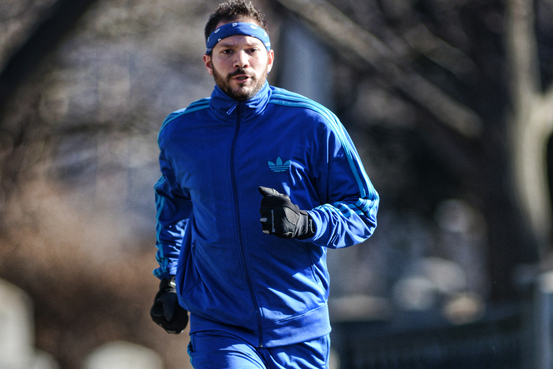
Matching track suits made getting dressed easy. They looked coordinated without requiring much thought. Bright colors and bold stripes turned athletic wear into everyday fashion. Wearing one felt relaxed but still intentional.
The downside was how dated they became. What once felt sleek started to look costume-like. Fabric choices did not always age well either. Still, for a moment, track suits felt like the height of casual cool.
10. Fingerless Gloves
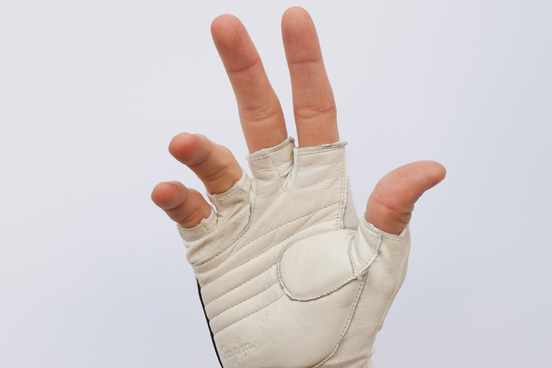
Fingerless gloves added instant edge. They suggested rebellion, music, and a little bit of attitude. People wore them with jackets, dresses, and even formal outfits to look tougher. They felt like a small detail that made a big impact.
Practically speaking, they made very little sense. Your hands were neither fully warm nor fully free. But fashion was not about practicality then. It was about the statement.
11. Denim Jackets Covered in Pins
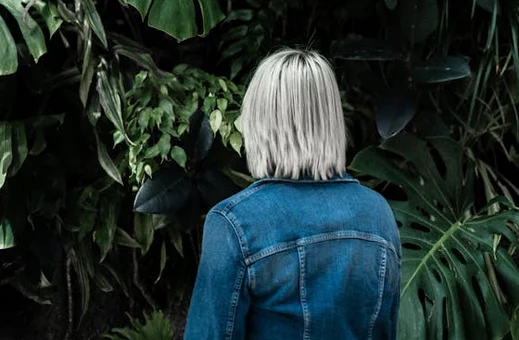
A denim jacket covered in pins felt personal. Each button or patch represented something you liked, supported, or remembered. It turned a basic jacket into a wearable scrapbook. No two looked exactly the same.
Over time, the clutter could feel overwhelming. Jackets got heavy, and pins sometimes fell off. But in the ’80s, customization mattered. It was a way to stand out without saying a word.
12. High-Top Sneakers with Everything
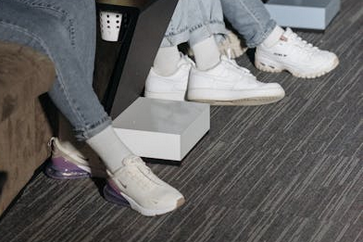
High-top sneakers crossed every fashion boundary. People wore them with jeans, shorts, and even dresses. They felt sporty, stylish, and comfortable all at once. Lacing them up felt like gearing up for the day.
Eventually, the bulk became noticeable. Some outfits felt weighed down at the ankle. Still, high-tops were a symbol of cool. They made casual outfits feel intentional.
13. Metallic Fabrics
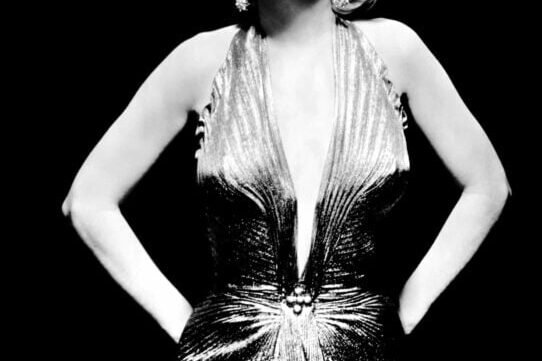
Metallic clothing looked futuristic and exciting. Shiny silver, gold, and bronze promised glamour and drama. Wearing metallics felt daring, especially under bright lights. They turned simple silhouettes into statements.
In everyday settings, they could feel a bit much. The shine drew attention whether you wanted it or not. But in the ’80s, boldness was part of the appeal. If it shimmered, it belonged.
14. Statement Belts

Belts were not just functional, they were the centerpiece. Wide belts cinched waists and added contrast to oversized tops. Buckles were large, decorative, and impossible to miss. A good belt could transform an outfit.
Over time, they started to feel heavy and restrictive. Sitting comfortably was sometimes an issue. But back then, a statement belt meant you had thought about your look. It signaled intention and style.
15. Layered Socks
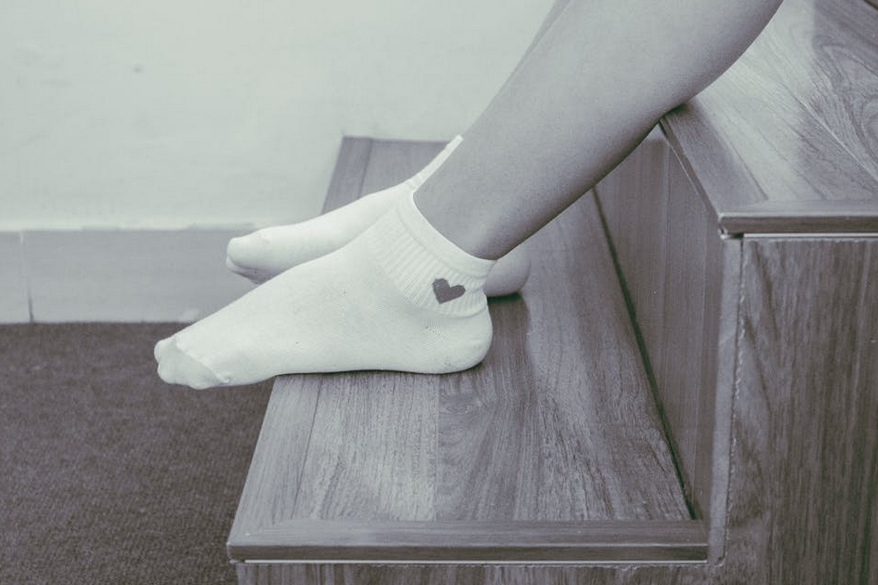
Layered socks were playful and expressive. Mixing colors, textures, and lengths made outfits feel casual and fun. People wore them with sneakers, loafers, and even heels. It was an easy way to add personality.
Eventually, the look started to feel cluttered. The extra layers were not always comfortable. Still, at the time, it felt creative and carefree. It was fashion that did not take itself too seriously.