
1. The Watergate Hearings
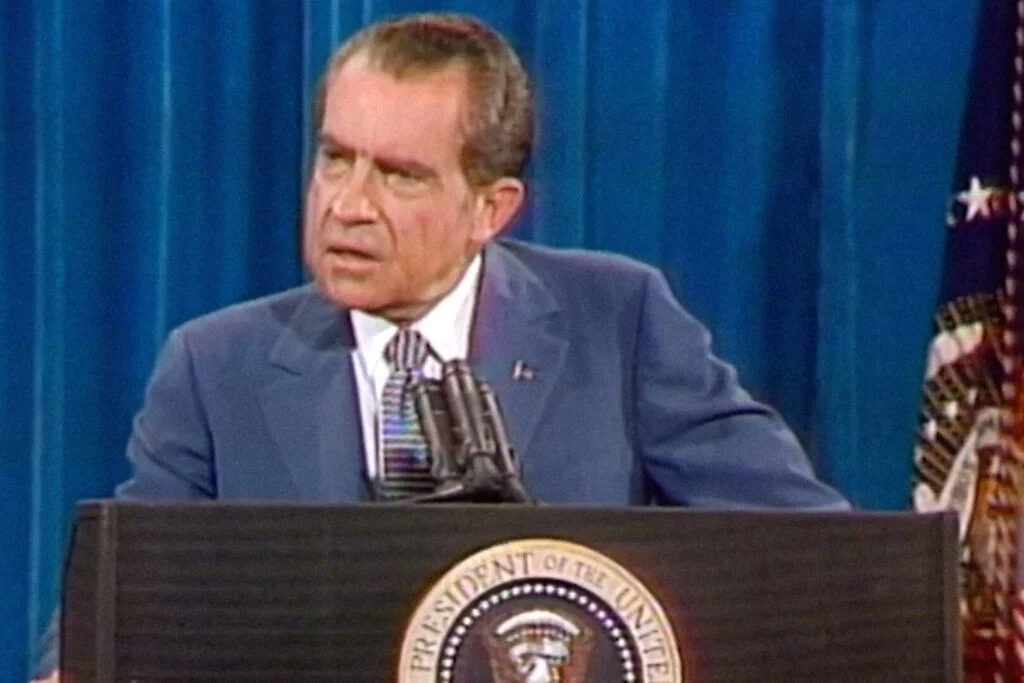
For months in the early ’70s, it felt like the entire country stopped to watch the Watergate hearings unfold. This was not just political news in the background, it was daytime television that families actually gathered around. People who had never paid much attention to government suddenly knew the names of aides, judges, and senators. The slow drip of testimony made it feel like history was happening in real time, right in the living room. There was a sense that watching was almost a civic duty.
What made it bigger than entertainment was the shared tension and disbelief. Trust in leadership was being questioned openly, and that was new for many Americans. The hearings changed how people talked about power and accountability. They also changed how news itself was presented, proving that real life drama could command just as much attention as scripted TV. Long after it ended, Watergate lingered as a cultural turning point.
2. The Moon Landing Afterglow
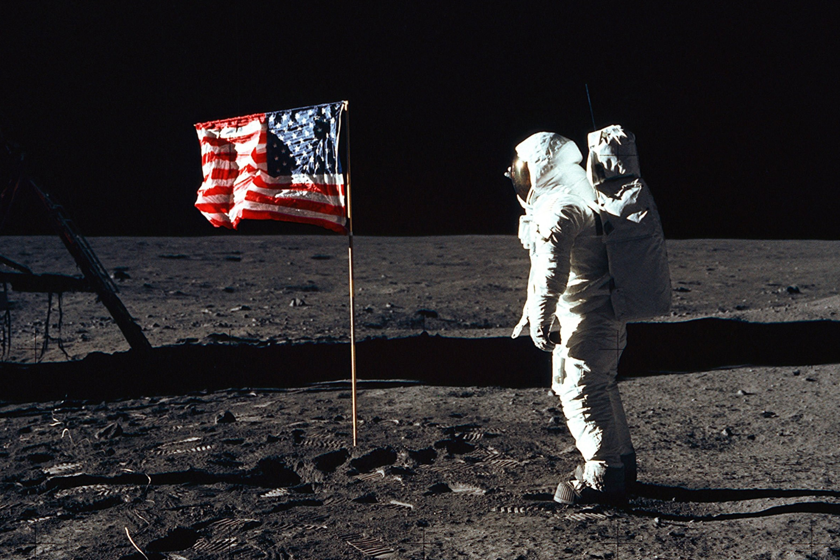
Even though the first moon landing happened in 1969, the cultural impact carried deeply into the early ’70s. Reruns, documentaries, and classroom films kept the moment alive, especially for kids who were just old enough to remember it. Space exploration still felt magical, hopeful, and slightly unreal. The idea that humans had walked on the moon shaped how people viewed science and the future. It made everyday life feel connected to something much bigger.
This wasn’t treated like a single historical event that faded away. It influenced fashion, toys, music, and even the way adults talked to children about what was possible. Space became shorthand for progress and optimism. In a decade filled with uncertainty, the moon landing remained a reminder of collective achievement. It felt like proof that society could still do extraordinary things together.
3. The Fall of Saigon
When images of the Fall of Saigon appeared on television in 1975, they hit with a heavy emotional weight. Americans watched helicopters lifting people from rooftops, realizing a long and painful war was truly ending. This was not framed as a victory but as a moment of reckoning. Many families had personal connections to Vietnam, which made the coverage especially raw. It forced people to confront the cost of years of conflict.
The moment went beyond news because it reshaped national identity. Conversations about patriotism, protest, and government responsibility shifted overnight. For many, it marked the end of a certain postwar innocence. The visuals stayed burned into public memory long after the broadcasts ended. It felt like the closing of a chapter the country was not quite ready to process.
4. The Women’s Liberation Movement
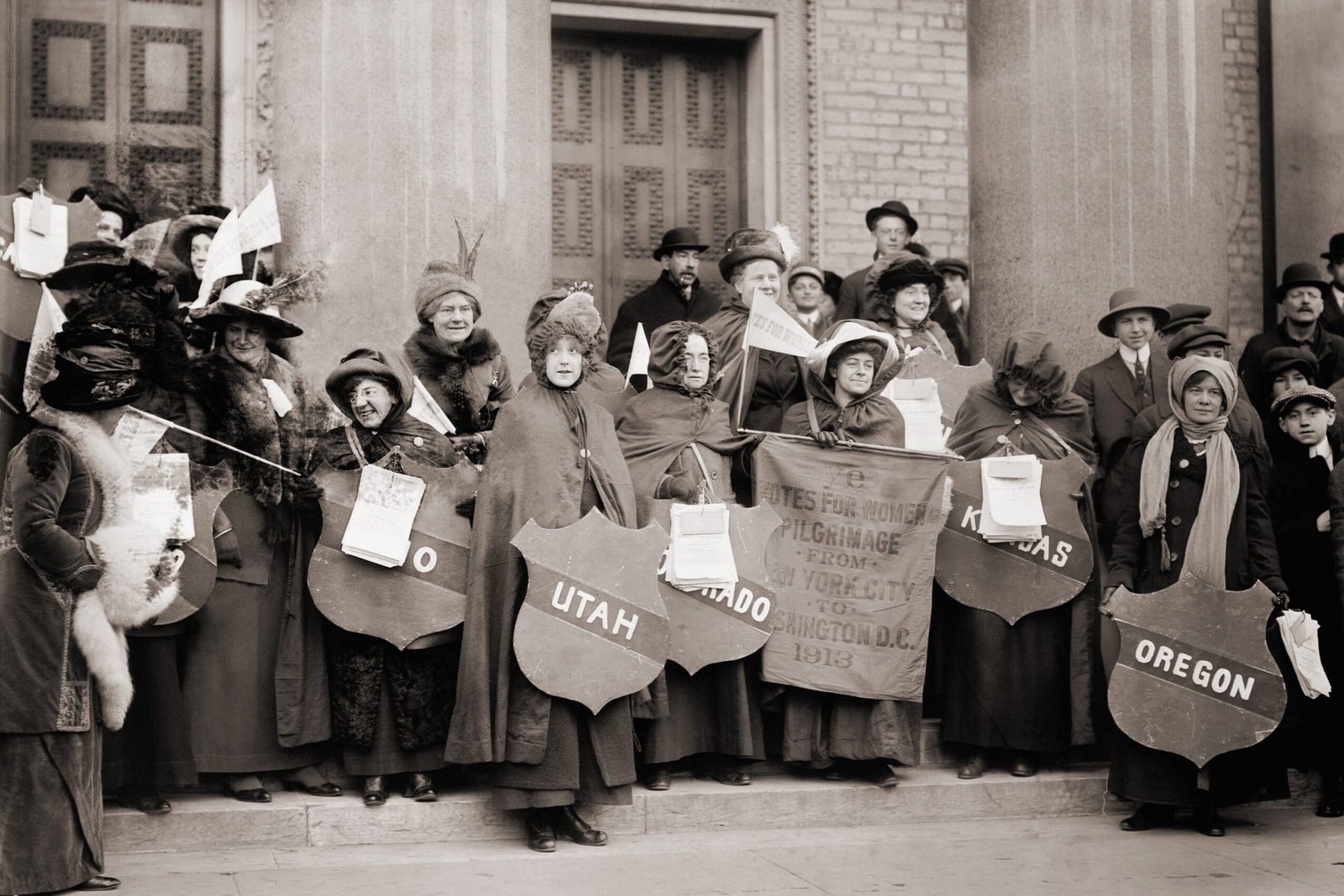
The women’s liberation movement gained enormous visibility in the ’70s, and it reached far beyond rallies and headlines. Everyday conversations started changing, at work, at home, and around the dinner table. Women questioned roles that had long been treated as fixed and unquestionable. Men were often pulled into those conversations whether they expected it or not. It was cultural, personal, and sometimes uncomfortable.
What made it feel bigger than entertainment was how it touched ordinary life. This was not something you could turn off after a TV show ended. It influenced fashion, language, workplace policies, and family dynamics. Even people who resisted it felt its presence. The movement permanently altered expectations for future generations.
5. The Rise of Environmental Awareness

The first Earth Day in 1970 made environmentalism feel urgent and mainstream. Suddenly, pollution and conservation were not fringe concerns but national talking points. Schools held assemblies, cities organized cleanups, and families talked about litter in a new way. Nature was no longer just scenery, it was something people felt responsible for. The idea of protecting the planet gained moral weight.
This shift felt cultural because it changed habits, not just opinions. Recycling, reducing waste, and caring about wildlife slowly became part of everyday thinking. Environmental awareness entered classrooms and politics alike. It made people see their own impact in a way they had not before. That mindset still shapes how we talk about the planet today.
6. The Energy Crisis
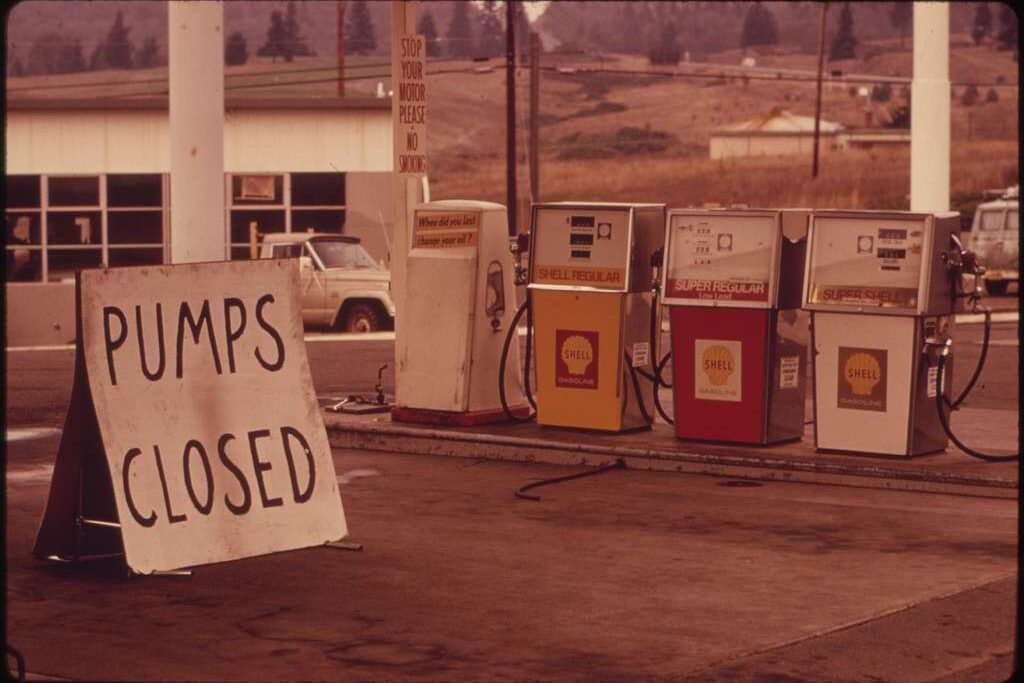
When gas shortages hit in the mid ’70s, the impact was immediate and visible. Long lines at gas stations became a symbol of national anxiety. People planned errands carefully and paid attention to fuel in a way they never had before. The crisis made abstract global issues feel personal. It also exposed how dependent everyday life had become on energy.
This moment went beyond inconvenience and into cultural memory. It changed how people thought about consumption and resources. Cars, once symbols of freedom, suddenly felt like liabilities. The energy crisis sparked conversations about limits and sustainability. Those ideas quietly lingered long after the lines disappeared.
7. Roe v. Wade
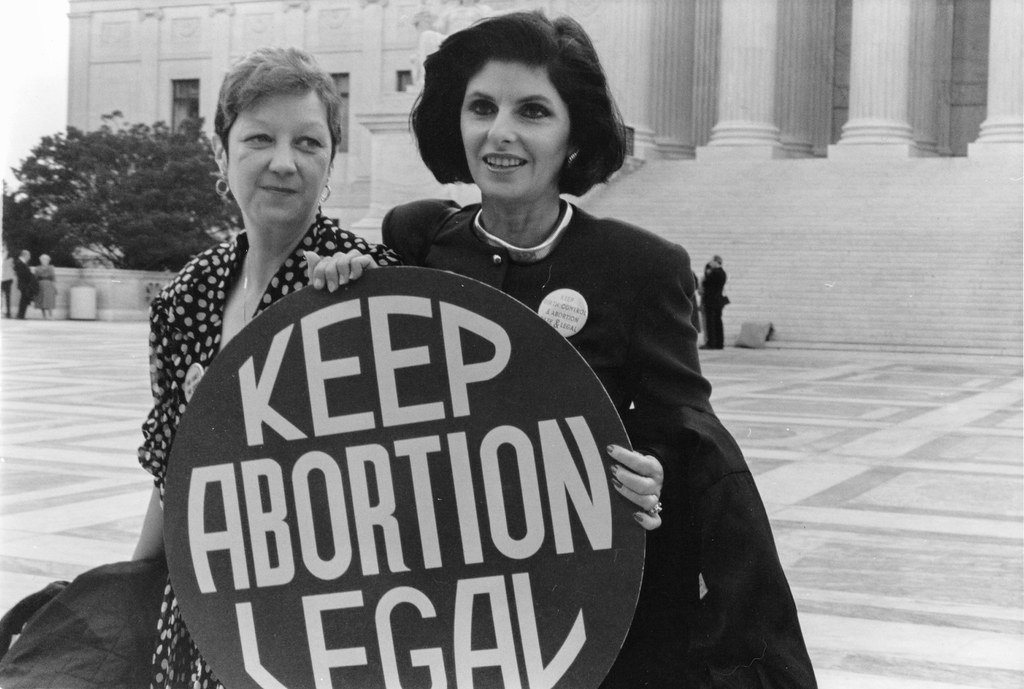
The Supreme Court decision in Roe v. Wade in 1973 was not just legal news, it was a cultural earthquake. It instantly became a topic in homes, churches, and workplaces. People who had never discussed reproductive rights before were suddenly doing so openly. Emotions ran high on all sides, and the debate felt deeply personal. It reshaped how privacy and bodily autonomy were understood.
What made it bigger than entertainment was its lasting presence. This was not a story that came and went. It influenced elections, activism, and personal decisions for decades. The ruling became a reference point in broader discussions about rights and freedom. Its cultural impact proved enduring and unresolved.
8. The Popularity of Self Help and Therapy Culture

In the ’70s, therapy and self exploration entered mainstream conversation in a new way. People talked openly about feelings, personal growth, and emotional health. Books about finding yourself became bestsellers. This shift made introspection feel acceptable, even fashionable. The idea that understanding your inner life mattered gained traction.
This movement felt larger than entertainment because it changed how people spoke to each other. Emotional vocabulary expanded, especially in families. Seeking help became less taboo, even if stigma remained. The decade helped normalize conversations about mental health. That cultural openness still influences how we frame well being today.
9. The End of the Draft
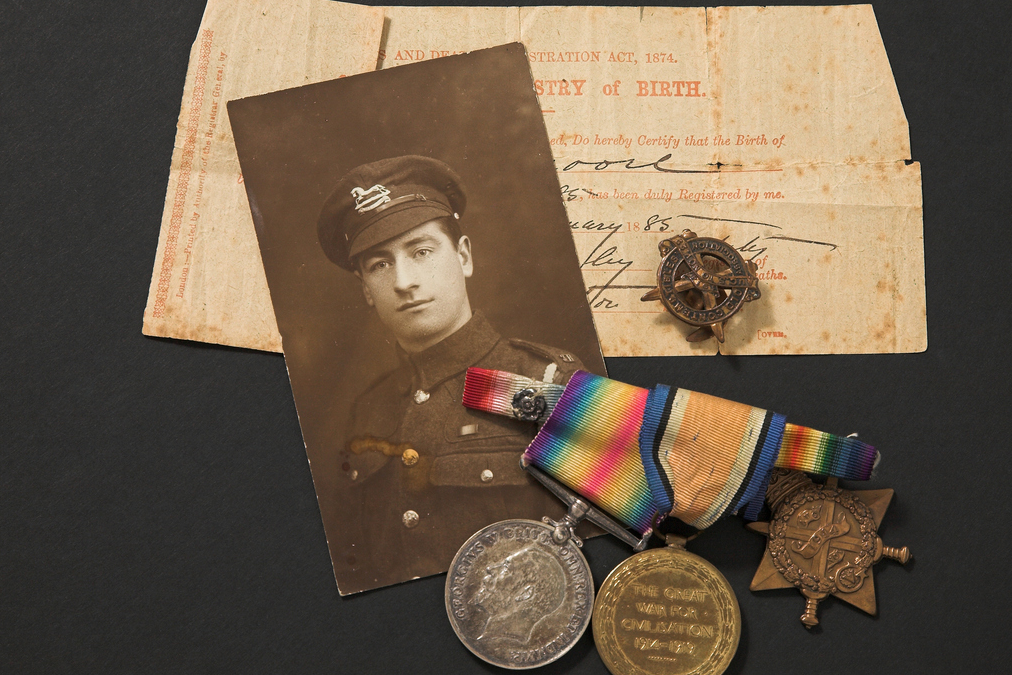
When the military draft ended in 1973, it marked a profound shift in American life. For years, young men had lived with the constant fear of being called up. Suddenly, that looming uncertainty was gone. Families felt relief, even if the reasons behind it were complicated. It changed how young people imagined their futures.
This moment resonated far beyond policy. It altered how Americans thought about service, sacrifice, and choice. The end of the draft also changed how wars were perceived by the public. Military involvement became more distant for many civilians. That shift quietly reshaped civic engagement.
10. The Explosion of Investigative Journalism
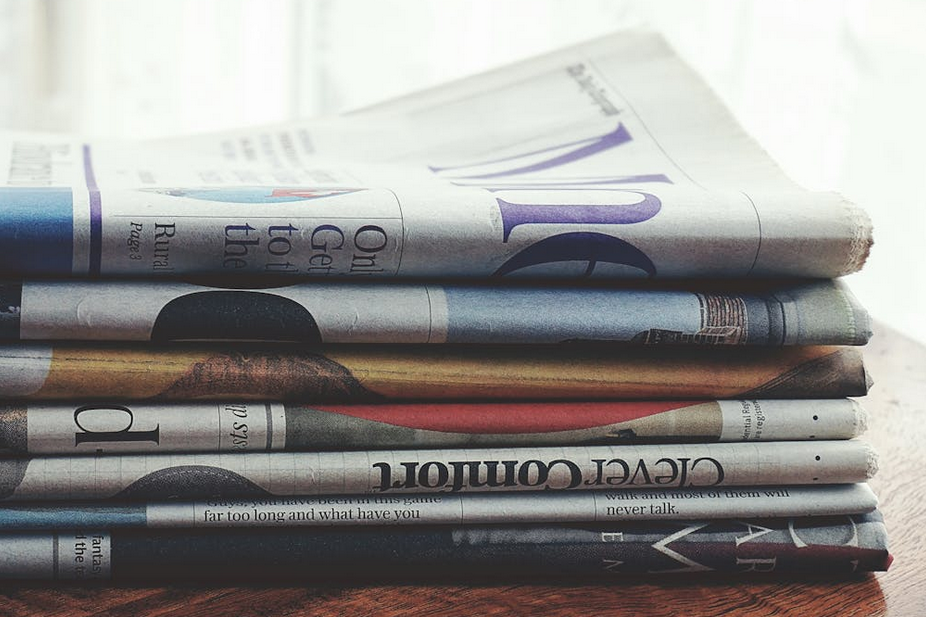
The ’70s elevated journalists to a new level of cultural importance. Reporters were seen as watchdogs rather than background narrators. Investigative pieces captured public attention and trust. People believed the press could expose truths that powerful figures wanted hidden. Journalism felt essential to democracy.
This was bigger than entertainment because it influenced public behavior. People read newspapers differently and watched the news more closely. Skepticism toward authority grew alongside respect for reporting. The decade cemented the idea that asking hard questions mattered. That legacy still shapes expectations of the media.
11. The Gay Rights Movement Gains Visibility
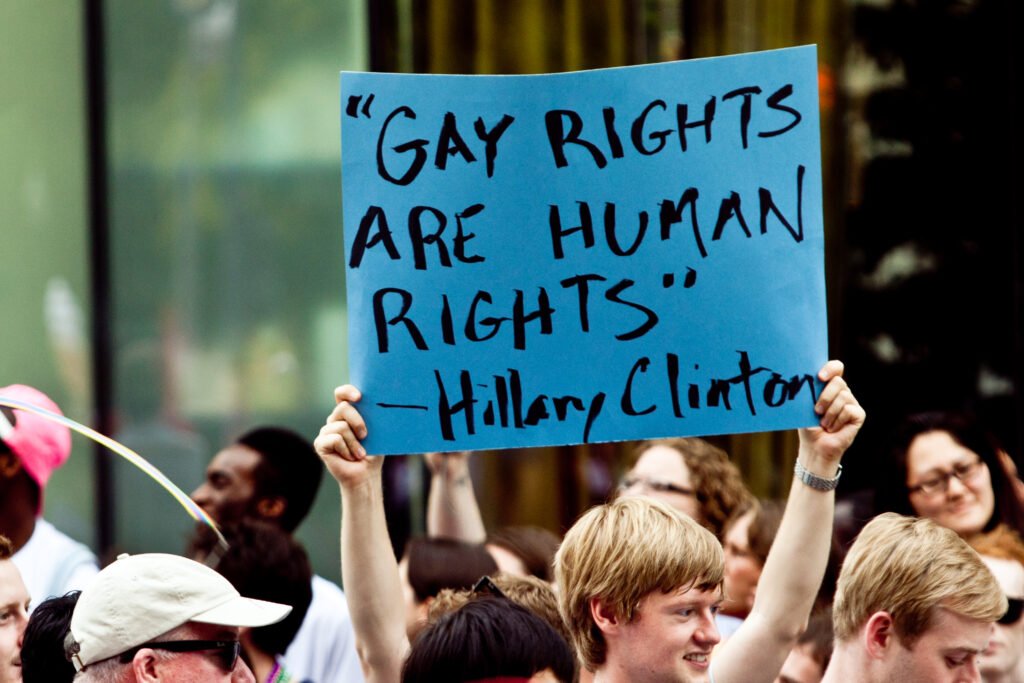
After the late ’60s, the ’70s saw gay rights become more visible and vocal. Pride events expanded, and LGBTQ communities began organizing more openly. Representation, while limited, started to appear in public life. For many, it was the first time these conversations happened out loud. Visibility itself became a powerful statement.
This movement felt cultural because it challenged long held assumptions. It forced society to confront prejudice and exclusion. Even resistance highlighted how significant the shift was. The conversations sparked in the ’70s laid groundwork for future progress. It was a slow but meaningful transformation.
12. The Changing Meaning of American Optimism
By the end of the ’70s, the country’s tone had noticeably shifted. The easy confidence of earlier decades felt replaced by caution and realism. People questioned institutions that once seemed untouchable. Optimism did not disappear, but it became more guarded. Hope felt earned rather than assumed.
This change was bigger than any single event or show. It influenced music, fashion, politics, and everyday attitudes. Americans became more aware of complexity and contradiction. The decade taught people to live with uncertainty. That emotional shift became one of the defining legacies of the ’70s.