
1. Folgers Coffee “Morning in America”–Era Ads

These coffee commercials often opened on a quiet kitchen before anyone said a word. You would see a parent already dressed for work, a newspaper spread across the table, and coffee brewing as part of the morning routine. Kids wandered in half awake, sometimes still in pajamas, which felt completely normal at the time. The kitchen itself looked lived in, not staged, with small appliances permanently on the counter. There was usually one phone on the wall, ringing at inconvenient moments. Breakfast was simple, often toast or cereal, eaten standing up. The idea of a slow, shared morning was there, but it was clearly structured around work schedules.
What stands out now is how central the kitchen was to family life. It was not just where food happened, but where conversations began and ended. No one rushed out with earbuds or coffee tumblers. The house felt quiet but purposeful, built around predictable routines. Those ads accidentally documented how mornings really looked for many families in the ’70s.
2. Campbell’s Soup Family Dinner Spots

These commercials often showed families sitting down together at the same time every night. Dinner was served at a table, not in front of the television, even if the TV was on in the background. The meals were modest, with soup playing a starring role instead of something elaborate. Parents were calm, kids were polite, and no one appeared distracted. The table settings were simple, sometimes mismatched, and clearly used every day. The idea was warmth rather than presentation.
Looking back, the pacing feels especially revealing. Dinner was not rushed, and it was clearly expected that everyone would be there. The ads quietly show how eating together was treated as a given, not a special occasion. Soup was framed as a practical solution for busy households, not a fallback. It is a snapshot of how family dinners functioned as anchors in daily life.
3. McDonald’s Family Meal Commercials
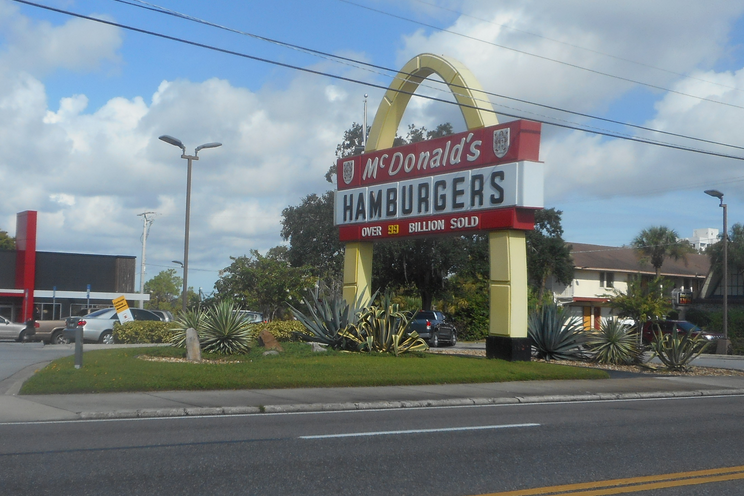
These ads often featured families piling into the car together, usually without seat belts. Fast food was portrayed as a treat, not a daily habit. Parents and kids shared fries and milkshakes, sitting close in plastic booths. The restaurants looked clean but basic, designed for function over comfort. There was an emphasis on affordability and convenience. Eating out felt like a small event.
What feels striking now is how intentional those outings were. Families went together, rather than splitting off for individual orders. The commercials suggest that eating out was planned and shared. It was not about customization or speed, but about everyone being in the same place at the same time.
4. Procter & Gamble Laundry Detergent Ads
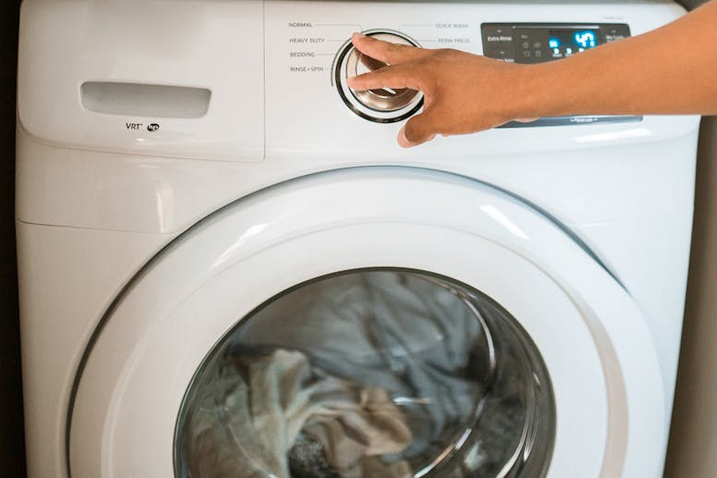
These commercials almost always centered on the home during the daytime. Laundry happened while kids were at school and spouses were at work. The washing machine was often in the kitchen or basement, not hidden away. Folding clothes was shown as a normal, uninterrupted task. There was no sense of multitasking or rushing.
The ads unintentionally document how domestic labor was structured. One person, usually a parent, managed the home during the day. The house was expected to be in order by evening. These commercials quietly reflect how families divided time and responsibility.
5. Kraft Macaroni and Cheese Ads

These spots usually showed kids coming home hungry and loud. The solution was quick, affordable food that everyone liked. Kitchens looked well used, with scuffed floors and worn tables. Parents were portrayed as problem solvers, not entertainers. Dinner did not need to be fancy to count.
What feels revealing now is the emphasis on feeding a group efficiently. Meals were about keeping everyone satisfied, not about nutrition trends or variety. The ads show how weeknight dinners worked in real homes. Convenience was valued, but within a shared family structure.
6. General Mills Breakfast Cereal Commercials

These commercials often showed kids eating cereal alone or with siblings while parents hovered nearby. Breakfast was casual and informal. Pajamas were acceptable attire at the table. The television might be on, but it was not the focus. The mood was relaxed but routine.
The ads quietly reveal how mornings functioned for families with working parents. Breakfast needed to be fast, familiar, and reliable. There was little concern about variety or balance. The goal was to get everyone fed and out the door.
7. Oscar Mayer Hot Dog Family Ads
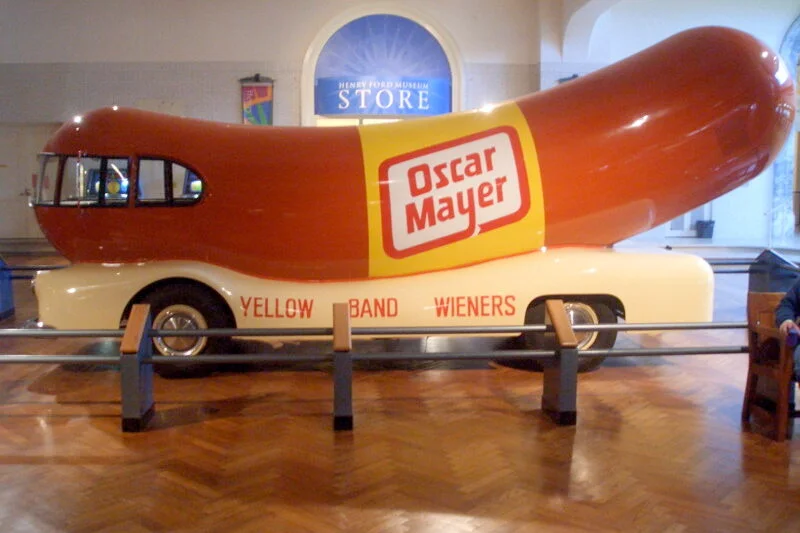
These commercials leaned heavily on backyard scenes. Families gathered around grills, often with neighbors nearby. Kids ran freely while adults cooked and talked. The yards were modest and clearly used, not landscaped for show. Food was simple and crowd friendly.
What stands out now is how social family life looked. Neighbors appeared casually, without planning or invitations. The ads capture how outdoor space functioned as an extension of the home. It reflects a time when community and family overlapped more naturally.
8. Johnson & Johnson Baby Care Commercials

These ads often showed quiet, intimate moments inside the home. Parents bathed babies in kitchen sinks or simple tubs. Bedrooms and nurseries were modest and practical. There was no sense of constant supervision or technology. Care felt hands on and instinctive.
The commercials unintentionally show how parenting looked day to day. Babies were integrated into household routines rather than isolated. The home adapted to children, not the other way around. It is a subtle record of how families balanced care with daily life.
9. Chevrolet Family Car Ads

These commercials showed entire families loading into one vehicle. Road trips were common, and cars were packed with people and luggage. Interiors were spacious but basic, without screens or special features. Parents drove, kids entertained themselves. The journey itself mattered.
Looking back, these ads show how families traveled together out of necessity. There was no expectation of personal space or individualized comfort. Everyone shared the same experience. It reflects a time when family movement was collective.
10. Colgate Bathroom Routine Ads

These commercials often showed shared bathrooms. Family members took turns at the sink and mirror. The spaces were functional, not private retreats. Morning and bedtime routines overlapped. There was an easy familiarity with limited space.
The ads quietly reveal how families adapted to smaller homes. Privacy was negotiated rather than assumed. Bathrooms were communal spaces, especially during busy hours. It is an unintentional snapshot of everyday logistics.
11. Tide Household Cleaning Ads

These spots frequently showed kids playing nearby while chores happened. Cleaning was part of the background of family life. Homes were tidy but not spotless. Messes were expected and dealt with regularly. The tone was practical, not aspirational.
What feels revealing now is the acceptance of imperfection. Homes were meant to be lived in. The ads show how cleanliness was balanced with family activity. It reflects realistic standards rather than idealized ones.
12. Wonder Bread Sandwich and Lunch Ads
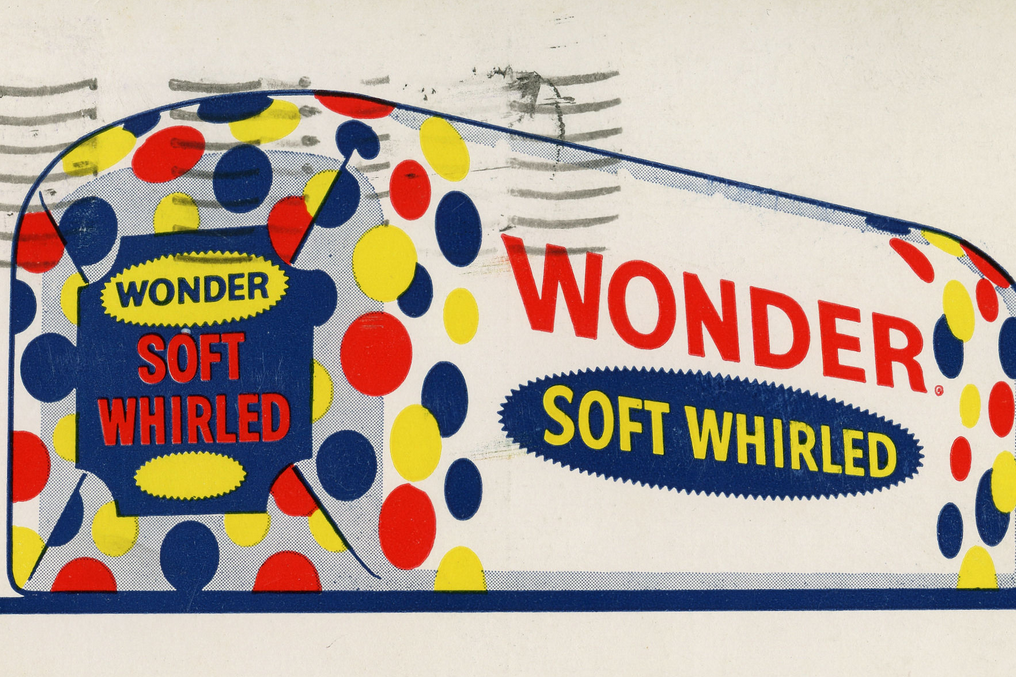
These commercials often featured packed lunches made quickly in the morning. Sandwiches were simple and familiar. Kids ate at school or on the go, but the food came from home. Parents prepared meals without much ceremony.
The ads unintentionally document how families handled daily nourishment. Lunch was about reliability, not creativity. It was another routine task built into family life. Those moments quietly show how much structure shaped everyday living in the ’70s.