
1. The Velvet Underground & Nico (1967)
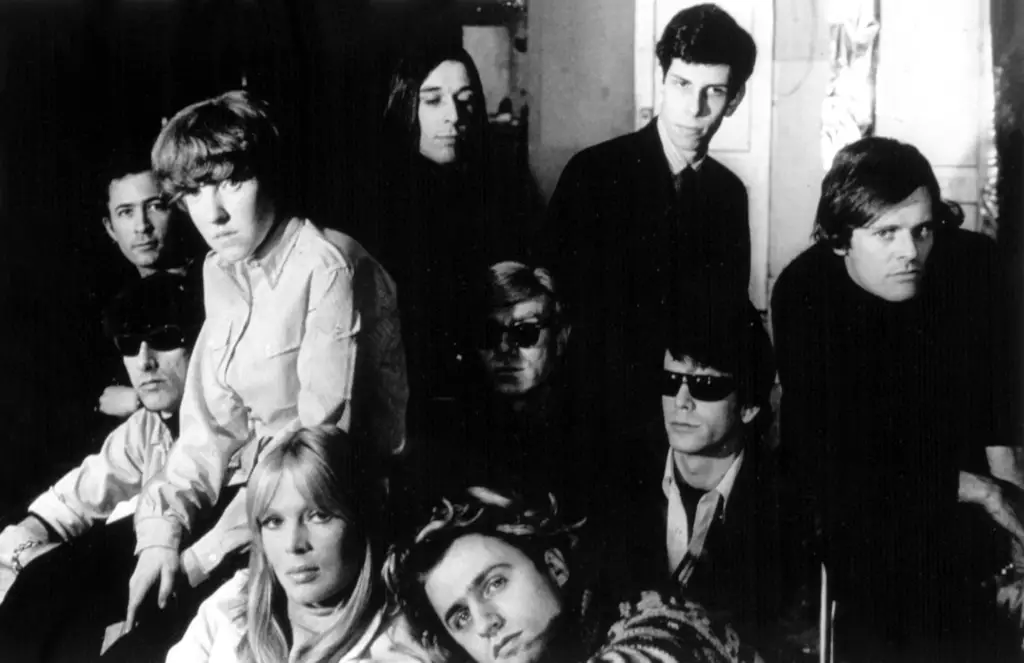
When this album first came out, it barely made a ripple on the charts, and that was almost beside the point. Its influence came quietly, spreading through artists who heard something raw and uncompromising they had not encountered before. The songs felt observational rather than showy, more interested in mood and honesty than polish. It sounded like a private conversation accidentally recorded.
Over time, musicians picked up on its stripped-down approach and emotional directness. You can hear echoes of it in punk, alternative rock, and indie music decades later. The album taught artists that commercial success was not the only measure of importance. It proved that a record could fail loudly at first and still reshape music history.
2. Odessey and Oracle by The Zombies (1968)
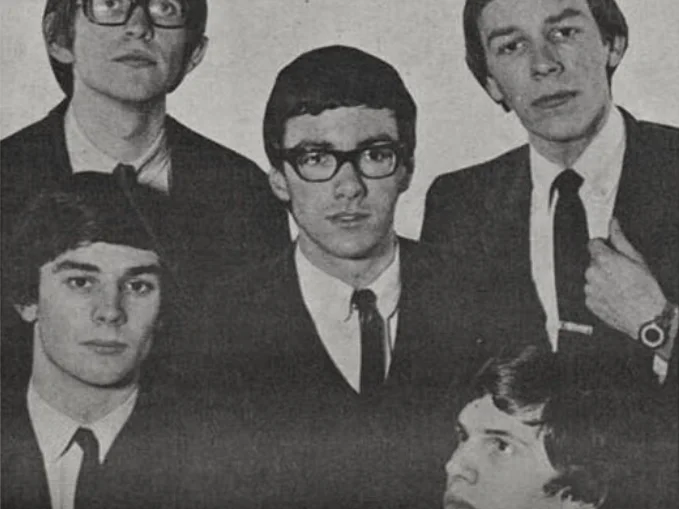
This album slipped out quietly just as the band was breaking up, which makes its long-term impact even more surprising. At the time, it sounded gentle and introspective compared to louder psychedelic records. The melodies were intricate, and the lyrics felt reflective rather than flashy. It was an album that rewarded careful listening.
Years later, musicians began citing it as a masterclass in pop craftsmanship. Its layered harmonies and thoughtful songwriting became a reference point for baroque pop and indie bands. The record showed that emotional subtlety could be just as powerful as volume. It slowly earned its reputation by being discovered again and again.
3. Forever Changes by Love (1967)
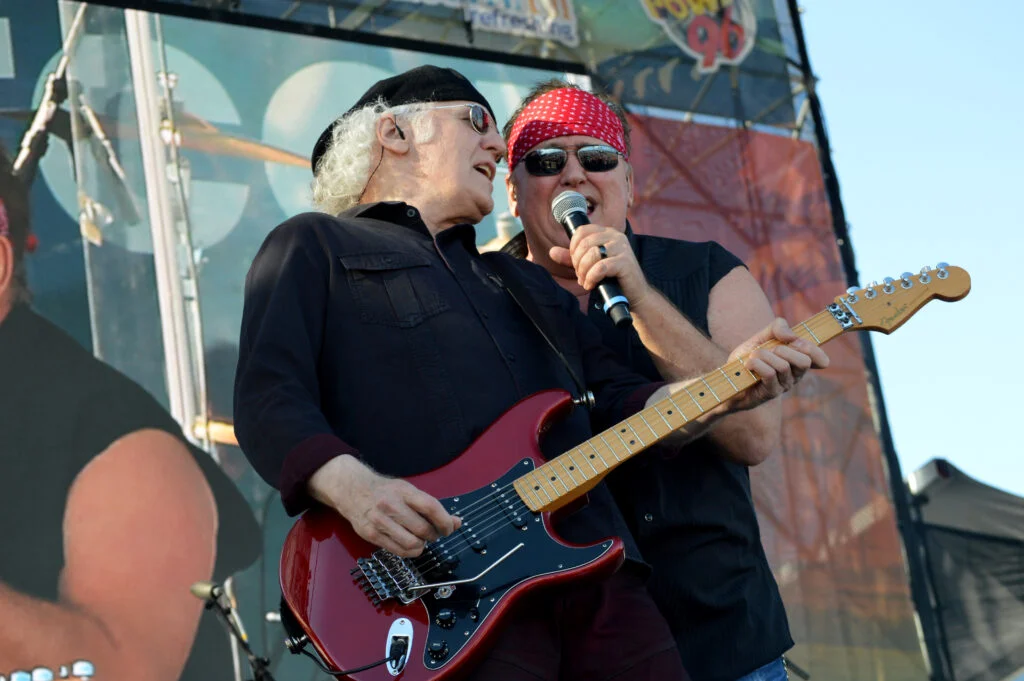
This album did not shout its importance, even though it was released during a very loud musical era. Instead, it blended folk, rock, and orchestral elements into something unusually fragile. The lyrics carried a sense of unease and introspection that felt ahead of its time. It sounded like an album made by someone already looking back.
Later generations heard its influence in artists who valued mood and atmosphere over obvious hooks. It became a template for emotionally complex songwriting. Musicians admired how it balanced beauty with tension. Its legacy grew quietly through repeated listens rather than instant acclaim.
4. Astral Weeks by Van Morrison (1968)
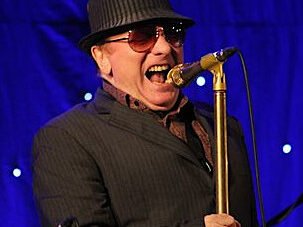
When this album arrived, it confused many listeners who expected something more conventional. The songs felt loose and almost improvisational, yet deeply emotional. Rather than chasing trends, it followed its own internal logic. It sounded personal in a way few albums did at the time.
Over the years, it became a touchstone for singer-songwriters seeking emotional honesty. Artists learned that vulnerability could be powerful without being literal. The album influenced folk, jazz, and indie musicians alike. Its impact spread through feeling rather than imitation.
5. Bookends by Simon & Garfunkel (1968)
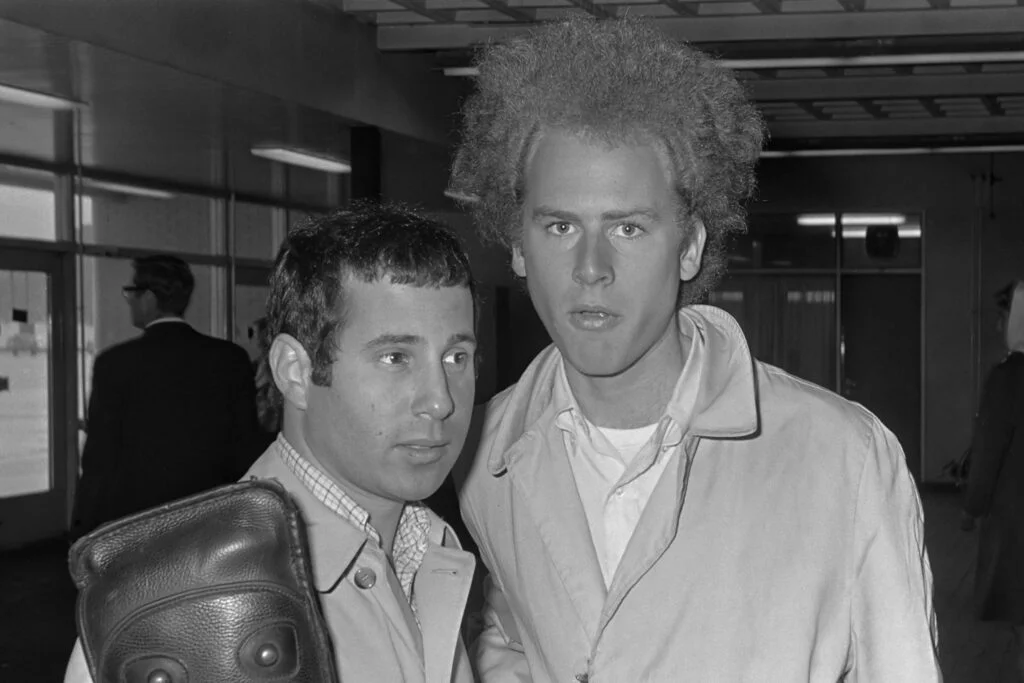
This album did not rely on big statements to make its mark. Instead, it explored aging, memory, and loss with a quiet confidence. The songs felt like snapshots rather than declarations. It was reflective at a time when many albums aimed to be revolutionary.
Its influence showed up in how later artists approached concept albums. Musicians learned that subtle themes could tie a record together effectively. The album encouraged thoughtful storytelling over spectacle. It proved that restraint could resonate across generations.
6. The Notorious Byrd Brothers by The Byrds (1968)
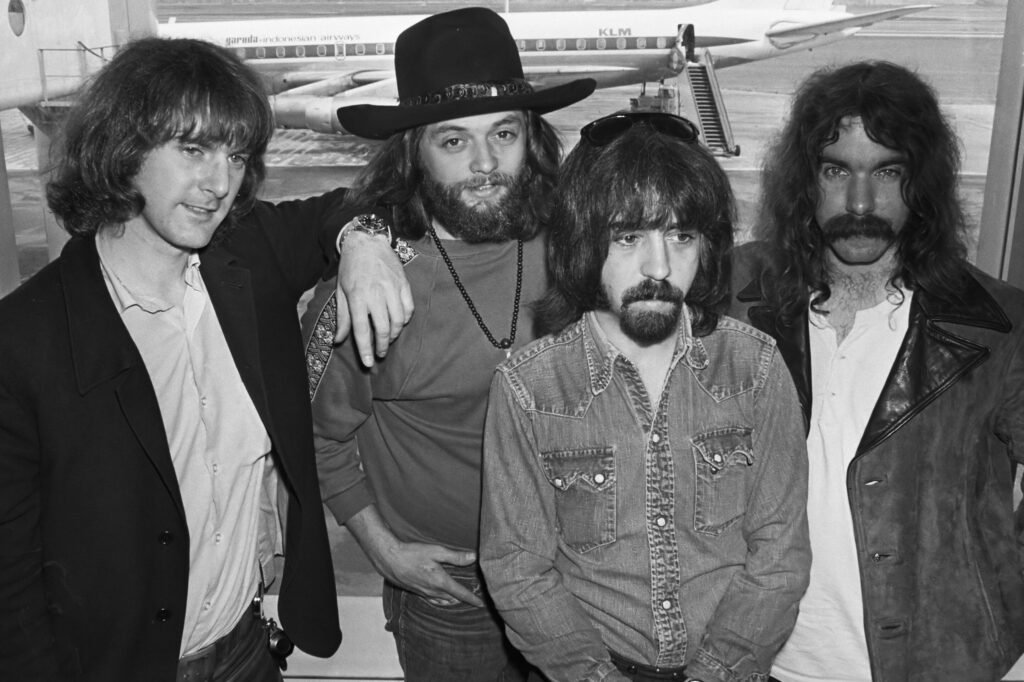
Released during a period of internal band turmoil, this album felt surprisingly cohesive. It blended folk rock with psychedelic experimentation without drawing attention to the innovation. The production choices were subtle but forward-thinking. It sounded modern without trying too hard.
Later artists picked up on its seamless fusion of styles. It helped normalize experimentation within pop frameworks. The album influenced how bands approached studio creativity. Its legacy grew quietly as musicians recognized how ahead of its time it was.
7. In the Court of the Crimson King by King Crimson (1969)
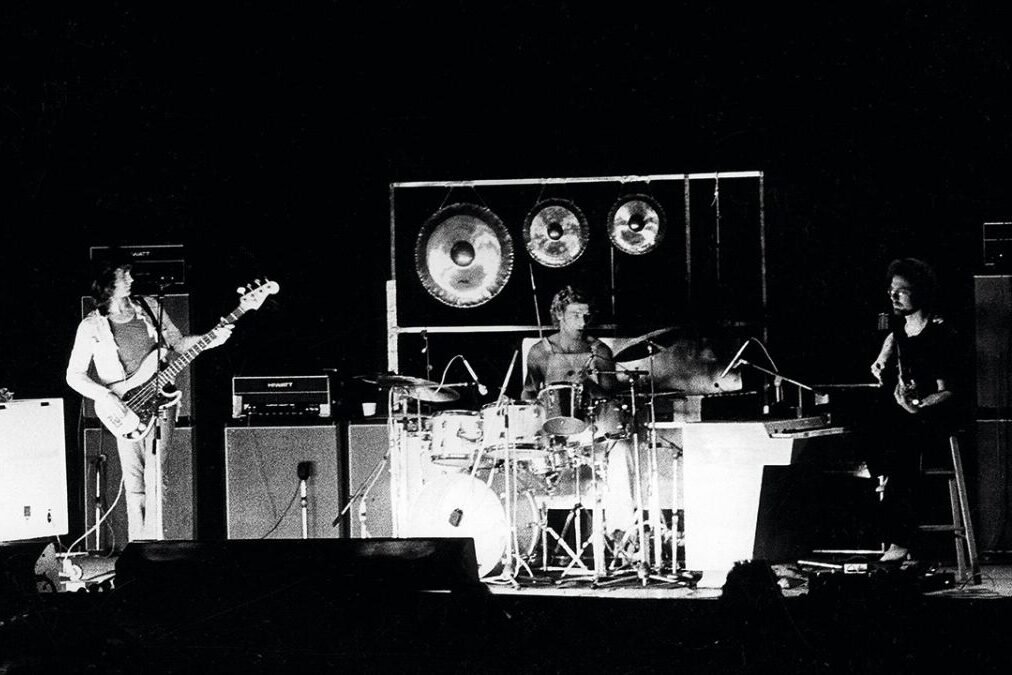
This album did not dominate mainstream radio, but it changed the direction of progressive rock. Its dramatic shifts and ambitious arrangements felt almost cinematic. It treated rock music as something expansive and intellectual. The album sounded like a doorway opening.
Musicians who heard it realized albums could be immersive experiences. It influenced countless bands interested in complexity and atmosphere. The record encouraged risk-taking without compromise. Its influence traveled through musicians rather than charts.
8. Music from Big Pink by The Band (1968)
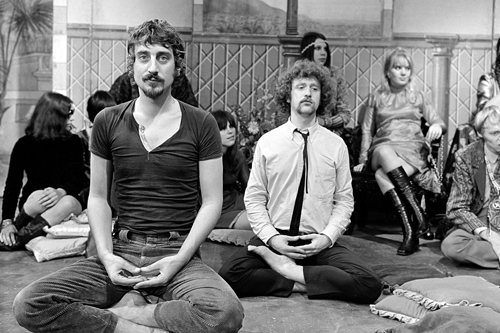
At a time when excess was becoming common, this album felt grounded and human. Its songs drew from American roots music without nostalgia. The harmonies sounded lived-in rather than polished. It felt like music made for listening rooms instead of stadiums.
The album influenced generations of artists seeking authenticity. It helped spark a return to roots-based songwriting. Musicians learned that simplicity could feel radical. Its quiet confidence reshaped rock music’s direction.
9. Song Cycle by Van Dyke Parks (1967)
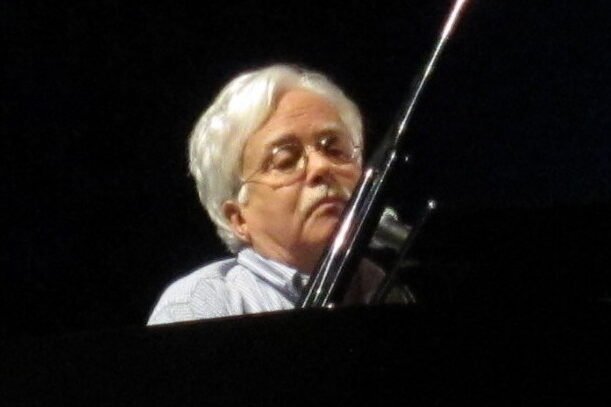
This album was never meant to be easily digestible. Its dense arrangements and abstract lyrics puzzled many listeners. It blended pop with classical and experimental elements in unexpected ways. The record felt like a personal art project.
Over time, it became a reference point for ambitious musicians. Artists learned that albums could be complex and unapologetic. It influenced experimental pop and orchestral rock. Its impact lived mostly among musicians and composers.
10. Stand! by Sly and the Family Stone (1969)
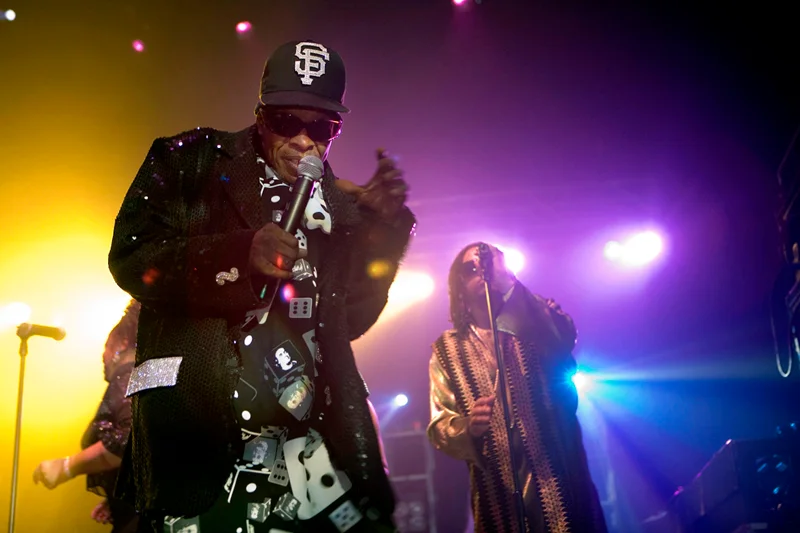
This album did not announce itself as revolutionary, even though it was. It blended funk, soul, rock, and pop with ease. The songs felt communal and inclusive. It sounded joyful without being simplistic.
Later generations recognized how it reshaped popular music. It influenced funk, hip-hop, and modern pop structures. Artists learned how genre boundaries could dissolve naturally. Its influence became clearer with time.
11. Village Green Preservation Society by The Kinks (1968)
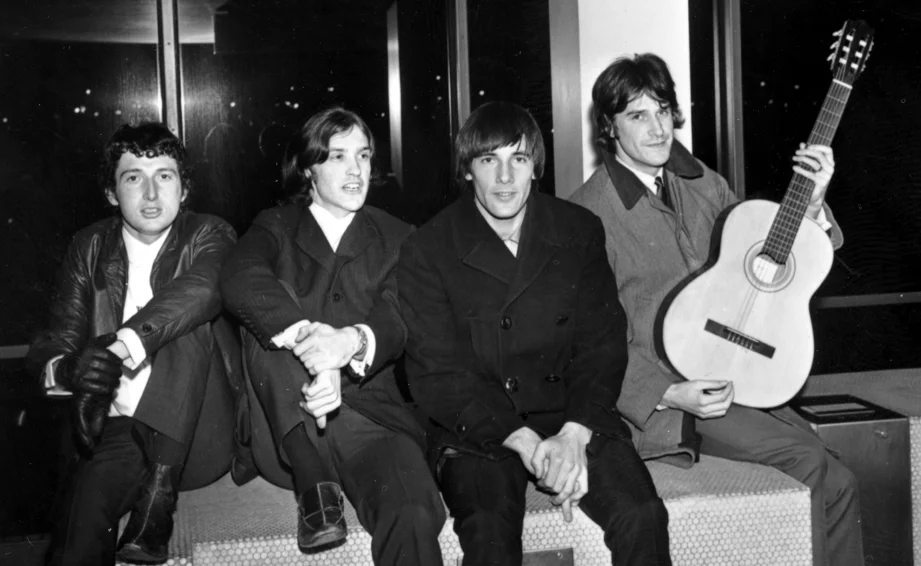
This album felt oddly out of place during the late ’60s. Instead of psychedelia, it focused on nostalgia and everyday life. The songs were gentle and observational. It sounded intentionally small.
Its influence grew among artists who valued storytelling. Musicians learned that albums could focus inward rather than outward. It helped shape indie and alternative sensibilities. The record quietly aged into relevance.
12. At Folsom Prison by Johnny Cash (1968)
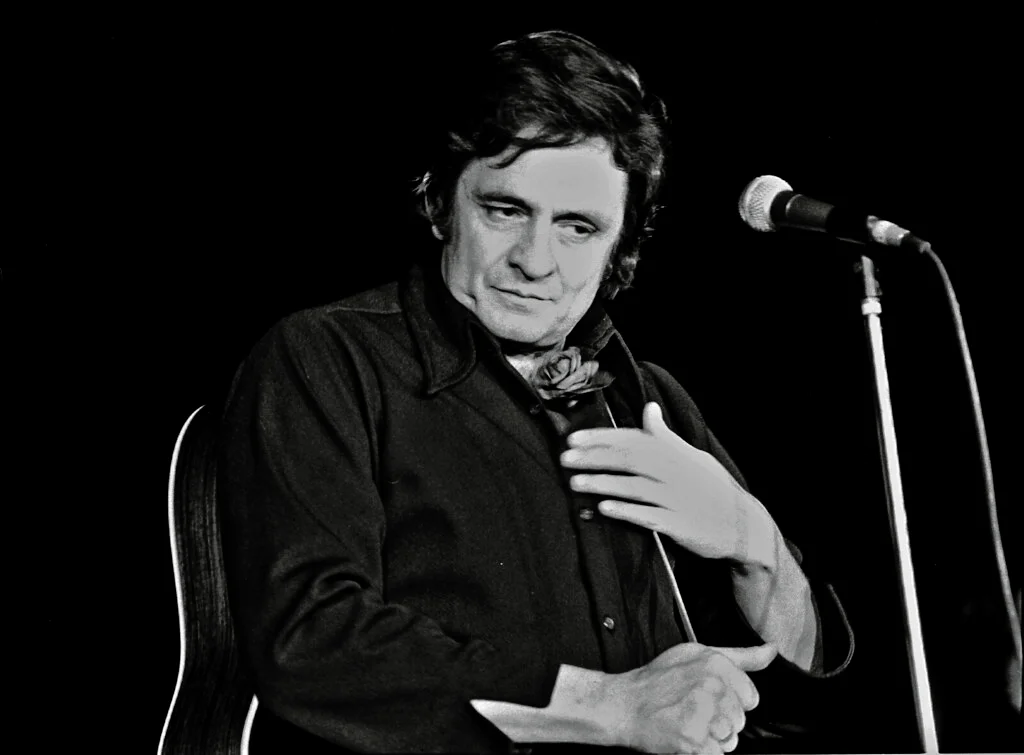
This live album did not feel like a standard concert recording. It captured atmosphere and empathy as much as music. Cash sounded connected to his audience in a rare way. The album felt human and immediate.
Artists later saw it as a blueprint for authentic performance. It influenced how musicians approached live recordings. The album showed that context mattered as much as sound. Its impact stretched far beyond country music.
13. Five Leaves Left by Nick Drake (1969)
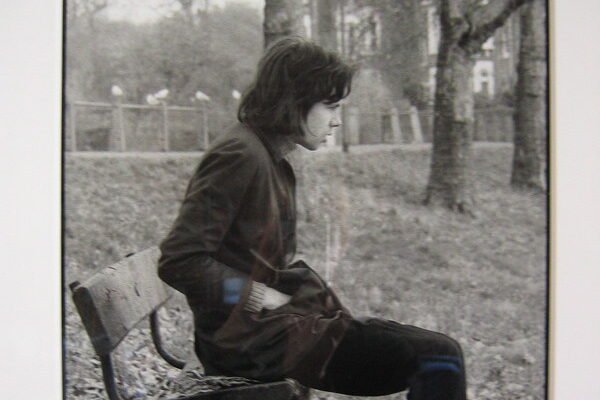
This album passed almost unnoticed when it was released. Its quiet voice and gentle arrangements did not match the era’s expectations. The songs felt intimate and private. It sounded like music meant for solitude.
Decades later, it became deeply influential. Artists learned the power of understatement. It shaped folk and indie music’s emotional tone. Its influence spread through listeners who discovered it slowly.
14. Hot Buttered Soul by Isaac Hayes (1969)
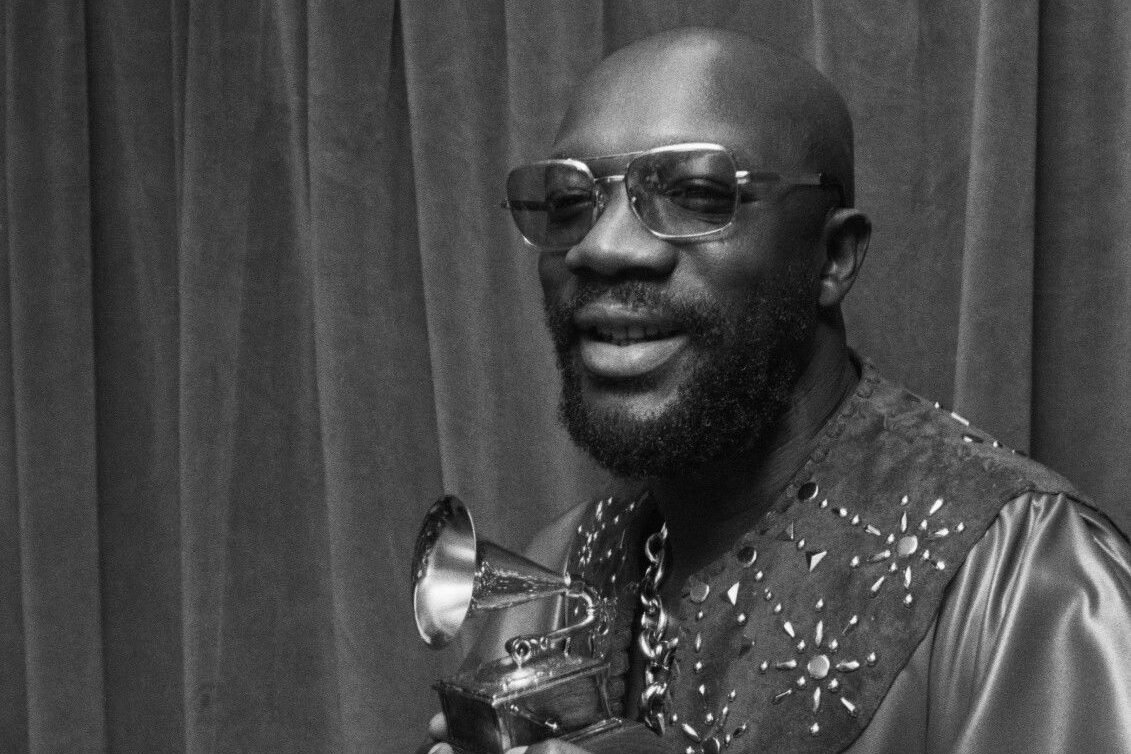
This album quietly redefined what soul music could be. Its extended tracks and lush arrangements felt cinematic. Hayes treated songs as journeys rather than singles. The album encouraged listening rather than skimming.
Later artists drew inspiration from its structure and confidence. It influenced funk, R&B, and hip-hop production. Musicians learned the value of space and patience. Its impact grew as music evolved.