
1. Phoebe Cates
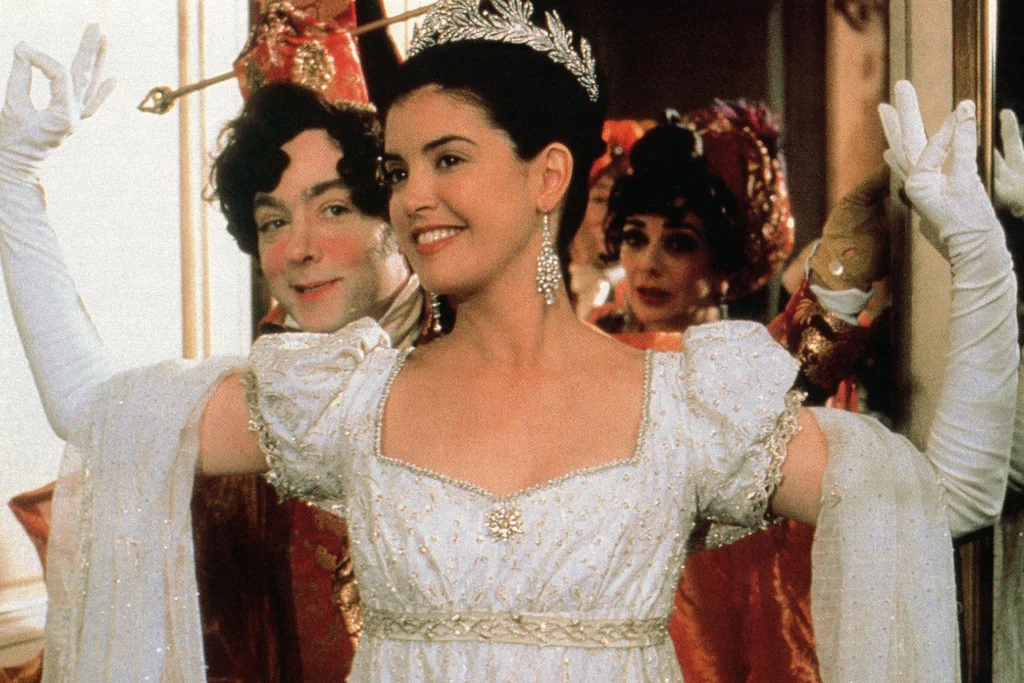
Phoebe Cates became an ’80s icon almost overnight, thanks to roles in Fast Times at Ridgemont High and Gremlins. She had a screen presence that balanced innocence with confidence, which made her stand out among her peers. Throughout the decade, she remained a familiar face in teen and family films. Audiences expected her to keep climbing. Instead, she gradually pulled back.
By the mid ’90s, Cates had largely left acting to focus on family life. She did not attempt a comeback or rebrand, which only added to the sense that she had vanished. Her choice feels especially striking given how recognizable she still is. Even today, her brief run looms large. Sometimes a short career leaves the longest shadow.
2. Rick Moranis
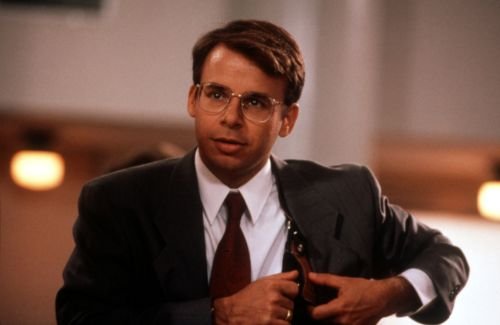
In the mid ’80s, Rick Moranis was everywhere, stealing scenes in Ghostbusters, Spaceballs, and Little Shop of Horrors. He had a very specific comic presence that audiences immediately trusted, the kind that felt both nerdy and sincere. By the early ’90s, he was a reliable box office draw, especially after Honey, I Shrunk the Kids. Then, almost abruptly, he stopped appearing in major films.
Moranis later explained that he stepped away to focus on raising his children after his wife died. Rather than chasing cameos or nostalgia tours, he simply chose a quieter life. For years, his absence felt mysterious because it was so complete. When he has resurfaced occasionally, it has been on his own terms. His disappearance was not about fading relevance, it was a deliberate choice.
3. Michael Schoeffling
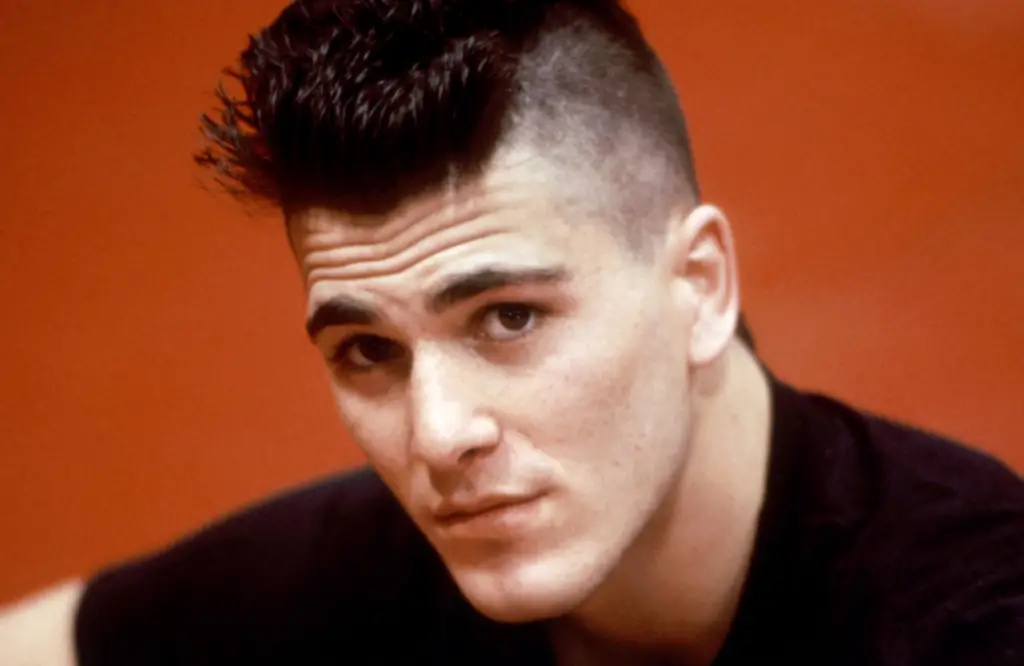
Michael Schoeffling became instantly memorable as Jake Ryan in Sixteen Candles. He played the role with such ease that many assumed he would become a long term leading man. Throughout the ’80s, he appeared in several films that leaned on that quiet, romantic appeal. Then, after 1991, he stopped acting altogether.
Schoeffling chose to leave Hollywood and pursue a different life, eventually becoming a woodworker and furniture maker. Unlike many former stars, he never circled back. His disappearance felt especially sharp because it was so final. Fans still search for updates decades later. That level of curiosity says a lot about how bright his moment burned.
4. Jennifer Grey
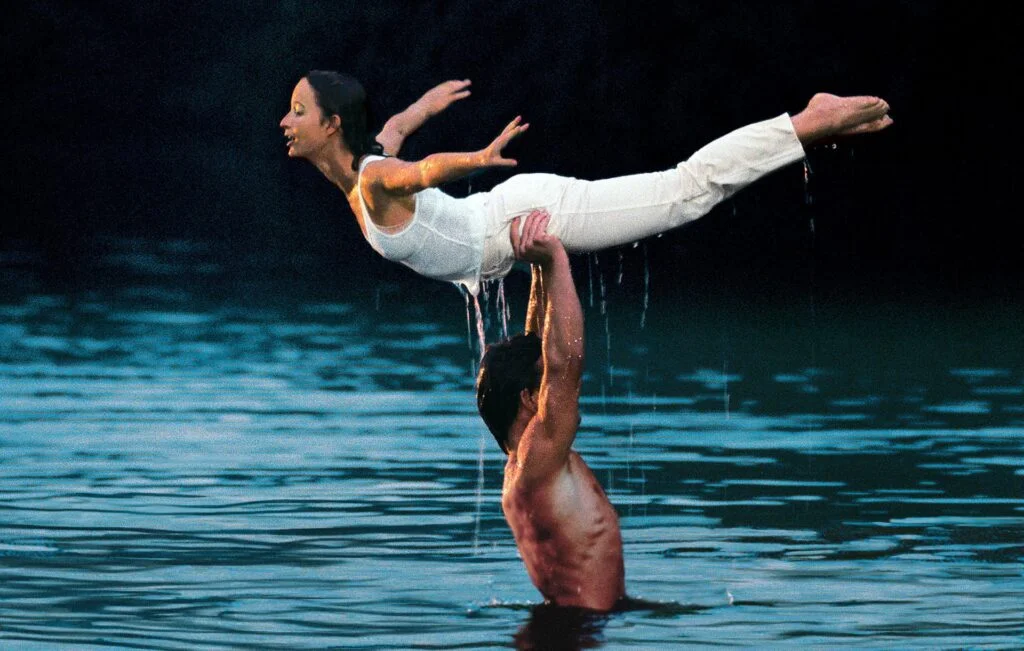
Jennifer Grey seemed poised for a long career after Dirty Dancing turned her into a household name. The film made her face instantly recognizable and tied her to one of the most enduring romances of the decade. Expectations were sky high. Yet her follow up roles never carried the same impact. Gradually, she faded from the spotlight.
A series of personal and professional factors shaped that retreat, including injuries and cosmetic surgery that altered her appearance. Grey later spoke openly about how difficult that transition was. While she has worked steadily in smaller projects and later reemerged in limited ways, her long absence defined how audiences remembered her. Her story shows how fragile momentum can be.
5. Pam Dawber
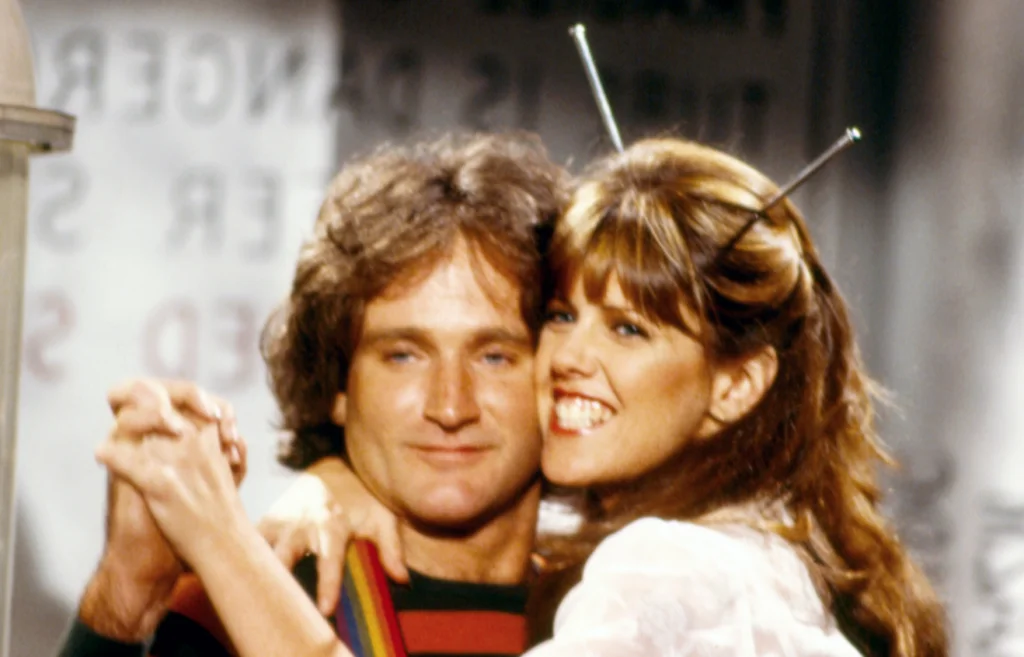
Pam Dawber became a television staple as Mindy in Mork & Mindy. Her chemistry with Robin Williams made the show feel effortless and warm. Throughout the late ’70s and early ’80s, she was a familiar presence in American living rooms. When the series ended, many expected her to anchor another hit.
Dawber chose to focus on family life after marrying Mark Harmon. While she occasionally returned for guest roles, she avoided the constant visibility that once defined her career. Her disappearance was subtle rather than dramatic. Over time, it felt intentional rather than accidental. She walked away while audiences still wanted more.
6. Kelly McGillis
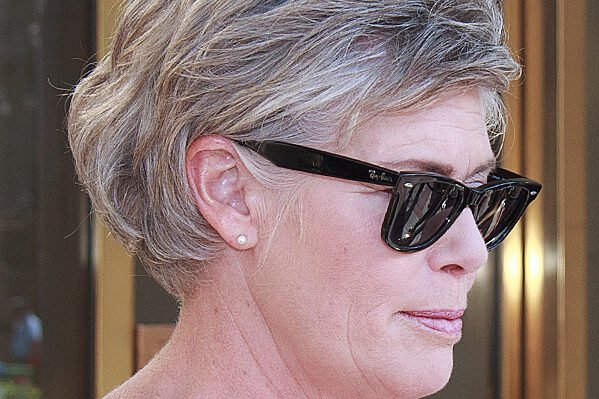
Kelly McGillis reached peak visibility with Top Gun and Witness. She brought a grounded intensity that contrasted with the flashier stars of the decade. For a time, she seemed positioned for a long run as a serious leading actress. Then her appearances became less frequent.
McGillis later shifted her focus toward theater and teaching. She spoke candidly about stepping away from Hollywood’s expectations. While she never truly stopped working, she left mainstream fame behind. Her absence felt noticeable because her talent had been so clear. It was another case of choosing a different path rather than being pushed out.
7. Judge Reinhold
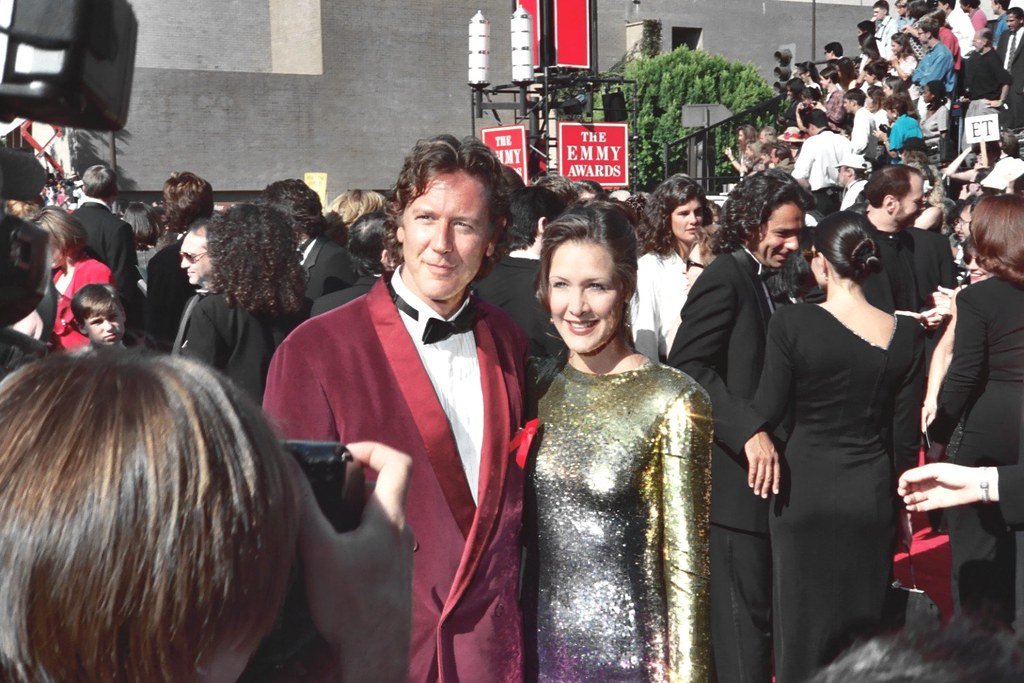
Judge Reinhold was a familiar face throughout the ’80s, especially in Beverly Hills Cop and Fast Times at Ridgemont High. He excelled at playing slightly awkward, relatable characters. For years, he showed up in hit after hit, often without much fanfare. Then, slowly, those roles dried up.
Reinhold continued working, but mostly in smaller projects and television. He never fully disappeared, but his leading man moment ended abruptly. The shift felt sudden given how ubiquitous he once was. His career arc reflects how quickly supporting stars can fall out of rotation. Fame does not always fade loudly.
8. Debra Winger
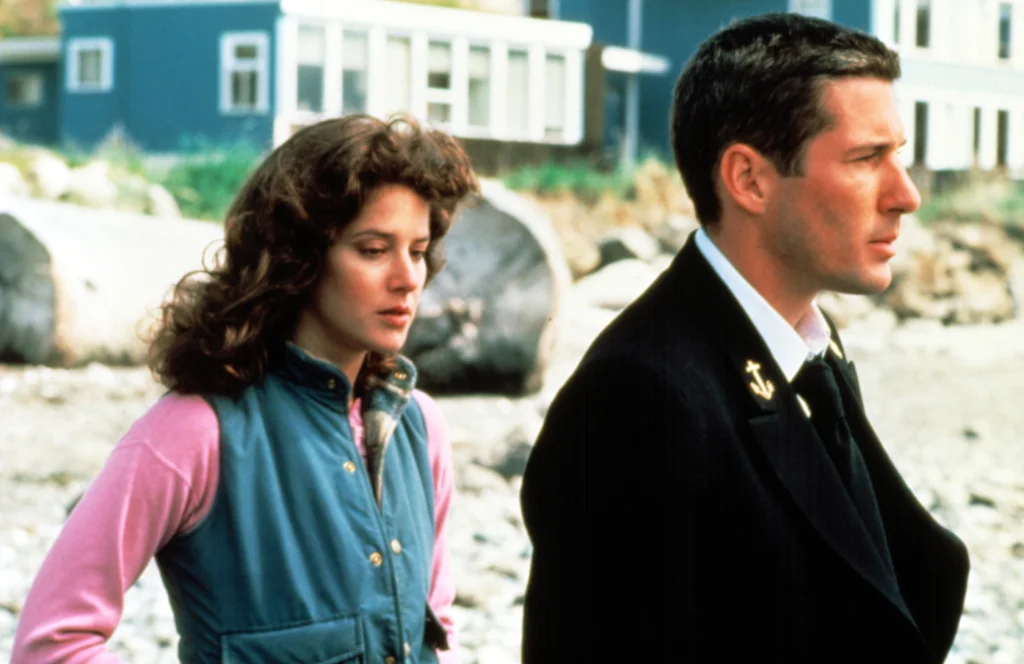
Debra Winger was one of the most respected actresses of the early ’80s, earning acclaim for films like An Officer and a Gentleman and Terms of Endearment. She brought emotional depth that set her apart. At her peak, she was nominated for multiple Academy Awards. Then she began appearing less often.
Winger later said she stepped away because she grew disillusioned with Hollywood. Rather than compromise, she chose distance. For years, she worked sporadically or not at all. When she did return, it was quietly and selectively. Her disappearance was a reminder that prestige does not guarantee longevity.
9. Corey Haim
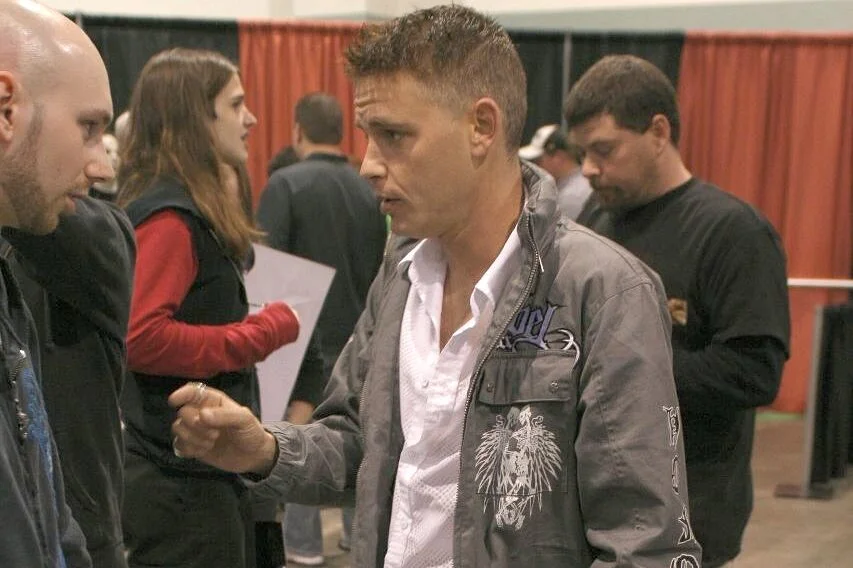
Corey Haim defined a certain kind of ’80s teen stardom, especially with films like The Lost Boys. He was everywhere for a brief window, on posters, magazine covers, and movie screens. His fame arrived fast and intensely. Just as quickly, it became unstable.
Personal struggles overshadowed his work, and the industry moved on. Haim’s disappearance was not voluntary or peaceful. It reflected how little support young stars often received. His story remains one of the more sobering examples of burned out fame. The brightness of his rise only made the fall more visible.
10. Andrew McCarthy
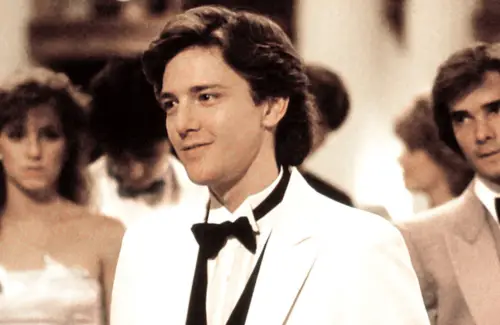
Andrew McCarthy became a defining face of the Brat Pack era with films like Pretty in Pink and St. Elmo’s Fire. He embodied a thoughtful, sensitive leading man that resonated with audiences. For a few years, he seemed inescapable. Then his on screen presence diminished.
McCarthy eventually reinvented himself behind the camera. He became a respected television director and later a writer. While he never vanished completely, his shift away from acting felt abrupt at the time. Fans often forget how intentional that change was. He did not disappear, he redirected.
11. Ally Sheedy
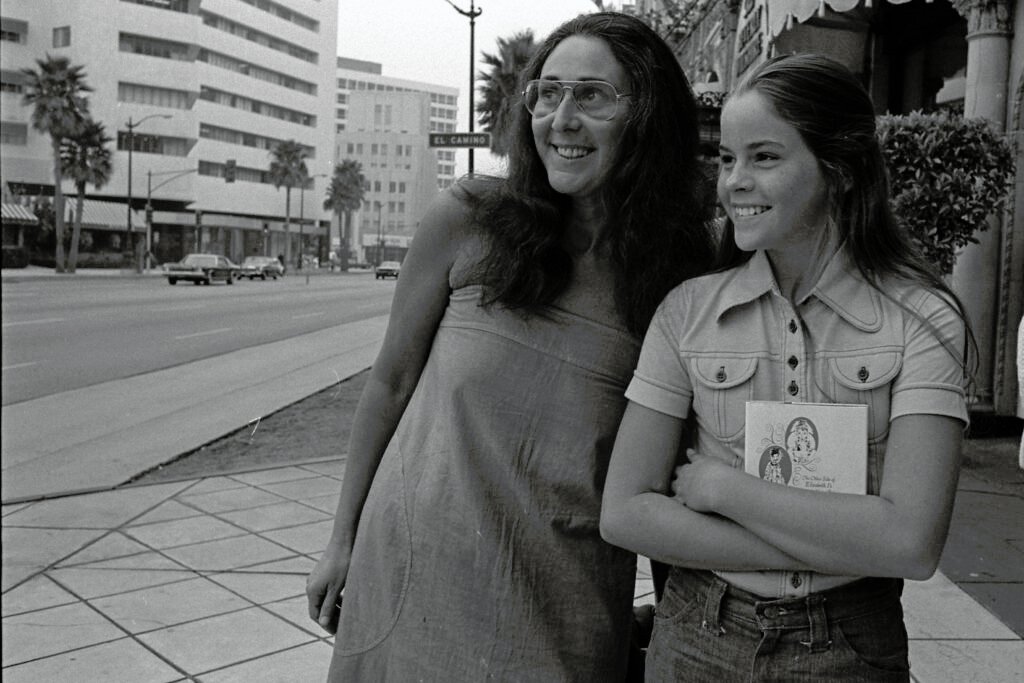
Ally Sheedy stood out in the ’80s for playing characters who felt intelligent and unconventional. Films like The Breakfast Club made her instantly recognizable. She had a presence that suggested depth beyond teen roles. Yet after the decade ended, her mainstream visibility declined.
Sheedy continued working steadily in independent films and television. Her career never fully stopped, but it moved out of the spotlight. That quieter path made it feel like she vanished. In reality, she simply chose projects that did not chase mass attention. The shift was subtle but lasting.
12. Catherine Mary Stewart
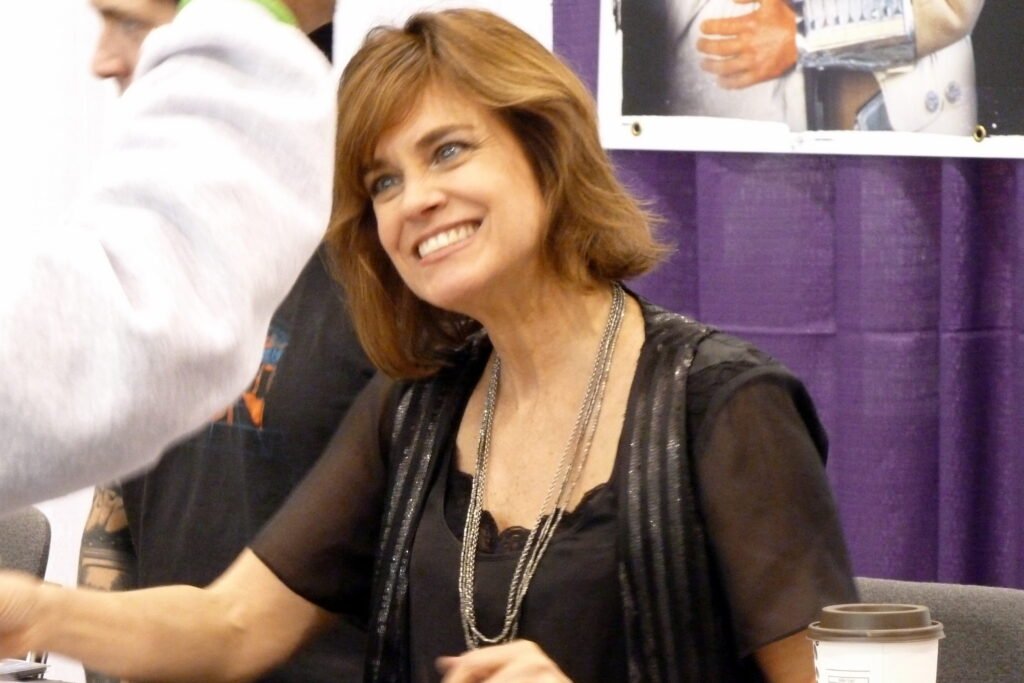
Catherine Mary Stewart appeared in several memorable ’80s films, including The Last Starfighter and Weekend at Bernie’s. She had a wholesome, approachable quality that fit the era perfectly. For a few years, she seemed poised for sustained success. Then her name appeared less and less in major releases.
Stewart transitioned toward television and later focused on family life. Like many stars of the era, she did not pursue a comeback narrative. Her disappearance felt gentle rather than dramatic. She remains recognizable to those who grew up with her films. Sometimes fading out is a conscious choice.
13. Mia Sara
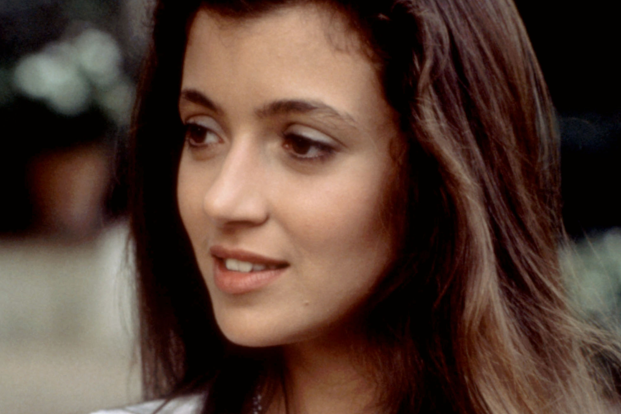
Mia Sara became instantly recognizable in the mid ’80s thanks to Ferris Bueller’s Day Off, where she played Sloane with a quiet confidence that balanced the film’s chaos. She did not need big speeches or flashy moments to stand out. Audiences remembered her presence, even when she was sharing scenes with larger personalities. That kind of impression usually leads to a long career.
By the early ’90s, Sara began stepping away from mainstream Hollywood. She continued acting sporadically, including voice work and smaller projects, but no longer pursued high visibility roles. Over time, she focused more on writing and family life. Her disappearance felt surprising because it was so understated. There was no career collapse or public drama. She simply chose a quieter path after burning brightly in one of the decade’s most enduring films.