1. Rotary Dial Telephone
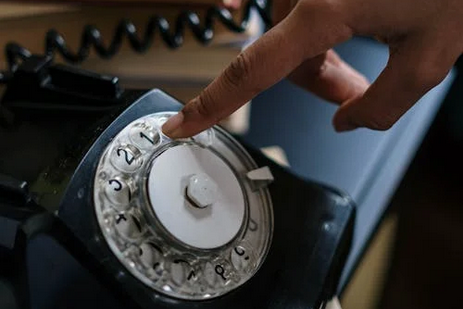
The rotary phone sat in a fixed spot and never moved, usually on a small table in the hallway or kitchen. You learned patience early because dialing meant carefully spinning the numbers and waiting for each one to click back into place. If you messed up the last digit, you started over without complaint. Long cords stretched across rooms, looping around chair legs and door frames. Conversations were public by default, with family members casually listening nearby. No one worried about privacy or convenience, it was just how phones worked.
The sound of the dial returning is still burned into memory for a lot of people. It was oddly satisfying and slightly stressful at the same time. Kids played with the dial even when they were not supposed to. Calls felt more intentional because you had to commit physically to making them. Hanging up meant slamming the receiver down with authority. At the time, it felt completely normal.
2. Wood Paneled Walls
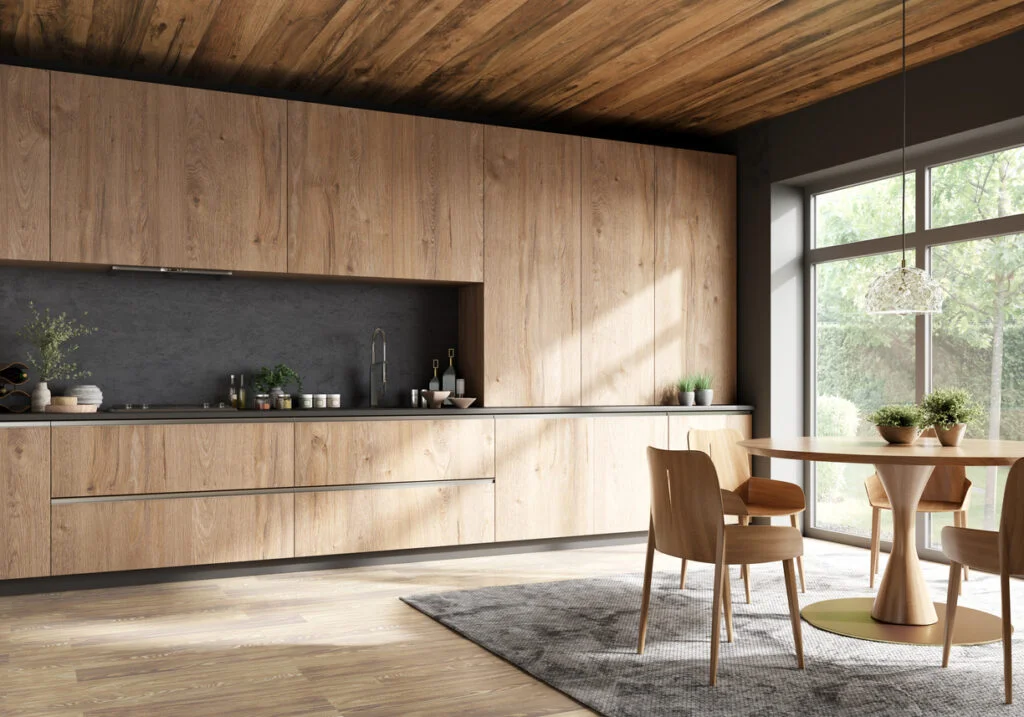
Wood paneling showed up everywhere, especially in basements and living rooms. It was meant to feel cozy, warm and a little upscale without costing too much. The dark lines made rooms feel smaller, but nobody seemed bothered by that. It paired perfectly with shag carpet and heavy furniture. People decorated around it instead of questioning it. It was just part of the house.
The paneling often survived decades longer than anything else in the room. You could scuff it, lean furniture against it and barely notice. Kids pressed their faces against it while watching TV from the floor. It absorbed sound in a way that made rooms feel quieter. Removing it later became a whole project. Back then, no one imagined wanting bare walls again.
3. Shag Carpet
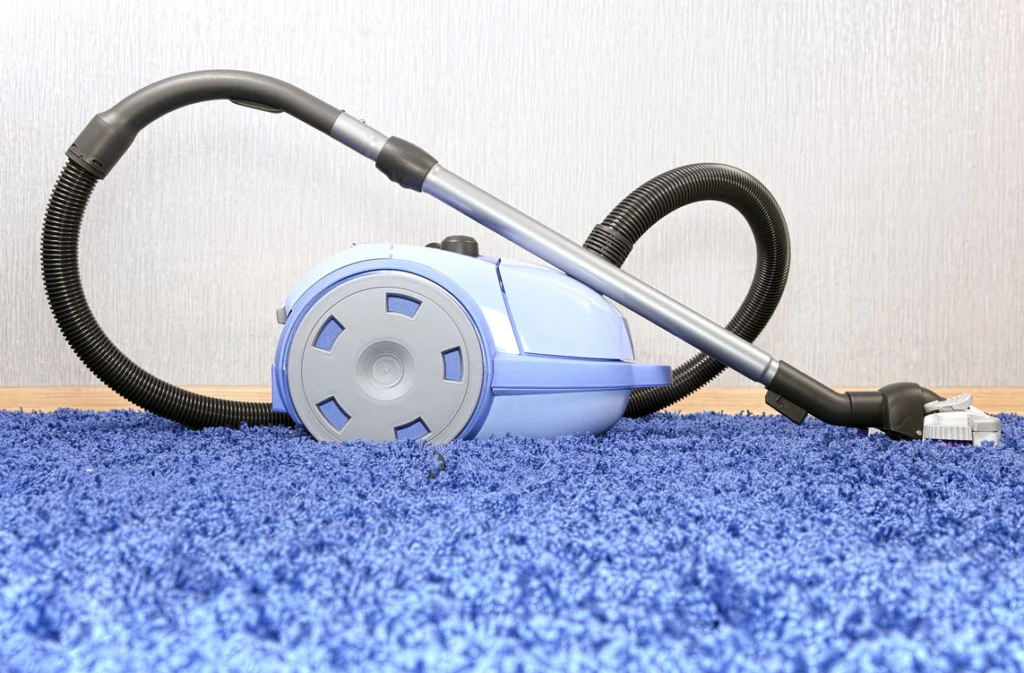
Shag carpet was thick, fluffy and everywhere. It came in bold colors like avocado green, burnt orange and mustard yellow. Walking barefoot across it felt luxurious at first. You quickly learned that crumbs and small toys disappeared into it forever. Vacuuming was more of a suggestion than a solution. Still, it looked modern and inviting at the time.
People sat directly on the floor without thinking twice. The carpet became furniture, play space and sometimes even a bed for naps. You could trace patterns in it with your feet or hands. Spills were handled casually or ignored entirely. It held onto smells and memories equally well. Nobody questioned whether it was practical.
4. TV Antennas
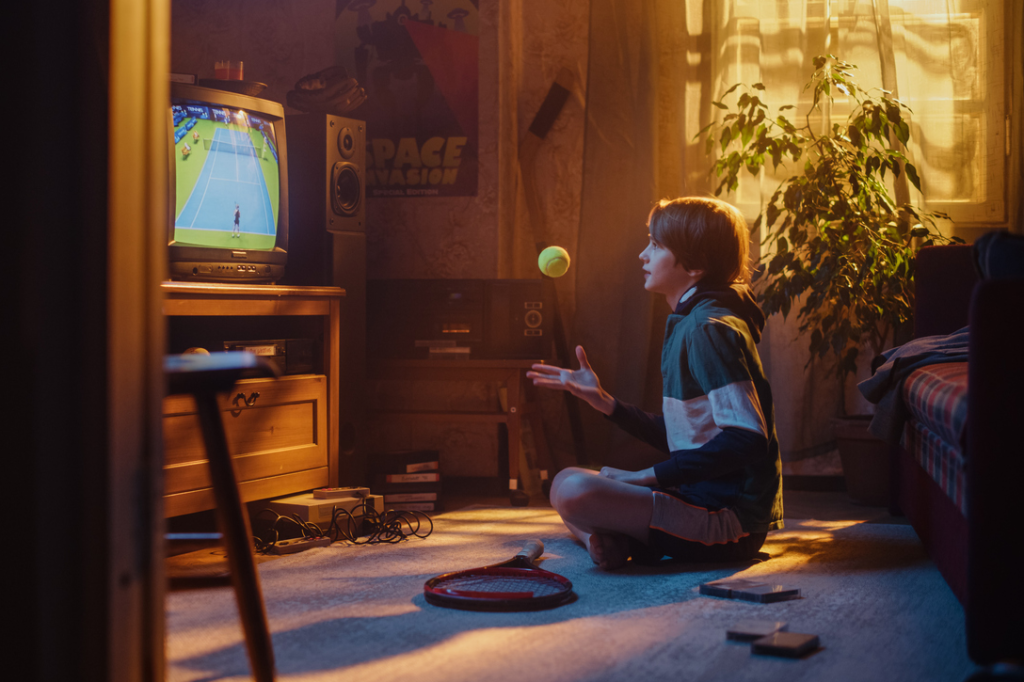
Every television had rabbit ears sticking out of the top. Adjusting them was a shared family ritual. Someone stood near the screen yelling when the picture got better or worse. Aluminum foil was added without any real explanation. Once the picture stabilized, nobody moved. It was an unspoken rule.
Static was just part of watching TV. You accepted fuzzy images and rolling lines as normal. Weather could affect reception and everyone understood that. Channels were limited so you worked with what you had. Watching TV required effort and cooperation. That was simply the deal.
5. Ashtrays Everywhere
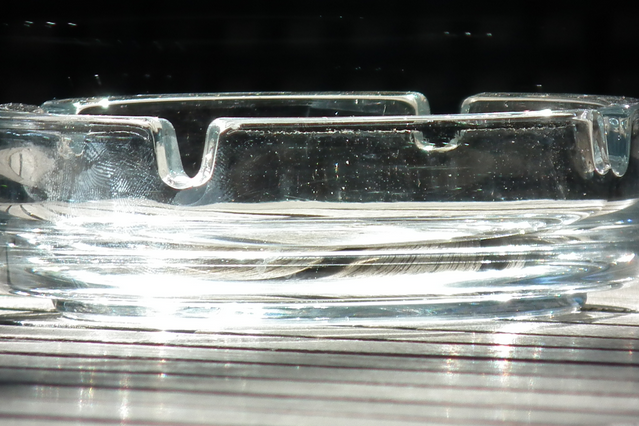
Ashtrays showed up in every room, even in houses where not everyone smoked. They sat on coffee tables, end tables and bathroom counters. Some were decorative, others were clearly well used. No one commented on their presence. They were just part of the furniture.
Even non smokers knew where the ashtrays were kept. Guests expected them and hosts provided them automatically. The smell of smoke lingered without apology. Cleaning them was a routine chore. They blended into daily life without any debate. It felt completely ordinary.
6. Tupperware Sets
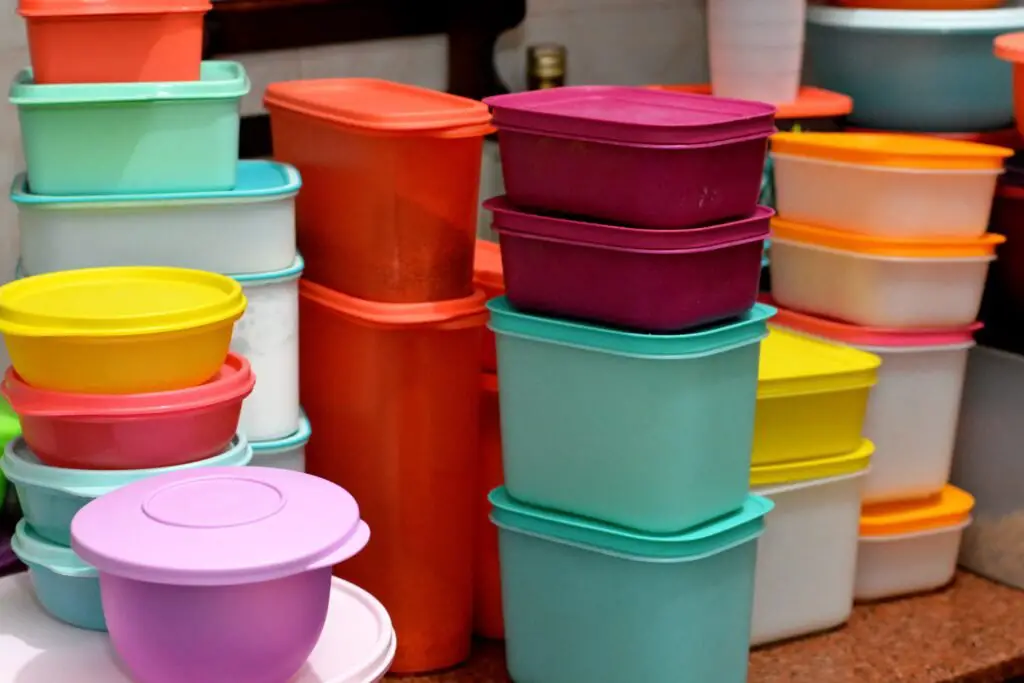
Every kitchen had stacks of plastic containers with mismatched lids. The lids never seemed to fit the right container, but you tried anyway. These sets were often sold at parties, which made them feel special. They were durable and endlessly reusable. Nobody worried about stains or smells. They were built to last.
Leftovers lived in those containers until further notice. You stacked them in the fridge with no system. Kids dug through cabinets searching for the right size. Losing a lid was mildly irritating but not a crisis. The containers outlasted trends and appliances. They felt permanent.
7. Bean Bag Chairs
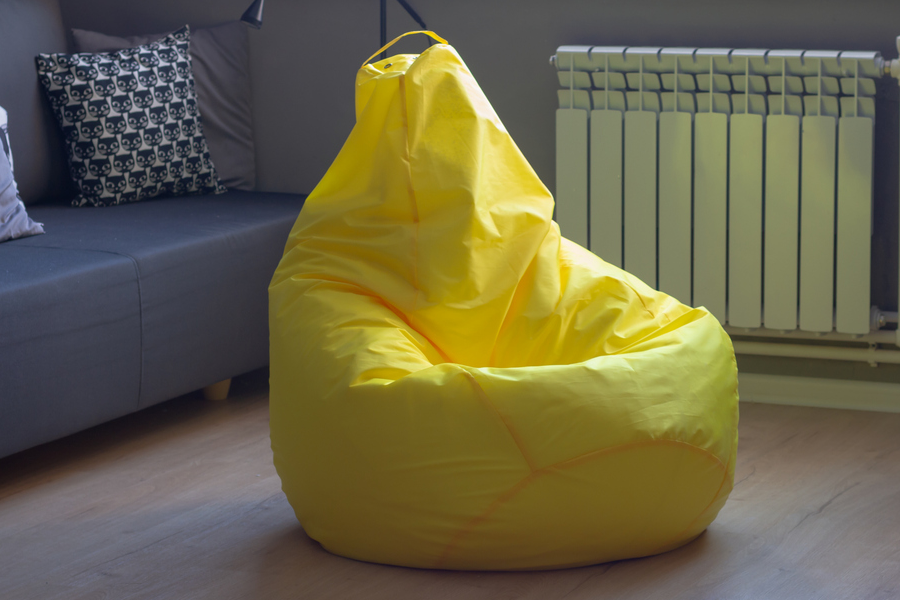
Bean bag chairs looked fun and futuristic. They were rarely as comfortable as advertised. Sitting down was easy, getting up was not. They flattened over time and lost their shape. Still, kids loved them.
They became unofficial seating for TV watching and hanging out. Adults tolerated them because they kept kids off the furniture. The sound of shifting beads was familiar. Rips were disastrous and memorable. Nobody questioned whether they were a good idea. They were just there.
8. Station Wagons
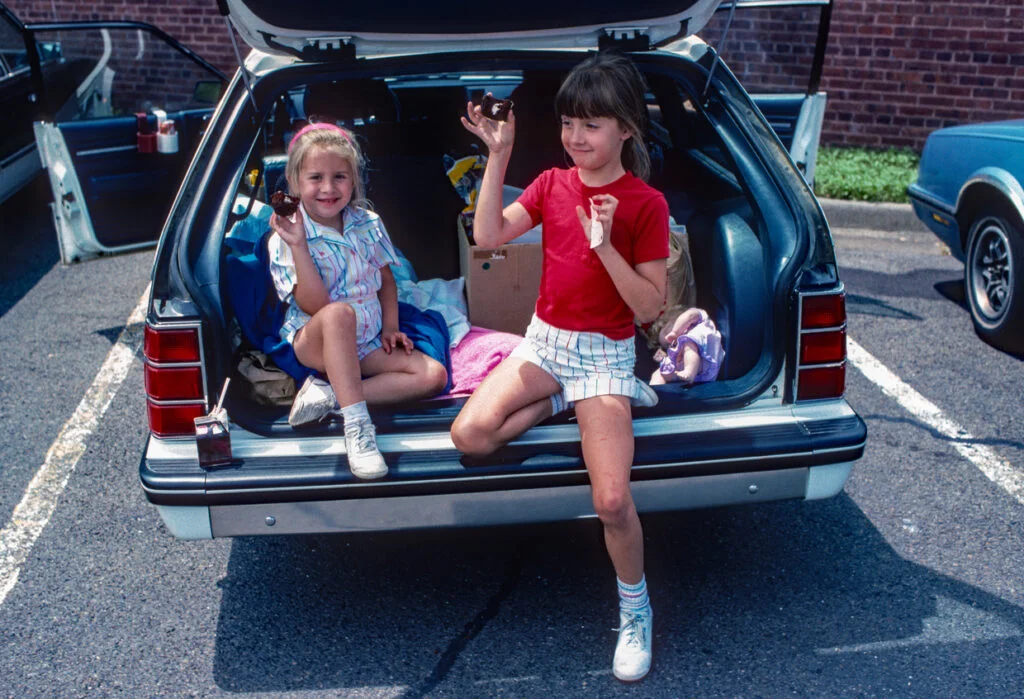
The family car was often a long station wagon with bench seats. Seat belts were optional and loosely enforced. Kids piled into the back without complaint. Road trips meant spreading out across vinyl seats. The car doubled as storage and seating.
The rear facing seat felt thrilling and slightly dangerous. Groceries, sports gear and luggage all shared the same space. The car smelled like everything at once. Cleaning it was rare and half hearted. It was practical and unglamorous. Nobody expected more.
9. Alarm Clocks with Flip Numbers
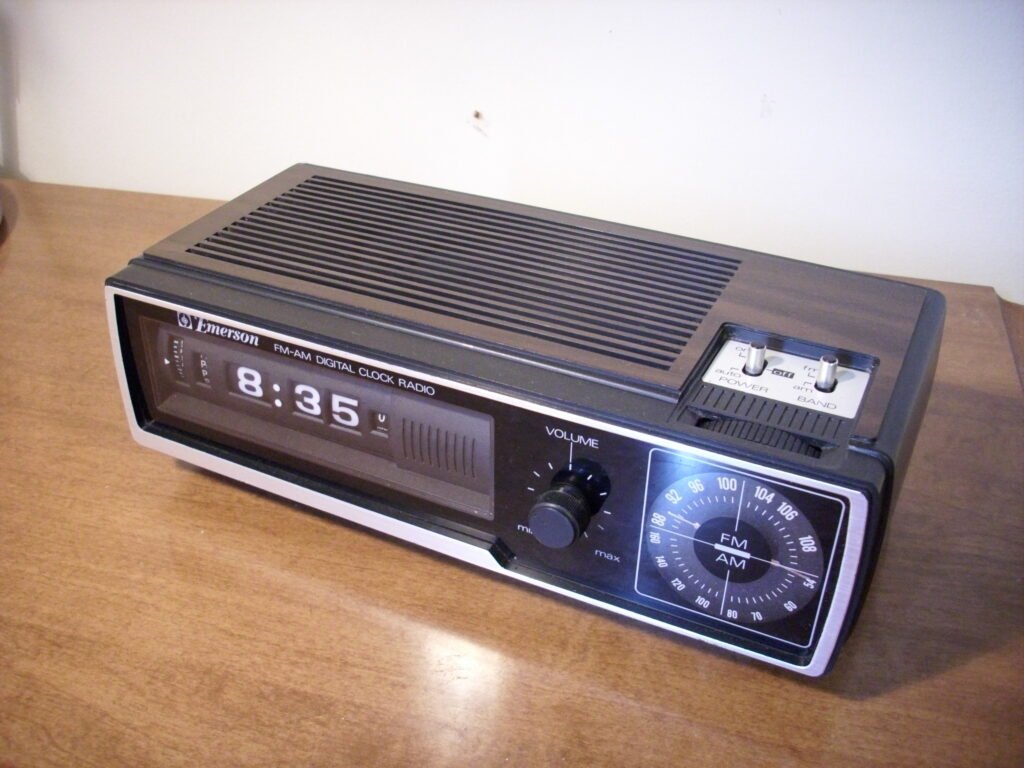
Alarm clocks sat on nightstands ticking loudly through the night. The numbers flipped mechanically instead of glowing digitally. Watching the minutes change could put you to sleep or keep you awake. The alarm sound was harsh and impossible to ignore. Snoozing required effort.
You learned to wake up fast. Setting the time involved small wheels on the back. Power outages meant resetting everything. The clock felt like a reliable authority figure. It controlled mornings without mercy. That was accepted.
10. Lunchboxes with Metal Clasps
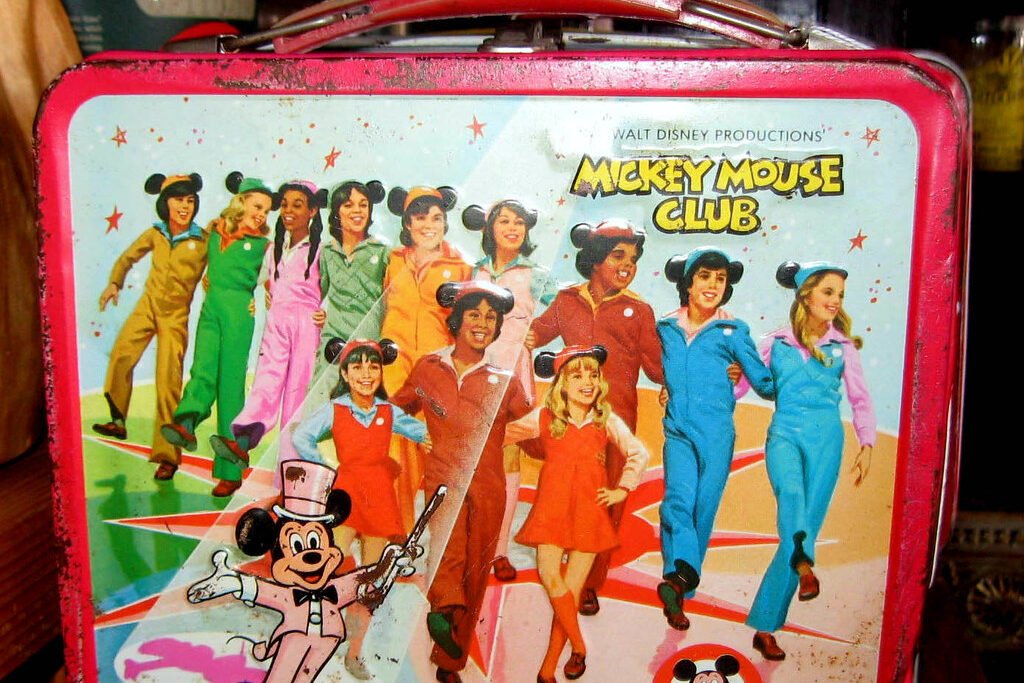
Lunchboxes were sturdy and decorated with popular characters. They opened with a sharp metal snap. Inside sat a matching thermos that sometimes leaked. Kids carried them proudly to school. They were a daily accessory.
The lunchbox often outlasted the school year. Dents and scratches told stories. Forgetting it at school felt devastating. You recognized friends by their lunchboxes. They were personal and practical. No one thought about replacements.
11. Encyclopedias

Bookshelves often held a full set of encyclopedias. They were expensive and treated with respect. Kids used them for homework without question. Information felt solid and final. You trusted what you read.
Looking something up took time and effort. You flipped pages carefully. Older editions stayed in use long past their prime. Families rarely replaced them. They symbolized knowledge itself. That felt enough.
12. Plastic Ice Cube Trays
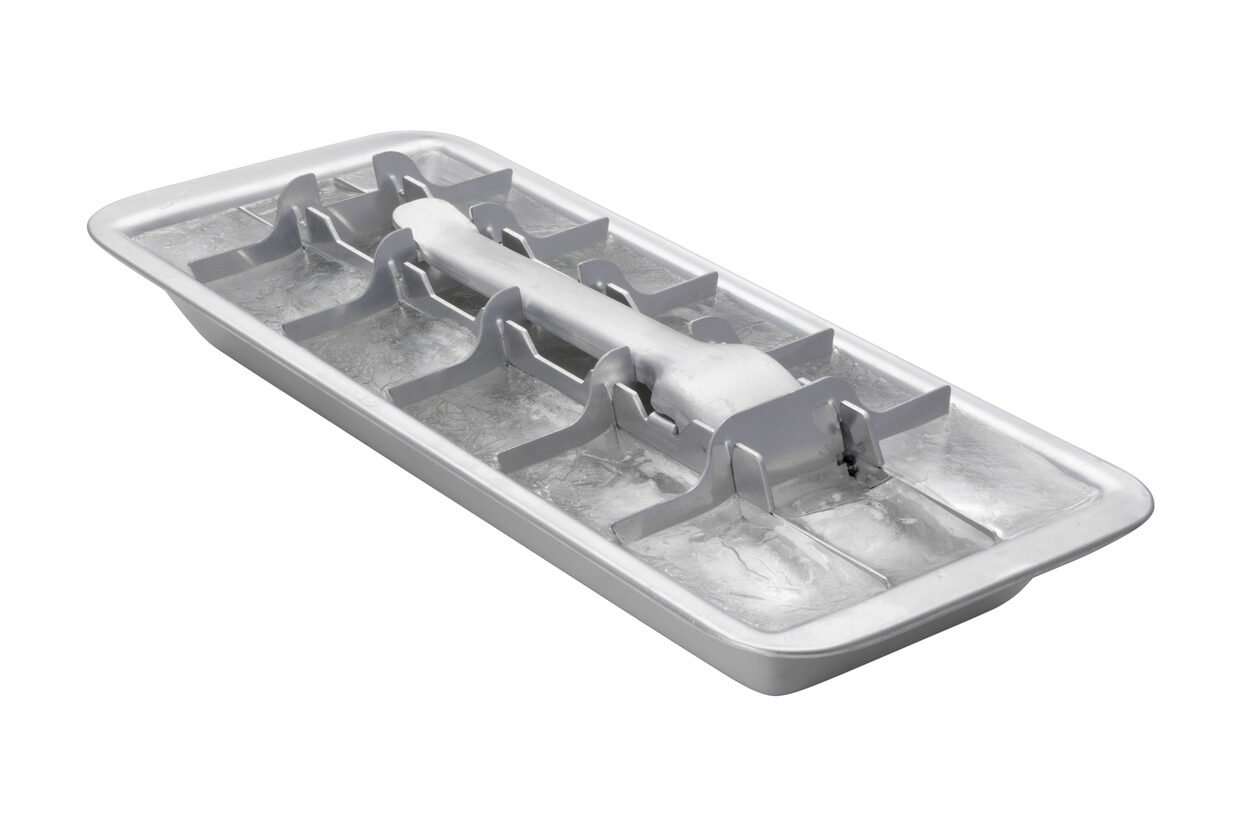
Ice cube trays were stiff and required strength to use. Twisting them was a learned skill. Ice cubes cracked loudly as they released. Spilled water was expected. Everyone had a method.
You refilled them immediately after use. Trays stuck to fingers in the freezer. Ice shapes were uneven and imperfect. That never mattered. They did their job. Nobody imagined anything easier.