
1. Chuckles’ Funeral on The Mary Tyler Moore Show
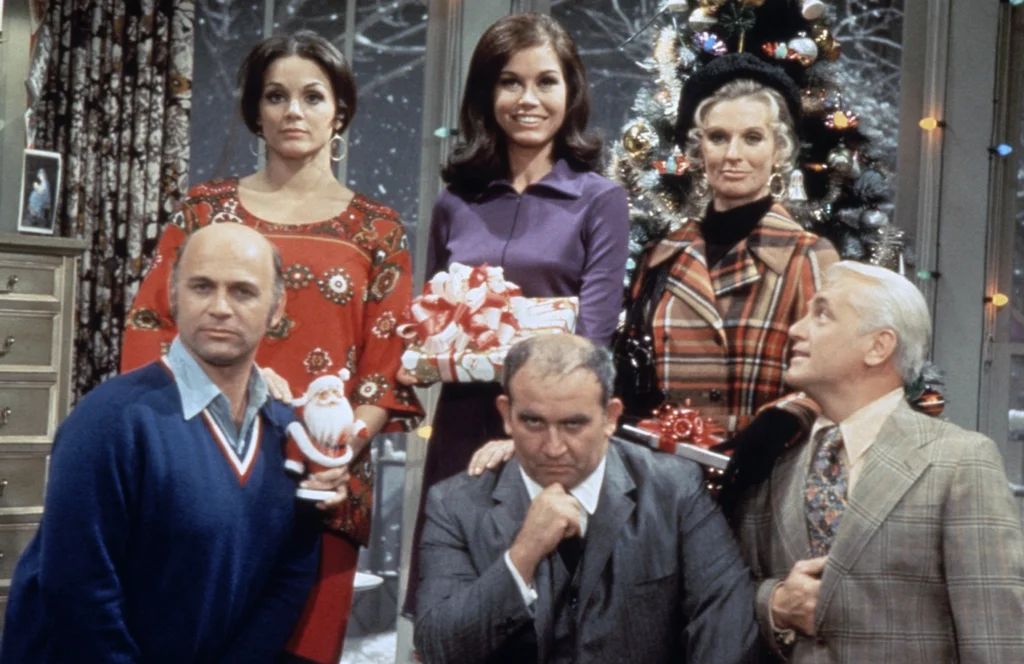
When the episode “Chuckles Bites the Dust” aired in 1975, viewers did not expect a sitcom to handle death with such blunt honesty. The newsroom laughs at first, then slowly realizes how uncomfortable grief can be when it refuses to behave politely. Mary’s breakdown during the funeral was funny, unsettling, and deeply recognizable all at once. People went to work the next morning arguing over whether it was appropriate to laugh at all. The episode pushed the idea that comedy could tackle adult emotions without softening them. It felt daring for prime time television. For many viewers, it changed what a sitcom was allowed to do.
The conversation lingered because it mirrored real life more than TV usually did. Everyone had been in a room where laughter slipped out at the wrong moment. The show trusted the audience to sit with that discomfort. That trust paid off in long hallway debates and lunchroom conversations.
2. Edith Bunker’s Assault on All in the Family
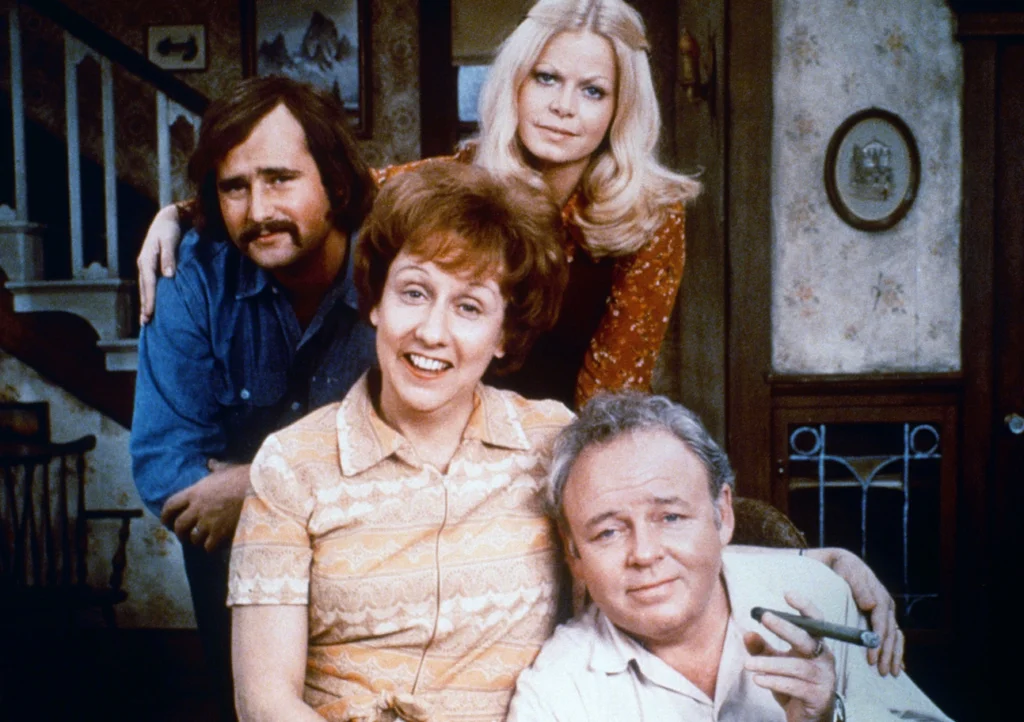
When Edith Bunker was attacked in her own home in 1977, viewers were shaken. The episode did not play like a typical sitcom plot, and that was the point. It treated the event seriously, without jokes or easy resolutions. People were not prepared to see such a grim storyline centered on a beloved character. The next day, it was discussed in offices, churches, and schools. Many praised the show for addressing a subject usually ignored on television.
Others felt deeply uncomfortable and said so out loud. That discomfort became part of the conversation itself. The episode forced viewers to confront how violence was often minimized, especially when it happened to women. It proved that TV could spark necessary, if uneasy, dialogue.
3. The Penny Storyline on Good Times
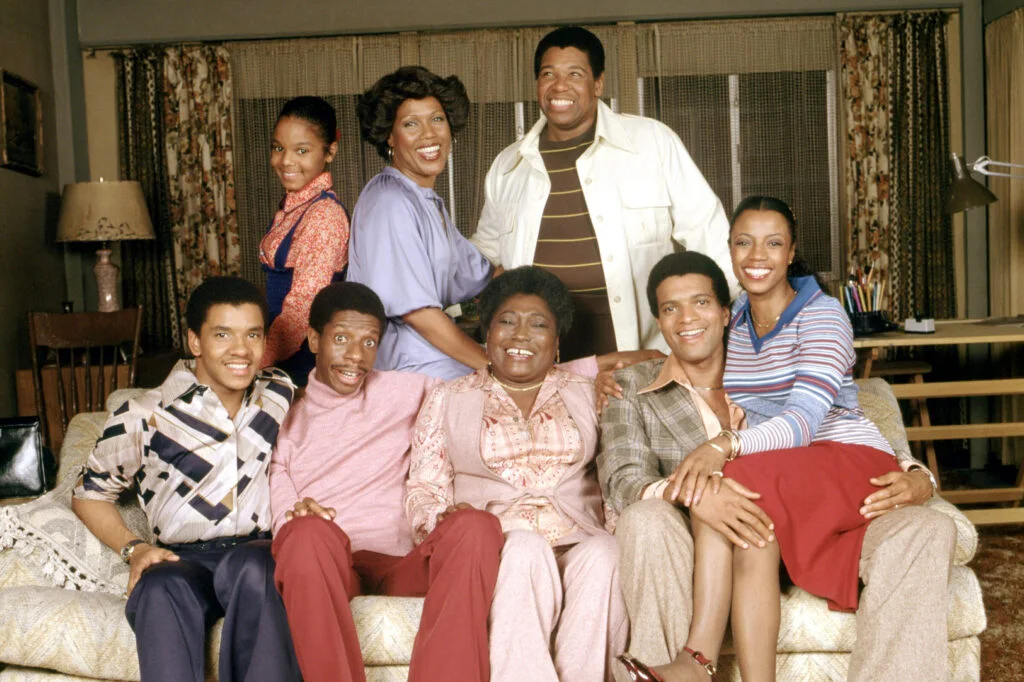
In the mid 1970s, Good Times aired a storyline involving child abuse that stunned audiences. Penny’s home life was revealed slowly, and the truth hit harder because of the show’s usual comedic tone. Viewers were not used to seeing such realism on a family sitcom. The episode ended without neat answers, which made it linger in people’s minds. Parents and teachers talked about it openly the next day. Some viewers said it was too heavy, while others said it was necessary.
What made it a conversation starter was its refusal to look away. The show treated Penny’s experience with empathy rather than spectacle. It trusted viewers to understand the seriousness without spelling everything out. That trust sparked serious discussion far beyond the living room.
4. The Miniseries Finale of Roots
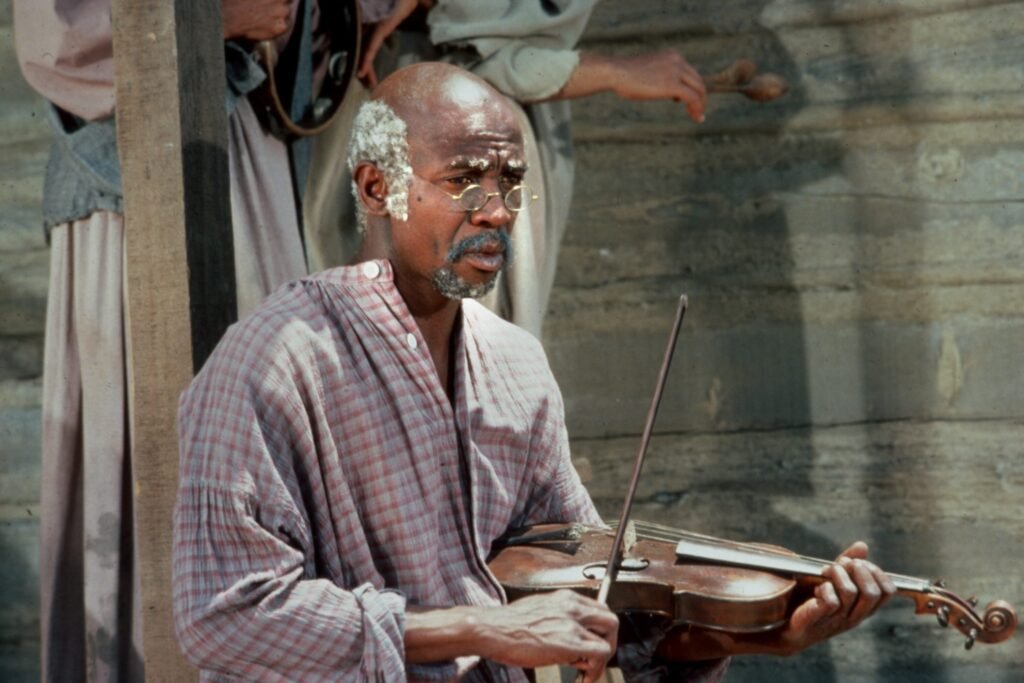
When Roots aired in 1977, it dominated television for eight consecutive nights. By the time the final episode aired, nearly everyone had been watching. The series forced viewers to confront the brutal realities of slavery in a way TV never had before. The next morning, it was impossible to avoid the topic at work or school. People shared what scenes had stayed with them the most. Many admitted they had never seen history presented so directly.
The conversation was emotional and often personal. Families discussed their own histories in ways they never had before. Roots proved television could be both popular and profoundly educational. It set a new bar for what a TV event could be.
5. Fonzie Jumps the Shark on Happy Days
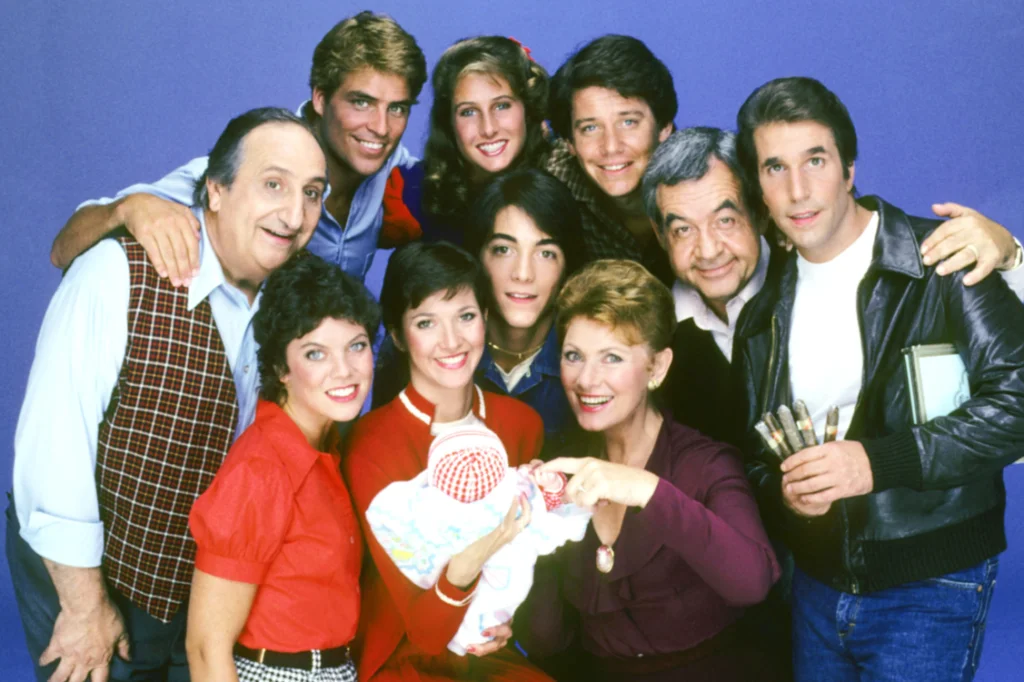
When Fonzie water skied over a shark in 1977, viewers knew something had shifted. The moment was meant to be fun, but it felt exaggerated compared to the show’s earlier charm. The next day, people joked about it, questioned it, and debated whether the show had gone too far. Even casual viewers noticed the change in tone. It became a shorthand for when a show stretches itself thin. At the time, no one knew the phrase would stick.
What mattered then was the shared sense of disbelief. Viewers felt included in an unspoken agreement that something felt off. That collective reaction turned a single scene into television lore. It became a benchmark for future TV conversations.
6. The Premiere of Saturday Night Live
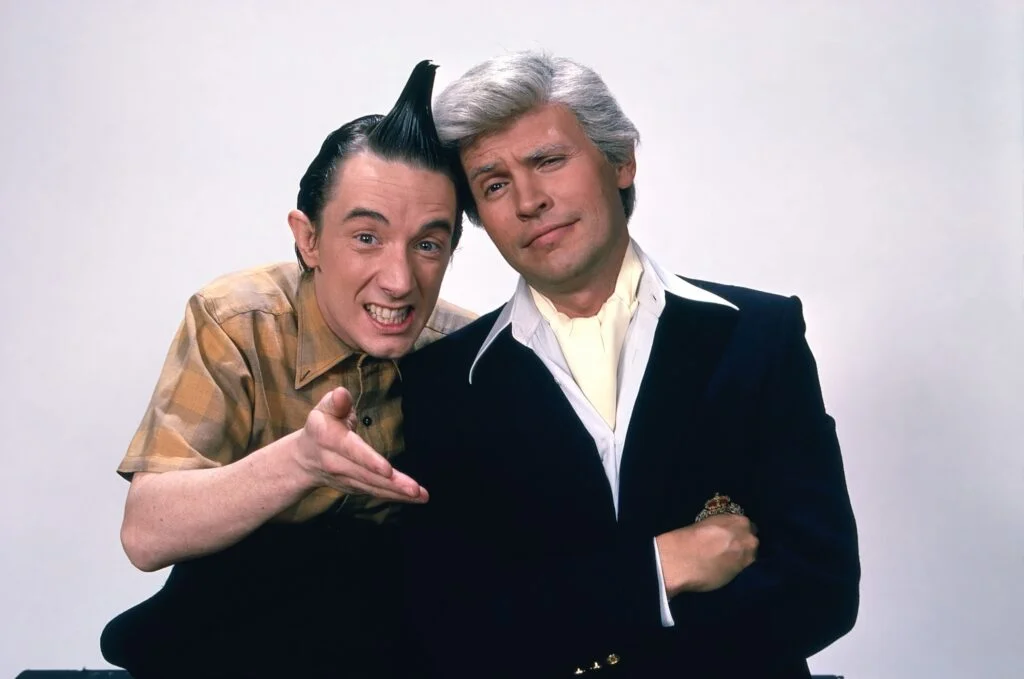
When Saturday Night Live debuted in 1975, it did not feel like anything else on television. The humor was loose, political, and unpredictable. Viewers were unsure whether they loved it or hated it, but they talked about it anyway. Monday morning conversations often included quotes and impressions from the weekend. Some thought it was sloppy, others thought it was revolutionary. Everyone agreed it felt new.
The show tapped into a younger audience that felt underrepresented. Its live format made mistakes part of the appeal. That unpredictability gave people something to dissect the next day. It quickly became part of the cultural routine.
7. Hawkeye’s Breakdown on M*A*S*H
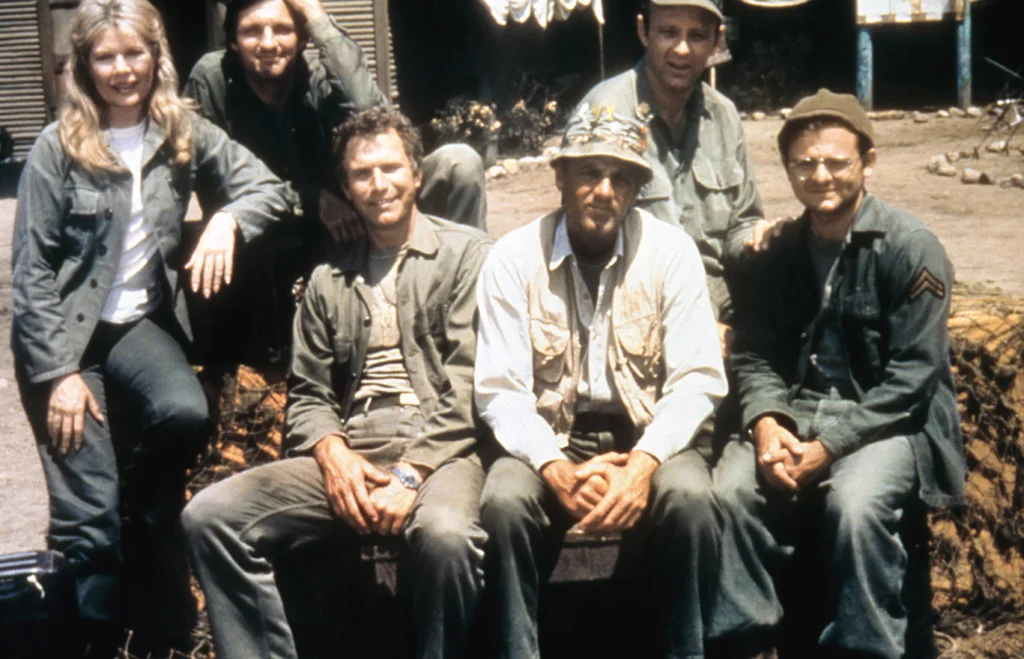
In a late 1970s episode, Hawkeye’s psychological collapse took center stage. The show paused its humor to focus on trauma and guilt. Viewers were not used to seeing a main character unravel so completely. The episode aired quietly, but its impact was loud. The next day, people talked about how real it felt. Many said it changed how they saw the character.
The conversation centered on mental health long before it was common TV territory. The show refused to treat war as a backdrop for jokes alone. That seriousness gave viewers permission to discuss emotional strain openly. It lingered because it felt honest.
8. The Wedding That Wasn’t on Maude
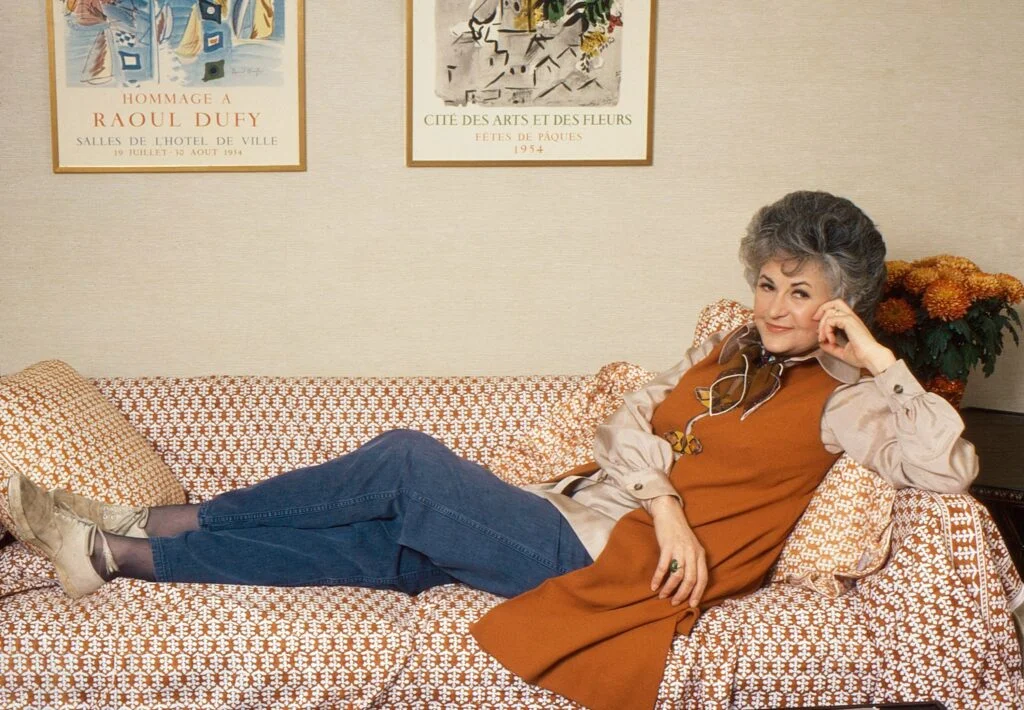
When Maude tackled abortion in the early 1970s, it ignited immediate discussion. The storyline was clear, direct, and unapologetic. Viewers were split, and they did not keep quiet about it. The episode became a topic of debate across the country. Some praised its bravery, others condemned it. Few ignored it.
What made it a next day conversation was its timing. It aired when the subject was already controversial and unresolved. The show took a stand rather than hedging. That boldness ensured people kept talking long after the credits rolled.
9. The Brady Kids Go to Hawaii on The Brady Bunch
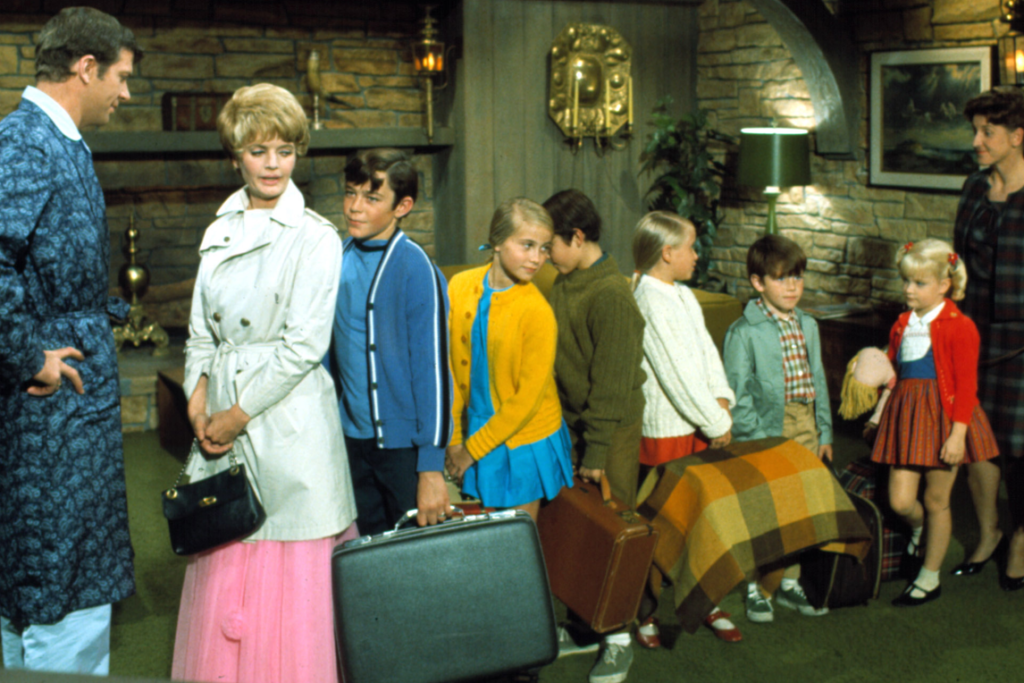
The Hawaii episodes aired in 1972 and instantly became playground chatter. The cursed tiki idol especially captured viewers’ attention. Kids talked about it at school, and adults joked about it at work. It felt bigger than a regular episode, almost like a TV movie. The exotic setting made it feel special. Everyone seemed to have an opinion about Greg’s surfing accident. It was escapism at its most effective.
The conversation was light, but it was everywhere. The episodes proved that event television did not have to be serious to be memorable. Sometimes, spectacle alone was enough. That shared excitement carried into everyday conversations.
10. The First Soap Opera Spoof on Soap
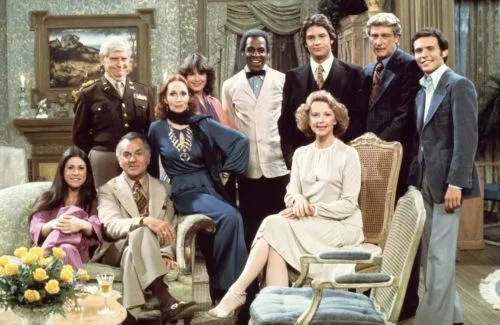
When Soap premiered in 1977, audiences were startled by how far it pushed boundaries. Its satire of soap operas included subjects rarely joked about on TV. Viewers were unsure whether to laugh or gasp. The next day, people compared notes on what shocked them most. Some stations even refused to air it. That only fueled the conversation.
The show thrived on controversy. It made viewers feel like they were watching something slightly forbidden. That sense of risk turned it into a talking point. Whether people loved it or hated it, they talked about it.
11. Archie Learns a Hard Truth on All in the Family
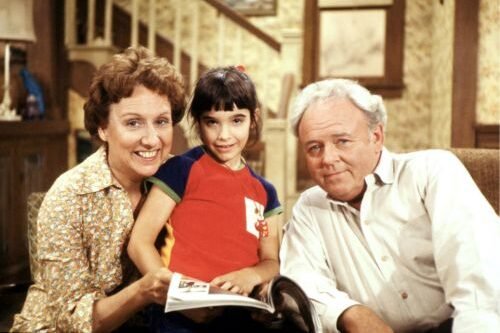
In an episode revealing that Archie’s friend was gay, viewers saw the character forced to confront his prejudice. The storyline was direct but humane. Audiences watched Archie struggle, and many recognized similar tensions in their own lives. The next day, people discussed how the show handled it. Some were surprised by its empathy. Others focused on Archie’s discomfort.
The episode worked because it did not lecture. It let the situation unfold naturally. That restraint made it easier to talk about afterward. It showed television could challenge viewers without alienating them.
12. Mary Richards Throws Her Hat for the Last Time on The Mary Tyler Moore Show

When the show ended in 1977, the finale felt unusually quiet and sincere. The group hug and the shared sense of uncertainty struck a chord. Viewers were used to tidy endings, not emotional goodbyes. The next day, people talked about how real it felt. Many said it felt like saying goodbye to coworkers. The ending stayed with them.
What sparked conversation was its emotional maturity. The show trusted viewers to accept change without a punchline. That trust made the finale resonate. It became a model for how to end a series with grace.