
1. Sam Malone (Cheers)
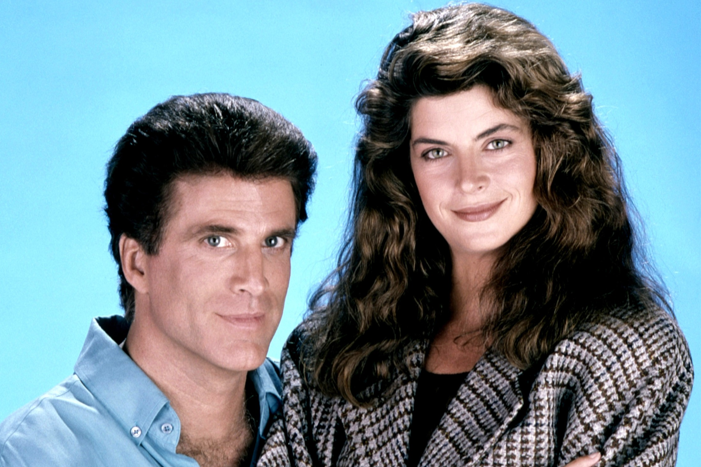
Sam Malone felt real because he was never just the charming guy behind the bar. He was confident one minute and deeply insecure the next, especially when it came to love and aging. His history as a recovering alcoholic was not played as a gimmick, it quietly shaped how he moved through the world. Sam’s fear of being alone often showed up in bad decisions that felt painfully human.
At the same time, he was generous in ways he did not always know how to articulate. He listened when it mattered, even if he cracked a joke first. Sam felt like someone you might actually know, flaws included. That balance made him believable week after week.
2. Roseanne Conner (Roseanne)
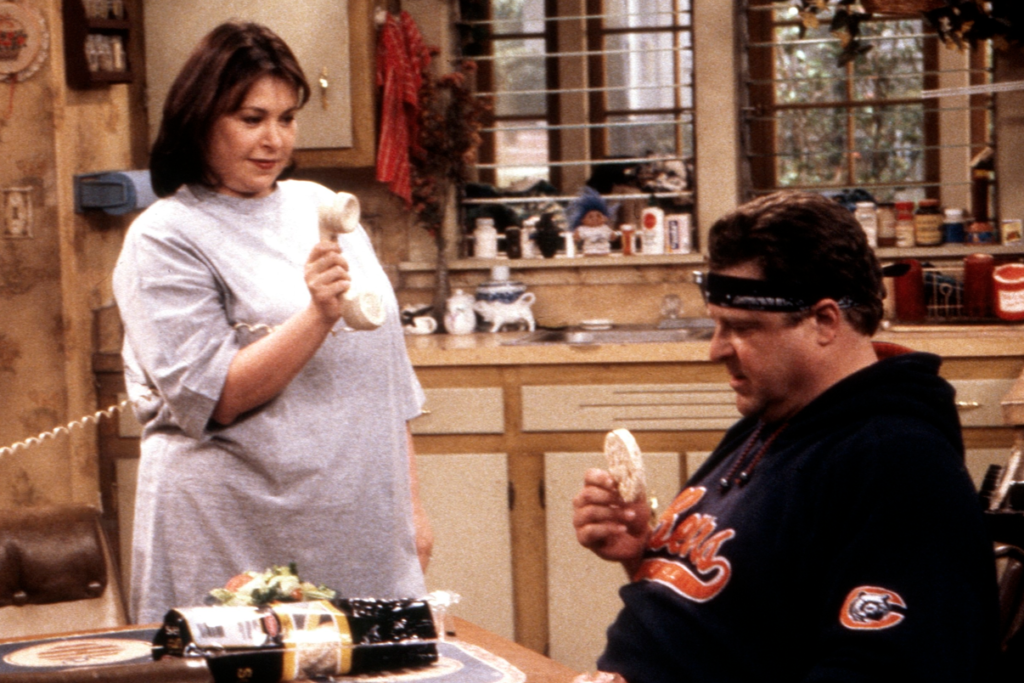
Roseanne Conner felt real because she was allowed to be tired, irritated, and still loving. She snapped at her kids, clashed with Dan, and openly resented how hard life could be. Nothing about her felt polished or aspirational, and that was the point. She reacted the way many people actually do when money is tight and patience runs thin.
At the same time, Roseanne’s loyalty to her family never wavered. She showed affection through sarcasm and stubborn protection rather than speeches. Her humor came from lived experience, not punchlines. That honesty made her one of the most grounded characters of the decade.
3. Dan Conner (Roseanne)
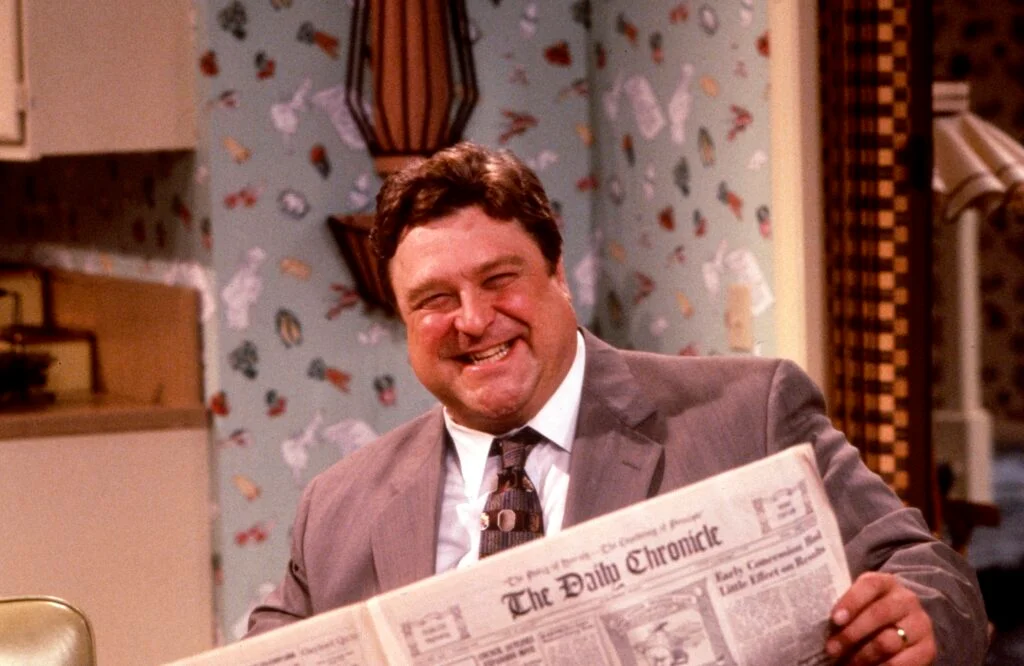
Dan Conner felt real because he carried quiet pressure instead of dramatic monologues. He worried about providing, about being respected, and about whether he was doing enough. His frustrations simmered under the surface, occasionally boiling over in ways that felt earned. Dan was not perfect, but he was steady.
He loved his family without needing to announce it. His moments of vulnerability were subtle, which made them hit harder. Dan felt like someone holding things together by sheer will. That restraint made him deeply relatable.
4. Clair Huxtable (The Cosby Show)

Clair Huxtable felt real because she balanced warmth with authority in a way that felt lived in. She could be playful one moment and firm the next, without losing credibility. Clair was allowed to be tired of nonsense while still being deeply supportive. Her intelligence was never softened to make others comfortable.
She made mistakes and admitted them, especially with her kids. Clair’s strength came from competence, not perfection. She felt like a real parent navigating real boundaries. That made her aspirational without being unrealistic.
5. Alex P. Keaton (Family Ties)
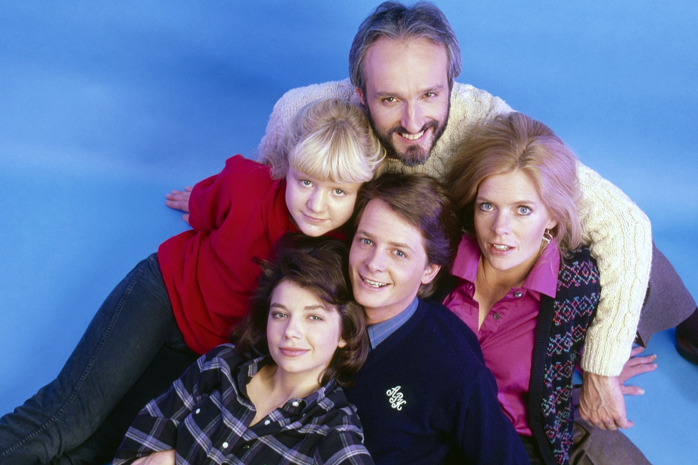
Alex P. Keaton felt real because his confidence was clearly armor. Beneath the ambition and fast talking was a kid desperate for control in a changing world. His political views often masked fear and insecurity rather than arrogance alone. Alex’s emotional blind spots felt authentic.
When he cracked, the show did not rush past it. His vulnerability landed because it contrasted so sharply with his usual certainty. Alex felt like a teenager trying to outthink adulthood. That tension made him believable.
6. Steven Keaton (Family Ties)
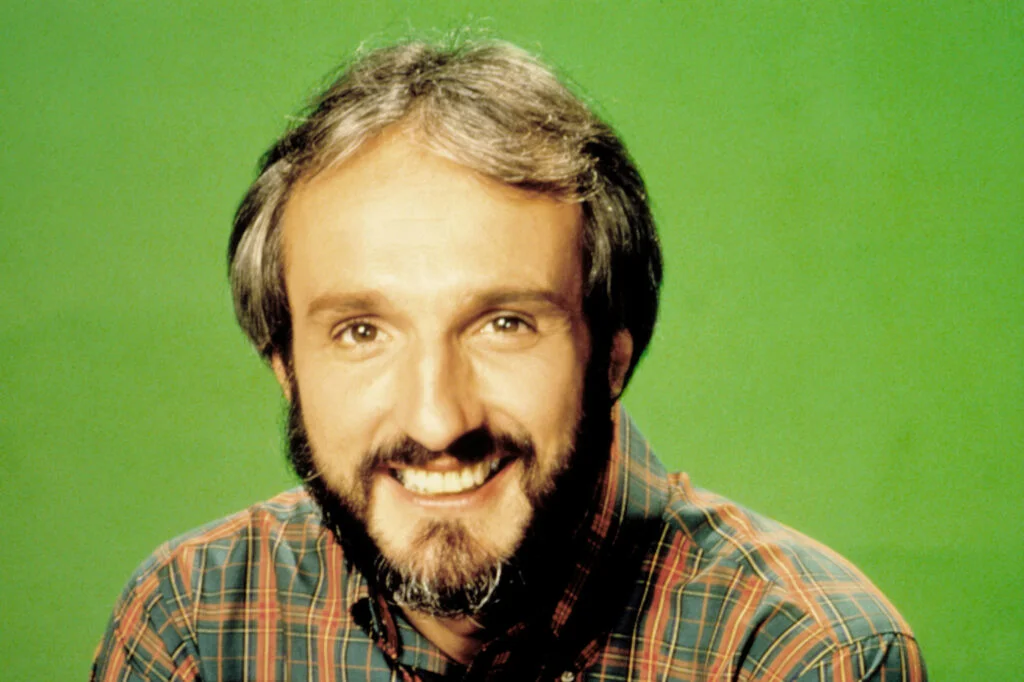
Steven Keaton felt real because he struggled with watching his children grow into people he did not fully understand. His idealism sometimes clashed with reality, and the show let that discomfort sit. Steven was thoughtful but not always effective. That gap felt honest.
He tried to listen even when it was difficult. His mistakes came from good intentions rather than neglect. Steven felt like a parent learning in real time. That humility made him relatable.
7. Dorothy Zbornak (The Golden Girls)
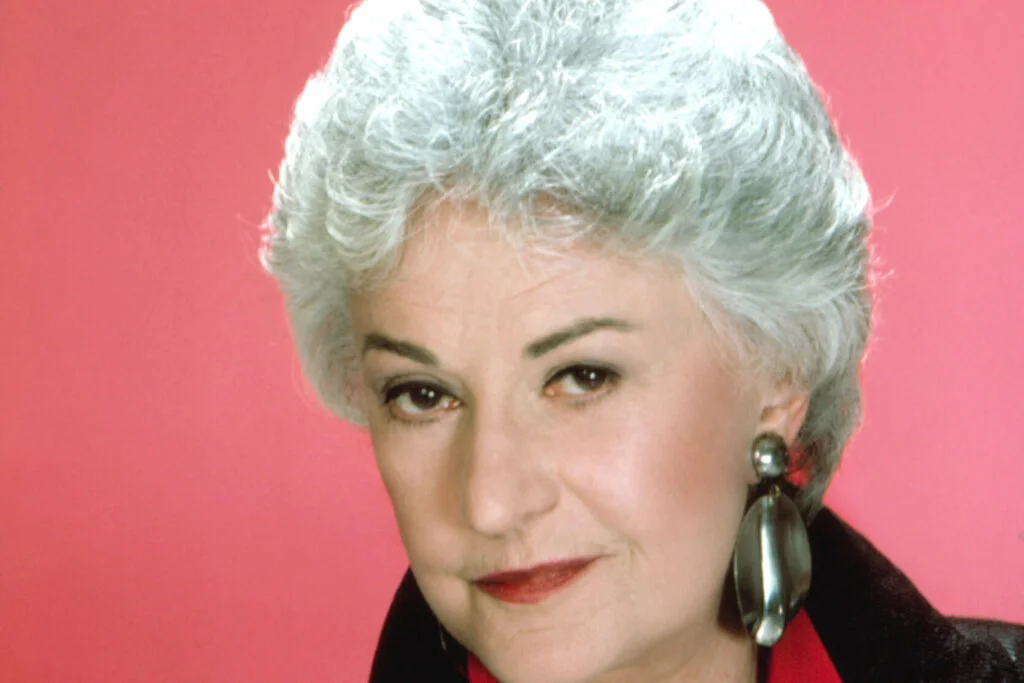
Dorothy Zbornak felt real because she carried years of disappointment without losing her backbone. Her sarcasm was less about cruelty and more about self preservation. Dorothy’s intelligence was paired with deep emotional exhaustion. She often felt like the most grounded person in the room.
Her vulnerability surfaced in quiet ways, especially around self worth. She longed to be seen and respected after years of compromise. Dorothy felt like someone who had lived a full, complicated life. That history showed in every interaction.
8. Blanche Devereaux (The Golden Girls)
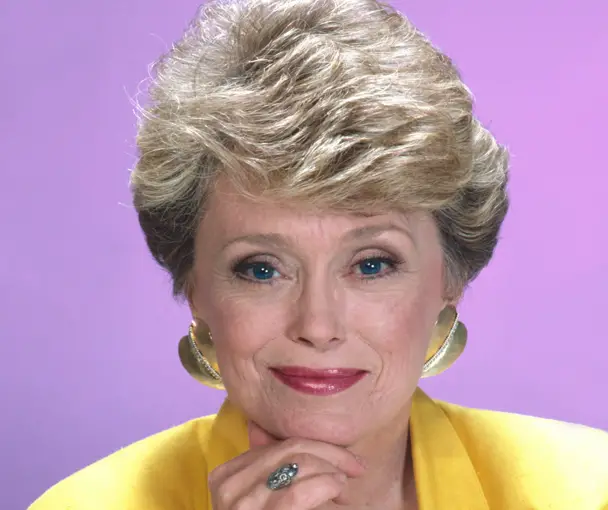
Blanche Devereaux felt real because her confidence hid very real fears about aging and relevance. She used charm as both shield and weapon. Blanche’s vanity was often played for laughs, but it came from something deeper. Her need for validation felt painfully human.
She loved deeply, even when she acted shallow. Blanche’s emotional openness made her easy to understand. She wanted to feel desired and important. That desire made her feel real rather than cartoonish.
9. Murphy Brown (Murphy Brown)
Murphy Brown felt real because she was allowed to be difficult without apology. She was ambitious, impatient, and sometimes wrong. The show never softened her edges to make her more likable. That refusal made her feel authentic.
Murphy’s vulnerability showed up in unexpected places. She cared deeply about her work and the people around her, even when she pushed them away. Her independence came with loneliness. That complexity made her believable.
10. Al Bundy (Married… with Children)
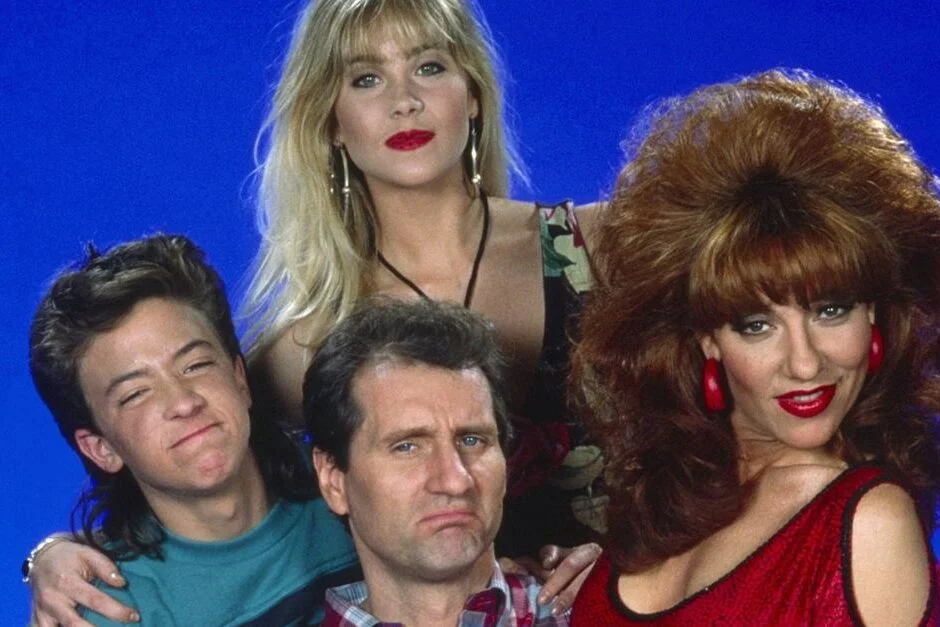
Al Bundy felt real because his bitterness was rooted in disappointment rather than pure cruelty. He felt trapped by choices he did not know how to undo. His anger often masked regret and fear of failure. That emotional core made him more than a punchline.
Moments of pride and loyalty slipped through his sarcasm. Al loved his family, even when he resented his life. His contradictions felt authentic. That made him unsettling but recognizable.
11. Peg Bundy (Married… with Children)
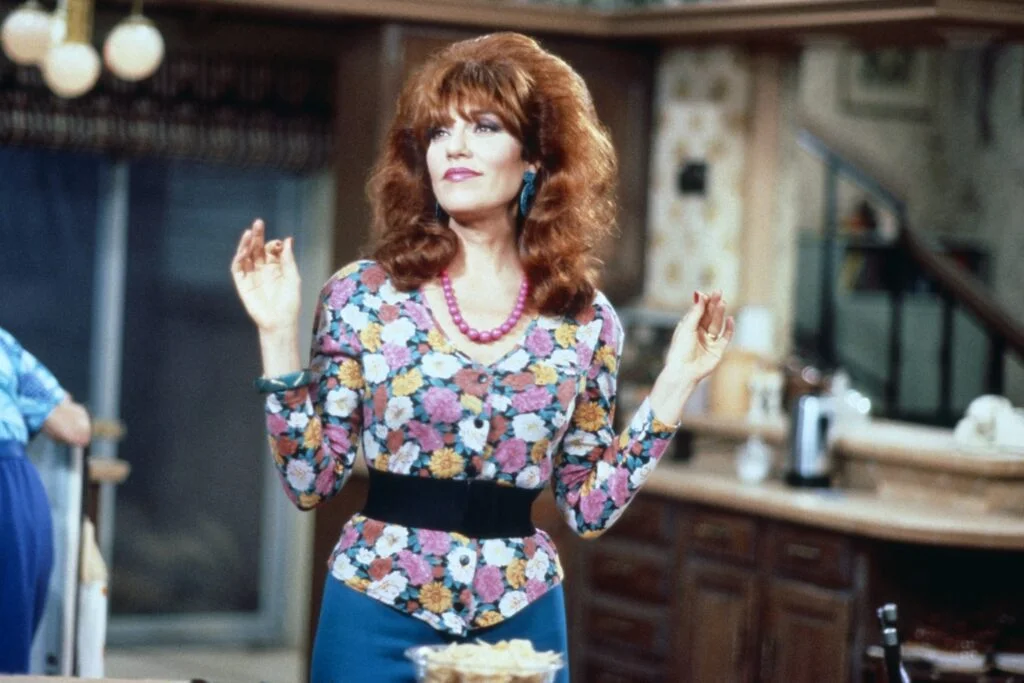
Peg Bundy felt real because her defiance was a response to a life that never rewarded her. She rejected expectations instead of pretending they worked. Peg’s humor came from resistance rather than carelessness. Her detachment felt intentional.
She knew exactly how people saw her and leaned into it. Peg’s love for her kids showed up in unconventional ways. She felt like someone who opted out rather than failed. That choice made her feel real.
12. Arnold Jackson (Diff’rent Strokes)
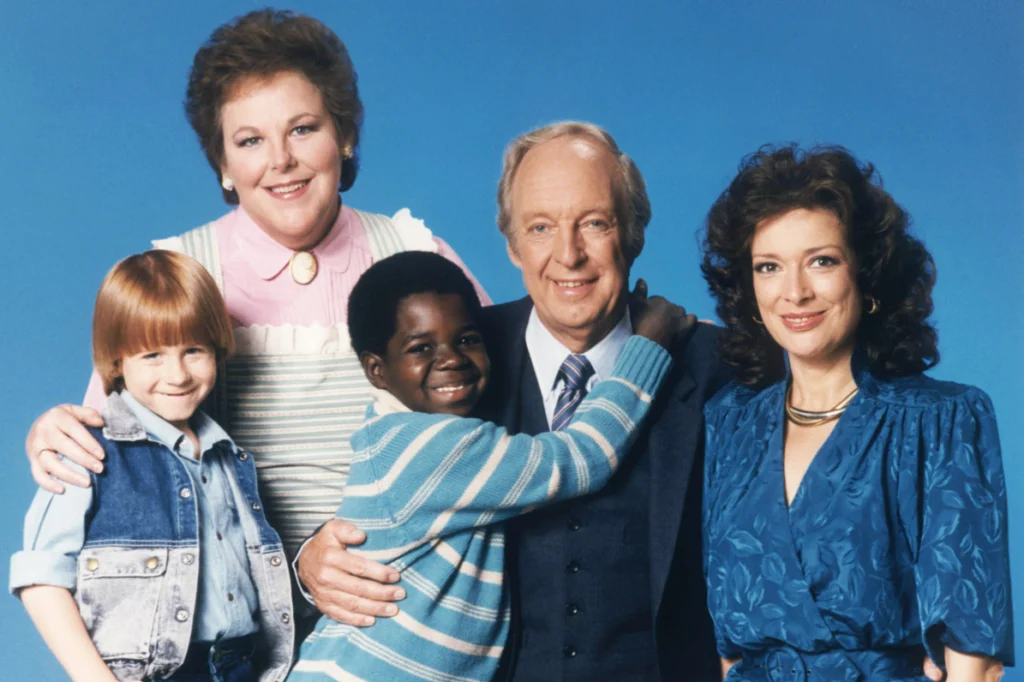
Arnold Jackson felt real because he reacted like a kid dropped into an unfamiliar world. His curiosity and confusion were never played as stupidity. Arnold questioned authority in ways that felt natural for his age. His emotional responses were honest and immediate.
He missed his old life even while adapting to a new one. Arnold’s vulnerability was never erased by humor. He felt like a child processing big changes. That authenticity grounded the show.
13. Benson DuBois (Benson)
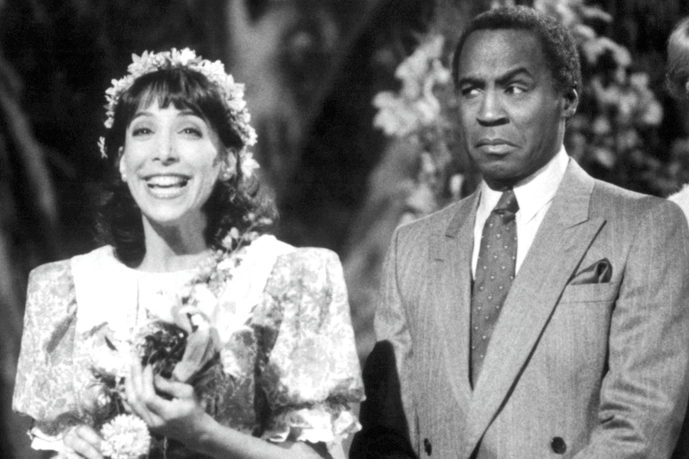
Benson DuBois felt real because his sarcasm was a survival skill. He navigated power dynamics with intelligence rather than force. Benson understood the room before speaking, which made his humor sharp and purposeful. His confidence came from competence.
He was ambitious without being ruthless. Benson wanted respect more than approval. His calm authority felt earned. That realism made him stand out.
14. Willie Tanner (ALF)
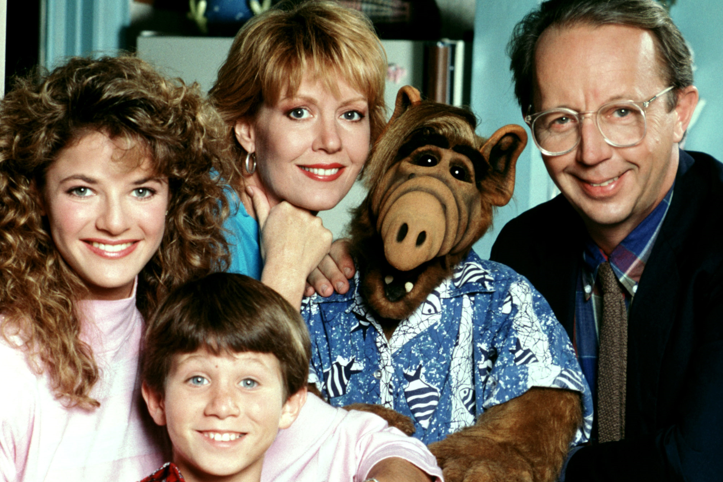
Willie Tanner felt real because he responded to absurd situations with believable exhaustion. He tried to be patient even when overwhelmed. Willie’s frustration never erased his sense of responsibility. He felt like a parent juggling more than he signed up for.
He worried constantly about protecting his family. Willie’s kindness was practical, not sentimental. His reactions felt grounded despite the premise. That made him relatable in an unlikely setting.