1. The Goonies
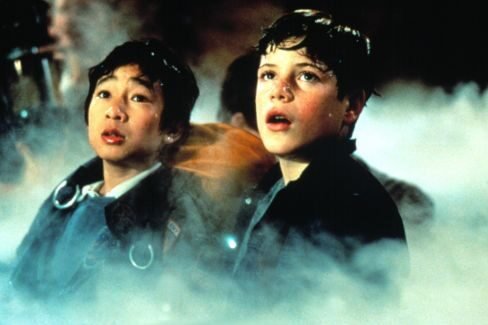
If you grew up with cable in the ’80s or early ’90s, this movie felt like it was on every single weekend. You could flip channels at almost any hour and land right in the middle of a treasure map argument or a booby trap sequence. Even if you missed the beginning, it didn’t matter because everyone already knew the setup by heart. The mix of adventure, humor, and chaos made it easy to jump into at any point. It felt like comfort viewing long before anyone used that term. Cable practically turned it into a shared childhood memory.
Part of why it worked so well on repeat was the ensemble cast, since each character had a distinct personality you could latch onto instantly. You didn’t need a refresher to remember who was who. The pacing made it perfect for channel surfing, with something exciting happening every few minutes. It became less of a movie and more of a familiar background companion. For a lot of families, it was simply always there.
2. Back to the Future
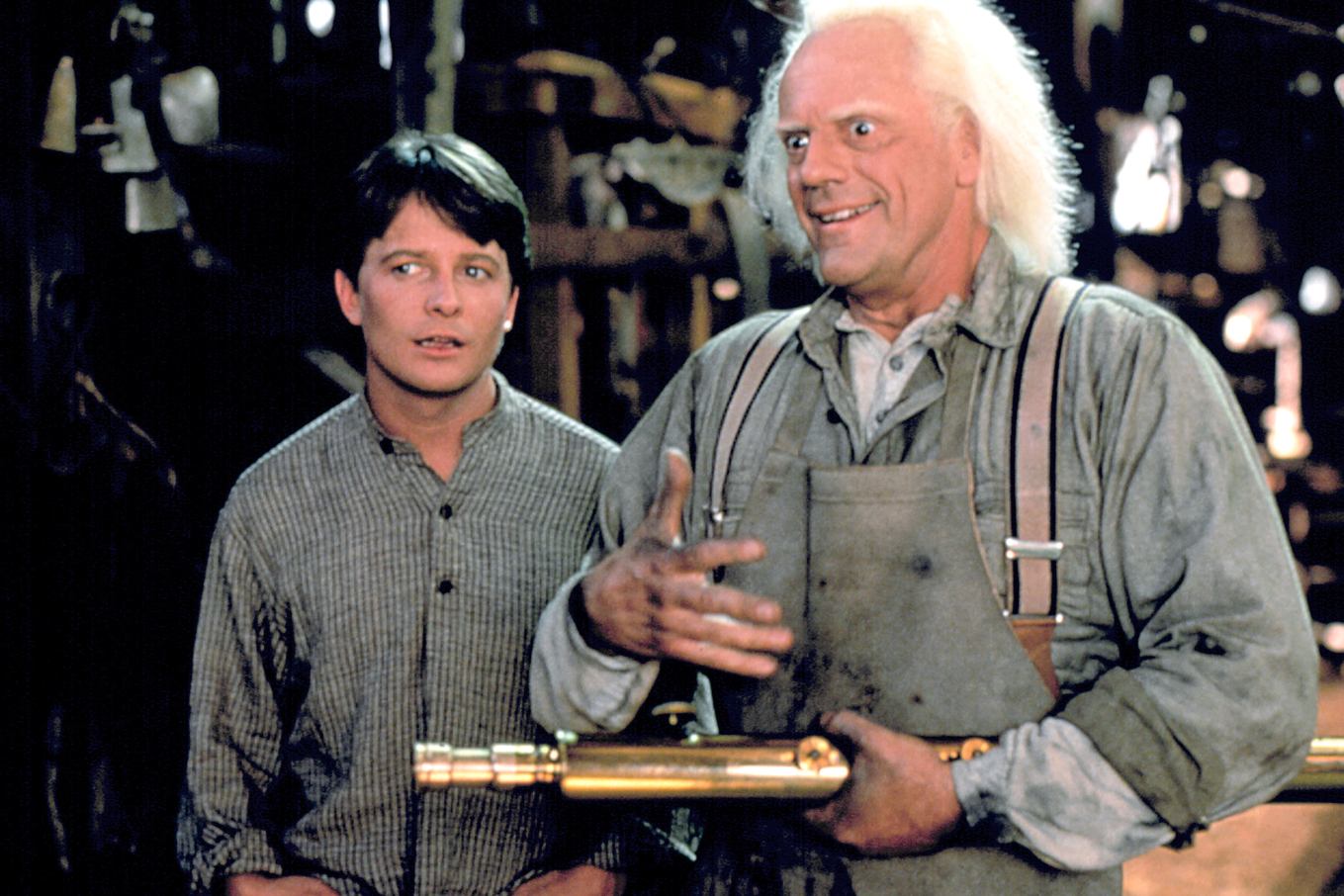
This was one of those movies that cable seemed contractually obligated to run at least twice a week. You could stumble onto it during any act and immediately know exactly where you were in the story. The concept was so clean and well executed that it never got old. Even commercials didn’t ruin the experience much. It was endlessly rewatchable in short bursts.
Cable exposure helped turn individual scenes into cultural shorthand. The clock tower, the DeLorean, and the high school dance all felt burned into collective memory. It didn’t matter if you had seen it ten times already, you still watched. The humor aged well enough to appeal to adults too. That wide appeal is what made it a cable staple for years.
3. Ghostbusters
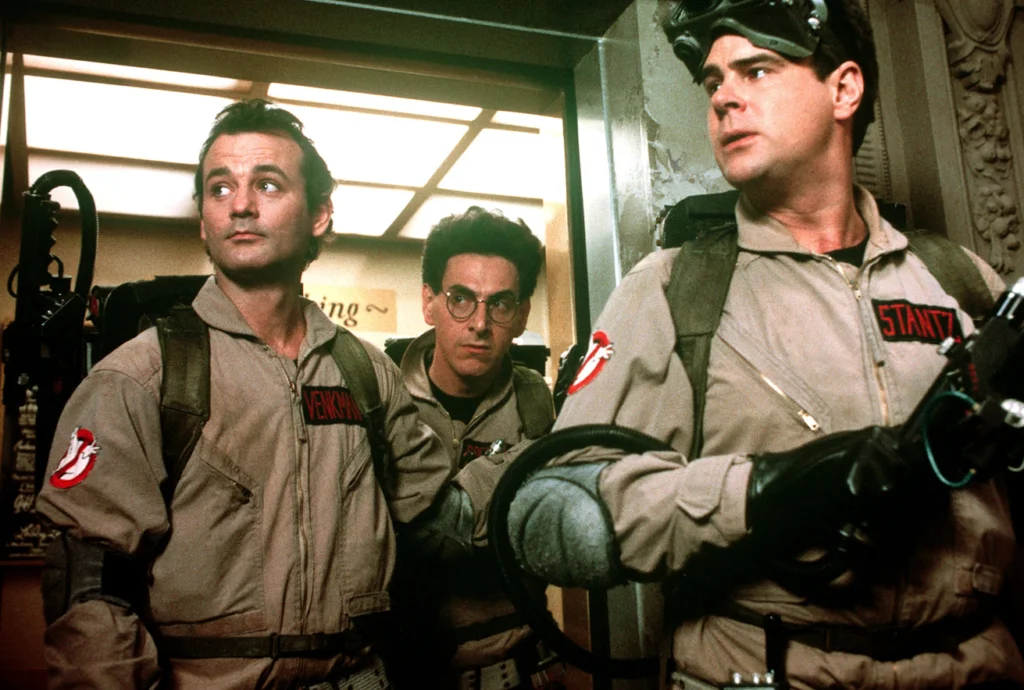
At some point, it felt like this movie was running on a permanent loop. Cable channels leaned into it hard, especially during weekends and holidays. You might not even be looking for it, but there it was again. The jokes still landed no matter how many times you heard them. It became familiar in the best way.
What really helped its cable longevity was how quotable it was. You could tune in mid-scene and still enjoy it without context. The mix of comedy and light scares made it safe for family viewing. It worked equally well as background noise or full attention viewing. That flexibility kept it in heavy rotation.
4. Ferris Bueller’s Day Off
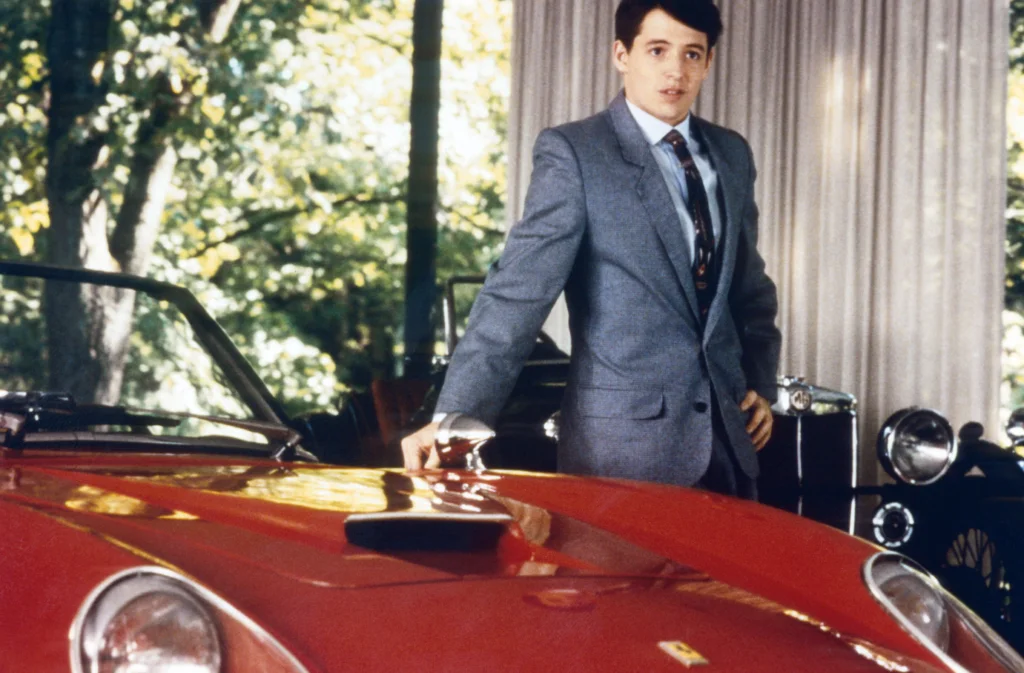
This movie felt like a reward for lazy afternoons at home. Cable ran it so often that Ferris started to feel like someone you actually knew. Even if you missed the first half, the movie welcomed you back without effort. The tone was light and easy, which made it perfect for repeat airings. It was endlessly watchable in fragments.
The direct address to the audience made it feel personal every time. Cable viewers almost felt included in the joke. The Chicago set pieces were familiar landmarks by sheer repetition. It became less about the plot and more about the vibe. That’s why it never seemed to wear out its welcome.
5. Dirty Dancing
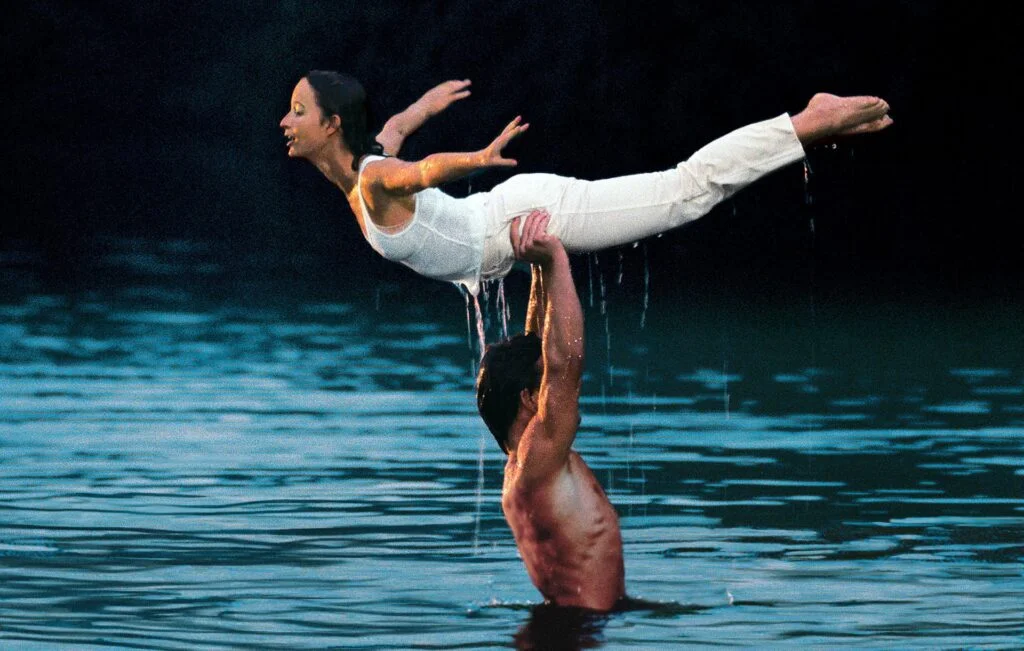
Cable turned this into a rite of passage movie. It seemed to be on constantly, especially in the afternoons and evenings. People would stop flipping channels the second they recognized the music. Even edited-for-TV versions kept the emotional core intact. It was easy to get pulled in halfway through.
The dance scenes were so iconic that context wasn’t required. Viewers knew exactly what they were watching within seconds. Cable replayed it often enough that lines and moments became ingrained. It worked as both a romance and a comfort watch. That combination kept it in steady rotation.
6. Top Gun
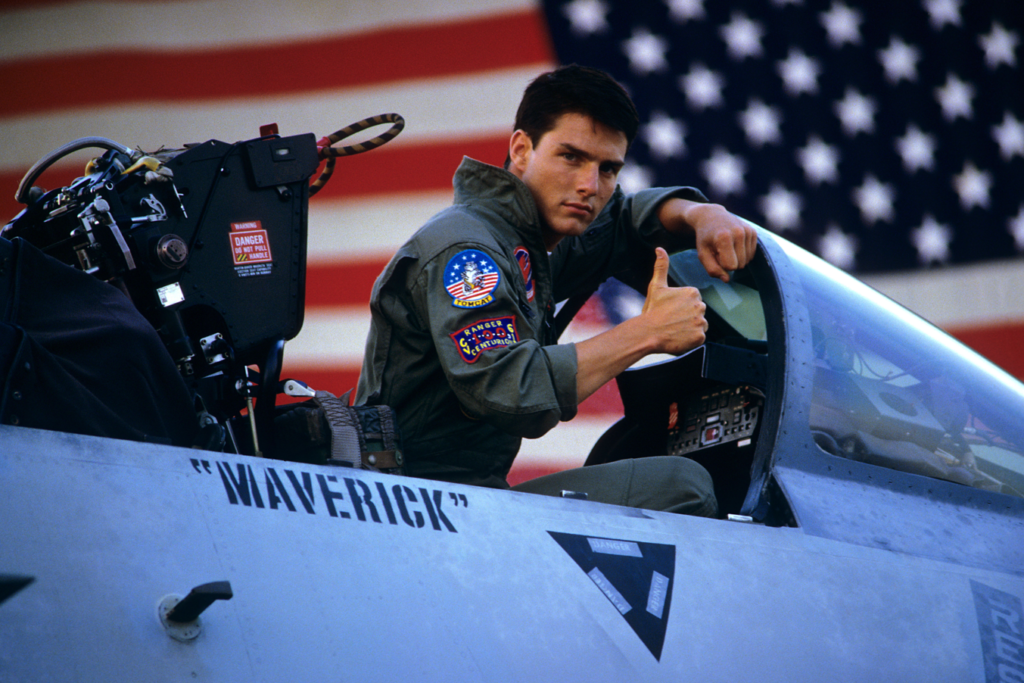
This movie was a constant presence on cable movie channels. You could catch it during any dogfight or training montage and feel satisfied. The visuals did a lot of the work, which made it ideal for casual viewing. It didn’t demand full attention to be enjoyable. Cable loved that.
The soundtrack alone was enough to signal what you were watching. Even with commercial breaks, the energy stayed high. It appealed to viewers across age groups, which helped justify its nonstop reruns. Over time, it felt less like an event movie and more like a familiar fixture. Cable made it unavoidable.
7. Karate Kid
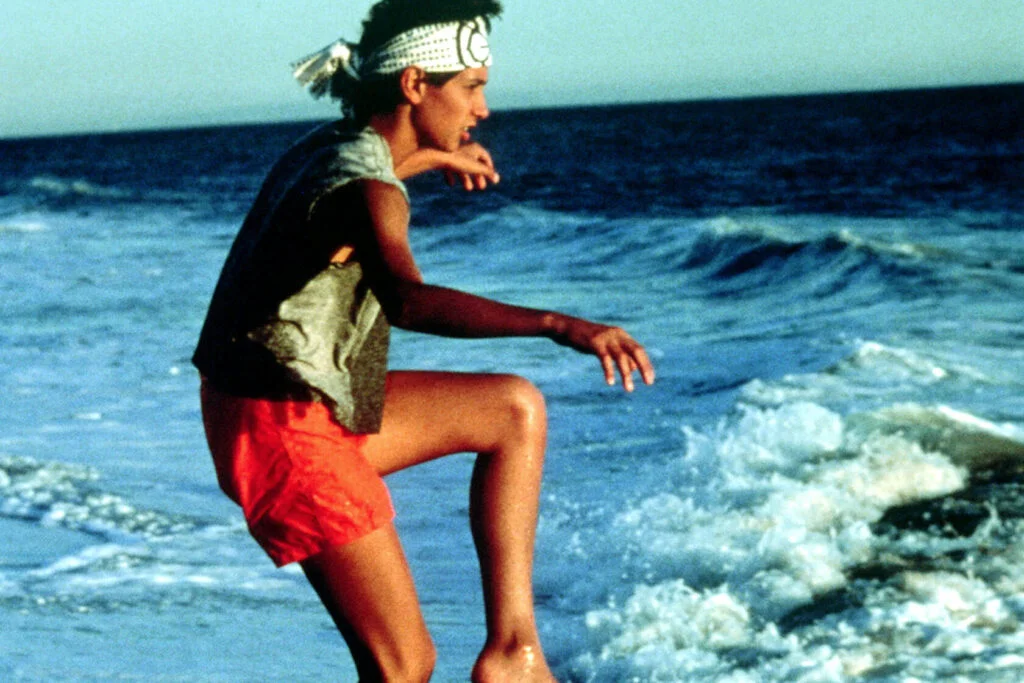
This was another movie cable seemed unable to retire. It played so often that the training montage felt almost seasonal. You could tune in during any stage of Daniel’s journey and still be invested. The underdog story translated perfectly to repeat viewing. It never felt stale.
Cable audiences connected with its simplicity. The lessons were easy to follow, even out of order. Key moments became comfort scenes rather than plot points. It was familiar in a way that encouraged rewatching. That reliability kept it in heavy circulation.
8. Beetlejuice
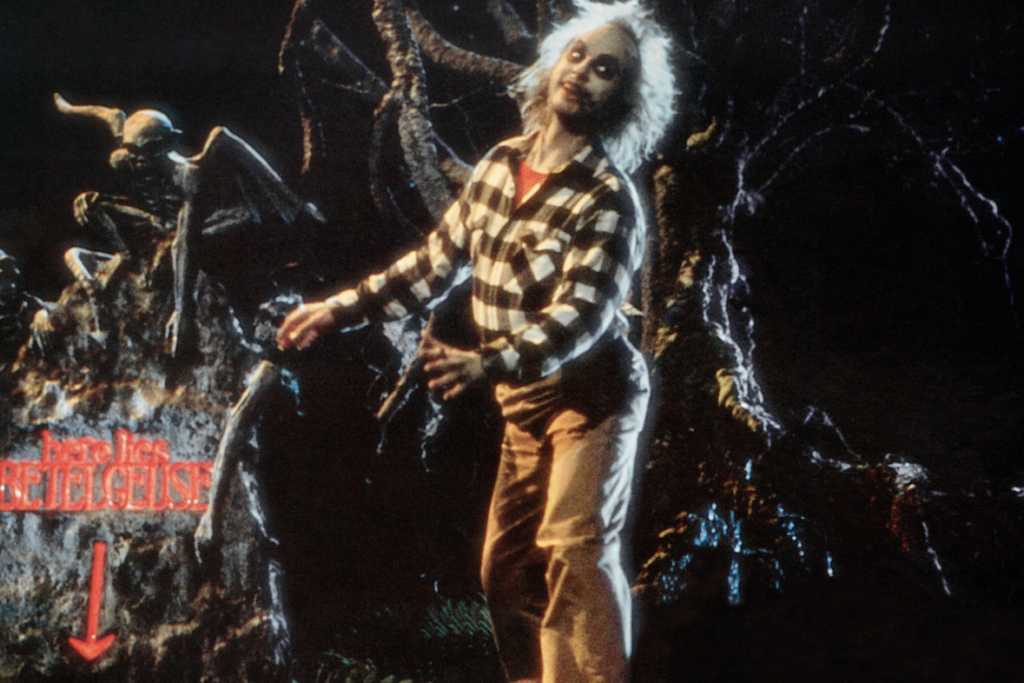
This movie was a cable favorite for anyone who liked their comedy a little strange. It showed up constantly, especially in the late afternoon and early evening. You didn’t need to fully understand the plot to enjoy it. The visuals and performances carried everything. Cable leaned into that.
Its episodic feel made it easy to dip in and out. Certain scenes felt like standalone sketches. The tone was weird but approachable, which made it perfect for repeat airings. It always felt slightly offbeat, even after many viewings. That uniqueness helped it stick around.
9. Planes, Trains and Automobiles
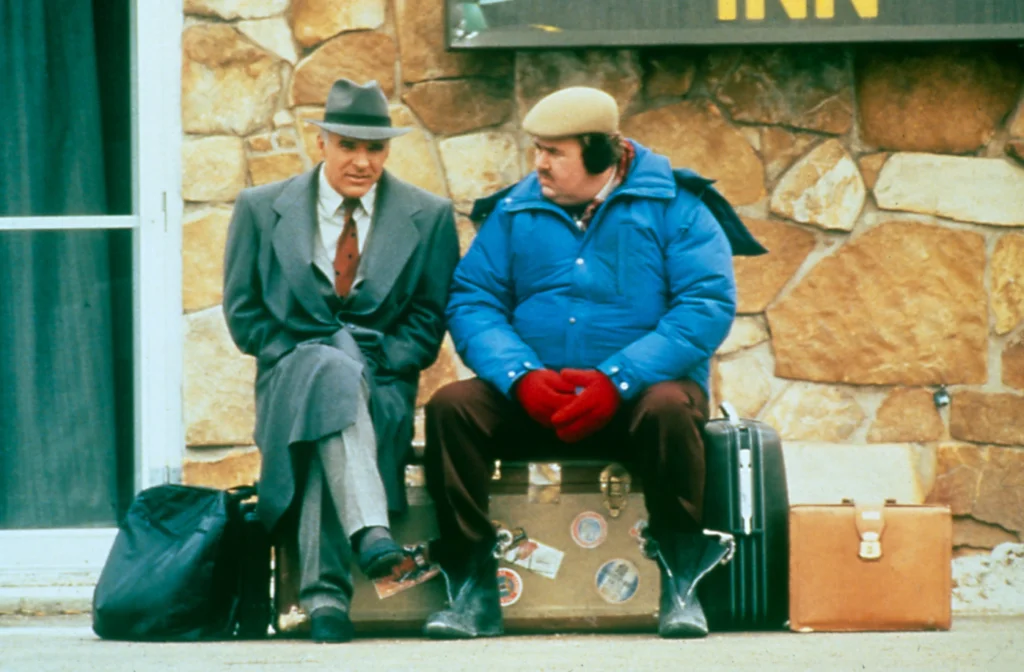
Cable treated this movie like a year-round option, not just a seasonal one. It seemed to pop up constantly, regardless of the calendar. Even censored versions held onto the heart of the story. The chemistry between the leads made it endlessly watchable. You could drop in at any point.
The road trip structure worked especially well on cable. Each segment felt self-contained enough to enjoy on its own. Viewers knew the beats so well that missing scenes didn’t matter. Over time, it became familiar comfort viewing. Cable helped cement that status.
10. Trading Places
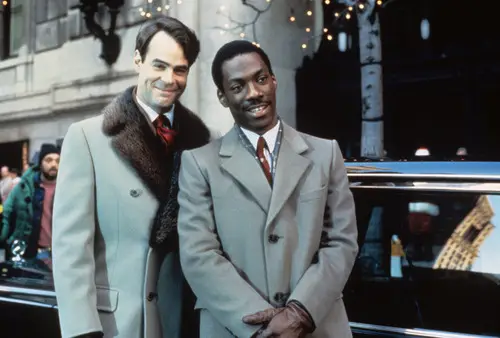
This movie was a cable staple for years. It ran so often that many people first saw it chopped up by commercials. Even then, the humor came through clearly. The premise was simple enough to follow midstream. Cable loved movies like that.
Its sharp comedy rewarded repeat viewings. You noticed new jokes each time it aired. The performances were memorable enough to anchor the story. It fit perfectly into cable’s rotation model. That constant exposure made it feel unavoidable.
11. Coming to America
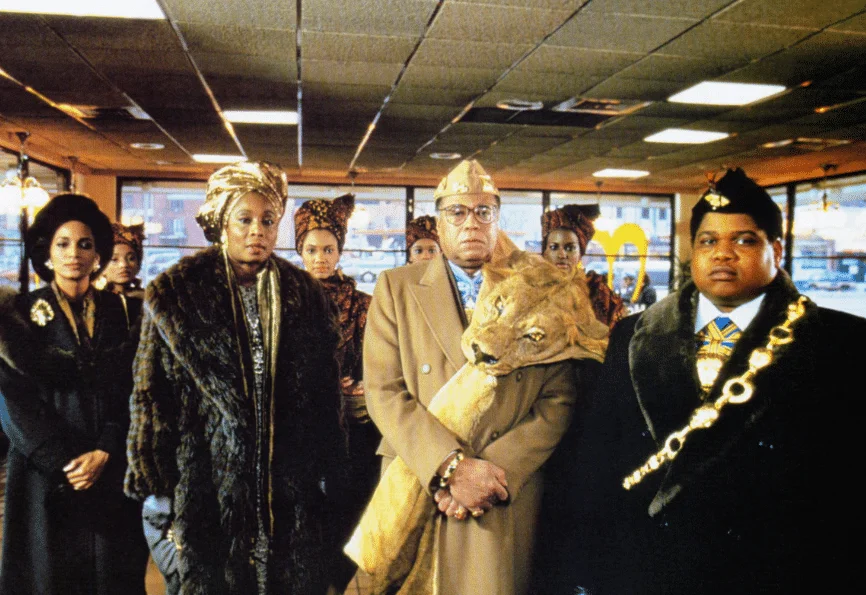
Cable replayed this movie endlessly, especially during weekends. You could stumble onto it during almost any scene and know exactly what was happening. The humor translated well even in edited versions. Characters were so distinct that context wasn’t necessary. It became a go-to rewatch.
The episodic nature of its scenes made it ideal for cable. Certain moments felt like highlights rather than plot points. Viewers developed favorite segments they always hoped to catch. That anticipation kept people from changing the channel. Cable turned it into a fixture.
12. Big
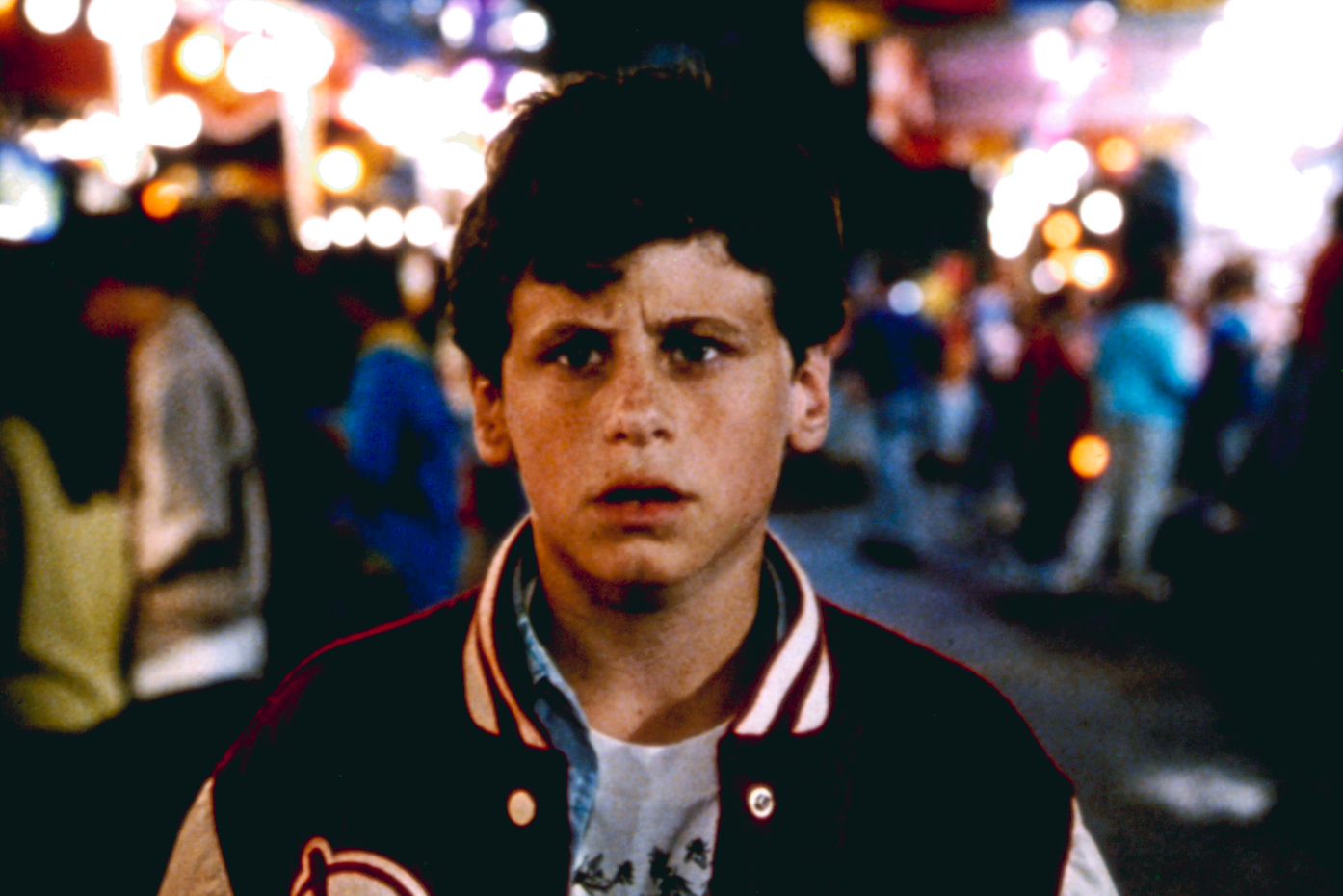
This movie seemed tailor-made for cable repetition. Its concept was immediately clear, even if you tuned in late. The tone was gentle and accessible, which worked well for all ages. Cable networks leaned into that broad appeal. It became a familiar presence.
Scenes played like self-contained moments, especially the comedic ones. You didn’t need the full narrative to enjoy them. The emotional beats still landed after multiple viewings. Over time, it felt like a movie everyone just knew. Cable exposure played a big role in that.
13. Gremlins

Cable loved airing this movie, especially during afternoon slots. Its mix of humor and mild scares made it safe for repeat viewing. You could catch it halfway through and still enjoy the chaos. The creatures themselves were instantly recognizable. That helped anchor the experience.
The structure made it perfect for channel surfing. Each scene escalated just enough to keep attention. Cable audiences became very familiar with its rhythms. It felt like a known quantity rather than a surprise. That familiarity kept it in rotation.
14. RoboCop
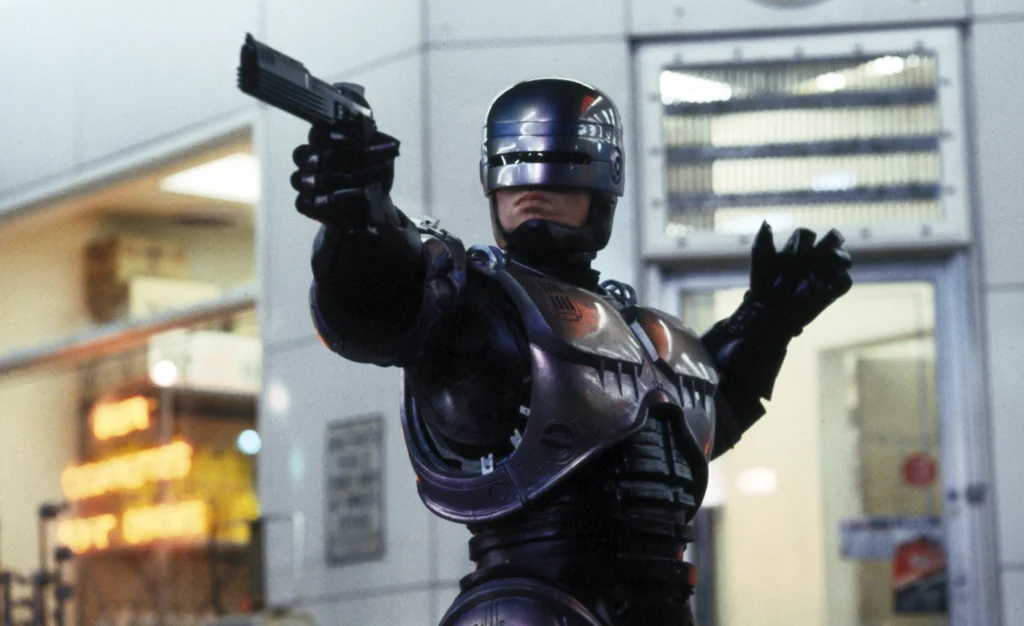
This movie showed up constantly on late-night cable. Edited versions softened the edges but kept the core intact. You could catch any action sequence and stay hooked. The satire still came through, even in fragments. Cable seemed to rely on it heavily.
Its visual style made it easy to recognize instantly. Viewers didn’t need context to understand what they were seeing. The repetition turned certain scenes into staples. Over time, it felt like part of the cable landscape. It was always there.
15. Footloose
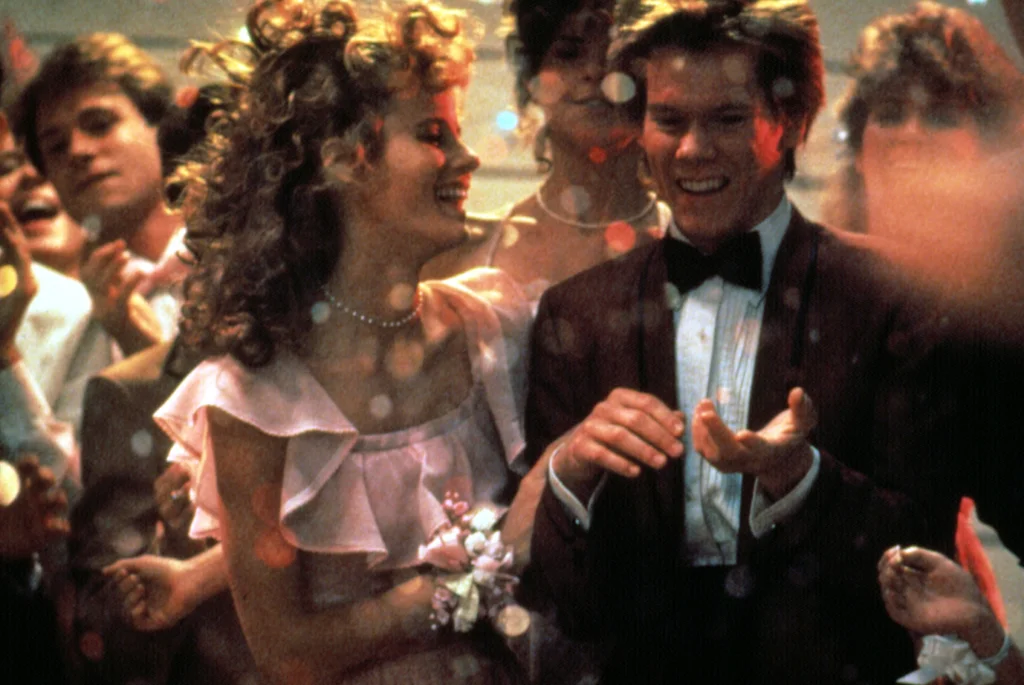
Cable treated this movie like an evergreen title. It seemed to air endlessly, especially in the afternoons. The music alone was enough to stop channel flipping. Even partial viewings felt satisfying. Cable knew it worked.
The story was simple enough to follow at any point. Dance scenes functioned almost independently. Viewers often watched just to catch their favorite moments. That made repeat airings welcome rather than tiring. It became a permanent part of the cable era.